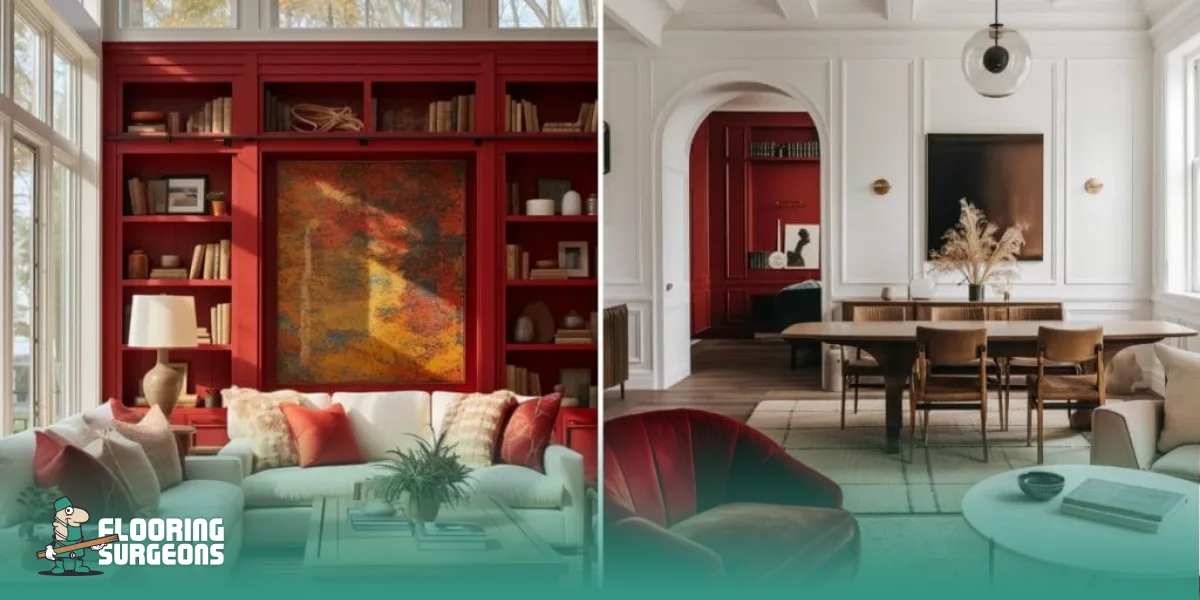


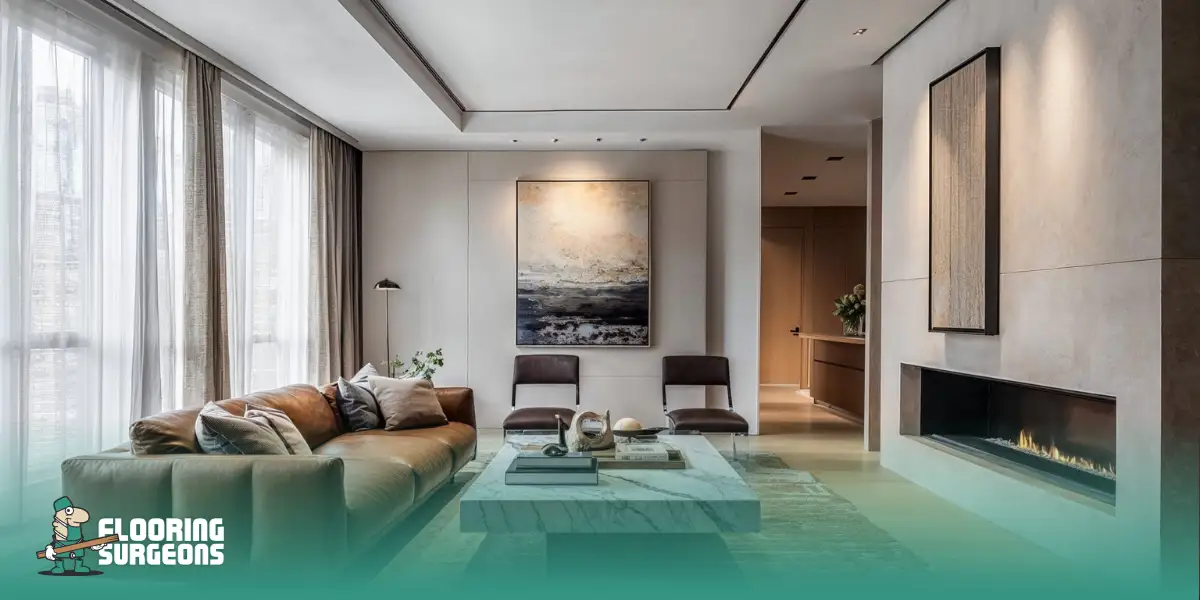
A cozy, balanced room doesn’t just happen—it takes some intention. Designers lean on layering in interior design to pull it all together, mixing textures, colors, materials, lighting, and layout to give a space real depth and character. When you get layering right, even the dullest room starts to feel alive and welcoming. Flooring matters a lot here; it’s the base that everything else builds on. Once you get how these layers work together, it’s way easier to make your home look good and pick flooring that actually holds up in the long run.
Table of contents
What Is Layering in Interior Design?
Layering in interior design is all about mixing different elements to give a room depth and character. Instead of sticking to just one color or standout piece, designers play with floors, furniture, textures, lighting, and décor. The goal? Make the space feel pulled together, not flat or boring.
It all starts with the floor. That’s your base—how colors look, how the textures play together, even how cozy the room feels. Every new layer gets added with purpose. When designers do it right, the room feels finished and welcoming, never crowded or chaotic.
Why Layering Matters for Depth, Comfort & Visual Balance
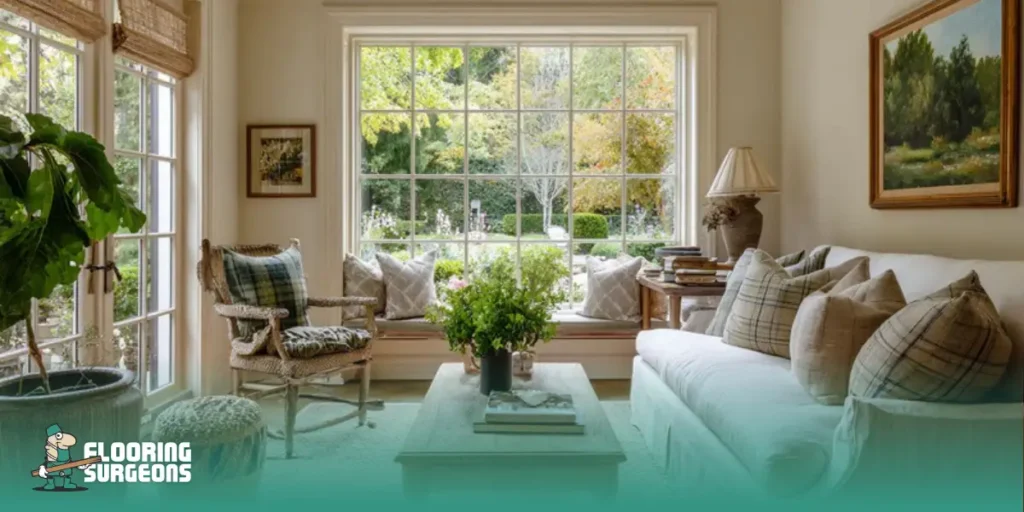
Layering isn’t just a design trick—it’s what gives a room its personality. When you mix colors, textures, lighting, and materials, the space feels more alive and pulled together instead of bare or flat. Flooring, believe it or not, holds everything together. It ties all those elements into one story, adds comfort underfoot, and naturally draws your eye around the room. In the end, smart layering makes everything just click.
How to Layer Interior Design?
Interior design works best when you build it up in layers, starting from the bones of the room and working your way out.
- First comes the structure—walls, floors, ceilings—the stuff you really can’t ignore.
- After that, you start adding in pieces that make the space work: furniture, rugs, storage.
- Then you think about comfort and personality—textures, colors, and lighting that set the mood and make the place feel like home.
- Finally, you get to the details that pull everything together, those little touches that make the room yours.
When you pay attention to each layer, the whole space feels balanced and put together, instead of looking like a bunch of random things fighting for attention. Let’s break down these key layers, from the architectural basics all the way to the finishing touches.
1. Architectural & Base Layer
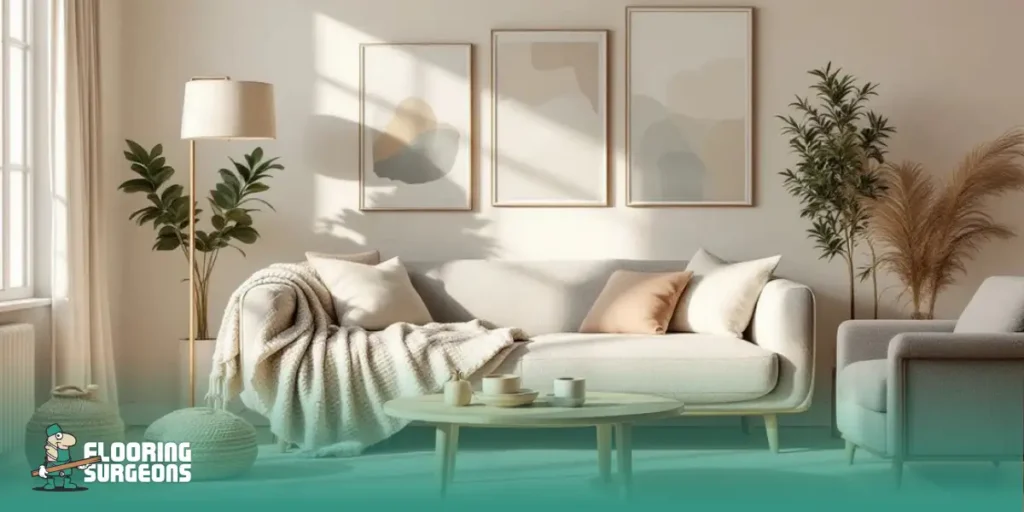
Everything starts with the bones of the room—the architecture. Walls, ceilings, windows, and especially the floor shape how you feel when you walk in. The floor says a lot without trying; it sets the mood, the warmth, even how the colors play together. Go for something solid and natural, like engineered wood flooring, and you get this grounded, calm feeling. It’s a foundation that lets you add more—rugs, furniture, whatever—without things looking busy or out of place.
2. Floor Pattern & Texture Layer
After you lay down the base, it’s time to think about pattern and texture. These details bring a sense of movement and rhythm to the floor. The way you arrange planks, the direction of the grain, or even bold geometric patterns—they all add depth and keep the room from feeling boring or flat.
Classic choices like parquet & herringbone flooring really shine here. Their structured designs not only create layers but also keep things looking elegant for years.
3. Functional Living Layer
Once you’ve nailed the look, it’s time to make the space work for real life. Where you put the furniture, how people move around, and the way different zones connect—these things all shape how you actually use the room day-to-day. Planning the layout with care keeps everything flowing, so you don’t end up dodging clutter or bumping into awkward corners.
Designers love using changes in flooring to break up spaces without building extra walls. It’s a move that keeps things open but still makes each area feel distinct. If you want to see how that works, check out “Using Flooring to Define Zones Without Walls”—it’s a smart approach that blends function with a clean, cohesive look.
4. Comfort, Material & Warmth Layer
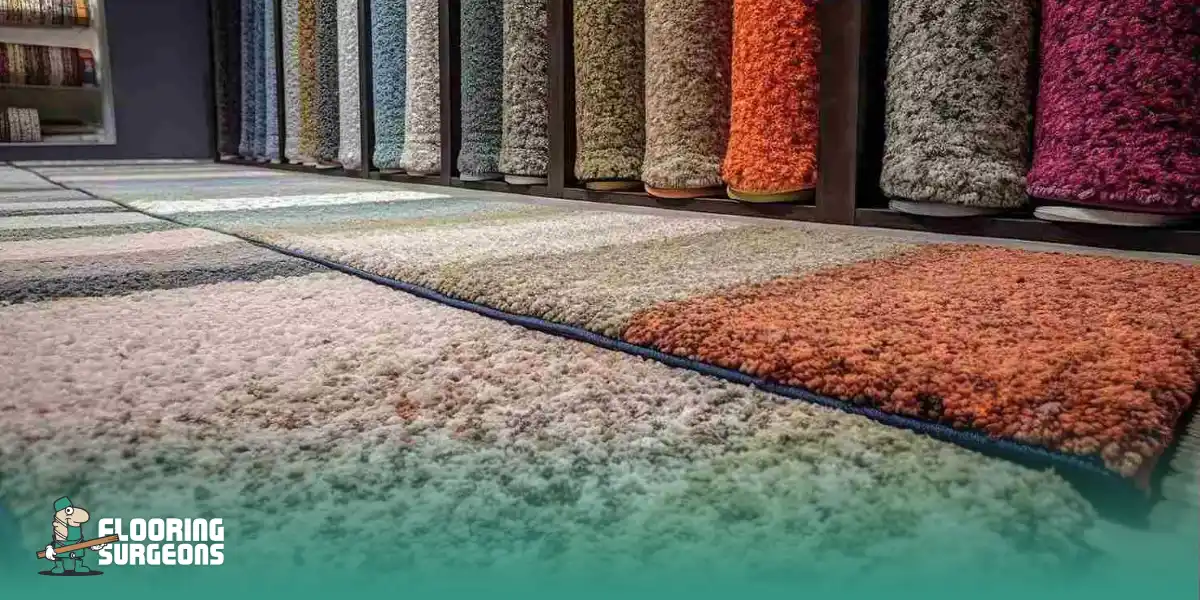
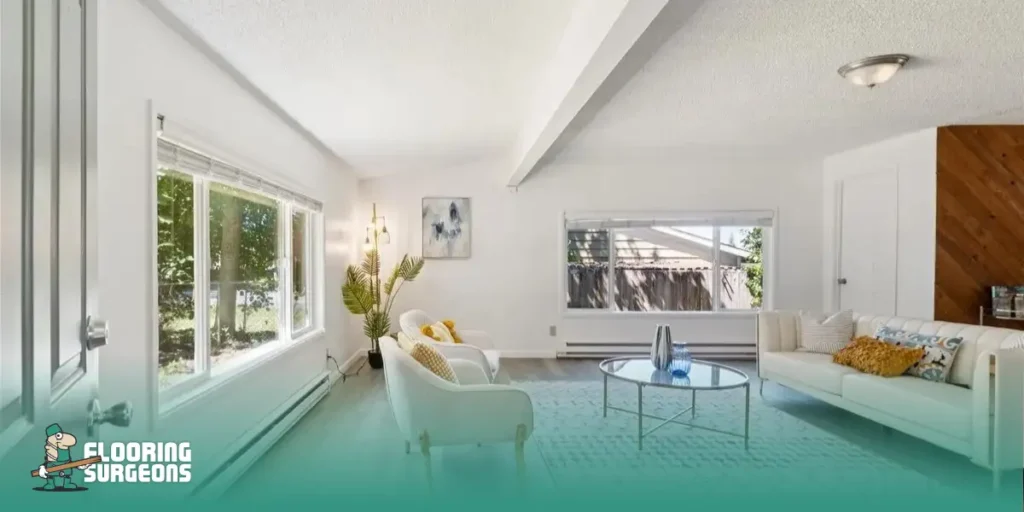
Think about soft rugs under your feet, smooth curtains, cozy upholstery, or even the grain of natural wood. All these things work together—they soften sharp edges and make a space feel inviting, almost like it’s giving you a warm hug.
It’s not just about how things look, either. How a surface feels matters just as much. Little details—like the texture of a fabric or the finish on a floor—add depth and warmth. According to The Role of Floor Texture in Creating Visual Warmth, these textures aren’t just extra decoration. They’re part of the foundation of a well-layered design, bringing comfort right into the heart of the room.
5. Practical Modern Layer
This last layer is all about making sure things last and hold up to everyday life. You want interiors that look good, sure, but they also need to handle spills, people coming and going, and constant cleaning—without losing their style. That’s where newer materials like Luxury Vinyl Flooring come in. They’re tough, easy to take care of, and keep everything looking sharp, blending right in with the rest of the design.
Comparison Table: How Different Flooring Types Support Interior Layering
Every flooring material brings something unique to a room. Some add warmth and make the space feel more welcoming, while others really highlight patterns, toughness, or a clean, modern look. Once you get how each type works, picking the right floor for both style and everyday needs gets a whole lot simpler.
| Flooring Type | Contribution to Layering | Best Suited Style | Practical Strength |
| Engineered Wood | Adds natural depth and a balanced base | Modern & classic interiors | Stable under temperature and moisture changes |
| Parquet / Herringbone | Introduces geometric movement and texture | Elegant, character-led spaces | Long-lasting visual appeal |
| Luxury Vinyl | Creates a clean, contemporary surface layer | Modern, high-traffic homes | Durable, low maintenance, moisture resistant |
Selecting flooring with both design harmony and everyday performance in mind ensures the layered interior remains visually cohesive over time.
A Simple Step-by-Step Guide to Layering a Room
Layering a room isn’t some mysterious design trick—it just works better if you tackle things step by step.
- Start from the floor. Flooring sets the mood and gives you a foundation, both in color and texture.
- Next, bring in your main furniture. These pieces shape how you move around the space and how the room actually works.
- Then, add in softer touches—think rugs, cozy blankets, maybe some woven baskets. These things make the space feel warm and lived-in.
- After that, look at your colors and contrasts. Mix things up just enough so the room feels balanced, not flat or chaotic.
- Finally, finish things off with lighting and a few personal touches or décor. Don’t go overboard—just enough to make the space feel finished, not crowded.
If you take it one layer at a time, the room comes together naturally. It feels comfortable, looks pulled together, and you end up with a space that actually works.
Conclusion: Building Beautiful Interiors from the Floor Up
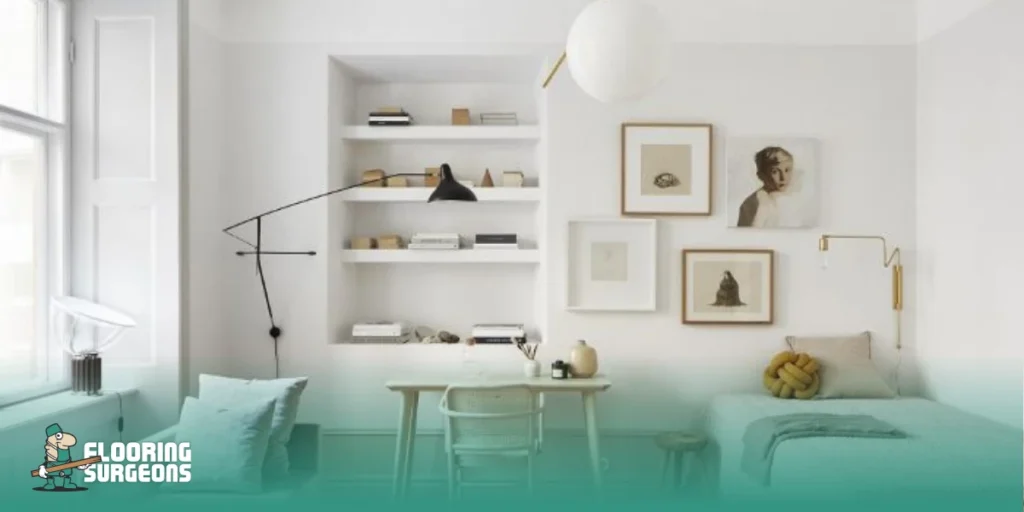
When you layer a room thoughtfully, it stops feeling like just another space and starts feeling like home—balanced, warm, and finished. It all begins with the right floor. You lay that foundation, then bring in the layout, texture, color, and lighting. Each piece adds something new, working together to give the room real depth and harmony instead of just surface-level style.
Picking the right materials matters, too. The best choices don’t just look good; they fit your daily life. That’s what Flooring Surgeons is all about—helping people find flooring that stands up to real life while bringing out the best in their interiors. It’s not just about looks. It’s about building spaces that feel right, from the ground up.
FAQs About Interior Design Layering Techniques
What is layering in interior design?
It’s about mixing things like flooring, furniture, textures, colors, and lighting to give a room depth and balance. When you do it right, everything feels connected and the space just works.
How does flooring affect interior layering?
Flooring sets the tone. It’s the first thing you notice and it impacts the warmth and feel of the whole room. The right floor can pull everything together and make all the other layers click.
What flooring works best for layered interiors?
Natural wood tones are always a classic choice. Patterned parquet can add some personality, and modern, durable surfaces help keep things practical without sacrificing style. These options usually play well with the other elements in the room.
Can layering work in small rooms?
Absolutely. Stick with the same flooring throughout, don’t go overboard with patterns, and keep the textures simple. This way, even a tiny room feels more spacious, but you still get that sense of depth.

Ana.Soltanpoor
I’m an SEO Specialist with a strong background in content management and organic search. I build data-driven content strategies by aligning user intent, search behavior, and SEO best practices to ensure every piece of content delivers clarity, relevance, and measurable organic performance.