



If you’re trying to understand the real difference between LVT and LVP flooring, here’s the short answer up front: LVT (Luxury Vinyl Tile) is designed to mimic stone or ceramic tile, while LVP (Luxury Vinyl Plank) is built to look and feel like real hardwood. Both fall under the luxury vinyl family, both are waterproof, durable, and easy to maintain, and both are popular in modern homes—but they perform differently depending on where you install them.
LVT is usually the better pick for bathrooms, laundry rooms, and kitchens because its tile-like format suits moisture-heavy spaces and patterned layouts. LVP works best in living rooms, hallways, and bedrooms, where homeowners want the warmth and visual flow of wood planks without the maintenance or cost of real timber.
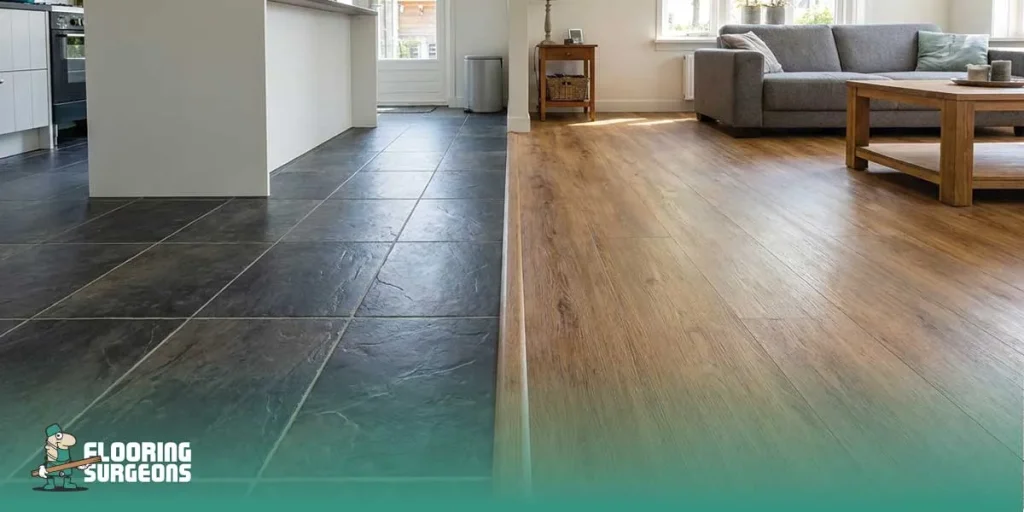
That’s the essential difference. You already have the quick answer. But choosing between LVT and LVP isn’t always that simple. Their wear layers, installation styles, comfort levels, and long-term durability vary more than most people realise—and those details can affect resale appeal, daily comfort, and how your floors age over time. In the rest of this guide, you’ll see a clear, side-by-side breakdown of LVT vs LVP flooring, including pros, cons, costs, and the best use cases, so you can pick the option that genuinely fits your home.
Table of contents
LVT vs LVP — The Short Answer
LVT looks like tile. LVP looks like wood. That’s the simple difference most homeowners need to know. Both belong to the luxury vinyl family, both are waterproof, and both work well in busy homes. But LVT (Luxury Vinyl Tile) comes in square or rectangular tile formats that imitate ceramic or stone, while LVP (Luxury Vinyl Plank) is built in long planks that replicate hardwood flooring.
Because of their shapes, LVT suits bathrooms, kitchens, utility rooms, and patterned layouts, while LVP is better for living rooms, hallways, bedrooms, and open spaces where a wood-look floor feels more natural. Performance is similar, but their appearance and installation style change how a room feels. If you want a stone look, choose LVT. If you want a wood look, choose LVP. Everything else is detail.
What Is LVT? Luxury Vinyl Tile Explained
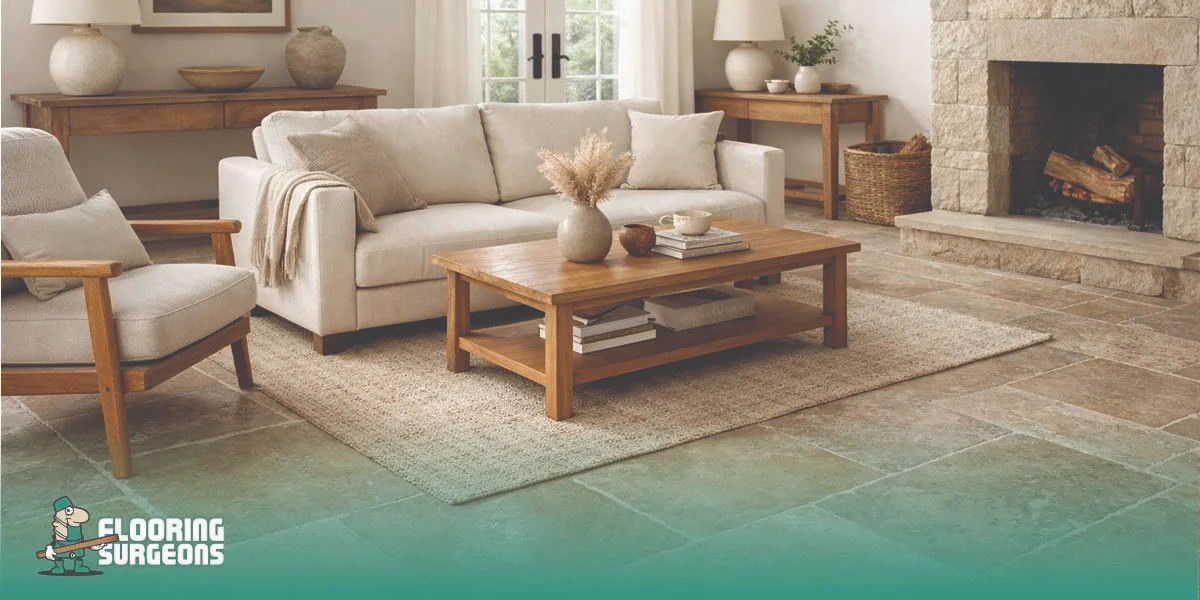
LVT is a type of luxury vinyl flooring designed to replicate ceramic, porcelain, or natural stone tile while offering far better comfort, warmth, and durability. Instead of cold, brittle tile, LVT gives you a softer, quieter surface with the same visual impact. Each piece is shaped like a tile—square or rectangular—and made from layered PVC for strength, stability, and water resistance.
A typical LVT tile has four main layers: a rigid backing for support, a core layer for stability, a printed film that gives the realistic stone look, and a transparent wear layer that protects against scratches and daily wear. This structure makes LVT one of the most durable options for wet rooms and high-traffic areas.
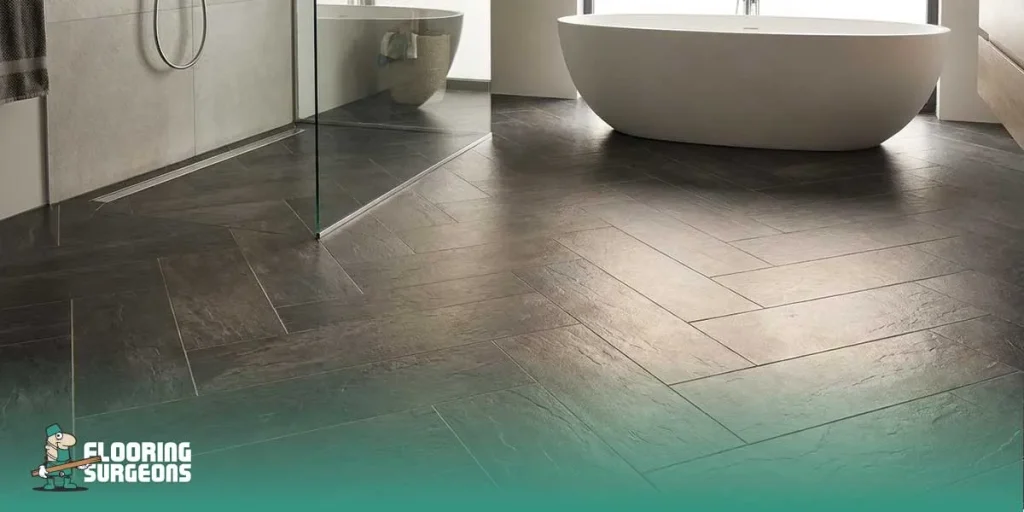
Homeowners choose LVT because it delivers the look of tile without the downsides. It’s warmer underfoot, easier to clean, and doesn’t crack when something heavy drops on it. Installation is also more flexible: you can glue it down for maximum stability or choose a click-lock format for floating floors.
LVT works exceptionally well in bathrooms, kitchens, laundry rooms, conservatories, and rental properties, where waterproof performance and easy upkeep matter most. The tile format also gives designers more creative freedom—think herringbone tile patterns, checkerboard layouts, or large-format stone looks at a fraction of the cost.
In short, LVT is the smarter, easier version of traditional tile: same look, far better practicality, and ideal for modern homes that need durability without sacrificing style.
How LVT Is Made
LVT is made by layering PVC materials under heat and pressure to create a stable, waterproof tile. The base layer gives strength, the core provides structure, the printed film creates the stone or tile look, and the wear layer protects the surface from scratches and dents. A final polyurethane coating adds extra resistance to stains and everyday use. This multi-layer build is what makes LVT durable, quiet, and comfortable underfoot.
Where LVT Is Typically Installed
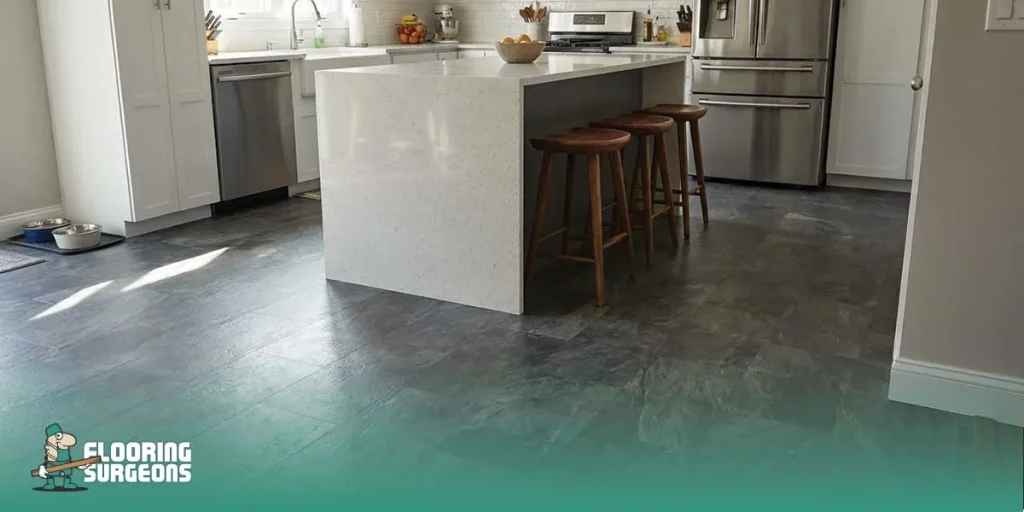
LVT works best in places where homeowners want a tile look without cold surfaces. You’ll see it most often in kitchens, bathrooms, laundry rooms, hallways, and rental properties. Because it’s waterproof and easy to maintain, it suits high-traffic and moisture-prone spaces that need both style and practicality.
LVT Pros
LVT offers realistic tile and stone designs with a warmer, softer feel than ceramic. It’s waterproof, durable, and resistant to scratches, making it ideal for busy homes. Installation is simpler and cheaper than real tile, and maintenance is minimal. It’s also quieter and more comfortable for everyday use.
LVT Cons
LVT won’t match the resale value or longevity of real tile or stone, and heavy furniture can dent thinner products. Poor installation may show gaps or lifted edges, especially in very warm areas. While durable, it can still be scratched by sharp objects.
What Is LVP? Luxury Vinyl Plank Explained
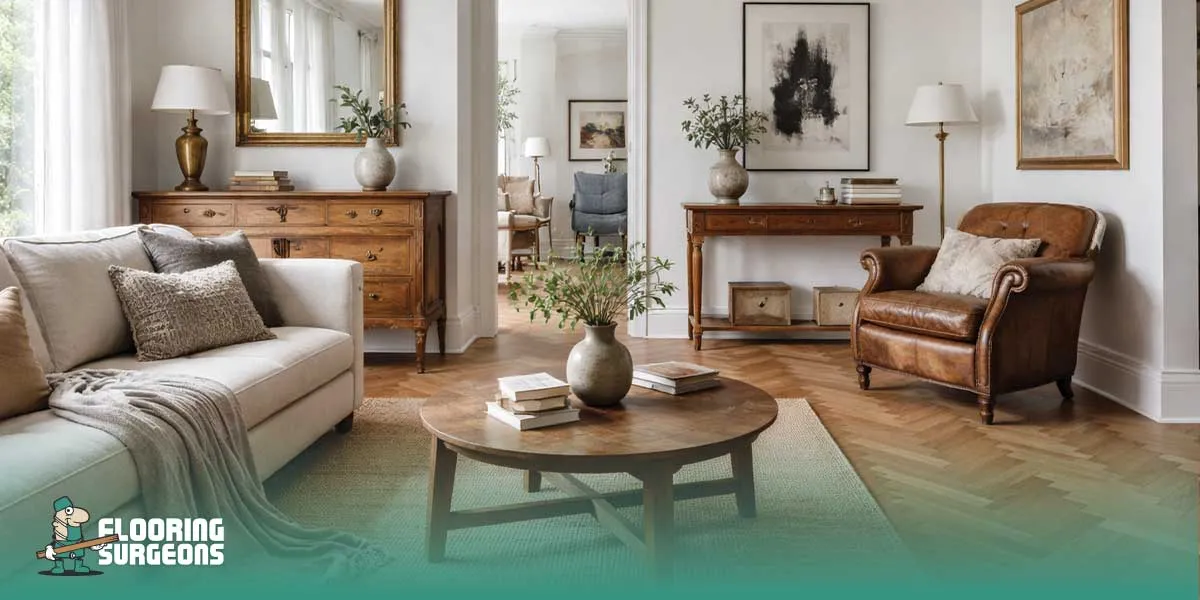
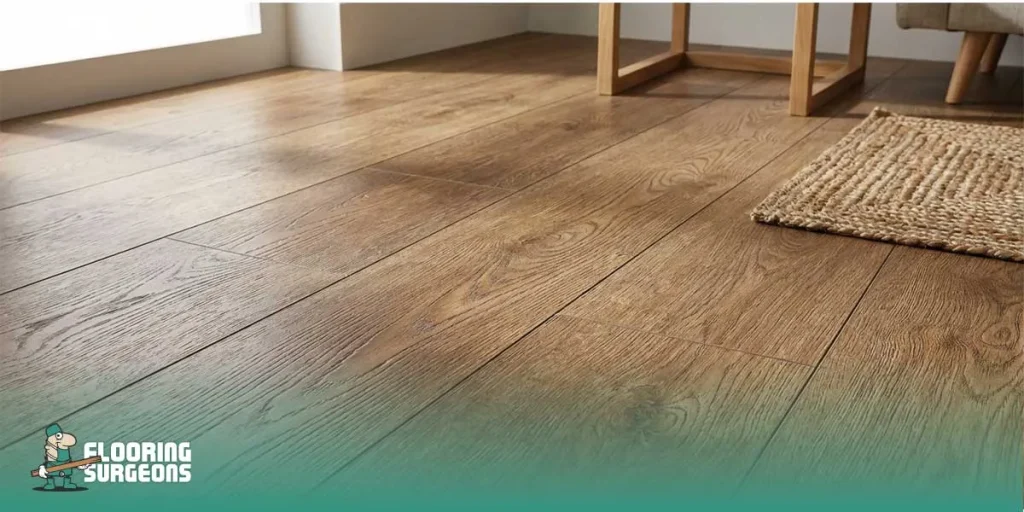
LVP, or Luxury Vinyl Plank, is a type of modern vinyl flooring designed to look and feel like real hardwood while offering better durability, easier installation, and complete waterproof performance. If LVT imitates tile, LVP is the wood-look version—long, narrow planks with realistic grain patterns, textures, and colours. That’s why most homeowners searching for waterproof alternatives to hardwood usually end up comparing LVT vs LVP.
The core idea behind LVP is simple: give you the beauty of timber without the cost, maintenance, or moisture issues. It’s built from multiple PVC-based layers fused under heat and pressure. The printed film layer creates the wood appearance, while the wear layer protects against scratches, dents, and everyday traffic. Many LVP products also include textured surfaces that mimic brushed oak, walnut, herringbone patterns, and other popular hardwood styles.
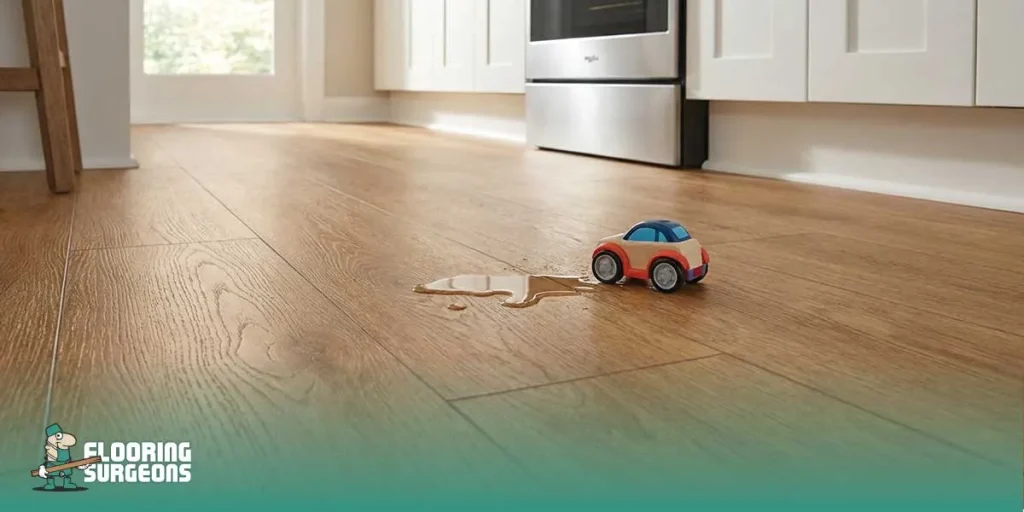
Because LVP is stable, quiet underfoot, and completely waterproof, it works well across almost every room: kitchens, hallways, lounges, bedrooms, and even bathrooms. It suits modern homes, busy families, landlords wanting long-lasting surfaces, and anyone who needs flooring that stays beautiful with minimal upkeep.
Compared to LVT, the most significant difference is shape and style. LVP is used when the goal is a seamless wood-look floor, while LVT is chosen when the design needs to mimic tile or stone. Both share similar durability and construction, but LVP is the go-to when warmth, realism, and simple installation matter most.
How LVP Is Made
LVP is created by bonding several vinyl and PVC layers under high heat and pressure. The rigid or flexible core gives strength, the printed film delivers the wood appearance, and the wear layer protects the surface from dents, scratches, and scuffs. A textured top coating adds grip and realism, often matching real timber patterns. This multi-layer build is why LVP performs so well in busy homes and stays stable even in humid rooms.
Where LVP Is Typically Installed
LVP is used anywhere homeowners want a wood look without worrying about moisture or upkeep. It’s common in kitchens, living rooms, bedrooms, hallways, rentals, and even bathrooms. Because it handles spills and humidity better than timber, it’s ideal for family homes, open-plan layouts, and high-traffic areas.
LVP Pros
LVP gives you the warmth and appearance of hardwood with waterproof performance. It’s durable, scratch-resistant, quiet underfoot, and more comfortable than laminate. Installation is fast, budget-friendly, and works over most subfloors. LVP also offers huge style variety—wide planks, textured finishes, and realistic grains that make spaces feel modern and cohesive.
LVP Cons
LVP doesn’t add as much resale value as real hardwood, and low-quality planks can dent under heavy furniture. Direct sunlight may fade cheaper products, and poor installation can cause gapping. While durable, it’s still a synthetic floor, so it won’t satisfy buyers who want natural materials.
Difference Between LVT and LVP Flooring (Full Breakdown)
The fundamental difference between LVT and LVP flooring comes down to shape, style, performance priorities, and where you plan to install them. Both are types of luxury vinyl with similar layered construction, waterproof performance, and strong durability. But they’re designed for different looks and different spaces. LVT mimics tile and stone, while LVP recreates wood planks—and that single difference affects installation, flow, comfort, and long-term maintenance.
If you want the fastest explanation: choose LVT for tile-style designs and moisture-heavy rooms, and select LVP for a seamless wood look across main living areas. Below is the complete breakdown of how they differ in appearance, durability, installation, cost, and long-term performance.
LVT vs LVP Appearance Differences
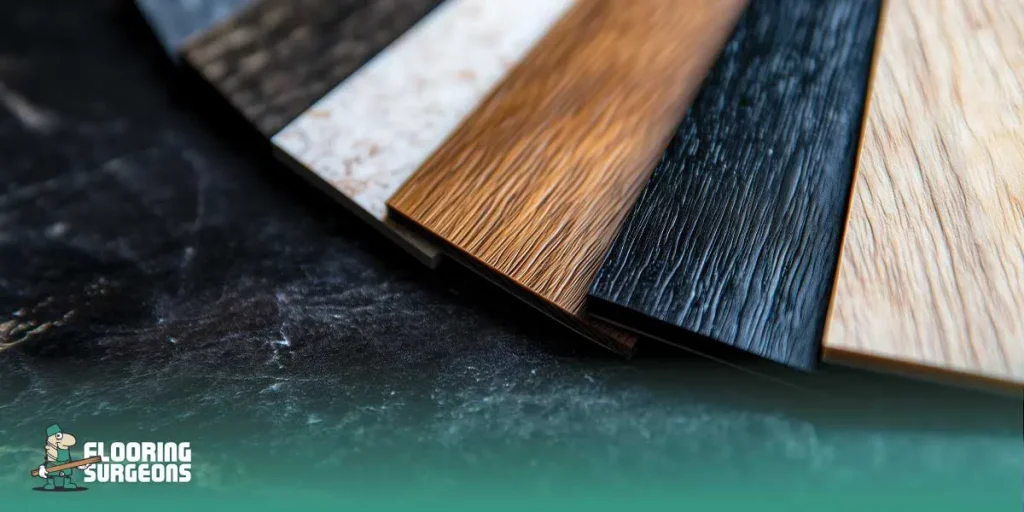
LVT is shaped like square or rectangular tiles and mimics ceramic, stone, or concrete. It often includes realistic grout lines, matte finishes, and textured surfaces for a clean, modern look. LVP, on the other hand, is designed as long planks that replicate hardwood. The grain patterns, wide-plank options, and natural colouring make LVP better for creating warm, continuous spaces. The choice depends entirely on whether you want a tile aesthetic or a wood aesthetic. If you want to see real examples and compare colours and textures, browsing our range of modern luxury vinyl flooring options can help clarify which style suits your space best.
LVT vs LVP Installation Differences
LVT allows for more creative layouts—grid patterns, herringbone-style tile effects, mixed-size tiles, and “grout line” visuals. It suits kitchens, bathrooms, and utility rooms where a tiled look makes sense. LVP installs as connected planks that run in one direction, giving rooms a seamless, flowing feel. It works best in living rooms, bedrooms, hallways, and open-plan spaces where continuous lines make the home feel larger. If you’re comparing LVT and LVP as part of a broader decision about choosing between different flooring types, exploring how carpet and vinyl differ can help you understand how various materials behave in real homes.
LVT vs LVP Durability Comparison
Both LVT and LVP use similar PVC layers and wear protection, but LVP generally feels more stable in larger areas because plank shapes reduce movement. LVT tiles resist dents well and stay firm under heavy appliances. Rigid-core versions of either type (SPC/WPC) offer even better dent resistance and dimensional stability. In everyday use, durability depends more on wear layer thickness than whether it’s LVT or LVP.
LVT vs LVP Water and Heat Resistance
LVT and LVP are both fully waterproof, but LVT handles temperature swings slightly better due to its smaller tile format, which expands less. LVP performs very well in kitchens and living areas, but needs expansion gaps in sun-heavy rooms. In bathrooms, LVT is usually preferred because its tile shape suits wet-room layouts and reduces the risk of plank edges lifting.
LVT vs LVP Maintenance Guide
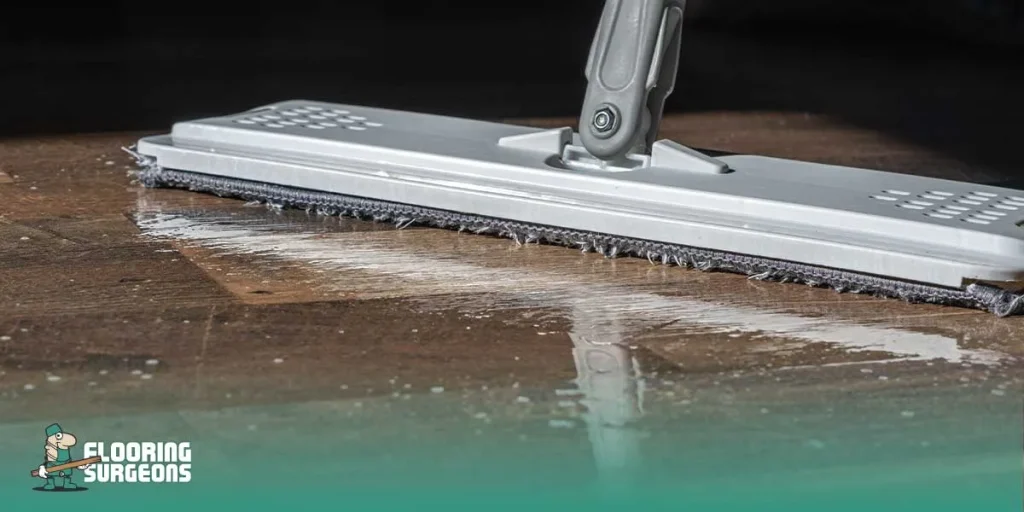
Maintenance is nearly identical for both: sweeping, light mopping, and avoiding harsh chemicals. LVT tiles hide minor scratches better because of their textured, stone-style surfaces. LVP shows marks more easily on darker wood tones, but is just as simple to maintain overall.
LVT vs LVP Comfort and Noise Performance
LVP is generally warmer and quieter because plank formats flex slightly underfoot and often come with built-in underlays. LVT feels firmer, similar to ceramic tile, which some homeowners prefer in kitchens and bathrooms. For living spaces, LVP usually delivers a softer, warmer walking experience.
LVT vs LVP Cost Comparison
LVT and LVP fall in similar price ranges, but LVP is usually a bit cheaper to install because plank layouts are faster and require fewer cuts. Decorative LVT patterns or premium stone-look tiles can raise material costs slightly. For most homes, the overall price difference is negligible.
Comparison Table — LVT vs LVP Key Differences
| Feature | LVT (Luxury Vinyl Tile) | LVP (Luxury Vinyl Plank) |
| Appearance | Tile/stone look, grout-style edges | Wood-look planks and grains |
| Best Rooms | Bathrooms, kitchens, utilities | Living rooms, hallways, bedrooms |
| Feel Underfoot | Firmer, “tile-like” | Warmer, softer, quieter |
| Installation | Pattern layouts, tile effects | Seamless plank flow |
| Durability | Excellent; dent-resistant | Excellent; great in large spaces |
| Water Resistance | Fully waterproof | Fully waterproof |
| Cost | Slightly higher for decorative styles | Often cheaper and faster to install |
| Lifespan | 15–25 years | 15–25 years |
Room-by-Room Guide: LVT or LVP? (Which Works Best?)
Choosing between LVT and LVP often makes more sense when you look at how each room is used. Homes don’t have one single flooring need. Some rooms need warmth, others need water protection, and some need a hardwearing surface for everyday traffic. This room-by-room guide shows you exactly where LVT performs best and where LVP becomes the smarter choice, based on layout, lifestyle, and long-term practicality.
LVT vs LVP in Living Rooms — Which Looks Better?
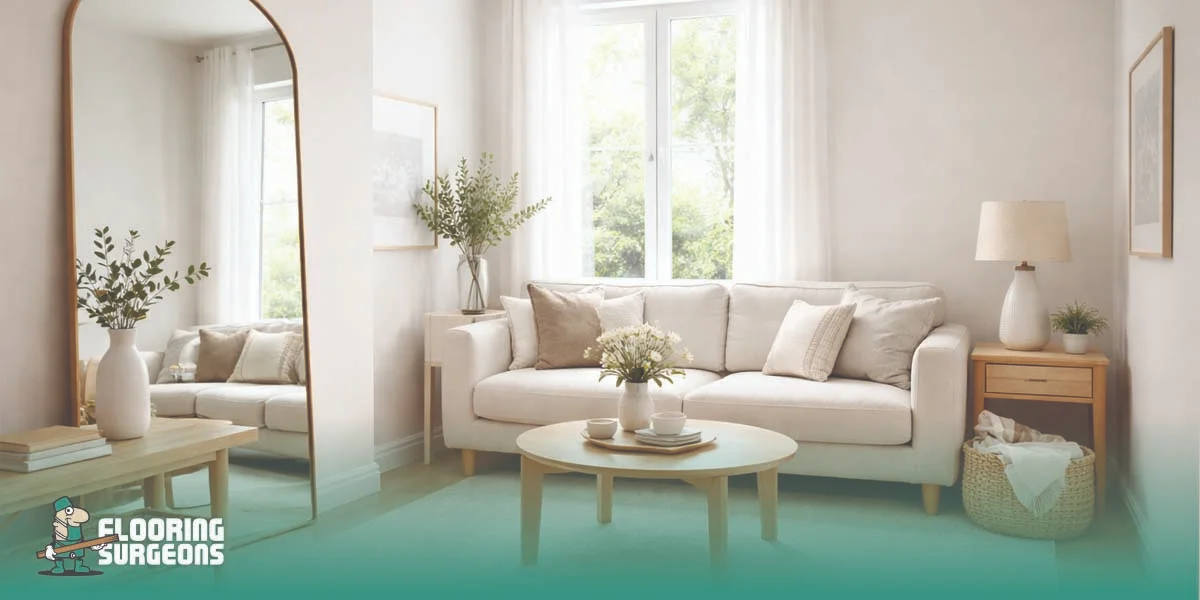
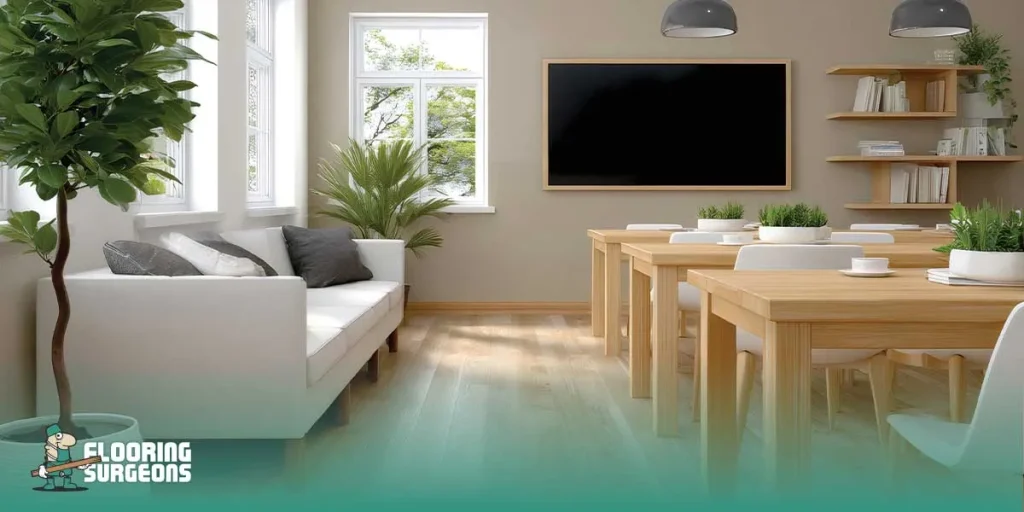
For living rooms, LVP usually has the edge because its plank shape creates a warm, wood-style look that feels natural in larger spaces. It makes the room feel connected and modern. LVT still works well if you want a stone or patterned effect, but LVP is the more popular choice here.
LVT or LVP for Kitchens — Best Option for Busy Cooking Spaces
Kitchens deal with spills, heat, and movement, so both LVT and LVP work well — but LVT slightly wins due to its stronger stability under temperature changes. Tiles in LVT form give kitchens a clean, premium feel, while being easier and warmer underfoot compared to real ceramic tile.
LVT vs LVP in Bathrooms — What Works Safely with Moisture
Bathrooms almost always favour LVT. Its tile format fits naturally with bathroom design and delivers excellent water resistance. LVP can be used too, but planks sometimes look less convincing in small, moisture-heavy rooms. LVT offers better slip resistance and a more predictable fit around fixtures.
Best Choice for High-Traffic Areas — LVT or LVP?
High-traffic zones benefit most from LVP because its continuous plank layout hides movement better and resists daily wear. LVT still holds up well, but grout-line patterns in tile-style designs can draw attention to scuffs. LVP gives a cleaner, more durable look for busy entrances and corridors.
LVT vs LVP for Bedrooms — Warmth, Comfort & Style
Bedrooms often lean toward LVP because the plank style feels warmer and more inviting than tile visuals. It pairs naturally with rugs and soft furnishings. LVT works when you want a cool, minimal aesthetic, but most homeowners prefer the smoother, wood-like feel of LVP in sleeping spaces.
LVT or LVP for Rentals and Family Homes — Durability vs Comfort
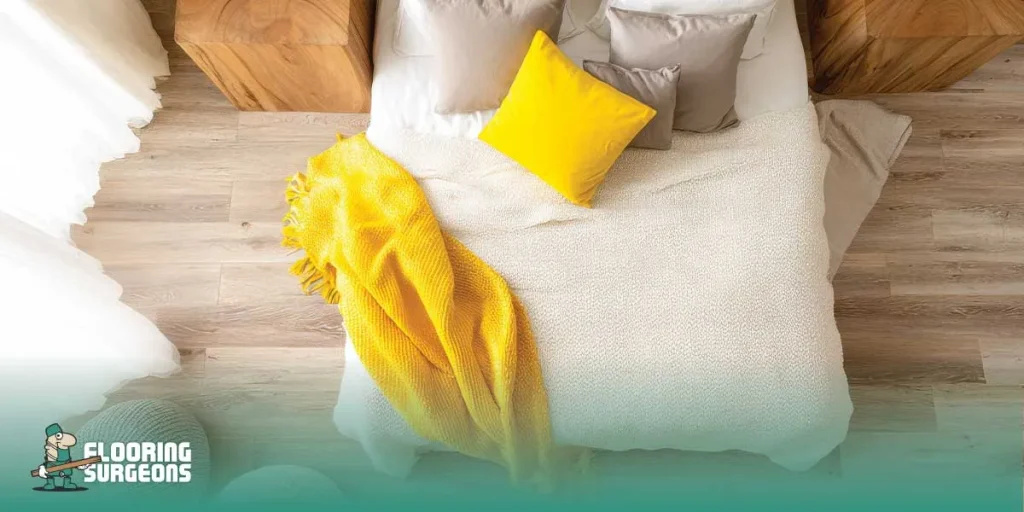
For rentals, LVP is usually the best choice: highly durable, budget-friendly, and easy to replace in small sections. Family homes with mixed needs sometimes benefit from combining both — LVP in living areas for warmth and durability, LVT in kitchens and bathrooms for stronger moisture handling and visual versatility.
LVT vs LVP for Underfloor Heating
Both LVT and LVP work well with underfloor heating, but they behave slightly differently. LVT is usually the more stable choice, especially when the heat rises or falls quickly. LVP feels warmer and softer, which is why many people prefer it in living areas.
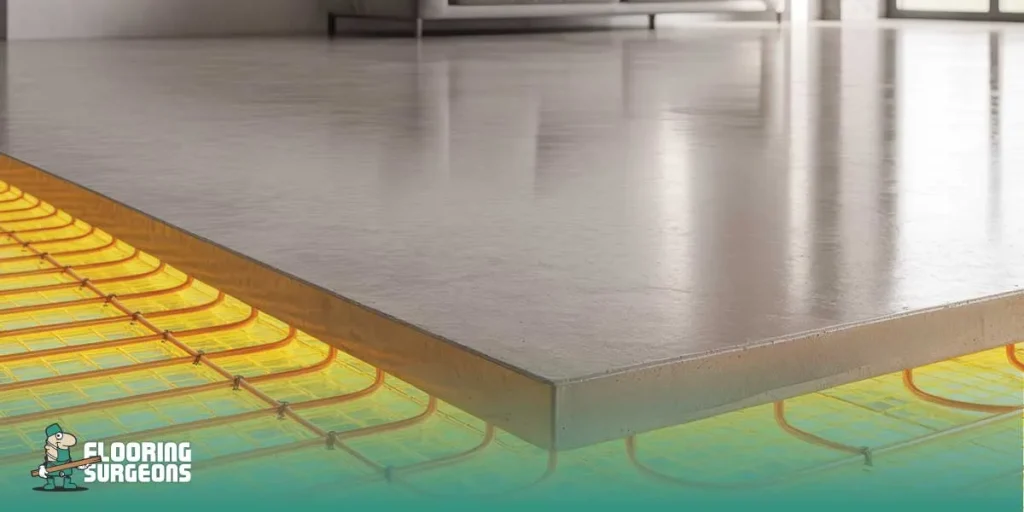
The key rule is simple: keep the heating system below 27°C. This protects the wear layer and stops sections from lifting. Floating floors work fine, but glue-down LVT performs best in bathrooms and bigger open spaces because it stays perfectly flat. If your home gets intense sun or your heating cycles on and off often, LVT handles those changes better. If comfort underfoot matters more, LVP wins. Both are compatible; the difference is mainly about stability versus warmth.
LVT vs LVP for Pets, Kids & Heavy Use
In busy homes with pets or kids, both LVT and LVP are strong choices, but each one has a slight edge. LVT resists dents better, making it ideal for heavy toys, dropped items, and high-impact areas. LVP usually handles scratches better, which helps with pet claws and moving furniture.
For messy situations, both are waterproof, but LVT’s tighter seams give it a slight advantage for spills and accidents. If you want a softer, quieter feel when kids run across the room, LVP offers more comfort.

So the quick guidance is simple:
• Pick LVT for maximum dent resistance and stability.
• Pick LVP for scratch resistance and a warmer feel underfoot.
Either one holds up far better than laminate or hardwood in the long run.
Environmental Impact — VOC Levels, Recycling & Safety
Most LVT and LVP floors today are made with low-VOC materials, especially when they carry FloorScore or similar certifications. LVT often uses a slightly denser structure, while LVP is usually lighter, but both follow modern safety standards.
Recycling depends on local facilities. LVT tiles are sometimes easier to recycle because their layers are more uniform. LVP planks can also be recycled, but their mixed cores make the process less common. For safety, choose options that are phthalate-free and have clear VOC ratings. If sustainability matters, look for brands with transparent sourcing and take-back or recycling programmes.
Choosing Between LVT and LVP — Which Is Best for You?
Choosing between LVT and LVP comes down to how you use the room. If you want a tile or stone look, LVT fits better. If you prefer a warm, wood-style floor, LVP makes the space feel homier. Kitchens and bathrooms often benefit from LVT’s stability, while living rooms and bedrooms usually feel better with LVP.
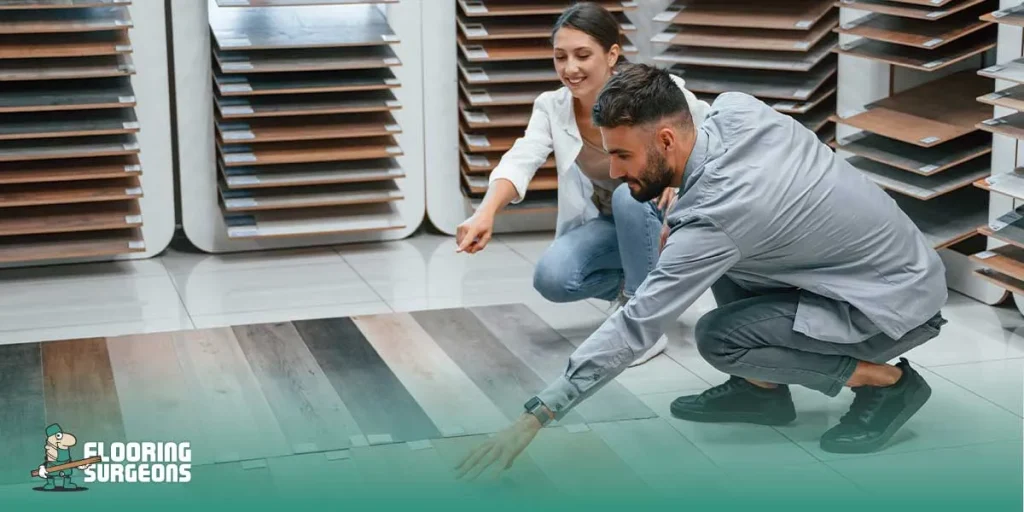
LVT resists dents well. LVP handles scratches well. LVT stays flatter in heat. LVP installs faster and feels warmer.
A quick guide:
• Choose LVT for wet rooms, patterned looks, and extra stability.
• Choose LVP for comfort, wood aesthetics, and easy installation.
Choose either if durability and low maintenance are your top priorities. For personalised guidance based on your property layout, many homeowners prefer speaking with trusted Flooring Surgeons’ specialists in the UK who can recommend the right format and installation method.

Haniye Ayanmanesh
As an expert writer for Flooring Surgeons, I combine technical SEO knowledge with a practical understanding of flooring, producing content that helps users make confident decisions while supporting long-term organic growth.