

Moody palettes and earthy tones in interior design combine deep, low-light colours with warm natural shades to create rich interiors that feel layered and intimate rather than flat. These schemes work best when flooring interaction is considered from the start, because wood tone, texture, and finish determine whether dark walls feel balanced and inviting or heavy and enclosed.
Table of contents
What Are Moody Palettes in Interior Design?
Moody palettes are deep, low-light-absorbing colour combinations designed to create intimacy and visual depth. In interior design, they typically rely on dark colour palettes such as charcoal, espresso brown, forest green, or deep blue to establish atmosphere. Instead of bright contrast, these schemes prioritise richness and subtle tonal shifts.
What makes moody interiors effective is their use of rich interior colours combined with intentional depth and layering. Walls, textiles, and materials work together to create controlled contrast rather than stark separation. When balanced correctly, the result feels immersive and sophisticated rather than heavy or enclosed.

Why Earthy Tones Create Warmth in Rich Interiors
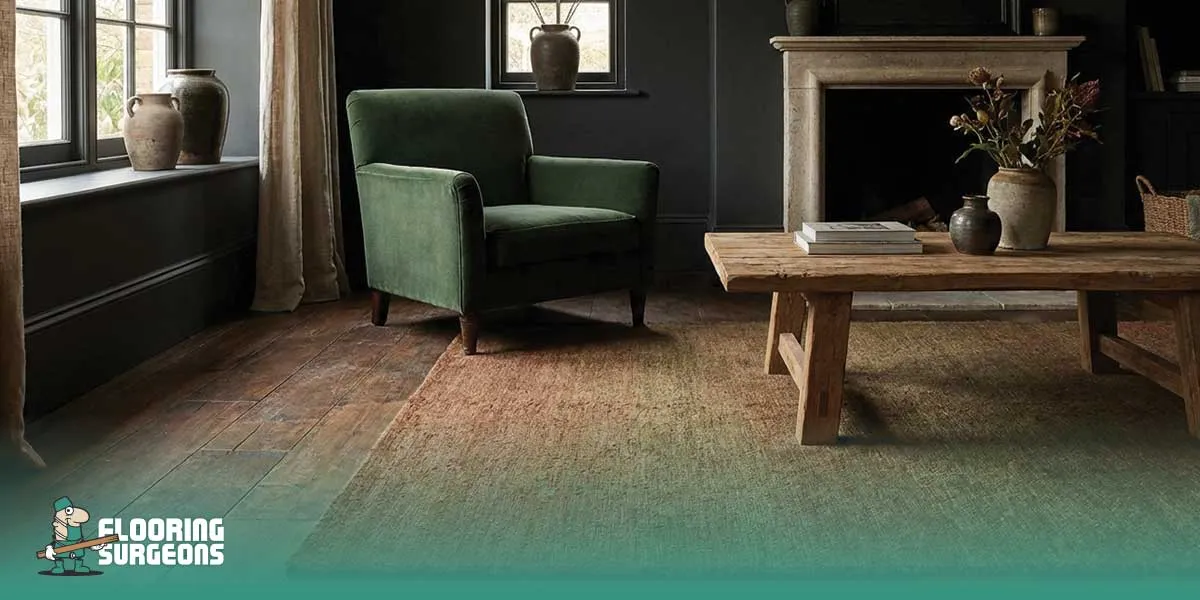
Earthy tones soften the intensity of dark colour schemes and introduce warmth that keeps moody spaces from feeling cold. In earthy-toned interior design, shades inspired by soil, clay, wood, and stone act as stabilising elements within rich interiors. They connect bold colour choices to natural elements, creating a space that feels intentional rather than dramatic for its own sake.
Warm Earthy Colours and Natural Balance
Warm earthy colours such as terracotta, caramel, rust, and muted olive bring visual comfort to darker environments. These tones reflect a subtle warmth that balances shadow-heavy walls and deep materials. When layered carefully, they prevent contrast from becoming harsh and instead create a natural rhythm between light and dark surfaces. Because they are rooted in nature, these shades help interiors feel grounded rather than styled for effect. This natural balance is especially important in rooms where depth and layering are central to the overall mood.
The Psychology of Browns, Terracotta and Olive
From a psychological perspective, browns and clay-based tones signal stability and security. Terracotta introduces warmth without brightness, while olive adds muted depth without overpowering a room. Together, they form a palette that supports grounded interiors and encourages calm, lived-in richness. These colours do not compete for attention; instead, they reinforce the structure of a space. When used alongside deeper hues, they anchor the design and maintain warmth, ensuring that moody palettes feel welcoming rather than visually dense.
The Role of Flooring in Moody and Earthy Spaces
Moody palettes and earthy tones do not function independently from the surfaces beneath them. Flooring and wall colour coordination determine whether rich interiors feel cohesive or visually compressed. Because dark walls absorb more light, the floor becomes a critical balancing element that influences contrast, brightness, and overall room perception with dark colours.

Natural Wood Flooring Tones Under Dark Walls
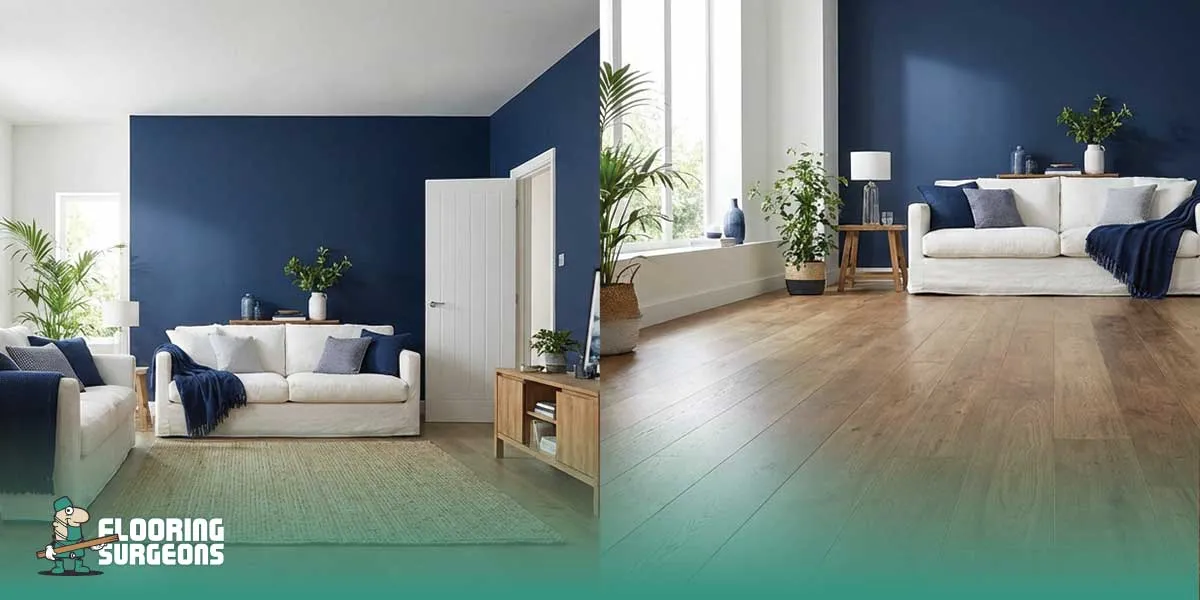
Natural wood flooring tones play a stabilising role beneath deep wall colours. Light oak, warm walnut, and mid-tone timber bases introduce warmth that prevents shadow-heavy palettes from feeling flat. Even subtle undertone shifts can change how dark colour palettes are perceived, either enhancing depth or softening it.
Engineered wood is often used in contemporary interiors where tonal consistency matters, as its layered construction maintains stability while offering a wide range of natural finishes. You can explore tone variations and finish options within our engineered wood flooring category to better understand how undertones interact with dark wall palettes. Similarly, high-quality luxury vinyl can replicate natural timber undertones with controlled texture, helping designers maintain visual balance in earthy spaces without overwhelming contrast.
Light vs Dark Flooring Effect in Moody Rooms
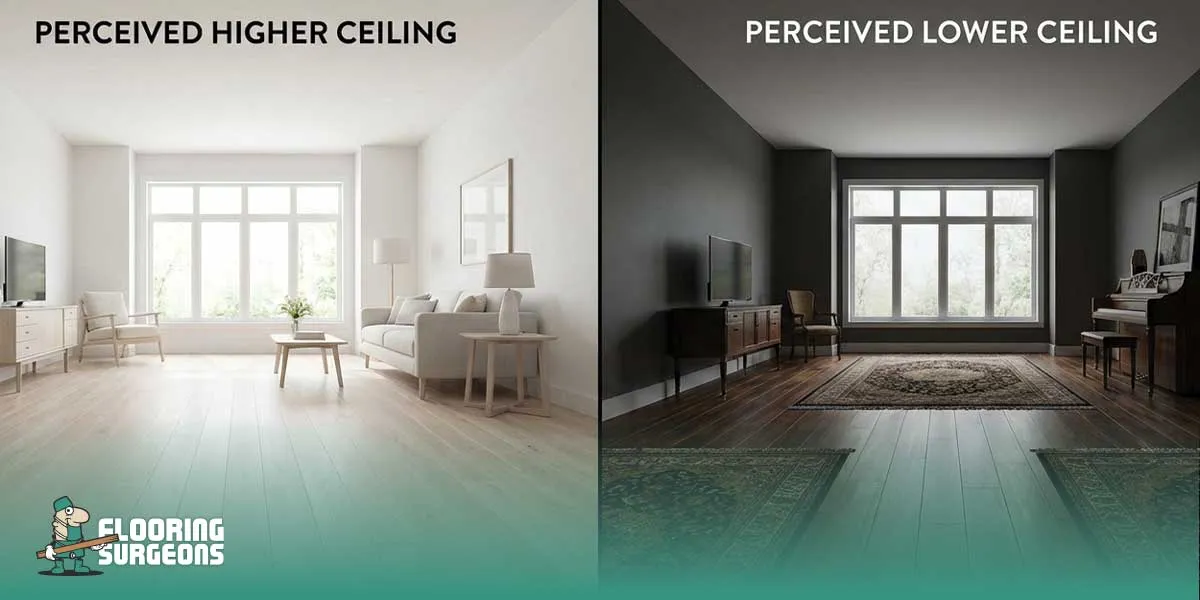
The light vs dark flooring effect is amplified in moody interiors. Light flooring reflects ambient light upward, reducing visual compression and helping dark walls feel architectural rather than enclosing. Dark flooring, on the other hand, intensifies depth and creates a grounded atmosphere, but it requires stronger ceiling brightness and careful contrast control to avoid heaviness. Room perception with dark colours depends on this horizontal contrast. For a deeper breakdown of perception science, see our guide on The psychology of dark flooring vs light flooring, where contrast and visual balance are analysed in real interior scenarios. When both walls and floors are deep in tone, the space feels more intimate. When the floor is lighter, the eye naturally lifts, maintaining openness even within rich interior schemes.
Floor Finish and Light Absorption
Beyond colour, finish significantly affects how light moves through a moody room. Matte surfaces absorb more light, reinforcing intimacy and depth. Satin or low-sheen finishes subtly redistribute light, softening transitions between earthy tones and darker walls.
This light absorption dynamic directly impacts flooring and wall colour coordination. A high-gloss finish can exaggerate contrast in shadowed environments, while a controlled sheen maintains consistency across surfaces. Managing tone and reflectivity together ensures that moody palettes feel layered and intentional rather than visually dense.
How to Balance Dark Walls Without Making a Room Feel Smaller
Dark walls do not automatically make a room feel smaller; imbalance does. To prevent visual compression, maintain contrast balance by pairing deep colours with the right flooring tone, keeping ceilings lighter, and ensuring light is reflected upward rather than absorbed at every surface. At Flooring Surgeons, this balance is approached as a system, where flooring tone, reflectivity, and ceiling brightness are considered together rather than as isolated choices.
Visual compression occurs when both vertical and horizontal planes are heavy in tone. This is where the flooring tone becomes clear. A lighter or mid-tone floor can lift the base of the room and reduce density, while overly dark flooring, combined with deep walls, concentrates shadow and intensifies the sense of enclosure. Managing contrast deliberately keeps moody spaces intimate without feeling confined.
Best Flooring Colours for Earthy Tone Interiors
Choosing flooring for earthy interiors is less about matching colour and more about managing undertones and light absorption. The right base tone anchors rich interiors and reinforces warmth without overwhelming depth. The table below outlines how flooring logic should guide decisions rather than trends alone.
Best Flooring Choices for Moody and Earthy Interiors
| Wall Tone | Recommended Flooring Tone | Why It Works | Risk to Avoid |
| Deep brown walls | Warm light oak or natural mid-tone timber | Adds contrast upward and prevents heavy visual compression while preserving warmth | Pairing with very dark espresso floors that double the density |
| Terracotta | Neutral oak or soft honey wood tones | Enhances warmth and supports earthy undertones without creating harsh contrast | Cool grey floors that clash with clay-based warmth |
| Olive green | Natural wood with subtle golden undertones | Maintains grounded interiors while softening green depth | Red-toned floors that compete with olive hues |
| Charcoal | Pale oak or balanced beige wood tones | Reflects light upward and creates strong contrast balance in moody rooms | Dark charcoal flooring that flattens the room perception |
| Clay beige | Medium oak or soft walnut tones | Reinforces natural elements and adds depth without overpowering the palette | Very pale washed floors that remove warmth and feel disconnected |
When flooring and wall colour coordination is handled with attention to undertone and reflectivity, earthy interiors feel layered and intentional rather than visually dense.
Common Mistakes in Moody Interior Design
- Using a dark floor with dark walls in small rooms increases visual compression and makes the space feel tighter than it is.
- Ignoring undertones between walls and flooring leads to subtle clashes that disrupt contrast balance.
- Choosing high gloss floors under deep colours, which exaggerate shadows and create uneven light reflection.
- Layering too many competing earthy tones results in visual confusion instead of controlled depth and layering.
- Keeping sharp white ceilings with warm palettes, breaking cohesion and reducing the sense of grounded continuity.
Are Moody Palettes a Long-Term Design Choice?
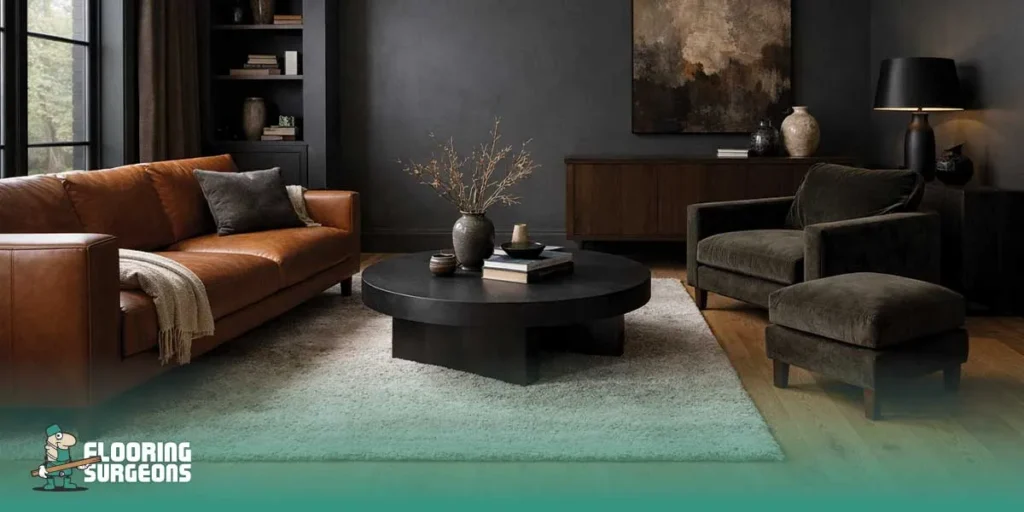
Moody palettes are not just a passing aesthetic; when executed with balance, they align with timeless design principles built around depth, contrast, and material richness. Their longevity depends less on the paint colour itself and more on how adaptable the surrounding materials are. From a resale flexibility perspective, rich interiors remain appealing when grounded with versatile bases such as engineered wood in neutral oak tones.
Adaptability with flooring materials plays a central role in how long these palettes remain relevant. Natural oak tones, balanced mid-wood finishes, and controlled matte finishes allow walls to evolve without requiring a full redesign. When the flooring foundation is stable and neutral enough to support change, moody interiors shift from trend-driven to enduring.
If You Want Rich Interiors Without Overpowering the Space, Follow These 5 Rules
- Pair dark walls with lighter or mid-tone flooring to reduce visual compression.
- Match undertones between earthy walls and wood flooring to maintain contrast balance.
- Keep ceilings slightly brighter than walls to preserve vertical openness.
- Choose matte or satin floor finishes to control light absorption in moody rooms.
- Limit the palette to two or three grounded tones to maintain depth without visual clutter.

Haniye Ayanmanesh
As an expert writer for Flooring Surgeons, I combine technical SEO knowledge with a practical understanding of flooring, producing content that helps users make confident decisions while supporting long-term organic growth.