

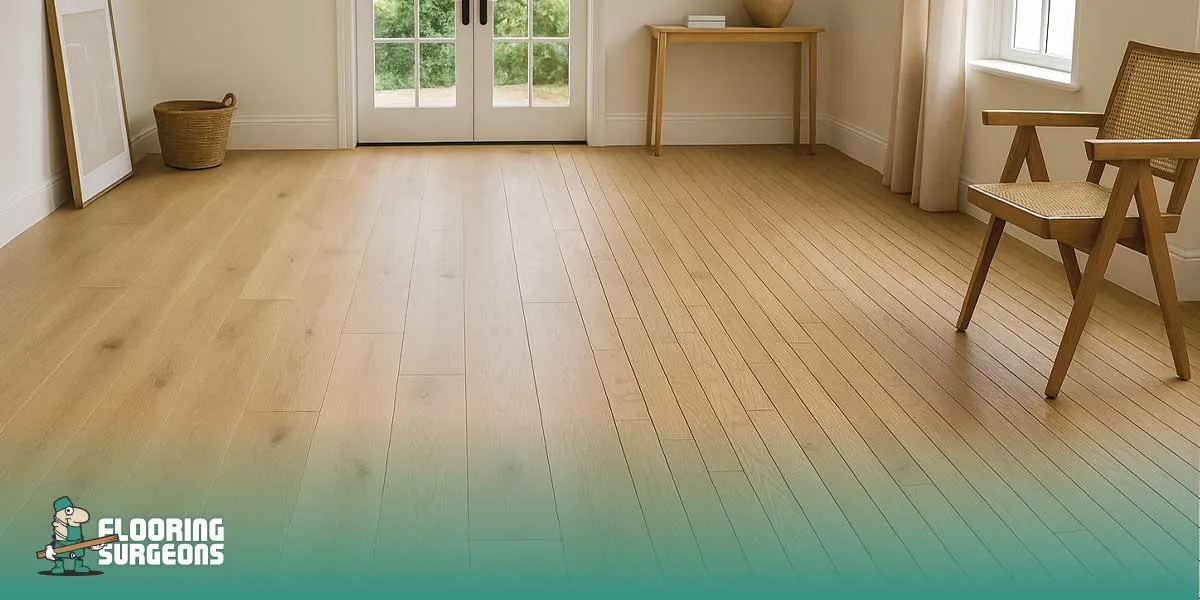
Choosing between narrow and wide hardwood planks usually comes down to a straightforward question: how do you want your space to feel? If you want a clean, modern look that makes rooms feel more open, wide-plank flooring is the better fit. If you prefer a timeless, detailed style with greater stability in changing humidity, narrow plank flooring tends to perform more consistently. In other words, there’s no universal “best” option — the right choice depends entirely on your room size, interior style and how you want the floor to behave over time.
Most homeowners get stuck because the difference isn’t just about width; it affects everything from visual impact to installation, movement, cost and long-term maintenance. That’s precisely what this guide breaks down in a clear, practical way. You’ll find a straightforward comparison of Wide vs Narrow Hardwood Planks, how each type performs in real homes, and honest advice to help you choose confidently — without jargon, fluff or confusing technical terms. And if you’re exploring professional options, resources from Flooring Surgeons can also help you understand how each plank width behaves once installed. If you want a clear, trustworthy explanation that shows what will genuinely work in your space, this is the guide you’ve been looking for.
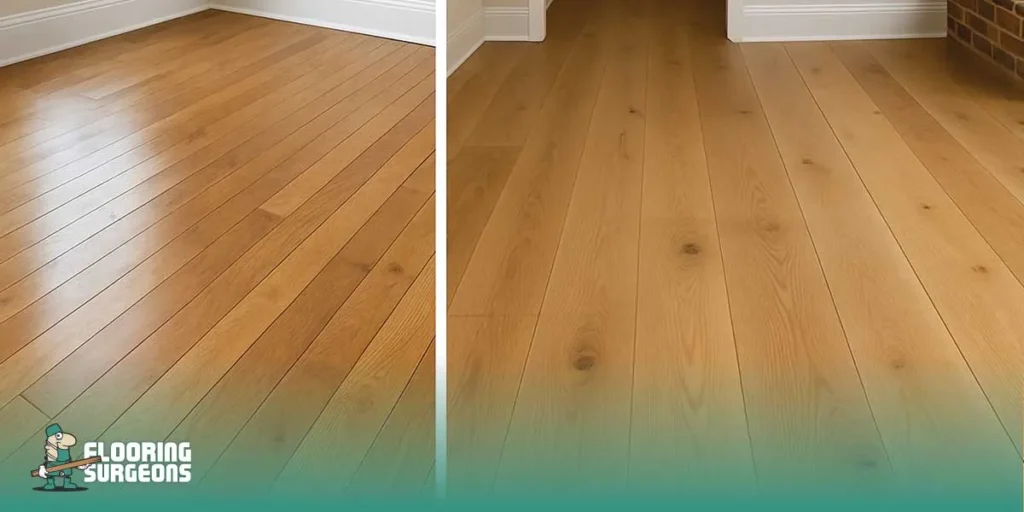
Table of contents
What’s the Difference Between Narrow and Wide Plank Hardwood?
The main difference between narrow and wide hardwood planks is simply their board width — and that width changes how the entire room looks and feels. In most homes, wide planks create a more open, contemporary look, while narrow planks offer a classic, detailed style with more visible lines. When comparing Wide Plank vs Narrow Plank Hardwood Flooring, understanding how width affects visual flow, room size and overall character helps you choose the option that suits your space. Below is a straightforward breakdown of typical hardwood floor widths and the visual effect each plank style creates:
Narrow vs Wide Plank Hardwood – Quick Comparison
| Feature | Narrow Plank Flooring | Wide Plank Flooring |
| Typical Width | 2″–4″ (5–10 cm) | 5″–12″ (12–30 cm) |
| Visual Style | Traditional, detailed, more lines | Modern, clean, minimal lines |
| Room Feel | Adds texture; can make large rooms feel structured | Makes spaces feel bigger, calmer and more open |
| Best For | Smaller rooms, classic interiors, humid climates | Open-plan rooms, contemporary designs, low-clutter aesthetics |
| Overall Look | Patterned, rhythmic | Seamless, expansive |
Pros and Cons of Wide Plank Hardwood Flooring
Wide-plank hardwood flooring offers a distinct visual character and a premium feel, but it also comes with practical considerations that many homeowners overlook. The broader boards create a more seamless, high-end look, yet they can be more sensitive to humidity and require better preparation before installation. Understanding these real-world factors and how wide planks compare with other options, such as Solid Wood Flooring, helps homeowners make decisions based on actual performance rather than generic flooring advice.
Benefits of Wide Planks (Less Seams, Modern Look)
Wide planks provide an immediately more luxurious and modern appearance by reducing the number of seams across the floor. This single difference dramatically affects how a room feels: with fewer joints interrupting the pattern, the eye sees a broader, calmer surface that stretches the room visually and gives it a cleaner, more elegant flow.
Beyond aesthetics, wide planks showcase the wood grain in a way narrow boards simply can’t. The natural variations, knots and tonal shifts become more visible, making the floor feel richer and more authentic. In open-plan living areas, living rooms and bedrooms, this creates an inviting, high-end look that feels both contemporary and warm.
For homeowners aiming for modern, Scandinavian, rustic-luxury, or minimalist interiors, wide-plank flooring is often the quickest way to create that aspirational, design-led feel without changing the room layout.
Drawbacks of Wide Planks (Movement, Cost, Moisture Sensitivity)
The main downside of wide planks is that they are more sensitive to environmental changes. Because each board spans a larger surface area, even small shifts in humidity can lead to visible movement — such as slight cupping, seasonal gaps or subtle edge lifting. This doesn’t mean wide planks are unstable, but they do demand a consistent indoor climate to look their best year-round.
Cost is another factor. Producing wider boards requires larger, higher-quality timber, which naturally drives up the price. Installation can also require a more experienced fitter, especially in homes with underfloor heating or rooms that experience seasonal temperature swings.
Moisture is the most significant risk. Kitchens, basements and older homes with inconsistent humidity may cause wide planks to move more than narrow ones. While engineered versions reduce this risk, they still benefit from proper acclimation, moisture testing and stable humidity to avoid long-term issues.
Are Wide Planks Right for Your Home? (Quick Guidance)
Wide planks are the right choice if you want a floor that makes a statement and if your home maintains relatively stable conditions. They shine in larger rooms, open layouts and spaces where you want a premium, seamless look with substantial visual impact. If your home features modern décor or you prefer a cleaner, less “busy” floor pattern, wide planks will almost always deliver better results.
However, if your property is prone to humidity fluctuations, has less predictable heating patterns, or you’re working with a tighter budget, narrow planks may be the more practical option. They’re generally more forgiving in challenging environments, easier to maintain visually, and more cost-effective without sacrificing durability. Wide planks excel in style; narrow planks excel in stability. The “right” choice depends on which matters more in your specific space.
Pros and Cons of Narrow Plank Hardwood Flooring
Narrow-plank hardwood flooring has distinct strengths and weaknesses, and understanding both helps you decide whether it truly suits your home. The most significant advantage is stability — narrow boards react far less to humidity and temperature changes, which means fewer gaps, fewer seasonal movements, and a flatter floor over time. This makes them a reliable choice for older homes, naturally humid spaces, or properties without perfect climate control.
On the other hand, narrow planks create more seams across the floor, which can make a room look visually busy, especially in large open spaces. The style leans traditional, which is ideal for classic interiors but not always the best fit for modern, minimalist designs. Installation also takes slightly longer because there are more boards to lay.
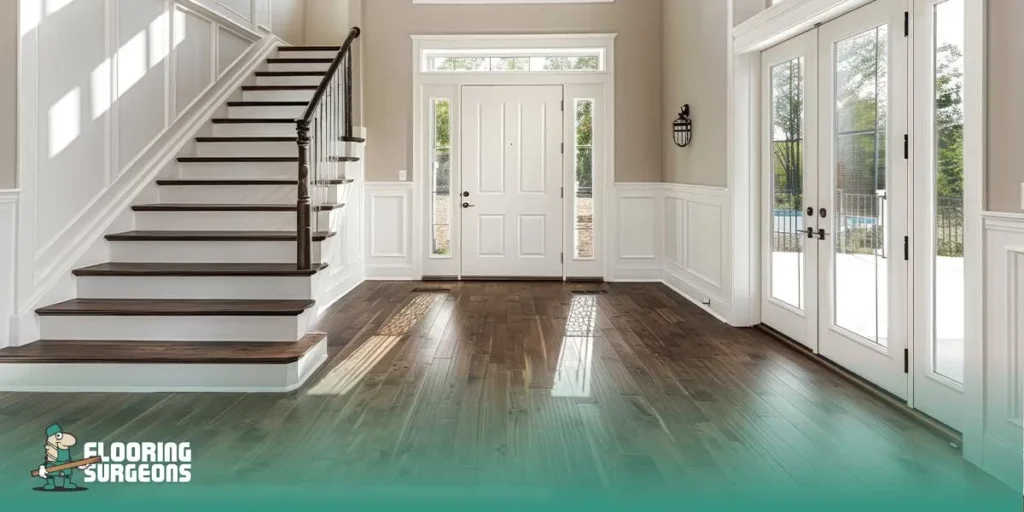
Suppose you want a floor that prioritises stability. In that case, craftsmanship and a timeless look, narrow planks are an excellent option — but if your home needs cleaner lines, fewer seams and a more contemporary feel, you may prefer wide planks instead.
Advantages of Narrow Planks (Stability, Traditional Style)
Narrow-plank hardwood flooring offers greater stability because slimmer boards move less when humidity or temperature changes. This reduced movement makes them ideal for homes without perfectly regulated indoor climates, as well as for older properties where seasonal expansion and contraction are common. The boards stay flatter, show fewer gaps, and maintain their shape more reliably over the years.
They also deliver a traditional, timeless look that suits classic interiors better than almost any other style. The smaller width creates a finer, more intricate pattern on the floor, giving the room a crafted, heritage feel. This works particularly well in period homes, narrow corridors, smaller rooms, or spaces where you want the flooring to blend naturally rather than dominate the design. Because the pattern is denser and more detailed, narrow planks also hide minor imperfections and wear more effectively than wide planks.
In short, narrow planks are the safer, more predictable option if you want long-term stability and a warm, traditional character that ages gracefully.
Limitations of Narrow Planks (More Seams, Busier Look)
The main downside of narrow plank flooring is the number of seams it creates. Because each board is slimmer, the floor naturally has more joint lines, which can make the overall look feel busy — especially in large or open-plan areas where the pattern repeats across a more expansive space. This isn’t necessarily negative, but it does affect the visual flow and can make the room feel more segmented.
More seams also mean more visible lines where dust can settle and more chances for uneven lighting to highlight minor irregularities in the subfloor. This doesn’t reduce durability, but it can influence the appearance depending on how the light moves across the room. For homeowners seeking a clean, minimal, modern aesthetic, narrow planks may feel too detailed.
Installation can also be slightly slower due to the higher number of boards, and maintaining a consistent pattern requires more precision from the installer. While this rarely increases the final cost significantly, it’s still worth considering for large installations.
Overall, narrow planks provide stability and tradition, but at the cost of a busier visual pattern that won’t suit every interior style.
Wide vs Narrow Planks for Different Room Sizes
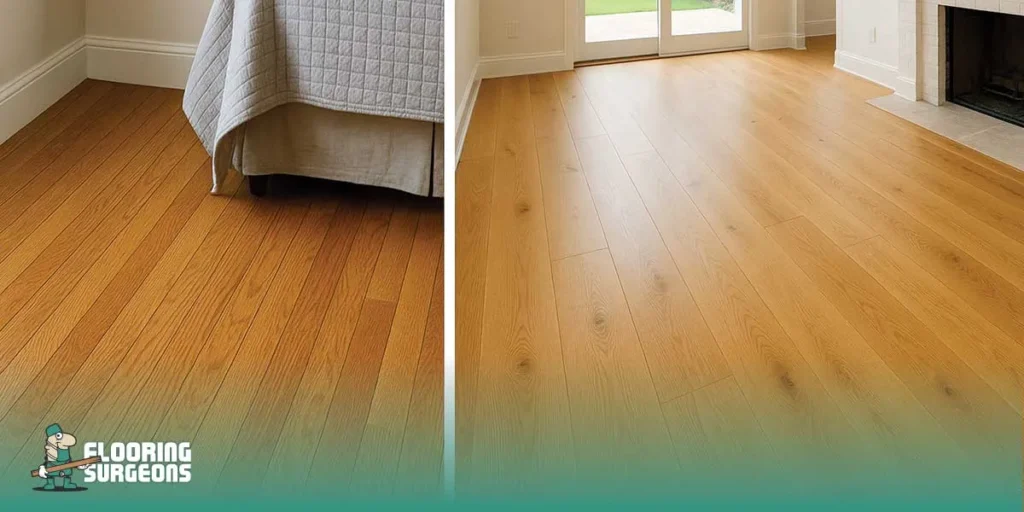
The correct plank width depends almost entirely on the size and proportions of your room, because different widths change how open, spacious or detailed the space feels. Wide planks create cleaner lines, fewer seams and a more expansive look, which suits large rooms. Narrow planks add detail and rhythm, helping small or narrow spaces feel more balanced rather than stretched. Once you understand how each width affects perspective, choosing the correct style becomes straightforward.
Best Plank Width for Small Spaces
For small rooms, narrow planks usually work best because they add visual structure without overwhelming the space. The slimmer boards introduce subtle pattern and rhythm, which stops compact rooms from looking flat or boxy. Narrow planks also make transitions smoother in corridors, hallways and smaller bedrooms where wide planks can feel oversized or out of proportion.
Another advantage is light behaviour: narrow boards break up reflections across the floor, which helps small rooms look calmer and more even under both natural and artificial lighting. They also make the space feel longer and more continuous because the joints repeat more frequently, guiding the eye across the room without the “stretching” effect wide planks sometimes create.
In short, if a room is tight, narrow, or has limited natural light, narrow planks deliver a more harmonious, balanced appearance that fits the space rather than overpowering it.
Best Plank Width for Large Open Areas
Wide planks are generally the best choice for large rooms because they emphasise openness and create long, uninterrupted visual lines. The reduced number of seams makes the floor feel cleaner and more modern, which suits open-plan living, spacious lounges and contemporary interiors. In wide rooms with high ceilings, wider boards help the proportions feel grounded and cohesive rather than empty or scattered.
Wide planks also highlight the natural grain more effectively, giving bigger rooms a bolder, more luxurious aesthetic. Because the space can “carry” the width, the boards enhance the room’s scale instead of crowding it. They also install more efficiently in open areas because fewer boards are required to cover the floor.
In large living rooms, open-plan kitchens, dining areas, or loft-style spaces, wide-plank flooring creates a smoother visual flow and a more premium, expansive feel — which is precisely what most homeowners want from bigger interiors.
Style & Design Differences Between Wide and Narrow Planks
Wide and narrow planks don’t just change how a room feels — they shape the entire design identity of a space. Each width naturally aligns with certain interior styles, influencing how modern, traditional, formal or relaxed a room appears. Choosing the correct width is essentially choosing the mood of your home.
Modern and Minimal Interiors (Wide Planks)
Wide planks suit modern and minimal interiors because they create smooth, uninterrupted surfaces that support clean lines and simple layouts. The broader boards emphasise openness and visual calm, which are pillars of contemporary design. From Scandinavian to modern rustic, wide planks deliver a look that feels intentional and refined. If you want to explore the colour trends that pair best with different plank widths, our 2026 hardwood floor colour guide offers a clear breakdown of the tones designers are choosing for modern homes.
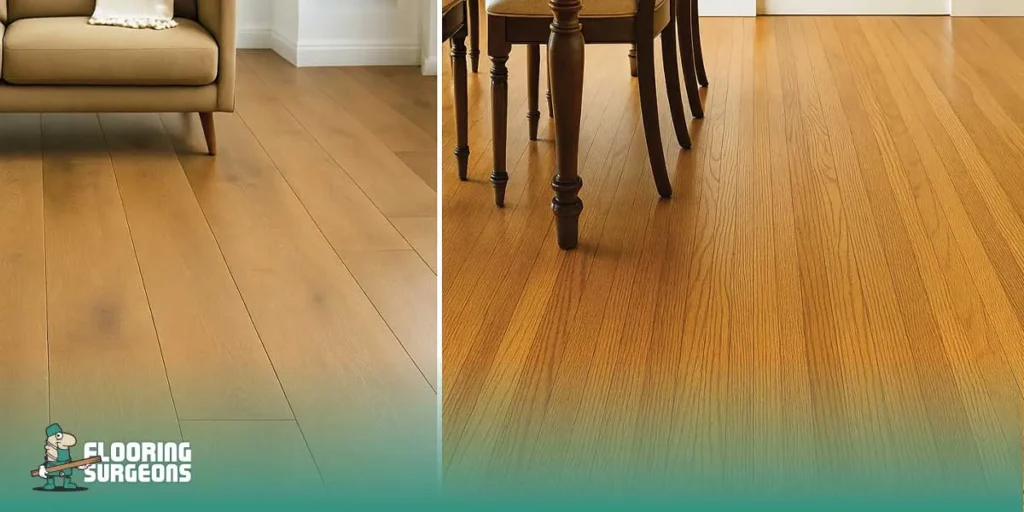
Why wide planks work well in modern spaces:
- Fewer seams = cleaner visual flow, ideal for open-plan living.
- Bolder grain patterns complement minimal furniture without adding visual noise.
- Vast proportions match large-format elements often used in modern design (full-height windows, oversized sofas, simple cabinetry).
- Creates a gallery-like foundation, perfect for minimalist colour palettes and uncluttered décor.
- Pairs well with matte finishes, a popular choice in contemporary interiors.
Overall, wide planks support a modern aesthetic by reinforcing simplicity, openness and a sense of effortless style — all without competing with the rest of the room.
Classic and Traditional Interiors (Narrow Planks)
Narrow planks naturally align with classic, traditional interiors because their tighter lines and smaller board widths evoke a familiar, timeless feel. They echo older European and Victorian flooring styles, where narrower boards were standard, giving rooms a sense of character and craftsmanship.
Why narrow planks suit traditional spaces:
- More seams add gentle patterning, reinforcing a warm, lived-in look.
- A closer board layout feels more handcrafted, matching period details and classic joinery.
- Complements ornate furniture and décor, which often have richer shapes and textures.
- Helps balance darker colour schemes, a common feature of heritage interiors.
- Works well with smaller, well-defined rooms, typical of traditional home layouts.
Narrow planks enhance traditional design by adding texture, rhythm and a subtle historical nod that feels authentic rather than forced.
Installation & Stability: Which Plank Type Performs Better?
Both wide and narrow planks perform well when installed correctly, but they respond differently to changing environmental conditions. Wide planks tend to show movement more easily and therefore require tighter preparation and more controlled conditions, while narrow planks remain naturally more stable in homes with fluctuating humidity. The better choice really depends on how consistent your indoor climate is and how well your subfloor has been prepared — factors that also influence overall Flooring Installation Costs in the UK, especially when additional levelling or moisture protection is needed.
Humidity and Expansion Considerations
Wide planks are more affected by humidity changes because each board spans a larger surface area, meaning any expansion or contraction is more noticeable. Narrow planks handle fluctuations better, staying flatter and showing fewer gaps or cupping issues.
Straight, to-the-point facts:
- Wide planks:
- React more visibly to moisture changes.
- Need consistent humidity (ideally 35–55%).
- More likely to show seasonal gaps if climate control is poor.
- React more visibly to moisture changes.
- Narrow planks:
- More dimensionally stable due to a smaller width.
- Gaps and movement are less noticeable.
- Better choice for homes with humidity swings or older properties.
- More dimensionally stable due to a smaller width.
If your home has reliable humidity control → wide planks perform well.
If not → narrow planks are the safer, more forgiving option.
Subfloor Requirements for Each Flooring Type
Wide planks demand a more precise subfloor, as imperfections are easier to feel and see across a broader board. Narrow planks are more forgiving but still need a level, dry, and clean base for long-term performance.

What each plank type needs:
Wide Planks — Higher Subfloor Standards
- Require a very flat surface (3mm tolerance over 2 metres).
- Any dips or bumps can cause rocking, squeaks or lifted edges.
- Best paired with a moisture-controlled subfloor and a premium underlay.
- Recommended for newer builds or recently levelled floors.
Narrow Planks — More Forgiving
- Handle mild unevenness better due to shorter board width.
- Less risk of hollow spots or tension at the joints.
- Still require dryness and basic flatness, but don’t expose minor imperfections as easily.
- Ideal for older homes, uneven subfloors or renovations with minimal prep.
If your subfloor is perfectly prepared → wide planks give a smooth, high-end finish.
If your subfloor needs forgiveness → narrow planks deliver better stability with fewer installation issues.
Cost Differences Between Wide and Narrow Plank Hardwood Flooring
When comparing costs, wide-plank hardwoods almost always sit in the higher price bracket, mainly because each board uses more premium timber and requires stricter installation standards. Narrow planks, on the other hand, are typically the budget-friendly option because they’re easier to manufacture and fit, and they produce far less waste in irregular-shaped rooms.
Instead of focusing only on the price per square metre, consider the whole picture: labour costs, expected wastage, and the level of demand on your subfloor. Wide boards need a flatter, more prepared subfloor — and that alone can raise installation costs. Narrow planks are more forgiving and let installers work faster with fewer off-cuts. Over the lifetime of the floor, narrow planks may also save money because they better handle seasonal movement and don’t require as consistent humidity.
In short:
- Lowest overall cost: Narrow planks
- Higher visual impact but pricier fit: Wide planks
- More waste in tricky layouts: Wide planks
- Easiest for installers: Narrow planks
Choosing Between Wide and Narrow Planks – How to Decide
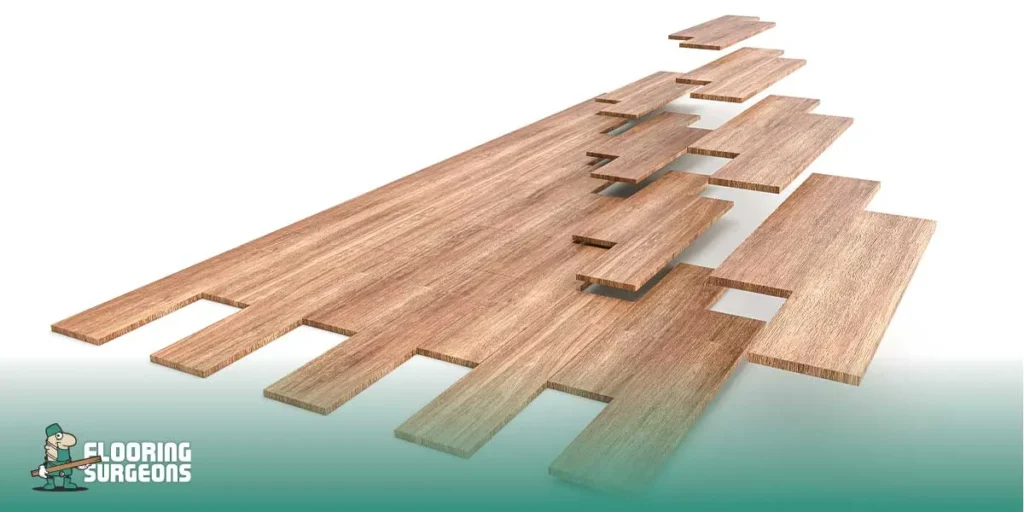
If you’re stuck choosing between the two, the simplest way to decide is to look at your home from three angles: the room’s size, the style you’re aiming for, and the level of maintenance you’re willing to accept. Once you break it down this way, the “best” option becomes far more apparent.
Based on Room Size
Room size plays the most significant role. Smaller spaces benefit from narrow planks, which introduce structure without overwhelming the room. Larger rooms favour wide planks because they stretch the space visually and allow the floor pattern to flow with fewer interruptions. Think of it as whether you want rhythm (narrow) or openness (wide).
Based on Interior Style
Your interior style should guide your choice just as much as room size. Wide planks complement modern, Scandinavian and minimalist homes where clean lines matter. Narrow planks naturally suit traditional or historic interiors where detail and character are already part of the design. Match the plank width to the space’s personality, and you’ll rarely go wrong.
Based on Budget & Long-Term Maintenance
Budget and ongoing care can’t be ignored. Narrow planks keep installation and material costs down and usually withstand everyday humidity fluctuations better. Wide planks cost more and demand more consistent climate control to stay perfectly flat. If you prefer a low-maintenance floor, narrow planks are the practical choice; if you’re after a premium look and don’t mind the upkeep, wide boards deliver it.
Final Verdict: Which Plank Width Is Best for Your Home?
There isn’t one “best” option — the correct plank width depends entirely on your space and your expectations. Wide planks deliver a bold, contemporary finish in rooms that have enough space to let them breathe. Narrow planks provide a classic, timeless feel and suit homes where stability, subtlety, or budget take priority.
If your room is large and your style is modern → choose wide planks.
If your room is small or your home has traditional character → go with narrow planks.
Whichever width you choose, the key is matching it to how your home looks and functions every day. When the proportions line up with the design, the floor always feels right.

Haniye Ayanmanesh
As an expert writer for Flooring Surgeons, I combine technical SEO knowledge with a practical understanding of flooring, producing content that helps users make confident decisions while supporting long-term organic growth.