


Choosing between oiled vs lacquered wood flooring usually comes down to a straightforward question:
Do you want the most natural-looking finish, or the most durable and low-maintenance one?
Oiled floors offer a warm, organic look that many homeowners love, while lacquered floors provide stronger day-to-day protection and are easier to maintain—especially in busy homes.
Most people comparing oiled or lacquered flooring aren’t looking for technical jargon; they want to know which finish handles scratches better, which one works for families with pets or kids, and which one lasts longer without constant upkeep. The short answer is this:
- Choose oiled if you prioritise natural texture and easy spot-repairs.
- Choose lacquered if you want maximum durability with minimal maintenance.
This guide breaks down how each finish performs in real homes, what the pros and cons truly look like, and how to choose the right option for your lifestyle—not just your interior style.
Table of contents
What’s the Difference Between Oiled and Lacquered Wood Flooring?
When homeowners compare Oiled or Lacquered Flooring, they’re really comparing two completely different protection systems. Both finishes can be used on solid and Engineered Wood Flooring, and both play a role in how you clean engineered wood floors each week, but their behaviour in everyday use is different. Oiled floors rely on a penetrating treatment that gives the wood a natural feel, while lacquered floors use a surface-level protective layer designed to prevent scratches, stains, and moisture from reaching the grain.
How Does an Oiled Wood Floor Work?
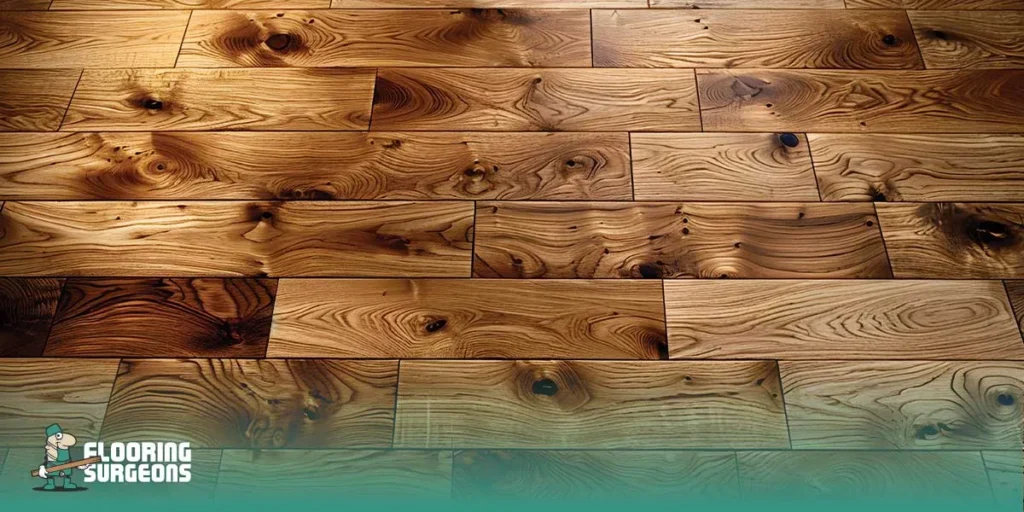
An oiled wood floor is treated with natural or synthetic oils that absorb into the wood’s grain rather than forming a visible layer on the surface. This creates a warm, matte finish that highlights the wood’s texture and keeps the surface feeling natural underfoot. Because the protection comes from within, oiled floors can show wear sooner in busy areas and typically require regular re-oiling to maintain their appearance.
The advantage is flexibility: minor scratches or dull spots can often be repaired locally without sanding the entire floor, making oiled finishes ideal for homeowners who value authenticity and easy spot-repair.
How Does a Lacquered Wood Floor Work?
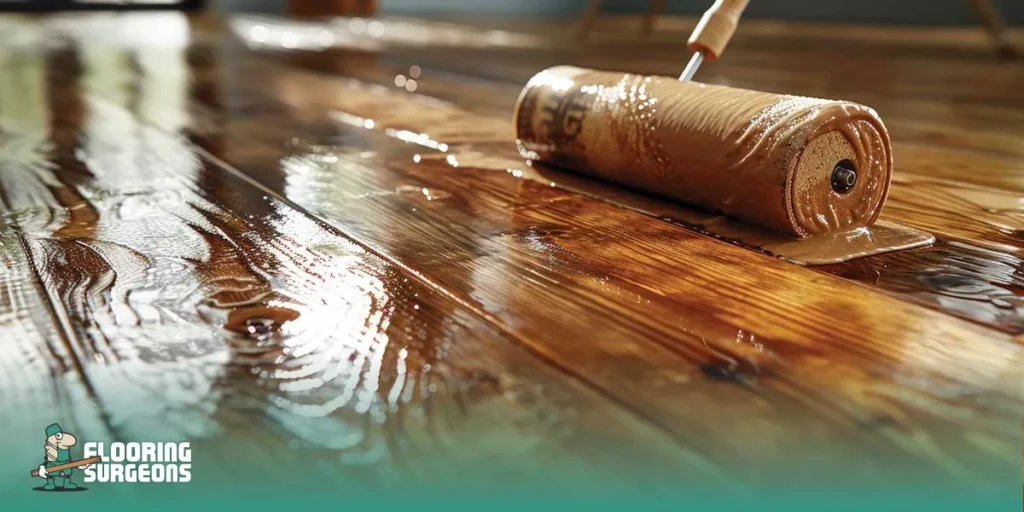
A lacquered wood floor is protected by a durable, film-forming topcoat that sits on the surface of the boards. This protective layer acts as a barrier, preventing moisture, scratches, and everyday scuffs from penetrating the wood. As a result, lacquered floors are generally more resilient in high-traffic areas such as hallways, kitchens, and family rooms.
Depending on the product, lacquered finishes can range from glossy to semi-matt, giving homeowners more control over the final look. While they require less ongoing maintenance than oiled floors, deep scratches usually need a full resanding to restore a uniform finish.
Which Finish Looks Better — Oiled or Lacquered?
When comparing oiled vs lacquered engineered wood flooring, appearance is often the deciding factor. Both finishes can look stunning, but the visual effect is very different. Oiled floors lean into a warm, natural aesthetic that highlights the grain, while lacquered floors offer a cleaner, more uniform look with customizable sheen levels. The “better” option depends entirely on the atmosphere you want to create and how much natural texture you want the wood to show.
Appearance & Texture Differences
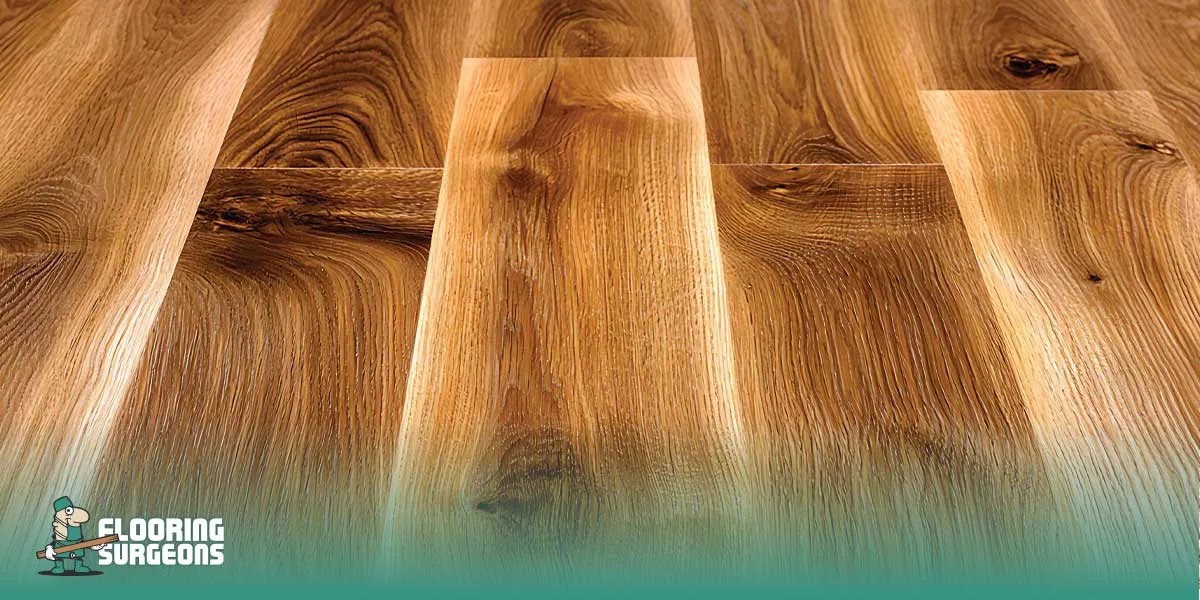
Oiled wood floors have a soft, matte finish that brings out the grain’s depth and character. Because the oil penetrates the timber rather than sitting on its surface, the surface feels organic and textured underfoot. This makes oiled finishes an excellent match for rustic, Scandinavian, or nature-inspired interiors—especially when paired with oak engineered wood that already has substantial natural variation.
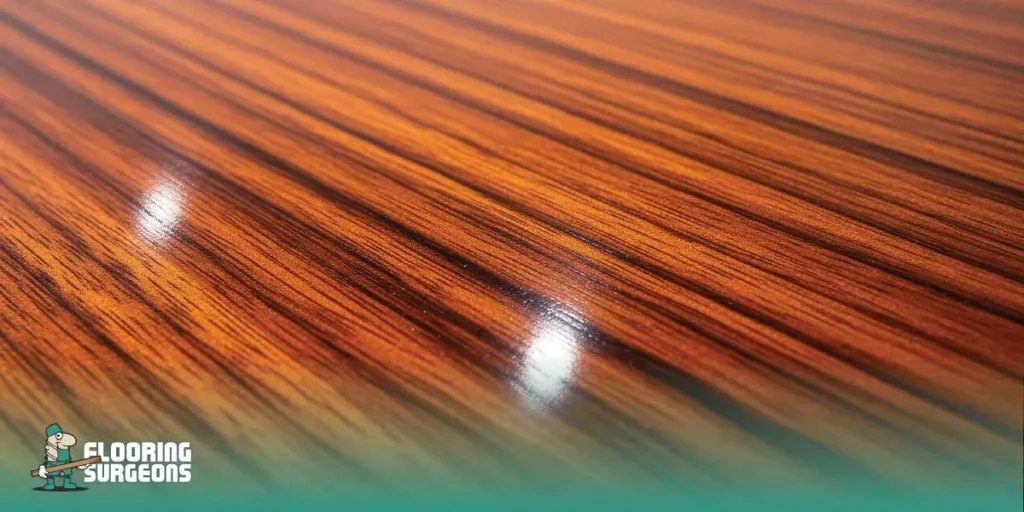
Lacquered floors, on the other hand, create a smoother and more uniform appearance. The protective topcoat gives the boards a consistent finish—whether matt, satin, or glossy—resulting in a polished and contemporary look. If you prefer clean lines, minimal visual distraction, or a more modern feel, a lacquered finish typically aligns better with that style.
How Lighting and Room Style Affect Your Choice
Lighting plays a significant role in how both finishes appear throughout the day. Oiled floors absorb more light due to their matte surface, making the room feel warmer and more grounded. They work particularly well in bright, airy spaces where natural light enhances the wood’s texture.
Lacquered floors reflect more light, making a room appear brighter and more open—especially useful in smaller or darker areas. Satin and gloss lacquers can subtly bounce light around the room, giving the floor a smoother, more refined presence.
Your interior style matters too:
- Warm, natural, rustic, or Nordic spaces → Oiled finish enhances the atmosphere.
- Modern, minimalist, or high-contrast designs → Lacquered finish offers clean definition.
Because oiled vs lacquered engineered wood flooring can dramatically change the mood of a room, the best choice often comes down to how you want the space to feel as much as how you want it to perform.
How Durable Are Oiled and Lacquered Wood Floors in Real Homes?
Durability often becomes the turning point when people compare the two finishes. Both hold up well, but they behave very differently once life starts piling on. Pets, kids, spills, and heavy foot traffic all reveal the strengths and limits of each finish. You will notice these differences faster in busy rooms, so it helps to know what each one can handle before you choose.
Scratch Resistance: Which One Performs Better?
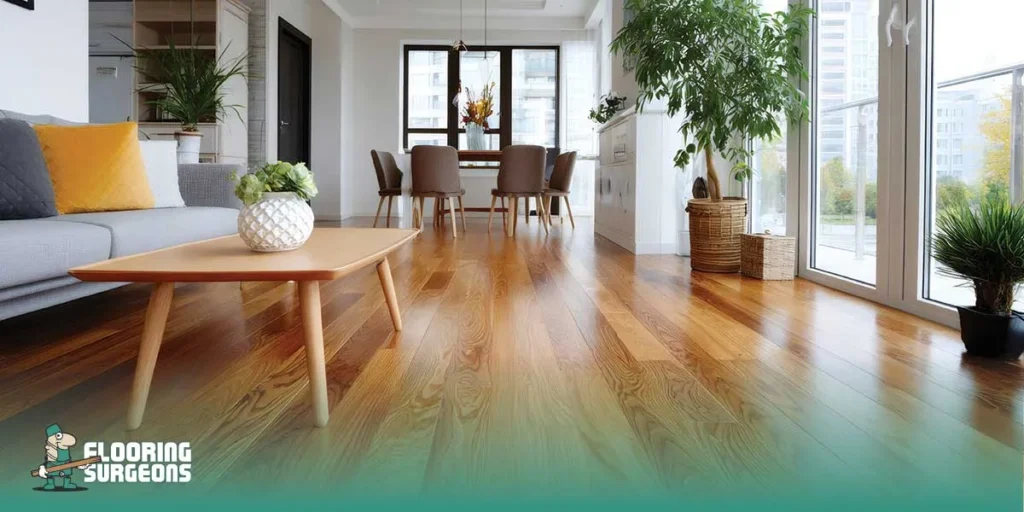
Lacquered floors offer stronger scratch resistance because the protective layer sits on the surface. This shield takes most of the impact from shoes, toys, and chair legs. It is a solid pick for hallways or family rooms where people move around a lot. Light marks still appear over time, but they remain on the topcoat rather than cutting into the wood.
Oiled floors work differently. Since the finish sinks into the grain, the wood stays exposed to daily wear. Minor scratches blend into the texture, which many people like, but deeper marks show sooner. The upside is that you can repair small spots without treating the whole room, which keeps the floor looking good even with frequent touch-ups.
Water and Stain Resistance: What Should You Expect?
Lacquered floors keep spills on the surface for longer. The top layer slows liquid from soaking in, buying you time to clean it. This helps in kitchens, dining rooms, and entryways where accidents are common. Most stains sit on the finish rather than the wood, which makes cleanup easier.
Oiled floors are less forgiving. Since the protection is within the wood, moisture can reach the grain more quickly. Wipeups need to be quick, and certain liquids can leave marks if left to sit too long. Many homeowners do fine with this, but it works best in rooms where spills are less likely or where people can manage a slightly higher care routine.
How Often Do You Need to Recoat or Maintain Each Finish?
Lacquered floors stay low-maintenance. Many homes go years without needing a fresh topcoat. Routine cleaning is enough for most situations. The only issue is that deep scratches require a complete sanding to even out the surface again.
When homeowners compare Oiled or Lacquered Flooring, they’re really comparing two completely different protection systems. Both finishes can be used on solid and Engineered Wood Flooring, but their behaviour in everyday use is different. Many people browse guides from Flooring Surgeons to understand how each finish holds up at home. Oiled floors rely on a penetrating treatment that enhances the natural feel of the wood, while lacquered floors use a surface-level protective layer designed to prevent scratches, stains, and moisture from reaching the grain.
Oiled vs. Lacquered Wood Flooring Maintenance — Which One Is Easier to Look After?
Most homeowners want a finish that stays clean with simple habits. Both options are manageable, but they don’t ask for the same type of care. If you want the least daily effort, lacquered floors are the way to go. If you prefer a natural look and don’t mind minor touch-ups, oiled floors can work well too. The day-to-day routine and long-term treatments make the real difference.
Daily and Weekly Care Requirements
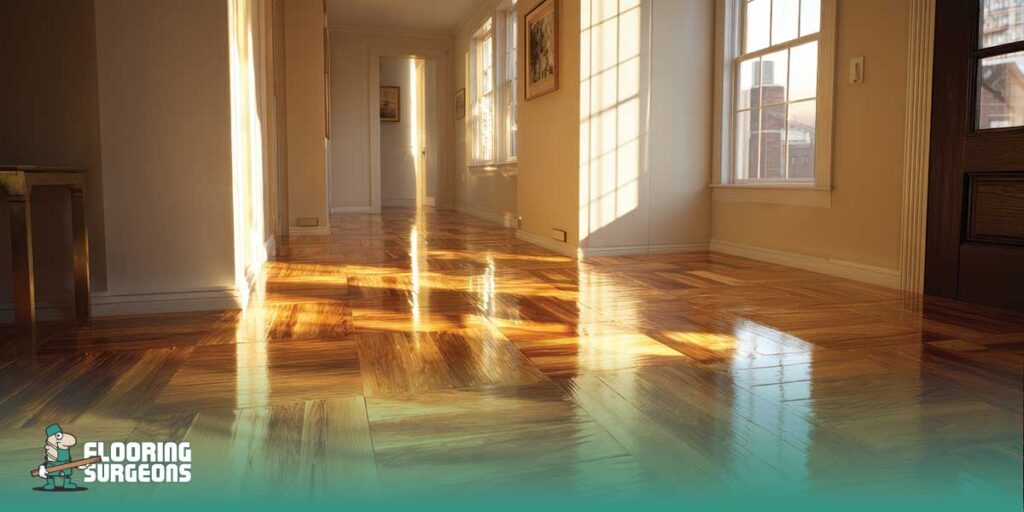
Lacquered floors are easy to keep tidy. Most homes do well with a quick sweep and a light mop using a wood-safe cleaner. Dust stays on the surface, so it comes off fast. You do not need special products, and you won’t need to refresh the finish during regular weekly cleaning.
Oiled floors need a bit more attention. Dust settles into the grain, so sweeping has to be steady and gentle. Many people use a microfiber mop to avoid dragging dirt into the wood. When cleaning with a liquid product, use a cleaner formulated for oiled floors. Regular care keeps the finish looking rich and prevents dry spots from forming. The routine is simple, but it works best for people who like consistent upkeep.
Long-Term Maintenance (Re-Oiling vs. Re-Lacquering)
Lacquered floors usually stay in good shape for years. Most homes only think about a fresh coat after long periods of wear. When the time comes, the process is more involved. Deep scratches or dull areas often need a complete sanding before the new coat goes on. It is not something you do often, but it is a bigger project when it happens.
Oiled floors have a lighter long-term plan. You refresh the finish by adding more oil. Many people re-oil high-traffic areas once a year and treat the rest later. There is no sanding unless the floor has significant damage. The work is straightforward, and you can restore the colour and feel without doing the whole room at once.
Common Mistakes Homeowners Make
Some mistakes shorten the life of both finishes. Strong cleaners remove protection, so many floors wear out faster than they should. Wet mops sit too long on the surface, causing swelling or stains. Dragging furniture also leaves marks that could have been avoided with pads under each leg.
Oiled floors suffer when people skip re-oiling for too long. The wood dries out and becomes harder to refresh. Lacquered floors run into problems when people try to fix scratches spot-by-spot. Since the coat is a single layer, patch repairs stand out.
Reasonable care is not complicated. It is mostly about using the right cleaners, acting fast on spills, and keeping a simple routine.
What Are the Pros and Cons of Oiled Wood Floors?
Oiled floors have a loyal fan base. People love the natural feel and the way the wood ages over time. Still, this finish is not for everyone. It needs more care and responds differently to daily life. Knowing the real upsides and downsides helps you choose with confidence.
Pros of Oiled Wood Flooring
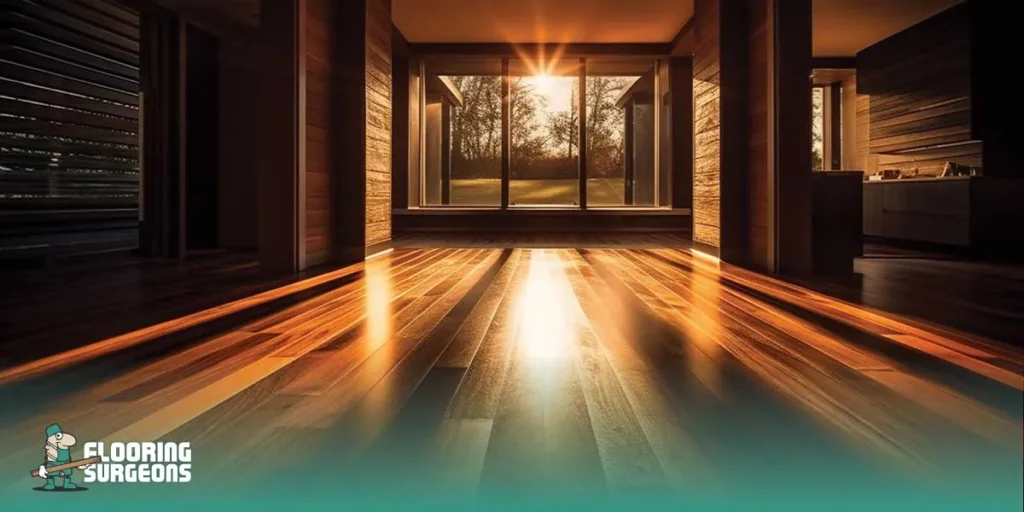
Oiled floors give a natural look that many homeowners prefer. The finish sinks into the grain, so the surface keeps its character and doesn’t feel coated. This creates a warm matte tone that works well in calm, relaxed rooms.
Spot repairs are simple. Minor scratches blend into the texture, so you can refresh only the areas that need help. There is no need to treat the whole floor each time. If you enjoy a finish that ages with you and stays easy to touch up, oil fits that style.
Oiled wood also feels softer underfoot. The texture remains close to its original state, giving the space a grounded, inviting feel.
Cons of Oiled Wood Flooring
Oiled floors need more upkeep. The finish wears faster in busy spots, so watch for dry patches and refresh them before they spread. This routine matters if you want the floor to stay even and richly coloured.
Stain resistance is lower. Liquids reach the grain more quickly, so spills need to be cleaned up quickly. Certain foods or drinks can leave marks if they sit too long.
Regular re-oiling is part of the long-term plan. Most homes re-oil high-traffic areas each year. It is not hard work, but it does take time. If you prefer a finish that you can leave alone for long periods, oil may not fit your lifestyle.
What Are the Pros and Cons of Lacquered Wood Floors?
Lacquered floors stay popular because they make life easier in busy homes. The finish sits on top of the wood and acts like a shield. It keeps the floor looking clean with less daily work. Still, the finish has limits, and it helps to know them before you pick it.
Pros of Lacquered Wood Flooring
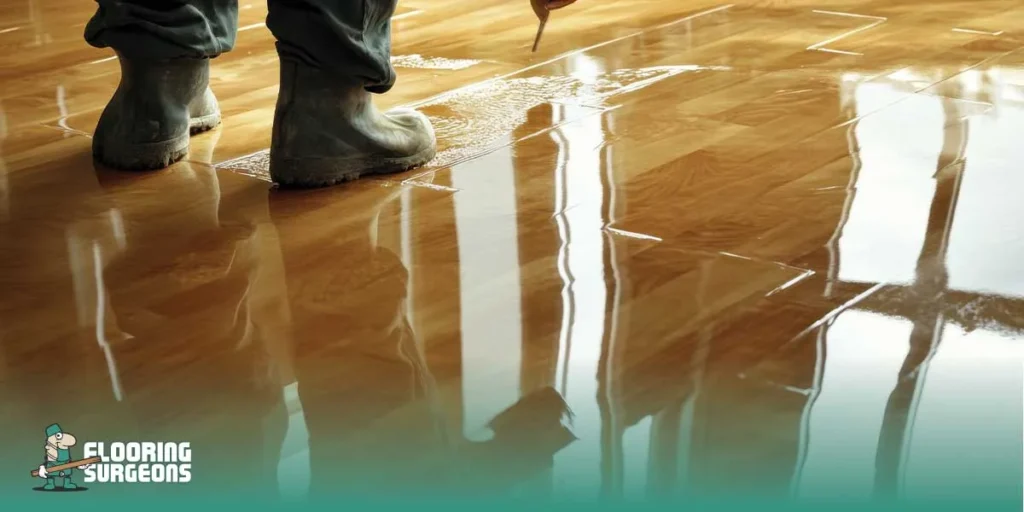
Lacquered floors offer strong protection. The topcoat handles scratches from shoes, toys, and everyday movement. It also slows the formation of stains, making cleanup fast and straightforward.
This finish works well in homes with steady foot traffic. Hallways, kitchens, dining rooms, and family rooms all benefit from a surface that can take hits without showing them right away. Many homeowners like that the routine stays light. A quick sweep and a gentle cleaner are usually enough.
Another benefit is choice. You can pick a glossy, satin, or matte look. This helps you match the floor to modern or classic interior styles without changing the wood itself.
Cons of Lacquered Wood Flooring
Some people feel that lacquered floors look a bit too polished for their taste. The smooth surface can seem less natural, especially if you like a raw or rustic style.
Spot repairs are also more complex. Since the finish is a single surface layer, a scratch that cuts through the coat stands out. Fixing it often means sanding the entire area so the new layer blends smoothly. It is not something most people do on their own.
Lacquer lasts a long time, but when it finally needs a refresh, the project is bigger. Full resanding is common before a new coat goes on. It is rare, but it requires planning.
Oiled vs Lacquered Engineered Wood Flooring — Which One Should You Choose?
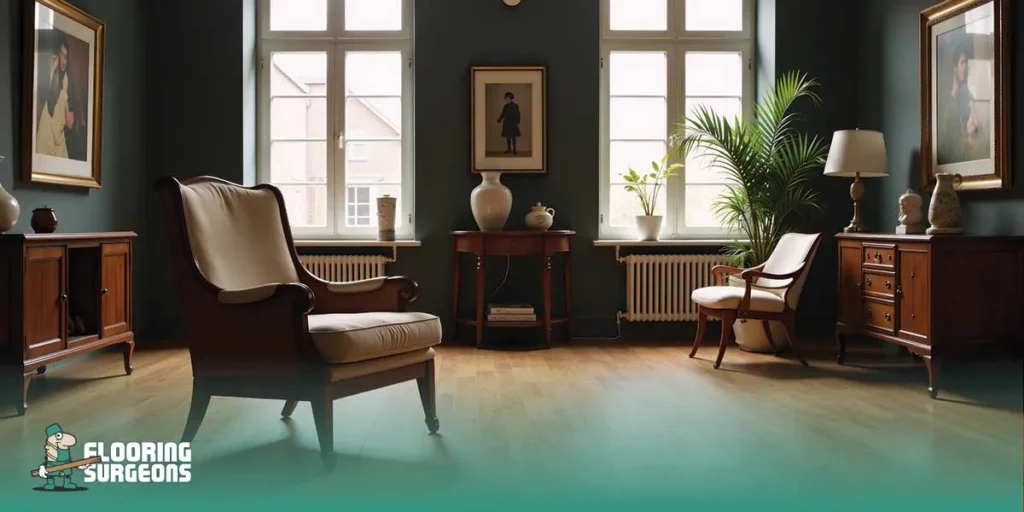
Choosing between the two comes down to how you live, how much care you want to give the floor, and the mood you want in each room. Both finishes work well on engineered boards. They just offer different strengths. Once you match those strengths to your home, the choice becomes simple and stress-free.
Best Choice for Busy Homes
Homes with pets, kids, or steady foot traffic usually do better with a lacquered floor. The surface layer protects the wood from scratches and scuffs before they reach the wood. It also stays stable when people move chairs, drop toys, or walk in with outdoor shoes. Oiled floors still work in busy homes, but they show wear faster and need more touch-ups to stay even.
Best Choice for Kitchens and Dining Rooms
Kitchens and dining rooms often deal with spills. Lacquered floors give you more time to react because liquids stay on the surface longer. This helps prevent deep stains. In these rooms, a lacquered finish usually feels safer and easier to maintain. Oiled floors look great in these spaces, but they need quick cleanups and more ongoing care.
Best Choice for Modern vs Rustic Interiors
If you love modern, clean lines, a lacquered finish fits that style. The surface looks smooth and consistent, and you can choose a glossy, satin, or matte look. It pairs well with minimal designs and bright spaces.
If you want a softer, rustic, or natural feel, an oiled finish feels right. The wood keeps its texture, and the grain stands out warmly. Many people choose oil for calm bedrooms, living rooms with natural light, or interiors with a Scandinavian or cottage look.
Best Choice for Low-Maintenance Lifestyles
If you want a floor you barely have to think about, lacquered flooring is the way to go. It needs simple cleaning and long breaks between full treatments. Most homes can go years without a refresh.
Oiled floors suit people who do not mind light upkeep. Spot repairs are easy, but the finish needs periodic re-oiling to stay rich and even. If you enjoy caring for natural materials, the routine feels rewarding. If you prefer something hands-off, lacquer is the smoother path.
Comparison Table: Oiled vs Lacquered Engineered Wood Flooring
| Feature | Oiled | Lacquered |
| Durability | Medium | Very high |
| Maintenance | High | Low |
| Appearance | Natural, warm | Smooth, consistent |
| Repair | Easy, local repairs | Harder often needs complete sanding |
| Cost Over Time | Higher due to re-oiling | Lower due to long coating life |
| Stain Resistance | Lower | Higher |
Final Verdict: Oiled or Lacquered Wood Flooring — Which Finish Is Better?
If you like a natural look and want the grain to feel close and warm, oil is the better fit. It keeps the wood honest and gives the floor a soft, matte character that suits calm spaces. You also get the benefit of simple spot repairs.
If you want easy care and long gaps between major work, lacquer is the more intelligent choice. The surface layer protects the boards from daily wear and gives you a finish that stays steady in busy rooms. Many homes pick lacquer for a clean routine and stronger day-to-day protection.
Both finishes perform well. The honest answer depends on how you live and how much time you want to spend on upkeep. This approach keeps the choice practical, not emotional. Flooring should match your lifestyle first.
Explore Our Range of Engineered Wood Flooring
If you want to see how these finishes look in real products, take a look at our selection of Engineered Wood Flooring. You can find beautiful oiled and lacquered options that fit modern and rustic interiors.
Discover beautiful oiled and lacquered finishes in our engineered wood collections.

Haniye Ayanmanesh
As an expert writer for Flooring Surgeons, I combine technical SEO knowledge with a practical understanding of flooring, producing content that helps users make confident decisions while supporting long-term organic growth.