

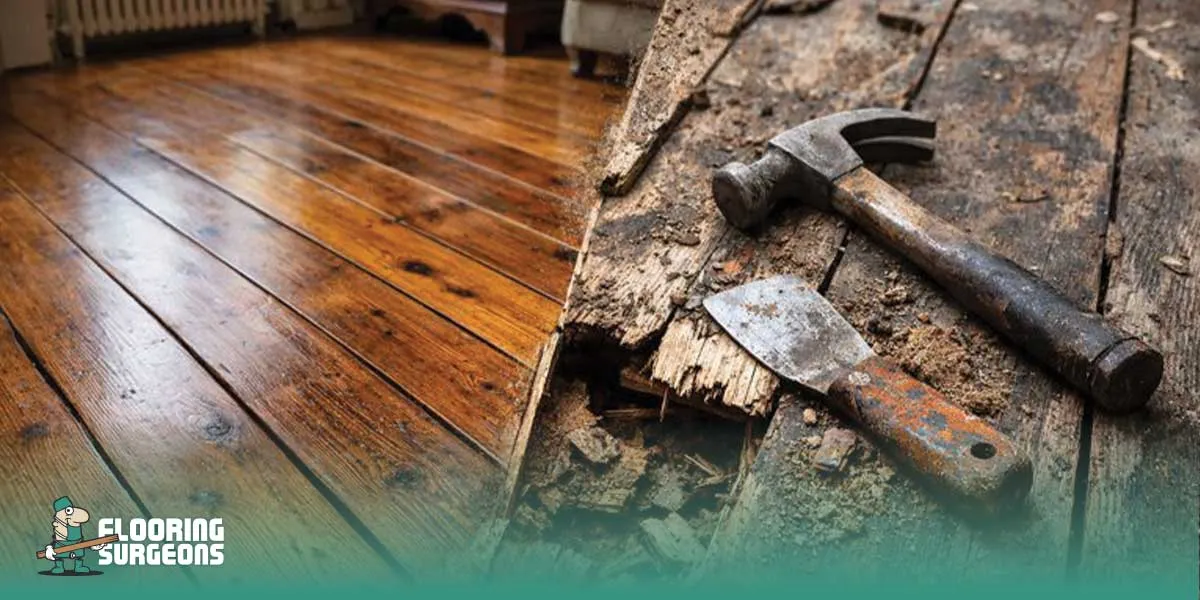
Is it worth restoring old wooden floors in period UK homes? The honest answer is in many cases yes, but not always.
If your wooden floors are original, structurally sound, and have not been sanded down too many times before restoration, it is often worth considering. It can preserve the character of a period property, add to its overall value, and, over time, be more cost-effective than complete replacement. That said, restoration is not automatically the right choice. Floors that are excessively worn, too thin, affected by structural movement, or heavily over-treated in the past, can turn restoration into an expensive mistake rather than a sensible investment.
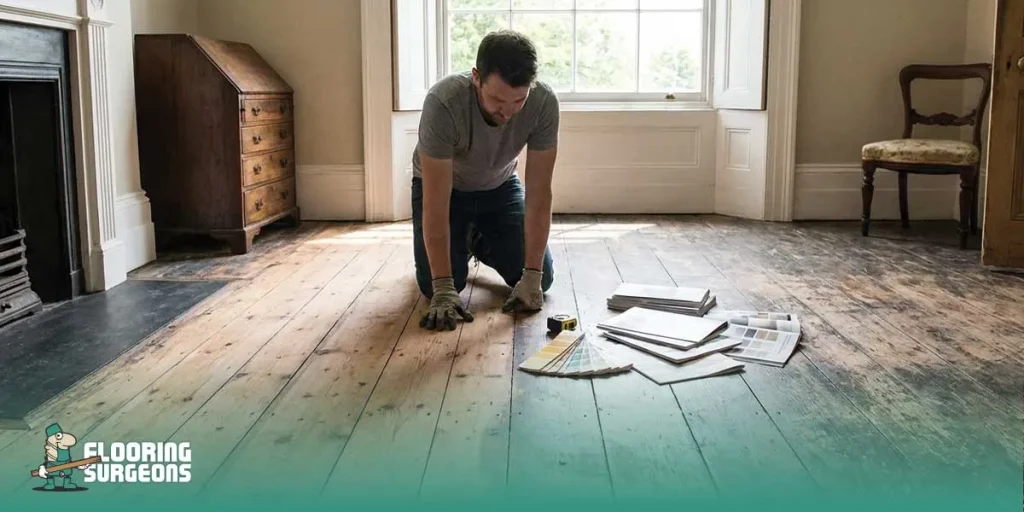
This is where many homeowners feel unsure Old wooden floors can be valuable especially in period homes but it is not always clear whether a specific floor is worth saving The decision is not simply restore or replace and it is very different from making the same choice in a modern property In this article you will find a clear practical breakdown of when restoring old wooden floors genuinely makes sense when replacing them is the wiser option what restoration really costs in the UK and just as importantly when restoration is not worth it at all. If you only wanted a direct answer, you already have it. If you want to be confident that you are making the right decision for your home, the rest of the article will guide you through it.
Table of contents
Why Old Wooden Floors Matter More in Period UK Homes
Old wooden floors play a very different role in period UK homes compared to modern properties because they are often part of the original fabric of the building rather than a later design choice In many period homes, wooden floors were installed as a permanent structural feature, not a surface finish This means they were built to last and to work alongside the age construction methods of the property including suspended floors natural ventilation and breathable materials Replacing them with modern alternatives can sometimes disrupt how the building was designed to perform.
In contrast, wooden flooring in modern homes is usually installed as a finished product. It is chosen for appearance, convenience or resale appeal and is rarely tied to the structure or long-term behaviour of the building. This makes replacement a straightforward decision in most modern properties, but not in period ones.
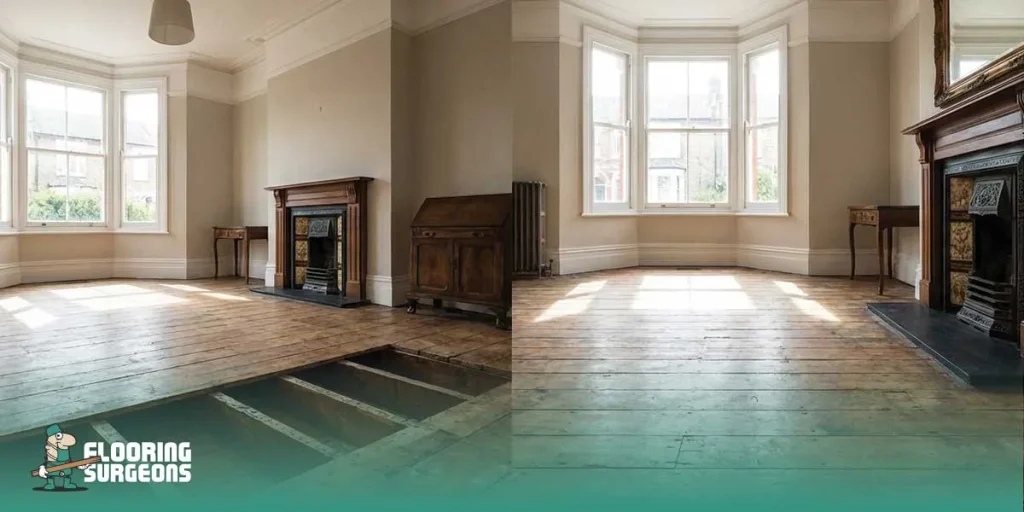
Another key difference is character. In period homes, original floorboards contribute directly to the sense of age, proportion, and authenticity that buyers value. Visible wear, patina, and minor imperfections are often seen as desirable features rather than defects. When replacement is unavoidable, choosing solid wood flooring suitable for period homes helps retain the depth, texture, and sense of proportion that define older UK properties. Removing original floors can reduce that character, even if the replacement looks newer or more uniform. This is why the question of restoration carries more weight in period UK homes. It is not just about whether the floor looks good after work is done, but whether keeping it in place supports the integrity and long-term performance of the property as a whole.
Restoring vs Replacing Old Wooden Floors: Which Makes More Sense
Choosing between restoring and replacing old wooden floors is not about which option is better in general, but which one makes more sense for a specific property condition and long-term goal. This is especially true in period UK homes, where the wrong choice can affect both value and character.
Restoration tends to make sense when the original floorboards are still structurally sound. Even if they look worn uneven or heavily marked these issues are often cosmetic and can be addressed through professional sanding repairs and finishing In these cases restoration allows you to keep the original material while improving appearance and usability Replacement on the other hand becomes the more practical option when the floorboards are no longer viable Floors that are too thin from repeated sanding suffer from widespread rot or have significant structural movement may not respond well to restoration Attempting to save them can result in higher costs with limited improvement and no long term benefit. Many homeowners find that an initial professional assessment helps clarify whether restoration is realistic or not. Experienced specialists, such as the team at Flooring Surgeons, can identify issues like over-sanded board,s structural movement or hidden subfloor problems before costly work begins.
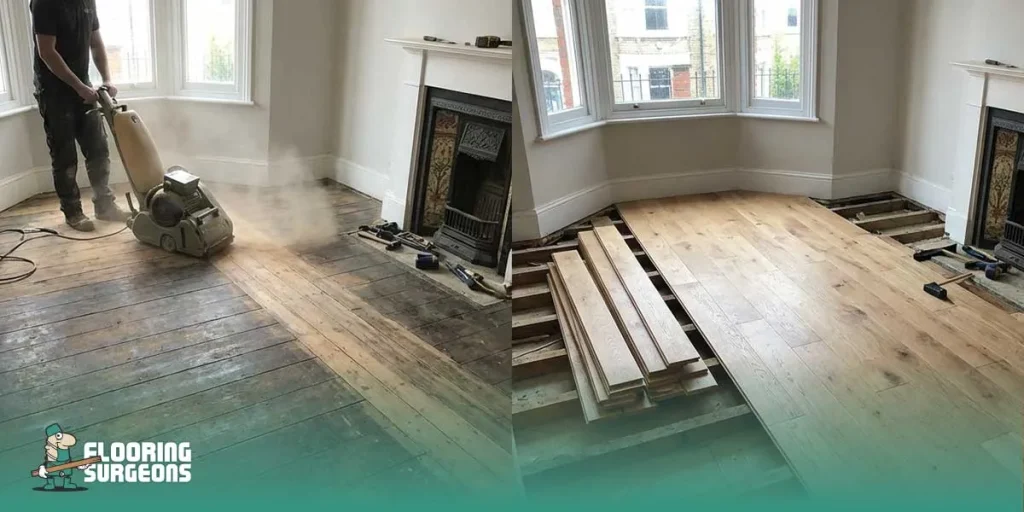
Cost is often seen as the deciding factor, but it is rarely that simple. While restoration can be less expensive than full replacement in many cases, unexpected issues such as hidden damage or uneven subfloors can increase costs. Similarly, replacing old floors in a period home can involve additional work to maintain breathability levels and floor heights, which can make replacement more complex than expected. Another important difference is impact. Restoration generally preserves the original look and feel of a period home while replacement changes it, sometimes subtly, sometimes significantly. Neither outcome is automatically right or wrong, but the impact should be understood before a decision is made.
In practical terms, restoring old wooden floors makes more sense when preservation and long-term character are priorities. Replacing them makes more sense when functionality, safety, or structural integrity can no longer be achieved through restoration alone.
Does Restoring Old Wooden Floors Increase Property Value in the UK
In the UK, homes with restored original wooden floors rarely add value on their own, but they often make the difference between a property feeling desirable or forgettable.
Estate agents typically treat original wooden floors as a positive feature that supports the overall asking price rather than a standalone upgrade. Buyers looking at period homes expect to see original elements and restored floorboards, which help meet that expectation. Without them, a property can feel compromised even if everything else is in good condition.
For buyers, restored wooden floors send a clear signal. The property has been looked after rather than modernised at the expense of its character. This can increase buyer confidence, shorten time on the market, and reduce pressure to negotiate on price.
Heritage value plays a quiet but important role. Even in unlisted homes, original floors contribute to authenticity. Replacing them with modern alternatives may not lower the headline price, but it can narrow the pool of interested buyers, which indirectly affects value.
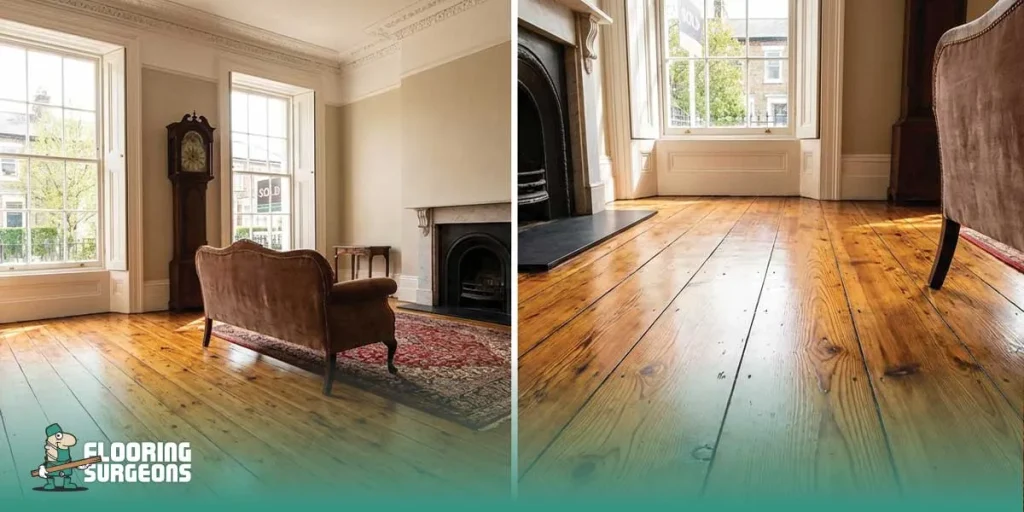
The key point is this: Restoring old wooden floors usually protects value rather than dramatically increasing it. In period UK homes, that protection is often just as important as a visible price uplift.
How Much Does It Cost to Restore Old Wooden Floors in the UK
The cost of restoring old wooden floors in the UK varies widely, depending on the condition, floor type, and the level of work required. In period homes, prices are rarely fixed because no two floors age in the same way. To give a realistic idea, the table below shows typical UK price ranges for professional restoration work. In some situations where stability or moisture resistance is a concern, engineered wood flooring may offer a more predictable outcome than attempting to restore compromised original boards
Typical restoration costs in the UK
| Type of work | Approximate cost per square metre |
| Sanding and refinishing only | £20 to £35 |
| Minor repairs plus sanding and finishing | £30 to £50 |
| Extensive repairs and restoration | £50 to £80 or more |
These figures are indicative and assume professional work carried out to a standard appropriate for period properties
What actually affects the final cost
The biggest factor is the condition of the floor Boards that are uneven, damaged or previously over-sanded, which require more time and specialist repair, which increases cost. Wood type also matters. Old pine floorboards are common in period homes and are usually affordable to restore. Oak or harder woods cost more due to labour and finishing requirements.
Room size and layout can influence pricing. Smaller rooms, hallways and spaces with fireplaces or fitted joinery often cost more per square metre because they take longer to work around. The chosen finish plays a role. Natural oils and traditional finishes may cost more than basic lacquers, but are often better suited to period homes.
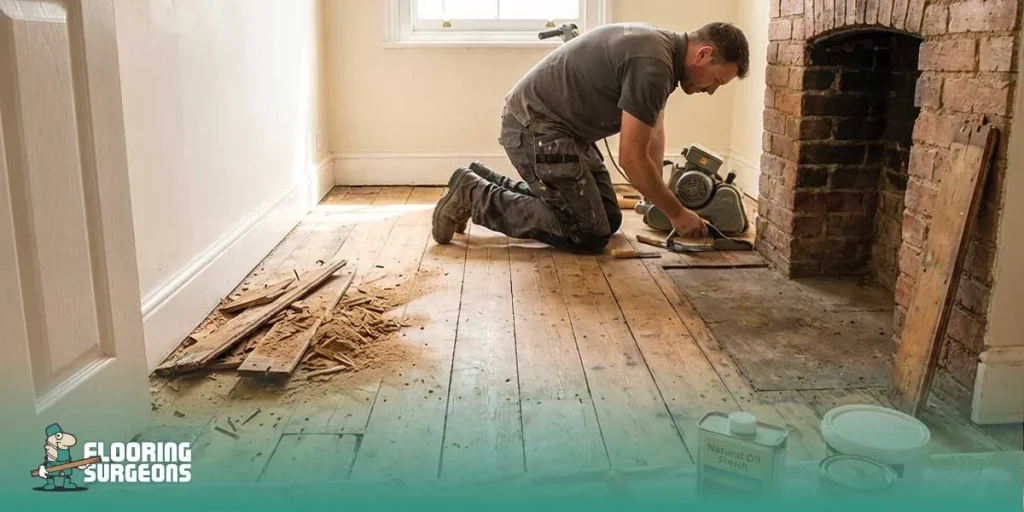
Finally, access and preparation matter. Floors that need nails resetting, boards lifted or subfloor issues addressed will always cost more than straightforward sanding jobs. Restoration is often cheaper than full replacement, but it is not a budget fix. In period UK homes, the cost reflects the care needed to work with original materials. The value lies in doing it properly rather than cheaply, which is why understanding these cost ranges helps set realistic expectations before making a decision.
When Restoring Old Wooden Floors Is NOT Worth It
Restoring old wooden floors is not the right choice in the following situations.
- The floorboards are too thin due to repeated sanding and no longer have enough structural strength to support further restoration.
- There is widespread rot, damp damage or long-term moisture exposure affecting large areas of the floor.
- The floor suffers from significant structural movement or subfloor issues that restoration work alone cannot resolve.
- Boards have been heavily patched, filled, or replaced with mismatched materials in the past, resulting in an inconsistent and unstable surface.
- Large sections of the floor would need to be replaced just to make restoration possible, removing much of the original material.
- The floor has already reached the end of its practical lifespan, and any improvement would be short-term rather than durable.
- The household requires a highly durable, low-maintenance surface due to heavy foot traffic, pets, or frequent furniture movement.
- The goal is a flawless, uniform, modern finish rather than preserving natural wear and character.
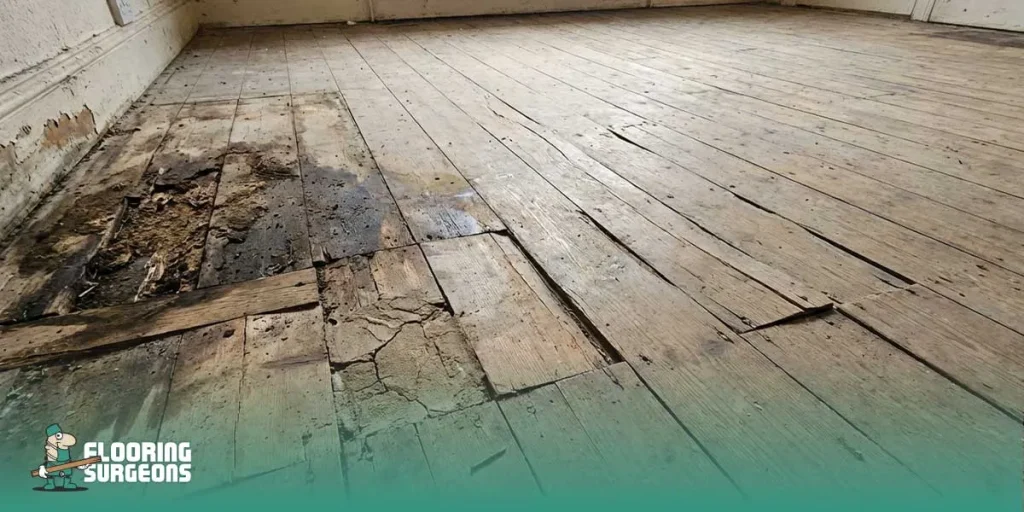
If one or more of these apply, restoration is unlikely to deliver good value. In these cases, replacement is often the more sensible and cost-effective decision for a period UK home.
How Long Do Restored Wooden Floors Actually Last
Restored wooden floors can last anywhere from twenty to forty years in period UK homes when they are restored properly and used realistically. Understanding expected lifespan is an important part of deciding whether restoration is worthwhile, especially in busy households. For a broader perspective on durability, it can be helpful to look at how long wooden flooring usually lasts under different conditions and levels of use
How long they actually last depends on a few key factors
- Quality of the original floorboards
Thicker boards that have not been over-sanded in the past will always last longer than thinner, more fragile ones. - Level of foot traffic
Floors in high traffic areas such as hallways, kitchens and living spaces wear faster than those in bedrooms or less frequently used rooms. - Type of wood
Softwoods like old pine show wear more quickly, while harder woods such as oak tend to last longer between restorations. - Maintenance and cleaning habits
Regular sweeping, minimal moisture and appropriate cleaning products significantly slow down wear and surface damage. - Lifestyle and daily use
Homes with pets, children, or frequent furniture movement place more stress on restored floors and shorten their lifespan. - Type of finish used
Traditional oils may need more frequent upkeep, while modern lacquers offer longer surface protection but can be harder to repair locally.
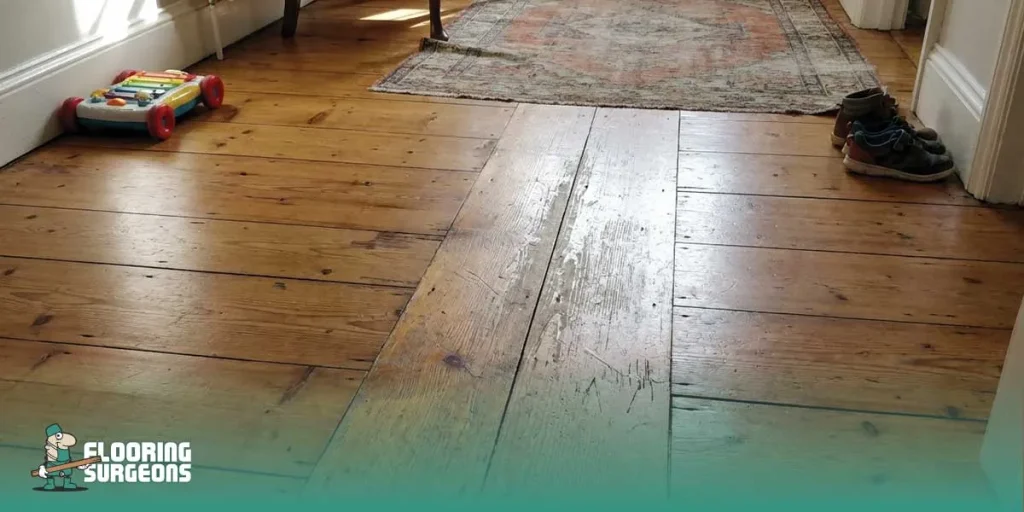
Restored wooden floors are not a permanent fix, but they are a long-term one. When cared for properly, they can remain both functional and attractive for decades, which is often more than enough to justify restoration in a period UK home.
A Simple Checklist to Decide If Restoration Is Right for Your Home
Restoring old wooden floors is the right choice for your home if most of the points below apply to your situation.
- The floorboards are original to the property and form part of its period character.
- The boards are still structurally sound and not excessively thin.
- Damage is local rather than widespread across the floor.
- Preserving character and authenticity matters more to you than achieving a flawless modern finish.
- You are comfortable with natural wear and minor imperfections.
- The property is likely to benefit from retaining original features for resale appeal.
- Your lifestyle allows for reasonable care and maintenance of wooden floors.
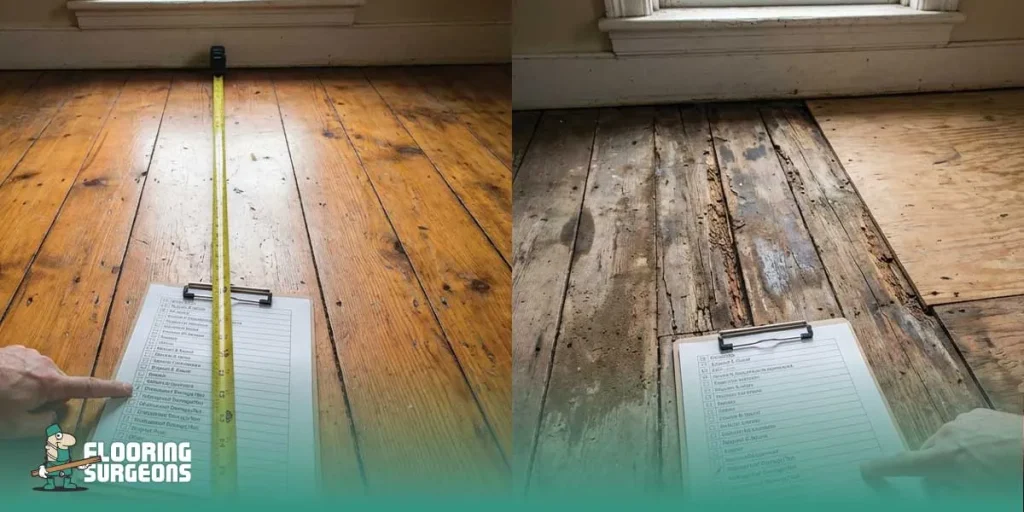
Restoration may not be the right choice if several of the following apply
- Large areas of the floor would need to be replaced to make restoration possible
- Structural movement, dam,p or rot is present and unresolved.
- You need a highly durable, low-maintenance surface for heavy daily use.
- Your priority is a perfectly uniform finish rather than original materials.
If you find yourself clearly leaning toward one side of this checklist, your decision is likely already made. This final step is about confirming that restoration aligns with the condition of the floor and how you actually use your home, rather than with an ideal outcome that may not suit your reality.

Haniye Ayanmanesh
As an expert writer for Flooring Surgeons, I combine technical SEO knowledge with a practical understanding of flooring, producing content that helps users make confident decisions while supporting long-term organic growth.