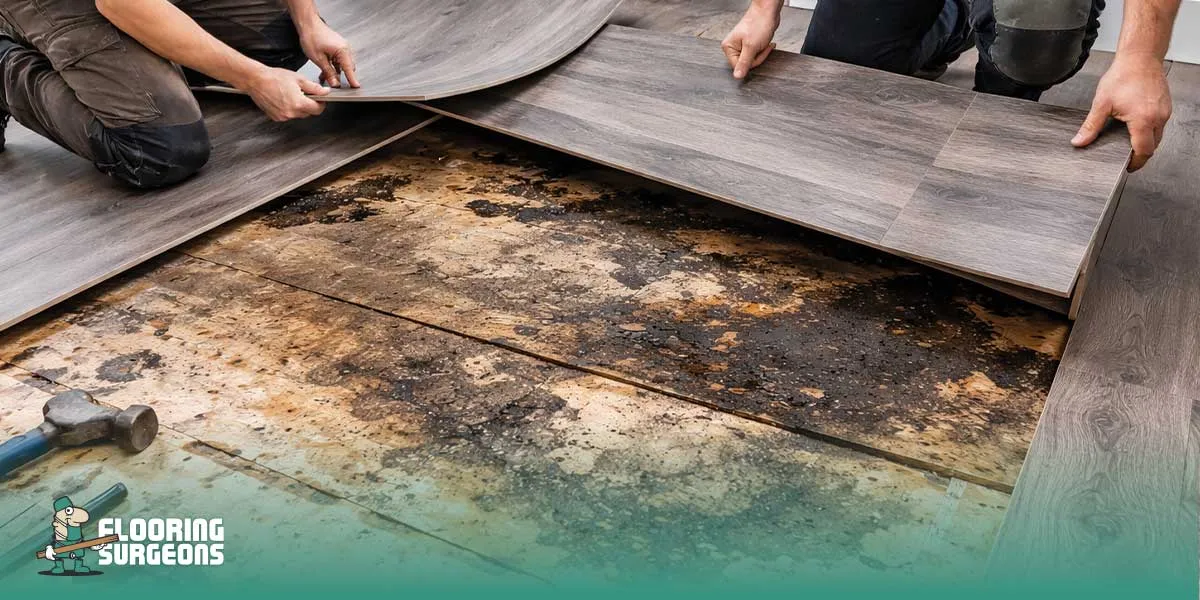


When it comes to designing your home, one of the most important decisions you’ll make is choosing the right flooring. A common question many homeowners ask is: “Is it OK to have different flooring in different rooms?” The answer is yes, but there are several factors to consider before making a decision. Whether you prefer a consistent look or want to create unique atmospheres in each room, this guide will help you decide if you should have the same flooring throughout your house.
In this article, we’ll explore the pros and cons of having the same flooring throughout the house, as well as when it might be better to opt for different flooring in each room. We’ll also discuss how to choose the right flooring to match your style, budget, and lifestyle needs.
Table of contents
Pros of Having the Same Flooring Throughout the House
When deciding on flooring for your home, one question often arises: “Is it OK to have different flooring in different rooms?” While mixing materials is an option, there are several advantages to having the same flooring throughout your entire home. Consistency can bring a sense of unity, and it’s especially beneficial if you’re aiming for a seamless, modern look. Here are some of the key pros of choosing the same flooring throughout your house.

1. Cohesive Look
Using the same flooring material throughout your home creates a unified design. If you’re looking to maintain a smooth and consistent flow between rooms, one type of flooring can help achieve that look. Whether you prefer hardwood, tile, or luxury vinyl, this choice ensures your home has a seamless, elevated appearance.
2. Space Looks Bigger
A consistent flooring style makes open spaces feel larger. If your home has an open floor plan, using the same material across the living and dining areas creates a spacious, uninterrupted flow. The absence of transitions between different types of flooring means your eye isn’t distracted by sudden changes in texture or color.
3. Easier Maintenance
With one type of flooring, you won’t need different cleaning tools or products for each room. This can make maintenance easier, especially if you choose low-maintenance flooring, like cheap engineered flooring. It saves time and effort, making it ideal for busy households.
4. Cost-Effective
Having a single type of flooring throughout your home can also be more affordable. You can purchase larger quantities of the same material, which may reduce the cost per square foot. Plus, bulk installation is often cheaper than installing different materials in each room.

Cons of Having the Same Flooring Throughout the House
While there are many advantages to using the same flooring throughout your home, it’s important to consider the potential downsides as well. Can I have different flooring in different rooms? The answer is yes, and in some cases, opting for variety might be the better choice. Here are some of the cons of having the same flooring throughout your house.
1. Limited Choices for Different Rooms
While uniform flooring has its benefits, it may not be the best option for every room. For example, you might prefer carpet in the bedroom for comfort, but tile in the bathroom for moisture resistance. Some materials may not suit the function or feel of a specific space. For instance, hardwood floors, while beautiful, might not be ideal for a bathroom due to humidity. In such cases, it’s important to consider the price of solid wood flooring and explore other options that are better suited to different rooms. Therefore, you may need to explore different flooring options to match the room’s needs and design.
2. May Lack Creativity
Uniformity can sometimes feel monotonous. If you’re someone who enjoys experimenting with different styles, using one flooring material in all rooms might feel limiting. You may want to incorporate accent tiles or unique designs in certain spaces, such as the kitchen or bathroom.
3. Style Limitations
Some flooring types may not work well with every décor style. For example, the warm tones of hardwood may not be suitable for a sleek, modern office. Depending on your design preferences, the same flooring throughout the house could clash with your home’s interior style.
When Is It Better to Use Different Flooring in Different Rooms?
While having the same flooring throughout the house can create a cohesive look, there are instances where using different flooring in different rooms is a better option. Is it OK to have different flooring in different rooms? Absolutely! In fact, there are several reasons why this choice might be more practical and beneficial. For example, using different materials in different rooms can help achieve the right atmosphere or functionality for each space. And when you’re making these decisions, it’s important to consider how to choose a flooring color that complements each room’s design and overall vibe. Let’s explore when it’s better to mix things up.
1. Creating Unique Ambiances
One of the most popular reasons to choose different flooring is to create distinct atmospheres in each room. For instance, hardwood floors might be perfect for the living room but cold and impractical for a bathroom. Mixing materials allows you to create functional and visually appealing spaces that serve their intended purposes.
2. Adapt to Room Functionality
Each room in your home serves a different purpose, so it makes sense to have flooring that supports that. A carpet in the bedroom offers comfort, while hard floors in the kitchen make cleaning up spills easier. Having different flooring allows you to tailor your choices to the specific needs of each space.

How to Choose the Right Flooring for Your Home
When deciding on your home’s flooring, it’s important to consider factors such as your budget, lifestyle, and design preferences. Whether you choose uniform flooring or mix and match, here are a few tips to guide you:
| Consideration | Details |
| Lifestyle | Choose durable flooring if you have pets or children. |
| Room Functionality | Pick moisture-resistant flooring for bathrooms and kitchens. |
| Budget | Compare the price of solid wood flooring with alternatives like vinyl or laminate to stay within your budget. |
| Style | Consider how each material complements the room’s design. |
Final Thoughts
So, can I have different flooring in different rooms? Absolutely! There’s no rule that says your flooring must be the same throughout your entire home. The key is to balance practicality with aesthetics. If you prefer consistency, go for the same material in every room. But if you want to create unique vibes in each space, different flooring types might be the way to go.
If you’re unsure about your options or need help with installation, Flooring Surgeons is here to provide expert advice and assistance. And if you’re trying to stay within budget, cheap engineered flooring could be the ideal choice, offering both durability and style without the high price tag.
Don’t forget to consider all your options carefully and ask yourself how each flooring type will complement your home’s décor, functionality, and your family’s needs. By considering these factors, you’ll make the best choice for your home and enjoy your beautiful floors for years to come.

Mina Asgari
I’m an SEO Specialist and Content Strategist focused on sustainable business growth. I design data-driven content strategies by deeply analyzing user intent, search behavior, and SEO best practices, ensuring every piece of content serves a clear purpose for both users and search engines.