



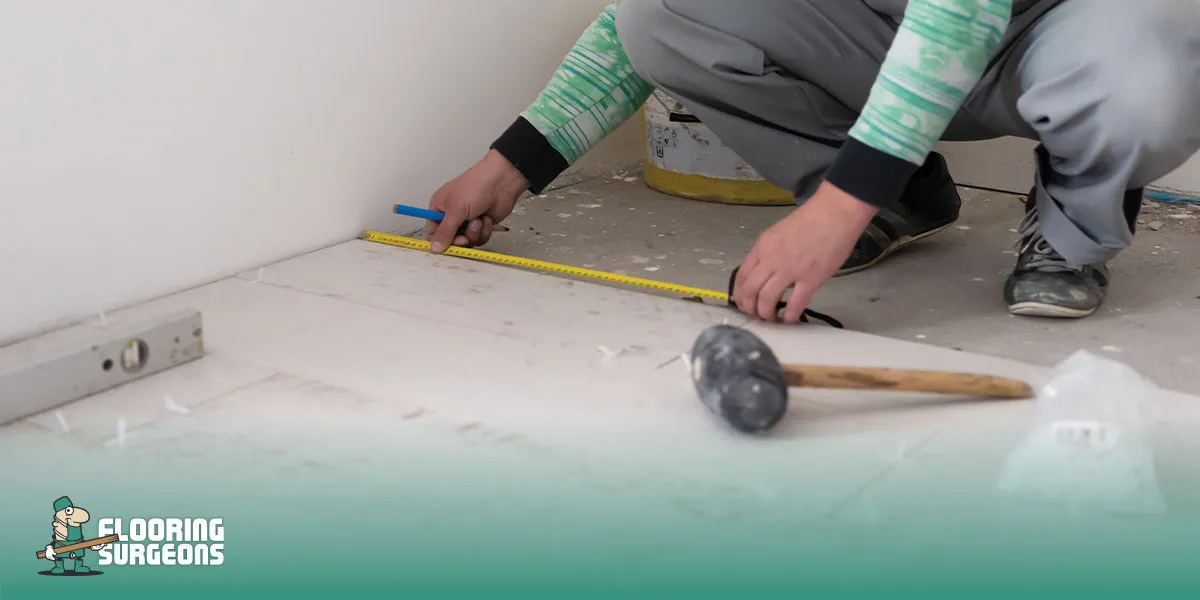
When undertaking a flooring installation project, one of the most common questions that arises is, should drywall touch floor? This question is essential for ensuring a proper and durable finish, whether you’re dealing with hardwood, vinyl, or engineered flooring. The answer isn’t always straightforward, as it depends on several factors, such as the type of flooring and the construction of your home. In this article, we’ll explore the relationship between drywall and flooring, and guide you through the best practices for installation.
Table of contents
Understanding the Basics: Should Drywall Touch Floor?
The answer to should drywall touch floor or should drywall go all the way to the floor is generally no. Drywall should not touch the floor for several reasons. One of the most critical factors is to allow for air circulation and prevent moisture-related issues. Drywall that sits directly on the floor is more susceptible to moisture from the flooring below, which can lead to mold growth and potential damage. Additionally, leaving a gap between the drywall and floor allows for expansion and contraction, ensuring that both materials can move without causing structural problems.
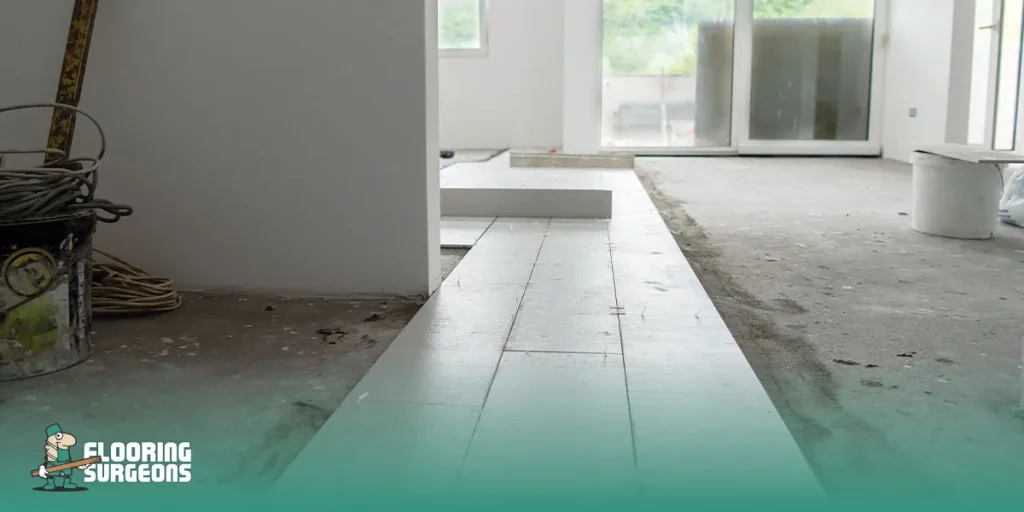
When installing new flooring, does flooring go under drywall? In most cases, flooring installers will leave a small gap between the drywall and the flooring. This gap allows the flooring to expand without putting pressure on the drywall. Additionally, this small space helps maintain the integrity of both materials, as drywall and flooring can both shift slightly over time due to environmental factors like humidity and temperature.
For those considering different flooring options, it’s important to be aware of factors such as engineered flooring cost, which can influence your overall project budget. Feel free to explore our detailed pricing guide to help you make an informed decision.
The Correct Order: Do You Install Flooring or Drywall First?
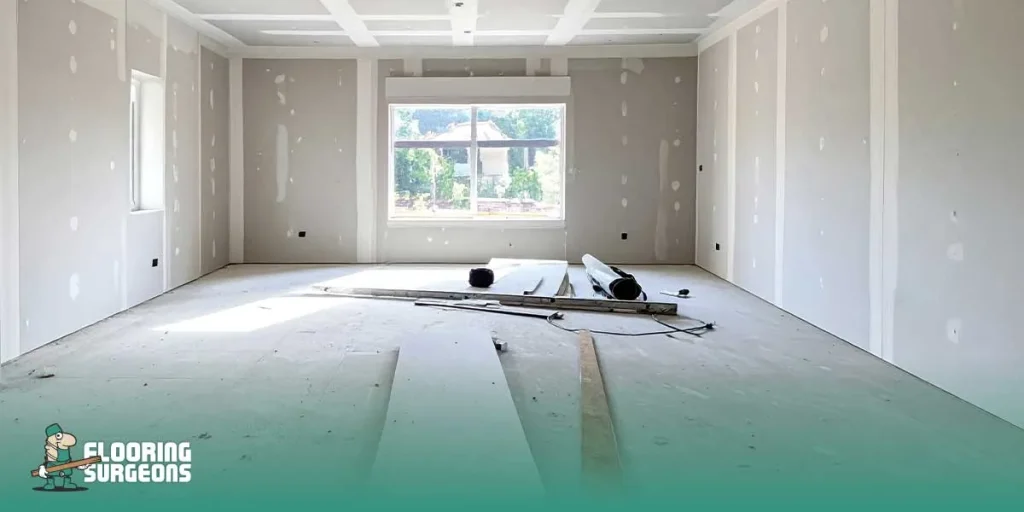
Another common question is, do you install flooring or drywall first? The typical answer is to install drywall first. By installing drywall first, you ensure that the edges of the drywall are cleanly hidden by baseboards once the flooring is installed. If the drywall is installed after the flooring, there’s a higher chance of damaging the flooring during drywall installation.
However, should drywall touch floor? As mentioned earlier, drywall should not go all the way to the floor. There needs to be a gap for the flooring to be installed correctly and for air circulation to prevent moisture issues. If the drywall touches the floor, it can cause problems, especially in areas prone to moisture, like basements.
Why Does Drywall Not Go to the Floor?
There are several reasons why drywall does not go to the floor. First, as previously mentioned, drywall for flooring applications benefits from a small gap to avoid moisture problems. Second, drywall can shift or bow due to the natural settling of the house, and having a gap ensures that the drywall doesn’t crack or buckle. Finally, leaving a gap provides space for installing baseboards or moldings to create a smooth transition between the wall and the floor.
For expert advice on your flooring installation, Flooring Surgeons is here to help with all your needs.
Best Practices for Drywall and Flooring Installation
Here’s a breakdown of the best practices for installing drywall and flooring to ensure optimal performance and longevity:
| Step | Drywall | Flooring | Reason |
| Install Drywall First | Leave a gap of ½ to ¾ inch from the floor | Install flooring under drywall, leaving a small gap | Prevents moisture issues and allows for expansion |
| Leave Space Between Drywall and Floor | Yes, at least ½ inch | Flooring should not be tight against the drywall | Allows for natural movement and prevents moisture buildup |
| Use Baseboards | Cover the gap between drywall and floor | Ensure a seamless transition between floor and wall | Enhances aesthetic and covers expansion gaps |
Key Considerations for Flooring and Drywall Installation
When planning your flooring and drywall installation, there are several important aspects to keep in mind:
1. Which Should You Install First: Flooring or Drywall? It’s generally recommended to install drywall first. This ensures that the edges are neatly hidden by baseboards, preventing any potential damage to the flooring during drywall installation.
2. Should Drywall Touch the Floor? No, drywall should never touch the floor. Leaving a gap is crucial for allowing proper airflow and preventing moisture damage from the flooring, which can lead to mold or warping over time.
3. Do Flooring Companies Replace Baseboards? Many flooring companies offer baseboard removal and installation services as part of their flooring installation packages. However, it’s important to confirm this with the company beforehand to avoid any misunderstandings. Be sure to ask if do flooring companies replace baseboards as part of your installation.
4. Why Doesn’t Drywall Go All the Way to the Floor? Drywall should not go all the way to the floor because it can trap moisture, leading to mold and potential damage. Leaving a small gap allows for expansion and proper sealing when the baseboards are installed, ensuring a lasting, professional finish.

Final Thoughts
Understanding the relationship between drywall and flooring is crucial for ensuring a smooth, long-lasting installation. Drywall for flooring needs to be installed with proper gaps to prevent moisture issues, ensure movement, and allow for baseboard installation. Whether you’re installing engineered flooring or cheap solid wood flooring, it’s essential to adhere to these best practices for a perfect finish.
If you have more questions about your flooring project or need expert advice, Flooring Surgeons is here to help. Our team is ready to guide you through every step of the process, from choosing the best materials to ensuring your installation is flawless.
For those wondering do you do flooring or drywall first or need a more budget-friendly option like cheap solid wood flooring, we offer a variety of solutions tailored to your needs. And, if you’re also considering baseboard replacement, don’t hesitate to ask do flooring companies replace baseboards during your consultation. By following the right steps, you can ensure that your flooring and drywall installation go smoothly, leading to a beautiful, long-lasting finish in your home.

Mina Asgari
I’m an SEO Specialist and Content Strategist focused on sustainable business growth. I design data-driven content strategies by deeply analyzing user intent, search behavior, and SEO best practices, ensuring every piece of content serves a clear purpose for both users and search engines.