

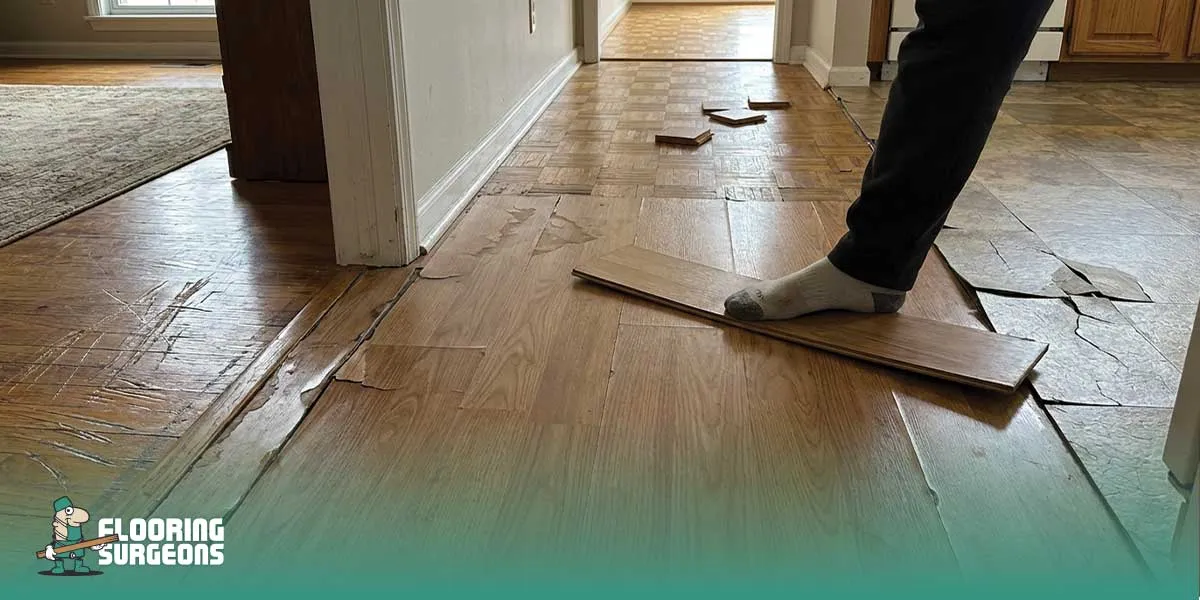
Choosing the right flooring goes beyond appearance. Even high-quality materials can become a daily frustration if they are mismatched with the space, your lifestyle, or the level of use. From subtle water marks in supposedly dry areas to scratches, gouges, and floors that feel hollow or unstable underfoot, these issues are not simply signs of wear or poor care—they are clear indicators that the flooring was never right for your environment.
This article highlights the most telling warning signs that your flooring choice is not working for your space. You will discover how different materials—laminate, engineered wood, solid wood, LVT, and parquet—perform in real-life conditions, where they tend to fail, and what to watch for before making costly replacements. By recognising these signs early, you can make informed decisions that prevent repeated mistakes and ensure your floors support your lifestyle rather than complicate it.

Table of contents
Signs You Chose the Wrong Flooring for Your Space
In most cases, flooring problems don’t start when the floor fails — they start when the wrong flooring choice is made for the space. If your floor scratches too easily, reacts badly to small amounts of moisture, feels unstable underfoot, or requires more maintenance than you expected, these are not normal ageing issues. They are clear signs of wrong flooring, even if the surface still looks acceptable.
A floor that is not suitable for the room will usually show early warning signs: wear that feels out of proportion to daily use, subtle water damage in areas that shouldn’t be vulnerable, or ongoing discomfort that makes the space harder to live in rather than easier. These issues indicate a mismatch between the flooring material and the way the room is actually used — not just poor care or bad luck.

If you recognise these problems, the question is not whether your floor needs replacing, but whether it was ever right for the space in the first place. This article breaks down the most reliable signs that your flooring choice doesn’t match your environment, usage, or lifestyle, so you can identify the real issue before investing in another replacement.
Your Floor Shows Early Water Damage in a “Dry” Space
Water damage on flooring is often treated as a clear sign that replacement is needed. However, when these marks appear in rooms that are not meant to be wet — such as living rooms, bedrooms, or home offices — the real issue is rarely a one-off spill. It is usually a sign that the flooring is not suitable for the moisture levels in that space, even at a low, everyday level.
Subtle moisture-related floor problems often appear long before serious damage sets in. Slight cupping at the edges, faint discolouration, surface bubbling, or joints beginning to open can all occur without any visible leaks or flooding. These early symptoms indicate that the flooring material is reacting to normal changes in humidity rather than abnormal water exposure.
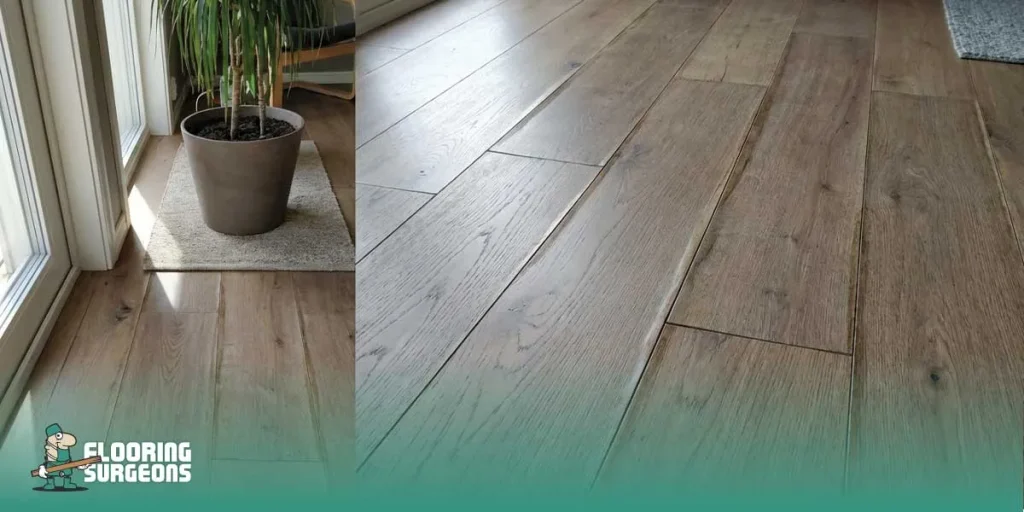
Even small watermarks matter. When a floor cannot tolerate routine humidity — from heating cycles, seasonal changes, or occasional cleaning — it means the flooring type does not match the room’s humidity profile. In these cases, the problem is not maintenance or bad luck; it is a wrong flooring choice for how the space actually behaves.
Ignoring these early signs often leads homeowners to repeat the same mistake when replacing the floor. Identifying moisture sensitivity at this stage allows you to reassess the material itself, rather than simply swapping one unsuitable floor for another. In high-traffic or moisture-prone areas, switching to luxury vinyl flooring often solves issues that wood-based floors simply can’t handle.
Your Wooden Floor Can’t Be Sanded Again, and It’s Wearing Fast
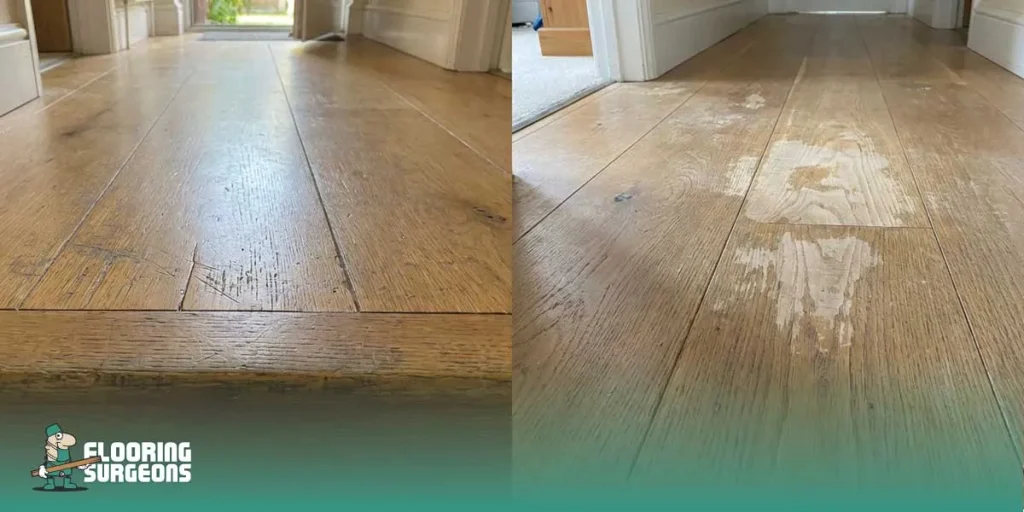
When a wooden floor starts to wear out quickly, and sanding is no longer an option, the issue is rarely age alone. In most cases, the floor has reached its wood floor sanding limit, which usually points to an earlier mistake in material selection rather than poor maintenance. Many homeowners assume all wooden floors age in the same way. This is incorrect. The lifespan and recoverability of a wooden floor depend heavily on whether it is solid wood or engineered wood, and whether that choice matches the level of foot traffic in the space.
Solid Wood and Engineered Wood Do Not Age the Same Way
Solid wood floors are manufactured from a single piece of timber, which allows them to be sanded multiple times over their lifetime. Engineered wood flooring, however, relies on a thin hardwood wear layer bonded to a plywood core. Once that top layer is sanded down, the floor cannot be restored again. This difference becomes critical in high traffic areas. Installing engineered wood in busy living spaces often leads to over-sanded wood flooring much sooner than expected, leaving no room for future refurbishment.
A Common Mistake: Engineered Wood in High Traffic Rooms
Engineered wood is frequently chosen for its stability and lower cost, but it is often misunderstood as a direct replacement for solid wood in all environments. In reality, its lifespan is strongly influenced by wear layer thickness and usage intensity. When engineered wood is placed in hallways, open-plan living areas, or homes with children and pets, surface wear accelerates. If sanding limits are already reached, replacing it with higher-grade engineered wood flooring may still not be the right long-term fix.
Solid Wood vs Engineered Wood Lifespan Comparison
| Flooring type | Typical sanding allowance | Suitable for high traffic | Long-term lifespan |
| Solid wood flooring | Multiple full sandings | Yes, when specified well | Very long |
| Engineered wood (thin wear layer) | Limited or none | No | Short to medium |
| Engineered wood (thick wear layer) | One to two light sandings | Moderate use only | Medium |
This comparison highlights why the engineered vs solid wood lifespan should always be evaluated before installation, not after visible wear appears.
Why This Is a Flooring Choice Problem, Not a Maintenance One
If your wooden floor is wearing quickly and cannot be sanded again, the root problem is not cleaning habits or furniture movement. It is a mismatch between the flooring type and how the space is used. At this stage, replacing the floor without reassessing material suitability often leads to repeating the same mistake.
Excessive Scratches and Gouges from Normal Daily Use
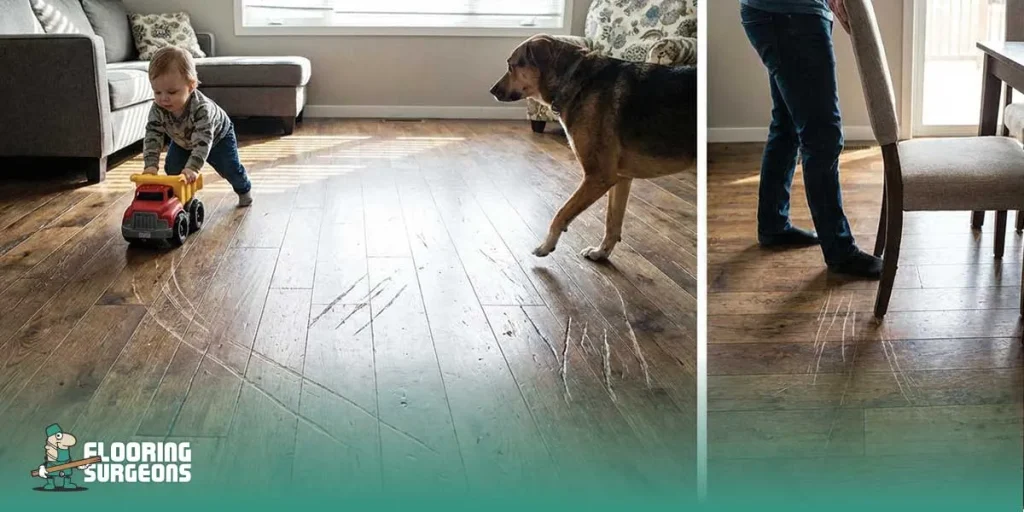
Scratched flooring that appears quickly under normal daily use is not a sign of poor care. When light furniture movement, regular foot traffic, or pets leave visible marks, the issue is almost always a flooring durability problem, not misuse. Floor scuffs and gouges become a red flag when the damage is disproportionate to how the space is used. A floor that cannot tolerate everyday contact was never specified correctly for that environment. This is especially common where appearance is prioritised over surface hardness and wear resistance. If regular furniture or pets destroy the surface, the problem is not maintenance. It is a specification failure that leaves the flooring vulnerable to predictable, everyday stress.
What this usually indicates
- The wear layer or surface coating is too soft for the level of traffic.
- The flooring was chosen for visual appeal rather than durability.
- The material is unsuitable for homes with pets, children, or movable furniture.
- Protective performance was sacrificed for texture, finish, or pattern.
Why this matters
- Surface damage will continue regardless of care routines.
- Refinishing options are often limited or unavailable.
- Replacing like-for-like will repeat the same outcome.
In these cases, addressing the root cause means reassessing material performance rather than adjusting how the space is used.
The Floor Looks Fine but Feels Wrong Underfoot
A floor can look visually acceptable and still be fundamentally wrong for the space. When a floor feels unstable, sounds hollow when walked on, or gives a cheap and unreliable sensation underfoot, these are not cosmetic issues. They are flooring comfort issues that point to deeper specification or installation mismatches. A hollow-sounding floor often indicates that the flooring system is not interacting correctly with the subfloor. This can happen when floating floors are installed in areas where rigidity is required, or when the underlay choice does not match the flooring type. Over time, this leads to movement, noise, and a lack of structural confidence when walking across the room.
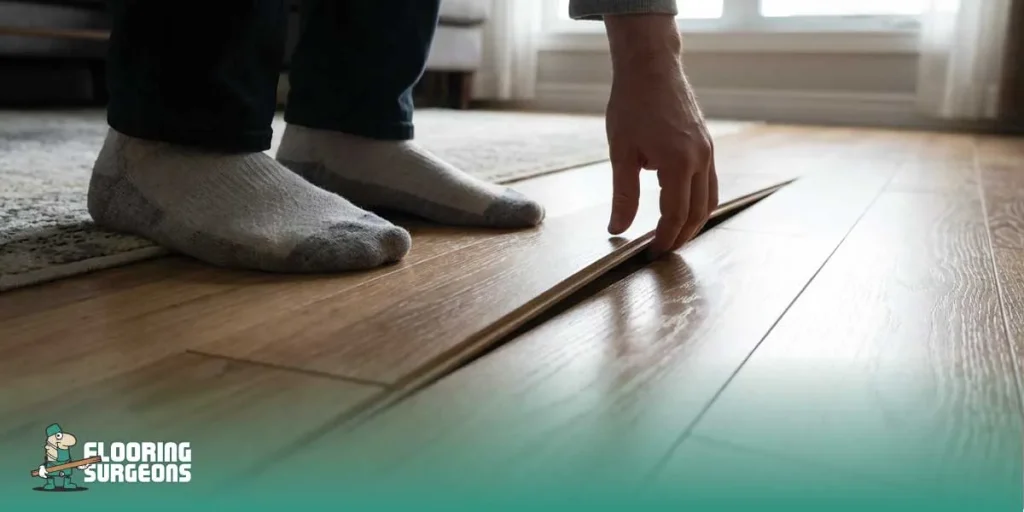
When a floor feels unstable or slightly loose, even without visible gaps or damage, it signals that the flooring was not designed to perform under the conditions of that space. These sensations are early warnings. They tend to worsen with use and cannot be resolved through maintenance or surface repairs.
Common Physical Signs and What They Mean
| What you notice underfoot | What it usually indicates | Why it matters |
| Hollow or echoing sound when walking | Incompatible flooring system or underlay | Noise increases, and structural feel degrades |
| Slight movement or flex under pressure | Flooring not designed for subfloor conditions | Long-term instability and joint failure |
| The floor feels cheap or lightweight | Material prioritised cost or appearance | Comfort and durability are compromised |
| Uneven sensation without visible damage | The installation method does not suit the room | Issues cannot be fixed without re-specification |
These problems are often dismissed because the floor still looks intact. That is a mistake. When the physical experience of the floor feels wrong, the issue is rarely fixable without addressing the original choice of material and system. A visually intact floor that performs poorly underfoot is one of the clearest signs that the flooring was never right for the space.
Your Flooring Constantly Clashes with How You Use the Space
When flooring choices ignore how a space is actually used, problems appear even if the material itself is high quality. This is known as a flooring lifestyle mismatch, and it is one of the most common practical flooring mistakes homeowners make. Many of these issues aren’t caused by poor installation, but by common flooring mistakes homeowners regret when choosing materials without considering daily use. A floor that looks right on paper can fail quickly when daily routines are not considered. Natural wood in a busy kitchen struggles with moisture, temperature changes, and frequent cleaning. Laminate in homes with young children or pets often shows early wear, impact damage, and surface failure that cannot be repaired.
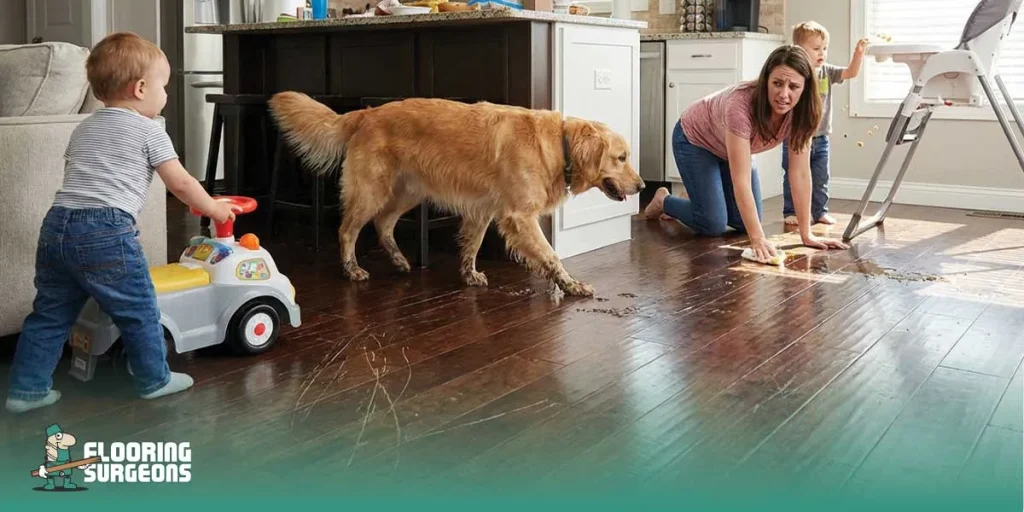
These issues are not signs of misuse. They are indicators of wrong flooring for the living room or kitchen, where the demands of the space exceed what the material can realistically handle. When flooring repeatedly works against how you live rather than supporting it, the problem is not behaviour. It is a poor alignment between material performance and lifestyle needs
Maintenance Is a Daily Struggle, and It Shouldn’t Be
Flooring that demands constant attention is rarely a sign of quality. When cleaning feels difficult, upkeep never seems to end, or small marks require immediate action, you are likely dealing with high-maintenance flooring that was never right for your lifestyle or the space itself. Hard-to-clean floors often signal a mismatch between surface finish and real-world use. Materials that stain easily, react badly to moisture, or require specialist products turn everyday living into ongoing management. These flooring upkeep problems are not normal, and they do not improve with time. They usually get worse.
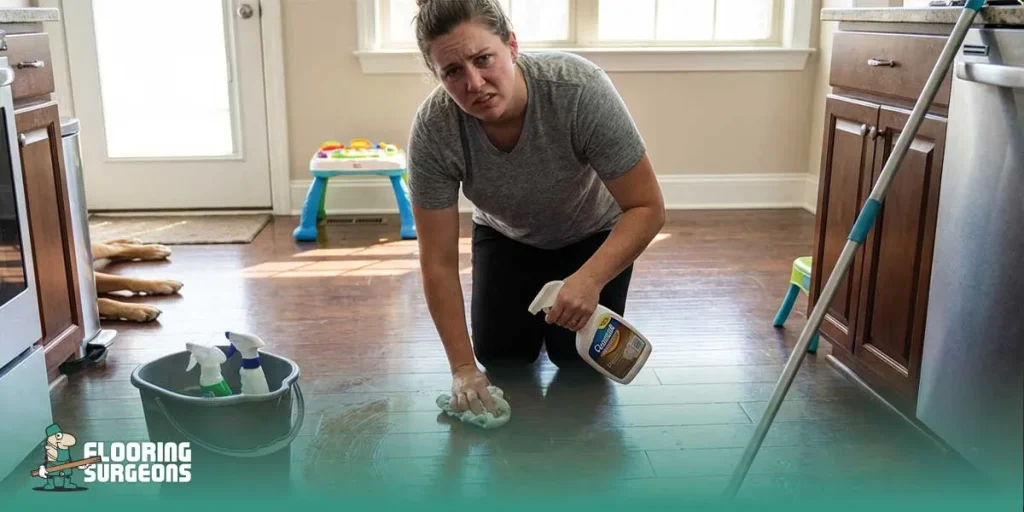
A well-chosen floor fades into the background of daily life. It supports the space without demanding constant care. If your flooring forces you to change how you clean, move, or live in the room, the issue is not effort or routine. It is a specification mistake. A good floor disappears into your life, not the other way around.
Wrong Flooring by Type: Where Each Option Commonly Fails
Different flooring types fail in various ways. Problems usually appear when the material’s limitations are ignored, not because the product itself is poor. Understanding where each option commonly falls short helps prevent repeating the same mistake during replacement.
- Laminate Flooring Mistakes
Laminate flooring performs poorly when exposed to impact, moisture, or heavy daily use. Surface layers scratch easily and, once damaged, cannot be repaired. In homes with children, pets, or frequent furniture rearrangement, laminate can deteriorate faster than expected. Moisture sensitivity also makes it unsuitable for kitchens and busy living areas where spills and cleaning are routine.
- Engineered Wood Flooring Limitations
Engineered wood is often misunderstood as a universal solution. Its lifespan depends heavily on the thickness of the wear layer and the level of foot traffic. In high-use spaces, surface wear appears quickly, and sanding options are limited. Once the wear layer is compromised, restoration is no longer possible, turning normal ageing into permanent damage.
- Solid Wood Flooring Risks
Solid wood offers longevity but demands environmental stability. It reacts to humidity changes, temperature swings, and moisture exposure. When installed in kitchens or poorly controlled environments, movement, gaps, and surface distortion become likely. These issues are not defects, but predictable outcomes of placing solid timber in unsuitable conditions. While solid wood flooring offers longevity, it becomes a liability when installed in rooms with unstable humidity.
- LVT vs Real Wood Performance
Luxury vinyl flooring handles moisture, impact, and temperature changes far better than real wood. Problems arise when real lumber is chosen for spaces that require resilience rather than authenticity. Where durability and ease of maintenance matter more than natural variation, real wood underperforms compared to LVT, despite its visual appeal.
- Parquet and Herringbone Installation Pitfalls
Parquet and herringbone floors are susceptible to subfloor preparation and installation accuracy. Failures often stem from uneven subfloors, inadequate acclimatisation, or incorrect adhesive choice. When installed without proper specification, movement, gapping, and long-term instability are common, regardless of material quality.
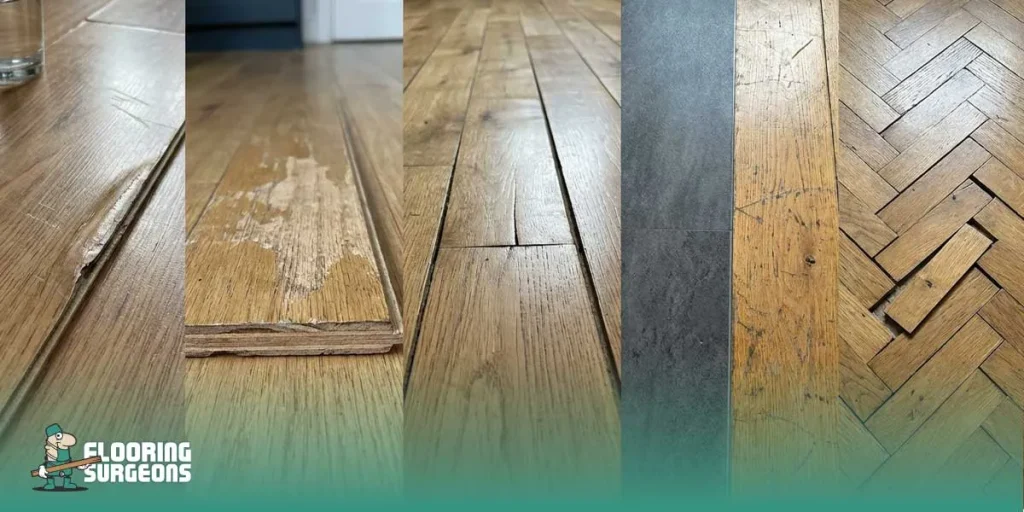
Quick Comparison of Common Failure Points
| Flooring type | Where it commonly fails | Why does it become a problem |
| Laminate | Scratching and moisture exposure | No repair options and low tolerance |
| Engineered wood | High traffic wear | Limited sanding lifespan |
| Solid wood | Humidity and moisture | Dimensional movement |
| LVT | Rarely material-related | Usually, poor specification or layout |
| Parquet and herringbone | Installation accuracy | Structural movement over time |
Take Control of Your Floors: Identify Problems Before They Escalate
Identifying that your flooring isn’t suitable is the first step toward a home that works for you. Experts at Flooring Surgeons can help assess your floors, recommend the best materials for high-traffic areas, moisture-prone spaces, and family-friendly homes, and guide you in planning a flooring strategy that combines durability, comfort, and style.
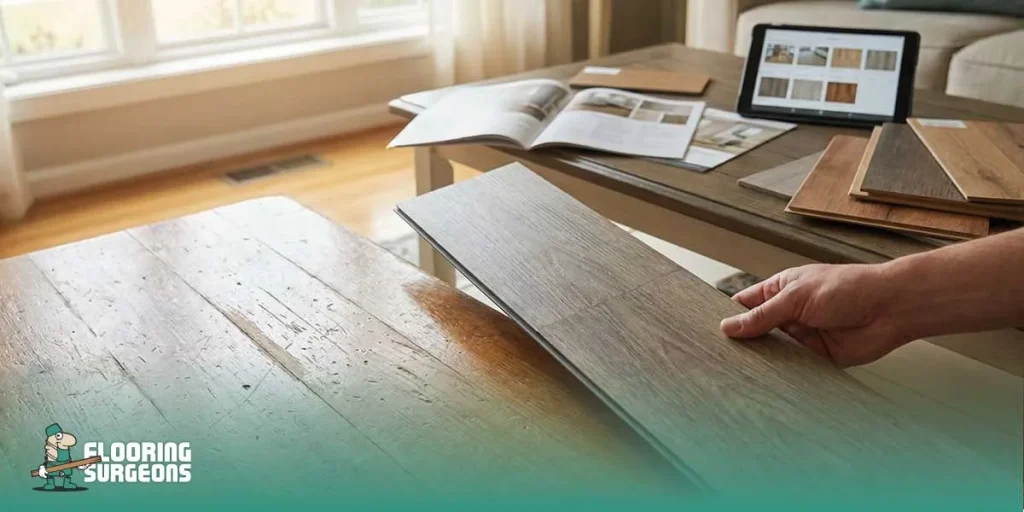
Explore our guides on the best materials for high-traffic areas, moisture-prone spaces, and family-friendly homes, and start planning a flooring strategy that combines durability, comfort, and style. Don’t wait until small issues become costly mistakes—take action today to make your floors work for your life, not against it.

Haniye Ayanmanesh
As an expert writer for Flooring Surgeons, I combine technical SEO knowledge with a practical understanding of flooring, producing content that helps users make confident decisions while supporting long-term organic growth.