


Finding the best types of commercial flooring often comes down to one core fact: for most modern commercial spaces, high-quality vinyl (LVT) and commercial carpet tiles consistently outperform other materials in durability, maintenance and long-term value. But every environment has different demands, which is why understanding the different types of commercial flooring is essential before choosing one for your business.
This guide exists to give you a clear, upfront answer, not vague suggestions. You’ll see which flooring performs best in high-traffic areas, which options suit offices or hospitality spaces, and how to balance cost, durability and installation time so you can make a confident, informed decision without getting lost in technical language.

Table of contents
What Counts as Commercial Flooring?
Commercial flooring refers to surface materials specifically designed to withstand heavier foot traffic, stricter hygiene requirements and longer operating hours than a typical home ever experiences. Unlike residential flooring, which prioritises comfort and style, commercial solutions are engineered for durability, non-slip performance, easier maintenance and compliance with safety or building standards.
This difference matters because the wrong flooring choice doesn’t just look out of place — it affects day-to-day operations, cleaning costs, noise levels and even the lifespan of the space. Offices, retail shops, hospitality venues, and healthcare environments all place unique pressure on their flooring, so understanding what truly counts as commercial-grade helps you choose a material that supports how your business functions rather than working against it.
Best Types of Commercial Flooring
Choosing the right commercial flooring starts with understanding which materials genuinely perform best in real-world business environments. Below, you’ll find the most reliable options — each with clear strengths, ideal use-cases and practical advantages that help you decide faster and more confidently.

Vinyl & LVT Commercial Flooring — Durable, Waterproof and Cost-Effective
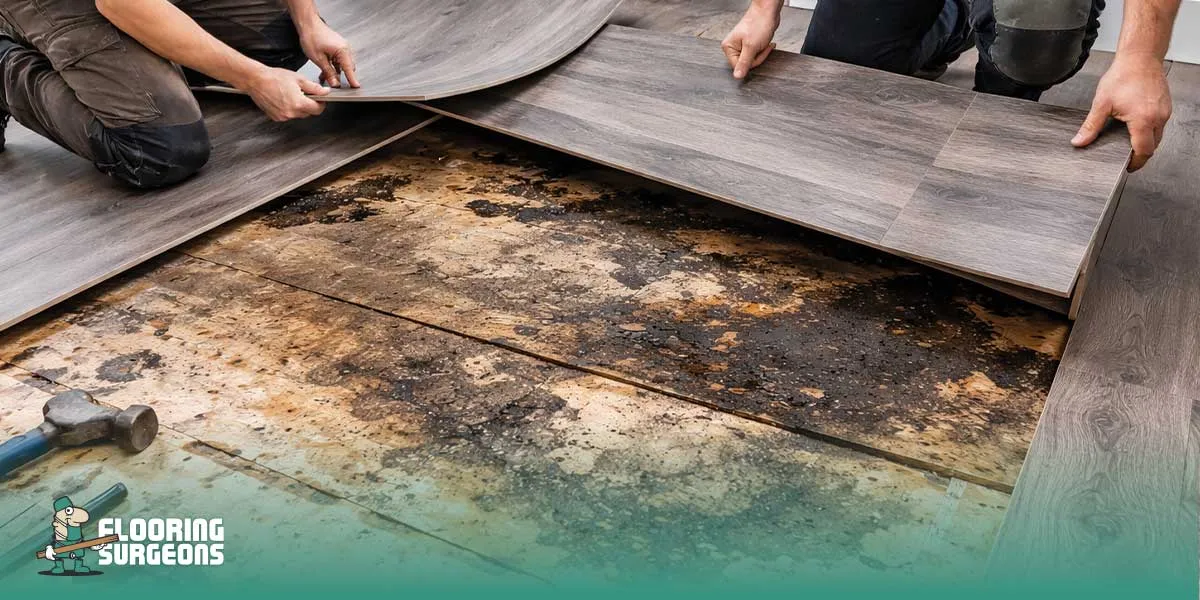
Vinyl and LVT are often considered the most versatile commercial flooring options because they deliver durability, waterproof performance, and excellent value. From offices to cafés and healthcare settings, LVT handles heavy foot traffic without showing early wear, and its waterproof construction makes it ideal for areas exposed to spills or frequent cleaning.
Beyond practicality, modern Luxury Vinyl Flooring offers realistic wood and stone designs, allowing businesses to achieve a premium aesthetic without paying premium prices. It is easy to maintain, quick to install and one of the most reliable long-term choices for busy commercial spaces that need both resilience and visual consistency.
Commercial Carpet Tiles — Acoustic Comfort for Offices & Large Spaces
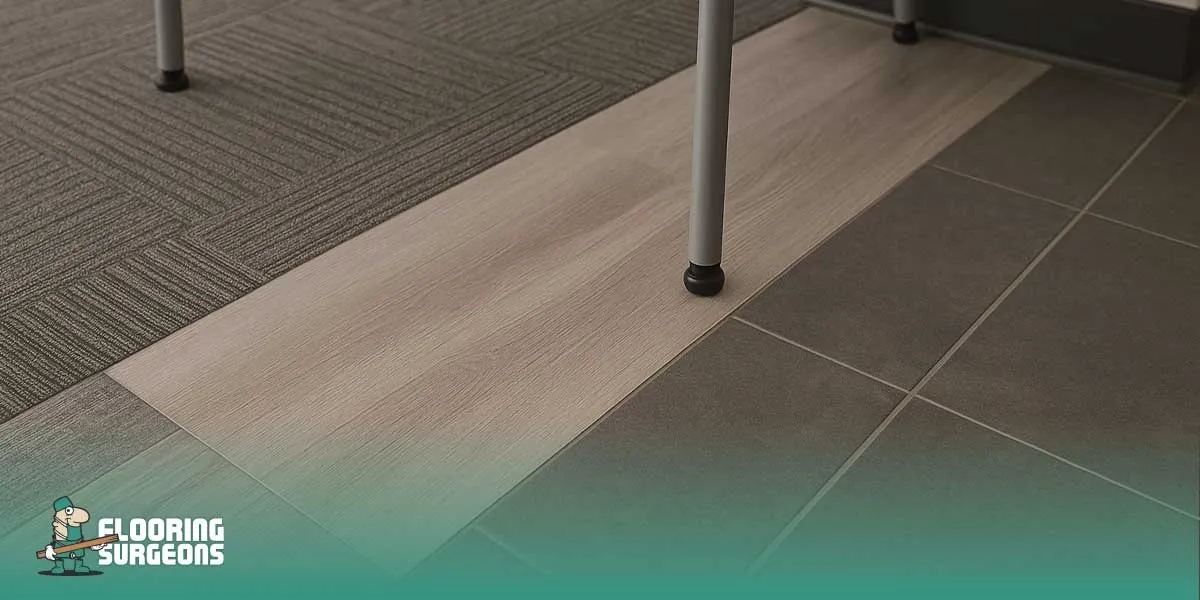
If noise control and comfort are priorities, commercial carpet tiles immediately stand out. They’re designed to absorb sound, reduce echo and create a more comfortable working environment, which is why they are widely used in corporate offices, call centres, libraries and educational buildings. The modular design also means individual tiles can be replaced without disturbing the full floor — a major advantage in high-use commercial interiors.
Carpet tiles offer strong durability when chosen with commercial-grade backing and fibre constructions. They support better foot comfort over long hours, improve acoustics and deliver design flexibility through mix-and-match patterns. For large, open commercial spaces that need quiet and comfort, they’re among the most effective options.
Commercial Laminate Flooring — Affordable and Stylish for Retail Spaces
Commercial laminate flooring is the go-to option for businesses that need a stylish, modern look without the cost of hardwood or engineered timber. Its scratch-resistant surface makes it particularly suitable for retail spaces, showrooms and customer-facing environments where visual appeal and durability must work together. Because laminate flooring is budget-friendly and available in a wide range of textures and tones, it allows brands to maintain a high-standard interior without overspending. It’s easy to clean, performs well in medium-traffic areas and delivers a professional appearance that helps businesses refresh or renovate quickly and cost-effectively.
Engineered Timber for Premium Commercial Interiors
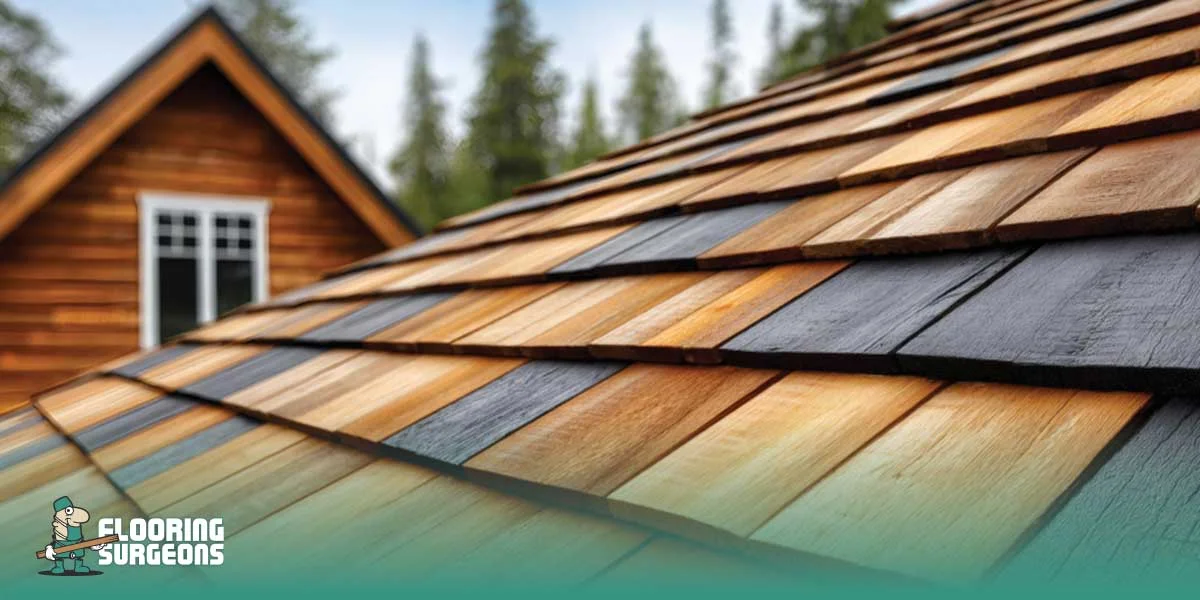
For commercial spaces where design quality and brand image matter as much as performance, engineered timber offers a premium solution with far better stability than traditional hardwood. Its layered construction prevents warping under temperature shifts, making it suitable for boutique retail stores, high-end offices and hospitality venues that want an elegant, natural finish.
Engineered timber provides the warmth and authenticity of real wood while offering greater durability and easier maintenance than solid timber. Businesses choose it when they want a standout interior — something that elevates the customer experience and reinforces a premium brand identity without compromising longevity.
Choosing the Right Commercial Flooring for Your Space
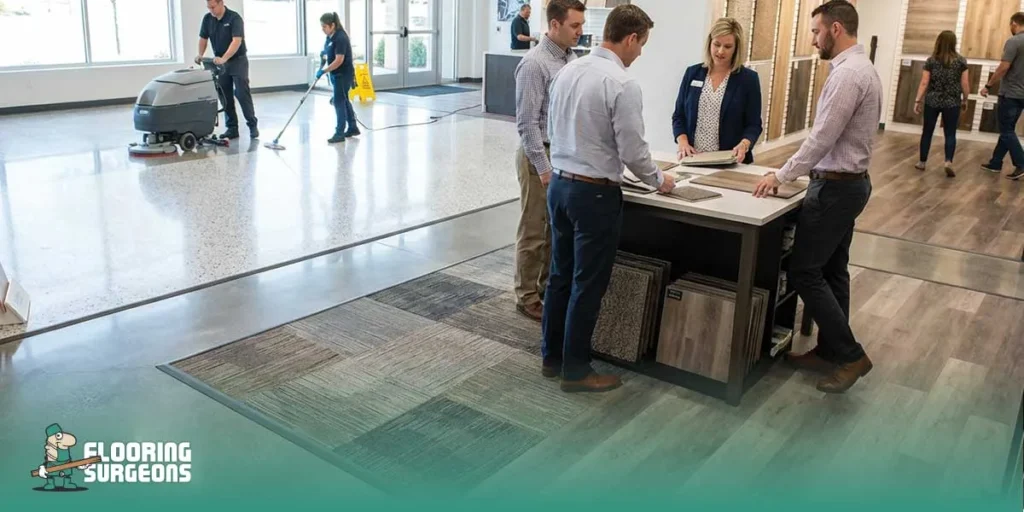
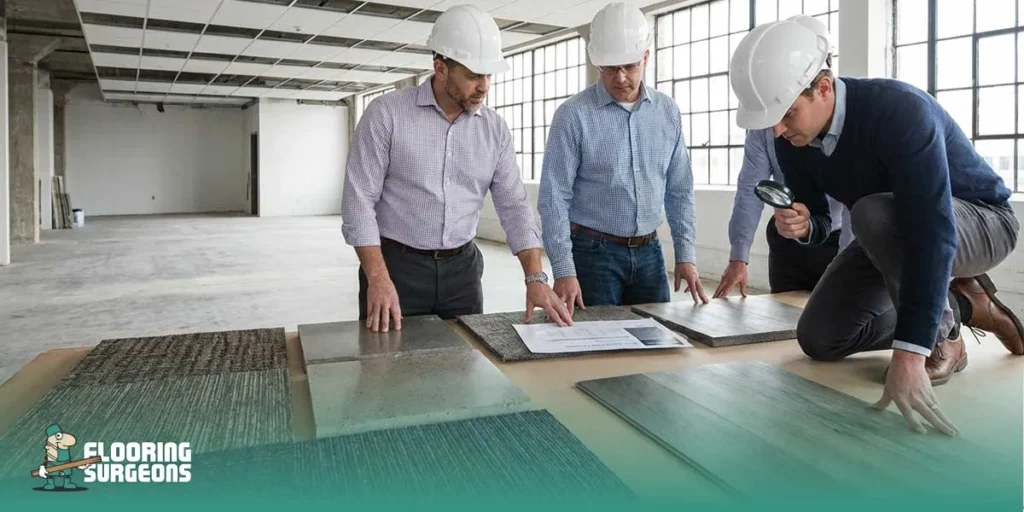
Choosing the right commercial flooring starts with understanding how your space functions day to day. Foot traffic, hygiene standards, cleaning routines and even the type of equipment used all influence which material performs best in real operational conditions. Because of these differences, there isn’t a single solution that fits every business; the “best” option genuinely depends on how the floor is used and how much pressure it receives. Many companies consult guides from trusted industry sources, such as Flooring Surgeons, when comparing materials, because understanding these practical differences early helps avoid costly mistakes later.
- Match Flooring to Foot Traffic Levels
Foot traffic is the single most significant indicator of how well a flooring type will perform. Spaces with constant movement — like retail areas, corridors and entrances — demand materials designed to resist abrasion and maintain their appearance under pressure. LVT, commercial laminate and carpet tiles are generally better for these zones, while engineered timber suits premium areas with controlled movement.
Choosing flooring that aligns with actual traffic patterns prevents premature wear and reduces future replacement costs, making daily operations smoother and more predictable.
- Consider Maintenance, Hygiene and Cleaning Needs
Different commercial settings have different hygiene expectations. Offices need acoustic comfort and low-maintenance cleaning routines, while cafés, clinics and salons often require waterproof, hygienic surfaces that can handle spills and regular sanitising. This is where materials like vinyl and LVT excel, offering simple maintenance without disrupting business hours.
The right flooring not only improves cleanliness but also helps create a safer environment for customers and staff. Matching your choice to the required hygiene level ensures the floor supports your service standards rather than complicating them.
- Budget, Installation Time and Long-Term Durability
Budget is more than the price per square metre — it includes installation time, downtime, long-term maintenance and expected lifespan. Some businesses need a quick turnaround with minimal disruption, making laminate or carpet tiles ideal. Others prioritise longevity and brand image, where engineered timber or premium LVT deliver better value over time.
Assessing your real operational costs helps you choose flooring that supports your financial priorities while maintaining the quality and durability your space requires.
Commercial Flooring Selection Matrix
| Decision Factor | Best-Suited Flooring Types | Why It Matters |
| Heavy Foot Traffic | LVT, commercial laminate | Handles abrasion, stays visually consistent, long lifespan |
| Hygiene & Easy Cleaning | LVT, vinyl sheet, commercial carpet tiles | Ideal for clinics, cafés, salons; simple maintenance |
| Premium & Aesthetic Spaces | Engineered timber, high-end LVT | Supports brand image, elevates interior feel |
| Tight Budget / Quick Installation | Carpet tiles, commercial laminate | Minimal downtime, cost-effective for large spaces |
| Noise Reduction Needs | Carpet tiles | Acoustic comfort for offices and learning environments |
Commercial Flooring Types for High-Traffic Areas
High-traffic commercial spaces need flooring that can handle constant movement, resist surface wear and stay visually consistent even under daily pressure. In environments such as retail entrances, busy corridors, healthcare waiting rooms or hospitality walkways, materials like LVT, commercial laminate and heavy-duty carpet tiles consistently perform better than most alternatives. Their ability to resist abrasion, minimise visible scuffs and tolerate frequent cleaning makes them reliable choices for demanding layouts.
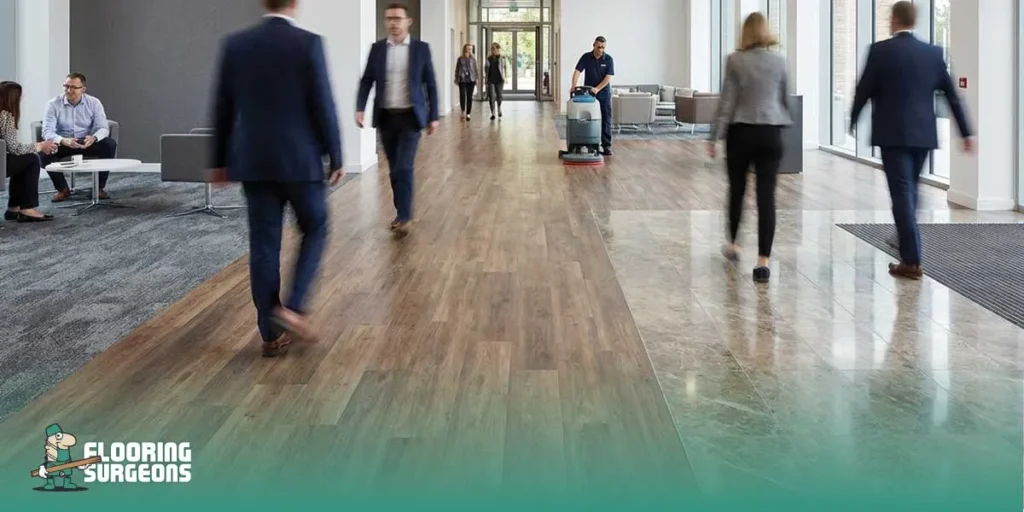
For a clearer breakdown of which materials offer the strongest long-term performance, many businesses also look at the best laminate flooring for high-traffic areas to understand how laminate compares with heavier-duty options like LVT or carpet tiles. In most cases, LVT still delivers the best balance of durability and maintenance, laminate performs well where budgets are tight, and commercial carpet tiles remain the strongest option for acoustic comfort in constantly occupied spaces. Choosing one of these high-performing materials ensures the floor stays resilient, safe and cost-efficient despite continuous footfall.
Maintenance & Longevity — Extending the Life of Commercial Floors
Even the best commercial flooring delivers its full value only when supported by the right maintenance routine. High-traffic spaces, daily cleaning cycles and constant movement all place stress on the surface, which is why choosing a material is only half the decision, protecting it over time is what determines its real lifespan. LVT and laminate benefit from regular dry mopping and prompt spill management, while carpet tiles stay at their best with scheduled vacuuming and targeted tile replacements in worn zones.
Commercial environments also rely on using the correct cleaning agents for each material to avoid dulling, swelling or premature wear. Consistency is the key: small, predictable maintenance steps help the floor retain its appearance, reduce long-term costs and extend usability far beyond standard expectations. When upkeep aligns with the flooring type, businesses gain the durability and stability they originally invested in.
Do’s and Don’ts for Selecting Commercial Flooring
For readers who prefer a quick, at-a-glance summary, these practical do’s and don’ts highlight the essential rules for choosing commercial flooring that performs well and lasts.
Do’s
- Choose flooring based on real foot-traffic levels, not aesthetics alone.
- Consider hygiene, cleaning frequency and maintenance requirements early.
- Align your selection with budget, downtime tolerance and installation limits.
- Use commercial-grade materials, not residential alternatives.
Don’ts
- Don’t select flooring without assessing long-term durability in your specific environment.
- Don’t overlook acoustics in offices, educational spaces or large open areas.
- Don’t choose materials that can’t handle your cleaning routine or hygiene needs.
- Don’t ignore how surface finish affects safety, upkeep and lifespan.
Real-World Examples — What Works Best in Offices, Shops & Hospitality
Different commercial environments demand flooring that can support how people actually use the space. Real-world scenarios show that the most successful choices are those aligned with operational needs, not just appearance. In modern offices, carpet tiles consistently outperform other materials thanks to their acoustic benefits and modular design; they reduce noise, support long working hours with better underfoot comfort, and allow quick tile replacement when specific areas wear out.
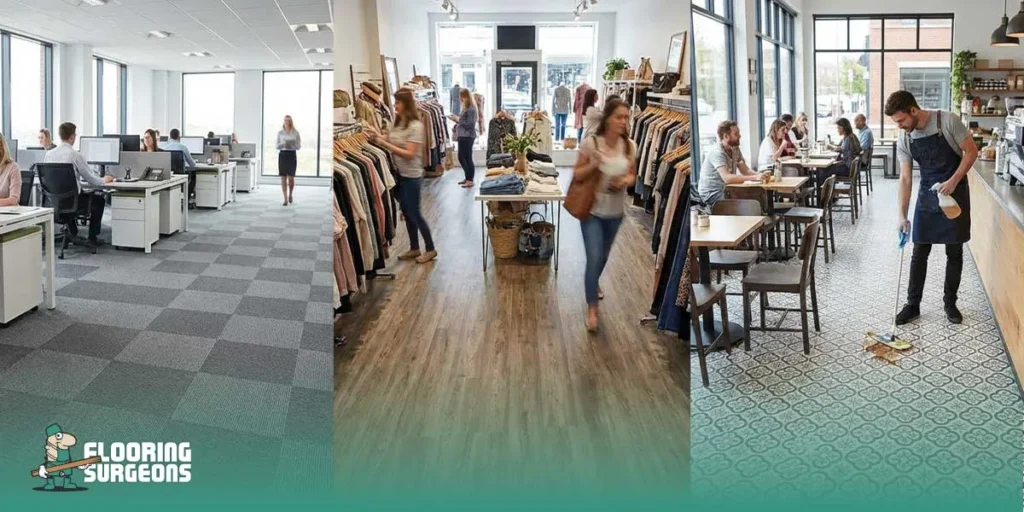
In retail shops, LVT and commercial laminate are the clear winners. Retail spaces face constant movement, display changes and cleaning cycles, so they need flooring that stays visually sharp while resisting scuffs and daily abrasion. LVT offers the best mix of durability and aesthetics, while laminate remains a cost-effective choice for high-turnover environments that still want a polished look. For hospitality settings like cafés, salons and clinics, waterproof performance and hygiene are non-negotiable. This is where LVT and high-quality vinyl sheets excel: they handle spills, sanitising routines and temperature changes without warping or staining. Their non-slip options also improve customer safety — a crucial factor in service-based environments. Matching the flooring to these practical demands ensures each space stays functional, safe and visually consistent despite daily use.
Final Recommendation — Which Commercial Flooring Is Truly Best?
While every commercial space has its own requirements, one conclusion is consistently clear: LVT (Luxury Vinyl Tile) delivers the strongest overall performance across durability, maintenance, design flexibility and long-term value. For offices that prioritise acoustic comfort, commercial carpet tiles remain the most effective option, and for high-end interiors, engineered timber provides the best balance between premium aesthetics and stability.
If you need a single, reliable choice for most commercial environments — from retail to hospitality — LVT is the option that performs well in almost every scenario. It withstands daily foot traffic, handles cleaning cycles, maintains its appearance and adapts easily to different design needs. With a realistic understanding of how your space operates, choosing between these proven materials becomes straightforward, removing uncertainty from the decision.

Haniye Ayanmanesh
As an expert writer for Flooring Surgeons, I combine technical SEO knowledge with a practical understanding of flooring, producing content that helps users make confident decisions while supporting long-term organic growth.