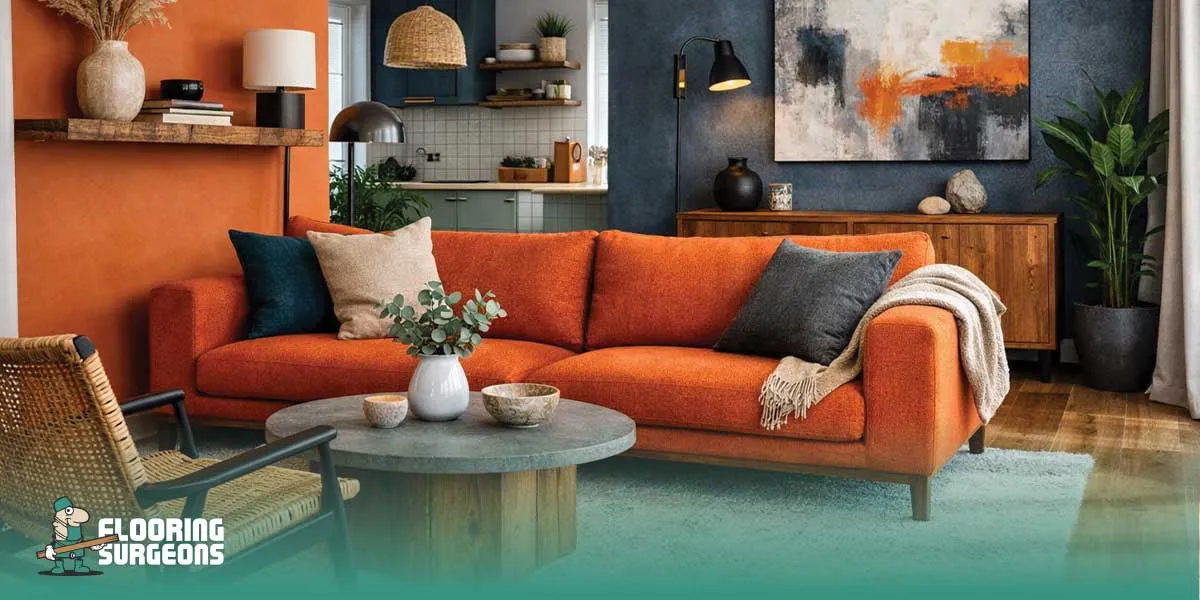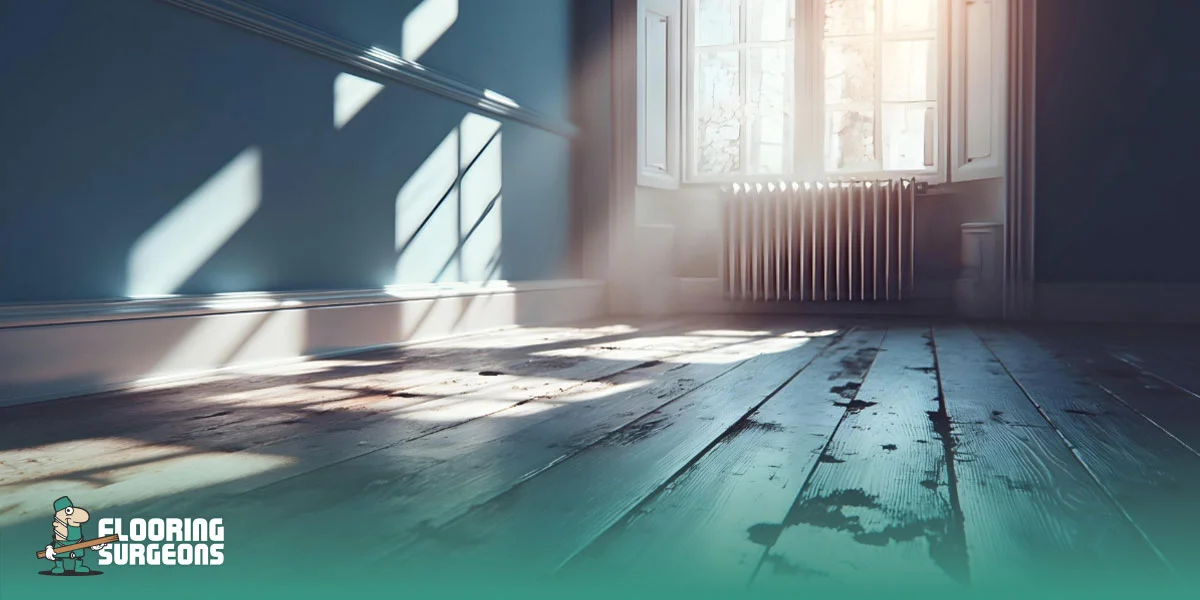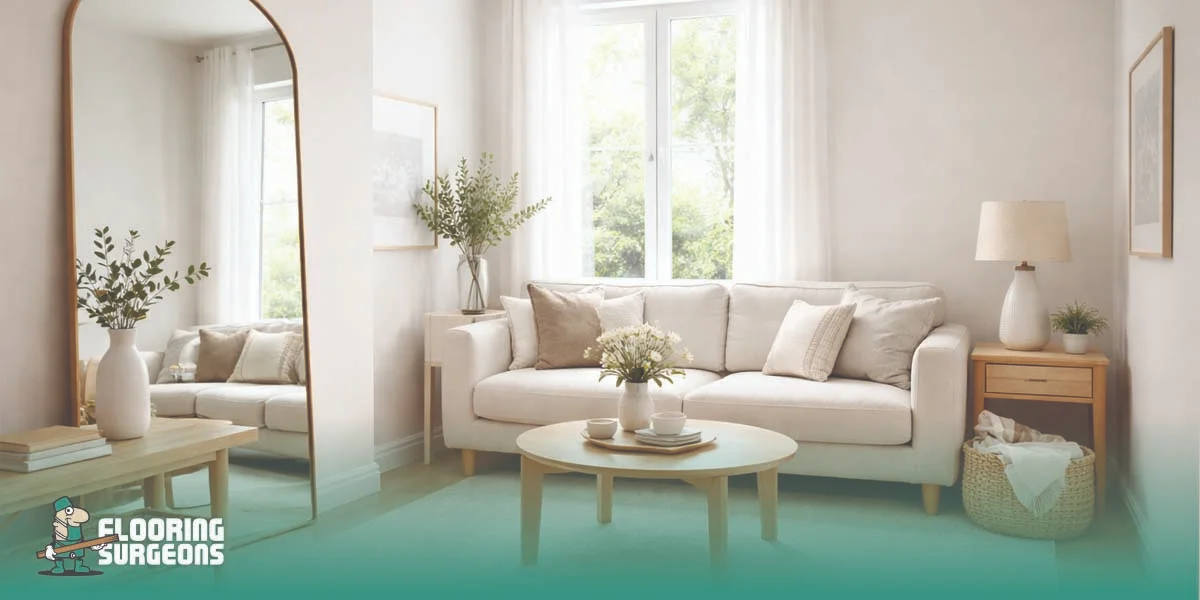


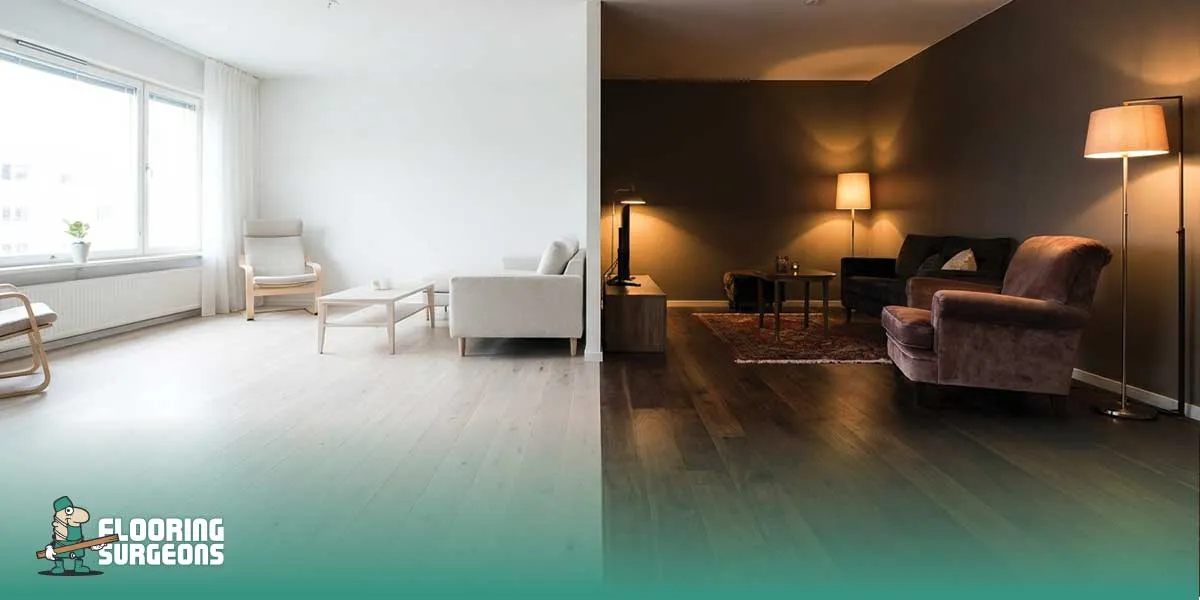
When it comes to choosing between dark flooring and light flooring, there is no universally “better” option — but there is a psychologically more brilliant choice depending on the space, light, and lifestyle. In simple terms, light flooring tends to make rooms feel larger, calmer, and more open, while dark flooring creates a sense of depth, warmth, control, and visual luxury. The difference is not just aesthetic; it directly affects how a space feels, how comfortable it is to live in, and how people emotionally respond to it daily.
From a psychological perspective, flooring colour acts as the visual foundation of a room. Dark floors carry more visual weight, grounding a space and making it feel intimate and intentional, but they can also feel heavy or restrictive in smaller or poorly lit rooms. Light floors reflect more light, reduce visual pressure, and enhance the perception of space, yet they can sometimes feel cold, flat, or lacking character if not balanced correctly. This is why the same flooring colour can feel relaxing in one home and uncomfortable in another.
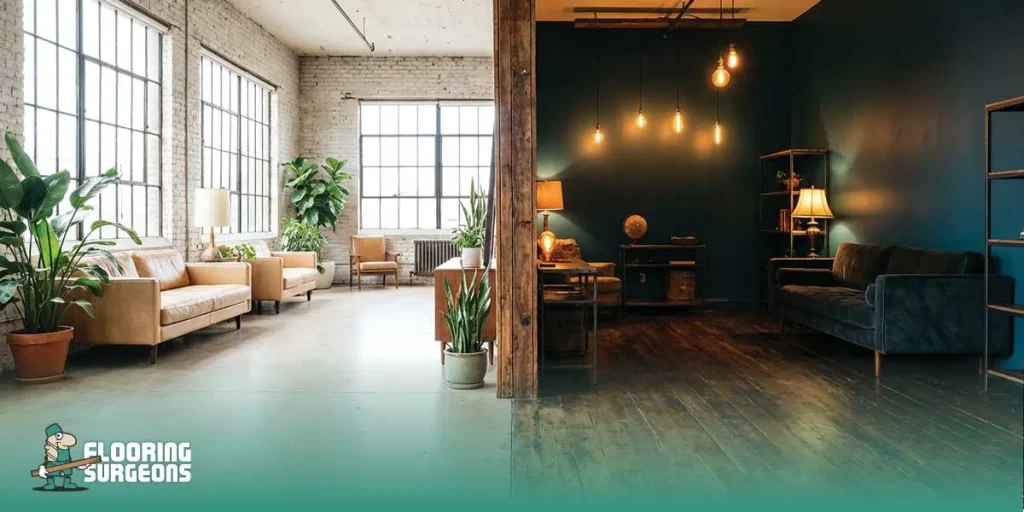
In this guide, we break down the psychology of dark flooring versus light flooring — not just in terms of pros and cons, but how each option shapes mood, perception of space, and long-term satisfaction. If you want a quick answer, you already have it. If you’re going to understand why one choice works better than the other — and how to choose the right one for your home — the sections below will give you the clarity most flooring guides miss.
Table of contents
Understanding the Psychology of Flooring Colours
Flooring colour has a more profound psychological impact than most people realise because it forms the visual and emotional base of a space. Before furniture, lighting, or wall colour is processed, the brain reacts to the tone of the floor and uses it to judge comfort, openness, and balance. This is why flooring colour plays a decisive role in how a room feels to live in, not just how it looks.
Understanding the psychology behind flooring colours helps explain why some homes feel calm and inviting, while others feel heavy or uncomfortable, even when they are well designed. The sections below break down how flooring colour shapes perception and mood at a subconscious level.
How colour influences human perception in interior spaces
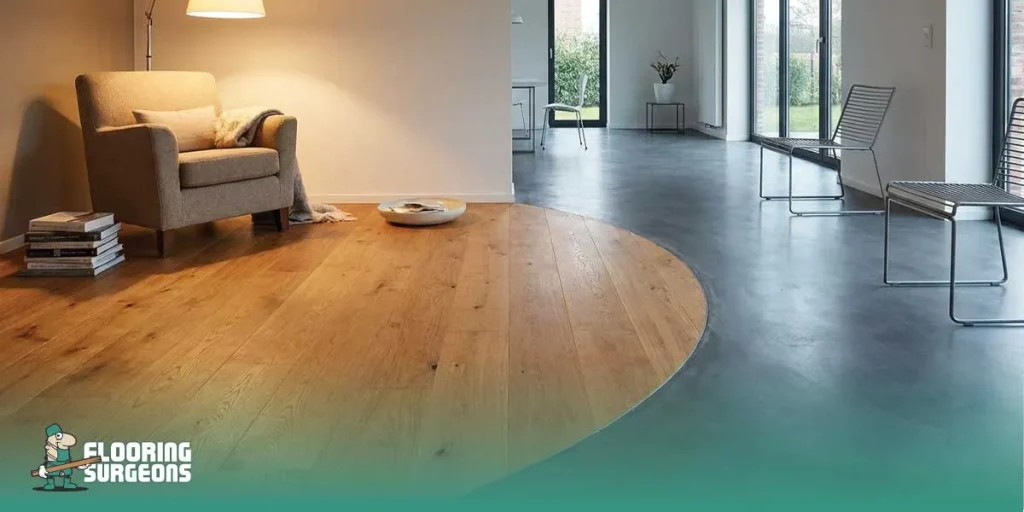
Colour directly shapes how we perceive space before we consciously analyse it. The human brain reads colour as information about safety, openness, and comfort within seconds. Flooring colour plays a key role because it occupies the largest uninterrupted surface in a room and sets the visual baseline for everything above it.
Dark flooring absorbs light and increases visual weight, which makes a space feel grounded, controlled, and intimate. Light flooring reflects light, reduces visual pressure, and helps the brain interpret a room as open and calm. This perception happens automatically, even before furniture or decor are noticed. That is why two rooms with identical layouts can feel completely different based only on floor colour.
Why flooring colour affects mood more than walls
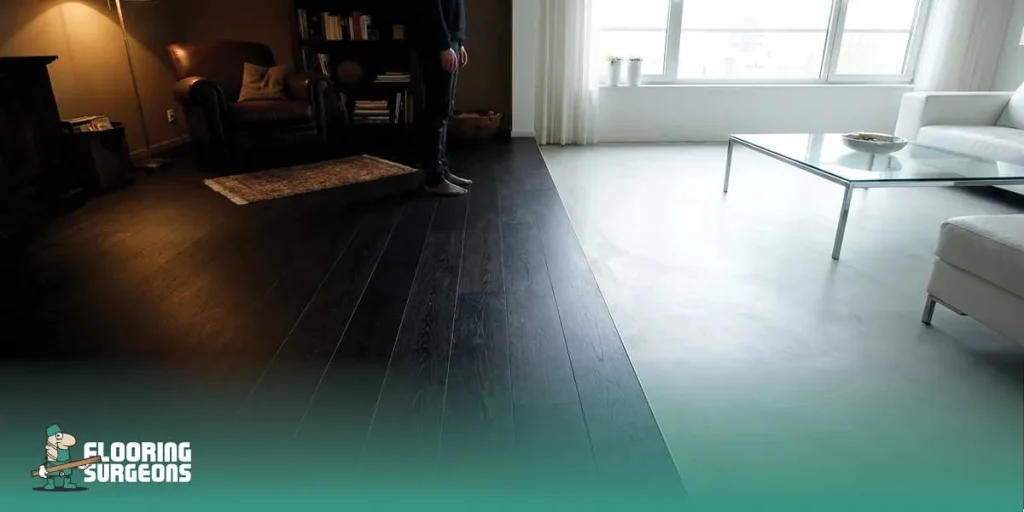
Flooring affects mood more than walls because it acts as the visual foundation of a space. Walls sit within the field of vision, but floors subconsciously define stability, balance, and comfort. The brain associates darker bases with security and structure, while lighter bases signal openness and mental ease.
Unlike walls, flooring is constantly visible in peripheral vision and interacts with natural light throughout the day. This continuous exposure means floor colour has a more substantial long-term emotional impact. A poorly chosen flooring colour can make a space feel tiring or restrictive over time, even if the walls are visually appealing.
The Psychological Impact of Dark Flooring
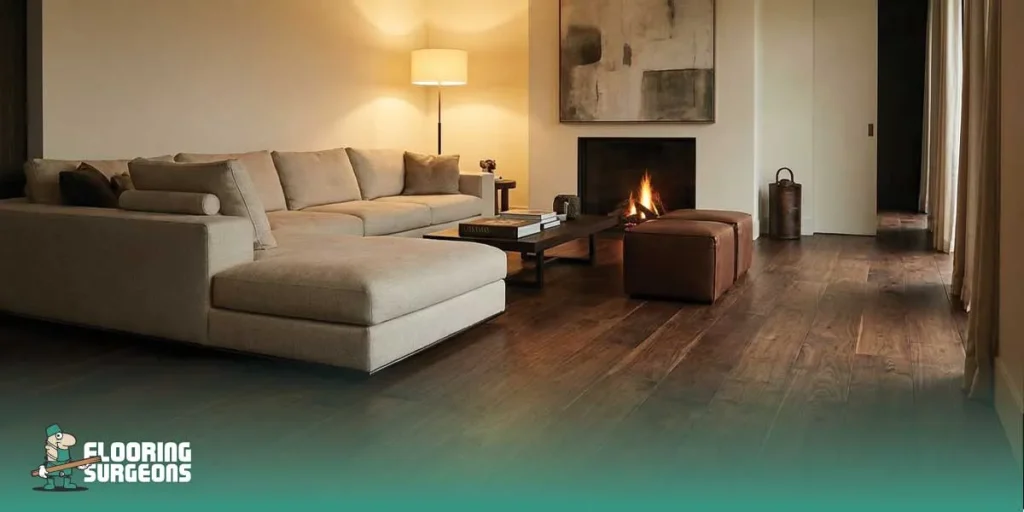
Dark flooring has a strong psychological presence because it visually anchors a space. It creates a clear sense of structure and stability, which can feel reassuring and intentional when used correctly. However, the same qualities that make dark floors feel luxurious can also make a space feel heavy if the context is wrong. The psychological impact of dark flooring is therefore highly dependent on light, scale, and balance. This effect is especially noticeable in spaces that use dark solid wood flooring, where depth and visual weight contribute strongly to a sense of luxury and permanence.
How Dark Floors Create a Sense of Depth, Luxury, and Control
Dark floors visually pull the room downward, which increases the perception of depth and makes interiors feel more grounded. This grounding effect is often associated with luxury because it suggests permanence, confidence, and design intention rather than decoration by default.
Key psychological effects include:
- Increased sense of visual depth and dimension
- Stronger contrast with walls and furniture
- A feeling of control and order within the space
- A more premium and deliberate interior atmosphere
When paired with good lighting and balanced colours, dark flooring can make a room feel sophisticated rather than closed.
Emotional Benefits of Dark Flooring in Living Spaces
Dark flooring can create emotional comfort by making spaces feel enclosed in a positive way. Instead of feeling exposed, the room feels protected and intentional. This is especially effective in areas designed for relaxation or focused activity.
Common emotional benefits include:
- A sense of warmth and emotional security
- Reduced visual noise in busy interiors
- A calmer atmosphere in well-proportioned rooms
- A feeling of privacy and retreat
These benefits are most substantial in rooms with adequate natural light or carefully planned artificial lighting.
When Dark Flooring Feels Heavy, Restrictive, or Overwhelming
Dark flooring becomes psychologically uncomfortable when it absorbs too much light or dominates a space that lacks visual balance. In these cases, the floor stops grounding the room and starts compressing it.
Situations where dark floors can feel problematic:
- Small rooms with limited natural light
- Low ceilings combined with dark walls
- Overuse of dark furniture and finishes
- Poor contrast between the flooring and the surrounding surfaces
In these environments, dark flooring can increase mental fatigue and make the space feel smaller or less welcoming over time.
The Psychological Effect of Light Flooring
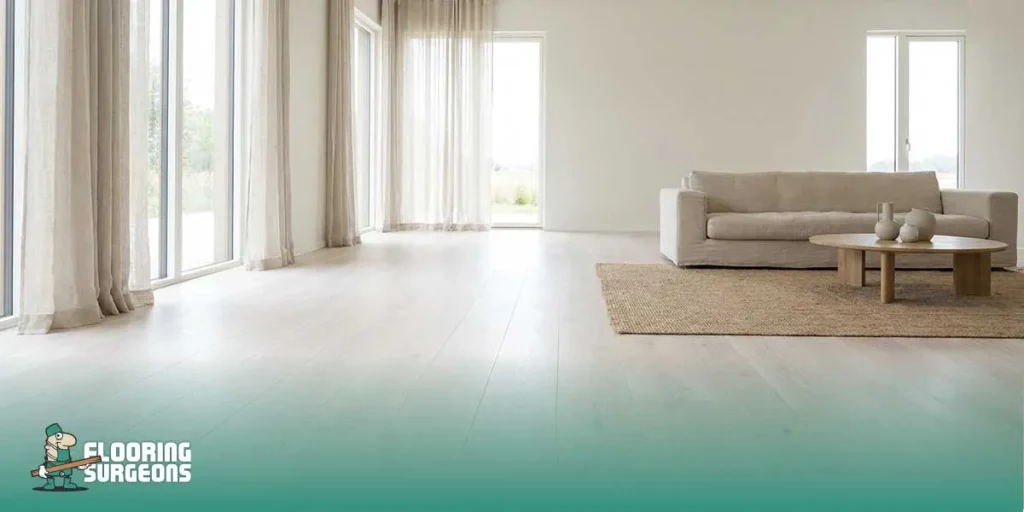
Light flooring creates a different psychological response by reducing visual pressure within a space. It allows the eye to move more freely and helps the brain interpret the environment as open and manageable. When used correctly, light floors support mental ease and spatial clarity rather than drawing attention to themselves.
- Why Light Floors Feel Open, Calm, and Airy
Light floors reflect more light and soften visual boundaries, which makes rooms feel less confined. This openness reduces mental tension and creates a sense of calm that is especially noticeable in everyday living spaces.
Key psychological effects include:
- Increased perception of space and openness
- A calmer and less visually demanding environment
- More effortless visual flow between rooms
- A lighter overall emotional tone
These effects are most potent in areas where the goal is comfort, movement, and mental clarity.
- How Light Flooring Enhances Natural Light and Mental Comfort
Light flooring works with natural light rather than against it. Reflecting daylight helps distribute brightness more evenly throughout the room, reducing harsh contrasts and visual fatigue. In practical living spaces, light luxury vinyl flooring supports this sense of openness while remaining visually calm and easy to live with.
Key comfort-related benefits:
- Better use of limited natural light
- Reduced shadowing and dark visual zones
- A more balanced and relaxed visual environment
- Improved long-term mental comfort in daily use
This makes light flooring particularly effective in homes with smaller windows or shaded layouts.
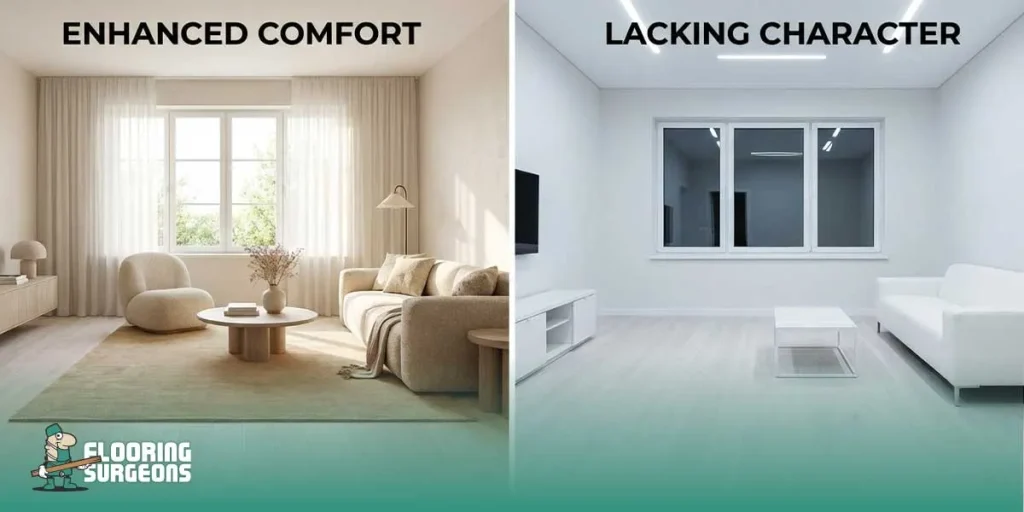
- When Light Flooring Feels Cold, Flat, or Lacking Character
Light flooring can feel emotionally empty when it lacks contrast or texture. Without enough visual anchors, the space may feel unfinished rather than intentionally minimal.
Situations where light flooring can feel ineffective:
- Large open-plan spaces without visual zoning
- Overuse of pale tones with little contrast
- Highly reflective surfaces in bright rooms
- Interiors that lack warmth in materials or lighting
In these cases, light flooring does not fail functionally, but it may fail to create emotional depth.
Dark vs Light Flooring – Psychological Comparison
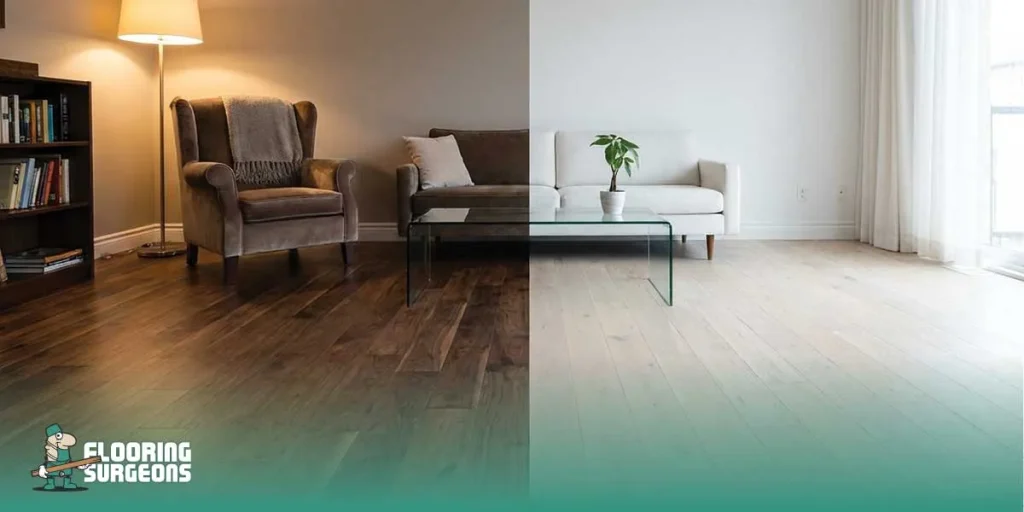
When comparing dark and light flooring from a psychological perspective, the difference is not about style preference, but about how the brain processes space, comfort, and visual balance. Flooring colour directly influences emotional response, spatial perception, and how organised or calm a room feels over time. The comparison below highlights where each option performs better and where it may create limitations. This contrast is one reason why options like light laminate flooring are often chosen for smaller or high-traffic rooms where visual ease matters.
- Mood and emotional response
Dark flooring tends to create a more grounded and emotionally contained atmosphere. It often feels intentional and secure, which can be calming in the right environment. Light flooring, on the other hand, promotes mental ease by reducing visual pressure and allowing the space to feel less demanding.
- Sense of space (ample vs small rooms)
Light flooring visually expands a room by reflecting light and softening boundaries. Dark flooring adds depth but can visually compress a space if light levels are low or proportions are tight. This makes light floors more forgiving in smaller rooms, while dark floors perform better in larger, well-lit areas.
- Perceived cleanliness and order
Light floors create a strong sense of visual cleanliness and order because imperfections are less visually dominant at a distance. Dark floors feel more structured and deliberate but can make dust, scratches, and debris more noticeable, which affects the perceived neatness of the space.
- Visual warmth vs visual sharpness
Dark flooring introduces visual warmth and richness, especially when paired with natural materials and soft lighting. Light flooring feels sharper and fresher, creating a clean and airy visual tone that suits minimalist or contemporary interiors.
Psychological Comparison Table: Dark Flooring vs Light Flooring
| Psychological Factor | Dark Flooring | Light Flooring |
| Mood and emotional response | Feels grounded, controlled, and emotionally secure | Feels calm, light, and mentally relaxing |
| Sense of space | Adds depth but can visually shrink small rooms | Makes rooms feel larger and more open |
| Perceived cleanliness | Looks structured, but shows dust and marks more easily | Feels cleaner and more forgiving visually |
| Visual character | Warm, rich, and visually heavy | Fresh, bright, and visually light |
How Floor Colour Affects the Perceived Size and Value of a Home
Floor colour directly influences how large a home feels and how valuable it is perceived to be. This perception is psychological rather than technical, meaning the same floor can increase or reduce perceived value depending on space, light, and balance. Understanding this difference helps avoid choices that look good in isolation but fail at a whole-home level. Floor colour plays a major role in perceived value, but it works best when combined with other smart design decisions, such as choosing flooring that adds the most value to a home overall.
Do dark floors make rooms feel smaller?
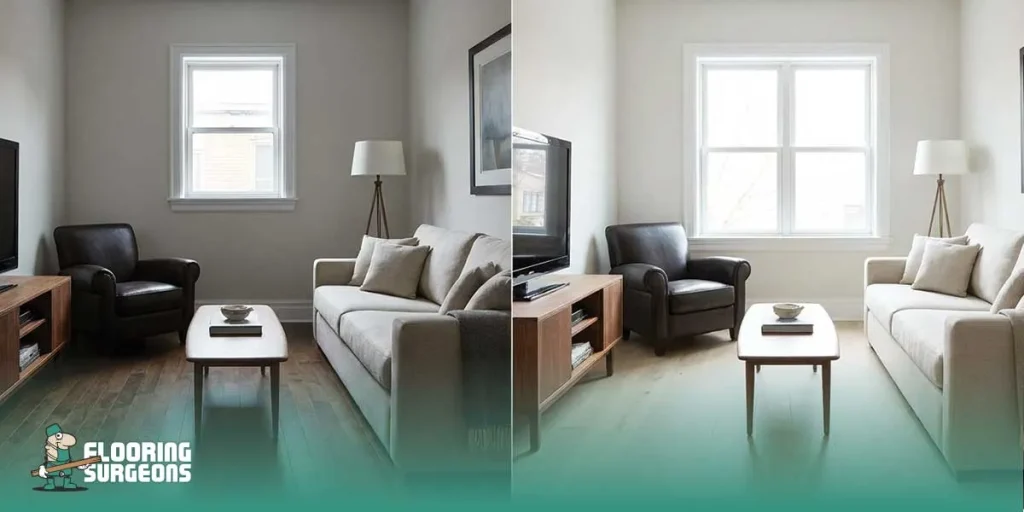
Dark floors can make rooms feel smaller when they absorb too much light or dominate a space without enough contrast. In compact rooms or areas with limited daylight, this creates visual compression and a heavier atmosphere. However, in larger rooms with good natural light, dark flooring adds depth rather than reducing perceived size.
In short:
- Dark floors shrink small or poorly lit rooms
- Dark floors add depth and richness in large, bright spaces.
- The effect depends more on light and proportion than colour alone.
Do light floors make a home feel more expensive or generic?
Light flooring often makes a home feel brighter and more spacious, which many people associate with higher value. However, light floors can also feel generic if they lack texture, contrast, or intentional design choices. Perceived value comes from balance, not brightness alone.
Key points to consider:
- Light floors increase perceived space and cleanliness
- Overused light tones can feel neutral but characterless.
- Homes feel more expensive when the flooring looks intentional, not default.
A well-balanced light floor with contrast and texture can feel premium, while a poorly considered one can feel flat regardless of price.
Choosing Between Dark and Light Flooring Based on Lifestyle
Lifestyle and visual flow also matter, especially when deciding between dark and light floors or keeping flooring consistent throughout the house. Flooring colour should support how a home is used, not just how it looks. Lifestyle plays a significant role in whether dark or light flooring feels comfortable over time or becomes a daily frustration.
For family homes that need a balance between appearance and durability, engineered flooring options often provide the most flexibility across light and dark tones.
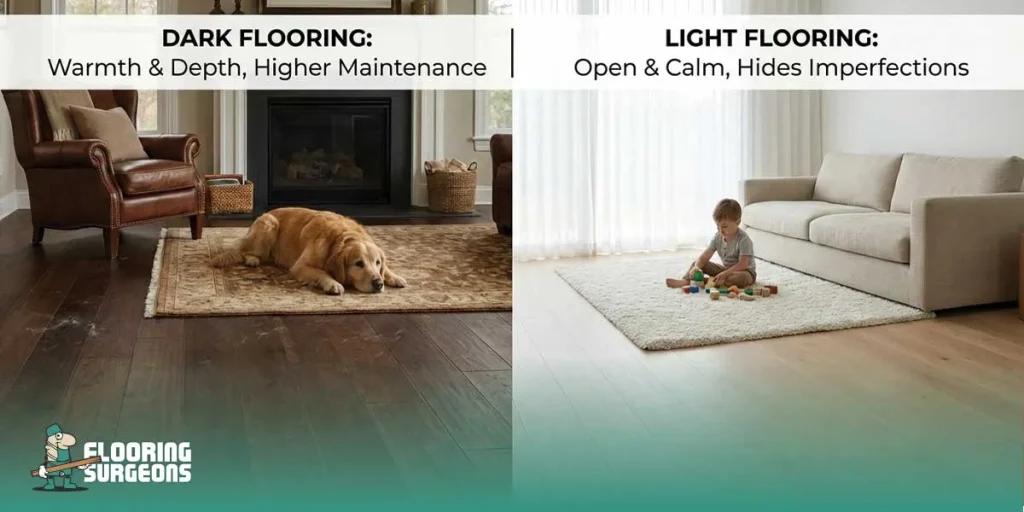
Dark or Light Flooring for Families with Kids or Pets
In busy households, visual forgiveness matters. Light flooring tends to hide dust, crumbs, and minor scratches better at a glance, which helps spaces feel calmer even when they are not perfectly clean. Dark flooring can look striking, but it often shows marks, pet hair, and wears more quickly.
Key considerations:
- Light floors feel less visually demanding in high-traffic areas.
- Dark floors require more frequent visual maintenance.
- Families often value calm appearance over dramatic contrast.
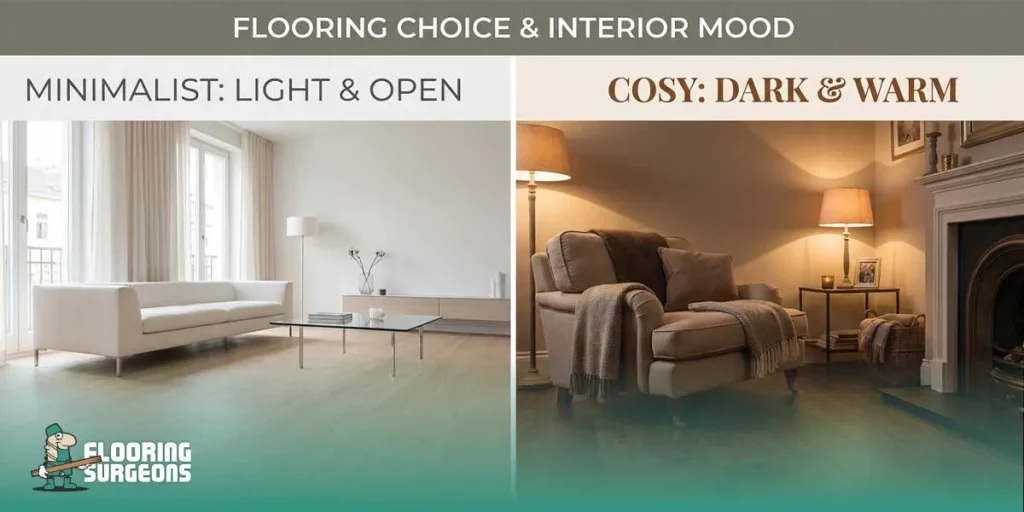
Flooring Colour Choices for Minimalist vs Cosy Interiors
Minimalist interiors benefit from light flooring because it keeps the space open and uncluttered. Cosy interiors often feel more complete with darker floors that add warmth and visual grounding.
General guidance:
- Light floors suit clean, simple, and minimal spaces.
- Dark floors support warmth and emotional depth.
- The goal is mood alignment, not trend matching.
Light vs Dark Floors in Modern, Traditional, and Luxury Homes
Modern homes often lean toward light floors for clarity and openness, while traditional interiors benefit from darker floors that reinforce structure and familiarity. Luxury homes can work with either, as long as the flooring feels intentional rather than neutral by default.
Lifestyle Comparison Table
| Lifestyle Context | Dark Flooring | Light Flooring |
| Families and pets | Shows wear more easily | More visually forgiving |
| Minimalist homes | Can feel heavy | Feels open and clean |
| Cosy interiors | Adds warmth and depth | May feel too neutral |
| Modern design | Bold but demanding | Clean and adaptable |
| Traditional spaces | Familiar and grounded | Can think out of place |
Final Thoughts – Which Flooring Colour Is Right for You?
The right flooring colour depends on how you live, not just what you like. Light floors support ease, openness, and flexibility. Dark floors deliver character, depth, and control when the space can support them. When flooring aligns with lifestyle and light, it stops being a visual decision and starts working psychologically in your favour. If you are still unsure which flooring colour suits your space, exploring real examples and expert guidance from Flooring Surgeons can help turn theory into a confident, practical decision.

Haniye Ayanmanesh
As an expert writer for Flooring Surgeons, I combine technical SEO knowledge with a practical understanding of flooring, producing content that helps users make confident decisions while supporting long-term organic growth.