

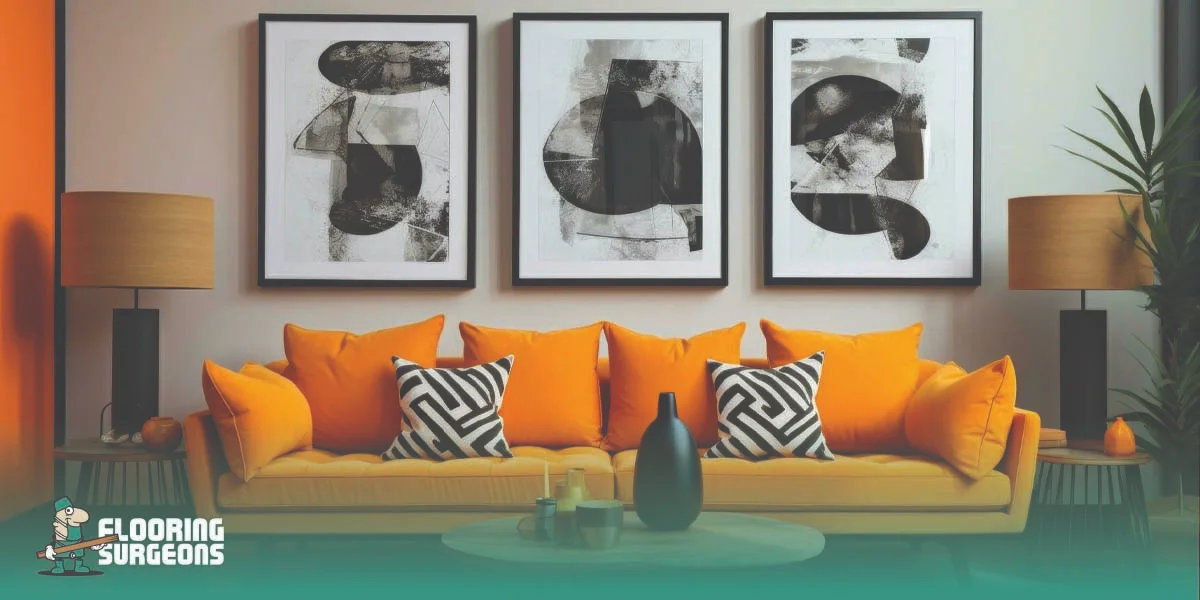
Art can do much more than decorate a blank wall. In interior design, it helps shape the mood of a room, adds character, and brings different elements of the space together in a more thoughtful way. From colour and texture to balance and scale, the right piece can change how a room feels at first glance.
Understanding the role of art in interior design starts with knowing that good curation is not about filling every corner or matching everything perfectly. It is about choosing pieces that suit the room, reflect your style, and sit naturally alongside the finishes, furniture, and overall atmosphere of the space.
In this guide, we will look at how to choose art with purpose, where it works best, and how to create a space that feels cohesive, personal, and well put together.
Table of contents
Why Art Matters in Interior Design
Art helps a room feel more complete. It gives the eye a focal point, adds personality, and stops the space from feeling flat or generic.
It also helps tie the room together. When a piece relates naturally to the colour palette, scale, and mood of the interior, the whole space feels more balanced.
In many homes, the difference between a room that feels simply furnished and one that feels thoughtfully designed often comes down to details like artwork. Used well, art adds depth without making the space feel busy.
How to Choose the Right Art for Each Room
Knowing how to choose art for a room starts with the space itself. The right piece depends on how the room is used, the mood you want to create, and how the artwork sits with the colours, scale, and overall character of the interior.
| Room | Best Art Approach | What Usually Works Best |
| Living room | Create a focal point | One larger piece or a balanced pair with clear visual presence |
| Bedroom | Keep the mood calm | Softer colours, simpler compositions, and less visual noise |
| Hallway / Entryway | Add character quickly | Bolder art, stronger contrast, or a more expressive piece |
| Home office | Support focus | Clean lines, balanced colour, and art that adds interest without distraction |
Living room
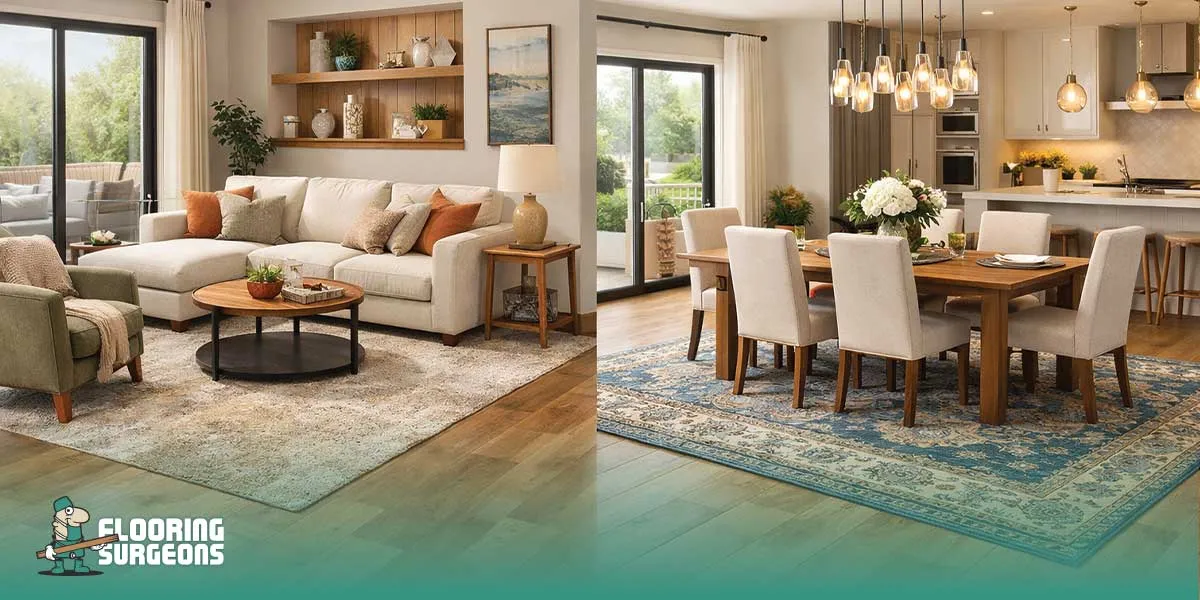
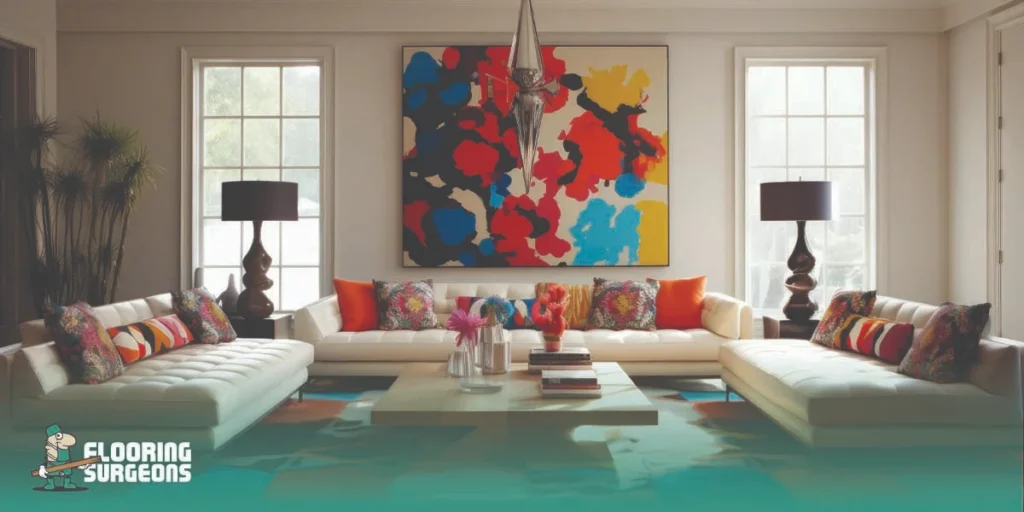
In the living room, art usually works best when it gives the eye a clear place to land. One larger piece or a small, balanced arrangement often feels stronger than several unrelated items. This kind of setup tends to look more refined when the space already has a stable base, especially with finishes such as laminate flooring for living rooms that help the room feel visually grounded.
Bedroom
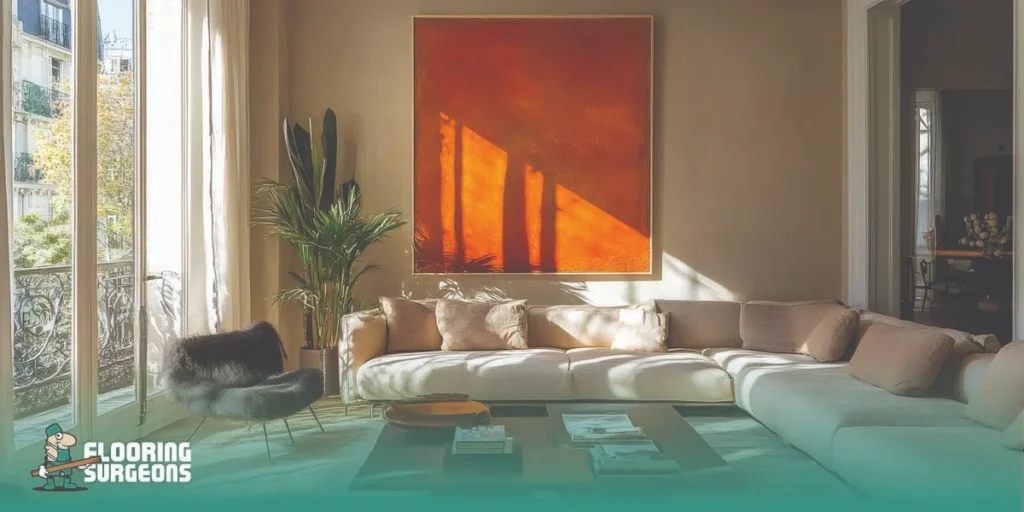
Bedroom art should feel quieter. Pieces with softer colour, lighter movement, or a more minimal composition usually suit the space better because they support rest rather than compete for attention. The overall result often feels more cohesive when it sits alongside calm surfaces and finishes such as laminate flooring for bedrooms.
Hallway or entryway
These spaces can handle more contrast and a little more personality. Because they are transitional areas, art here can do more to set the tone of the home and create interest from the first glance.
Home office
In a work area, art should add character without becoming distracting. A cleaner composition usually works better than something too busy, especially when the room already includes warm, natural materials such as oak laminate flooring, which can make the overall palette feel more balanced.
Simple rule: choose art based on how the room is used, not just on what looks good on its own.
Key Principles That Make Art Work in a Room
Good art placement is not only about the piece itself. It also depends on how it works with the room’s size, colours, textures, and layout.
- Scale and proportion: Art should feel right for the wall and the furniture around it. A piece that is too small can look lost, while one that is too large can make the room feel heavy.
- Colour harmony: The artwork does not need to match everything exactly, but it should still relate to the palette of the room. Repeating one or two tones from the floor, walls, or furniture usually makes the space feel more cohesive.
- Texture and materials: A room feels more complete when hard and soft surfaces balance each other. This is where texture matters just as much as colour, especially if you want the space to feel layered rather than flat. That idea is explored further in The Hidden Power of Textures: How to Layer Your Interior Design for Maximum Impact.
How Flooring Supports Art in Interior Design
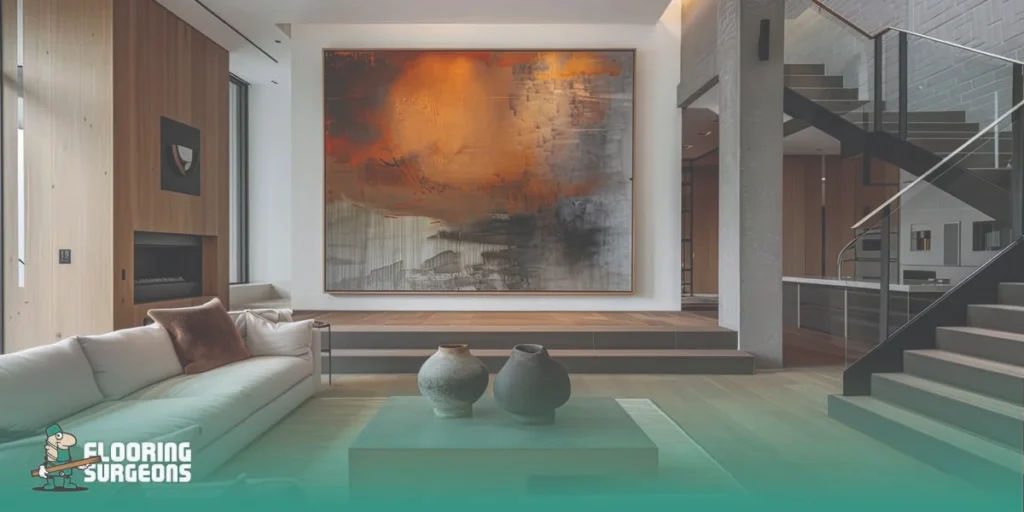
Art does not sit on its own. It is shaped by everything around it, including the floor, which often sets the visual base of the room.
- Flooring sets the tone: The colour and finish of the floor can make artwork feel warmer, softer, sharper, or more dramatic. Light floors usually create a calmer backdrop, while darker tones can add depth and contrast.
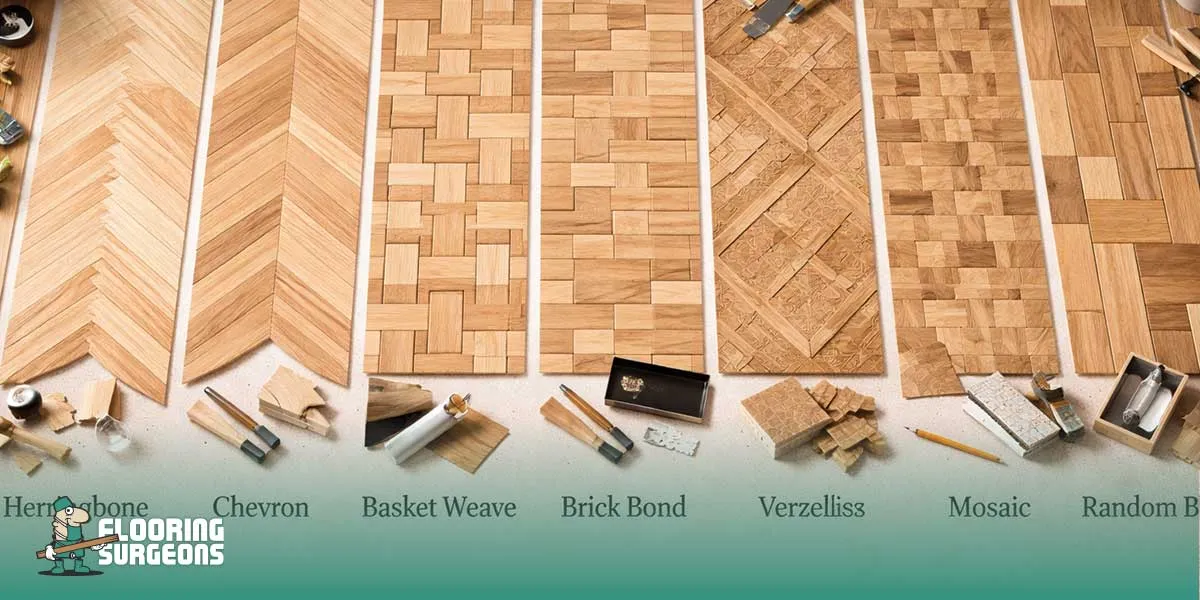
- Pattern changes the visual rhythm: Floor pattern also affects how art is perceived. In rooms with more movement underfoot, the artwork often works better when it feels controlled and well-balanced rather than overly busy. This is one reason herringbone flooring can look so effective in curated interiors when the wall art is chosen with a bit more restraint.
- Material balance matters: Artwork usually looks better when it relates naturally to the materials already in the room. Warm timber tones, soft textiles, matte finishes, and clean lines can help the whole space feel more connected instead of visually scattered.
In simple terms: when the floor and the art support each other, the room feels more intentional from the start.
A Simple Step-by-Step Process to Curate Your Space
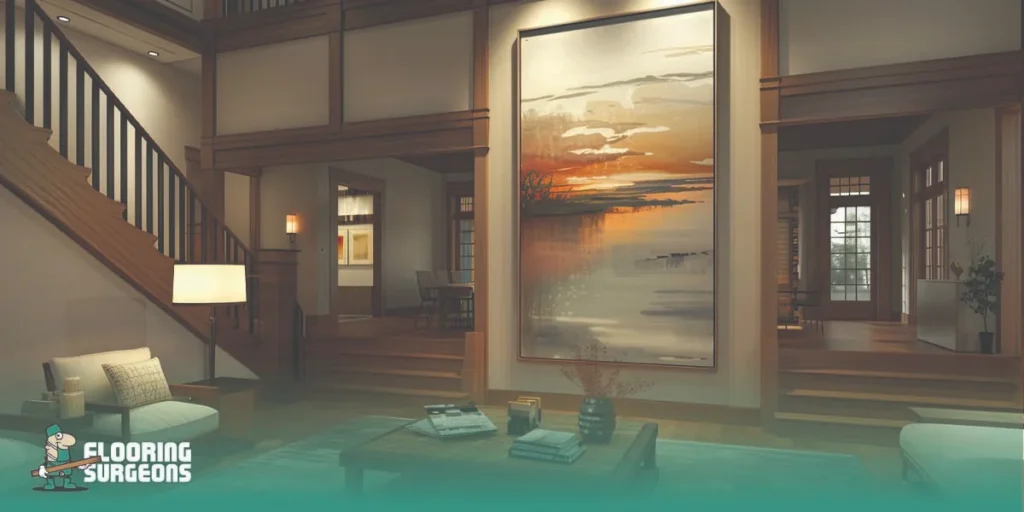
Curating art feels easier when you work in order instead of choosing pieces too early.
- Look at the room first: Start with the wall size, natural light, furniture layout, and overall mood of the space. This gives you a clearer idea of what kind of artwork will actually fit.
- Decide what role the art should play: Some rooms need a focal point, while others need something quieter that supports the background. This step helps you avoid choosing art that feels too loud or too weak for the space.
- Choose the colour direction: Before picking a piece, make sure its tones can sit naturally with the rest of the room. This becomes much easier when you already understand How to Match Flooring Colours with Wall Colours and Furniture.
- Think about texture and finish: A room usually feels more complete when the artwork works with the other materials in the space rather than fighting them. That is especially true in interiors where surface layering plays an important role.
- Test before you commit: Try the placement visually before hanging anything permanently. Even good art can feel wrong if the position, spacing, or scale is slightly off.
Final Thoughts on the Role of Art in Interior Design
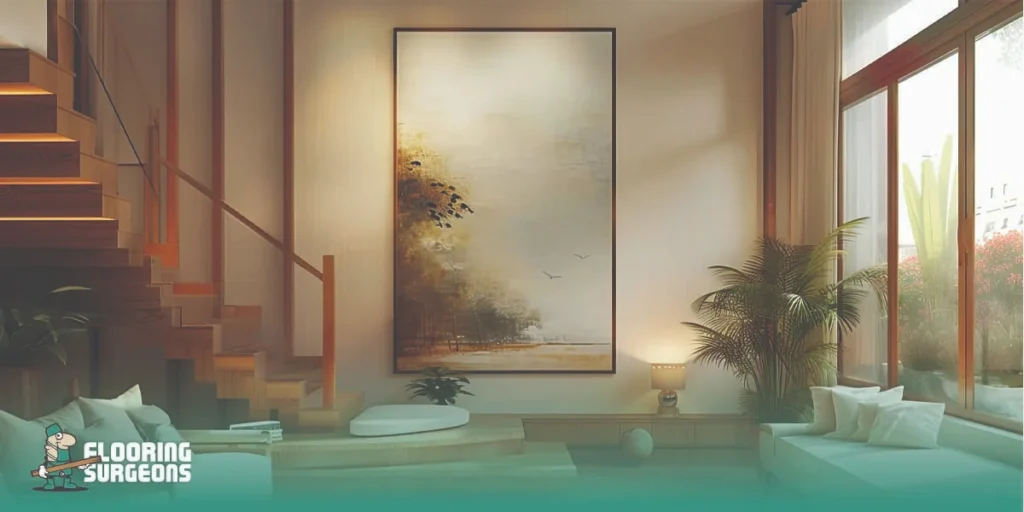
The role of art in interior design is not simply to decorate a wall. Done well, art helps shape the mood of a room, creates a clearer focal point, and makes the whole space feel more considered.
The best results usually come from choosing pieces that suit the room itself rather than trying to fill empty areas for the sake of it. When the artwork feels right for the scale, colour palette, materials, and overall atmosphere of the space, the room feels more balanced and naturally put together.

Ana.Soltanpoor
I’m an SEO Specialist with a strong background in content management and organic search. I build data-driven content strategies by aligning user intent, search behavior, and SEO best practices to ensure every piece of content delivers clarity, relevance, and measurable organic performance.