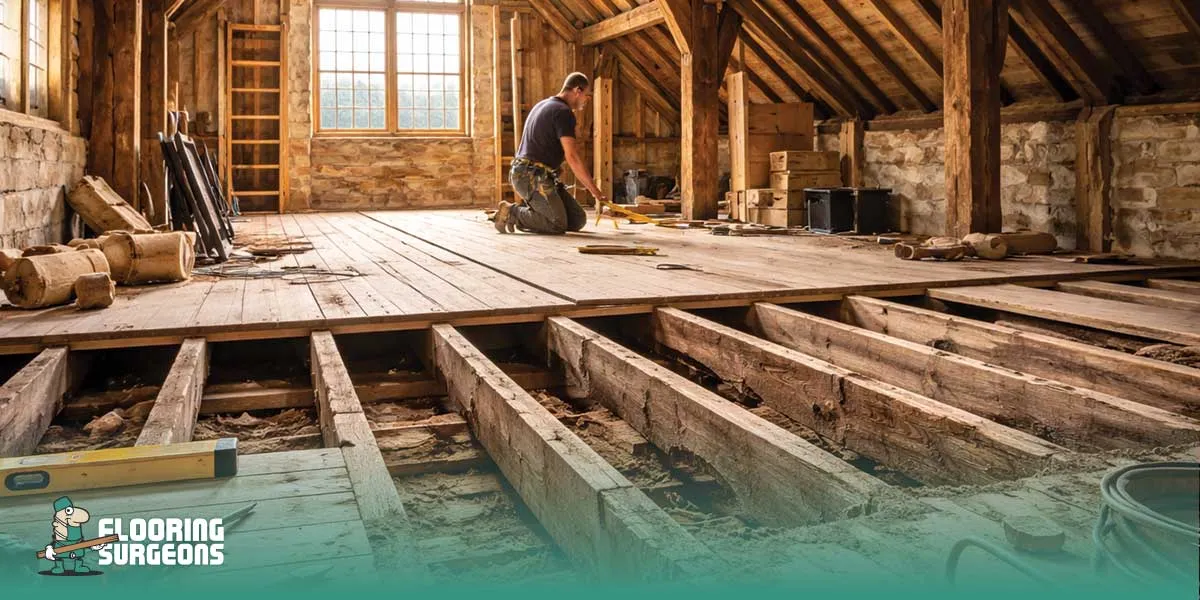



Marble floors have long been associated with luxury, durability, and timeless beauty. However, the marble flooring installation process is far more complex than most homeowners realize. Many people think installing marble is similar to installing ceramic tiles, but in reality marble requires specialized preparation, precise installation techniques, and careful planning.
Whether you are researching How to install marble flooring, comparing materials, or trying to understand marble floor installation cost, knowing the hidden details behind the process can save you time, money, and costly mistakes. In this guide, we’ll explore ten essential things most people don’t know about installing marble floor tiles, from subfloor preparation to layout planning and long-term durability.
If you’re planning a renovation or considering installing marble floors, these expert insights will help you understand what truly goes into a successful installation.
Table of contents
Understanding the Marble Flooring Installation Process
Before diving into the technical details, it’s important to understand what makes marble installation unique compared to other flooring types.
What Makes Marble Different From Other Flooring Materials
Marble is a natural stone, which means no two tiles are identical. Each slab contains unique veining, density variations, and natural characteristics. Because of this, installation marble flooring requires far more precision than installing standard ceramic or porcelain tiles.
Unlike manufactured flooring materials, marble is porous and sensitive to moisture, staining, and improper adhesives. A mistake during installation can affect both the appearance and structural stability of the floor.
For example, if marble tiles are installed without proper sealing or adhesive selection, the stone may absorb moisture from the mortar and develop discoloration over time. This is one of the main reasons professionals treat marble installation differently from other flooring systems.
Why Proper Planning Is Crucial Before Installation
Proper planning is one of the most overlooked stages when learning how to install a marble floor. Experienced installers often spend significant time mapping the layout before placing a single tile.
Planning includes:
- Measuring the entire floor area
- Evaluating the subfloor condition
- Selecting tile thickness and finish
- Matching natural stone veining
- Determining grout spacing
For example, when installing decorative layouts like Herringbone Flooring, every measurement must be calculated precisely before installation begins. A small misalignment can affect the entire visual pattern. Once the planning stage is complete, the next step is preparing the most critical element of the installation: the subfloor.

1. Subfloor Preparation Is More Important Than Most People Think
Many marble flooring failures are not caused by the marble itself, but by poor subfloor preparation.
How an Uneven Subfloor Can Damage Marble Tiles
Marble tiles are rigid and heavy. Unlike flexible flooring materials, they cannot compensate for uneven surfaces.
If the subfloor contains dips, bumps, or structural weaknesses:
- Tiles may crack under pressure
- Grout lines can separate
- Adhesive may fail over time
Even a few millimeters of unevenness can create stress points that eventually lead to expensive repairs.
Professional Techniques for Preparing the Base Surface
Professional installers follow strict preparation steps before installing marble flooring:
- Self-leveling compounds are used to correct uneven surfaces
- Cement backer boards may be installed for additional stability
- Moisture barriers are added when necessary
- Structural inspections ensure the floor can support the weight of marble
Skipping these steps may reduce installation costs initially, but it often leads to higher marble floor installation cost later due to repairs. With a stable base prepared, the next factor influencing installation quality is tile thickness.
2. Marble Tile Thickness Affects Installation Quality
Not all marble tiles are created equal. Thickness plays a major role in durability and installation performance.
Standard Thickness Used in Marble Floor Installation
Most marble floor tiles fall into two common thickness ranges:
| Marble Tile Thickness | Typical Use | Installation Notes |
| 10 mm | Residential interiors | Requires very stable subfloor |
| 12 mm | Standard flooring | Most common choice |
| 20 mm | High-traffic areas | More durable but heavier |
Thicker tiles provide better strength but require stronger adhesives and proper structural support.
How Thickness Influences Durability and Stability
Thicker marble tiles distribute weight more evenly and resist cracking. However, they also increase the complexity of the installation.
For example, when installing patterns like Chevron Flooring, thicker tiles must be cut precisely to maintain alignment across the entire floor. This leads directly into the next critical step: layout planning.
3. Layout Planning Determines the Final Appearance
Even the highest-quality marble tiles can look unbalanced if the layout is poorly planned.
Matching Marble Veins for a Natural Look
Professional installers carefully arrange tiles to match natural veining patterns. This technique creates a seamless and elegant visual flow across the floor.
Without proper layout planning, tiles may appear random and disrupt the aesthetic balance of the space.
Dry-Laying Tiles Before Adhesive Application
One of the most effective professional techniques is dry laying. This involves placing tiles across the floor without adhesive first.
Dry laying allows installers to:
- Adjust the layout
- Balance natural stone patterns
- Avoid awkward tile cuts
- Improve symmetry
Once the layout is finalized, installers can proceed with adhesive application.
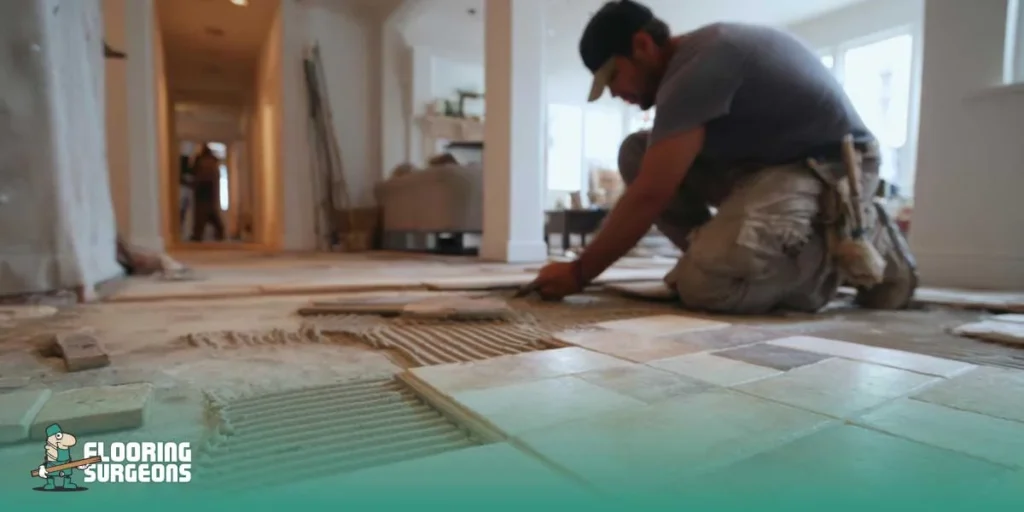
4. The Type of Adhesive Used Can Make or Break the Installation
Choosing the wrong adhesive is one of the most common mistakes in installing marble floor tiles.
Thin-Set Mortar vs Specialized Stone Adhesives
Two main types of adhesives are used for marble installation:
- Polymer-modified thin-set mortar
- Natural stone adhesive systems
High-quality thin-set mortar provides strong bonding and flexibility, making it suitable for most marble installations.
Avoiding Adhesives That Cause Marble Staining
Because marble is porous, some adhesives can bleed through the stone and cause staining.
This is why professionals always use white thin-set mortar instead of darker adhesives.
Proper adhesive selection ensures the beauty of the marble remains intact long after installation.
5. Expansion Joints Are Essential for Long-Term Durability
Stone flooring naturally expands and contracts due to temperature changes.
Why Marble Floors Need Movement Space
Without expansion joints, marble tiles may press against each other as they expand. This pressure can cause cracking or tile lifting.
Expansion joints allow the floor to move naturally without structural damage.
Where Professionals Place Expansion Joints
Installers typically place expansion joints:
- Around room perimeters
- Between large floor sections
- Near doorways and structural transitions
These joints are discreet but essential for long-term performance.
6. Sealing Marble Is Required Both Before and After Installation
Marble’s porous nature means sealing is not optional it’s essential.
How Sealing Protects Marble From Stains
Sealers penetrate the stone and create a protective barrier against:
- Water absorption
- Oil stains
- Food spills
- Dirt buildup
This is especially important for homeowners wondering can you use marble in a kitchen, where spills are common.
Recommended Sealers for Marble Flooring
Professional installers usually recommend penetrating stone sealers designed specifically for natural stone surfaces.
These sealers protect the marble while maintaining its natural appearance.
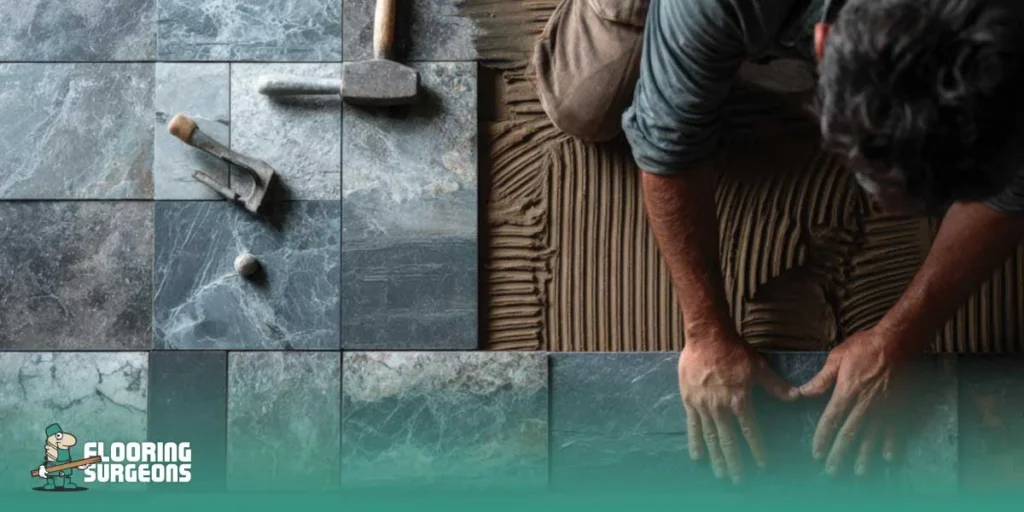
7. Cutting Marble Requires Specialized Tools
Marble cannot be cut using standard tile tools.
Why Professionals Use Wet Saws
Wet saws use water-cooled diamond blades that prevent overheating and reduce chipping.
This method produces clean, precise cuts required for marble installation.
Tips for Achieving Clean and Accurate Cuts
Professional installers follow several techniques:
- Cutting slowly to avoid cracking
- Using high-quality diamond blades
- Measuring multiple times before cutting
These techniques ensure the marble fits perfectly within the layout.
8. Grout Selection Impacts the Final Look
Grout may seem like a minor detail, but it significantly influences the final appearance of the floor.
Choosing the Right Grout Color for Marble
Neutral grout colors often work best because they complement marble’s natural patterns.
Too dark or too bright grout can distract from the stone itself.
Epoxy vs Cement Grout for Marble Floors
Epoxy grout offers superior stain resistance but is more expensive and difficult to apply.
Cement grout is easier to install but may require sealing to prevent stains.
Choosing the right grout helps maintain both appearance and durability.
9. Installation Mistakes Can Increase Marble Floor Installation Cost
Many homeowners underestimate how small installation mistakes can dramatically increase marble floor installation cost.
Common Errors That Lead to Expensive Repairs
Typical installation mistakes include:
- Poor subfloor preparation
- Incorrect adhesive selection
- Misaligned tiles
- Improper sealing
These issues may not appear immediately but can cause long-term structural damage.
How Professional Installation Prevents Problems
Working with experienced installers reduces these risks significantly.
Professionals understand every step involved in how install marble flooring, ensuring the installation is done correctly from the start.

10. Several Factors Determine How Much to Install Marble Flooring
One of the most common questions homeowners ask is how much to install marble flooring.
Labor, Material, and Layout Complexity
The total installation cost depends on several factors:
- Marble type and quality
- Tile size and thickness
- Layout complexity
- Subfloor condition
- Labor experience
Intricate patterns or difficult layouts can increase both time and labor costs.
Average Marble Floor Installation Cost Per Square Meter
While prices vary by location and project complexity, typical installation costs include:
| Cost Factor | Estimated Range |
| Marble tiles | £40 – £120 per m² |
| Installation labour | £35 – £80 per m² |
| Total marble floor installation cost | £75 – £200 per m² |
Understanding these factors helps homeowners better plan their budgets and avoid unexpected expenses.
Marble flooring is one of the most elegant upgrades a home can have, but achieving a flawless result requires precision, planning, and expertise. When every step of the installation process is handled correctly, marble floors can last for decades while maintaining their timeless beauty.
That’s why many homeowners choose to work with experienced specialists like Flooring surgeons, who understand the complexities of natural stone installation and ensure every detail is handled professionally.

Mina Asgari
I’m an SEO Specialist and Content Strategist focused on sustainable business growth. I design data-driven content strategies by deeply analyzing user intent, search behavior, and SEO best practices, ensuring every piece of content serves a clear purpose for both users and search engines.