

When it comes to flooring in hospitals, the right choice of material can make a significant difference. Hospitals need to maintain a clean, safe, and functional environment while also considering aesthetic appeal. Hospital flooring plays a crucial role in ensuring patient safety, staff comfort, and the overall maintenance of the hospital environment. With the wide variety of flooring options available today, choosing the best material requires a balance of durability, ease of maintenance, and style.
In this article, we’ll explore the top hospital floors materials, covering the most popular hospital flooring types and why they are suitable for healthcare environments. We’ll also discuss the key hospital flooring requirements and how they influence your choice of material. Whether you are building a new hospital or renovating an existing one, selecting the right flooring is essential for providing a safe and comfortable space for both patients and staff.
Table of contents
Why the Right Flooring is Critical in Hospitals
Hospitals are high-traffic areas where cleanliness, safety, and durability are paramount. Flooring in these environments must be able to withstand heavy foot traffic, frequent cleaning, and potential spills. Additionally, the flooring must provide comfort for patients, promote hygiene, and align with safety regulations. Hospital flooring options today go beyond simple functionality — they also contribute to the aesthetics of the hospital, creating a welcoming and healing environment.
The Best Hospital Flooring Materials
Hospitals require flooring that can stand up to the demanding conditions of medical facilities. Here are the best hospital flooring options to consider for various areas within the hospital.
1. Luxury Vinyl Flooring (LVT)
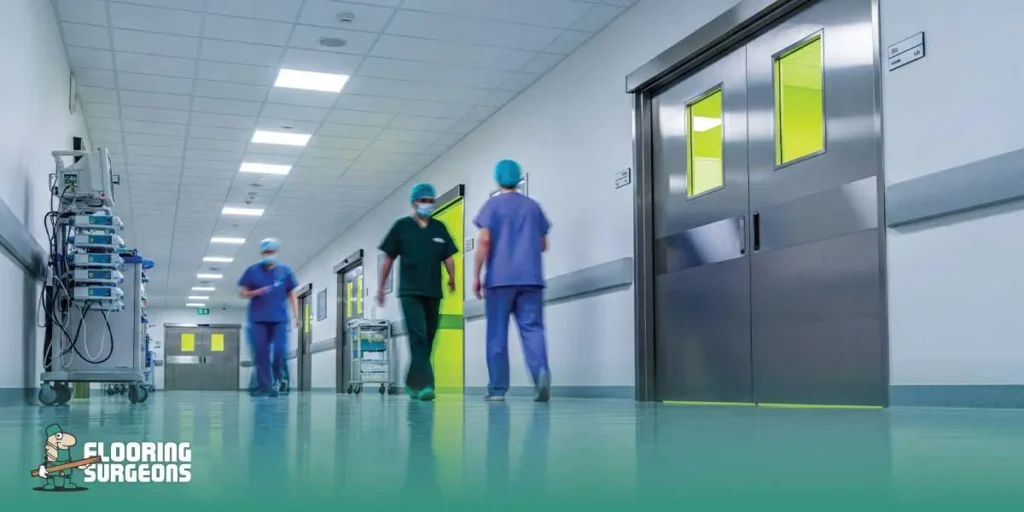
Luxury Vinyl Flooring (LVT) is one of the most versatile and durable flooring options available for hospitals. With its moisture resistance, ease of maintenance, and aesthetic appeal, LVT is an excellent choice for areas such as corridors, patient rooms, and waiting areas.
- Durability: LVT is known for its robustness, making it perfect for high-traffic areas.
- Style: Available in a wide range of designs, including wood, stone, and tile looks, LVT can match any hospital aesthetic.
- Cost: While the cost of luxury vinyl flooring is relatively affordable, it offers long-term value due to its durability and low maintenance needs.
LVT flooring is resistant to stains and spills, making it ideal for environments where hygiene is critical. It’s also slip-resistant, which is important in preventing accidents in hospitals.
2. Vinyl Composite Tile (VCT)
Vinyl Composite Tile (VCT) is a more affordable alternative to LVT, though it requires more maintenance. VCT is commonly used in high-traffic areas like corridors and waiting rooms, but may not be ideal for more specialized hospital environments like surgical suites or ICU units due to its seams that could trap dirt and bacteria.
- Maintenance: Requires frequent waxing and polishing to maintain its shine.
- Durability: While durable, VCT can become scratched or dented over time, especially in areas with heavy equipment.
Despite these drawbacks, VCT remains a popular choice for hospital floors because of its affordability.
3. Sheet Vinyl Flooring
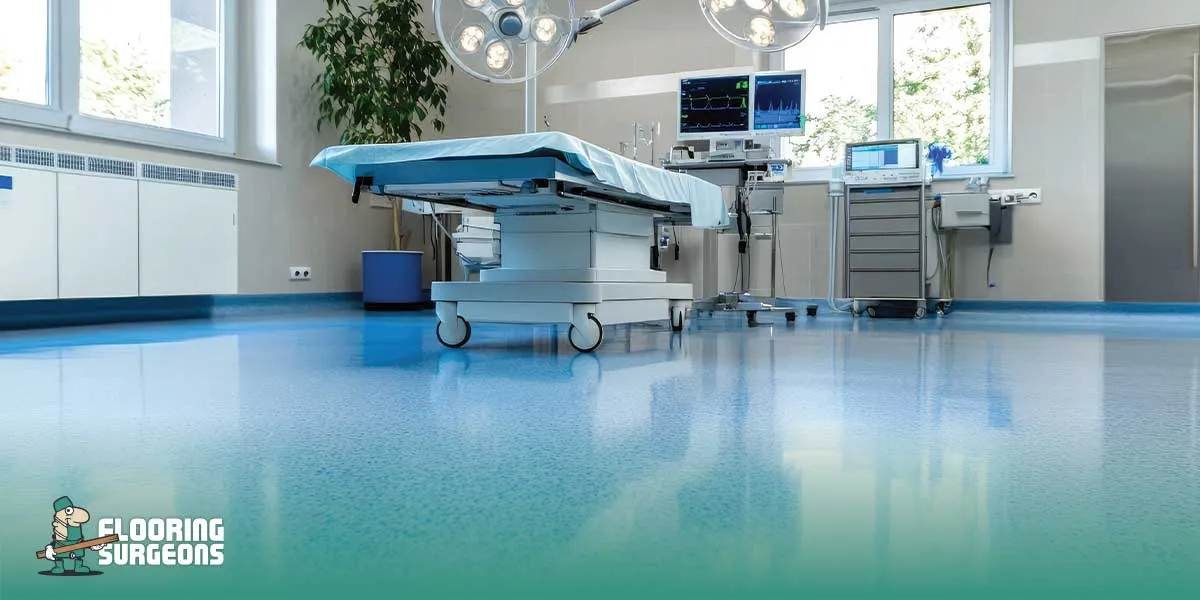
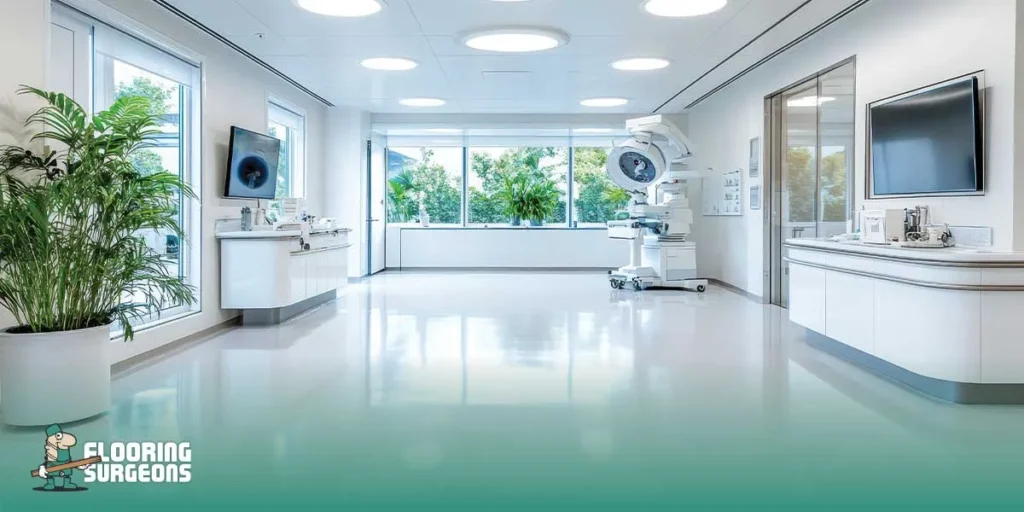
Sheet vinyl is another top choice for hospital floors due to its seamless installation. Unlike VCT, sheet vinyl doesn’t have seams that can collect dirt or bacteria, making it an excellent option for areas requiring high levels of infection control, such as operating rooms and ICU units.
- Seamless: The lack of seams means fewer areas where germs can hide.
- Cleanability: Sheet vinyl is very easy to clean, making it ideal for environments where hygiene is a top priority.
Due to its smooth surface, sheet vinyl is particularly effective in preventing contamination in critical healthcare environments.
4. Rubber Flooring
Rubber flooring is becoming increasingly popular in hospitals, particularly in areas that require slip resistance and noise reduction. Rubber flooring is comfortable underfoot, which can be beneficial for staff who spend long hours on their feet. It’s also durable and easy to maintain, with self-healing properties for minor abrasions.
- Sound Absorption: Rubber flooring absorbs sound, reducing noise in busy hospital environments.
- Durability: Its durability makes it suitable for high-traffic areas like entryways, stairwells, and hallways.
While it’s a great option for areas with heavy foot traffic, rubber flooring is not ideal for surgical suites or operating rooms, where a sterile environment is essential.
5. Bamboo Flooring
As sustainability becomes more important in healthcare design, bamboo flooring advantages are becoming more recognized. Bamboo is an eco-friendly option that offers durability and a natural aesthetic. However, it may not be as suitable for areas with high moisture or foot traffic.
- Eco-Friendly: Bamboo is a sustainable material, making it an excellent choice for hospitals with green initiatives.
- Aesthetic Appeal: It brings a warm and natural look to areas like waiting rooms and private offices.
Though it’s not as commonly used in high-traffic hospital areas, bamboo flooring is perfect for spaces that require a touch of nature and warmth.
Key Considerations for Choosing the Right Hospital Flooring
Selecting the best flooring for your hospital involves more than just considering the aesthetics. The hospital flooring requirements vary depending on the specific function of each area. Here are key factors to keep in mind when choosing flooring materials:
- Safety: Slip resistance is a crucial factor in hospital flooring to prevent accidents. Flooring with slip-resistant properties is essential for corridors, patient rooms, and areas with high foot traffic.
- Durability: Hospital floors endure heavy wear and tear, so choosing durable materials that can withstand constant cleaning and heavy use is critical.
- Maintenance: Low-maintenance options like LVT and sheet vinyl are preferred, as they reduce long-term costs and labor.
- Aesthetic: While safety and durability are the top priorities, the look of the flooring can also impact the overall atmosphere of the hospital, promoting a healing and calming environment for patients.

Hospital Flooring Options for Different Areas
| Area | Recommended Flooring | Why? |
| Operating Rooms | Sheet Vinyl, Rubber | Seamless and hygienic, easy to clean. |
| ICU & Critical Care Units | Sheet Vinyl, Rubber | Infection control and sound absorption. |
| Patient Rooms | Luxury Vinyl, Bamboo | Comfort, durability, and aesthetic appeal. |
| Corridors & Waiting Rooms | Luxury Vinyl, VCT | Durability and low maintenance. |
| Stairwells & Entryways | Rubber, VCT | High durability and slip-resistance. |
Conclusion
When choosing hospital flooring, it’s essential to balance safety, durability, and style. Flooring Surgeons offers a range of flooring options that meet the specific needs of hospitals, ensuring a safe and welcoming environment for patients and staff alike. Whether you’re looking for the cost of luxury vinyl flooring or considering more sustainable options like bamboo, it’s important to make an informed decision based on the unique requirements of each area.
For more information about the best hospital flooring options and professional installation, don’t hesitate to reach out to us.

Mina Asgari
I’m an SEO Specialist and Content Strategist focused on sustainable business growth. I design data-driven content strategies by deeply analyzing user intent, search behavior, and SEO best practices, ensuring every piece of content serves a clear purpose for both users and search engines.