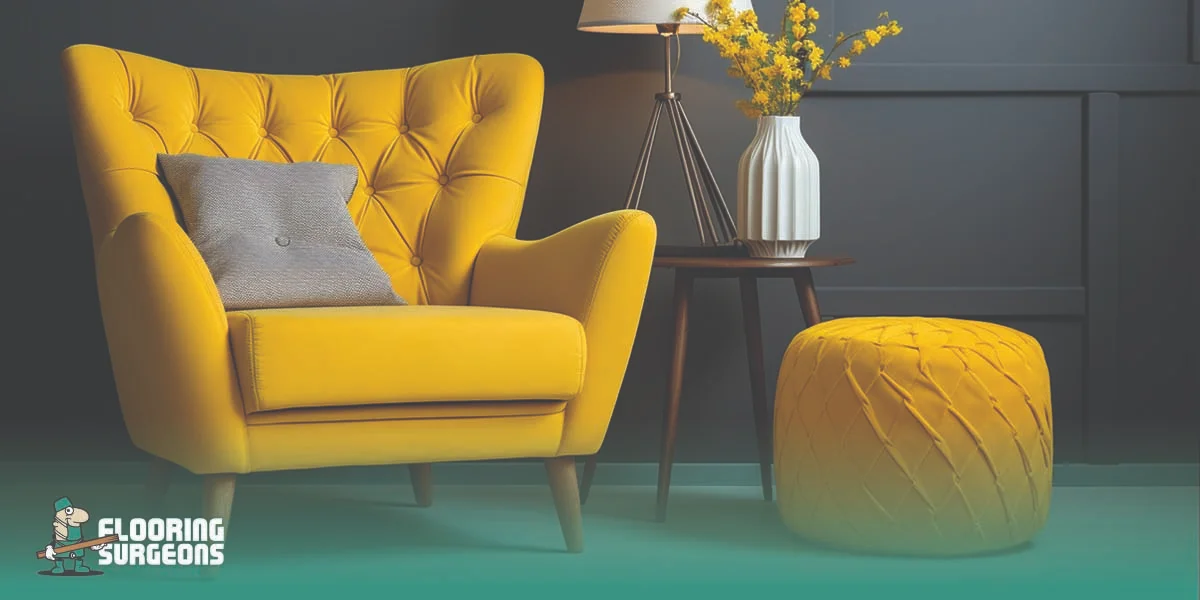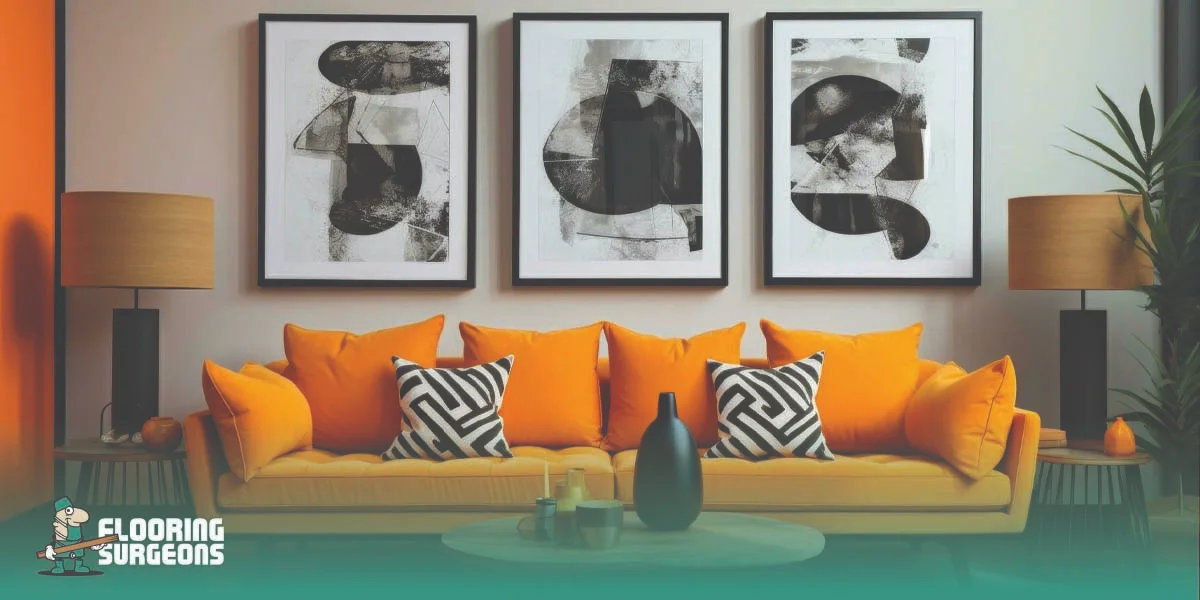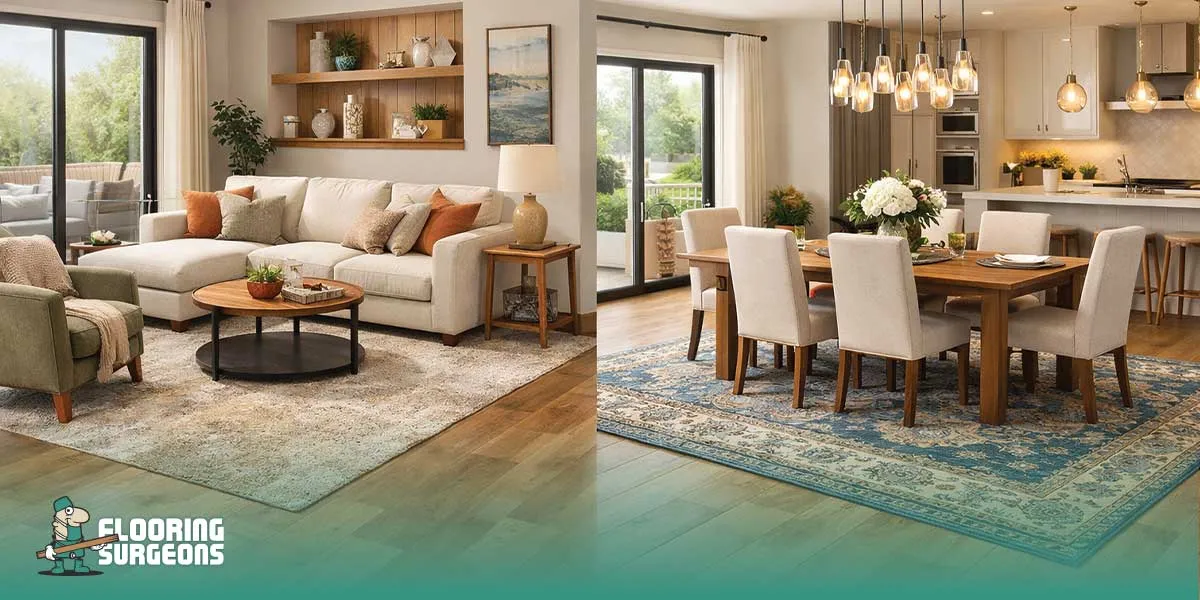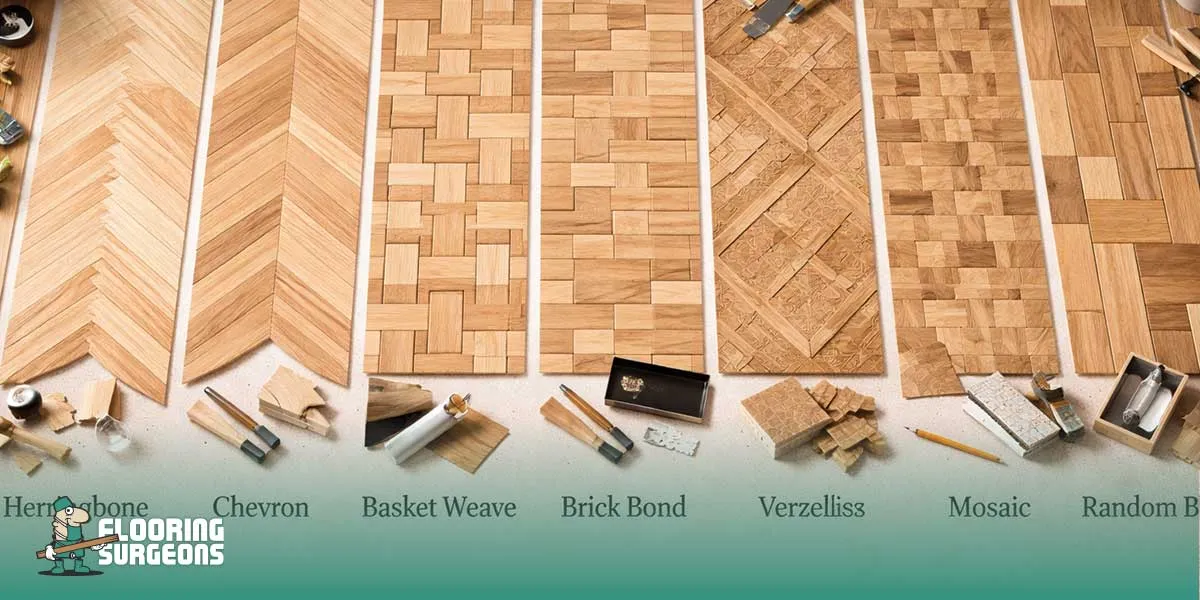



If you’re asking, “What interior design style do I like?”, the answer begins with how you naturally respond to space, colour, texture, and materials. Your preferences in layout, lighting, furniture shapes, and even flooring often reveal whether you gravitate toward modern, rustic, minimalist, industrial, or layered interiors without you consciously realising it.
Table of contents
Why Most People Struggle to Define Their Interior Design Style
Many people experience home decor style confusion because they are exposed to dozens of trends at once through social media, magazines, and showrooms. Instead of developing a clear visual identity, they end up saving a mix of modern, rustic, minimalist, and eclectic spaces that do not necessarily align with each other.
Another reason is the lack of lifestyle alignment. A space may look beautiful online, but if it does not match how someone lives, moves, and uses their home, it quickly feels impractical. Defining your interior design style requires more than liking an image; it means understanding what truly supports your daily habits and personal comfort.

10 Questions to Discover Your Interior Design Style
- Do you prefer open, minimal spaces or layered, textured rooms?
Minimalist interiors often align with clean flooring lines and light wood tones, while layered spaces suit warmer, textured finishes. - Are you drawn to warm, natural materials or sleek modern finishes?
A love for natural materials often pairs with oak or timber floors, while sleek preferences may lean toward smooth, uniform surfaces. - Do you feel more comfortable in bright, airy rooms or darker, moodier environments?
Your answer influences whether light-reflective flooring or deeper, grounding tones will feel more natural. - Do you prefer straight lines and symmetry or organic, imperfect details?
Structured layouts typically work well with wide planks and consistent grain, while organic styles embrace variation in wood texture. - Are you inspired by countryside homes or urban apartments?
Rustic inspiration often connects with warm wood flooring, whereas urban styles may favour cooler or more industrial finishes. - Do you enjoy bold colours and contrast or soft, neutral palettes?
High-contrast interiors can be shaped by light vs dark flooring choices that reinforce your visual identity. - Is practicality more important to you than aesthetics?
Lifestyle priorities may guide you toward durable materials such as engineered wood or resilient flooring options. - Do you like spaces that feel cosy and intimate or open and expansive?
Flooring tone plays a role here, as darker bases create intimacy while lighter tones increase perceived openness. - Are you influenced more by furniture shapes or by architectural details?
If architectural elements matter most, flooring and material consistency often become central to the overall design style. - Do you want your home to feel timeless or trend-driven?
Timeless preferences usually align with natural wood tones and matte finishes that adapt as décor evolves.
What Your Answers Reveal About Your Style
Your responses to the previous questions start forming patterns. When certain preferences repeat, they point toward a consistent design direction. The key is not to label yourself too quickly, but to notice whether your choices lean toward simplicity, warmth, contrast, or structure.
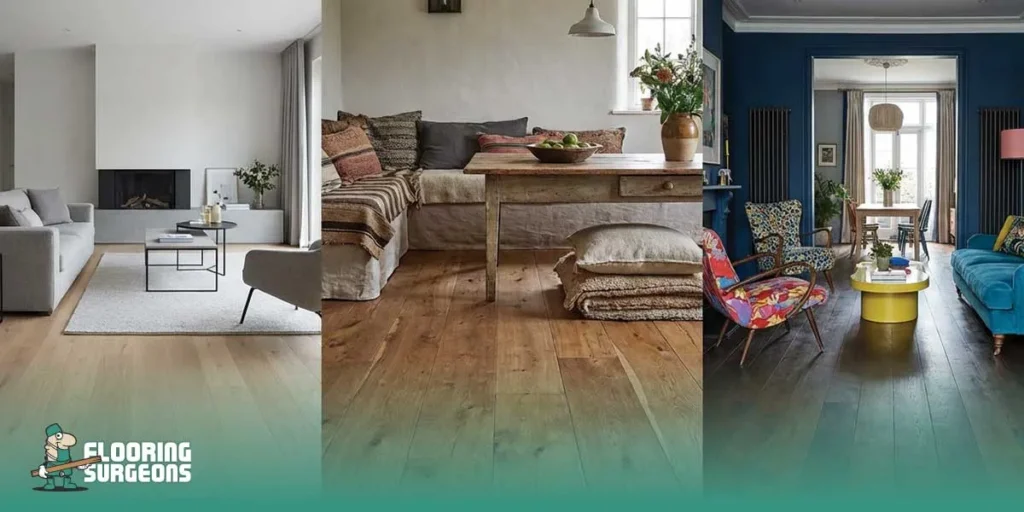
If You Prefer Clean Lines and Neutral Palettes
You likely gravitate toward a modern interior design style. These spaces value clarity, subtle contrast, and restraint. Light oak flooring with a matte finish often complements this approach because it keeps the base calm and visually expansive without adding distraction. The result feels structured, balanced, and contemporary.
If You Love Warm Textures and Earthy Layers
You may lean toward a rustic interior style or a warm transitional look. These interiors prioritise comfort, natural grain, and tactile materials. Warm wood flooring with visible variation supports this atmosphere by reinforcing texture and authenticity rather than uniformity.
If You Gravitate Toward Bold Colours and Contrast
Your style may include modern, eclectic or statement-driven interiors. Strong contrast works best when grounded with controlled flooring choices. Wide plank boards with low variation can stabilise bold palettes, while balanced tones prevent the room from feeling chaotic. Even in expressive spaces, the floor often becomes the visual anchor.
How Flooring Defines Interior Design Style More Than You Think
Interior style is often discussed in terms of colour and furniture, yet flooring and design style are deeply connected. The floor is the largest continuous surface in most rooms, which means it quietly determines proportion, warmth, and visual direction. Tone, plank width, and texture variation shape how a space is experienced long before decorative elements are noticed.
Wood Flooring Styles and Modern Interiors
In modern interior design style, clarity and restraint are key. The best flooring for modern homes typically includes light oak tones, matte finishes, and wider plank widths that reduce visual interruption. Minimal texture variation helps maintain a calm foundation, allowing clean lines and neutral palettes to feel intentional rather than sparse.
Engineered wood is frequently chosen in contemporary spaces because it offers tonal consistency and stability while maintaining the natural character of timber. Its layered construction allows for refined finishes that align with modern aesthetics without excessive movement or grain contrast. This is why many homeowners explore engineered wood flooring options when aiming for a balance between durability and aesthetic consistency.
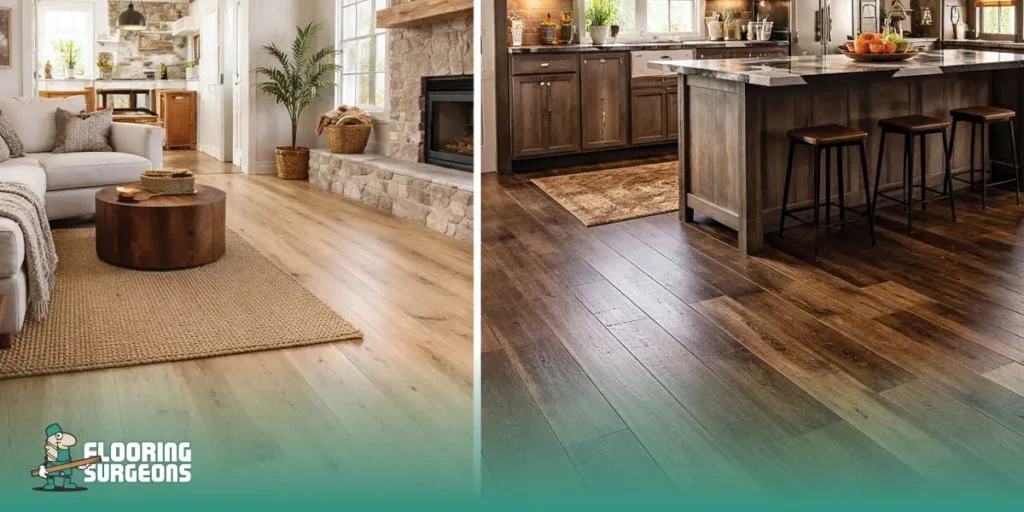
Flooring in Rustic and Farmhouse Homes
Rustic interior style and farmhouse spaces rely heavily on warmth and authenticity. Here, natural wood flooring with visible knots, grain shifts, and texture variation reinforces character. Slight tonal variation supports the layered, lived-in quality these interiors are known for.
In some cases, luxury vinyl that replicates aged timber can support this look when durability or moisture resistance is a priority. The key is not the material alone, but how its surface texture and undertone contribute to the overall atmosphere.
Light vs Dark Floors and Personality Expression
Light vs dark floors influence personality expression more than many realise. Lighter floors tend to feel open, airy, and adaptable, often aligning with minimalist or Scandinavian-inspired interiors. Darker floors create depth and intimacy, supporting bolder contrasts and mood-driven environments. If you want a deeper breakdown of how colour tone influences perception, you can explore our guide on the psychology of dark flooring vs light flooring.
Plank width and texture variation further shape perception. Wide planks with low variation feel calm and structured, while narrower boards or stronger grain patterns introduce movement and visual richness. Together, these flooring decisions define whether an interior reads as modern, rustic, dramatic, or understated.
Common Mistakes When Choosing a Style
- Copying Pinterest inspiration without considering lifestyle match, leading to beautiful but impractical spaces.
- Choosing wall colour before flooring, which often results in undertone clashes and poor material balance.
- Ignoring natural light levels causes the room to feel darker, flatter, or more compressed than expected.
- Mixing too many styles at once creates visual confusion instead of intentional layering.
Can You Have More Than One Interior Design Style?
Yes, you can have more than one interior design style, but it works best when those influences are blended intentionally rather than layered randomly. Many well-designed homes are built around layered interiors, where elements from modern, rustic, or minimalist aesthetics coexist in a controlled way.
The key is structure. Transitional design often succeeds because it combines styles through proportion, tone, and material consistency rather than trend mixing. A cohesive flooring foundation plays a major role here. When the base tone and texture remain stable, you can introduce contrast, colour, or decorative variation above it without losing clarity or visual identity.

If You’re Still Unsure, Start With These 5 Anchors
- Choose your flooring tone first.
The base colour and texture influence every other material choice. At Flooring Surgeons, we consistently see that once the base material is defined, other style decisions become clearer and more cohesive. - Identify your light preference.
Decide whether you are drawn to bright, airy rooms or deeper, moodier spaces. - Define your comfort level.
Consider whether you prefer sleek minimalism or layered softness. - Remove what you dislike.
Eliminating strong dislikes often clarifies your design direction faster than chasing inspiration. - Test materials before committing.
Viewing wood samples, finishes, and textures in your own lighting prevents a style mismatch later.

Haniye Ayanmanesh
As an expert writer for Flooring Surgeons, I combine technical SEO knowledge with a practical understanding of flooring, producing content that helps users make confident decisions while supporting long-term organic growth.