


Rooftop spaces are increasingly being designed as terraces, gardens, and outdoor living areas. Because of this shift, many property owners begin to ask what is best for roof flooring, as selecting the best roof flooring has become a key design decision rather than just a construction step.
The flooring on a roof must perform differently than indoor flooring. It must resist weather exposure, support structural loads, and allow proper drainage. At the same time, it should provide comfort and visual appeal for people using the space. Understanding these requirements helps property owners avoid common mistakes such as water damage, overheating surfaces, or structural stress. Before choosing a material, it is essential to evaluate several technical and practical factors.
Table of contents
Key Factors to Consider Before Choosing Roof Flooring
Selecting the right rooftop flooring begins with analyzing the conditions of the building and how the space will be used. Designers typically focus on durability, weather resistance, safety, and maintenance.
Weather Resistance and Waterproof Protection
Roof flooring must withstand intense sun, heavy rain, wind, and temperature fluctuations. Materials that absorb water or crack under heat can cause long-term damage. Proper waterproof layers beneath the flooring are also critical. For example, many rooftop installations include protective membranes and drainage systems that prevent moisture from reaching the building structure.
Weight Capacity and Structural Safety
Every roof has a structural load limit. Heavy materials such as concrete or stone tiles may require reinforcement. Before installation, structural engineers often assess the roof’s capacity to support furniture, people, and flooring materials. Lightweight systems are sometimes preferred for older buildings or large terraces.
Maintenance and Long-Term Durability
Maintenance plays a major role in rooftop flooring performance. Some materials require sealing, polishing, or seasonal treatments. Others are designed to be almost maintenance-free.
For example, modern materials such as Engineered Flooring systems designed for outdoor decks can provide stability and resistance to moisture when installed correctly. Once these factors are clear, it becomes easier to compare the most practical roofing floor materials available today.
Concrete Tiles as One of the Best Materials for Roof Flooring
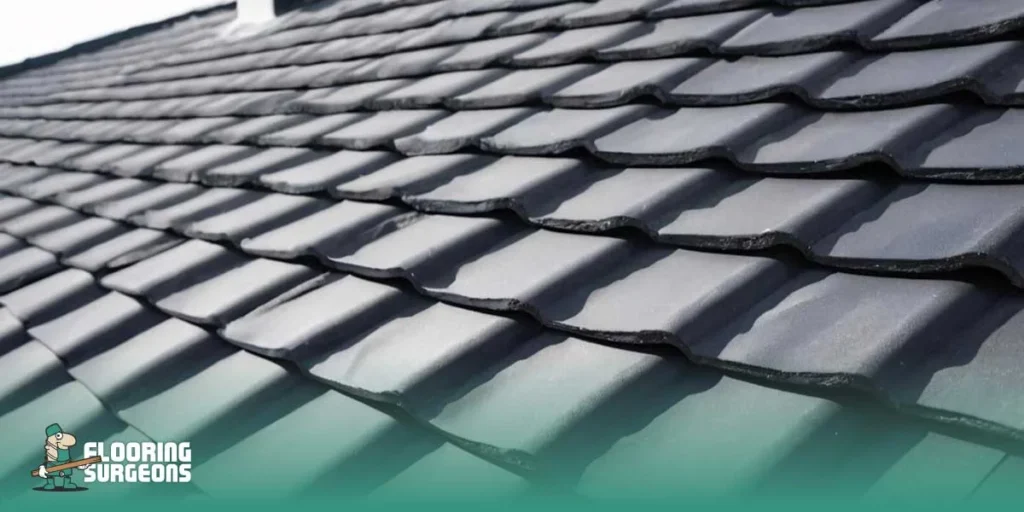
Concrete tiles remain one of the most reliable choices for rooftop surfaces. They are strong, durable, and resistant to heavy use.
Why Concrete Flooring Works Well on Rooftops
Concrete flooring performs well in outdoor conditions because it tolerates temperature changes and heavy foot traffic. Many commercial rooftops, hotels, and apartment terraces use concrete tiles because they provide both durability and stability. Concrete tiles are also available in different finishes and textures, allowing designers to achieve both functional and aesthetic goals.
Ideal Situations for Using Concrete Roof Flooring
Concrete roof flooring works particularly well in large rooftop terraces, shared residential spaces, and commercial buildings. Its strength allows it to support outdoor furniture, planters, and recreational areas.
Durability Benefits in Hot and Cold Climates
Concrete is known for maintaining structural integrity in extreme climates. In hot regions, it resists surface damage caused by sunlight. In colder climates, it can handle freezing and thawing cycles when installed correctly. Because of this durability, concrete is often considered one of the best material for roof flooring solutions for long-term performance. While concrete offers strength and reliability, some homeowners prefer a warmer and more natural rooftop appearance. That’s where wooden decking becomes an attractive alternative.
Wooden Decking | A Stylish and Natural Flat Roof Flooring Option
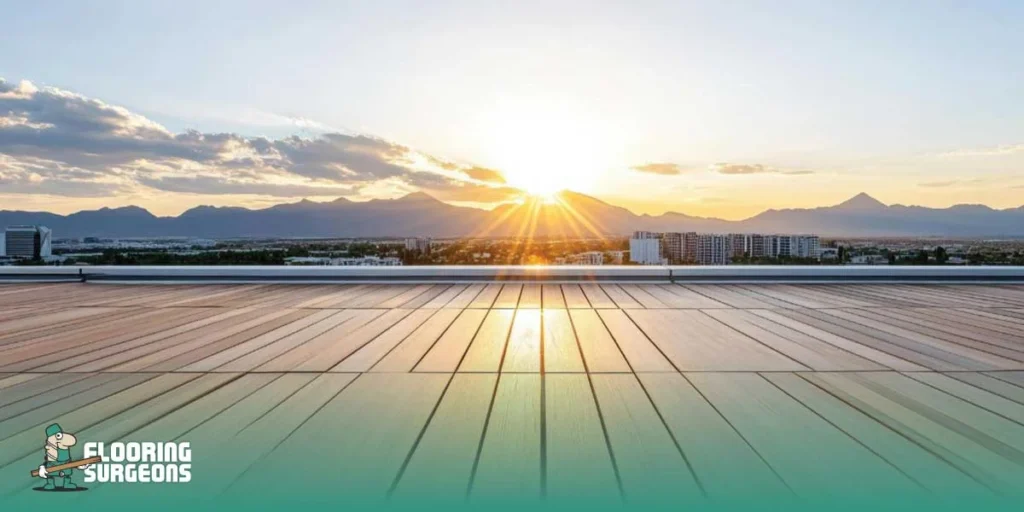
Wood decking is widely used in modern rooftop terraces. It brings warmth and a natural atmosphere to outdoor spaces.
Benefits of Wood Decking for Rooftop Terraces
Wood creates a comfortable walking surface and a visually appealing environment. Rooftop cafés, private terraces, and garden decks often use wood because it blends beautifully with plants and outdoor furniture. Some designers prefer darker finishes such as Dark engineered flooring tones to create contrast with modern architecture and greenery.
Popular Wood Types Used for Roof Deck Flooring
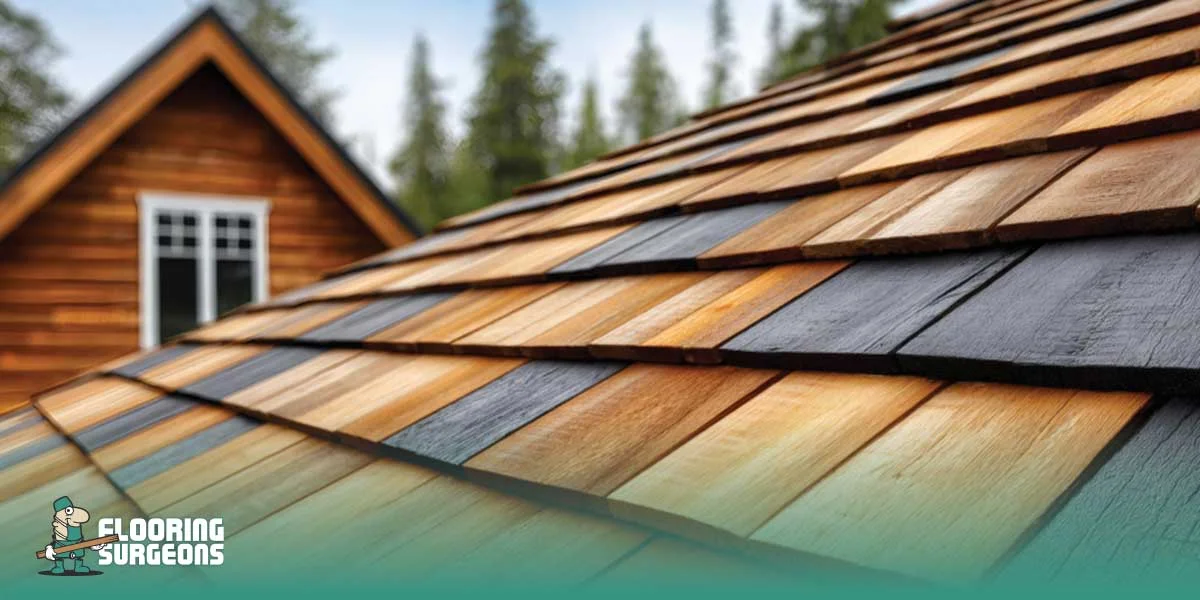
Common wood materials used for rooftop decks include teak, cedar, and treated hardwoods. These woods are selected because they resist moisture and insect damage. In many rooftop projects, modular decking systems are installed over drainage supports to protect the waterproof layer underneath.
Maintenance Tips to Extend the Life of Wooden Roof Floors
Wood requires periodic maintenance such as sealing or oiling. These treatments protect the surface from moisture and UV damage.
Although maintenance is required, many homeowners accept this effort because wood offers one of the most visually attractive flat roof flooring options available. For people looking for a softer and greener appearance, artificial grass has become an increasingly popular solution.
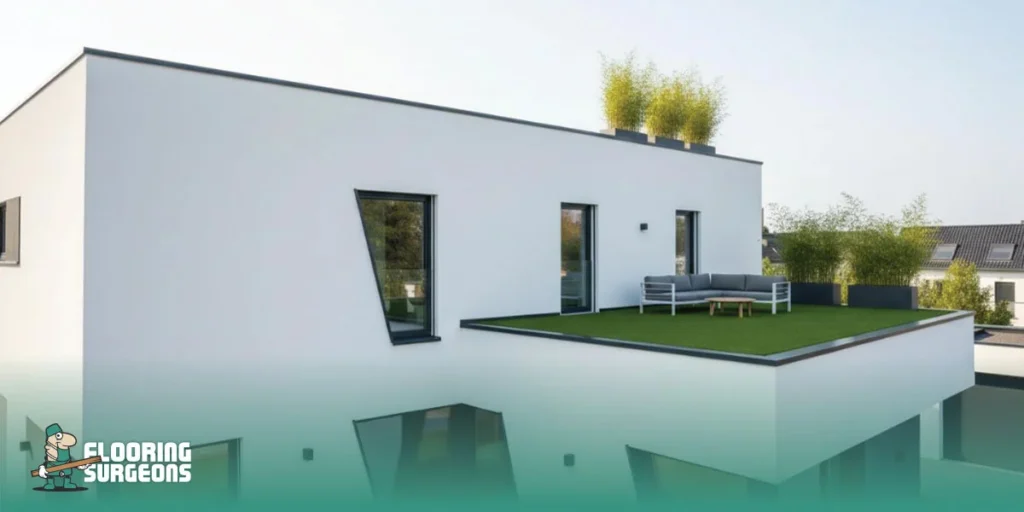
Artificial Grass | A Modern and Comfortable Roof Flooring Idea
Artificial grass has transformed rooftop design. It allows urban rooftops to feel like natural gardens without the maintenance of real grass.
Why Synthetic Turf Is Popular for Rooftop Spaces
Synthetic turf creates a soft, comfortable surface ideal for relaxation areas, children’s play zones, or rooftop gardens. It also reduces heat compared to some hard materials. Because it is lightweight and flexible, it can be installed on many rooftop structures.
Best Areas on a Roof for Installing Artificial Grass
Artificial grass works best in recreational zones, rooftop lounges, and garden areas. It is particularly popular in residential buildings where families want a safe outdoor space.
Drainage and Installation Considerations
Proper drainage layers are essential when installing artificial grass on rooftops. Water must flow freely beneath the turf to prevent moisture buildup. A carefully planned roof flooring detail ensures the turf remains stable and functional over time. While artificial grass prioritizes comfort and aesthetics, some rooftops require surfaces designed for safety and impact resistance. This is where rubber tiles provide an excellent solution.
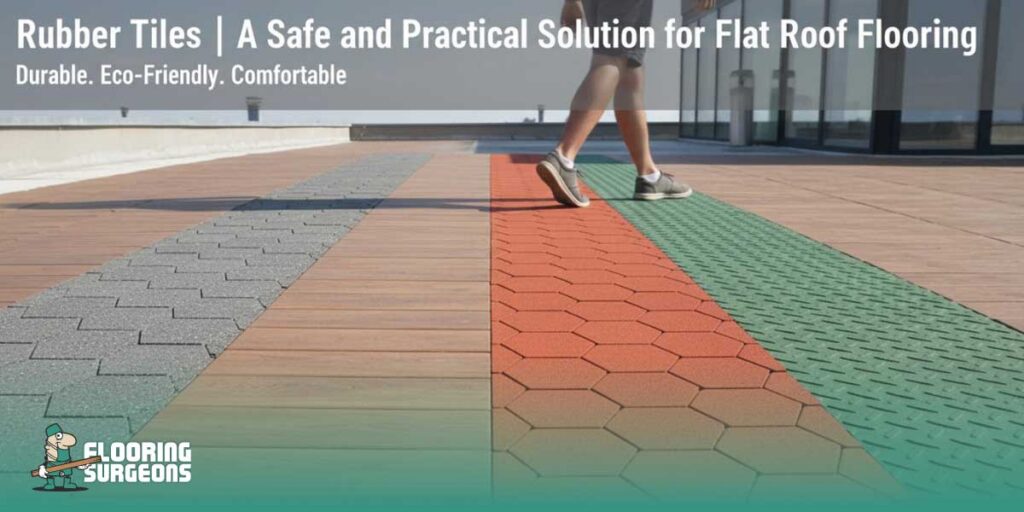
Rubber Tiles | A Safe and Practical Solution for Flat Roof Flooring
Rubber tiles are commonly used in playgrounds, gyms, and recreational rooftops. They provide cushioning and reduce injury risk.
Key Advantages of Rubber Flooring for Rooftops
Rubber flooring is slip-resistant, shock-absorbing, and durable. These features make it ideal for areas where people exercise or children play. It also absorbs sound, making it a good option for rooftops in residential complexes.
Where Rubber Roof Flooring Performs Best
Rubber tiles work best in sports zones, fitness terraces, or recreational spaces where safety is a priority.
Safety Benefits for Family and Recreational Spaces
Rubber surfaces reduce impact injuries and provide strong grip even when wet. Because of these safety features, they are frequently used in family-friendly rooftop environments. However, for homeowners seeking a more elegant or architectural look, tile surfaces such as porcelain or ceramic may be the ideal solution.
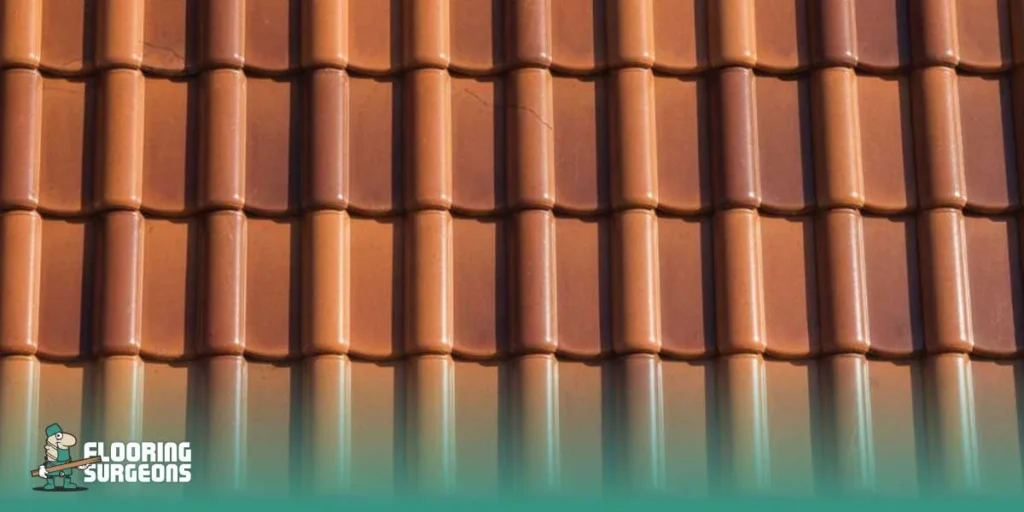
Porcelain or Ceramic Tiles – Durable and Elegant Roof Flooring Options
Porcelain and ceramic tiles are often selected for luxury rooftop terraces and modern architectural designs.
Why Porcelain Tiles Are a Strong Choice for Outdoor Roof Areas
Porcelain tiles are extremely dense and resistant to water absorption. This makes them suitable for outdoor installations exposed to rain and temperature changes. They also come in various styles, including stone-like and wood-like textures.
Design Ideas for Modern Rooftop Tile Flooring
Large-format porcelain tiles are popular in contemporary rooftop designs. They create a clean, seamless appearance that works well with modern outdoor furniture.
Slip Resistance and Weather Durability
Outdoor porcelain tiles often include textured surfaces to prevent slipping. Their durability makes them one of the best roof flooring solutions for stylish rooftop terraces. For guidance on choosing and installing flooring in your home or workplace, you can consult Flooring surgeons for professional advice and expert support.
Practical Comparison of Popular Roof Flooring Options
| Flooring Type | Key Benefits | Best Use Areas | Maintenance Level |
| Concrete Tiles | Strong, durable, weather resistant | Large terraces, commercial roofs | Low |
| Wooden Decking | Natural look, warm surface | Rooftop lounges, gardens | Medium |
| Artificial Grass | Soft, comfortable, decorative | Family rooftops, relaxation areas | Low |
| Rubber Tiles | Safe, shock absorbing | Sports and play areas | Low |
| Porcelain Tiles | Elegant, durable, modern | Luxury rooftop terraces | Low |
Conclusion | How to Choose the Best Flat Roof Flooring Options
When planning a rooftop project, many property owners ask what is best for roof flooring. Selecting the right rooftop flooring involves balancing design preferences with structural and environmental requirements. Each material offers unique advantages depending on how the rooftop will be used.
Comparing the Most Popular Roof Flooring Materials
Concrete provides strength and durability. Wood decking offers warmth and natural beauty. Artificial grass creates relaxing green spaces. Rubber tiles maximize safety, while porcelain tiles deliver modern elegance.
Practical Tips for Selecting the Best Material for Roof Flooring
Before making a final decision, evaluate the roof’s structural capacity, climate conditions, and intended use of the space. Consulting professionals such as Flooring surgeons can help ensure the installation process meets technical standards and long-term performance expectations.
It can also be helpful to explore related flooring resources, such as guides discussing what is the best thickness for hardwood floors, when comparing structural flooring systems used in architectural design. By combining the right materials with careful planning, property owners can confidently choose the best option for roof flooring and create rooftop environments that are both functional and visually impressive.

Mina Asgari
I’m an SEO Specialist and Content Strategist focused on sustainable business growth. I design data-driven content strategies by deeply analyzing user intent, search behavior, and SEO best practices, ensuring every piece of content serves a clear purpose for both users and search engines.