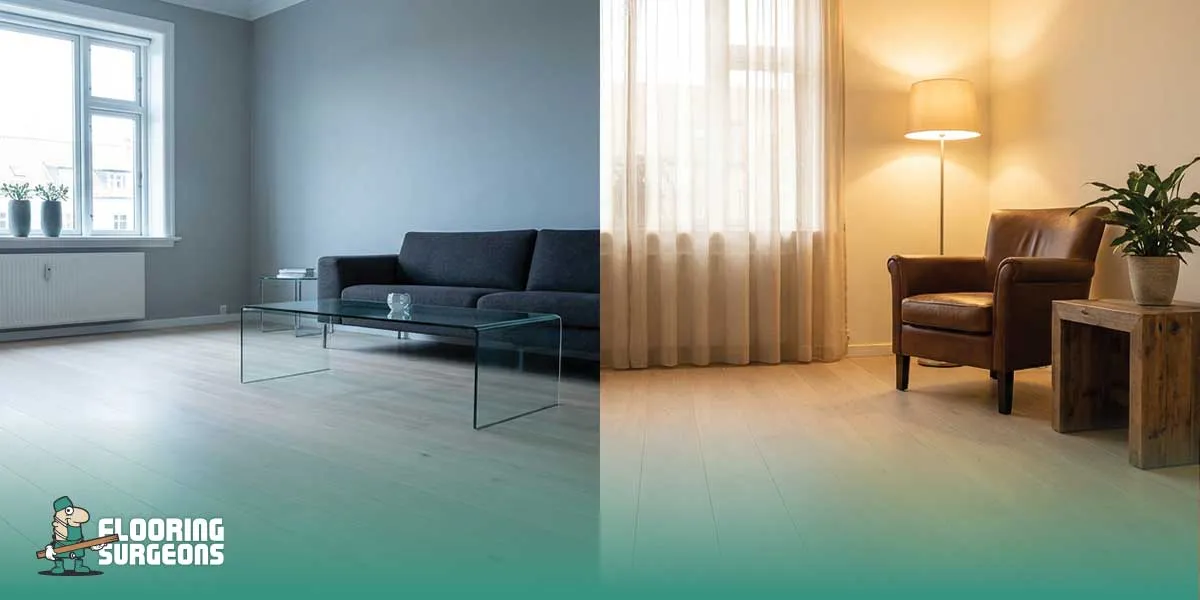


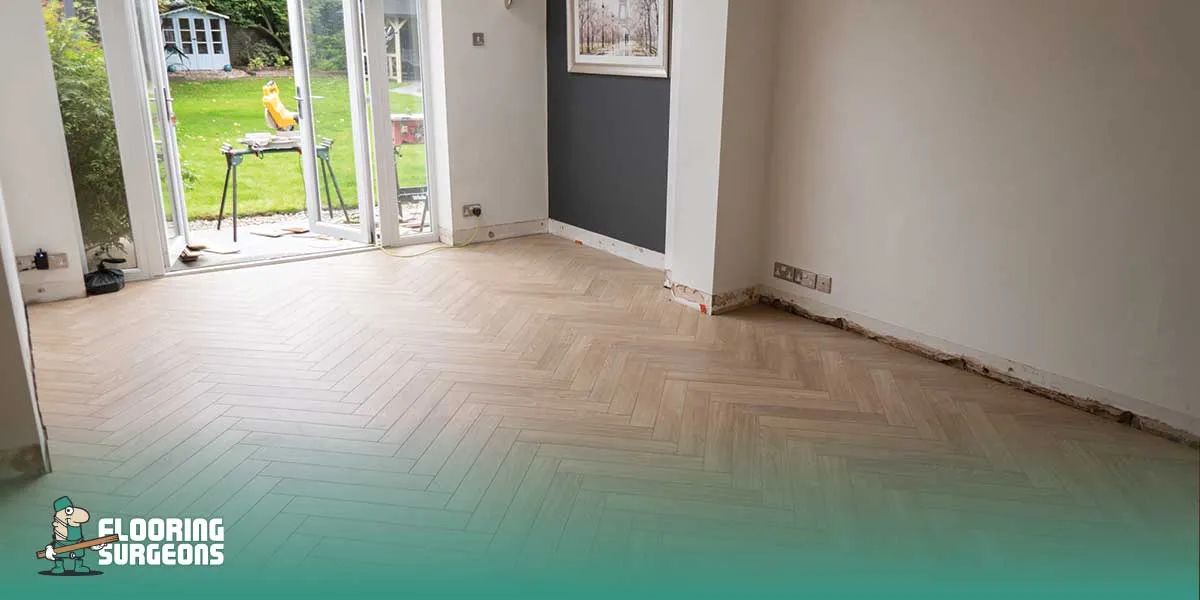
Have you ever wondered what laminate flooring is and why it is so popular these days? Laminate flooring is a strong, stylish, and affordable choice for many UK homes. It looks like wood or stone, but it’s made with layers of different materials. That’s why it costs less and is easier to care for. Laminate is popular in living rooms, bedrooms, and hallways. It also comes in many colors and types. In this guide, you’ll learn what laminate flooring is, what it’s made of, where it works best, and how to choose the right laminate flooring for your home.
Curious about what laminate flooring is made of? It’s a composite floor covering consisting of several layers: a dense HDF core, a photographic layer for the wood (or stone) appearance, and a clear protective wear layer on top. This multi-layer construction gives laminate flooring style, durability, and versatility. It’s a popular flooring choice that is suitable for many areas in the home.
Table of contents
What Is Laminate Flooring?
Laminate flooring is a multi-layered floor that looks like real wood or stone. It’s made from different materials that are pressed together. The top layer has a photo image that mimics the appearance of natural materials like wood or stone. That’s why it looks like real wood or stone. The layers below enhance the strength and stability of laminate floorings. Laminate is known for being durable, affordable, and easy to install.
Laminate flooring is made up of several layers, each serving a specific purpose. The top layer is the wear layer, which provides protection against scratches and stains. The next layer is a photographic layer that gives the flooring its realistic wood or stone appearance. The core layer is responsible for the strength and stability of the flooring. The bottom layer is designed to resist moisture and provide additional durability.
Is Laminate Flooring real wood?
Surprisingly, Laminate Flooring is not real wood, although it looks like wood. The top layer of laminate flooring is made of a high-resolution photograph that mimics stone or wood, and it is hard to distinguish it from real wood. It may look like wood, but Laminate isn’t wood – it’s a layered composite material that gives you a real wood look without the real wood price tag.
Wondering what laminate wood flooring is? Laminate flooring is a type of Flooring that is specifically designed to look like real wood. With the help of modern printing techniques, laminate flooring can mimic the texture, grain, and color of real wood, giving you the look you want without the high cost.
Is laminate flooring good? Yes! Laminate flooring is a durable, low-maintenance flooring option that is available in a variety of styles, including smooth, textured, or embossed. If you’re looking for a budget-friendly flooring option that still has the look of hardwood floors, laminate flooring may be the perfect choice for you. Browse our selection of laminate flooring for sale and find the perfect style for your home today.
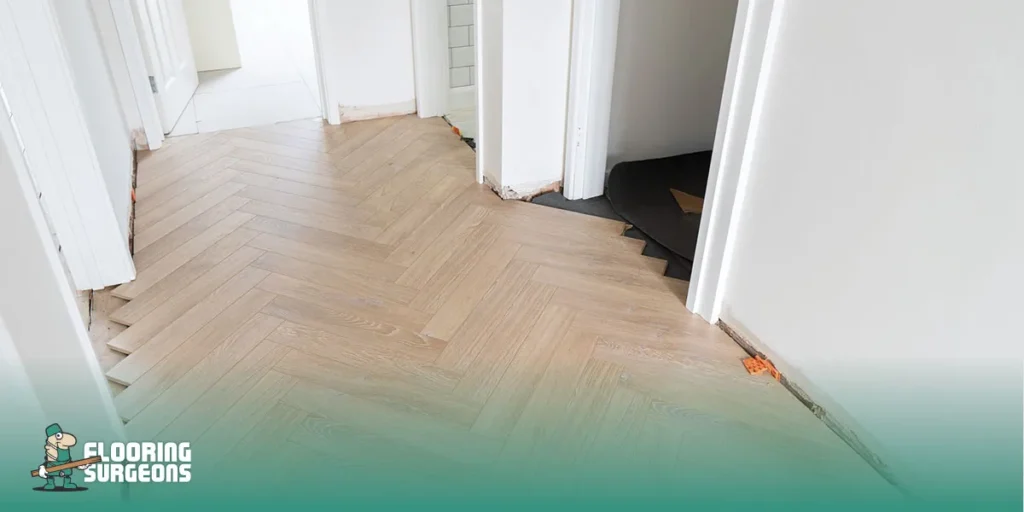
What is laminate flooring made of?
Laminate flooring is made of four main layers:
- Wear layer (clear top layer that protects against scratches, stains, and fading)
- Top layer (high-resolution photograph that gives a wood or stone look)
- Core layer (high-density fiberboard (HDF) that adds strength and stability)
- Base layer (bottom layer that helps resist moisture and keeps the plank balanced)
Now that you know what laminate flooring is made of, you may be wondering what is laminate flooring used for? Let’s explore the many ways laminate flooring can enhance different spaces in your home.
What is Laminate Flooring used for?
Laminate Flooring can be used almost everywhere in the house. Some water-resistant flooring types can also be used in kitchens or bathrooms. It works well in:
- Living rooms
- Bedrooms
- Hallways
- Home offices
Where should laminate flooring installed? Laminate can be installed virtually anywhere as it’s both a stylish and durable, easy-to-care-for floor solution. There are a variety of laminate floors to choose from, so you can find the best one for high-traffic areas or more low-key areas.
Benefits of Laminate Flooring
Laminate flooring is a popular choice for many reasons. Here are the main benefits:
- Cost-effective: Laminate Flooring costs less than real wood or stone floors, making it an affordable option for homeowners.
- Easy installation: Most laminates are easy to install, even for DIY enthusiasts, saving you both time and money.
- Low maintenance: There is no need to clean laminate flooring with special treatments. It only requires Mopping or sweeping to keep it looking fresh.
- Durability: Laminate Flooring is known for its durability and resistance to wear and tear, making it perfect for high-traffic areas.
- Variety: With a wide range of styles, colors, and textures, Laminate offers various options to suit every taste and home decor.
- Comfort: Laminate Flooring works well with underlays for a softer feel, adding extra comfort underfoot.
- Pet and family-friendly: Its tough surface is great for families and pets, withstanding scratches and spills without losing its charm.
How long does Laminate Flooring last?
Laminate Flooring can last 15 to 25 years with proper care. The lifespan depends on the quality of the product, how well it’s installed, and how much foot traffic it gets. In general, more durable laminate flooring, particularly that with additional wear resistance, will have a longer lifespan. You can prolong the life of your laminate flooring with regular cleaning and maintenance, as well as by avoiding excessive moisture on the floor.
Wondering how you can increase the life of your laminate flooring? Proper care and maintenance can ensure your floors look their best for years to come.
Disadvantages of Laminate Flooring
While laminate flooring offers many advantages, it’s important to be aware of its drawbacks. Here are the main disadvantages to consider:
- Not real wood: Although Laminate looks like wood, it’s not the real thing. It may lack the natural texture and value of hardwood floors.
- Moisture sensitivity: Laminate flooring can be damaged by excessive water or moisture, which makes it less ideal for areas with high humidity or frequent spills.
- No refinishing: Unlike hardwood, once Laminate starts to wear down, you can’t refinish it. This means it’s a one-time solution.
- Noise without underlay: If installed without a proper underlay, laminate flooring can sound noisy when walked on, especially in larger spaces.
- Hard underfoot: While durable, Laminate can feel harder underfoot compared to natural wood or carpeting, which may not be as comfortable for some.
- Cheap appearance with low quality: Low-quality laminate flooring can look unrealistic and give a cheap impression, lacking the warmth of higher-end materials.
- Not ideal for wet areas: Laminate isn’t the best option for bathrooms or other wet areas due to its vulnerability to moisture damage.
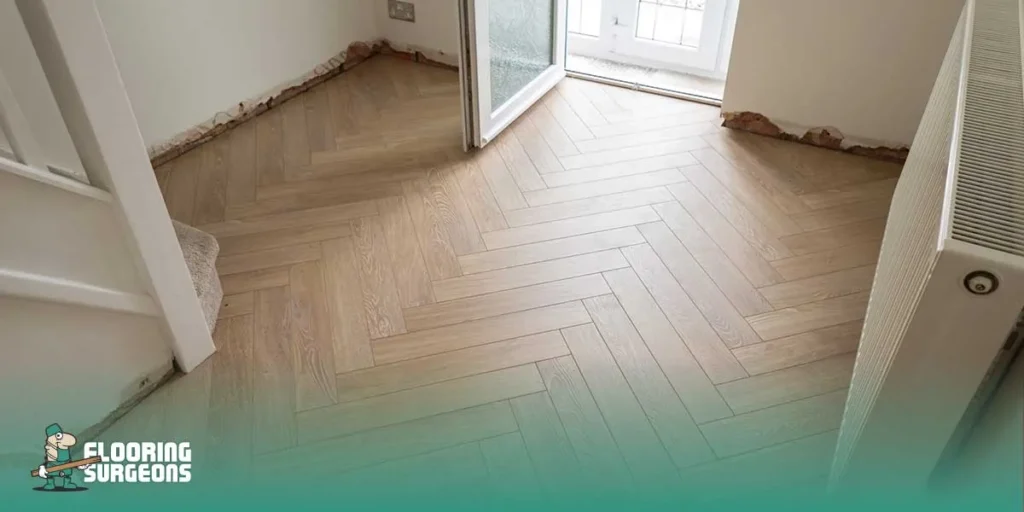
However, if you’re looking for a more balanced and affordable alternative, Medium Laminate Flooring offers a great compromise between quality and price, without sacrificing style.
Which type of Laminate Flooring is best?
Choosing the right laminate flooring depends on your specific needs and preferences. When you are deciding to select the best Laminate Flooring, you should consider many factors. Here are some key considerations:
- Laminate Flooring Thickness
- Water resistance
- AC rating;
- AC3: Suitable for moderate traffic areas like bedrooms.
- AC4: Ideal for higher traffic areas such as living rooms and kitchens.
- AC5: Best for commercial spaces or very high-traffic residential areas.
- Style and finish that complements your home’s decor
- Installation method
For example, if you’re looking for a durable and stylish option for your living room, a 12 mm thick, AC4-rated, wood-effect laminate with a click-lock system would be an excellent choice.
When choosing laminate flooring, it’s essential to balance durability, aesthetics, and the level of foot traffic in the area. If you require a high-performance floor for commercial spaces or very high-traffic areas, AC5 Laminate Flooring is the best choice to ensure long-lasting wear and tear resistance.
How do you install Laminate Flooring?
Installing laminate flooring is simple if you follow the steps. First, make sure the subfloor is clean, dry, and level. Select the right underlay based on your subfloor and needs. Gather your tools, then roll out the underlay smoothly. Start laying boards from the left corner, leaving a small gap around the edges. Click each board into place and stagger the joints. Cut boards as needed to fit each row. Once finished, remove the spacers and fit skirting or beading to cover the gaps. Clean the surface, and your new laminate floor is ready to enjoy.
If you’re unsure about how to install laminate flooring, it’s okay to contact us and ask our experts. Getting it right the first time saves time and money.
How to Clean Laminate Flooring?
Cleaning laminate flooring is simple and requires just a few basic steps to keep it looking great for years. Here’s how to clean and maintain your laminate floors effectively:
Steps for Cleaning Laminate Flooring
- Dust and Sweep Regularly: Use a soft broom or a microfiber mop to remove dust, dirt, and debris. Avoid using a vacuum with a beater bar, as it can scratch the surface.
- Damp Mop: Lightly dampen a mop with water (not soaking wet). Too much water can damage laminate flooring. For added cleaning power, you can use a mild laminate-safe cleaner.
- Avoid Harsh Chemicals: Avoid harsh chemicals like bleach, ammonia, or abrasive cleaners, as they can damage the surface and finish of the Laminate.
- Wipe Spills Immediately: If there’s a spill, wipe it up right away with a soft cloth to prevent water from seeping into the seams.
- Use Furniture Pads: To prevent scratches, place furniture pads under heavy furniture or chairs.
Table: Cleaning Tips for Laminate Flooring
| Cleaning Task | Recommendation | Why It Works |
| Dusting/Sweeping | Use a microfiber broom or soft-bristle broom. | Prevents dirt from scratching the surface. |
| Damp Mopping | Use a damp mop, not soaking wet. | Excess moisture can damage laminate. |
| Spill Cleanup | Wipe spills immediately with a soft cloth. | Prevents liquids from seeping into seams and causing damage. |
| Using Cleaners | Use mild, laminate-specific cleaners. | Gentle formulas protect the surface. |
| Preventing Scratches | Place furniture pads under heavy furniture. | Keeps your floor safe from scratches. |
By following these simple steps and tips, your laminate flooring will stay clean, vibrant, and long-lasting. Regular maintenance is key to preserving its beauty and functionality.
Is Laminate Flooring Waterproof?
Laminate flooring is water-resistant, but it is not completely waterproof. Although it can resist water damage to an extent, prolonged exposure to water can eventually harm laminate floors. Water can get into the core layer of the Laminate, which is usually made of high-density fiberboard (HDF), if it is allowed to stand on the surface for too long. The laminate flooring can warp or swell as a result.
Key Points to Remember
- Water-Resistant vs. Waterproof: Laminate floors are generally water-resistant, meaning they can handle small spills and occasional moisture. However, they should not be exposed to standing water or excessive moisture.
- Waterproof Laminate Options: Some newer laminate options, known as Water Resistant Laminate Flooring, are specially designed to withstand higher levels of moisture, making them more suitable for areas like kitchens, bathrooms, and basements.
- Protection Tips: To protect the Laminate from water damage, always clean up spills immediately, avoid excessive water when mopping, and use rugs or mats in high-moisture areas.
In summary, while laminate flooring is water-resistant, it’s important to take care to prevent excessive exposure to moisture. For areas with higher humidity or risk of water exposure, consider opting for waterproof laminate flooring for better durability and peace of mind.
Laminate vs. Hardwood Flooring
Choosing between laminate and hardwood flooring comes down to factors like cost, durability, and maintenance. Here’s a quick comparison:
Laminate vs. Hardwood Flooring Comparison
| Feature | Laminate Flooring | Hardwood Flooring |
| Cost | Affordable, budget-friendly | Expensive due to natural material |
| Durability | Scratch-resistant, long-lasting | Durable but can scratch easily |
| Appearance | Mimics wood/stone, realistic design | Natural wood with unique grains |
| Maintenance | Low maintenance, no refinishing needed | Requires refinishing over time |
| Water Resistance | Water-resistant (not waterproof) | Prone to water damage |
| Installation | DIY-friendly, easy to install | Professional installation required |
| Lifespan | 15–25 years with proper care | 50+ years if well-maintained |
Quick Summary
- Laminate Flooring is ideal for those on a budget, seeking easy installation, and low maintenance. It offers good durability, but isn’t fully waterproof.
- Hardwood Flooring provides a premium, timeless look with long-term value but requires more care, higher costs, and professional installation.
How to Maintain Laminate Flooring?
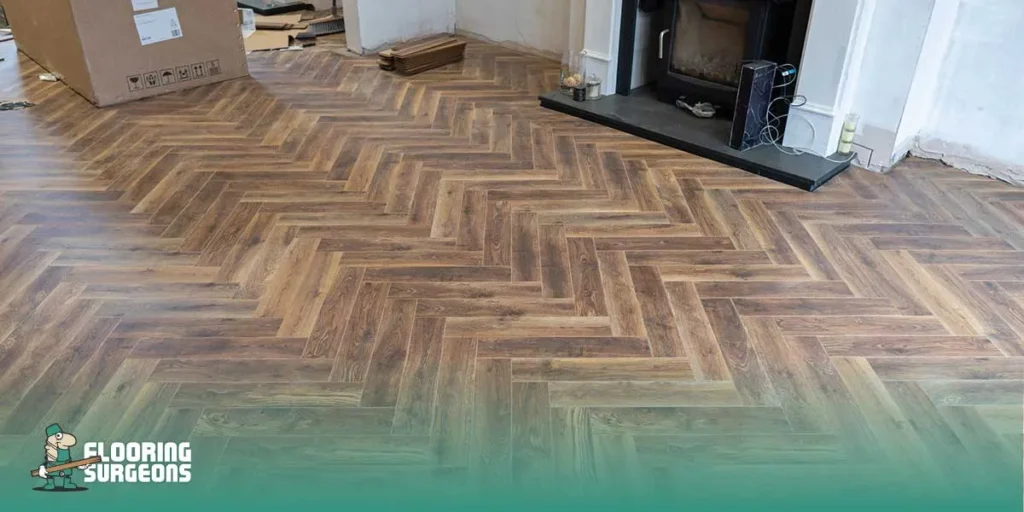
Caring for laminate flooring is easy. With regular cleaning and maintenance, you can keep your laminate floors looking new for many years. One of the most important things you can do to care for your laminate flooring is to sweep or dust regularly. This will help to remove dirt, dust, and debris that can scratch the surface of the flooring. For more thorough cleaning, use a damp mop with a mild cleaner that is safe for laminate floors. Avoid using too much water, as this can damage the flooring. Also, be sure to wipe up spills right away to prevent them from seeping into the seams of the laminate floor.
If you’re wondering how to clean laminate floors, it’s essential to use a cleaner that is specifically designed for Laminate. Harsh cleaners can damage the finish on laminate flooring and strip away the protective coating. There are a number of different types of laminate flooring available on the market, from different materials to various finishes and colors. It can be helpful to test out a few different products to see which ones work best for your specific needs. Here are some of the best laminate flooring brands in the UK to help you choose the right one for your home.
Best Laminate Flooring Brands in the UK
There are several types of laminate floors in the UK, and many brands offer various styles and features. Some of the best laminate flooring brands are those that offer durable, long-lasting floors with beautiful designs. Customer reviews and ratings are also a good way to find the best laminate floors for your home.
Some of the best laminate flooring brands in the UK include those that mimic the look of real wood or stone. For example, Flooring Surgeons is a company that offers beautiful and durable laminate floors. These floors are not only aesthetically pleasing but also very practical, as they can withstand a lot of wear and tear.
Other great laminate flooring brands in the UK include those that offer a wide range of styles and finishes, from budget-friendly options to high-end designs.
Now that you know which are the best laminate flooring brands in the UK, let’s take a look at the common problems with laminate flooring and how to fix them so that your floors will always look their best.
What are the Common Problems with Laminate Flooring?
While laminate flooring is durable and low-maintenance, it can still encounter some issues over time. Common problems include:
- Scratches and dents: Laminate is scratch-resistant, but not scratch-proof. Heavy furniture or pet claws can cause damage.
- Moisture damage: Although water-resistant, excessive moisture can cause the seams to swell or the floor to warp.
- Peeling or lifting edges: This can happen if laminate flooring is exposed to too much water or improper installation.
To prevent these issues, select laminate flooring that is suitable for high-traffic areas and ensure it is installed correctly. Regular cleaning, in addition to preventing excess moisture, can also help maintain the beauty and longevity of your laminate floor.
Armed with this knowledge about common issues with laminate flooring, you are now equipped with a solid foundation for selecting the appropriate type of floor, maintaining it properly, and keeping it beautiful.
How to Repair Laminate Flooring?
Laminate flooring is a durable and long-lasting flooring option, but over time, it can become damaged or start to show signs of wear and tear. Scratches, chips, warping, and lifting seams are some of the common issues that can occur with laminate flooring. The good news is that repairing laminate flooring is fairly easy to do. For small scratches or dents, you can use a laminate floor repair kit, which comes with filler and a color-matching solution. For larger areas of damage, individual planks can be replaced without having to take up the entire floor.
If your laminate flooring is starting to lift or separate at the seams, it could be due to moisture damage or improper installation. Repairing this issue involves removing the damaged planks and replacing them with new ones. It is important to make sure that the new planks are of the same style and thickness as the rest of your floor for a seamless repair.
Now that you know how to repair laminate flooring, let’s explore if laminate flooring is environmentally friendly in terms of long-term sustainability.
Is Laminate Flooring Environmentally Friendly?
Laminate flooring is considered both an environmentally friendly choice and a less eco-friendly option. The majority of laminate flooring, which is made of wood fibers that may be derived from recycled materials, is made of wood fibers that may be derived from recycled materials. In fact, Laminate can be more environmentally friendly than other flooring options since it reduces the demand for new wood.
On the flip side, the manufacturing process of Laminate does involve some synthetic materials, such as resins and adhesives. These can contribute to indoor air pollution if they contain volatile organic compounds (VOCs). Low-VOC laminate flooring options are available if you are concerned about the environmental impact on your home.
Furthermore, some manufacturers have started using more sustainable materials in their what is laminate wood flooring production process, such as bamboo or sustainably sourced wood. Look for the FSC certification if environmental responsibility is important to you when choosing laminate flooring. Laminate flooring manufacturers are continually working to create more eco-friendly products. Now that you know the environmental impact of laminate flooring, you can decide whether it’s the right choice for you.
Price & Quality
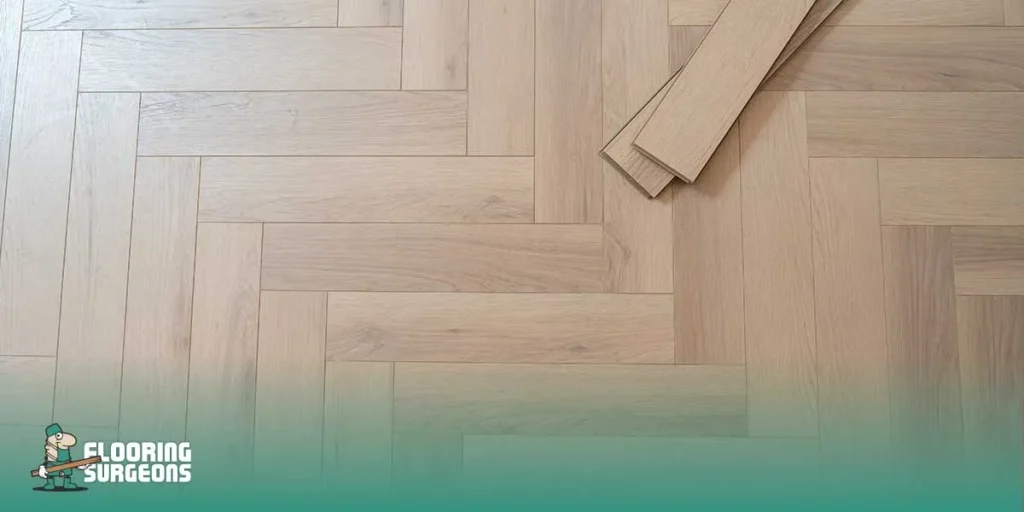
There are many options with different prices and qualities at Flooring Surgeons. To select the best option for you, consult a professional. If you need further assistance or specific product recommendations, explore our Laminate Flooring options available at Flooring Surgeons.
Value is best determined by considering factors like durability, style, and budget to find the ideal flooring solution. From affordable options to premium choices, Flooring Surgeons offers a wide range to meet all needs.
How Much Does Laminate Flooring Cost?
The cost of laminate Flooring in the UK varies based on quality, brand, and installation complexity. Here’s a breakdown to help you budget effectively:
Material Costs:
- Budget Laminate: £5–£15 per m²
- Mid-Range Laminate: £15–£25 per m²
- Premium Laminate: £25–£40+ per m²
Installation Costs:
- Professional Installation: £10–£20 per m²
- DIY Installation: Potential savings on labor costs, but requires tools and expertise
Additional Costs:
- Underlay: £1–£8 per m²
- Skirting Boards: £8–£15 per linear meter
- Subfloor Preparation: £10–£30 per m²
Example Project Costs:
- Small Room (15m²): £240–£750
- Medium Room (25m²): £400–£1,000
- Large Room (40m²): £650–£1,450
Note: Prices vary based on location, room shape, and specific requirements.
For a more accurate estimate, consider consulting professionals like Flooring Surgeons, who can provide tailored advice and services.
Your Perfect Floor Awaits: Choose the Best Laminate for Your Home
So now you’re up to speed on what laminate flooring is, the advantages, how to care for it, the price points and how it compares to other types of Flooring. The time has come to decide on the best type of laminate flooring for your home.
If you are looking for a high-quality yet affordable floor or something to brighten up your home, then look no further. Choose the style you want to transform your home, and get the job done with laminate flooring for all rooms and all budgets. If you need help with your options, Flooring Surgeons has a variety of the best laminate flooring. Let your floor do the talking!

fatemexrm
fatemexrm is a contributor at Flooring Surgeons, sharing insights and expertise through published articles.