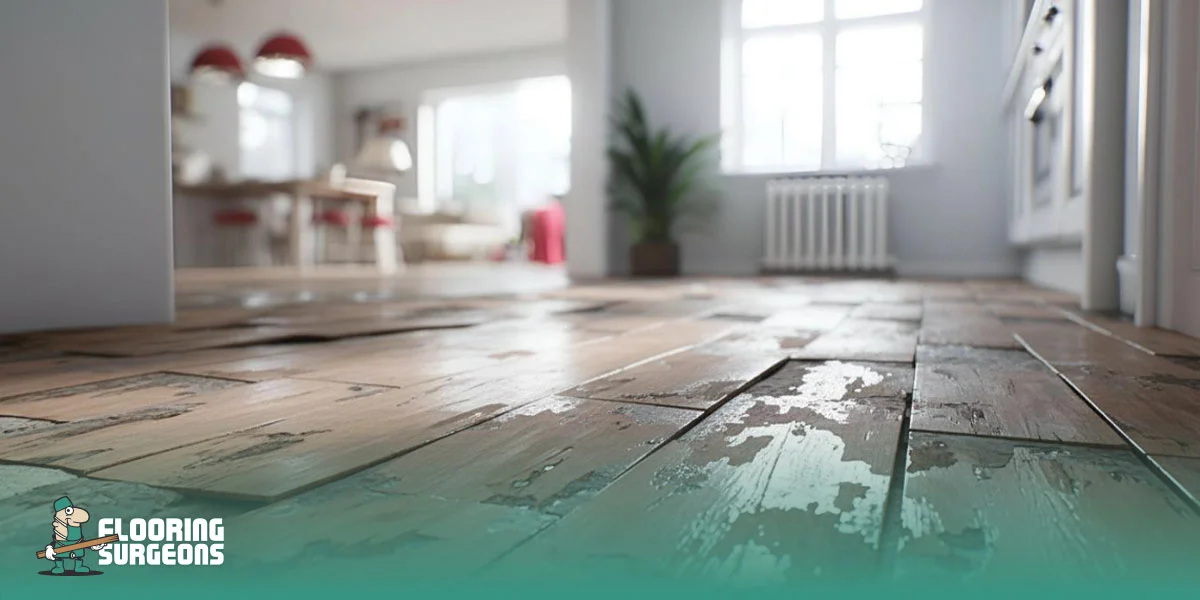
When homeowners start researching problems with engineered wood flooring, they often encounter conflicting opinions some highlight its durability and cost-effectiveness, while others point to serious long-term concerns. Understanding these differences is essential before making a decision.
Engineered wood has become a widely used alternative to solid hardwood due to its layered construction, improved stability, and compatibility with modern homes. However, it is not without limitations. From moisture sensitivity to structural risks, several engineered hardwood problems can affect performance, lifespan, and maintenance costs.
In this guide, we’ll clearly break down the most important disadvantages of engineered wood flooring, explain when it works well, and provide practical insights to help you choose the right flooring and avoid expensive mistakes.
Table of contents
Understanding Engineered Wood Flooring
Before exploring the problems with engineered wood flooring, it’s essential to understand how this material is designed and why certain issues develop over time. Many engineered hardwood problems are directly linked to its layered construction, material quality, and installation conditions.
Engineered wood flooring is often marketed as a more stable and versatile alternative to solid wood, especially in environments with temperature fluctuations or moisture exposure. However, that same construction can introduce specific limitations that homeowners don’t always anticipate.
By understanding how engineered flooring is made and how it behaves in real-world conditions, you’ll be better equipped to identify potential risks, evaluate the disadvantages of engineered wood flooring, and make a more informed decision before installation.
What is Engineered Wood Flooring?
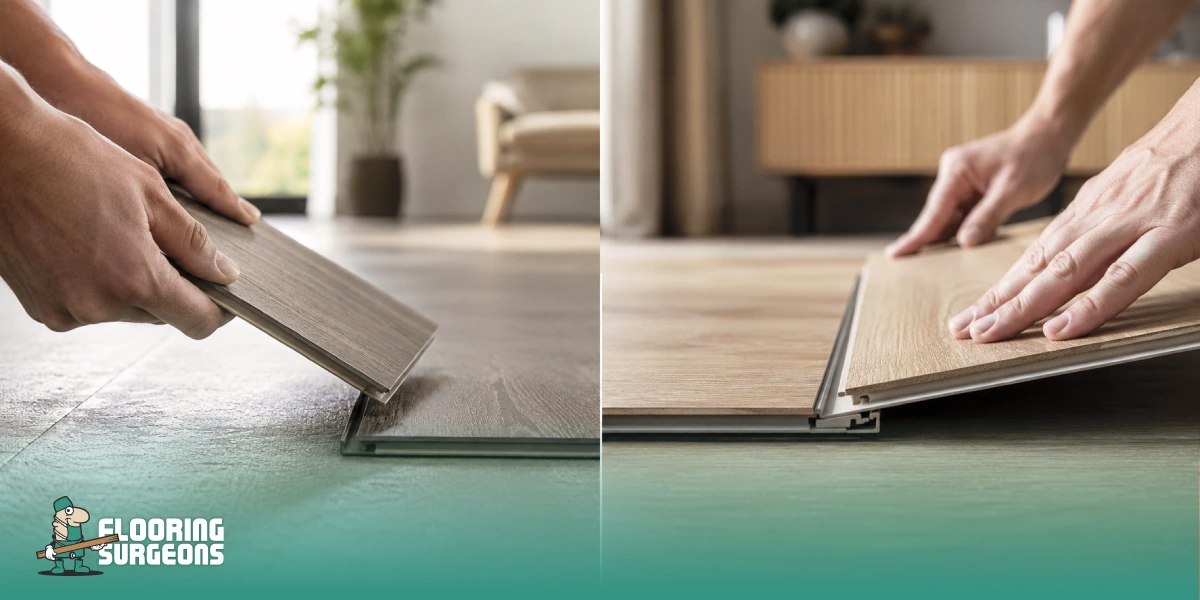
Engineered wood Flooring is a multi-layered flooring product made from a real hardwood veneer on top and several layers of plywood or high-density fiberboard underneath. This structure gives it better resistance to temperature and humidity changes compared to solid wood. However, that same layered design is also the root of many engineered flooring problems.
How is Engineered Wood Flooring Constructed?
Engineered boards are built in layers:
- Top layer: real hardwood (oak, walnut, etc.)
- Core layers: plywood or composite materials
- Bottom layer: stabilizing backing
This layered construction improves stability but also introduces risks like delamination and limited refinishing. As we move forward, you’ll see how these structural features directly influence performance issues.
Common Problems with Engineered Wood Flooring
Let’s break down the most important issues with engineered wood floors based on real-world performance not just theory. These are the actual challenges homeowners face after installation, and understanding them will help you avoid costly mistakes.
Water Damage and Moisture Sensitivity
One of the most critical disadvantages of engineered wood flooring is its sensitivity to water. While it performs better than solid hardwood in humid conditions, it is still far from waterproof. The core layers usually made of plywood or HDF are highly absorbent. Once moisture penetrates through joints or micro-gaps, it spreads internally and causes structural damage.
What actually happens in practice:
- Boards begin to cup or crown due to uneven moisture absorption
- The surface may look intact at first, but internal layers weaken
- Over time, boards lift or separate at the seams
Real-world example: In a residential kitchen renovation, a minor leak from a refrigerator water line went unnoticed for about 36 hours. The surface finish initially showed no damage, but within days, swelling appeared along plank edges. After two weeks, the floor had visible warping across a 3-meter area requiring full replacement.
Expert insight: Moisture damage is often progressive, not immediate. By the time it becomes visible, the internal structure is already compromised making this one of the most expensive engineered hardwood problems to fix.
Compatibility with Underfloor Heating Systems
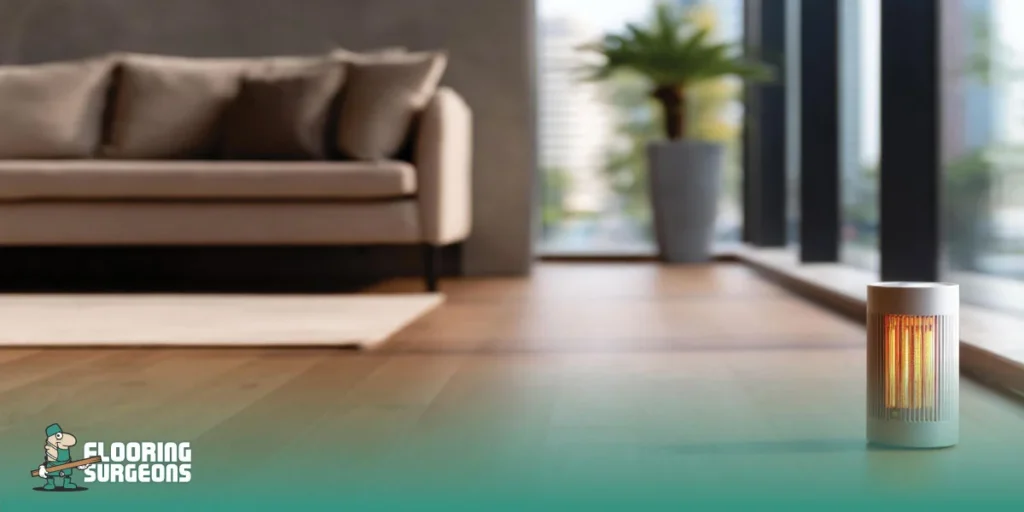
Many homeowners choose engineered wood specifically for heated floors, but engineered wood underfloor heating problems are more common than expected when systems are not properly managed. Although engineered flooring is more dimensionally stable, it still reacts to temperature changes especially when heat is inconsistent or excessive.
Common technical issues:
- Rapid temperature fluctuations cause expansion and contraction cycles
- Uneven heat distribution creates localized stress points
- Lack of proper underlay reduces insulation and increases thermal shock
Real-world example: In a modern apartment, underfloor heating was installed without a proper moisture barrier and insulation layer. The heating system created hot spots near window areas. Within 6 months, small gaps appeared between planks, and adhesive bonds weakened leading to slight movement and creaking sounds.
Best practice: Always combine correct temperature control (max ~27°C surface temperature) with proper installation layers. Resources like Do You Need Underlay for Engineered Wood Flooring? highlight why underlay is essential for both thermal regulation and moisture protection.
Limited Refinishing Options
A major limitation and one of the most overlooked negatives of engineered wood flooring is its restricted ability to be refinished. Unlike solid hardwood, which can be sanded multiple times over decades, engineered wood depends entirely on the thickness of its top veneer.
Technical reality:
- 2 mm veneer → often no safe sanding
- 3–4 mm veneer → 1–2 refinishing cycles max
- Thicker veneer → better long-term flexibility
Real-world example: In a high-traffic hallway, visible wear appeared after 5 years. The homeowner attempted refinishing, but the thin veneer layer made sanding risky. The contractor had to stop midway to avoid exposing the core resulting in uneven flooring that still required replacement later.
Refinishing is not always a reliable long-term solution. In many cases, replacement becomes the only option adding to lifecycle costs.
Vulnerability to Surface Damage
Even premium products, including Distressed Engineered Flooring, are still vulnerable to everyday wear and tear. While engineered wood has a real hardwood surface, its durability depends heavily on the wood species and finish quality not just the construction.
Typical causes of damage:
- Fine scratches from dust and debris under shoes
- Deep scratches from pet claws
- Impact dents from dropped objects or heavy furniture
Real-world example: In a family home with children and a medium-sized dog, surface wear became noticeable within the first year especially near entry points and dining areas. Despite using rugs, repeated movement of chairs caused visible finish breakdown.
Important note: Distressed finishes can visually mask imperfections, but they don’t prevent physical damage. Over time, repeated stress leads to uneven wear patterns that affect the floor’s overall appearance.
Delamination Issues
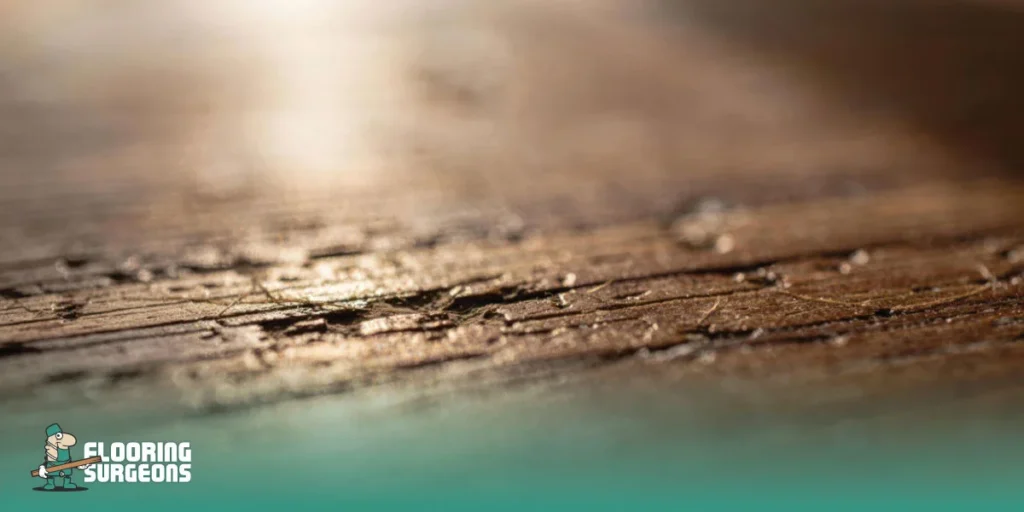
Delamination is one of the most serious and structurally damaging engineered hardwood problems. It occurs when the bonded layers of the flooring begin to separate.
Why it happens:
- Low-quality adhesives fail under stress
- Moisture weakens bonding between layers
- Manufacturing defects reduce structural integrity
What it looks like:
- Top veneer peeling or bubbling
- Hollow sounds when walking
- Visible separation at plank edges
Real-world example: A low-cost engineered floor installed in a rental property began showing signs of delamination after just 18 months. The top layer started lifting near the joints, especially in areas exposed to sunlight and temperature fluctuations. Since the issue affected multiple boards, spot repair wasn’t possible the entire section had to be replaced.
Expert insight: Delamination is irreversible. Once the bond between layers fails, the board loses its structural integrity completely. This makes product quality and proper installation absolutely critical.
Comprehensive Table of Engineered Flooring Problems
Below is a professional overview of the most critical engineered flooring problems, their causes, and solutions:
| Problem | Root Cause | Impact | Prevention | Severity |
| Moisture Damage | Water exposure, humidity | Warping, swelling | Moisture barriers, proper sealing | High |
| Delamination | Weak adhesives, moisture | Layer separation | High-quality products | High |
| Limited Refinishing | Thin veneer layer | Shorter lifespan | Choose thicker wear layer | Medium |
| Surface Scratches | Foot traffic, pets | Aesthetic damage | Rugs, protective pads | Medium |
| Heating Issues | Improper underfloor heating | Cracks, gaps | Controlled temperature | Medium |
| Installation Errors | Poor subfloor prep | Uneven flooring | Professional installation | High |
| Fading | UV exposure | Color inconsistency | UV coatings, curtains | Low |
Addressing and Mitigating Engineered Wood Flooring Problems
The good news? Most problems with engineered wood flooring are preventable with the right approach.
Proper Installation Techniques
Many failures come from poor installation.
Best practices include:
- Acclimating the boards before installation
- Ensuring a level, dry subfloor
- Using the correct underlay
Professional installers like Flooring Surgeons emphasize precision because even small mistakes can lead to major long-term issues.
Regular Maintenance and Care
Simple habits can extend the life of your floor:
- Clean spills immediately
- Use felt pads under furniture
- Maintain indoor humidity (40–60%)
- Avoid harsh cleaning chemicals
These steps significantly reduce issues with engineered wood floors over time.
Choosing Quality Products
Not all engineered flooring is equal.
If you’re wondering what is the hardest engineered wood flooring, the answer typically lies in:
- Hardwood species (e.g., oak vs. hickory)
- Thickness of the wear layer
- Core construction quality
Investing in premium materials reduces long-term risk and improves durability.
What are the Disadvantages of Engineered Hardwood Floors?
To give a clear and detailed picture, the primary disadvantages of engineered wood flooring are rooted in its layered construction and material limitations. Understanding these challenges helps homeowners make informed decisions and avoid costly mistakes.
- Sensitivity to Water and Moisture: Even though engineered wood is more stable than solid hardwood, prolonged exposure to water or high humidity can cause warping, cupping, and mold growth, especially in kitchens, bathrooms, or basements.
- Limited Refinishing Lifespan: The thin top veneer restricts sanding and refinishing. High-traffic areas may require replacement sooner than solid hardwood floors.
- Risk of Delamination: Layers may separate due to poor-quality adhesives, excessive moisture, or manufacturing defects. Once delamination occurs, the boards usually need full replacement.
- Surface Wear and Scratches: Pets, furniture, or heavy foot traffic can leave scratches or dents. While finishes like Distressed Engineered Flooring can mask minor marks, they do not prevent damage.
- Installation Complexity: Proper subfloor preparation, acclimation, and professional installation are essential. Mistakes during installation can lead to gaps, uneven boards, or long-term structural issues.
These points represent the core engineered flooring problems that should be evaluated carefully before committing to a purchase. When addressed properly, many of these issues can be mitigated, but awareness is critical to ensure a durable, long-lasting floor.
Is Engineered Wood Flooring Good?
Engineered wood flooring can be an excellent choice but its performance depends on specific conditions. It offers many advantages over solid wood, particularly in modern homes with variable temperatures or moisture levels, but understanding its requirements is key to long-term satisfaction.
When Engineered Wood Flooring Works Best
- Enhanced Stability: Unlike solid hardwood, engineered wood resists expansion and contraction, making it ideal for areas with fluctuating humidity.
- Versatility for Installation: It can be installed over concrete slabs or combined with underfloor heating systems, which is often challenging for traditional solid wood.
- Aesthetic Appeal at Lower Cost: Engineered wood delivers the authentic look of natural hardwood at a more affordable price point, without sacrificing style.
Essential Conditions for Optimal Performance
- Professional Installation: Proper subfloor preparation, acclimation of boards, and correct adhesives or floating methods are critical to prevent issues like gaps or delamination.
- Controlled Environment: Maintaining indoor humidity between 40–60% and avoiding excessive temperature swings protects the flooring from warping or cupping.
- Regular Maintenance: Immediate cleaning of spills, gentle cleaning methods, and protective measures for high-traffic areas reduce wear and surface damage.
When these conditions are met, engineered wood becomes a durable, stylish, and practical flooring solution that can last for decades. It combines the beauty of real wood with the resilience needed for modern living spaces, making it a smart and flexible choice for many homeowners.
Conclusion
Engineered wood flooring offers a strong balance between natural aesthetics and modern practicality, but making the right decision requires a clear understanding of its limitations. As we’ve seen, problems with engineered wood flooring from moisture sensitivity to structural concerns are real, but they are also predictable when you know what to look for.
The key takeaway is that most engineered hardwood problems are not caused by the material alone. They are usually the result of poor product selection, incorrect installation, or lack of proper maintenance. For example, choosing a thin wear layer in a high-traffic space or installing flooring without moisture control can significantly shorten its lifespan.
At the same time, it’s important to view the disadvantages of engineered wood flooring in context. Compared to solid wood, it still offers better stability in changing temperatures, easier installation in challenging subfloors, and a more cost-effective way to achieve a real wood finish.
In real-world applications, engineered wood performs exceptionally well when:
- High-quality materials are selected
- Installation follows professional standards
- Environmental conditions are properly managed
Ultimately, engineered wood is not a flawless solution but it is a highly effective one when used in the right setting. By understanding both its strengths and weaknesses, you can avoid costly mistakes and invest in a flooring solution that delivers long-term value, durability, and visual appeal.

Mina Asgari
I’m an SEO Specialist and Content Strategist focused on sustainable business growth. I design data-driven content strategies by deeply analyzing user intent, search behavior, and SEO best practices, ensuring every piece of content serves a clear purpose for both users and search engines.