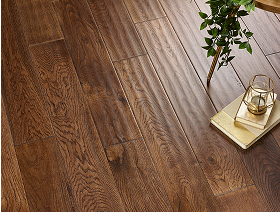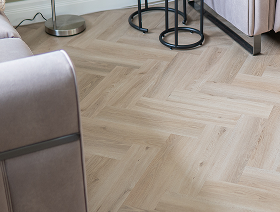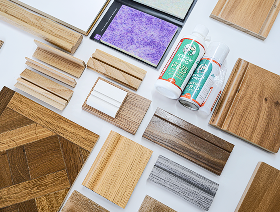
The deep, dark, richly-colored wood floors that you see in modern-day architecture look good in any kind of home or living space. And if you are looking for that rich, timeless elegance on your floors, you need to go for smoked wood flooring. However, before you start your flooring shopping, you may need a few basics about smoked wood flooring. For example, when you see smoked wood flooring, what does the “smoking” process mean? How do you smoke wood for floors?
In this article, we will answer all your questions about smoked wood flooring, starting with what “smoking” is. You will also learn about the fuming process, the difference between smoked and fumed wood flooring, the advantages, and disadvantages of smoked wood, and more.
So without any further delay, let us get into the details of smoked wood floors.
Table of contents
What Does “Smoking” Mean in Wood Flooring?
If you’ve ever walked into a home with wood flooring, you’ve probably heard the term “smoking” or “fuming” of wood before. But have you ever wondered what that process entails and what exactly it is? If a floor is “smoked” wood, what does that mean? As you can probably guess, smoking wood is a process that changes the color of wood. A smoked wood floor is a floor with a process applied to it that deepens and enhances the natural color of the wood and creates a smooth, unique texture on the wood. Flooring contractors and wood processors use this process on some hardwoods, like oak, walnut, and maple.
In this guide, we’ll talk about the process of smoking/fuming wood, the changes it has on the wood color, and other interesting things. If you’re curious about what is smoking wood and how it differs from what is fumed wood flooring, this guide will help clarify the distinction. Both processes enhance the wood’s natural beauty, but while smoking wood deepens the color with heat and smoke, fuming uses ammonia vapors for a more consistent, rich tone. Both methods create a stunning, one-of-a-kind floor that adds character and elegance to any space.
The Smoking or Fuming Process Explained
The smoking or fuming process is different from staining in that ammonia vapors are introduced to the wood in order to change and enhance the color of the wood. The chemical reaction between the tannins in the wood and the ammonia vapors actually darkens the color of the wood rather than applying a pigment to the surface. The color that is produced is a deeper, more varied color than found in many woods that will continue to darken over time, depending on how long the wood is exposed to the ammonia vapors during the fuming process.
This process is eco-friendly, using no harsh chemicals or dyes, while ammonia vapors bring out deep, earthy tones that enhance the wood’s grain and character.

How It Changes the Wood’s Color and Texture
Smoking wood floors not only changes the color of the wood, but it also enhances its texture. The process of smoking wood floors brings out the unique grain patterns in the wood, accentuating the natural beauty and character of each board. Smoked wood can have a range of colors, from deep browns and golden hues to dark shades with subtle purple or gray undertones, depending on the type of wood being used.
The end result is a floor that has a more natural and authentic feel, with a richness and depth of color that cannot be replicated with traditional stains. The fuming process maintains the natural appearance of the wood while enhancing its texture and visual appeal, giving your space a timeless, luxurious look.
As you consider the benefits of smoked wood, it’s also important to factor in the cost of engineered flooring if you’re opting for a more affordable or stable version of smoked wood floors. This consideration will help you choose the best option for your space and budget.
Types of Smoked and Fumed Wood Flooring
Smoked and fumed wood floors come in a variety of types, each with its own unique look and benefits. Selecting the right type of wood for your project is essential, as it can greatly affect the appearance and durability of your floor. From different types of wood to the difference between smoked and fumed finishes, as well as solid wood vs. engineered wood, this section will help you understand the differences and make an informed decision for your home.
In this section, we will discuss the most popular types of wood used for smoked and fumed wood flooring, explain the difference between smoked and fumed finishes, and provide a comparison between solid wood and engineered wood. By the end of this section, you will have a better understanding of the various options available and be able to make an informed decision on the best flooring option for your home.
Common Woods Used (Oak, Walnut, and More)
The most popular woods for smoked and fumed flooring are oak, walnut, and maple, each offering its own unique look when exposed to the fuming process.
- Oak: Known for its strength and durability, oak takes on a deep, rich color when smoked or fumed, making it a popular choice for creating a timeless, elegant look. Its pronounced grain is enhanced during the fuming process, adding texture and visual interest to your floors.
- Walnut: Walnut has a naturally dark color, and when smoked or fumed, it deepens even further, offering a luxurious, high-end feel. The grain is often subtle, but the rich color variations make it a sought-after choice for those looking for a sophisticated finish.
- Maple: Maple is a lighter wood that takes on a more dramatic transformation when smoked. The color darkens to a golden brown or dark reddish hue, showcasing the wood’s fine grain and natural beauty.
You can smoke or fume with other hardwoods such as cherry, ash, and birch, but oak and walnut are by far the most popular choices. Each wood will produce slightly different results, so select the one that you prefer for the look you’re going for.
Difference Between Smoked and Fumed Wood Flooring
While the terms “smoked” and “fumed” are typically used interchangeably, they refer to two slightly different processes, which result in subtle variations in the final appearance of the wood.
- Smoked Wood: Smoking typically involves exposing the wood to heat and smoke for a longer period. This process darkens the wood and highlights its grain, giving it a deep, warm tone. The color variations are often more pronounced, and the finish can be a bit more rustic.
- Fumed Wood: Fuming, on the other hand, involves exposing the wood to ammonia vapors, which react with the tannins in the wood to achieve a darker color. This process is typically quicker than smoking and results in a more uniform finish with a smoother, richer tone. Fumed wood tends to have a more consistent color with less pronounced grain variation.
Both techniques add unique beauty to the wood, but the choice between smoked and fumed wood largely depends on the look you’re going for—whether you want a more dramatic, rustic appearance or a subtle, refined finish.
Solid vs. Engineered Smoked Wood Floors
When choosing smoked wood floors, you’ll need to decide between solid wood and engineered wood. Each option offers distinct advantages and considerations based on your needs.
- Solid Wood Flooring: Made from a single piece of wood, solid wood flooring is known for its durability and timeless appeal. Smoked solid wood floors have a natural, authentic feel and can be refinished if they get scratched or damaged. However, solid wood is sensitive to changes in humidity and temperature, which may cause it to expand or contract over time.
- Engineered Wood Flooring: Engineered wood flooring, on the other hand, consists of several layers of wood, with the top layer being a veneer of smoked wood. Engineered wood is more stable than solid wood and is less likely to expand or contract due to humidity fluctuations. It’s a great option for homes with varying climate conditions or for installations over underfloor heating.
Both solid and engineered wood floors can provide a high-quality, beautiful finish, but your choice should depend on factors like climate, installation method, and long-term maintenance needs.

Smoked Wood Flooring Comparison: Solid vs. Engineered
| Feature | Solid Wood Flooring | Engineered Wood Flooring |
| Durability | Very durable, can be refinished | Less durable, but resistant to humidity |
| Price | Generally more expensive | More affordable |
| Stability | Sensitive to temperature and humidity | More stable and less affected by climate |
| Appearance | Authentic, with natural grain | Looks similar to solid wood, but thinner |
| Refinishing | Can be refinished multiple times | Cannot be refinished, limited lifespan |
| Ideal for | Traditional settings, long-term investment | Homes with changing temperatures or underfloor heating |
So, it is clear that both solid and engineered smoked wood flooring have their own advantages. If you prefer a more durable and natural flooring that can last you for many years to come and are not bothered by refinishing every so often, then solid wood is your thing. However, if you prefer a more cost-effective and more stable flooring option, particularly in rooms where humidity levels fluctuate, then engineered smoked wood floors are your flooring.
If you’re considering the solid wood flooring cost, make sure to factor in the long-term maintenance and refinishing needs to get a true sense of the value for your space.
Benefits of Smoked Wood Floors
Smoked wood floors are an elegant flooring option that adds character and depth to any room. While their appearance is striking, they also offer several practical advantages that make them a worthwhile investment for homeowners. From color variety to ease of maintenance, smoked wood floors provide both aesthetic and functional benefits.
In this section, we will delve into some key advantages of smoked wood floors and why they are becoming a popular choice for residential spaces. If you’re looking for a flooring solution that is both beautiful and durable, read on to learn more about the benefits of smoked wood flooring.
Deep, Natural Color Variation
Another significant advantage of smoked wood floors is the dramatic natural color variation they exhibit. The smoking or fuming process enhances the inherent depth of color within the wood, creating a rich, lustrous finish that is simply stunning to behold.
The exact shades achieved can vary depending on the type of wood used, but generally, smoked wood floors can range from deep, rich browns to more subtle purples, golden hues, and deep grays. This natural color variation means that each individual plank has its own unique character, making your floor truly one of a kind. In contrast to traditional staining, which simply overlays a uniform color onto the wood, the smoking process works with the wood’s natural properties to bring out its inherent beauty, resulting in a floor that feels more organic and authentic.
Because the color of smoked wood can seem to shift and change as the light in a room moves throughout the day, smoked wood floors can add a dynamic visual interest to any home. They’re a perfect choice for those looking to create a space that feels alive and ever-changing.
Authentic Grain and Elegant Finish
Smoked wood floors not only change the color of the wood but also intensify the appearance of its grain. The fuming/smoking process opens up the natural grain of the wood, giving the floor a one-of-a-kind look that is naturally organic and hand-made. The wood grain is more prominent and pronounced, creating a floor that looks more natural, original, and timeless.
Smoked wood floors exude an elegant, sophisticated vibe. The dark color and the more defined grain structure make smoked wood floors a perfect option if you want to create a more luxurious and classy look for your home. Smoked wood floors will give your home a warm, welcoming atmosphere with an upscale finish.

Eco-Friendly and Low Maintenance Option
The third reason why smoked wood floors are such a great choice is that they’re environmentally friendly. As we said before, fuming is the process that produces the darker color, and it’s made possible by ammonia vapors. The ammonia vapors bond with the tannins in the wood, and it causes the wood to change colors naturally. With no artificial dyes or harmful chemicals involved, this is a much more environmentally friendly option than other types of wood flooring.
Last but not least, the fourth reason why smoked wood floors are worth considering is that they’re low maintenance. They don’t need the constant refinishing or touch-ups that traditional wood floors do. Instead, all you really need to do is sweep regularly and mop occasionally to keep them looking their best. They’re durable and long-lasting, which means you won’t have to replace them anytime soon. The natural protective coating that is created during the smoking process also helps to repel dirt and debris, making them even easier to care for.
In conclusion, smoked wood floors are a great choice for any home because they’re sustainable, durable, and beautiful. They’re perfect for anyone who wants a high-end look without the hassle of constant maintenance or replacements. Whether you’re remodeling your kitchen or simply updating your floors, smoked wood floors are a smart investment that will last for years to come.
Drawbacks and Limitations
As good as smoked wood floors can be, it’s also important to take a look at some possible disadvantages. Having all the information is going to allow you to make the best possible decision before you decide to make this flooring choice.
Higher Price Compared to Regular Finishes
The cost of a smoked wood floor is higher than that of a regular wood finish. The smoking or fuming process takes more time and effort. The expertise required for a professional smoked finish results in additional costs. The wood used for smoking, such as oak or walnut, is usually of higher quality and is more expensive.
Limited Compatibility With Some Wood Types
Some types of wood simply do not smoke or fume as well as others. You could choose a wood such as pine or another softwood that is less reactive to the ammonia vapors, and this could lead to patchy or otherwise less than appealing coloration. The best bet is to select a hardwood such as oak, walnut or maple, which will provide you with more even and visually pleasing results when smoked.
Even though the smoked wood floors are a unique high-end look, you will still want to consider these potential drawbacks in relation to the long-term advantages before you make your decision.
Smoked Wood Flooring vs. Traditional Stained Floors
Selecting the best wood flooring for your home can be a difficult task. Sometimes homeowners wonder whether smoked wood flooring or a traditional wood stain flooring would work better for their home. Both types of wood flooring can offer advantages, but the options also differ in terms of appearance, durability, and maintenance. This section will contrast smoked wood flooring with more traditional stains to allow you to make the right decision for your home.
Visual and Texture Differences
The primary difference between smoked wood and stained wood floors is in their appearance. Smoked wood flooring has been subjected to a fuming process that darkens the wood and brings out its grain. This results in a multi-tonal color that changes throughout the day, giving the wood an organic, luxurious look. The grain is also usually more pronounced with smoked wood, giving the floor more texture and depth.
Traditional stained wood, on the other hand, has a much more even and consistent appearance. Staining can bring out the natural color of the wood, but it doesn’t have the same variation or depth as smoking does. Stained floors are often a single color throughout, which is great for those who prefer a more traditional or clean look.
In terms of texture, smoked wood floors have a more rustic and authentic feel thanks to their enhanced grain pattern, while traditional stained wood has a smoother, more polished finish.
Durability and Longevity
When it comes to durability, both smoked wood floors and traditional stained floors are strong options, but they perform differently over time.
- Smoked Wood Flooring: Smoked wood floors are known for their long-lasting durability. The fuming process actually strengthens the wood, making it less prone to surface scratches and wear. Smoked floors tend to maintain their color and texture over the years, requiring minimal maintenance to keep them looking fresh.
- Traditional Stained Floors: Traditional stained wood floors, while durable, may require more frequent refinishing to maintain their color and finish. The stain can fade over time, especially in high-traffic areas, requiring reapplication or sanding to restore the appearance. However, the overall durability of stained floors still depends on the quality of the wood and stain used.
Both flooring options have excellent longevity, but if you’re looking for a more low-maintenance, long-lasting option, smoked wood floors may be a better choice for you.
If you’re considering smoked wood flooring for your home, it’s always a good idea to consult with experts at Flooring Surgeons. They can help you make the best choice based on your space, budget, and design preferences.
Maintenance and Care for Smoked Wood Flooring
Smoked wood floors are a beautiful investment, and like any other great flooring option, they should be treated with care. When properly maintained, smoked wood floors can last a lifetime and continue to add character and value to your home. In this part of our guide, we’ll cover the most effective cleaning and maintenance routines to keep your smoked wood floor in exceptional condition.
Cleaning Tips and Best Practices
To preserve the natural beauty of your smoked wood floors, follow these simple yet effective cleaning tips:
- Regular Dusting and Sweeping: Dust and dirt can cause scratches and dull the surface of your smoked wood floors. Use a microfiber broom or dust mop regularly to keep the surface free from debris. Avoid using a vacuum with a beater bar, as this can damage the finish.
- Damp Mopping: For deeper cleaning, use a damp mop with warm water—ensure the mop is not soaking wet. Excessive moisture can cause the wood to swell or warp. If necessary, use a cleaner specifically designed for wood floors, avoiding harsh chemicals that could strip the protective finish.
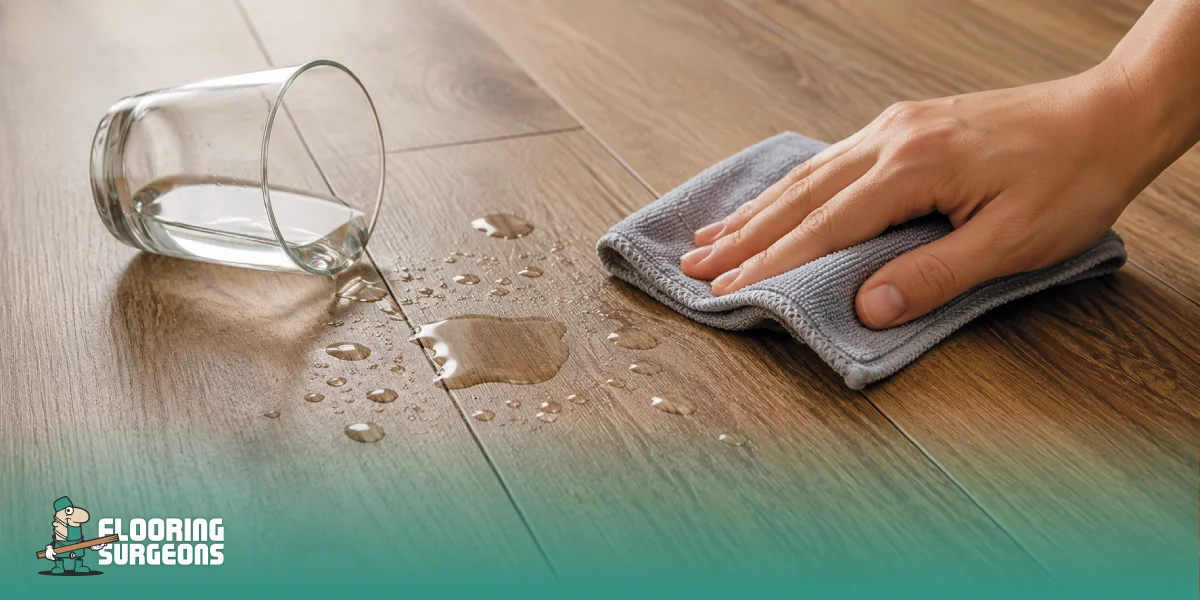
- Wipe Spills Immediately: Since moisture can damage smoked wood floors over time, it’s crucial to wipe up spills right away with a soft, dry cloth. This helps prevent liquid from seeping into the seams or staining the wood.
- Avoid Harsh Chemicals: Refrain from using bleach, ammonia, or abrasive cleaners. These chemicals can break down the wood’s protective layer and cause long-term damage. Instead, opt for mild, wood-safe cleaners.
- Use Furniture Pads: To prevent scratches, place felt pads or furniture coasters under heavy furniture or chairs. This will reduce friction and protect your floor from unsightly marks.
- Use Rugs and Mats: In high-traffic areas or at entryways, place rugs or mats to protect the wood from dirt, grit, and moisture. These will also help preserve the finish and prevent wear in areas that receive a lot of foot traffic.
Following these cleaning tips and best practices, you will keep your smoked wood floors in good condition for years to come. Regular maintenance is the key to the care of the wood floor, and with little work, your floors will continue to beautify your home.
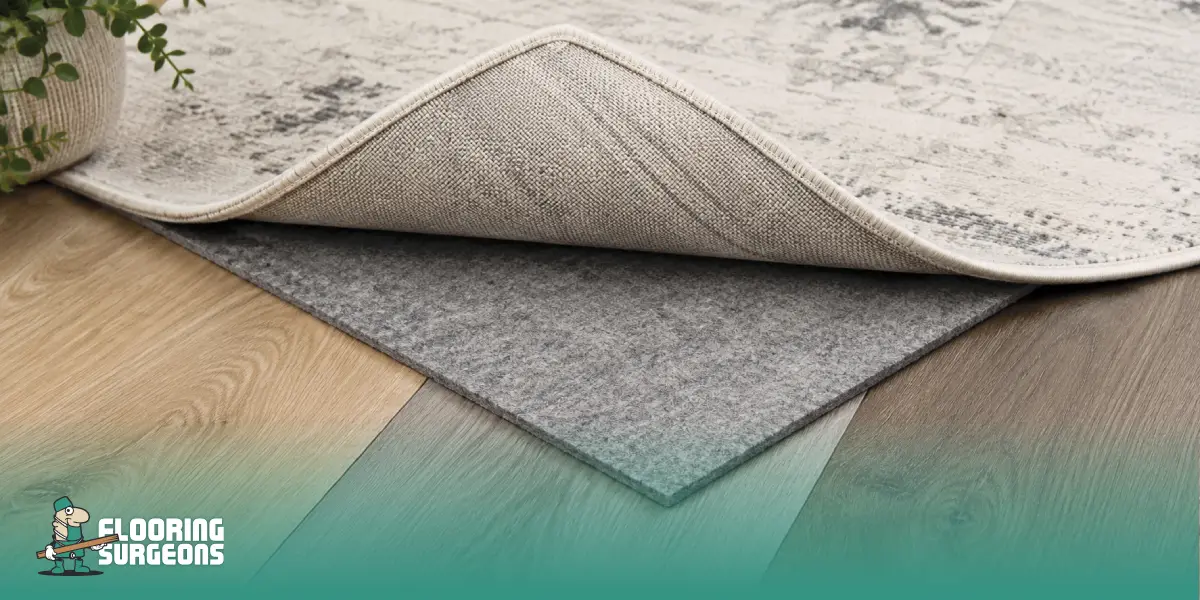
To keep your floors in top shape, it’s also important to consider the right underlay. Explore different types of underlay to ensure the best protection and comfort for your flooring installation.

Cost and Value of Smoked Wood Floors
When it comes to smoked wood floors, one of the most important things to remember is that they are a high-end product. Like all quality flooring options, it is essential to look at both the short and long-term value when making your purchasing decisions. In this section, we will cover the average costs of smoked wood flooring, as well as the return on investment that this flooring can provide.
Average Cost per Square Foot
The cost of smoked wood flooring can vary depending on the type of wood used, the quality of the smoking or fuming process, and whether you’re opting for solid or engineered wood. On average, you can expect to pay:
- Smoked Solid Wood Floors: Between £30 and £50 per square foot, depending on the wood species and quality of the finish.
- Smoked Engineered Wood Floors: Typically priced between £15 and £30 per square foot, making them a more budget-friendly option while still offering a similar look and feel.
The cost may be higher if you are using premium woods such as walnut or custom finishes. Installation costs will also factor into the overall price, with professional installation ranging from £10 to £20 per square foot. While DIY installation may reduce labor costs, the expertise needed for a seamless finish should be considered.
Long-Term Value and ROI
While the initial cost of smoked wood floors may be higher than traditional wood or laminate, they provide significant long-term value. Here’s why:
- Durability: Smoked wood floors are extremely durable, with the fuming process enhancing the wood’s natural strength. These floors can withstand wear and tear over the years, making them a solid investment for high-traffic areas in your home.
- Aesthetic Appeal: The unique and sophisticated look of smoked wood adds a timeless, elegant touch to your home, which can increase your property’s value. Homes with high-quality finishes like smoked wood flooring tend to stand out in the real estate market.
- Low Maintenance: With minimal care and maintenance, smoked wood floors can last for decades without losing their charm. Their natural resilience means you won’t need to invest in refinishing or frequent repairs, making them a cost-effective option in the long run.
In general, smoked wood floors are a wise investment. Yes, they may cost more upfront, but they last longer, have a classic beauty that never goes out of style, and are easier to maintain. This means you get a floor that you can enjoy for years and years, and that will continue to add value to your home long into the future.
For a more affordable option with similar aesthetic appeal, consider Light Engineered Flooring as an alternative, offering a great balance of durability and cost-effectiveness.
Design and Aesthetic Ideas
Smoked wood flooring is a great match with many interior styles. Whether you have a modern or traditional interior, it’s easy to find smoked wood flooring that will look great in your space. It’s also a good choice if you’re looking for something that will go with any decor, as its rich color and texture can add a touch of elegance to any room. Smoked wood floors are a popular choice for redesigning your living room or bedroom, but they can also work well in other rooms, such as hallways.
In this post, we’ll be looking at a few interior styles that go well with smoked wood floors to give you some ideas for your next project.
Interior Styles That Match Smoked Wood Flooring
- Modern and Contemporary Interiors: Smoked wood floors add warmth and sophistication to modern interiors, where clean lines and minimalistic furniture dominate. The rich colors and grain of the wood contrast beautifully with sleek, simple furniture, creating a balanced and inviting space.
- Industrial Style: The rustic appeal of smoked wood complements the raw, unfinished elements of industrial design. Pair smoked wood floors with exposed brick walls, metal accents, and open spaces for a stylish, edgy look that exudes character and charm.
- Scandinavian Design: For a more airy and light-filled space, smoked wood floors can work wonders in Scandinavian interiors. The natural, deep tones of the wood add warmth to the otherwise neutral palette, making the space feel cozy yet fresh.
- Traditional and Transitional Styles: Smoked wood floors can also blend seamlessly into more classic interiors. Whether you’re opting for traditional furniture or a transitional style that mixes modern and classic elements, smoked wood provides a refined, elegant backdrop that elevates the overall look of the room.
- Farmhouse and Rustic: The distressed, organic feel of smoked wood is a perfect match for farmhouse and rustic designs. Paired with vintage-inspired furniture, neutral tones, and natural fabrics, smoked wood floors help create a warm and inviting atmosphere that is both stylish and functional.
No matter your design preference, smoked wood flooring can easily adapt to various styles, creating a harmonious and sophisticated atmosphere in your home.
Final Thoughts | Is Smoked Wood Flooring Worth It?
Smoked wood flooring is one of those options that has an upscale appearance but can offer beautiful design options. For most people, smoked wood flooring has a reasonable price point. As an investment, smoked wood flooring tends to be a very worthwhile option. It is a product that is often seen as beautiful because it has a natural color variety and a very nice grain. It is also very durable and long-lasting, which is a bonus over traditional wood options.
If you’re in the market for a deep, rich, and stunning wood floor that is going to offer long-lasting appeal and value for money, then smoked wood flooring is the one to go with.
However, if you don’t have a lot of money to spend on flooring, smoked wood flooring is also a good investment. If you are unsure of the space you have available in your home, smoked wood flooring is an option you should consider as well.
For a lighter alternative, consider Light Solid Wood Flooring for a similar elegance with a more budget-friendly approach, offering an option that may better suit your needs while still delivering style and durability.

Mina Asgari
I’m an SEO Specialist and Content Strategist focused on sustainable business growth. I design data-driven content strategies by deeply analyzing user intent, search behavior, and SEO best practices, ensuring every piece of content serves a clear purpose for both users and search engines.