


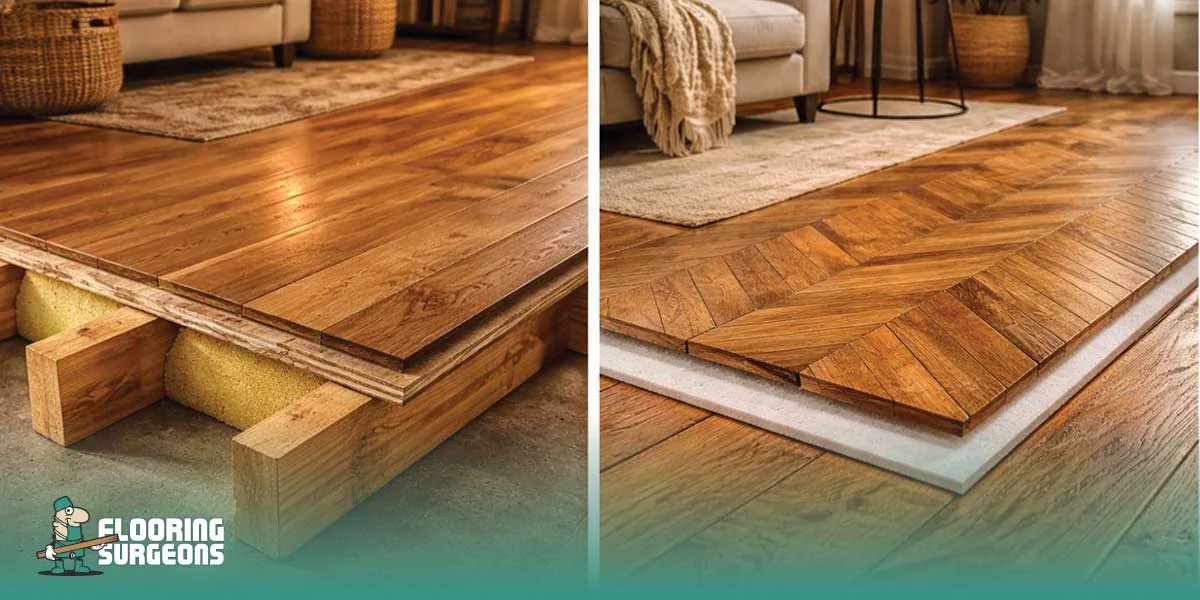
Structural wood flooring is a type of flooring that supports loads as part of a building’s structure. It can be installed directly over floor joists or structural frames without additional support. In contrast, non-structural wood is primarily decorative and relies on a stable base, such as a subfloor or concrete slab.
The key difference is whether the wood contributes to the building’s load-bearing system. Structural wood is engineered and graded for strength, while non-structural wood is designed mainly for appearance and finishing.
Examples:
- Structural wood: Structural plywood, thick engineered boards (used in subfloors or suspended floor systems)
- Non-structural wood: Hardwood planks, laminate flooring (installed on top of a structural base)
Understanding the difference between structural and non structural plywood and other wood materials is crucial for proper installation, durability, safety, and long-term performance.
In this guide, we will explain what structural wood flooring is, how it works in real flooring systems, and compare non structural vs structural wood so you can choose the right material for your project.
Table of contents
What Is Structural and Non-Structural Wood?
Wood in construction is classified based on its role: supporting loads or serving as a decorative surface.
Structural wood:
- Supports building loads
- Used in floor joists, beams, and subfloors
- Graded and engineered for strength
Non-structural wood:
- Decorative or finishing purposes
- Relies on underlying structural layers
- Includes hardwood flooring, laminate, wall panels, and trim
Transition: With these basics in mind, let’s look at how structural wood functions in flooring systems.
What Is Structural Wood and How Is It Used in Flooring?
Structural wood refers to timber or engineered wood products that are designed to support loads within a building structure. These materials are graded, tested, and approved to carry weight safely.
In flooring systems, structural wood typically appears in:
- Floor joists
- Subfloor panels
- Load-bearing timber beams
- Structural plywood layers
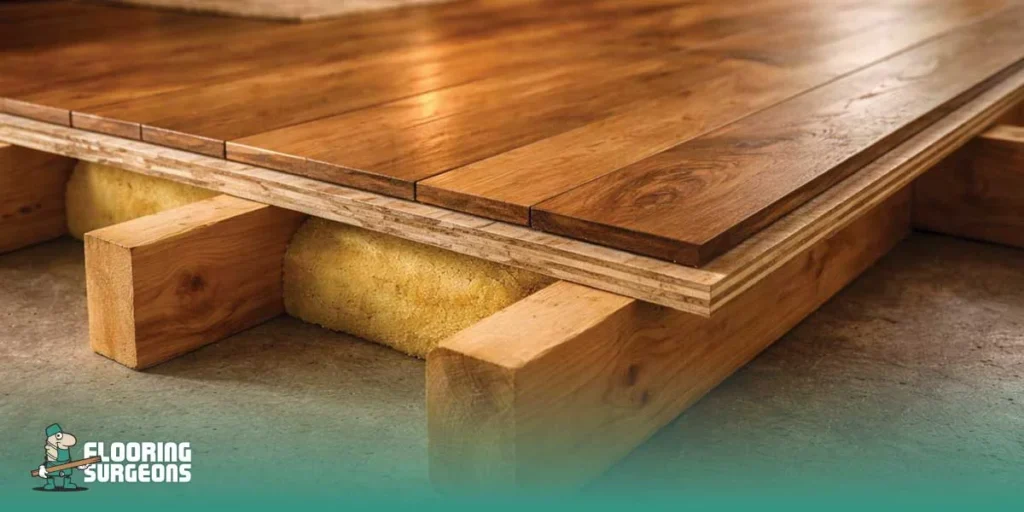
For example, in a traditional timber floor construction, joists span between walls while structural plywood panels are installed on top to create a stable subfloor. This system distributes weight across the structure and prevents sagging or movement.
Structural wood flooring systems are often used in homes with suspended floors or raised floor structures where the flooring layer contributes to the overall strength of the building.
What Is Non-Structural Wood?
Non-structural wood refers to timber materials that do not support loads and are primarily used for decorative or finishing purposes.
These materials enhance appearance but rely on structural layers beneath them for support.
Common examples include:
- Decorative hardwood flooring
- Wall paneling
- Interior trims and moldings
- Floating laminate floors
- Engineered decorative boards
A good example is a decorative wood floor installed on top of a concrete slab or structural subfloor. The visible layer improves aesthetics but does not carry the building’s structural load.
This distinction forms the basis of the ongoing comparison often described as non structural vs structural wood.
Key Characteristics of Structural vs Non-Structural Wood
To understand the practical differences, it helps to compare the key technical characteristics.
| Feature | Structural Wood | Non-Structural Wood |
| Purpose | Load-bearing construction | Decorative or finishing |
| Strength grading | Required | Not required |
| Installation | Fixed to joists or structural frames | Installed over existing structure |
| Common materials | Structural plywood, timber beams | Decorative hardwood, laminate |
| Structural role | Supports building loads | Surface or aesthetic layer |
This table highlights the fundamental difference between performance and appearance within flooring systems.
Now that the definitions are clear, we can explore the practical differences in more detail.
What Is the Difference Between Structural and Non-Structural Wood?
When homeowners ask what is the difference between structural and non-structural wood, they are usually referring to how each material behaves in real building systems.
Three major factors define this difference.
Load-Bearing Capacity
Structural wood is engineered and graded to support weight. Floor joists, beams, and structural panels distribute loads across the building frame.
Non-structural wood, on the other hand, cannot safely support structural loads. It is installed on top of load-bearing components.
For instance:
- Structural plywood supports the weight of furniture and occupants.
- Decorative hardwood flooring simply sits above the subfloor.
Strength and Material Standards
Structural timber products must meet strict building standards. These standards ensure:
- Strength performance
- Moisture resistance
- Load capacity
- Structural stability
In contrast, non-structural materials are evaluated primarily for appearance, durability, and wear resistance rather than structural performance.
This is why builders often differentiate between structural and non structural wood system components during design and installation.
Common Applications in Construction and Flooring
Structural wood applications include:
- Subfloor systems
- Floor framing
- Structural decking
- Timber framing structures
Non-structural wood applications include:
- Surface flooring
- Interior finishes
- Decorative wall panels
- Furniture-grade wood
For homeowners planning flooring upgrades, materials such as Chevron Flooring are typically decorative layers placed above structural subfloors.
Non-Structural vs Structural Wood: A Practical Comparison
Looking at real-world installations helps clarify how these materials work together within a building.
Where Structural Wood Is Typically Used
Structural wood plays a hidden but critical role in flooring systems. You will often find it in:
- Suspended timber floors
- Raised platform flooring
- Subfloor layers in timber buildings
- Structural plywood decking
In these systems, the structural wood forms the foundation for all visible flooring layers.
Where Non-Structural Wood Is Commonly Used
Non-structural wood is typically used in the visible, decorative part of the floor.
Examples include:
- Hardwood plank flooring
- Decorative engineered flooring
- Laminate flooring systems
- Surface finish layers
For example, many homeowners choose Luxury Vinyl Flooring for Bedroom installations because it offers aesthetic appeal while relying on a stable subfloor beneath.
Pros and Limitations of Each Type
Structural wood advantages:
- Provides strength and stability
- Essential for suspended floor construction
- Supports heavy loads
Limitations:
- Not designed for decorative appearance
- Usually hidden beneath finishing layers
Non-structural wood advantages:
- Wide design variety
- Easy installation options
- Decorative flexibility
Limitations:
- Cannot carry structural loads
- Requires a stable base layer
This practical balance explains why modern floors combine both materials.
Difference Between Structural and Non-Structural Plywood
Plywood is one of the most widely used materials in flooring construction. However, not all plywood products are equal.
Understanding the difference between structural and non structural plywood is essential when building or renovating a floor system.
What Makes Plywood Structural?
Structural plywood is manufactured with strong adhesives and layered veneers designed to withstand:
- Heavy loads
- Structural stress
- Moisture exposure
It is commonly used as:
- Subfloor panels
- Structural sheathing
- Load-bearing decking
These panels are tested and graded to meet building regulations.
Non-Structural Plywood and Its Uses
Non-structural plywood is typically used in:
- Interior cabinetry
- Decorative wall panels
- Furniture construction
- Light interior flooring layers
These products prioritize smooth surfaces and visual quality rather than load capacity.
Structural Plywood vs Non-Structural Plywood in Flooring Systems
In a typical floor assembly:
- Structural plywood forms the subfloor.
- Underlayment layers improve stability.
- Decorative flooring materials are installed above.
For instance, durable options like AC4 Laminate Flooring are often installed on top of structural subfloors for residential durability.
How to Differentiate Between Structural and Non-Structural Wood Systems
For homeowners and designers, identifying these materials in a building can sometimes be confusing.
However, a few practical guidelines make the process easier.
Identifying Load-Bearing Wood Elements
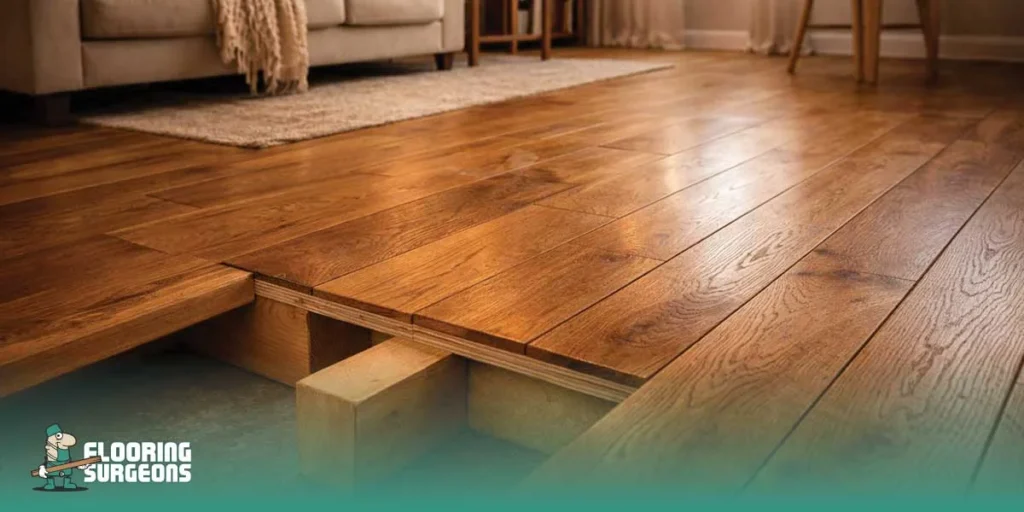
Structural wood components are usually located:
- Beneath visible flooring layers
- Connected directly to beams or joists
- Installed with mechanical fasteners
Non-structural wood is usually installed as:
- Floating flooring systems
- Surface panels
- Decorative finishes
Standards and Certifications for Structural Wood
Structural timber products often include:
- Structural grading stamps
- Building code approvals
- Engineering certifications
These labels confirm that the material can safely perform in load-bearing applications.
When to Choose Structural Wood Flooring
Structural wood flooring systems are best used when:
- Floors are installed over joists
- Buildings require raised timber floors
- Subfloor support is required
This approach is commonly recommended by professionals such as Flooring surgeons, who specialize in floor structure evaluation and installation.
When Should You Use Structural Wood Instead of Non-Structural Wood?
Choosing the correct system depends on the type of floor structure and the requirements of the space.
Structural Wood in Floor Joists and Subfloors
Structural wood should be used whenever flooring contributes to the building structure.
Examples include:
- Timber frame homes
- Raised platform floors
- Suspended timber flooring systems
These applications require engineered materials capable of distributing loads across the structure.
Non-Structural Wood for Interior Finishes
Non-structural wood works best when appearance is the priority.
Typical examples include:
- Decorative hardwood floors
- Laminate surface layers
- Interior design flooring finishes
However, design choices should always consider structural compatibility. Many renovation projects fail because homeowners focus only on appearance rather than structure. In fact, this issue is often discussed in guides such as 4 Design Pitfalls That Will Quickly Drain Your Budget, which highlight common mistakes during interior upgrades.
Final Thoughts
Understanding what is structural and non structural wood helps homeowners, designers, and builders make smarter flooring decisions. Structural wood provides the strength that supports a building, while non-structural materials deliver the style and comfort people see and use every day.
Modern flooring systems rely on the collaboration of both elements. Structural layers ensure stability, while decorative materials create the aesthetic finish that defines the space. When these materials are chosen correctly, the result is a floor that is not only beautiful but also durable, safe, and built to last.

Mina Asgari
I’m an SEO Specialist and Content Strategist focused on sustainable business growth. I design data-driven content strategies by deeply analyzing user intent, search behavior, and SEO best practices, ensuring every piece of content serves a clear purpose for both users and search engines.