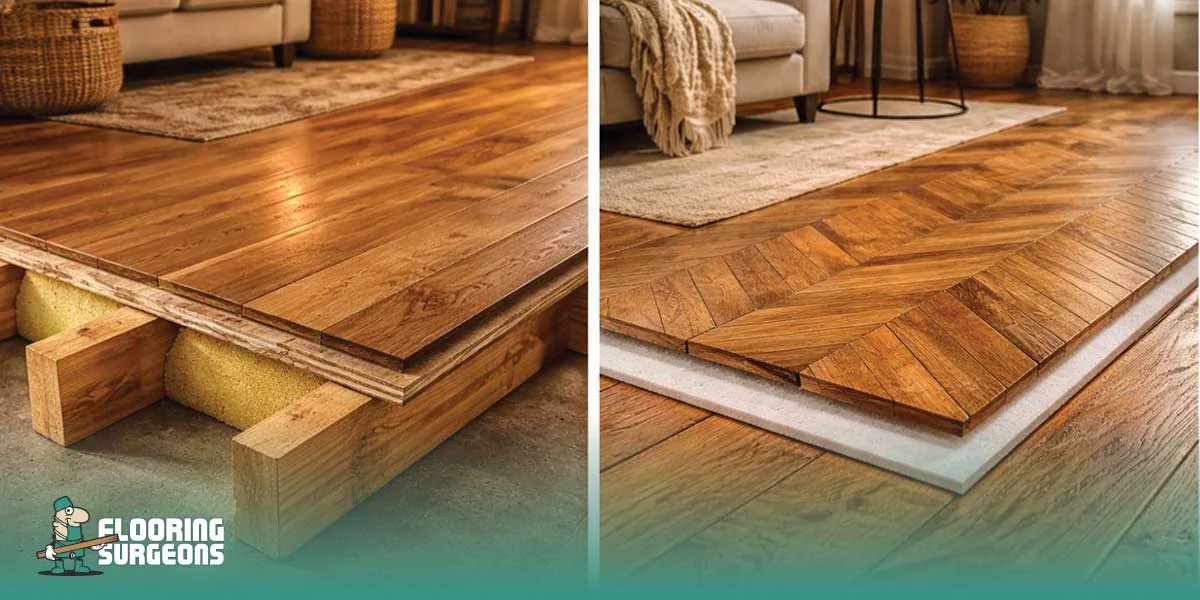



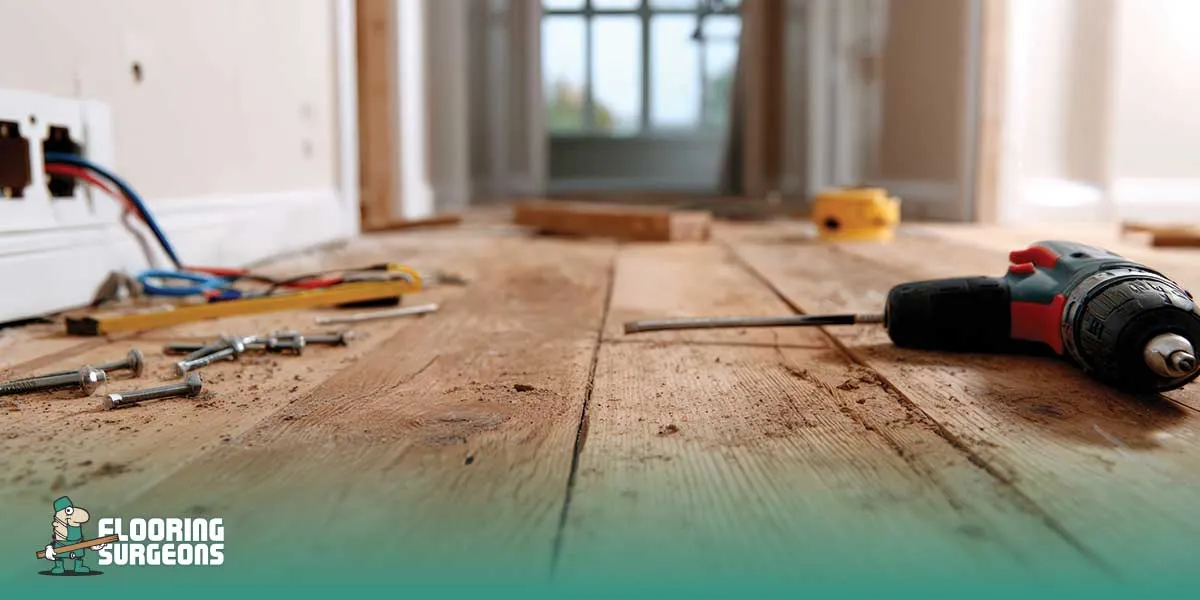
If you’re facing issues with your flooring, one of the first things you need to check is the condition of your subfloor. Whether you’re dealing with a damaged subfloor under your carpet, or you’ve noticed signs of subfloor damage repair being necessary, it’s crucial to understand the root cause of the issue. Damaged subfloors can lead to a variety of problems, including uneven floors, squeaky boards, and even potential safety risks. So, how do you know when your subfloor is damaged, and what should you do about it? Let’s dive in.
Table of contents
How to Tell if Your Subfloor is Damaged
Before jumping into repairs, it’s important to identify the signs of subfloor damage. The most common issues stem from water damage or structural wear and tear over time. Here’s what to look for:
- Uneven Flooring: If you notice that the floor seems wavy or uneven, your subfloor could be damaged. This could be a sign that the subfloor has been compromised and needs attention.
- Squeaky Floors: When walking on wooden floors, if you hear creaks or squeaks, it could be a sign that the nails in the subfloor have loosened, or the wood has expanded. This is a clear indicator that the subfloor might need to be repaired or replaced.
- Soft or Bouncy Areas: Walking on certain areas of the floor that feel soft or give way underfoot is a clear indicator of water-damaged subfloor. This can be caused by moisture infiltration, leading to rotting or weakening of the subfloor material.
- Musty Odors: Persistent damp smells are a strong indication that the subfloor might be water-damaged, potentially due to leaks or moisture trapped beneath the floorboards. If you notice these odors, it’s a sign that the subfloor might need attention.
If you’re wondering how to fix a rotting subfloor, the first step is to remove the damaged section, replace it with new materials, and address any moisture issues to prevent further deterioration.
How to Tell if Subfloor is Water Damaged
Water damage is one of the most common causes of subfloor issues. How to tell if subfloor is water damaged? You’ll often notice warped or buckled flooring, soft spots underfoot, or a persistent musty smell. These are all key signs that moisture has infiltrated the subfloor, potentially causing damage.
If you notice these signs, it’s crucial to act quickly, as water damage can worsen over time, leading to rotting subfloor or mold growth. The longer you wait, the more extensive the damage can become, so addressing the issue as soon as possible is essential to prevent further deterioration and ensure your floors remain stable.
If you’re dealing with rotting subfloor, it’s important to remove the affected sections and replace them with new material. Additionally, fixing any moisture issues and using a moisture barrier will help prevent future damageIf you need more guidance, exploring options like solid wood flooring can also be a great way to improve your floor’s durability and longevity.
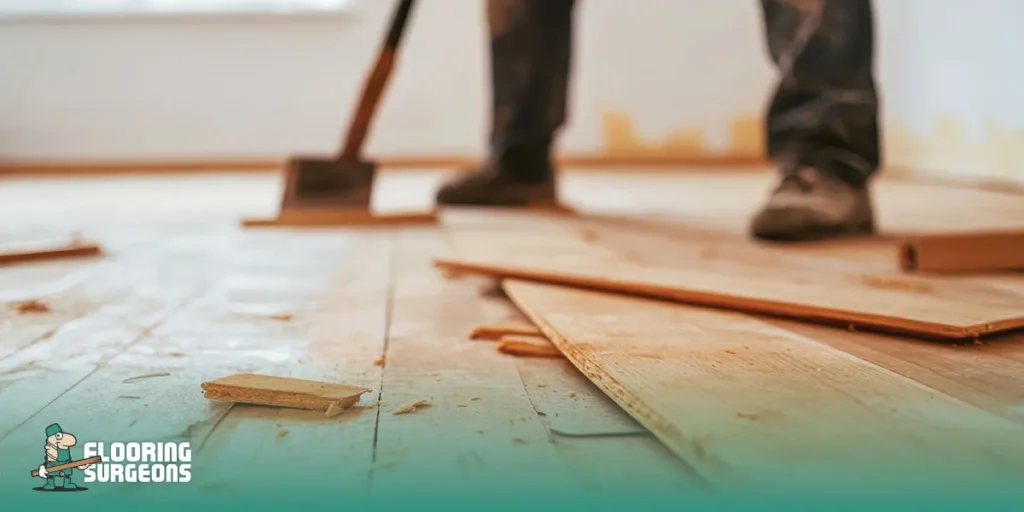
How to Fix a Rotting Subfloor
Rotting subfloor is a common problem when moisture seeps into the wooden subfloor over time. If you notice soft or spongy spots on your floor, it’s likely due to rot. Here’s what you can do to fix it:
- Remove the Damaged Flooring: The first step in fixing a rotting subfloor is removing any affected flooring material, such as carpet or hardwood planks.
- Inspect the Damage: Check the extent of the rot by gently pressing on the subfloor. If the wood gives way easily, it’s time to replace it.
- Cut Out the Damaged Sections: Use a saw to remove the rotted parts of the subfloor, ensuring you leave the surrounding area intact.
- Install New Plywood or OSB Panels: Once the damaged section is removed, install new plywood or OSB boards in place. Use screws and construction adhesive to secure them to the joists.
- Seal the Area: To prevent future damage, apply a sealant or moisture barrier to the new subfloor to protect it from moisture in the future.
Do I need to replace water damaged subfloor?
One of the most frequently asked questions is, do I need to replace a water-damaged subfloor? The answer depends on the severity of the damage. If the damage is extensive, such as rotting wood or structural weakening, replacing the entire subfloor might be necessary. However, if only a small portion of the subfloor is affected, you may only need to repair the damaged area. If you’re unsure, it’s always best to consult a professional flooring service.
How to Repair a Damaged Subfloor
When dealing with how to repair a damaged subfloor, there are several steps you can take depending on whether you have a wooden or concrete subfloor and the extent of the damage. Here’s a basic guide to repairing both types of subfloors:
Repairing a Wooden Subfloor
- Check for Uneven Surfaces: Start by inspecting the wooden subfloor for any uneven sections. How to tell if subfloor is damaged? Look for wavy or bumpy areas. Sand down any protruding nails or uneven wood to create a smooth surface.
- Level the Subfloor: If you notice that the subfloor is damaged, you can use hardboard sheets to level out the surface, especially if you have a damaged wooden subfloor. This will ensure your new flooring fits perfectly and helps avoid further damage down the line.
- Replace Damaged Sections: If the damage is significant and you’re wondering do I need to replace a water-damaged subfloor, the answer may be yes. In cases of severe damage, it may be necessary to cut out and replace portions of the wooden subfloor with new chipboard or plywood panels. This helps restore the strength and stability of the subfloor.
Repairing a Concrete Subfloor
- Fill Any Cracks or Holes: For concrete subfloors, start by filling any visible cracks or holes using a concrete filler. This step is crucial to prevent further issues.
- Smooth the Surface: Once the filler has dried, use a trowel to smooth the surface. This will prepare the area for the next step.
- Use Self-Leveling Compound: If the surface is still uneven after the filler has dried, you can apply a self-leveling compound to create a perfectly smooth and flat surface for your flooring.
By following these steps, you can effectively repair both wooden and concrete subfloors, ensuring that your new flooring is stable and long-lasting. If you’re unsure about whether your subfloor requires complete replacement, it’s always a good idea to consult a professional to assess the damage and determine the best solution, especially if you have rotting subfloor that needs immediate attention.
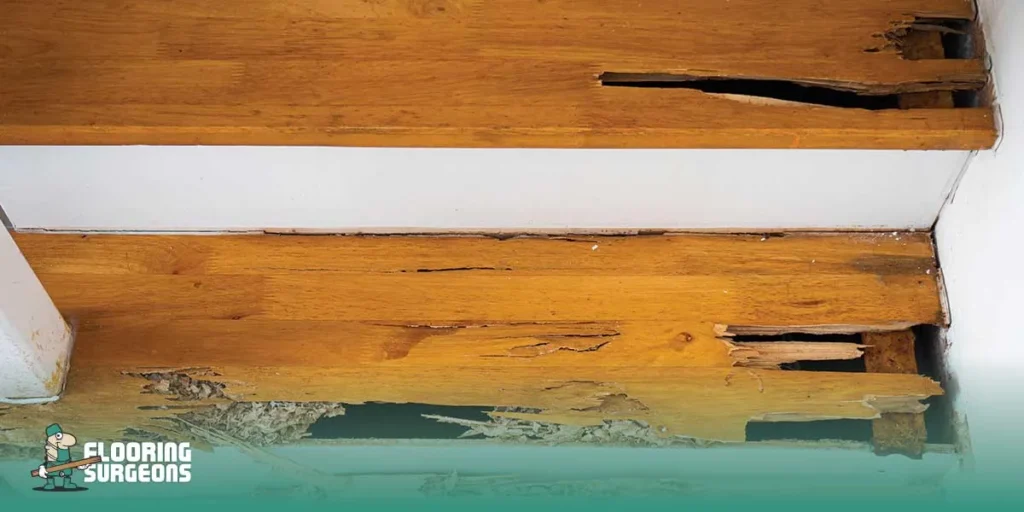
When to Replace a Subfloor
Sometimes, the damage is too extensive, and the best option is to replace the subfloor entirely. Here are some signs that replacement is necessary:
- Severe Rot or Mold Growth: If the subfloor is extensively rotted or moldy, it may be best to replace it entirely to prevent further health risks.
- Structural Issues: If the subfloor has caused your floor to become unstable or sag, replacement is often the best option.
- Water Damage: In cases of severe water damage, such as flooding, replacing the subfloor might be required for long-term stability.
Table: Subfloor Repair vs. Replacement
| Issue | Repair | Replacement |
| Water Damage | Repair small leaks and seal with moisture barrier. | Replace if rot or mold is severe. |
| Wooden Subfloor Damage | Sand and level the floor; replace small sections. | Replace if large sections are damaged. |
| Uneven Surface | Use hardboard to level the surface. | Replace subfloor if it’s too damaged to level. |
| Structural Issues | Patch up cracks and re-secure subfloor. | Full replacement if structural integrity is compromised. |
Why Choose Flooring Surgeons for Subfloor Repair?
When facing subfloor damage repair, it’s important to trust professionals who have the expertise and tools to get the job done right. At Flooring Surgeons, we specialize in repairing and replacing damaged subfloors, ensuring that your flooring is not only stable but also long-lasting. If you’re wondering do I need to replace a water-damaged subfloor, our experts can assess the situation and recommend the best solution for your needs. Contact us today for expert advice or to schedule an inspection of your subfloor.
Conclusion
Understanding how to repair damaged subfloor is essential for maintaining the integrity and durability of your floors. Whether you’re dealing with a damaged subfloor under carpet or considering whether replacement is necessary, acting quickly will save you time and money in the long run. For more information on flooring options or to learn about the Flooring Installation Costs in the UK, visit our blog: Flooring Installation Costs in the UK. Let Flooring Surgeons guide you through every step of the flooring process!

Mina Asgari
I’m an SEO Specialist and Content Strategist focused on sustainable business growth. I design data-driven content strategies by deeply analyzing user intent, search behavior, and SEO best practices, ensuring every piece of content serves a clear purpose for both users and search engines.