

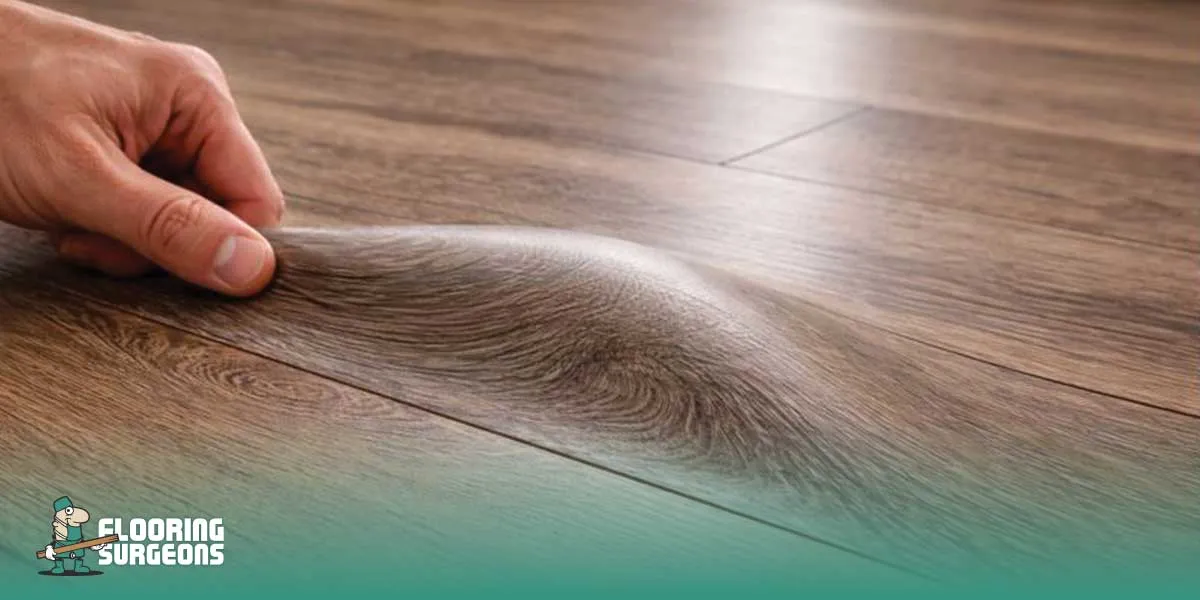
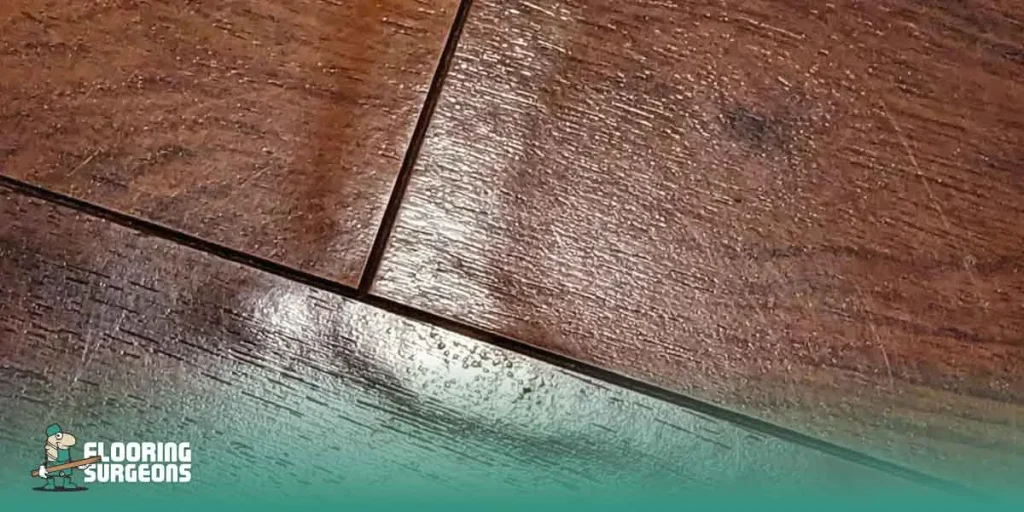
The question: What causes vinyl flooring to bubble? It can be easily answered: Poor installation, moisture accumulation, or temperature changes. When there is a bubble in vinyl flooring, it indicates that air or moisture has been trapped between the vinyl and the subfloor. This can create unsightly bumps that may damage your floors over time. So, if you’re asking “why is my vinyl flooring bubbling?”, don’t worry! Understanding the causes and solutions will help you maintain smooth, long-lasting floors without bubbles.
Table of contents
Understanding Vinyl Floor Bubbling
Vinyl floors bubbles–Bubbles in vinyl flooring, or a huge bubble in vinyl floor, is no laughing matter to you. It means that something has gone haywire beneath that piece of flooring. And it needs your serious attention, ASAP. The major culprits, in most cases, are moisture issues, improper installation, and failed adhesive. Read on for details:
1. Moisture and Humidity Issues
Moisture is one of the primary reasons for vinyl floor bubbling. Although vinyl flooring is water-resistant, extended exposure to moisture can create issues. Excessive water may penetrate beneath the vinyl, loosen the adhesive, and result in bubbling. This is common in kitchens, bathrooms, or basements with higher humidity.
How to Prevent It:
- Use Moisture Barriers: Installing a moisture barrier, especially in areas prone to dampness, can help prevent water from seeping underneath the vinyl.
- Maintain Proper Humidity Levels: Keep the humidity in your home between 35% and 55% to reduce the risk of trapped moisture.
- Promptly Fix Leaks: Address any plumbing leaks or water ingress issues immediately to prevent moisture damage to your floor.
For expert advice on maintaining the longevity of your floors and preventing issues like bubbling, consult Flooring Surgeons for professional guidance and solutions.
2. Improper Installation Techniques
Improper installation is another typical cause of bubbling. If a vinyl floor isn’t put down on a clean, dry, and level subfloor, the adhesive can’t do its job and will result in bubbling. In addition, any tiny air pockets trapped during installation can expand into larger problems later.
How to Prevent It:
- Subfloor Preparation: Ensure the subfloor is clean, dry, and level before installation. For uneven areas, use a self-leveling underlayment to create a smooth surface.
- Correct Adhesive Application: Apply the right adhesive for the vinyl type, following the manufacturer’s instructions precisely. Too much or too little adhesive can result in poor adhesion and bubbling.
3. Temperature Fluctuations and Expansion
Vinyl floors are susceptible to expansion and contraction from heat/cold. In an attempt to expand, the vinyl flooring may be stressed against the bond strength of the adhesive. Excessive heat from sunlight, heat ducts, etc., may cause this problem as well as excessive cold.
How to Prevent It:
- Allow Expansion Gaps: When installing vinyl flooring, always leave small expansion gaps around the edges of the room to accommodate temperature changes.
- Control Indoor Temperature: Avoid placing vinyl flooring near heat sources or in direct sunlight. In areas with extreme temperatures, consider using a waterproof luxury vinyl floor designed to handle temperature fluctuations better.
4. Adhesive Failure
Vinyl Flooring Adhesive Deterioration: As vinyl flooring ages, and especially in areas of high traffic, the adhesive can deteriorate. This is especially true in older installations where the adhesive has broken down, or if a low-quality adhesive was used from the start. When the adhesive fails, the vinyl can lift, which leads to bubbles.
How to Prevent It:
- Use High-Quality Adhesive: When installing vinyl flooring, always use high-quality adhesive suited for the specific type of vinyl. Pressure-sensitive adhesives (PSAs) or epoxy-based adhesives are ideal for most luxury vinyl applications.
- Reapply Adhesive When Necessary: If you notice adhesive failure, it’s best to reapply adhesive to affected areas. For larger issues, consider professional help for reinstallation.
What to Do When My Vinyl Floor is Bubbling?
If you’ve already noticed bubbles in your vinyl flooring, there are some solutions you can try, depending on the size and extent of the damage.
Small Bubbles:
- Inject Adhesive: Use a syringe or needle to inject adhesive into the bubble. Carefully pierce the edge of the bubble and apply just enough adhesive to fill the gap.
- Press and Smooth: Press firmly on the bubble to remove trapped air and smooth out the area with a rolling pin or flat tool. Allow the adhesive to cure properly.
Large Bubbles:
- Cut and Lift: For larger bubbles, use a utility knife to carefully cut an “X” over the bubble. Lift the vinyl and clean the subfloor beneath it to ensure it’s dry and free of debris.
- Apply Adhesive: After cleaning, apply a high-quality vinyl adhesive to the exposed subfloor, then press the vinyl back into place.
- Roll and Smooth: Use a rolling pin or heavy object to press the vinyl down firmly and ensure it adheres securely to the subfloor. Hold the pressure for a few minutes to let the adhesive bond properly.
Bonus Tip: If you’re experiencing bubbling in laminate flooring, you might be facing a different set of issues, such as moisture infiltration or poor installation. Learn more about this in our article on why would laminate flooring bubble.
Prevent Future Bubbling Issues
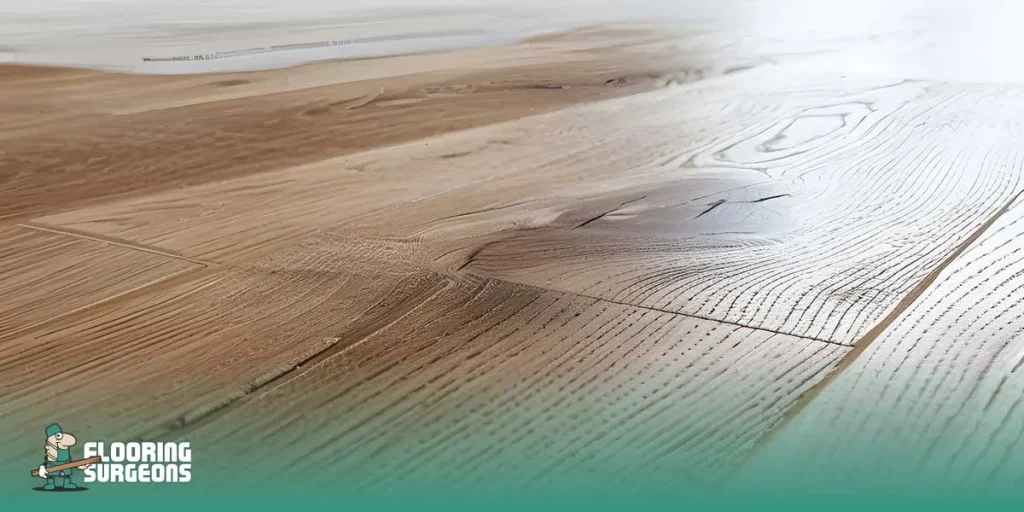
- After you repair your vinyl flooring bubble, you should take some precautions against further bubbling. Below are expert tips for preventing future vinyl flooring bubbles from forming:
- Proper Installation Techniques: Make sure that your vinyl flooring is installed correctly, following the manufacturer’s instructions, with the right adhesive and surface preparation.
- Inspect Regularly: Check your vinyl flooring regularly for early signs of bubbling, especially in high moisture or traffic areas.
- Control Moisture: Since moisture is a common cause of bubbling, it’s essential to be proactive about humidity levels in your home and to address water-related problems as soon as they arise.
Choosing the Right Vinyl Flooring
If you’re considering upgrading your flooring, make sure to choose high-quality options like luxury vinyl flooring that offer superior durability and resistance to moisture. For areas with potential water exposure, a waterproof luxury vinyl floor might be the best choice. While luxury vinyl flooring prices can vary, the investment in high-quality flooring will ultimately save you time and money in repairs and maintenance down the road.
If you require expert assistance or are having persistent problems, it’s possible to contact Flooring Surgeons. They provide professional installation services that will ensure that your flooring remains intact and free of bubbling issues for years to come.
Vinyl floors are one of the best choices when it comes to low-maintenance and long-lasting flooring. However, if the bubbling issue isn’t fixed immediately, it can affect the overall look of the room or even damage the vinyl floor. In such a case, if you have to fix a vinyl plank flooring bubble, it’s crucial to take care of it properly. But if you follow all the preventive measures for bubbling on vinyl floors, you can enjoy your vinyl floors for years.

Mina Asgari
I’m an SEO Specialist and Content Strategist focused on sustainable business growth. I design data-driven content strategies by deeply analyzing user intent, search behavior, and SEO best practices, ensuring every piece of content serves a clear purpose for both users and search engines.