

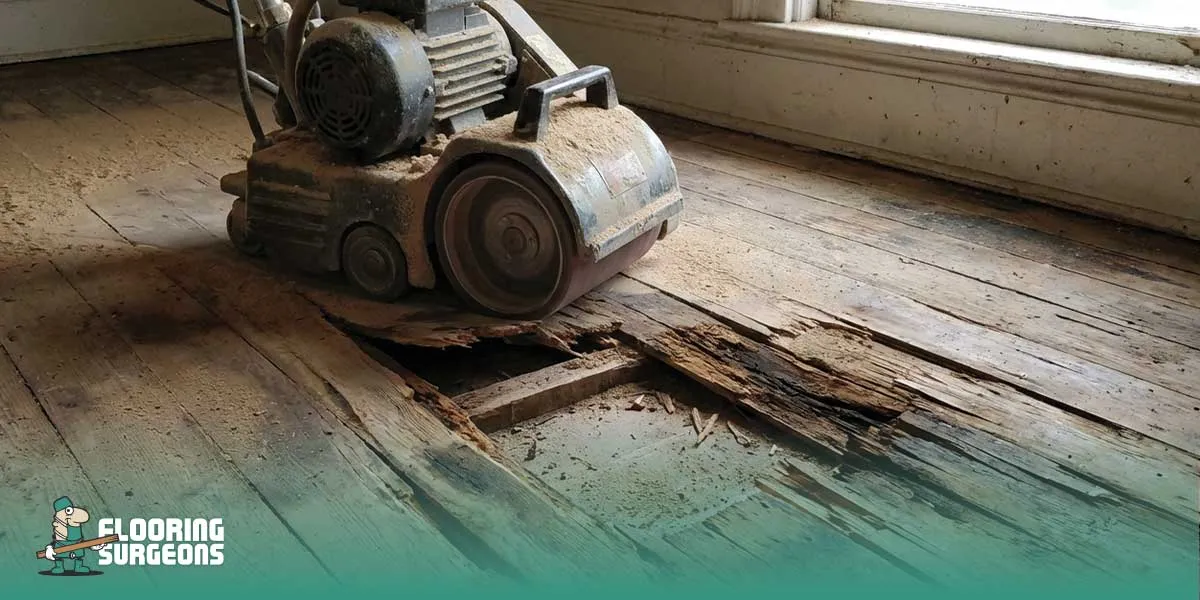
When is floor sanding not worth it? The short, honest answer is that sanding cannot solve the underlying problem or risk making the floor condition worse rather than better. Floor sanding is not worth the investment if the boards are too thin, structurally unsound, severely damaged, or already at the end of their usable lifespan. In these situations, sanding may briefly improve appearance, but it often leads to higher costs, reduced durability, and disappointing long-term results. Many homeowners assume sanding is the default solution for tired wooden floors. In reality, some issues, such as severe movement, rot, moisture damage, or previous over-sanding, cannot be fixed solely by sanding. In fact, sanding under these conditions canfurther weaken the floor andeliminatee the option of future repairs.
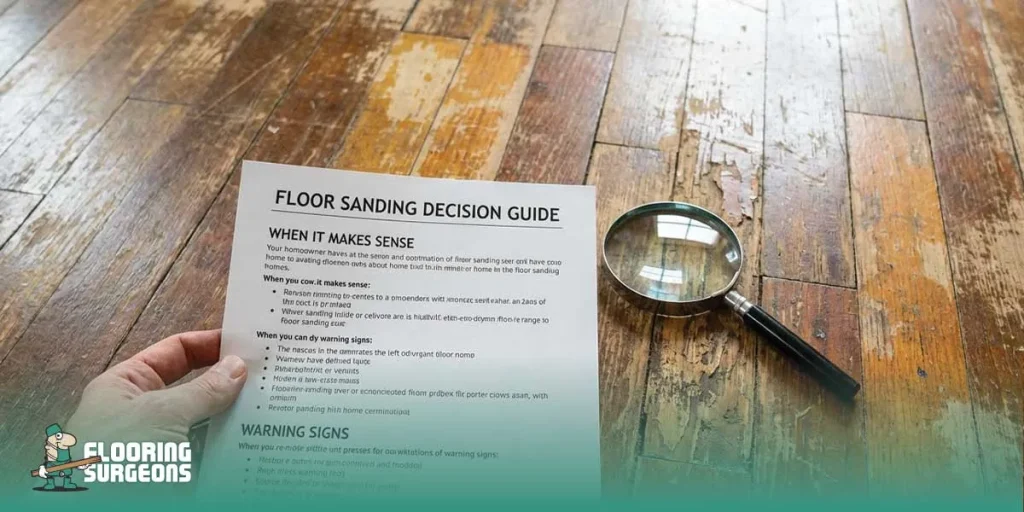
This is where confusion usually begins. Floor sanding is often marketed as a universal fix, but the reality is more selective. The right decision depends on floor type, condition, past treatments, and what you realistically expect the outcome to be. In this article, you will find a clear and practical breakdown of when floor sanding genuinely makes sense, when it does not, and the warning signs homeowners should never ignore. The goal is not to discourage sanding, but to help you avoid spending money on work that cannot deliver lasting value.
If you only wanted a direct answer, you already have it. If you want to be confident you are making the right decision, the rest of the article will guide you through it.
Table of contents
Is Floor Sanding Always Worth It?
No. Floor sanding is not always worth it, and treating it as a guaranteed improvement is one of the most common mistakes homeowners make. Sanding only works when the floor has enough material left to work with and when the problems are mainly surface-level. Scratches, dull finishes, and uneven colour can often be improved. Structural issues cannot. Sanding does not strengthen weak boards, stop movement, or reverse long-term damage.
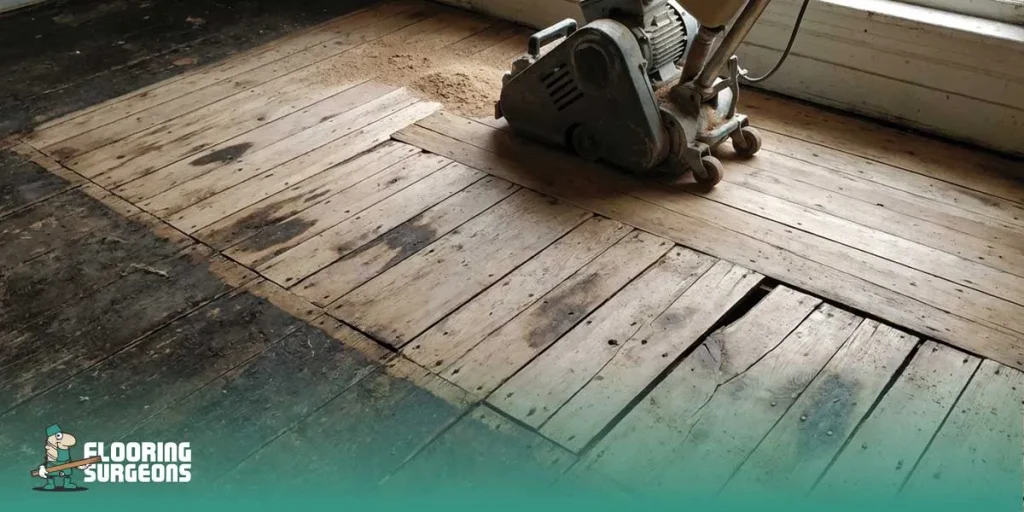
Another reason sanding is not always worthwhile is expectation. Many people assume sanding will make an old floor look new. In reality, sanding reveals the true condition of the wood. If the boards are heavily worn or inconsistent, sanding can make defects more visible rather than less. There is also a point where sanding stops being maintenance and becomes a loss. Each sanding removes material, and once that material is gone, it cannot be replaced. When floors have already been sanded several times, another pass may shorten their remaining lifespan rather than extend it. This is why floor sanding should be seen as a conditional solution, not a default one. It works well in the right circumstances, but in the wrong ones, it can permanently limit your options instead of improving them.
What Floor Sanding Can and Cannot Fix?
Floor sanding is often misunderstood as a solution for all wooden floor problems. In reality, it has very clear limits. Knowing what sanding can and cannot fix helps you avoid unrealistic expectations and costly mistakes. Some problems blamed on surface wear are actually installation-related. Spotting early signs of poor flooring installation can prevent sanding from being used as the wrong solution
Problems Floor Sanding Can Fix
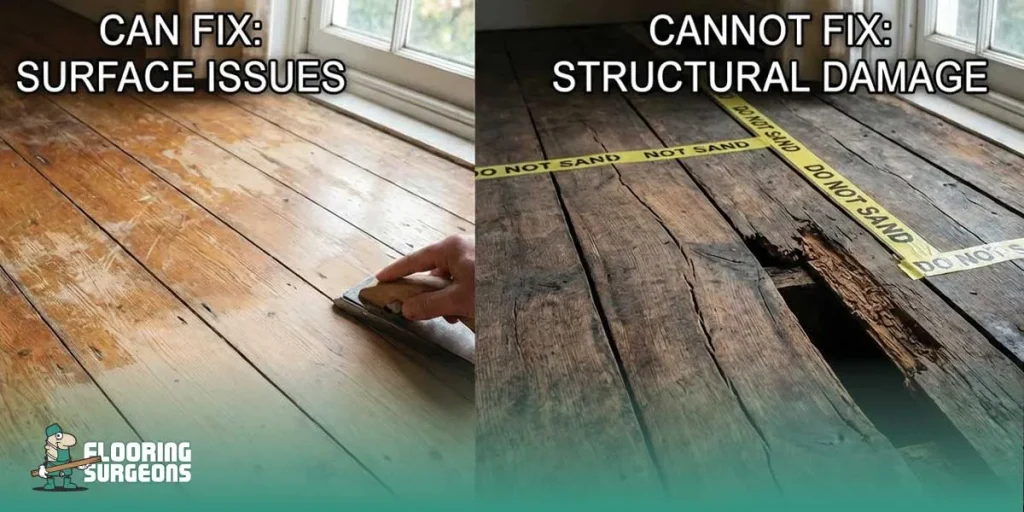
Floor sanding works well when issues are mainly cosmetic and limited to the surface of the wood. These include worn finishes, light to moderate scratches, surface stains, and uneven colour caused by age or sunlight. In these cases, sanding removes the damaged top layer and allows a new finish to be applied evenly. Sanding can also improve minor unevenness caused by normal wear, provided the boards are still thick enough. When the floor is structurally sound, sanding refreshes the appearance and extends usability without compromising integrity.
Problems Floor Sanding Cannot Fix
Floor sanding cannot solve structural or deep-seated problems. It does not fix loose boards, excessive movement, rot, damp damage, or gaps caused by subfloor issues. Sanding also cannot restore thickness to boards that have already been over-sanded. Deep cracks, warped boards, severe staining that penetrates the wood, and inconsistent repairs from the past often remain visible or become more obvious after sanding. In these situations, sanding may reduce future options rather than improve the floor.
Understanding this distinction is critical. Floor sanding is effective only when the problem matches the solution. When it does not, sanding risks wasting money and shortening the life of the floor instead of improving it.
Clear Signs Floor Sanding Is Not Worth the Cost
Floor sanding is unlikely to be worth the cost if one or more of the following apply to your floor
- The boards are already very thin due to previous sanding and have little material left to work with
- Large areas of the floor feel soft, spongy, or unstable underfoot
- There is visible rot, deep water damage, or long-term moisture staining across multiple boards
- The floor shows significant movement, bouncing, or widespread gaps that sanding will not correct
- Boards are badly warped, cupped, or twisted rather than simply worn on the surface
- Previous repairs have left mismatched boards, heavy filler, or uneven patches that sanding will expose rather than hide
- Deep cracks, nail damage, or structural splits run through the boards
- The floor has already been sanded multiple times, and another pass would noticeably reduce its lifespan
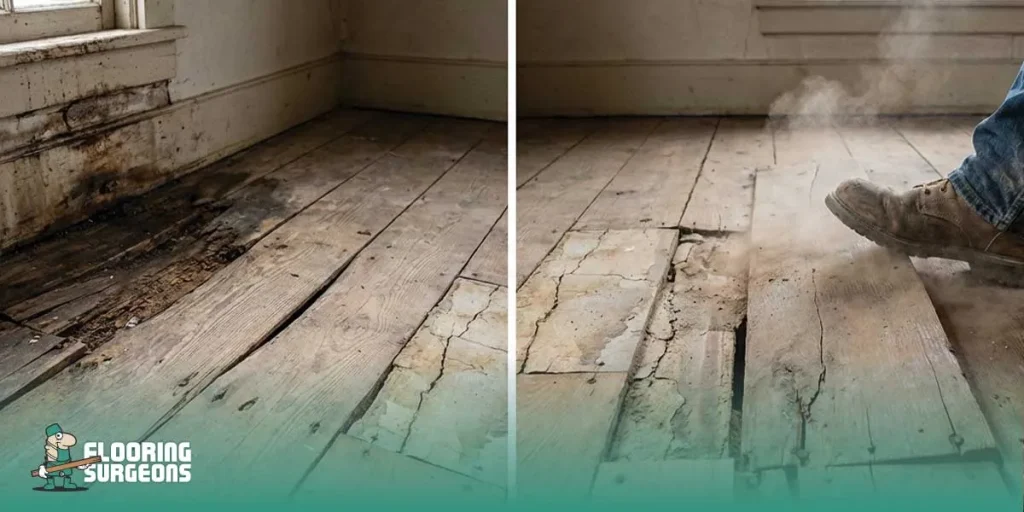
If you recognise any of these signs, sanding may improve appearance briefly, but is unlikely to deliver a durable or cost-effective result. In these cases, exploring alternatives before committing to sanding is usually the smarter decision
Wooden Floors That Should Not Be Sanded
Not all wooden floors are suitable for sanding. In fact, some floor types can be permanently damaged by sanding, even if they look like solid wood at first glance. The table below highlights common wooden floor types and whether sanding is appropriate. Most floors suitable for sanding are traditional solid wood flooring with enough thickness to tolerate material removal without compromising strength
| Floor type | Can it be sanded | Why is sanding not recommended |
| Veneer engineered wood | No | The top wood layer is too thin, and sanding can cut through it |
| Laminate flooring | No | Laminate contains no solid wood layer to sand |
| Heavily worn solid wood | Usually no | Excessive sanding reduces strength and shortens lifespan |
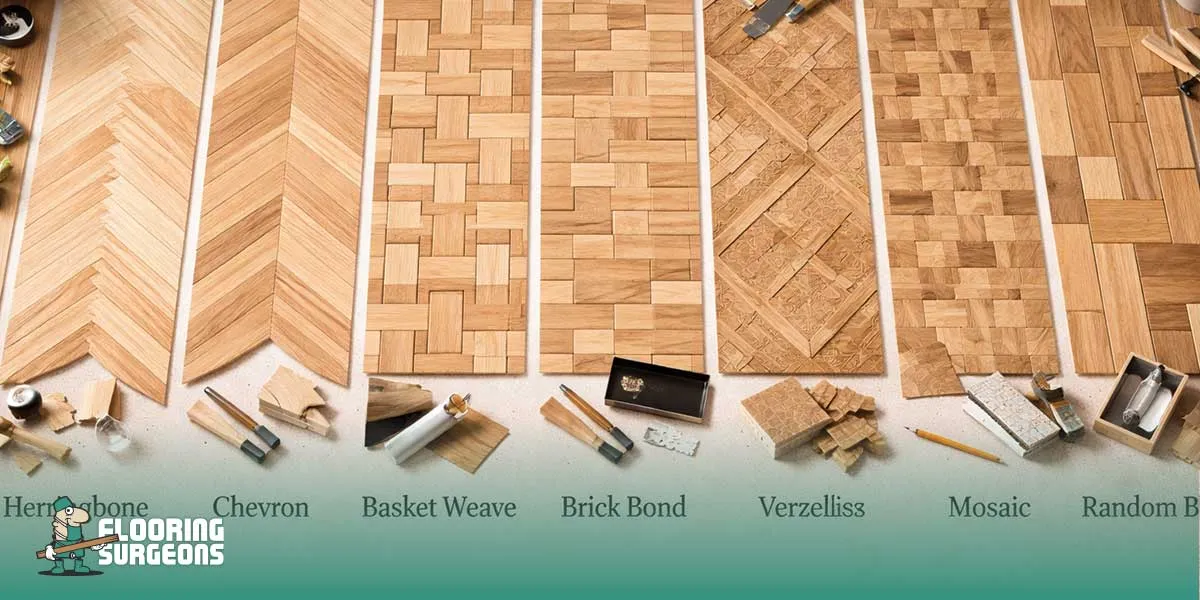
| Old parquet with loose blocks | No | Sanding can worsen movement and cause blocks to lift |
| Floors with severe cupping or warping | No | Sanding removes material but does not correct distortion |
| Floors with deep water damage | No | Damage penetrates the wood and sanding exposes weaker areas |
| Previously over-sanded floors | No | Little usable wood remains for safe sanding |
This is where many homeowners go wrong. Floors may look suitable for sanding, but their construction or condition makes sanding risky or ineffective. Attempting to sand the wrong type of floor can result in irreversible damage and higher costs later. Before considering sanding, it is essential to confirm not just that the floor is wooden, but that it has enough solid material and structural stability to tolerate the process safely.
How Floor Sanding Can Make Problems Worse?
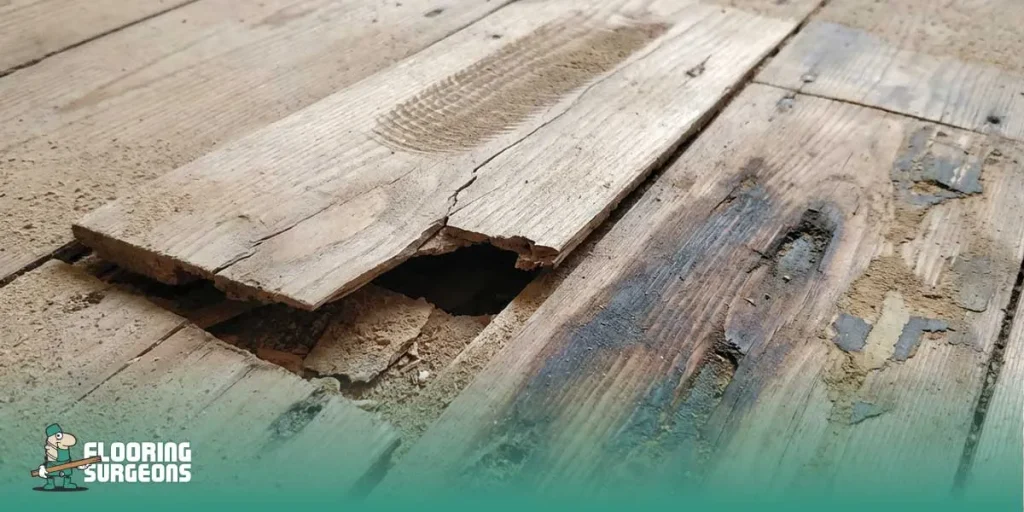
Floor sanding can make existing problems worse when it is applied to the wrong type of floor or at the wrong stage of wear. Instead of extending the life of the floor, sanding in these cases can permanently limit future options. One of the most common issues is loss of remaining material. Sanding removes wood, and when boards are already thin, this can reduce their strength and make them more prone to cracking, splitting, or movement. Once this material is gone, it cannot be replaced.
Sanding can also expose hidden defects. Deep stains, previous repairs, filler, and uneven board thickness often become more visible after sanding. What looked like a uniform surface before sanding can end up looking patchy and inconsistent once the top layer is removed. In floors affected by moisture or movement, sanding may worsen instability. Removing material can make boards flex more, widen gaps, and accelerate wear in high-traffic areas. In some cases, sanding triggers new problems that were not visible beforehand. One of the biggest risks with sanding is removing too much material. Understanding how many times a wood floor can be sanded helps avoid weakening the boards beyond repair.
Another risk is false improvement. A freshly sanded floor can look significantly better in the short term, masking underlying issues that continue to develop. This can delay necessary repairs and lead to higher costs when the problems eventually surface. The key risk is that sanding is irreversible. When used in the wrong situation, it does not simply fail to fix the problem. It reduces the remaining lifespan of the floor and narrows the range of solutions available in the future.
What to Consider Instead of Floor Sanding?
If floor sanding is not suitable for your situation, there are several practical alternatives worth considering, depending on the condition of the floor and your priorities. In some cases, sanding may not be the right option, but restoring old wooden floors through targeted repairs or partial restoration can still deliver a good outcome.
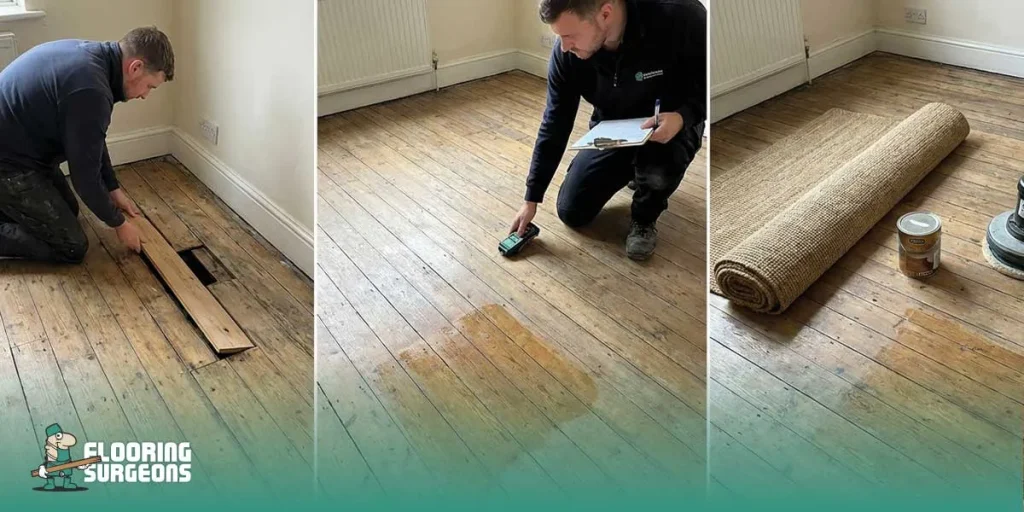
- Targeted board repairs
Replacing or reinforcing damaged boards in specific areas can improve safety and appearance without removing material from the entire floor. - Recoating without sanding
In some cases, a new protective finish can be applied after a deep clean and light abrasion, refreshing the floor without full sanding. - Partial restoration
Addressing problem areas only, such as hallways or high traffic zones, reduces cost and avoids unnecessary wear to healthier sections of the floor. - Floor covering solutions
Rugs or runners can protect vulnerable areas and improve appearance while postponing more invasive work. - Replacement with compatible materials
When sanding is not viable, replacing the floor with materials that suit the property and usage needs may deliver a better long-term outcome. - Professional assessment before any work
A proper evaluation can clarify whether sanding, repair, or replacement is the most sensible option and prevent unnecessary expense.
Choosing an alternative does not mean giving up on your floor. It means selecting a solution that matches its condition and avoids reducing its remaining lifespan.
A Simple Checklist to Decide If Floor Sanding Is Right for You
Floor sanding is likely the right choice for you if most of the following statements are true
- The floorboards still have enough thickness and have not been sanded repeatedly in the past
- Problems are mainly surface-related, such as wear, scratches, or faded finish
- The floor feels solid underfoot with no widespread movement or instability
- There is no evidence of deep rot, long-term moisture damage, or structural failure
- You understand that sanding will improve the appearance, not make the floor look new
- You are aiming to extend the usable life of the floor rather than eliminate all imperfections
Floor sanding is probably not the right choice if several of these apply
- The boards are already thin, brittle, or uneven from previous sanding
- Structural issues, damp, or subfloor problems are present and unresolved
- Large areas would need repair before sanding could even begin
- You need a highly durable, low-maintenance surface for heavy daily use
- A uniform, flawless finish is your main expectation
If your answers clearly lean one way, your decision is likely already made. This checklist is not about pushing you toward or away from sanding, but about confirming whether it aligns with your floor’s condition and your expectations for the result. Many homeowners benefit from an independent assessment before committing to sanding. Specialists such as Flooring Surgeons can help identify whether sanding is genuinely suitable or whether it may cause long-term issues

Haniye Ayanmanesh
As an expert writer for Flooring Surgeons, I combine technical SEO knowledge with a practical understanding of flooring, producing content that helps users make confident decisions while supporting long-term organic growth.