


Interior design is most popular in countries with strong real estate markets, established design education systems, and high consumer spending on housing. The United States, the United Kingdom, Italy, the United Arab Emirates, and China are among the leading regions where interior design holds both cultural significance and substantial economic influence. However, popularity in interior design is not only about revenue. It reflects cultural value, global influence, professional demand, and growth potential. Some countries lead in market size, while others shape global design trends.
Table of contents
What Does “Most Popular” Mean in Interior Design?
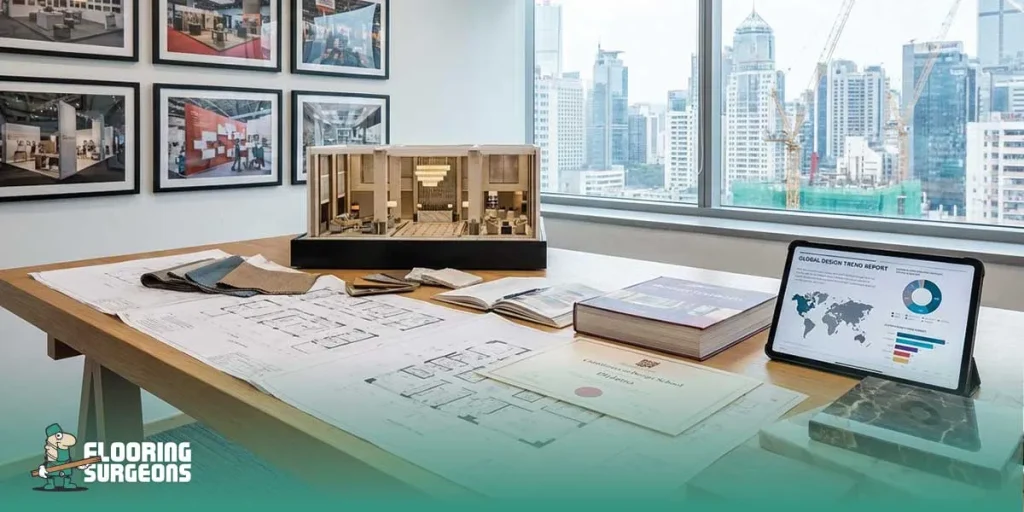
To understand where interior design is most popular, it is important to define what “popular” actually means. Popularity can refer to several overlapping factors:
- Market size and real estate activity
- Cultural importance of aesthetics and home design
- Presence of top design schools and institutions
- Luxury residential and hospitality demand
- Influence on global design trends
For example, a country may generate significant industry revenue due to construction volume, while another may influence global interior design trends through exhibitions, publications, and design heritage. Distinguishing between economic scale and cultural leadership allows for a clearer global comparison. Much of what we call ‘popular design’ is rooted in interior design theory and global influence, shaped over decades by schools, movements, and iconic design capitals.
Countries Where Interior Design Is Most Popular
Interior design hubs typically emerge in regions where wealth concentration, urban density, and active property development intersect.
In North America, the United States has one of the largest interior design industries globally. A combination of residential remodelling culture, luxury housing, commercial real estate, and hospitality development drives continuous demand. For budget-conscious renovations, Laminate Flooring remains popular in many regions because it can deliver a modern look with predictable costs, especially in rental properties and high-turnover housing markets. Canada also maintains a growing market, particularly in sustainable and urban-focused residential design.
In Europe, the United Kingdom blends historical design heritage with modern innovation, making it both culturally influential and economically significant. Italy remains globally recognised for luxury interiors and furniture design, with Milan playing a central role in shaping global aesthetics. France continues to influence high-end residential design, while Scandinavian countries such as Sweden and Denmark define minimalist and functional interior trends adopted worldwide. Scandinavian countries have had an outsized impact on minimalist interiors popular worldwide, with clean lines and functional layouts that continue to shape global expectations.
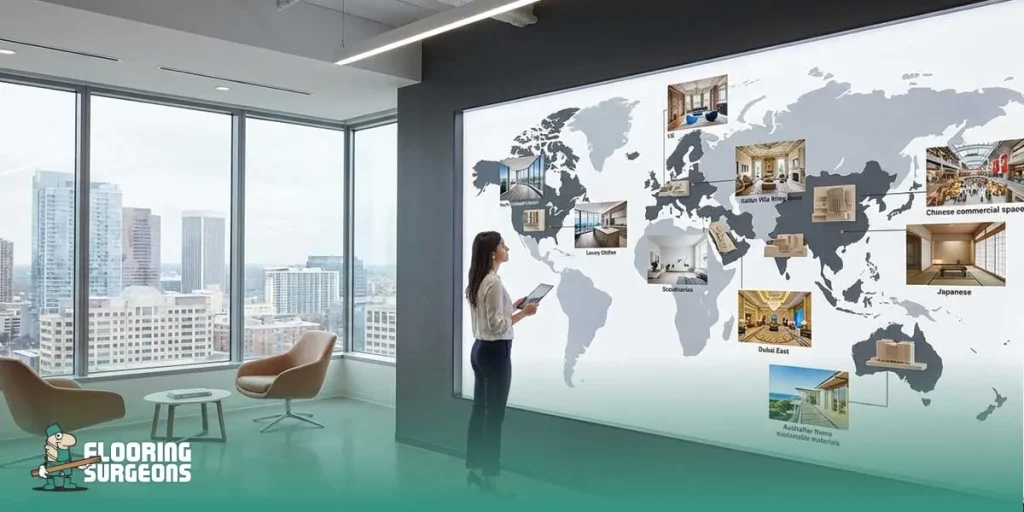
In the Middle East, the United Arab Emirates stands out as a luxury-driven interior design hotspot. Rapid urban development and large-scale hospitality projects have elevated cities like Dubai into international design centres. Saudi Arabia is also expanding quickly due to major infrastructure and real estate investments.
Across Asia, China represents one of the largest interior design markets by scale, largely driven by extensive residential and commercial development. Japan influences the industry through spatial efficiency and minimalist innovation, while South Korea continues to gain visibility through lifestyle branding and digitally driven design trends.
Australia, though smaller in scale, has a strong residential design culture, particularly in coastal, sustainability-focused, and lifestyle-oriented interiors.
Cities Known as Interior Design Capitals
Although countries define market size, cities often shape influence. Major urban centres host international exhibitions, leading design schools, and globally recognised studios.
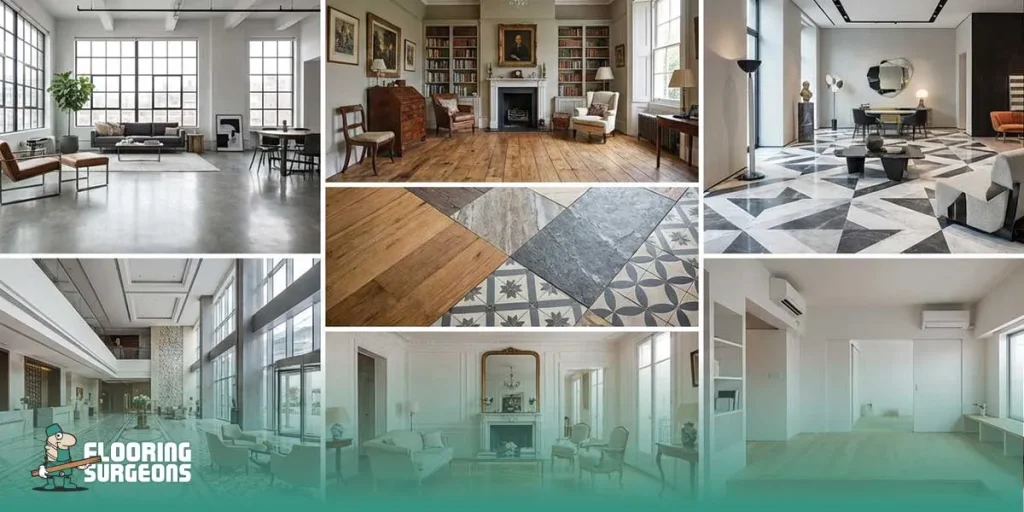
New York is a dominant commercial and residential design centre. London combines education, heritage, and international talent. Milan remains synonymous with luxury furniture and design exhibitions. Dubai represents rapid luxury expansion and architectural ambition. Paris maintains high-end aesthetic traditions, while Tokyo leads in compact living solutions and spatial innovation. In many design capitals, flooring as a design feature plays a bigger role than people expect, because pattern, texture, and finish can signal luxury, heritage, or modernity at a glance. These cities function as interior design hubs because they concentrate creative talent, investment, and international visibility.
Where Is the Interior Design Industry Growing the Fastest?
While established markets remain stable, the fastest growth is occurring in emerging regions. The Middle East continues expanding through hospitality and high-end residential megaprojects. Southeast Asia benefits from urbanisation and middle-class growth. India shows strong development in both residential and commercial interiors.
Tourism-driven economies are also accelerating hospitality design investment, which increases demand for professional interior designers. Growth markets may not yet surpass the United States or the United Kingdom in total size, but their expansion rates position them as strategically important.
Where Do Interior Designers Have the Highest Demand?
Demand for interior designers is strongest in regions with active property turnover and large urban populations. Cities with dynamic commercial sectors and strong luxury real estate markets consistently generate higher professional demand.
Tourism-heavy regions, especially those investing in hotels and resorts, also create steady opportunities. In fast-moving urban markets, designers often choose materials that balance durability with aesthetics, which is why Luxury Vinyl flooring has become a common choice in high-traffic residential and hospitality spaces. For individuals exploring interior design career paths, metropolitan areas with strong construction pipelines and international investment typically provide the most stability and opportunity.

Why Interior Design Is More Popular in Certain Regions
Interior design popularity correlates closely with economic structure and cultural values. Higher disposable income increases investment in personalised interiors. Urban density raises the need for optimised space planning. Active real estate markets create continuous renovation cycles. Regions with large hospitality sectors naturally require professional interior services. Cultural preferences also shape colour and material decisions, and the psychology of colour choices in interiors helps explain why the same palette feels ‘premium’ in one market but ‘cold’ in another.
Additionally, social media exposure has amplified global interior design trends, influencing consumer expectations across continents. Global interest in interiors often accelerates when social media-driven design trends spread across platforms, making certain styles and materials popular far beyond their original regions. When income levels, urbanisation, cultural appreciation for aesthetics, and property investment converge, interior design becomes both economically powerful and culturally significant.
How Interior Design Markets Compare at a Glance
| Region | Cultural Influence | Market Size | Luxury Demand | Growth Rate |
| United States | High | Very Large | Strong | Stable |
| United Kingdom | High | Large | Strong | Moderate |
| Italy | Very High | Medium | Very Strong | Stable |
| United Arab Emirates | Growing | Medium | Very Strong | High |
| China | Moderate | Very Large | Strong | High |
| Southeast Asia | Growing | Expanding | Moderate | Very High |
Interior design is most popular where economic strength, cultural heritage, and real estate development intersect. Established markets lead in influence and scale, while emerging regions drive future growth. If you are comparing global style influence with practical choices for UK homes, the Flooring Surgeons UK team shares guidance on how design ideas translate into real flooring decisions.

Haniye Ayanmanesh
As an expert writer for Flooring Surgeons, I combine technical SEO knowledge with a practical understanding of flooring, producing content that helps users make confident decisions while supporting long-term organic growth.