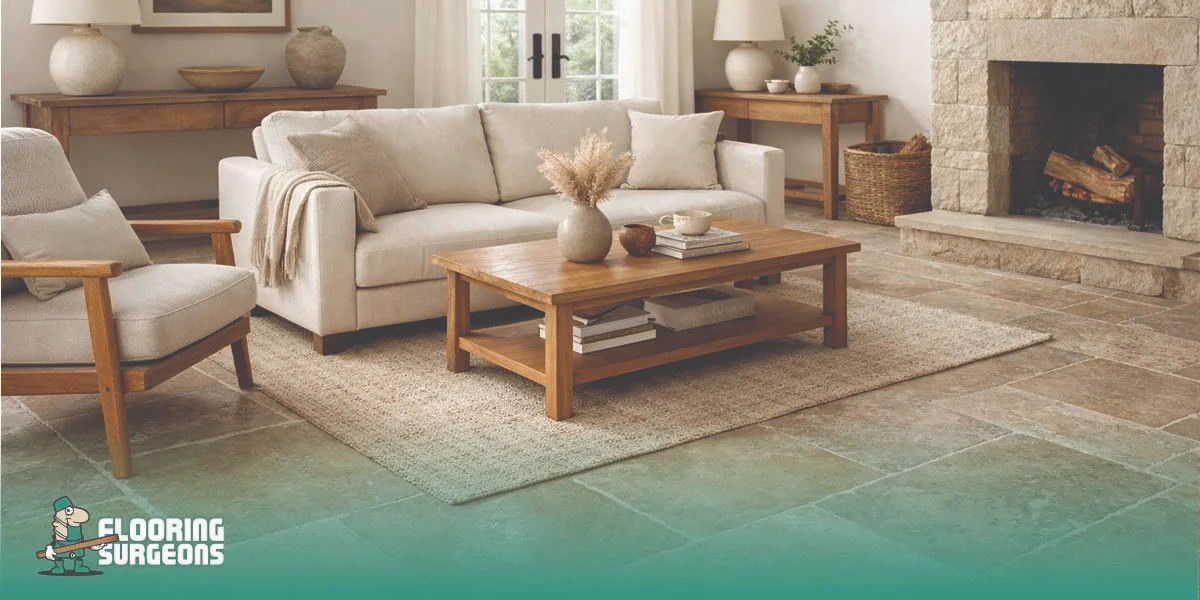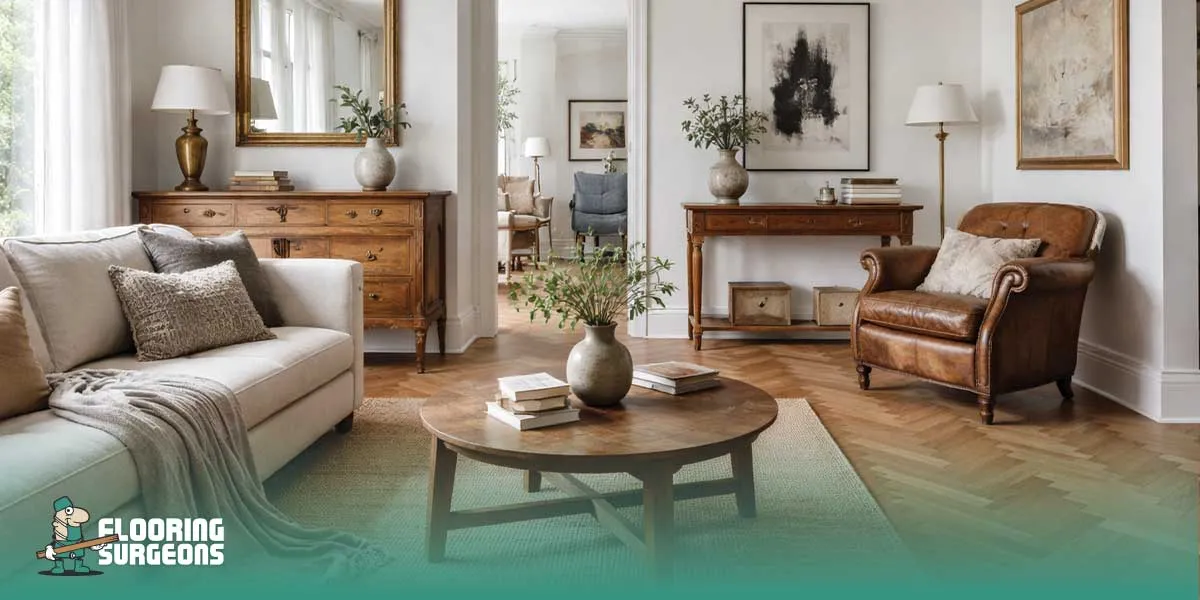



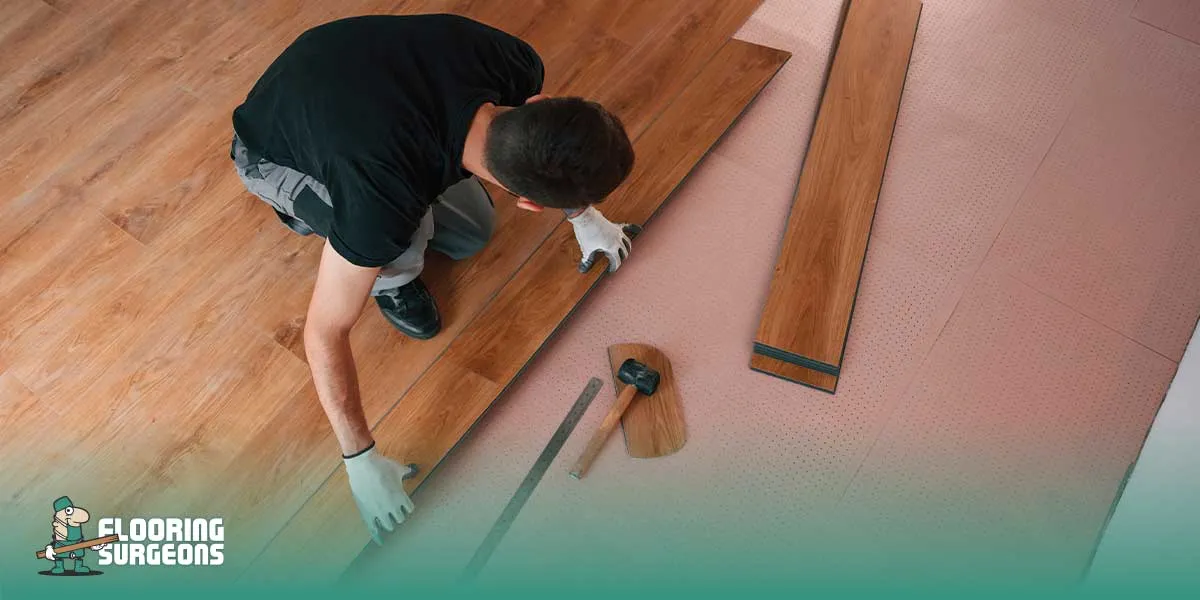
You’re likely here because you’ve been wondering: which direction should wood flooring run? The short, honest answer is: yes, direction matters, but only when structure, space, and light demand it. In most homes, the flooring should run perpendicular to floor joists for stability, along the longest dimension to elongate the space, and with light to get the most pleasing effect. When these factors don’t demand a particular direction, the best direction is the one that makes sense for how you use the space.
We’ll go into each of those in more detail below, step by step, to help you make the right decision with confidence.
Table of contents
Which Way Should Wood Flooring Run? A Practical Guide for Homeowners
Choosing the direction of wood flooring isn’t just a technical decision, it’s one that affects how a space feels the moment you walk into it. The direction your boards run can influence visual flow, walking comfort, and how naturally rooms connect to one another. In homes with multiple adjoining spaces, a well-chosen flooring direction can create continuity, while a poor choice can unintentionally break up the layout. Before looking at joists, light, or room dimensions, it’s worth understanding that flooring direction plays a subtle but powerful role in how your home functions as a whole.
Start With the Structure Beneath the Floor
Before aesthetics come into play, the structure beneath your floor must be considered. This is critical for long-term installation success, especially with solid wood floors.
If your subfloor consists of exposed joists, the boards must run across the joists to limit movement and prevent future sagging. This is the single most important technical rule and directly answers a common concern: does it matter which way I install my hardwood floor? From a structural standpoint, the answer is clearly yes. On plywood, concrete, or other solid subfloors, however, direction becomes far more flexible. At this stage, structural necessity gives way to design choices—bringing us naturally to layout decisions.
Room Shape and Proportions: Making Spaces Work Harder
One of the most practical and common questions is: which way should wood flooring run to make a room look better? Here’s the simple general rule:
Run boards parallel to the longest wall. This makes the room visually longer, minimizes waste cuts, and creates a more tranquil and continuous look, especially in rectangular rooms. It also answers how should wood floors be laid out in terms of narrow rooms or hallways. If you’re still unsure how to decide which way to run wood flooring, begin by measuring the room. Let the room’s proportions be your first guide, before personal preference. After considering proportions, the next guide is light.
Using Natural Light to Your Advantage
Light is one of the most influential factors when considering how flooring will look once installed. Laying boards in the direction of dominant daylight has long been considered best practice, as it helps minimize visible seams and enhances the natural grain of the wood.
It’s no surprise we’re often asked: which way should wood flooring run in bright rooms or open-plan living spaces? When boards follow the flow of natural light, floors tend to appear more seamless and visually expansive, particularly in larger areas.
However, light is only one piece of the puzzle. Flooring direction must still work in harmony with the room’s structure and proportions. In feature spaces where visual impact is the priority, design-led layouts such as a chevron flooring pattern can intentionally break conventional rules to create a strong focal point without compromising style. With those considerations in mind, let’s summarize the key takeaways in a clear comparison.
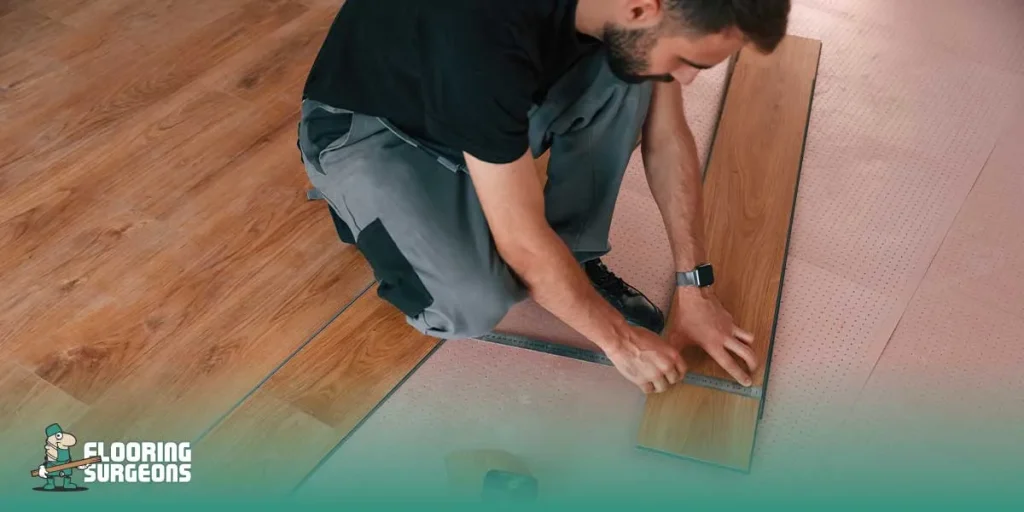
Practical Wood Flooring Direction Guide (Quick Reference)
| Room Condition | Recommended Direction | Why It Works |
| Joist subfloor | Perpendicular to joists | Prevents flexing and movement |
| Long rectangular room | Along the longest wall | Makes the room feel larger |
| Strong natural light | With the light source | Enhances grain and finish |
| Open-plan layout | Consistent direction throughout | Improves flow and cohesion |
| Design-led space | Pattern-based layout | Creates visual impact |
This table helps answer how should wood flooring be laid when multiple factors are involved. With the basics covered, let’s look at design-driven choices.
When Design Takes Priority Over Convention
Straight planks aren’t the right choice for every space. In feature areas, some homeowners opt for layouts specifically designed to draw attention and add character.
Chevron flooring, for example, introduces movement and visual interest in a way that straight boards simply can’t. While more complex to install, patterned layouts work beautifully in rooms intended to stand out rather than blend into surrounding spaces.
Design-led decisions also come into play when mixing materials. A common question in these situations is which direction do you lay laminate flooring when transitioning from wood to laminate. In most cases, the best approach is to run the laminate in the same direction as the existing wood flooring, where possible, to maintain visual flow and continuity. That naturally brings us to the next consideration: how different flooring materials influence installation choices.
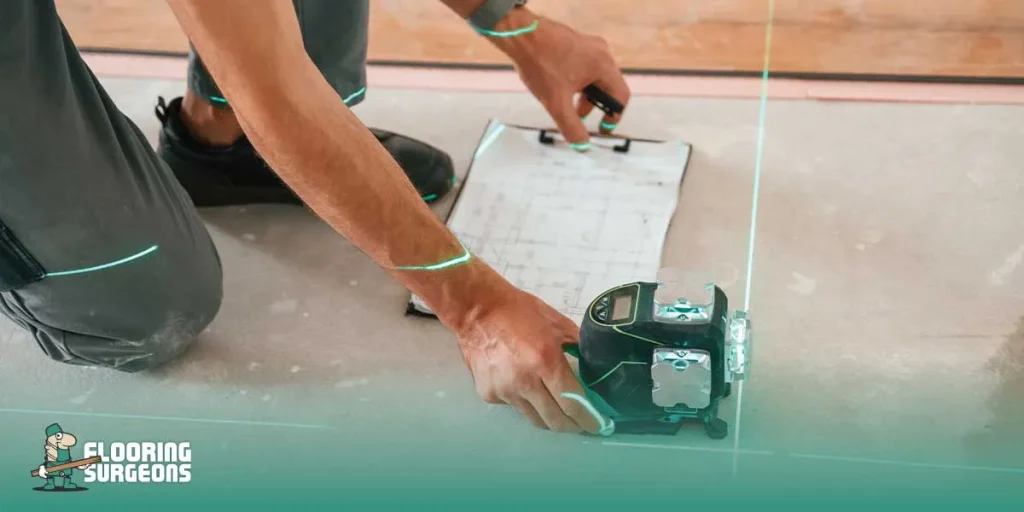
Solid Wood vs Engineered Floors
Direction matters a bit more with solid hardwood floors, because of natural expansion and contraction. Boards run along the length of the room to allow movement without as much stress widthwise across the planks.
Engineered flooring is more forgiving, so you have more leeway when deciding which way wood flooring should run without affecting performance. At this point, most homeowners are very close to a final decision.
The Final Decision: What Actually Matters Most
When you’ve considered all the technical and visual factors, there’s just one question left: which way should you lay wooden flooring so you don’t regret it later? The truth is simple. After structural needs are met and expansion is taken care of, most people never think about direction again. The only thing that matters is that the floor feels right in your home. That practical, experience-led approach is exactly how Flooring Surgeons lead homeowners – by stability first, aesthetics second, and personal comfort always.
Key Takeaways
- Structure always comes first
- Room shape influences perception of space
- Light enhances, but doesn’t dictate, direction
- Patterns are design tools, not rules
- Confidence in your choice matters more than “perfect” alignment
With the right approach, choosing flooring direction becomes a clear, stress-free decision—one that supports both how your home looks and how it performs for years to come.

Mina Asgari
I’m an SEO Specialist and Content Strategist focused on sustainable business growth. I design data-driven content strategies by deeply analyzing user intent, search behavior, and SEO best practices, ensuring every piece of content serves a clear purpose for both users and search engines.