

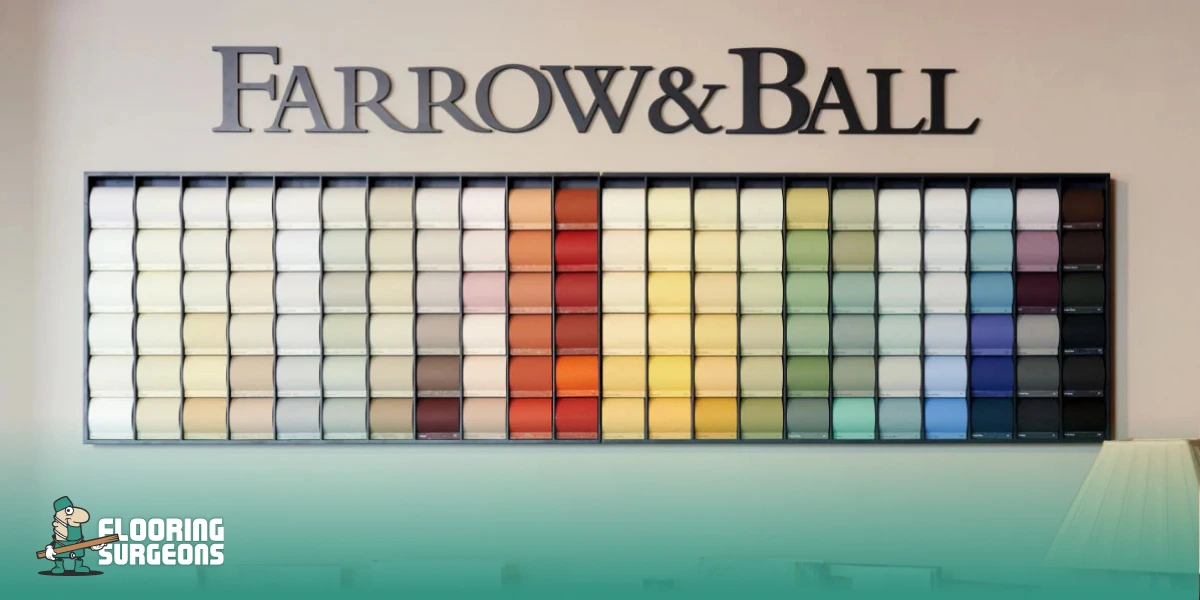
Ever stared at a can of Farrow & Ball and wondered, “Why is this stuff so pricey?” You’re not alone.
Here’s the deal: you’re not just paying for paint that covers your walls. Farrow & Ball is all about those rich, layered colors that actually change with the light. That’s a big part of the price tag. But honestly, the real expense starts piling up once you get going you need to prep the walls, use the right primer, and sometimes slap on an extra coat or two. All that adds time and labor, and suddenly your budget feels a lot tighter.
So, is it worth it? Sometimes it is. Sometimes it’s not. Paint is easy to change if you regret your choice. Flooring, on the other hand, is a pain to replace, so it makes sense to think about where to spend and where to save.
In this article, we’ll dig into why Farrow & Ball costs more, what you’re actually getting for your money, if the results live up to the hype, and when it’s smart to splurge or skip it.
Table of contents
What Makes Farrow & Ball Expensive?
It’s not just one thing. You’re paying for how the colors actually look once they’re up, how the finish reacts when sunlight hits it, and honestly, what it takes to get that perfect coat on your walls. Here’s what really drives up the cost.
Pigment levels and colour depth
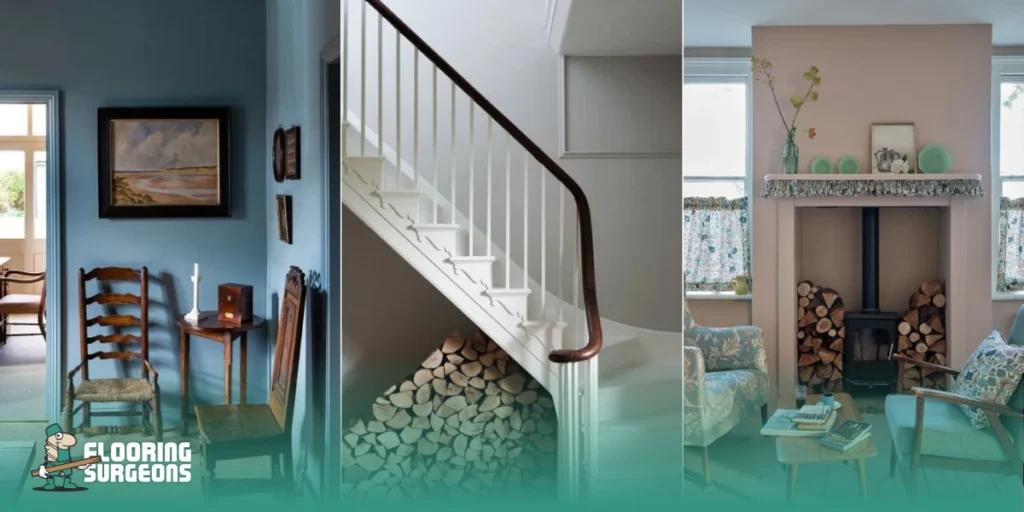
A big part of the Farrow and Ball paint cost comes from the pigments. Farrow & Ball loads their paints with more pigment than a lot of other brands. Their colors don’t just sit there looking flat or basic. They have this kind of layered, “in-between” vibe especially when you see them across a big surface in daylight. You get depth, not just another bold or bright color, but something that feels a bit more complex and interesting. That’s what people are really talking about when they say Farrow & Ball colors have more character.
Finish quality and light behaviour
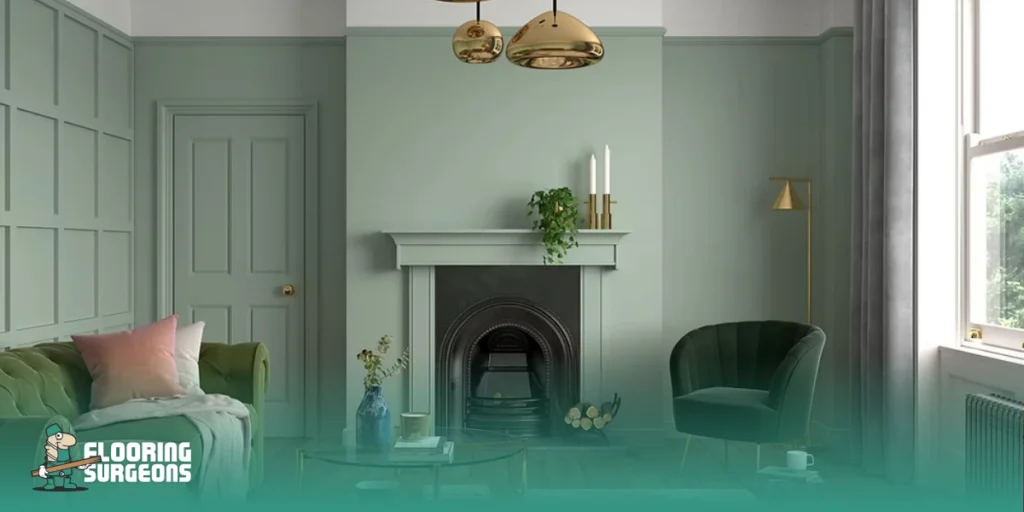
You’re not just paying for the paint you’re paying for how it looks on the wall. Some matte and eggshell finishes really cut down on glare, so the surface feels softer and calmer. That’s a big deal in older homes or rooms where design matters. In a bright space, that little difference is what turns a wall from just chalky to genuinely velvety.
The hidden costs: prep, primer, and coats
Here’s where things add up fast: all the work before you even start painting. If the wall needs repairs or you’re covering a dark color, you’ll need the right primer and probably an extra coat. Most of the time, it’s not the paint itself that makes the job expensive it’s all the extra steps. That extra effort pushes the price up more than you’d think.
Is Farrow & Ball Worth the Money?
Well, if you want the color and finish to be the star of the room, then yeah, go for it. In rooms with plenty of natural light, their paint really shows off—those rich, layered tones are exactly what you’re paying for.
But in spots like hallways, staircases, or kids’ rooms places that take a beating it’s probably not the best use of your money. Scuffs and constant cleaning matter more there than a perfect shade. And if you’re painting a whole house, labor and prep can end up costing way more than the paint itself.
Here’s the simple way to look at it: If you’re going to notice and appreciate that gorgeous color every day, then it’s worth the splurge. If not, save your money for something else.
Can You Colour-Match Farrow & Ball?
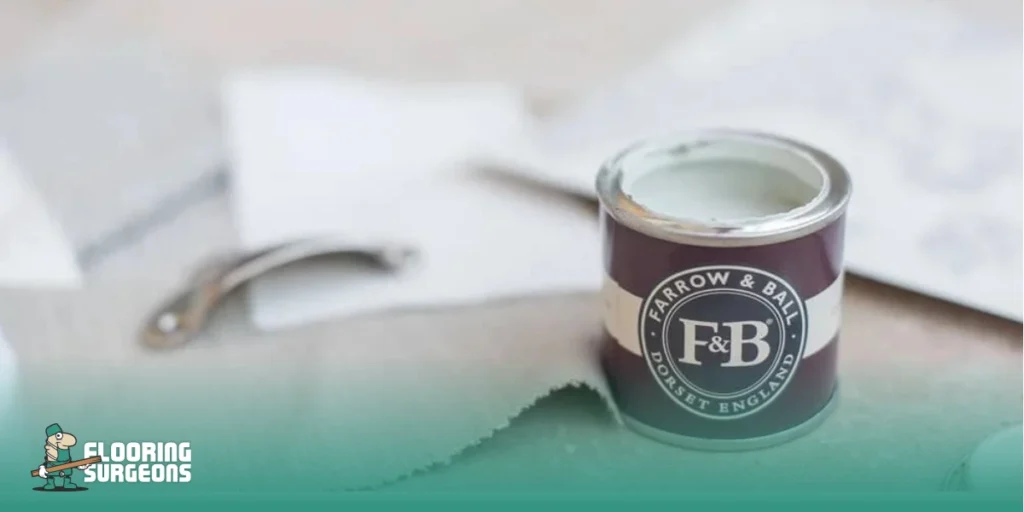
Sure, you can match their shades with other brands. But let’s be honest—getting the colour right doesn’t always mean you’ll get the same finish, or that the paint will look identical in every light.
Paint’s more than just pigment. The base, the sheen, the way it dries—they all play a part. Two colours might look the same on a tiny swatch, but once you get them on the wall, especially with matte paints, you might notice subtle differences.
If you’re set on a certain shade but want to save a bit on a big project, colour matching makes a lot of sense. Just don’t skip the sample step. Try it out on your wall, check it in both morning and evening light, and see how it feels before you dive in.
Flooring vs Paint: Where Should You Spend Your Budget First?
If you’re keeping an eye on your budget, matching colors sounds smart, but here’s the real thing—paint’s easy to swap out. You can repaint a wall on a weekend, no sweat. Changing your floors? A whole different story. It’s messy, expensive, and honestly, just a hassle.
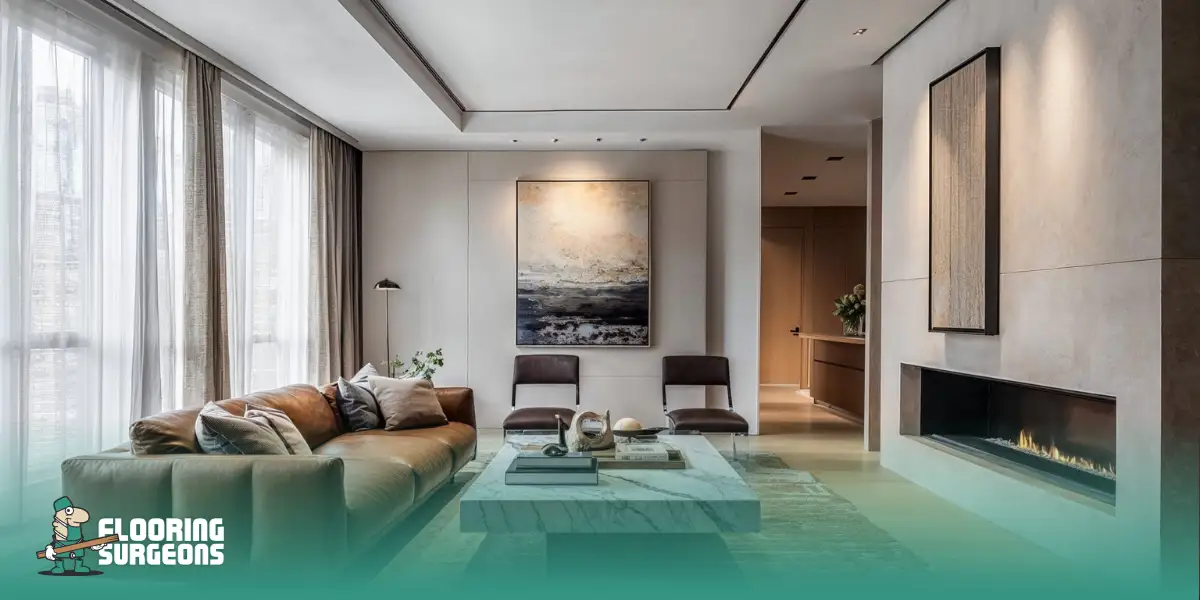
That’s why, for most people, it’s smarter to lock in your flooring first. Pick your floor, then find a wall color that works with it. Floors do more for a room than you might think—they set the mood, make the space feel cozy or bright, and stand up to everything life throws at them. You see and feel them every day. So, let the floor lead, and let your paint follow.
If you’re budgeting for a refresh or a full renovation, it’s worth checking Flooring Installation Costs in the UK early on. It helps you plan the true spend (materials, prep, fitting) so you don’t overspend on paint and end up compromising on the surface you’ll live with for years.
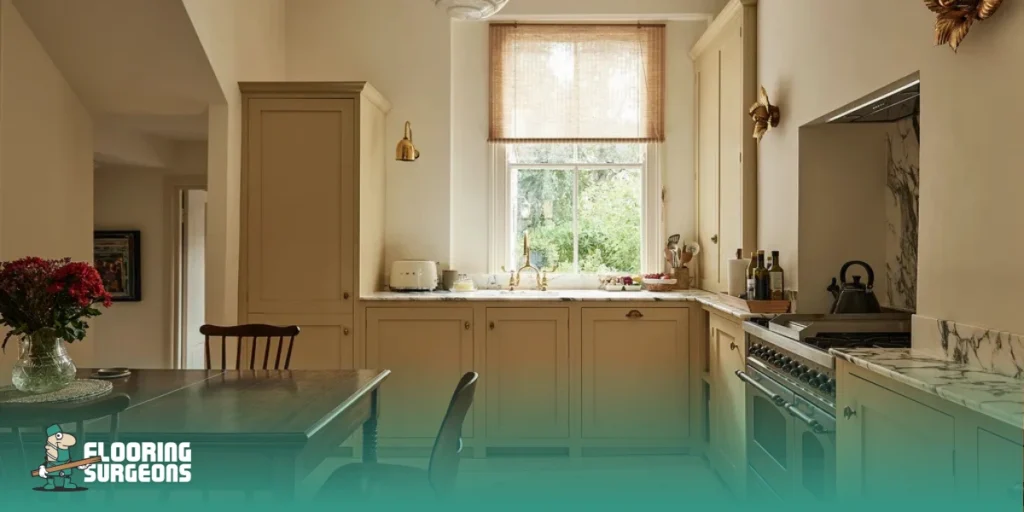
How to Match Wall Colours With Your Flooring
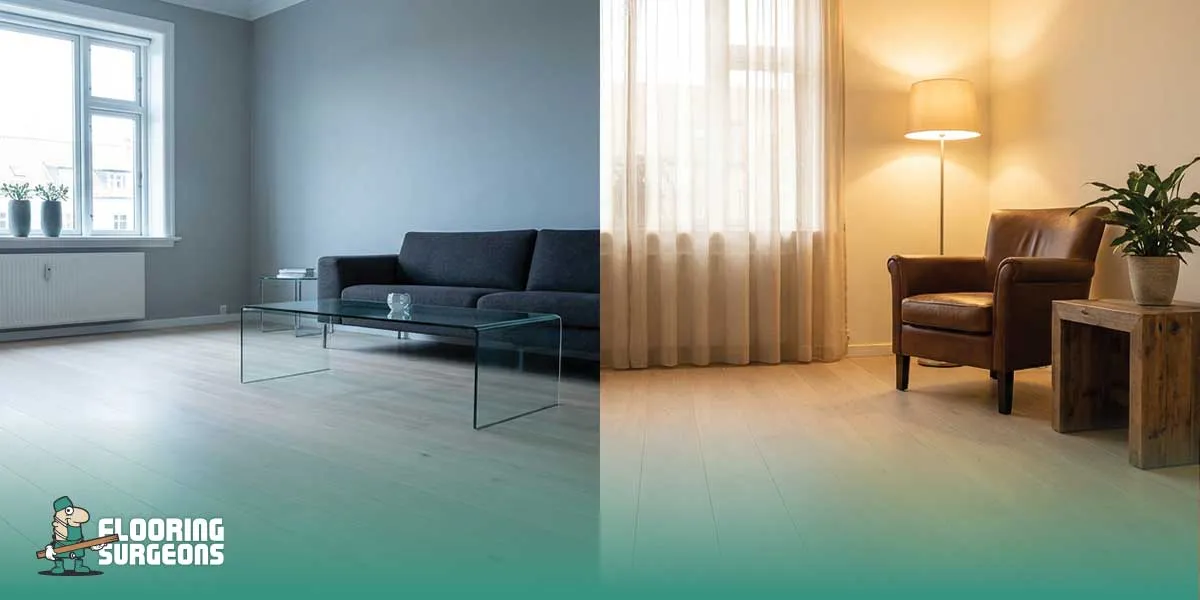
Start with the floor. Once you’ve picked that out, use paint to balance things out. The floor sets the vibe—whether the room feels warm or cool—and it decides how much contrast you can pull off. Want an easy, step-by-step way to do this? Check out How to Match Flooring Colours with Wall.
Quick Reference: Flooring and Wall Colour Pairing Guide
Here’s a simple guide to pairing wall colours with different flooring styles:
| Flooring look (what you’ll notice first) | What usually works best on the walls | Why it works |
| Warm wood tones (golden oak, honey, natural) | Warm off-whites, soft greiges, muted earthy tones | Keeps the room cohesive and avoids a “yellow clash” |
| Cool greys / concrete-look floors | Warm whites, clay tones, soft taupes | Stops the space feeling cold or flat |
| Patterned statement floors (busy grain / strong layout) | Simpler, calmer colours with low contrast | Lets the floor lead without the room feeling noisy |
| Dark floors | Lighter mid-tones or warm whites | Prevents the room from feeling heavy and closed-in |
Here are a few go-to combos that usually look great in UK homes:
- If you’re thinking about engineered wood flooring, try out your paint colours in both daylight and evening light. You’ll notice those undertones pop up fast next to real wood.
- If you are going for parquet or herringbone flooring, keep your walls simple. Let the pattern stand out—it’s already the star.
- And if you need something tough think hallways, kitchens, busy family spaces luxury vinyl flooring gives you the freedom to play with lighter wall colours without stressing about scuffs or wear.
Final Verdict: Is Farrow & Ball Worth It?
Farrow & Ball costs more because you’re paying for richer colour, a special finish, and a bit more effort to get everything just right. In a standout room with good light, the extra spend can feel totally worth it.
But if you’re on a budget, it usually makes more sense to focus on the surfaces you use every day mainly your floors then pick paint that fits. That’s how Flooring Surgeons tackle most projects: sort out the flooring first, then build your colours around it.

Ana.Soltanpoor
I’m an SEO Specialist with a strong background in content management and organic search. I build data-driven content strategies by aligning user intent, search behavior, and SEO best practices to ensure every piece of content delivers clarity, relevance, and measurable organic performance.