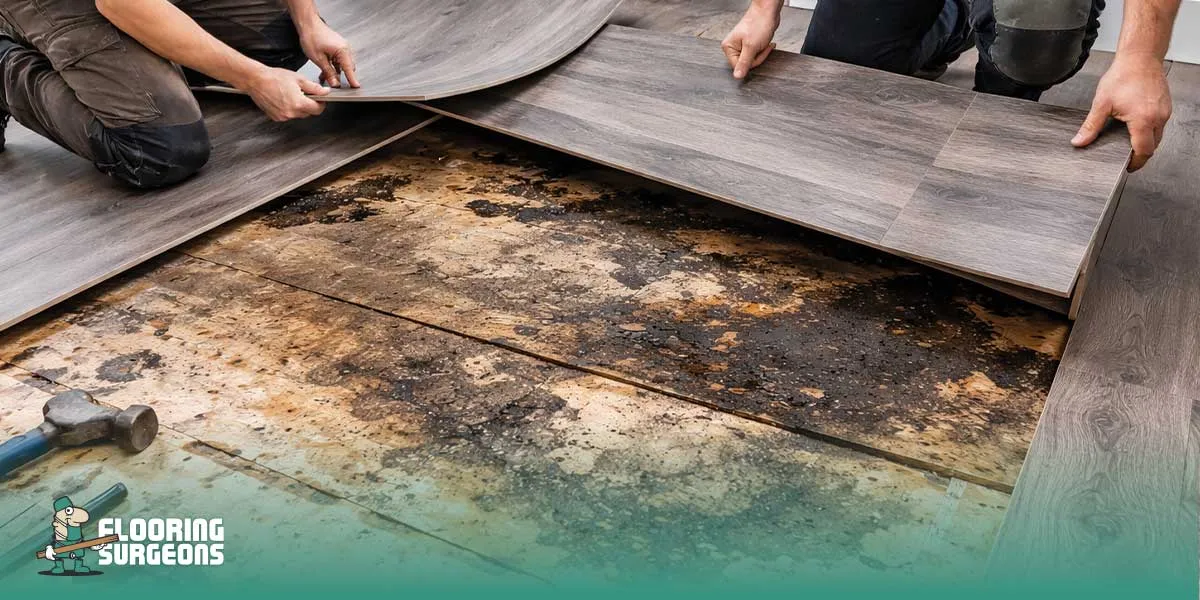


If you’ve ever stepped onto your floor at night and wondered, Why does my floor feel cold?, you’re experiencing a common problem. Even with central heating running, floors can stay cold due to poor insulation, floor material, localized cold spots, and moisture issues. Understanding these factors helps you take effective action to warm your floors and enjoy a comfortable home environment immediately.
Table of contents
Common Causes of Cold Floors
Even when the heating is on, your floor may feel cold because of several real-world reasons:
Unheated Spaces Beneath the Floor
Floors above basements, garages, or crawl spaces are naturally colder. Heat from the central system has less effect on the floor because the underlying space absorbs energy. This explains why is my floor cold in one spot in certain rooms.
Floor Material and Thermal Conductivity
Tile, stone, and some laminate floors retain less heat than wood or vinyl. This is why why my floor is so cold, or why is my floor so cold in the winter? The type of floor dictates how quickly it warms up from ambient heat or underfloor systems.
Insufficient Underfloor Insulation
Heat can escape downward if the floor lacks proper insulation. This contributes to why are my floors cold in winter even with a functioning heating system. Using a Quicktherm Vapour Underfloor Heating Laminate Wood Underlay can significantly improve heat retention.

Moisture Issues
Damp floors feel colder because water conducts heat away from your body faster than dry materials. This explains why is my floor cold and wet in certain areas.
Heating System Limitations
Uneven distribution or low-temperature settings can leave areas chilly. This is why some homeowners ask, Why do my floors feel cold despite the thermostat reading normal temperatures.
Choosing the right flooring can be very helpful in this regard. We suggest you read the article “Best Flooring for Underfloor Heating” and increase your knowledge in this field.
Flooring Solutions That Actually Work
Choosing the correct floor type and layout is key:
- Chevron flooring patterns enhance aesthetics and distribute heat efficiently.
- Engineered wood or laminate over insulated underlay retains warmth better than bare tiles.
- Selecting the best flooring for underfloor heating ensures even heat transfer and reduces cold spots.
Practical Solutions Table for Not Getting Warm Floors
| Problem | Solution | Ideal For |
| Cold spots above unheated spaces | Install insulated underlay or add radiant underfloor heating | Bedrooms, living rooms |
| Poor heat retention | Switch to engineered wood, laminate, or vinyl | Tiles or stone floors |
| Moisture absorption | Add a moisture barrier or dehumidify | Tiles, stone, damp areas |
| Uneven heating | Check underfloor heating calibration or install zoned heating | Large rooms or open-plan layouts |
| Low ambient floor temperature | Use chevron flooring or heat-conductive patterns | All floors needing warmth |
Expert Tips From Flooring Surgeons
The team at Flooring Surgeons recommends:
- Check air gaps under flooring to prevent cold convection.
- Use underlay and floor types compatible with heating systems.
- For maximum comfort, combine underfloor heating with proper flooring materials.
These practical steps address both localized cold areas and floors above unheated spaces.

Conclusion
Cold floors at night have multiple causes: floor type, insulation, moisture, and heating distribution. Understanding why my floor is so cold allows you to make informed decisions: choose the right materials, optimize underfloor systems, and implement insulation where necessary. With the correct approach, even rooms above garages or basements can stay warm, cozy, and comfortable all winter long.

Mina Asgari
I’m an SEO Specialist and Content Strategist focused on sustainable business growth. I design data-driven content strategies by deeply analyzing user intent, search behavior, and SEO best practices, ensuring every piece of content serves a clear purpose for both users and search engines.