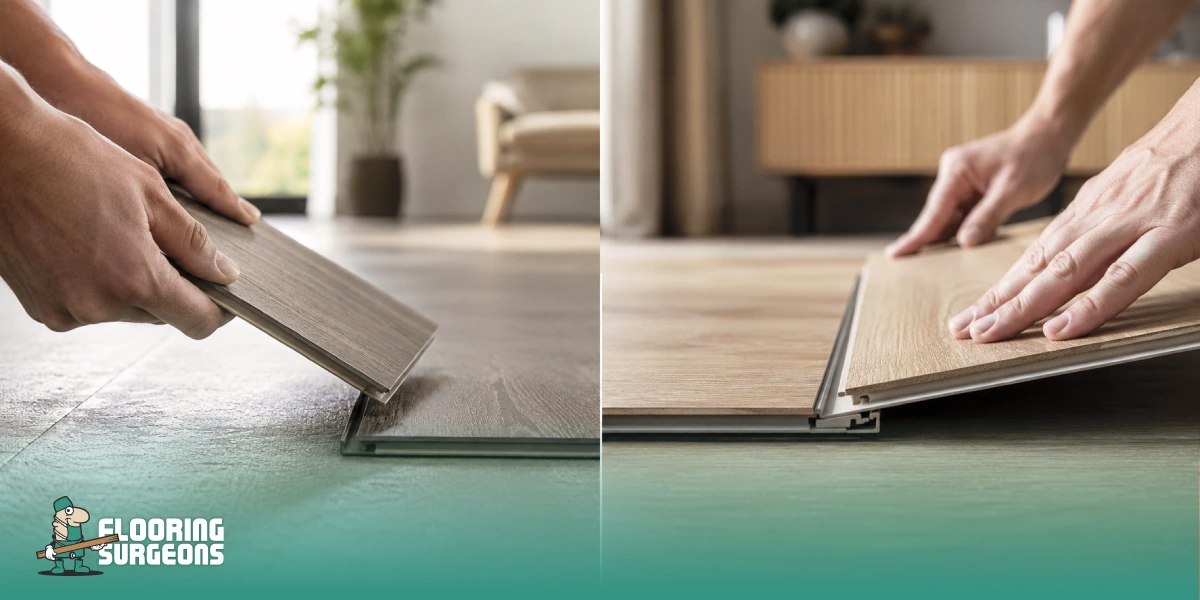
Nothing ruins your pride of homeownership more than walking into your house and smelling your floor. Carpeting, hardwood floors, laminate floors, tile flooring, and vinyl flooring all eventually suffer from this problem. But why do floors start to smell after a while? What causes a musty odour on wood floors? Learning how certain floors develop odours over time is key to fixing floor odours once and for all.
These lingering smells often come from trapped moisture, cleaning residue, or even hidden mould beneath the surface. In this guide, we’ll look at common causes of floor odours, explain why your floor smells bad after mopping, and share practical ways to remove and prevent musty odours for good. Whether it’s a wooden floor that smells damp or laminate flooring that’s started to hold pet odours, you’ll learn how to restore freshness, and keep your floors smelling clean for years to come.
Table of contents
Key Causes of Floor Odours Over Time
With age, even freshly cleaned and properly maintained floors can develop persistent odours that seem to defy elimination. Here are some of the primary reasons behind foul-smelling floors and what could be lurking beneath your feet.
Common Floor Odour Causes and How to Fix Them
| Odour Cause | Common Signs | Quick Fix | Long‑Term Solution |
| Moisture Trapped Under Flooring | Musty smell, warping, soft spots | Dry area, improve airflow | Install waterproof laminate or waterproof luxury vinyl flooring |
| Mould Under Subfloor | Persistent earthy/musty smell | Clean surface + use dehumidifier | Lift flooring, treat subfloor, replace underlay |
| Pet Accidents | Sharp ammonia‑like smell | Use an enzyme cleaner | Replace soaked underlay and affected floor sections |
| Over‑Mopping / Excess Water | Sour or unpleasant smell after cleaning | Allow full drying and reduce water use | Switch to correct cleaning routine |
| Old or Degrading Underlay | Stale, dusty or chemical‑like odours | Air out the room temporarily | Replace the underlay with odour‑resistant materials |
Musty Smell Coming From the Floor
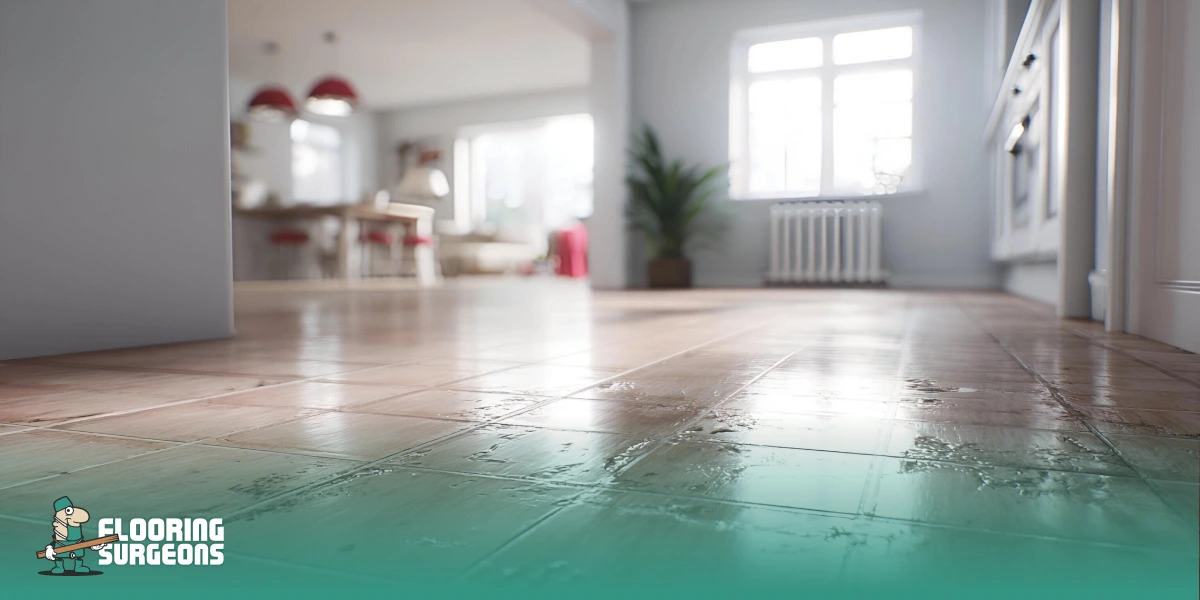
A dusty smell is often indicative of moisture that has become trapped beneath or inside flooring for extended periods. Humidity left sitting in sealed layers/subfloors can promote the growth of mould and mildew, which causes the recognisable “old house” smell. Flooring materials such as wood and laminate are especially prone to water absorption, particularly in spaces without ventilation.
Floor Smells Bad After Mopping
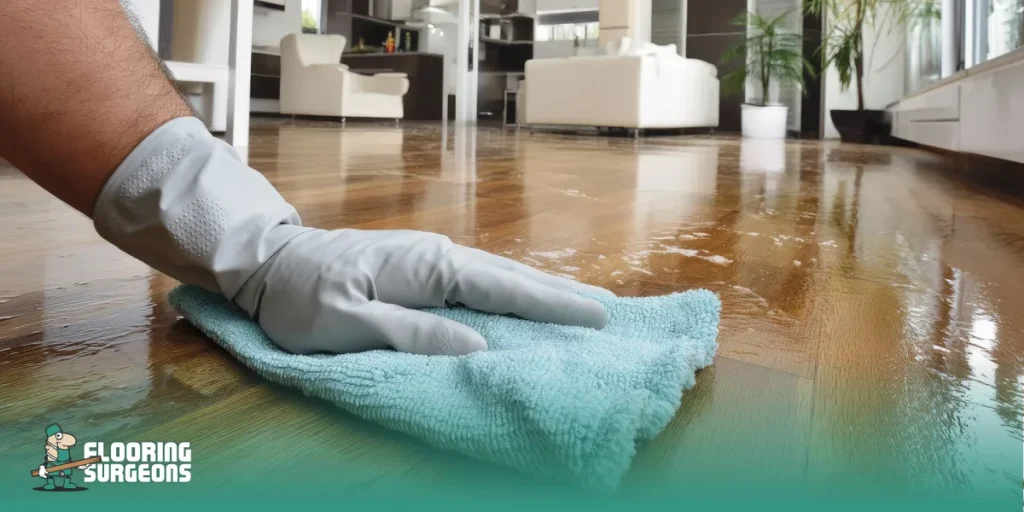
Occasionally, the culprit is your cleaning program itself. For instance, using too much water or the wrong cleaner can leave behind chemicals. Additionally, dirty mop water or overly wet surfaces trap moisture in seams and joints, resulting in sour odours that persist even after drying. To prevent this, switch to damp-mopping with a wrung-out mop and ventilate rooms by opening windows or using fans during and after cleaning.
Long‑Term Odour Build‑Up in Floors
Over time, dust, spilt drinks, pet accidents, and cooking fumes become embedded in the pores and seams of your flooring. As these substances decompose, they leave behind stubborn odours that are not completely removed by regular cleaning. As floors and underlays age, they absorb more particles, causing a noticeable background odour.
Moisture and Water Trapped Under the Floor
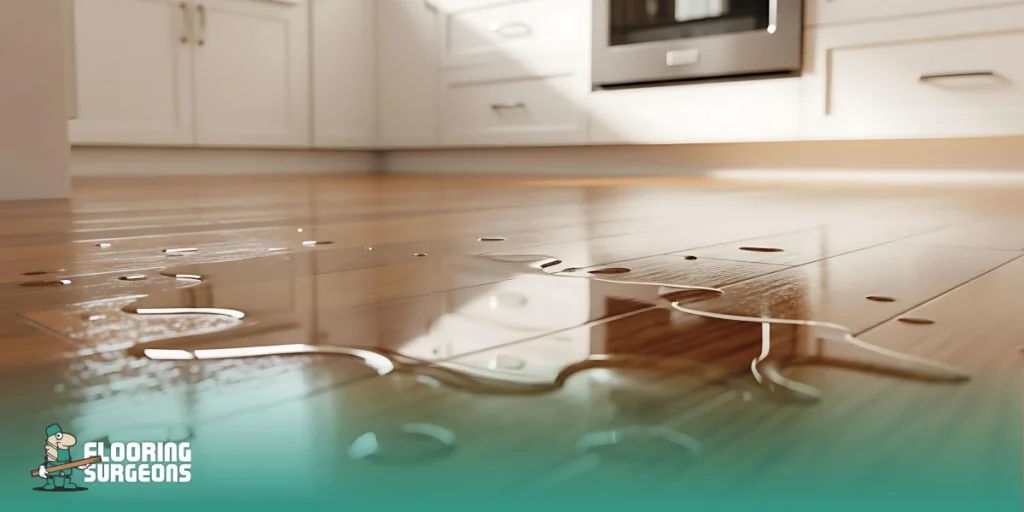
Moisture trapped under flooring is among the biggest causes of persistent odours. Plumbing leaks, condensation, or faulty waterproofing can cause subfloor dampness. Over time, untreated moisture problems lead to mould growth and bacteria responsible for musty or earthy smells.
Mold Growth Under Subfloors
Mould grows wherever water collects and stays warm. Even if you don’t see it, you will smell it – particularly in basements or bathrooms. The spores consume organic substances present in plywood or carpet backing. Mould has a very distinctive musty smell that will spread. Find the source and thoroughly clean the area with an antifungal product before installing new flooring.
Bacteria and Pet Accidents
Pet urine, food or drink spillages will seep into porous materials and start to breed bacteria. These odours linger after cleaning because bacteria multiply and emit foul smells. Replace the underlay if it’s badly stained or try odour‑neutralising treatments.
Poor Ventilation and High Humidity
Areas without adequate airflow, such as basements, laundry rooms, or bathrooms without windows, tend to retain moisture near the floor. When there’s no airflow, humidity can’t evaporate, which can lead to mildew and stubborn odours. Reduce humidity (and odours) by using a dehumidifier or increasing ventilation.
Degrading Materials and Old Underlays
If you want to eliminate an odour, you must first identify its cause. Because odours can move through floors, start by checking for moisture or mould beneath them. Next, isolate the source by determining whether the smell is caused by the flooring, underlay, or subfloor.
How to Diagnose Why Your Floor Smells Bad
If you want to eliminate an odour, you must first identify its cause. Odours can move through floors, making it difficult to locate the exact source of the smell—particularly if moisture or mould is lurking beneath. However, if you take a couple of steps, you can isolate the source and determine whether the smell is caused by the flooring, underlay, or subfloor.
Identify the Type of Floor
The reason flooring becomes odorous varies by material.
- Carpet traps moisture and organic matter.
- Water and cleaning solutions damage laminate and wood.
- In addition, vinyl flooring can develop odours when liquid is trapped beneath it.
Understanding your flooring type helps you determine the cause of the odour and the most effective treatment method.
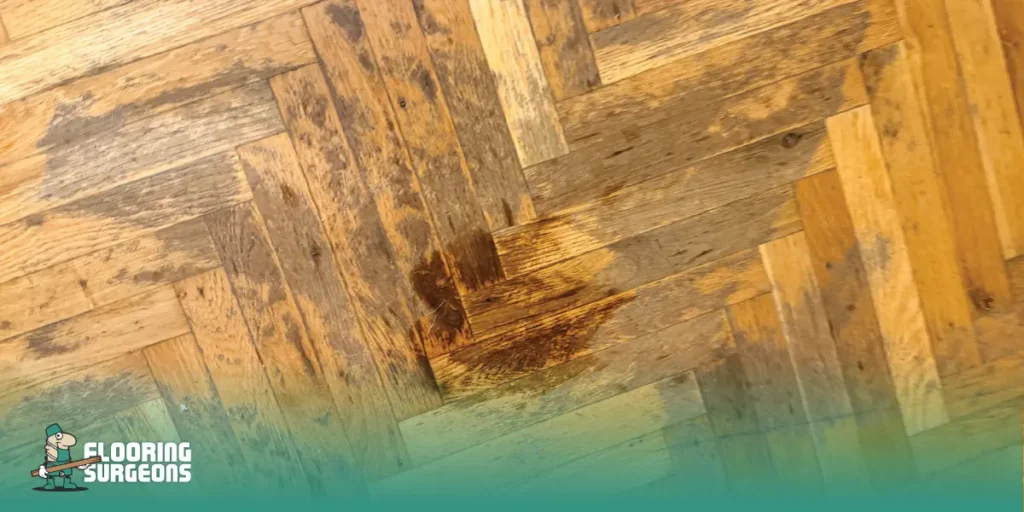
Inspect for Moisture, Stains or Warping
Inspect the floor for any signs of:
- dark spots
- cupping/buckling
- squishiness
- change in colour
- recent water damage
This can signify trapped moisture or incipient mould.
Sniff Test and Zone Isolation
Odours tend to “pool” in small areas. Walk slowly around the room and note where the odour intensifies. Lift a corner of the carpet, a loose plank of flooring or a transition strip. You may see moisture or mould trapped underneath. This quick “zone isolation” technique will help you determine whether the problem lies in surface finishes or in the sublayers.
When to Call a Professional
If the odour is strong, persistent or definitely musty, there could be something more going on, mould in the subfloor or a plumbing leak. This is when hiring a professional moisture evaluation or mould inspection can save you time, money, and the unnecessary cost of floor replacement.

Solutions for Musty Smell Coming From the Floor (By Flooring Type)
After identifying where the smell is coming from, choose a solution that works with your flooring type. Floors vary in absorption rates, so you’ll remove and prevent odours from musty carpets differently.
Laminate Flooring
Like wood flooring, laminate flooring hates moisture. Trapped water underneath planks is the leading cause of smelly laminate floors.
How to prevent:
- Dry up surface water as soon as possible and ensure the area is thoroughly dry.
- Take up affected planks if possible to increase airflow.
- Clean joints with white vinegar diluted in water or a pH‑neutral cleaner.
- Run a dehumidifier to lower humidity.
When to replace: If the underlay smells or shows signs of mould growth, replacement will often be required.
Engineered Wood or Hardwood Flooring
Wood floors readily absorb moisture and can develop musty or sour odours over time.
Solution:
- Clean up spills as they happen and take care not to over‑wet mop.
- Sprinkle baking soda or use alcohol‑based cleaners to help absorb odours.
- Run a fan or dehumidifier to increase airflow and speed up drying time.
- Look for gaps that may have allowed moisture intrusion.
Root problem: If smell is coming from the subfloor you may need to temporarily remove the wood until you can treat trapped moisture and mould.
See also: How to Remove Water Stains from Wood Floors for moisture‑related wood care.
Luxury Vinyl Flooring (LVT/LVP)
Vinyl itself doesn’t absorb liquids; moisture can build up beneath it, especially in older installations.
Solution:
- Check the perimeter edges for moisture, and lift a plank if the odour is localised.
- Clean and dry the subfloor thoroughly before replacing.
- Apply an antimicrobial cleaner to kill bacteria.
Replace if: Mould is present on the subfloor. Surface cleaning will not remedy the problem.
Upgrade to waterproof luxury vinyl flooring and enjoy long‑lasting moisture resistance in bathrooms, kitchens and basements.
Carpet Flooring
Carpet absorbs moisture, dust, spills and pet accidents. Carpets are among the leading causes of lingering odours.
How to fix it:
- Steam clean using an enzyme-based solution.
- Sprinkle baking soda liberally and leave overnight before vacuuming.
- Treat pet urine spots with enzyme digesters (NOT vinegar).
Still smells? Lingering odours are usually absorbed into the carpet underlay, which will need to be replaced.
Tile or Stone Floors
Tiles themselves won’t retain odours, but grout lines and subfloors can.
The solution:
- To address odours in grout and subfloors, use an anti-mould solution for deep cleaning.
- Next, check grout lines for cracks that allow moisture to pass through.
- Also, ensure the area underneath your tiles remains dry to prevent further issues.
Long-term exposure to water from showers or sinks can cause leaks.
Conclusion: Why Floors Develop Odours and How to Keep Them Fresh
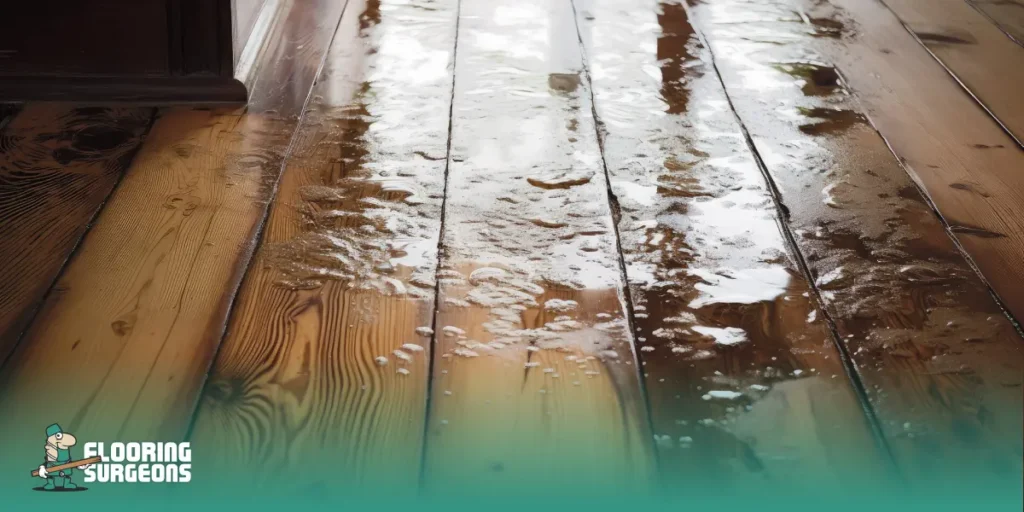
Floor odours often develop when moisture, liquids, or bacteria become trapped beneath the surface. Knowing common causes helps you resolve problems before they worsen. Floors may start to smell due to mould under the subfloor, pet urine, humidity, or excessive water.
Check for stains, soft spots, or musty underlays to find the source. Many odours go away with cleaning and ventilation. Persistent odours from water damage or soaked underlays may require replacing those areas. If you are considering replacement or upgrading your flooring, you can explore suitable options at Flooring Surgeons to help prevent long-term odour issues with more durable materials.

Ana.Soltanpoor
I’m an SEO Specialist with a strong background in content management and organic search. I build data-driven content strategies by aligning user intent, search behavior, and SEO best practices to ensure every piece of content delivers clarity, relevance, and measurable organic performance.