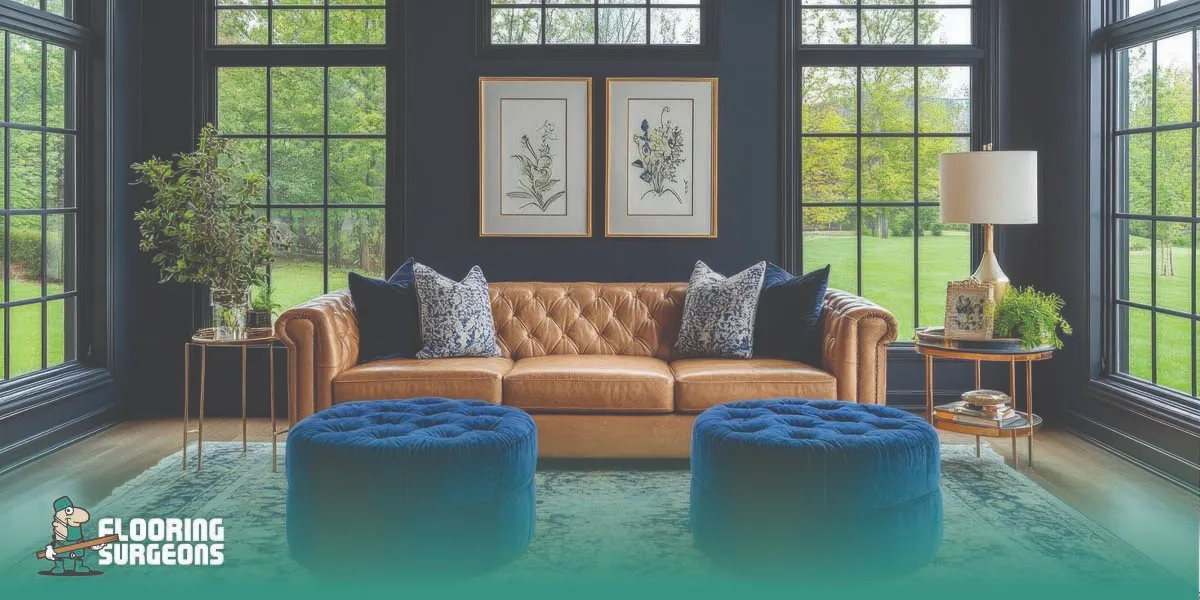


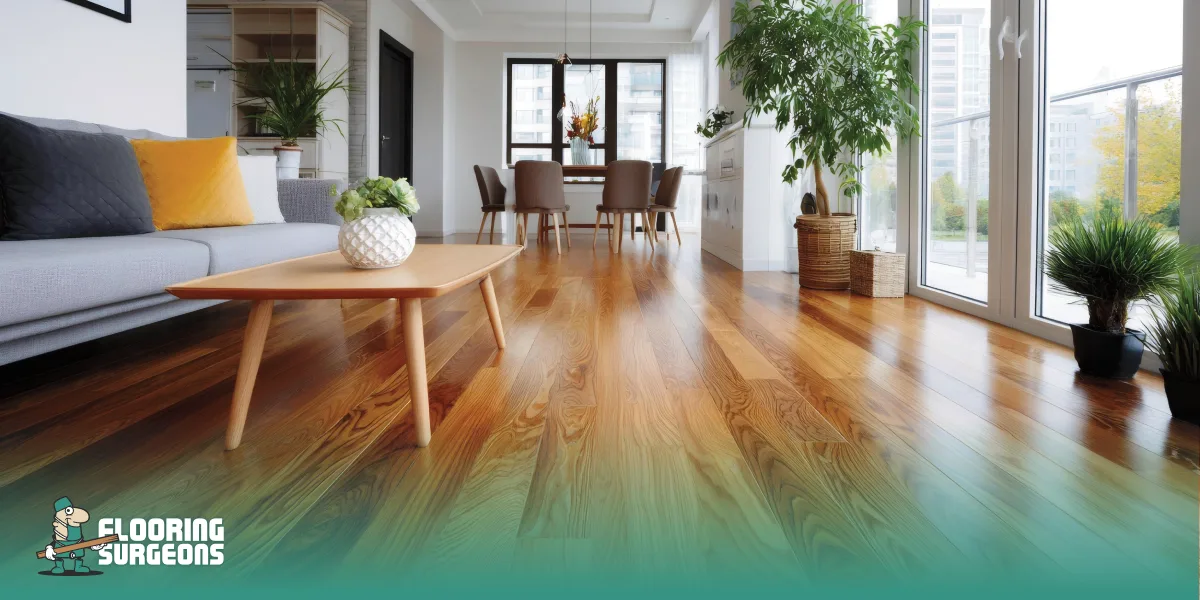
Some homes feel trustworthy the moment you walk in, and the flooring is often a big reason why. Because it stretches across so much of the space, it quickly shapes whether a room feels calm, cared for, and easy to live in or slightly broken and harder to settle into. Natural tones, a consistent look between rooms, and surfaces that seem durable usually create that sense of confidence first. That is often why you instantly trust homes with certain flooring. It is less about luxury on its own and more about visual order, comfort, and the quiet signals that make a home feel well thought through.
The rest of this article looks at the details behind that reaction, the flooring choices that strengthen it, and the mistakes that weaken it.
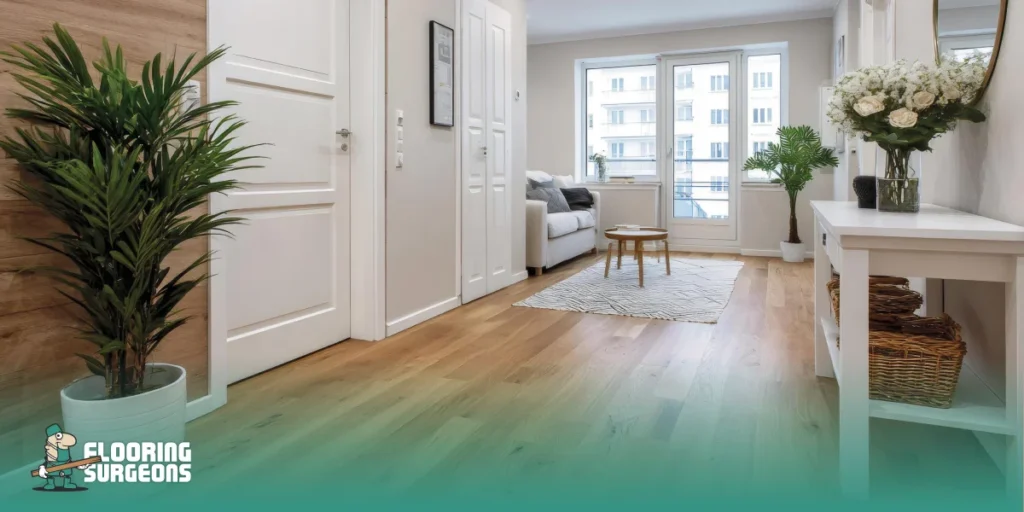
Table of contents
How Flooring Affects First Impressions
Most people do not walk into a home and consciously think about the floor first. Even so, they react to it almost immediately. Flooring covers a large part of what the eye takes in, so it quietly helps decide whether a room feels calm, clear, and well looked after or slightly unsettled from the start.
That reaction happens before furniture, styling, or decor has fully registered. If the floor looks balanced and easy to live with, the whole room tends to feel more convincing. If it feels visually broken, too harsh, or harder to place, the space can lose trust very quickly.
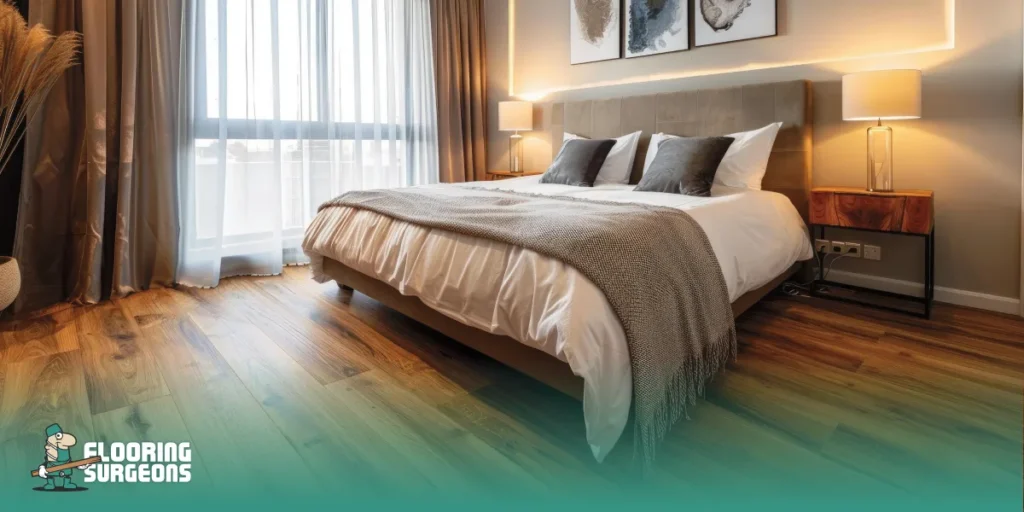
- Consistency: When the floor feels connected from one area to the next, the room becomes easier to read. The layout makes more sense, and the space feels more intentional.
- Tone: Colour affects mood quickly. Floors in natural, balanced shades usually make a room feel steadier, while very dark, overly glossy, or sharply contrasting tones can make the space feel heavier or less settled.
- Condition: People notice whether a floor looks durable and properly kept, even if they do not realise they are doing it. A surface that seems clean, solid, and cared for often makes the entire home feel better maintained.
This is where flooring psychology matters most. These cues shape how flooring affects first impressions because they influence the way a room is judged before anyone starts thinking about details.
How Flooring Shapes a Room’s Mood and Flow
Some floors feel right almost immediately. The reason is not always the material itself. More often, it is the way colour, texture, finish, and flow work together. When those details feel balanced, the room looks calmer, cleaner, and easier to trust.
| Flooring cue | What it tends to suggest | What usually creates it |
| Balanced colour | Calm and clarity | Light or mid-tone natural shades |
| Natural texture | Warmth and realism | Subtle grain and softer variation |
| Low-shine finish | Stability and comfort | Matte or lightly reflective surfaces |
| Visual continuity | Order and flow | Fewer harsh changes between spaces |
| Durable appearance | Care and quality | Clean joins and a surface that wears evenly |
Colour that feels settled, not loud
Colour is often the first thing that shifts the mood of a room. Floors in light or mid-tone shades usually feel easier on the eye, especially when they work with the natural light rather than against it. Very dark floors can look striking, but they need more balance in the rest of the room to avoid making the space feel heavier than it should. That is why colour choice has such a strong effect on trust, and why The Psychology of dark flooring vs light flooring is closely tied to the way people read a room at first glance.
Texture that feels real rather than overdesigned
Texture changes the feel of a room without needing to draw attention to itself. A floor with subtle grain or a more natural surface usually feels warmer and more believable than one that looks too smooth, too glossy, or too artificial. This is where floor texture and comfort often overlap. People may not describe it in those exact words, but they usually respond better to a surface that looks lived in and easy to live with.
A finish that looks lived in, not overly polished
A softer finish often makes a room feel more settled. When the surface reflects too much light, the floor can start to feel more decorative than practical, which weakens the sense of ease. A lower-shine finish tends to look steadier, more natural, and less demanding. In many homes, that small detail is part of what makes the flooring feel calm instead of overly styled.
Why Continuity Between Rooms Changes the Way a Home Is Judged
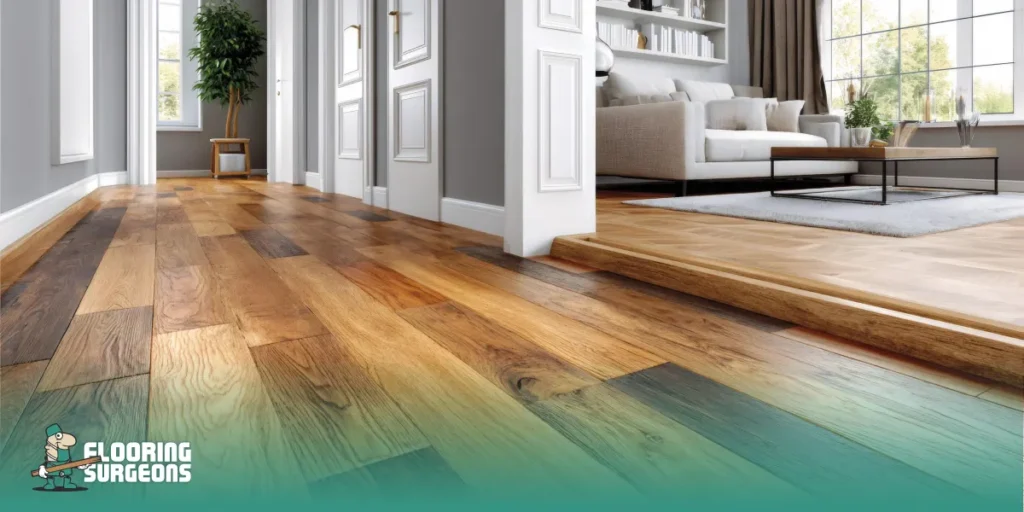
A home usually feels more trustworthy when the flooring does not change too often from one space to the next. When tones, finishes, or plank styles shift too sharply, the house can start to feel less settled, even if each floor works on its own.
When too many flooring changes break the flow
This is where continuity matters. If the hallway leads into one floor, the living area into another, and the kitchen into something visually unrelated, the home can feel harder to read. That is also why should flooring be the same throughout the house is such a useful question. The answer is not always yes, but connected spaces usually feel better when the flooring still looks like part of the same visual story.
What usually breaks the effect:
- abrupt colour changes
- different finishes in connected rooms
- too many flooring styles in open sightlines
Which Flooring Choices Usually Create This Feeling Best?
Not every material creates the same first impression. Some floors make a room feel warmer and more grounded, while others help it feel brighter, cleaner, and easier to maintain. The best option usually depends on what the space needs most.
For warmth and a more grounded look
When a room needs depth without feeling heavy, natural-looking wood tones usually work best. In that setting, oak engineered flooring often feels like a safe choice because it adds warmth, texture, and a more settled overall look.
For a brighter and more open backdrop
Some rooms do not need more detail. They need more lightness and less visual weight. That is where light laminate flooring can work well, especially in spaces that need to feel cleaner, calmer, and easier to read.
For a cleaner look that still feels practical
In busier parts of the home, appearance alone is not enough. The floor also needs to hold up well in daily use. For that reason, waterproof luxury vinyl often suits kitchens, family areas, and high-use spaces where a neat look needs to last.
Small Flooring Mistakes That Quietly Break Trust
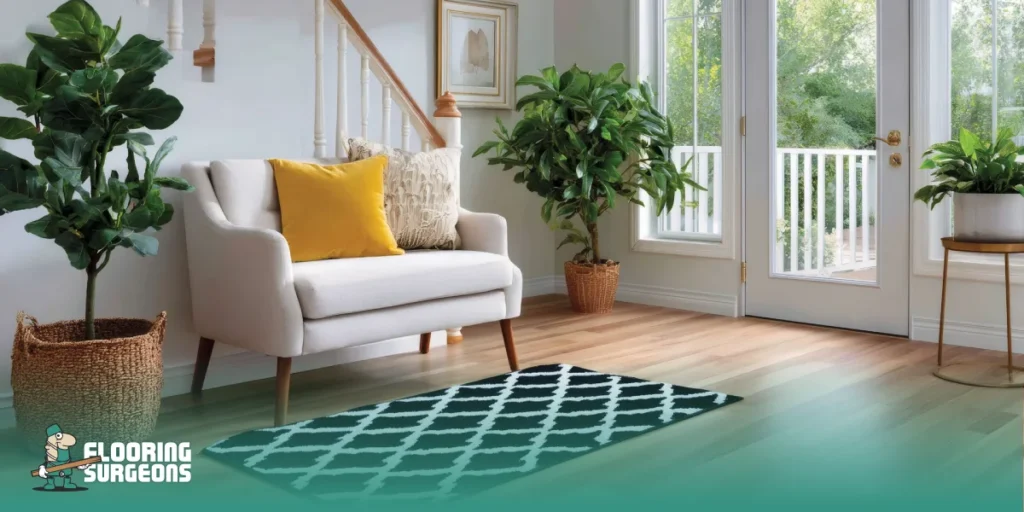
A room does not usually lose trust because of one huge design mistake. More often, the problem comes from a few small choices that make the space feel less calm, less clear, and harder to read.
- Too many abrupt changes: When the flooring changes too often between connected spaces, the home can start to feel fragmented instead of cohesive.
- Overly glossy surfaces: Too much shine can make a floor feel harder, colder, and more decorative than comfortable.
- Texture that looks artificial: If the surface looks too plastic or overdesigned, it can weaken the sense of quality very quickly.
- Pattern that competes with the room: A floor usually works better when it supports the space. If it becomes the loudest feature, the room can feel less balanced.
- A finish that looks hard to maintain: Floors that seem to show every mark, join, or scratch often make the whole room feel less practical.
A stronger result usually comes from fewer visual interruptions, softer finishes, and flooring that feels easy to live with. That is often what improves buyer perception in a lasting way: the home feels quieter, clearer, and better put together.
How to Choose Flooring Without Overcomplicating the Room
The best flooring choice usually feels right before it tries to impress. A room tends to work better when the floor supports the light, connects well with nearby spaces, and does not add unnecessary visual noise.
A simple checklist
- Does it suit the natural light?
If yes, the room will feel more balanced. - Does it work with nearby rooms?
If yes, the home will feel more cohesive. - Does it look easy to live with?
If yes, it will usually feel more convincing. - Does it support the room instead of dominating it?
If yes, the space will feel calmer and better judged.
Trust Often Starts From the Floor Up
Homes feel more trustworthy when the flooring looks calm, consistent, and properly cared for. A balanced tone, smooth flow between rooms, and a finish that feels practical often make a bigger difference than a more dramatic style choice. That is often why you instantly trust homes with certain flooring. At Flooring Surgeons, the best results usually come from choosing flooring that makes the whole home feel settled, cohesive, and easy to live with.

Ana.Soltanpoor
I’m an SEO Specialist with a strong background in content management and organic search. I build data-driven content strategies by aligning user intent, search behavior, and SEO best practices to ensure every piece of content delivers clarity, relevance, and measurable organic performance.