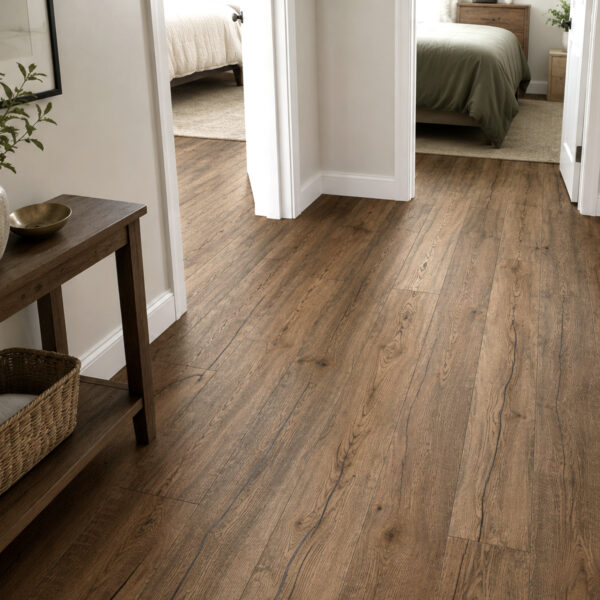
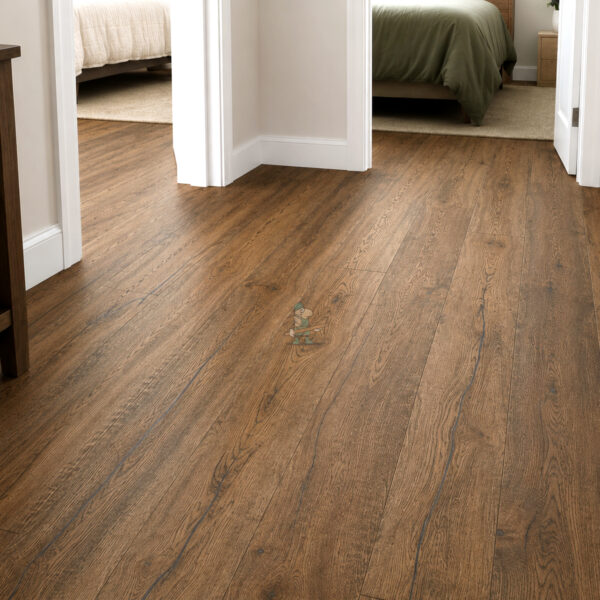
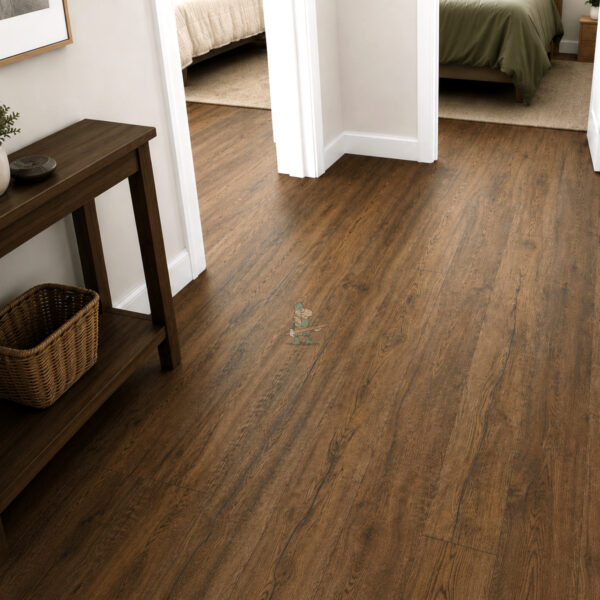
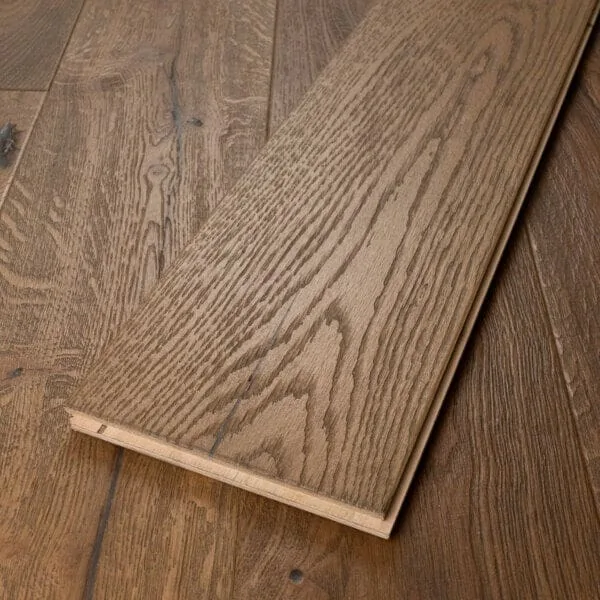
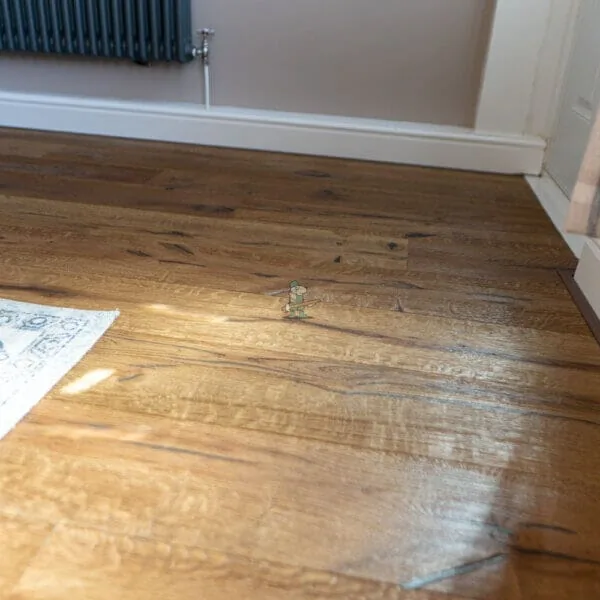
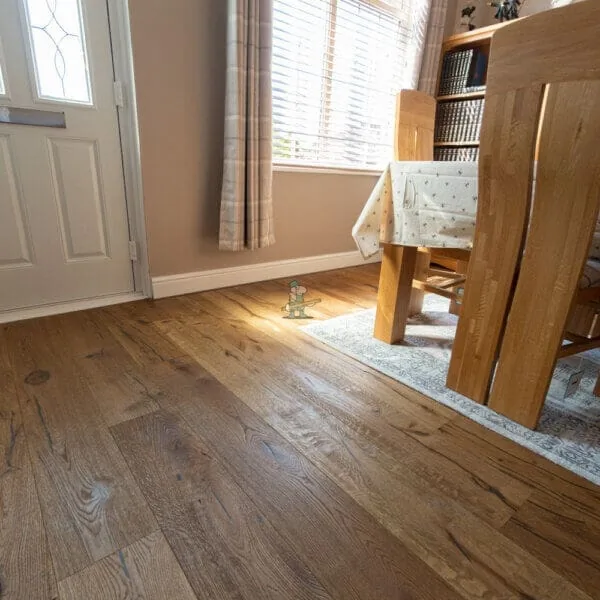
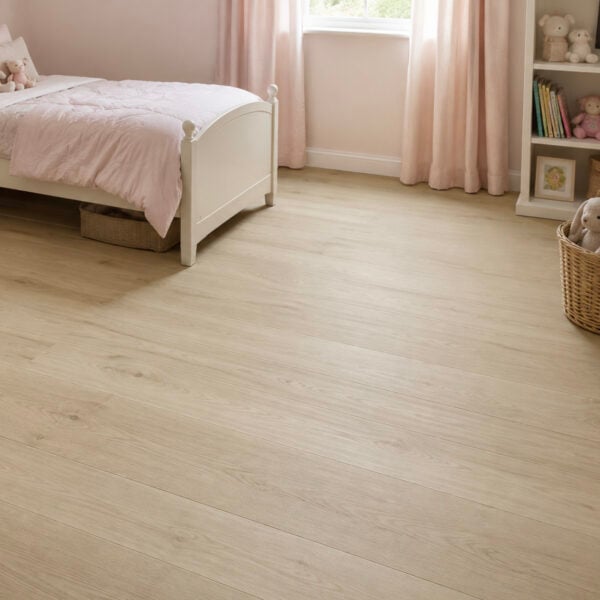
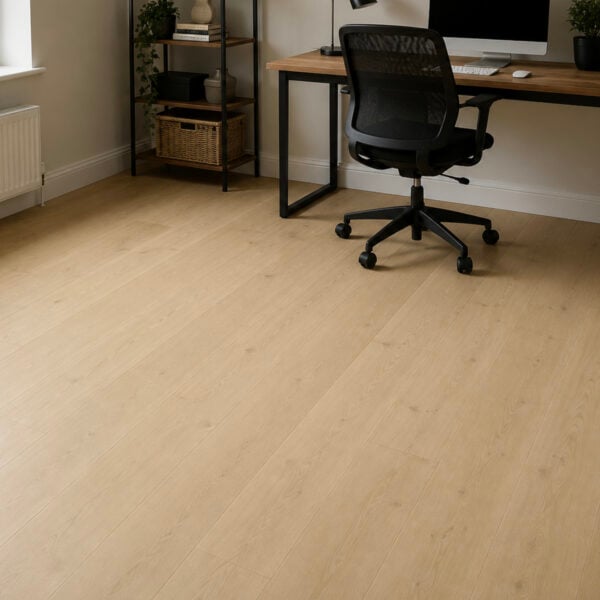
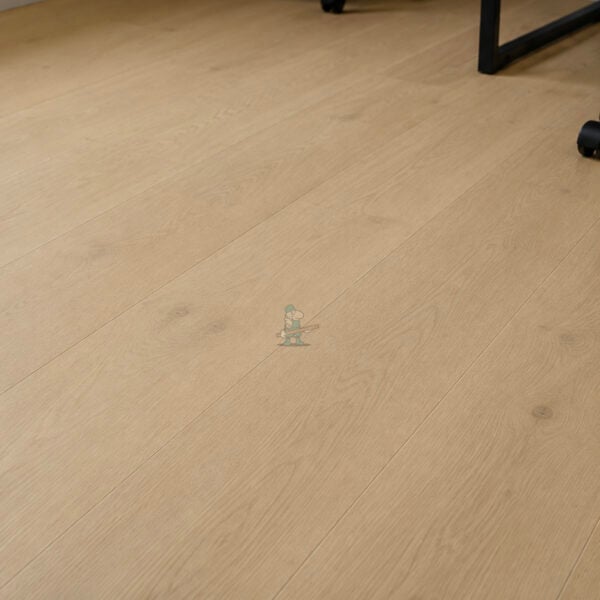
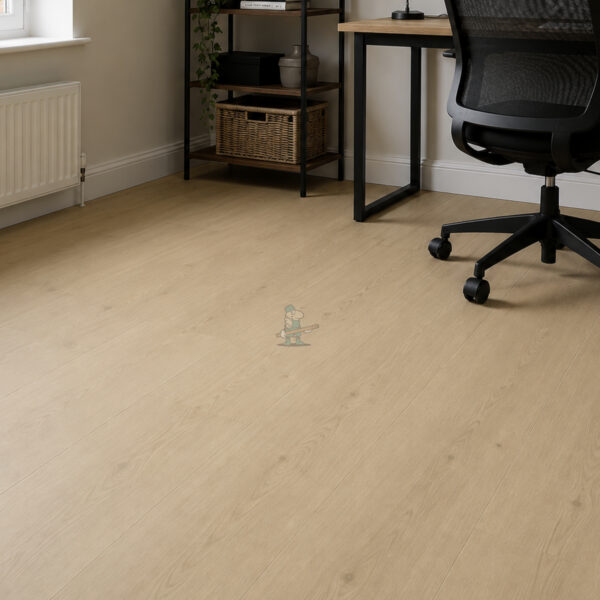
Explore our 20mm engineered wood flooring range to find stylish, practical boards for homes that need a premium real wood look. Compare colours, finishes, plank styles and product specifications to choose a floor that suits your space, installation plans and everyday living needs.
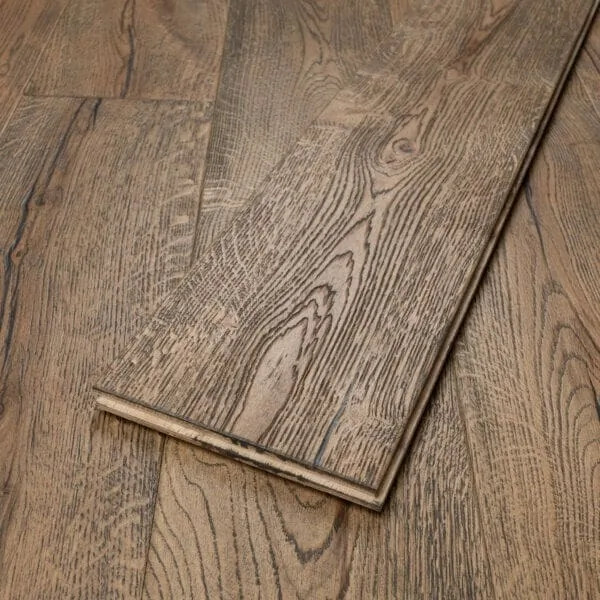
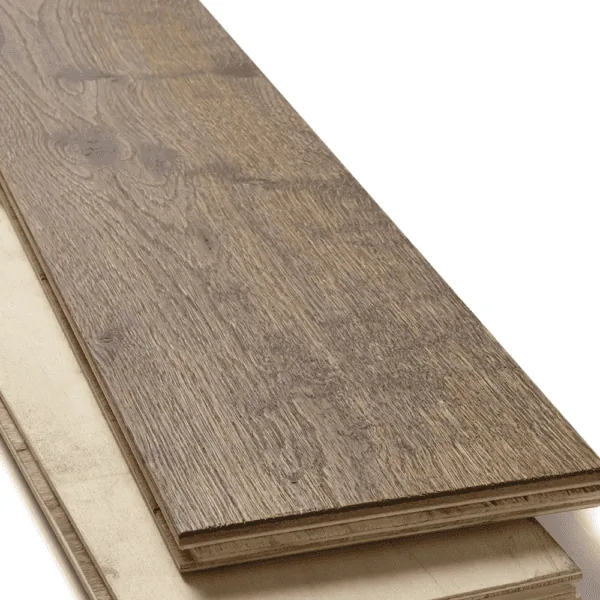
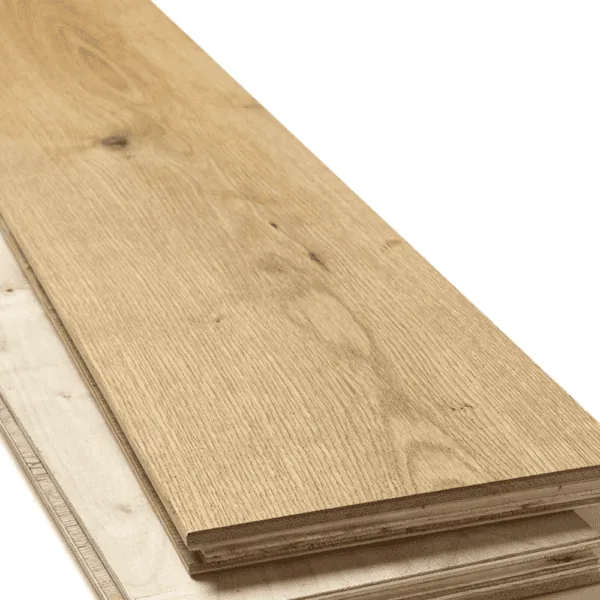
20mm wood flooring is a thicker engineered wood floor. It usually has a real wood surface layer with supporting layers beneath, creating a more substantial feel while preserving the natural appearance of wood.
Do I need 20mm engineered flooring?
You may not need 20mm flooring for every room. 20mm real wood flooring is usually worth considering for larger rooms, hallways, open-plan spaces or areas where a firmer feel underfoot and extra board depth are preferred.
How do I know which engineered flooring is right for my room?
Start by checking your room size, subfloor, expected foot traffic, floor height, fitting method and maintenance needs. If you are comparing different options, review product details and order samples before making a final decision.
Is 20mm engineered flooring good for high-traffic areas?
20mm engineered flooring can be a suitable option for busy areas in the home, depending on the product construction, wear layer, finish and fitting method. For commercial or very heavy-use areas, always check whether the product is rated for that level of traffic.
Can I refinish 20mm engineered wood flooring?
Some 20mm engineered wood flooring products may allow sanding or refinishing, depending on the thickness of the real wood top layer and the condition of the floor. Always check the product specification before planning any refinishing work.
How long does 20mm engineered flooring last?
The lifespan of 20mm engineered flooring depends on the product quality, wear layer, installation, room conditions and care routine. With suitable maintenance and correct fitting, it can be a long-lasting flooring option for many homes.
What is 20mm Engineered Wood Flooring?
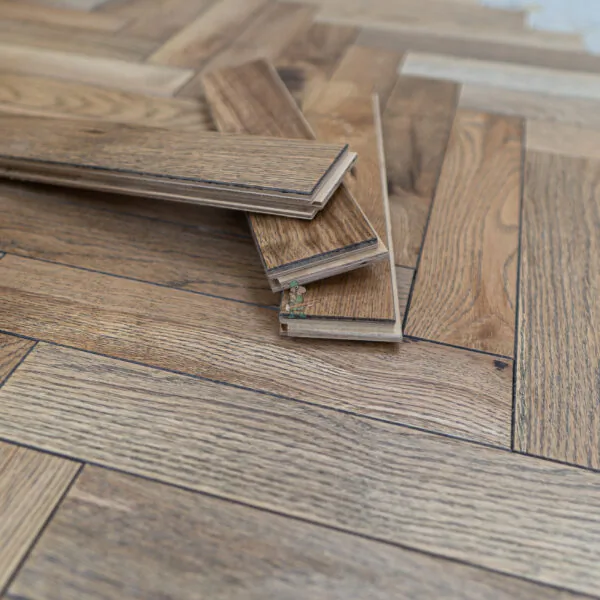
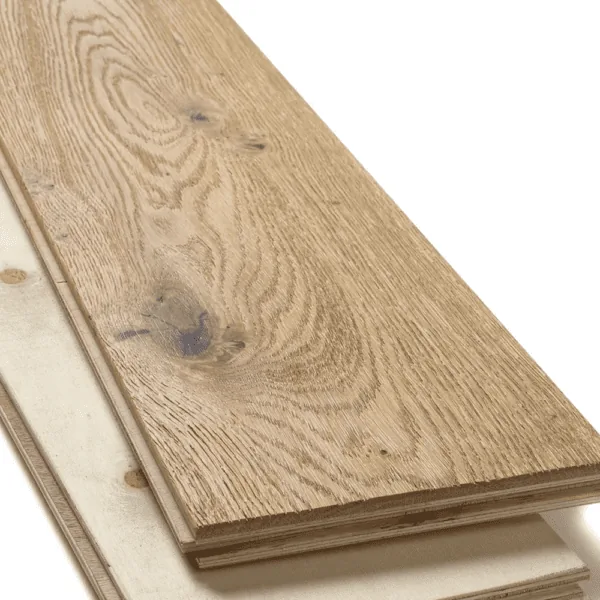
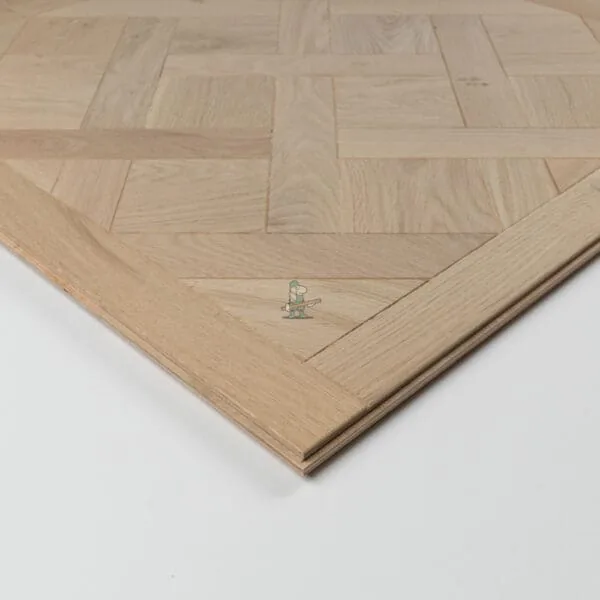
20mm thick engineered wood flooring is designed for customers who want the natural look and warmth of real wood with a thicker, layered construction. Unlike solid wood, engineered flooring is built with supporting layers beneath the real wood surface, which can help improve stability in many everyday indoor conditions.
A thicker 20mm board can be a practical choice for rooms where a more substantial feel underfoot is preferred. It may suit large living spaces, hallways, open-plan areas and other busy parts of the home where foot traffic, furniture and everyday use are important considerations.
For customers comparing engineered wood flooring 20mm options, this thickness can offer a useful balance between real wood appearance, board depth and practical performance. Suitability will still depend on the product construction, wear layer, subfloor, fitting method and room conditions, so always check the individual product details before ordering.
20mm vs Other Engineered Flooring Thicknesses
When choosing engineered flooring, thickness can affect how the floor feels underfoot, how much floor height it adds and where the board may be best used. Thinner boards can be useful for renovation projects or rooms where a lower build-up is important, while thicker boards may offer a more substantial feel in busier areas of the home.
20mm engineered flooring sits at the thicker end of the engineered wood range. It can be a practical choice for customers who want more board depth, a firmer feel underfoot and a real wood appearance for larger rooms or areas with regular everyday use.
Thickness
Best For
What to Check
10mm engineered flooring
Renovations, apartments and lower floor build-up projects
Wear layer, underlay, fitting method and room suitability
14mm engineered flooring
Everyday residential spaces where a balanced board depth is preferred
Floor height, subfloor, finish and installation guidance
18mm engineered flooring
Busier home areas, hallways and open-plan spaces
Product construction, wear layer, board feel and care guidance
20mm engineered flooring
Larger rooms and projects where a more substantial board depth is preferred
Product specification, fitting method, subfloor and long-term maintenance guidance
The right thickness is not always the thickest option. It depends on your room, subfloor, budget, fitting method and how the space will be used. If you are still comparing board depths, colours or finishes, browse our wider range of engineered wood flooring options before choosing the most suitable floor for your project.
Where Is 20mm Engineered Flooring Best Used?
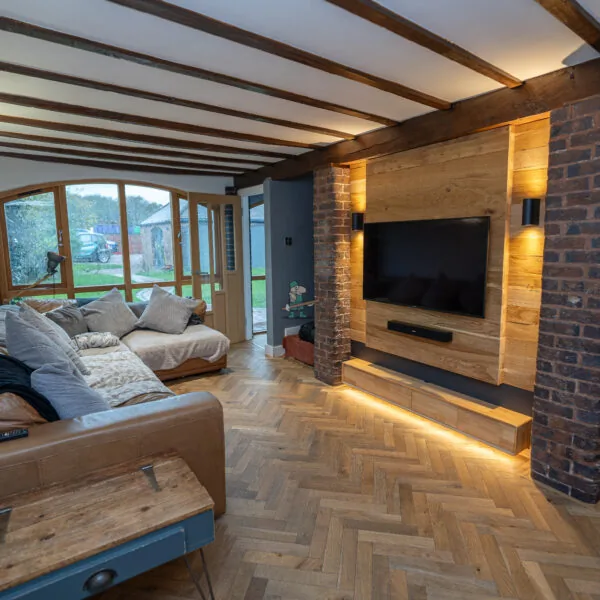
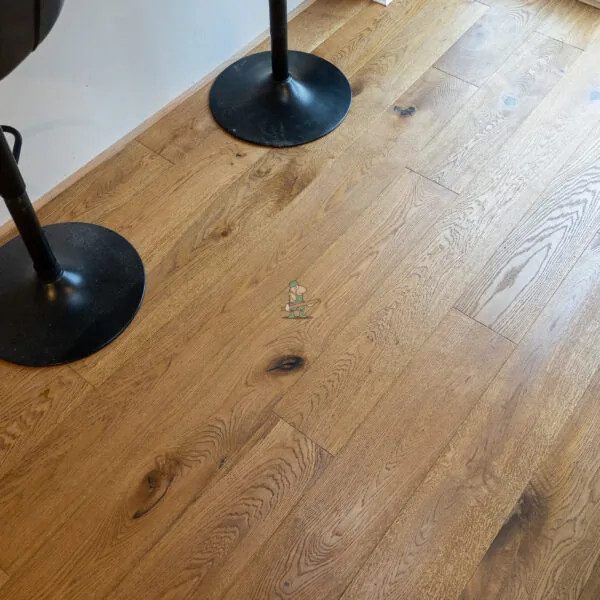
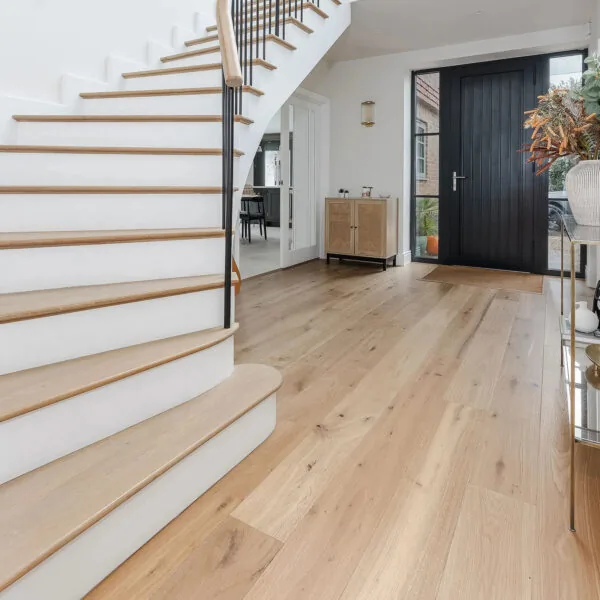
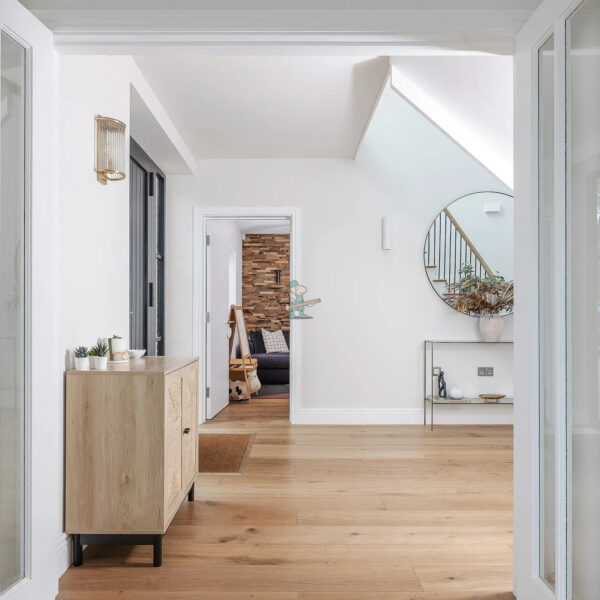
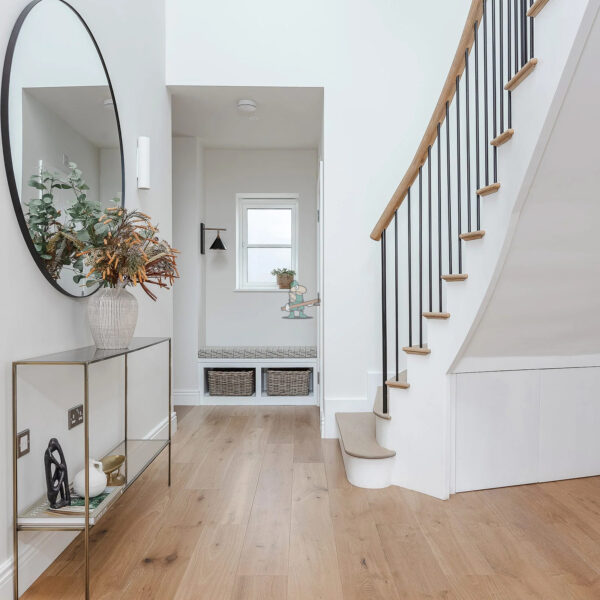
20mm engineered flooring is usually a good option for rooms where a more substantial board feel is preferred. It can work well in larger living rooms, hallways, dining areas and open-plan spaces where the floor needs to handle regular movement, furniture and everyday use.
It may also suit projects where you want the appearance of real wood with a thicker engineered board profile. However, room suitability still depends on the product construction, wear layer, subfloor and fitting method.
Before ordering, check whether the product is suitable for your room, especially if you are considering kitchens, basements, areas with moisture exposure or underfloor heating.
20mm Engineered Flooring Styles and Finishes
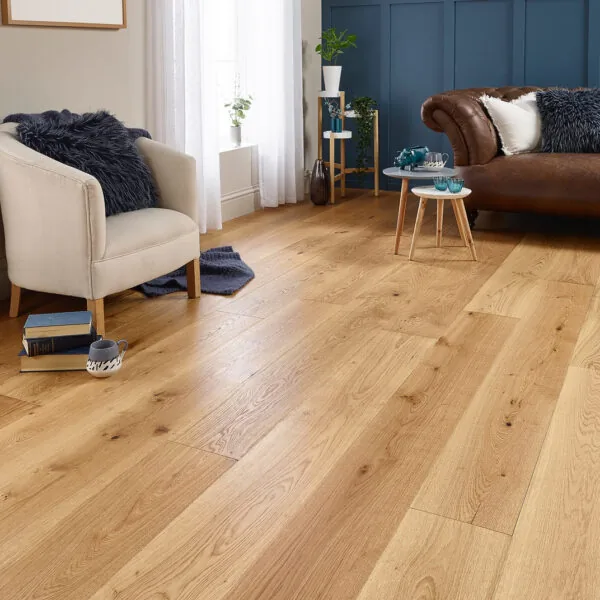
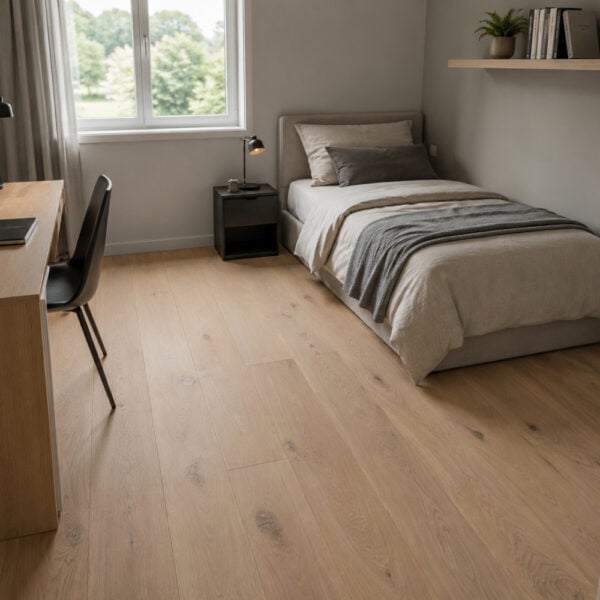
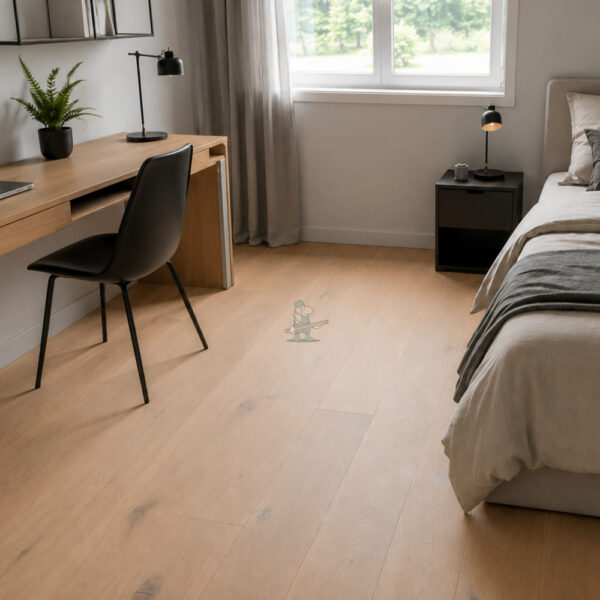
The style, colour, and finish you choose can change how 20mm engineered flooring looks and feels in your home. Some interiors suit lighter tones and clean plank styles, while others work better with deeper colours, textured finishes or more characterful boards.
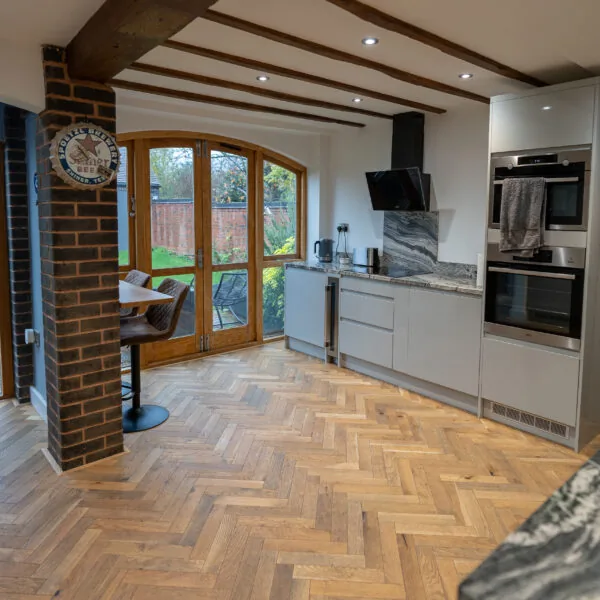
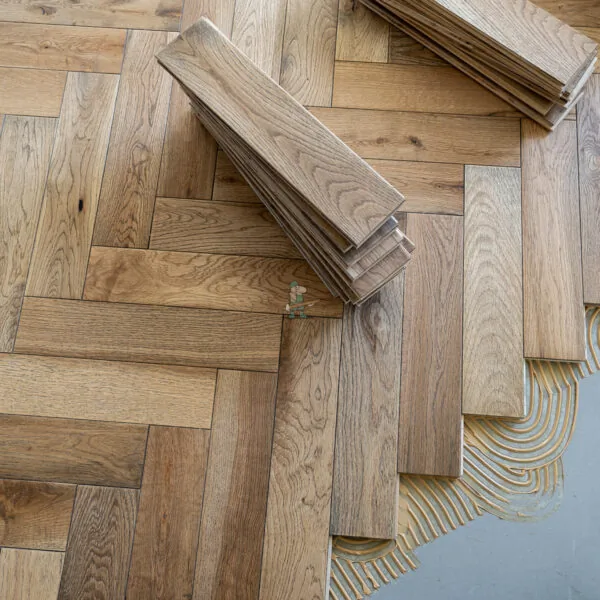
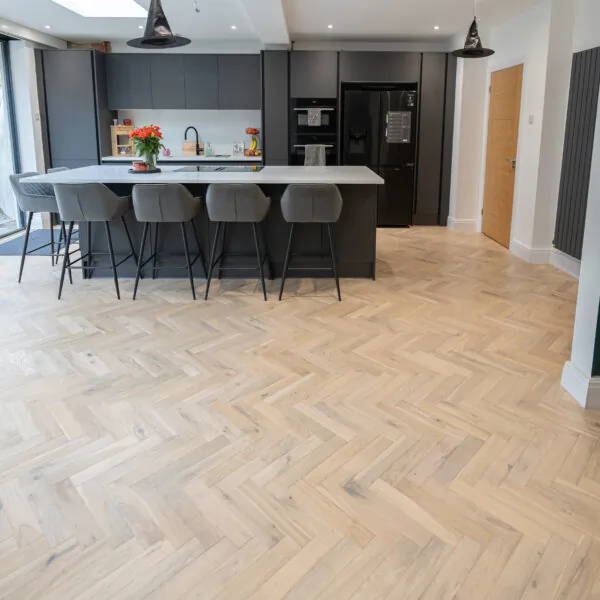
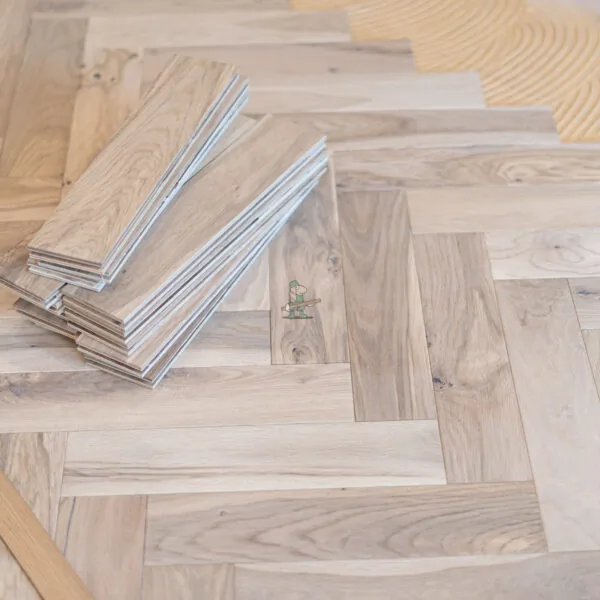
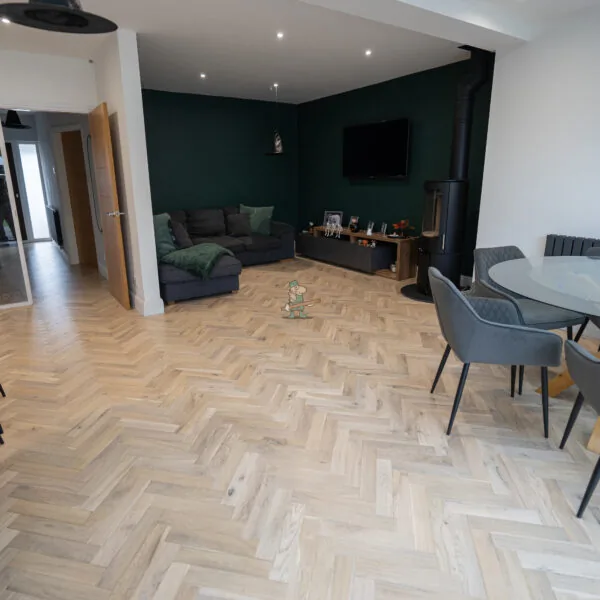
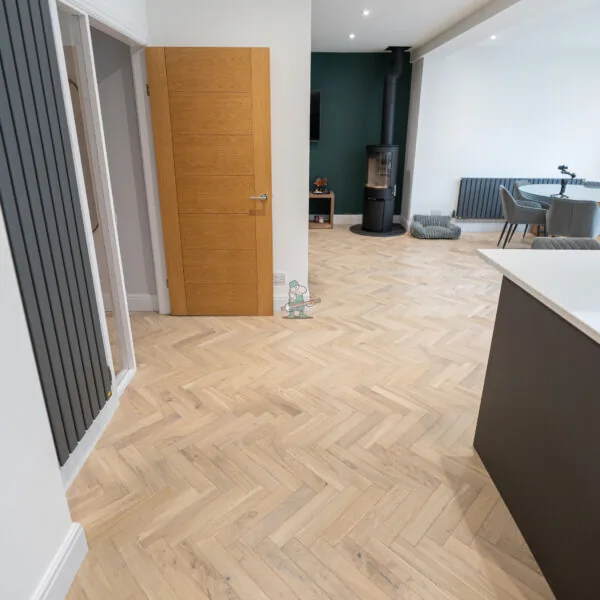
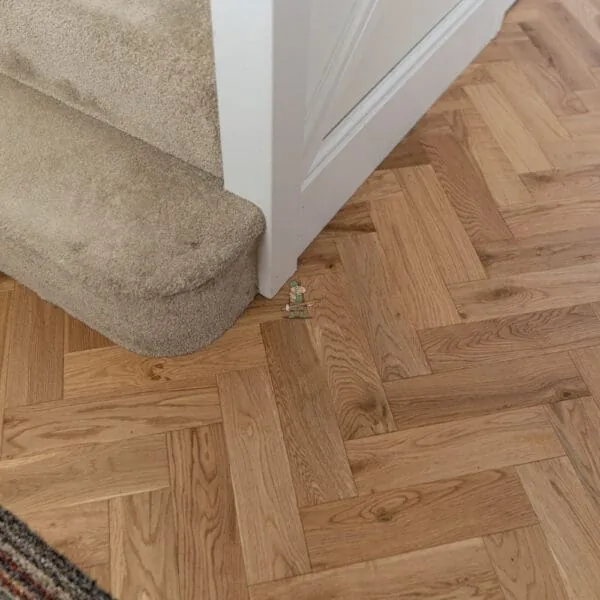
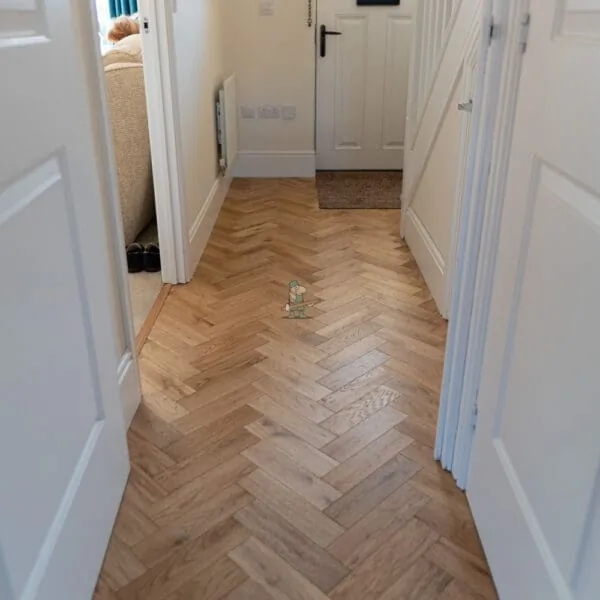
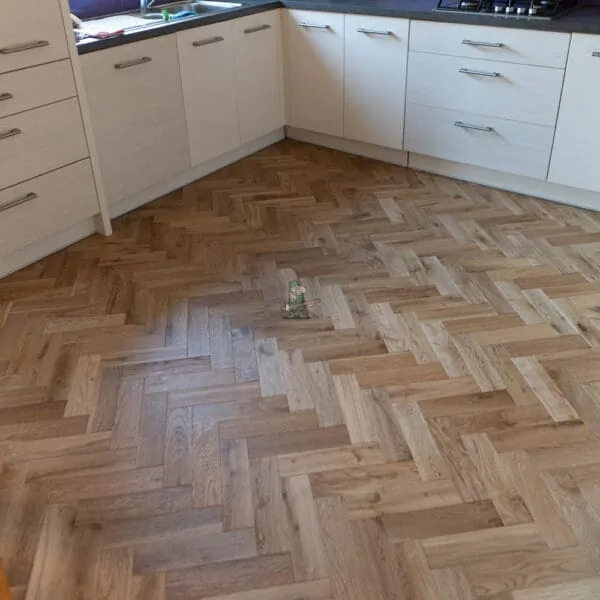
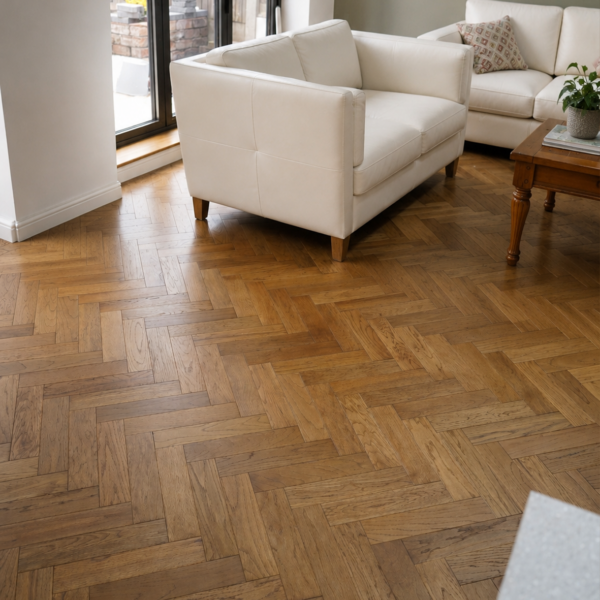
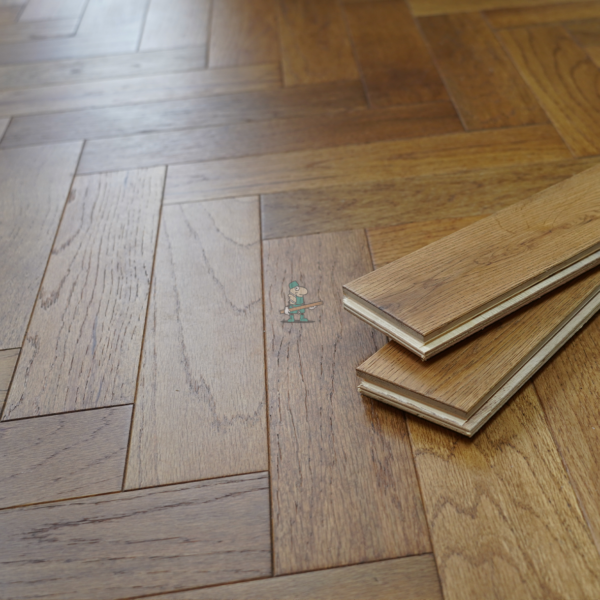
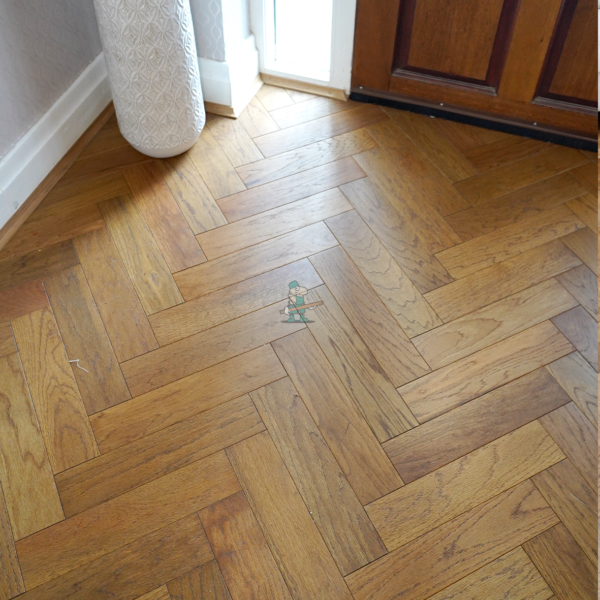
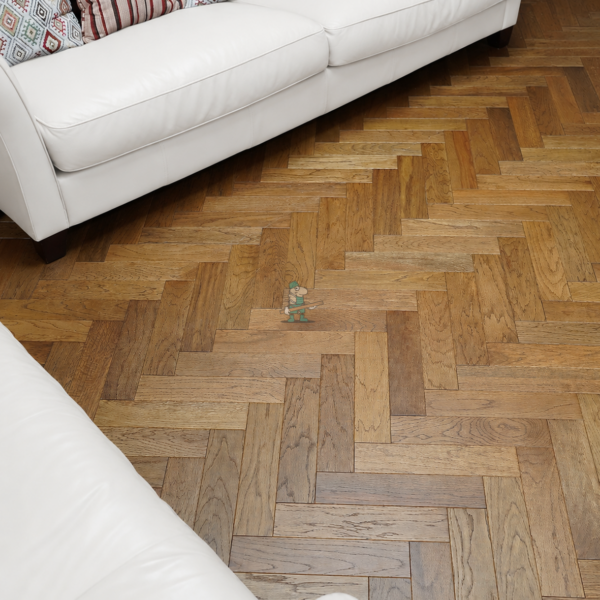
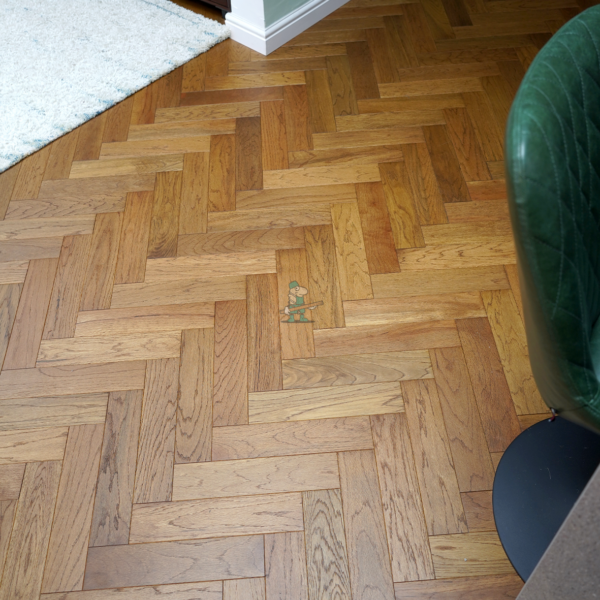
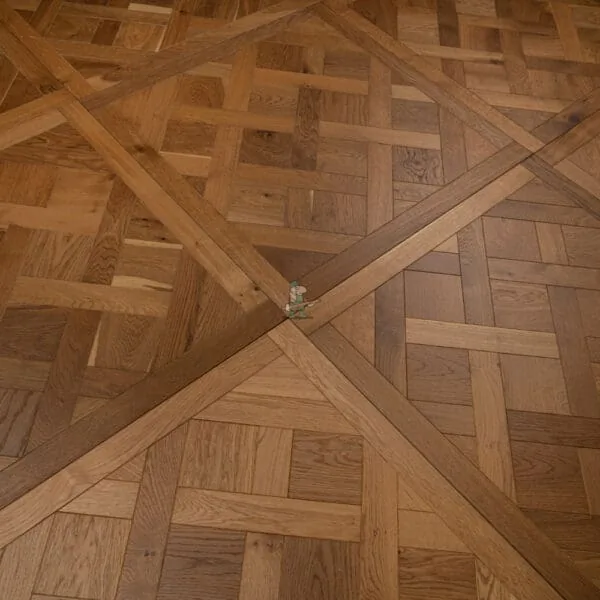
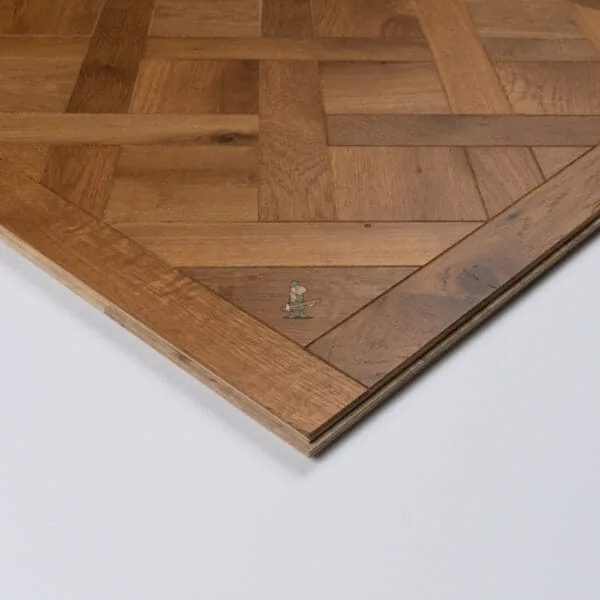
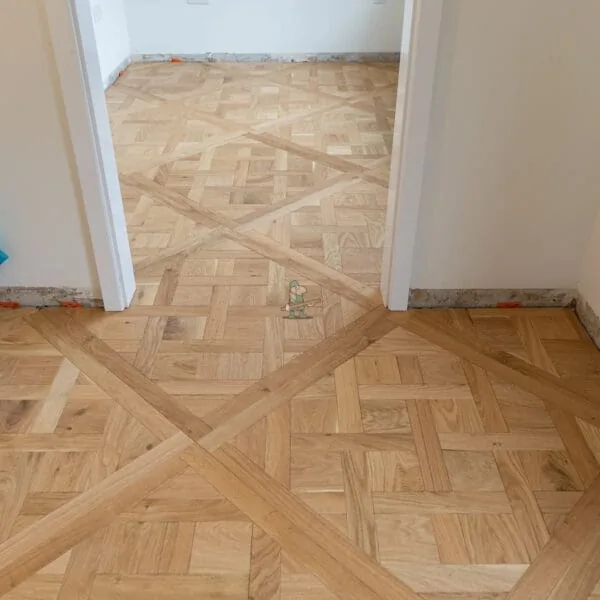
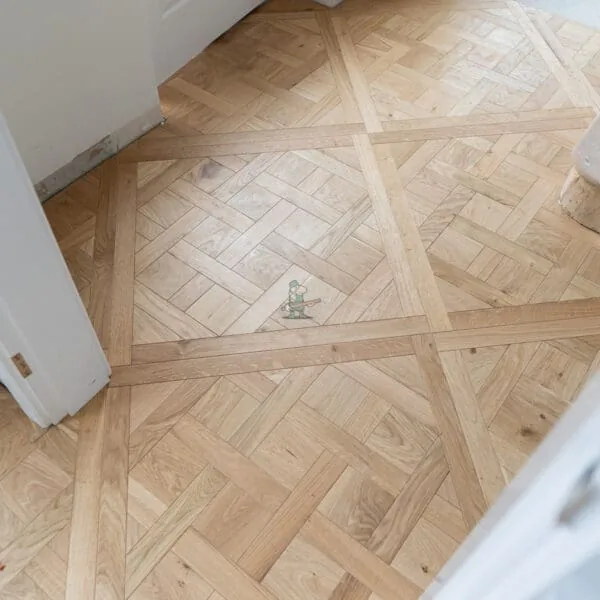
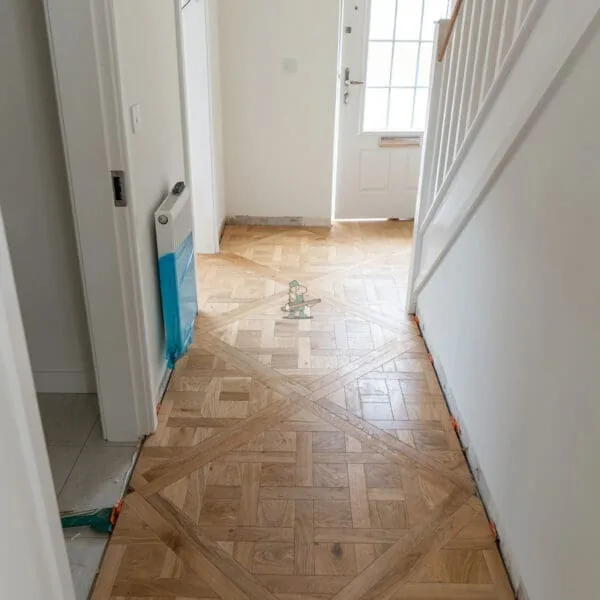
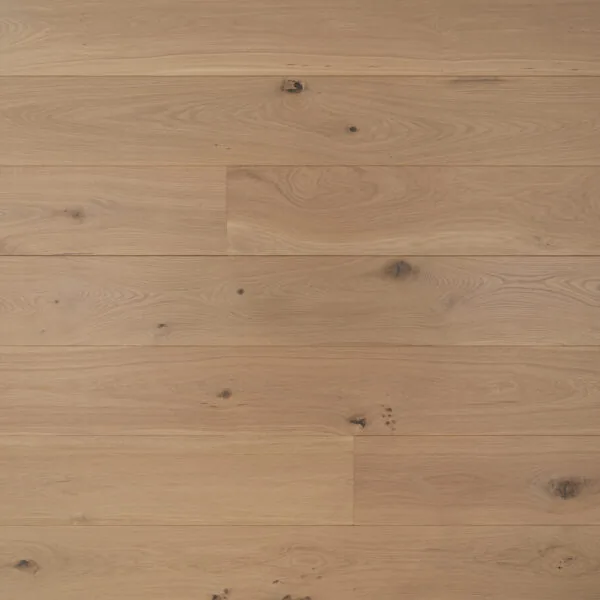
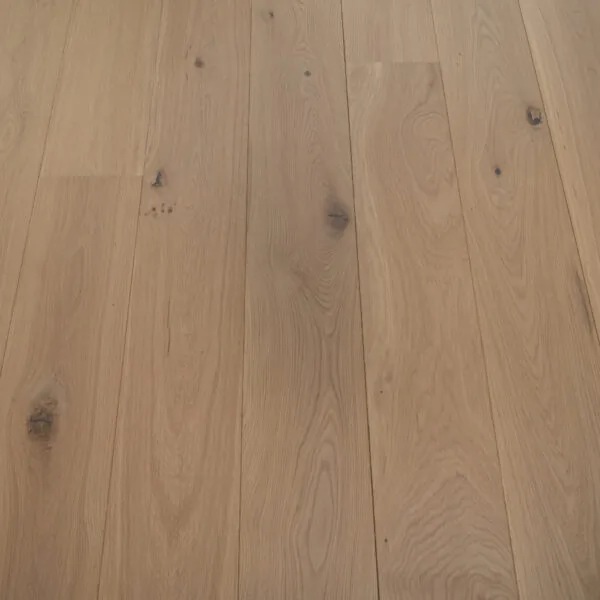
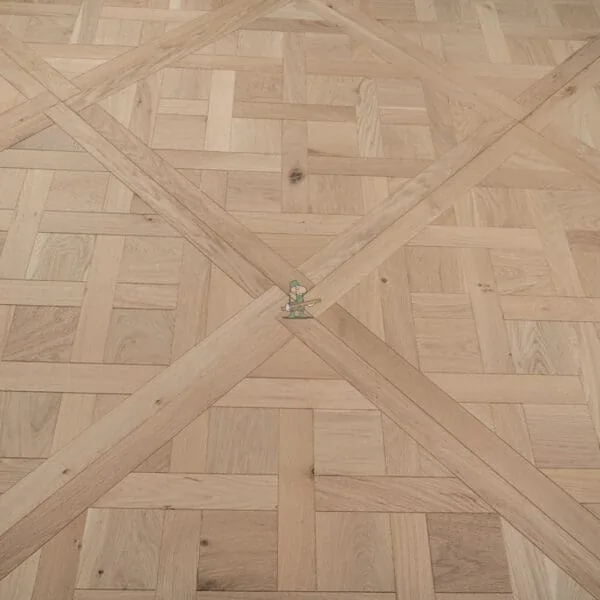
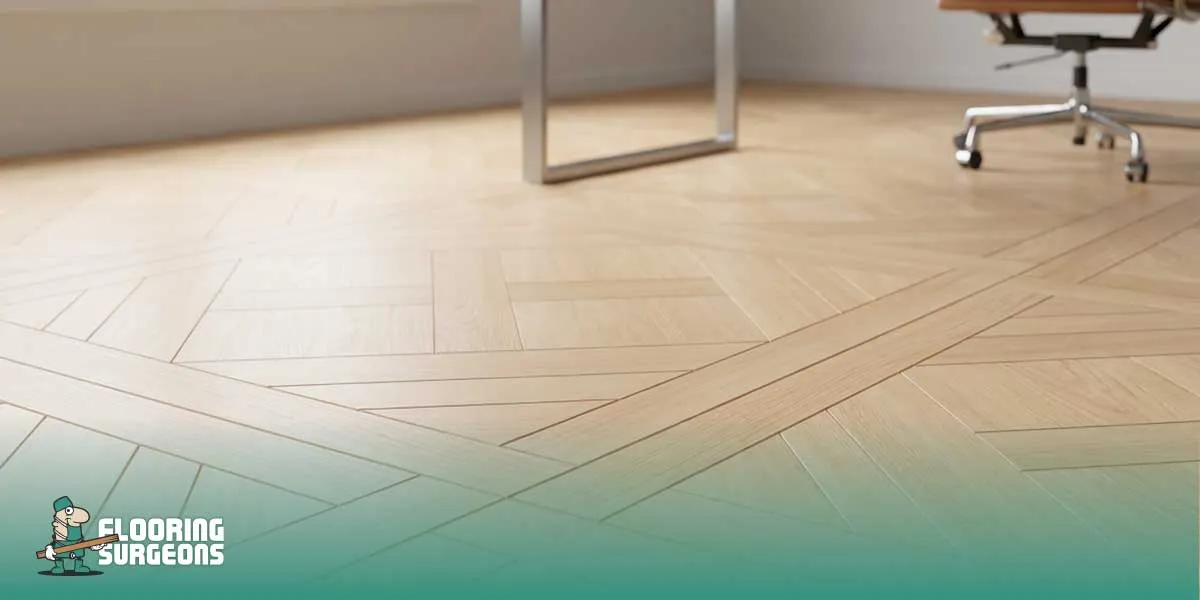
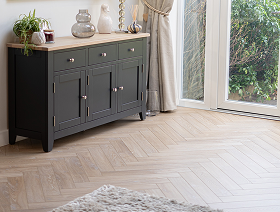
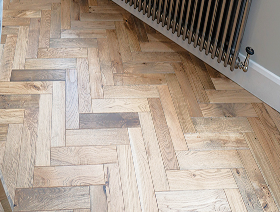
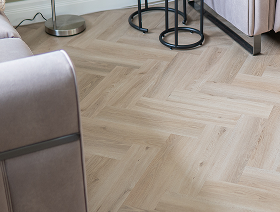
In the 20mm engineered wood range, you can compare different wood looks, plank widths, surface textures and finishes, depending on current availability. Wider planks can work well in larger rooms and open-plan spaces, while patterned options such as herringbone or parquet may suit interiors where a stronger design feature is preferred.
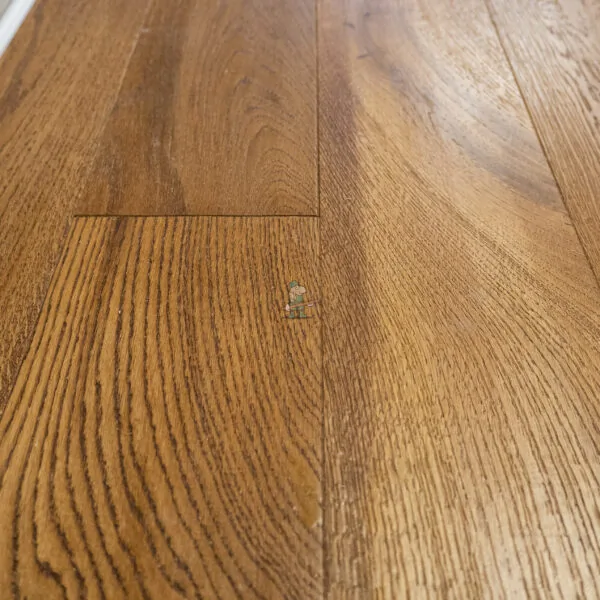
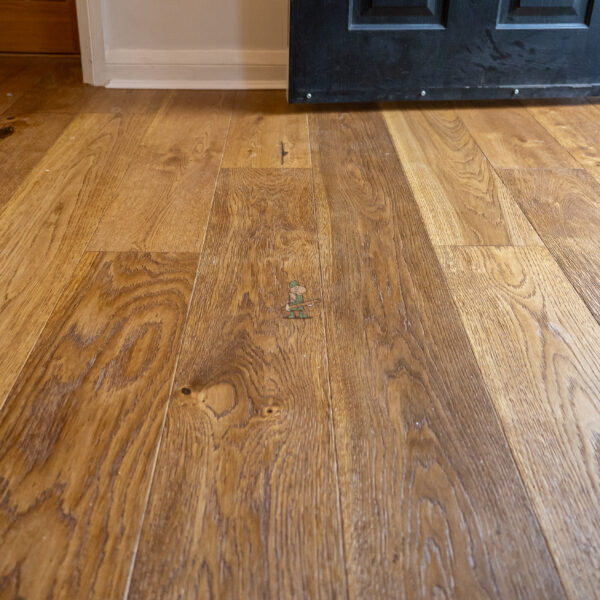
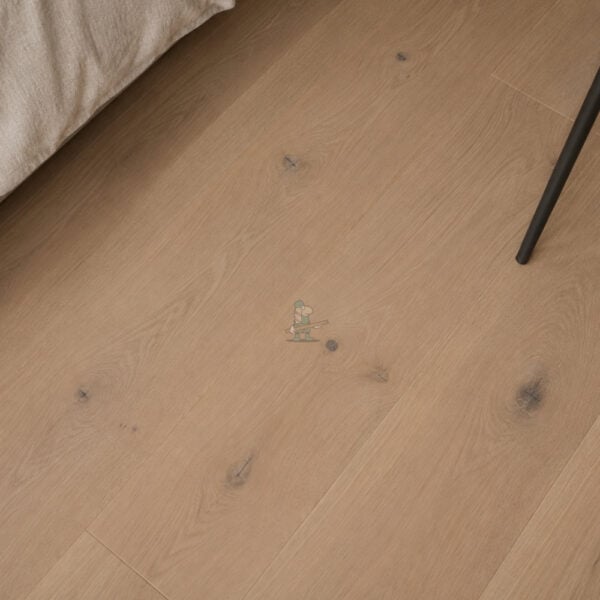
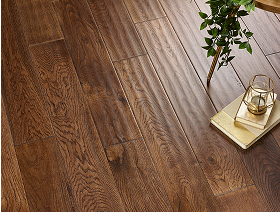
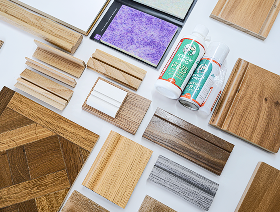
Finish options can also affect the appearance and day-to-day feel of the floor. The 20mm range can include lacquered, oiled, brushed, distressed or matt finishes, as well as lighter and darker colour tones depending on current availability. Before ordering, check the product details and compare samples at home to see which style, texture and finish work best for your room.
Why Choose 20mm Engineered Flooring?
20mm engineered flooring can be a practical choice for customers who want a thicker engineered board with a more substantial feel underfoot. Its extra board depth may suit larger rooms, open-plan spaces, hallways and other areas where everyday movement, furniture and long-term use are important considerations.
The thicker construction can help create a firmer, more grounded feel compared with slimmer engineered boards, depending on the product specification, wear layer, subfloor, and fitting method. Some 20mm products may also allow future sanding or refinishing, but this depends on the real wood top layer and should always be checked in the product details.
There are also practical considerations to keep in mind. A 20mm board can add more floor height and may require a well-prepared subfloor, a suitable fitting method and careful planning around doors, thresholds and transitions. If underfloor heating is part of the project, check compatibility before ordering, as suitability can vary by product.
Order Free 20mm Engineered Flooring Samples
Choosing 20mm engineered flooring is easier when you can compare the colour, texture and finish in your own home. At Flooring Surgeons, you can order free samples and see how different boards look next to your walls, furniture and existing décor.
Samples are especially useful when comparing lighter tones, darker finishes, brushed textures or patterned styles. They also help you check how the floor looks in natural and artificial light before making a final decision.
Need help? Chat with us!
1
Flooring Surgeons
Typically replies within a day
👋 Hi there!How can we help you today?
Just now✓✓
Cookie Consent
We use cookies to improve your experience on our site. By using our site, you consent to cookies.
Cookie Preferences
Manage your cookie preferences below:
Essential cookies enable basic functions and are necessary for the proper function of the website.
Name
Description
Duration
Cookie Preferences
This cookie is used to store the user's cookie consent preferences.
30 days
CloudFlare provides web performance and security solutions, enhancing site speed and protecting against threats.
The cf_use_ob cookie informs Cloudflare to fetch the requested resource from the Always Online cache on the designated port. Applicable values are: 0, 80, and 443. The cf_ob_info and cf_use_ob cookies are persistent cookies that expire after 30 seconds.
session
__cfwaitingroom
The __cfwaitingroom cookie is only used to track visitors that access a waiting room enabled host and path combination for a zone. Visitors using a browser that does not accept cookies cannot visit the host and path combination while the waiting room is active.
session
cf_chl_rc_i
These cookies are for internal use which allows Cloudflare to identify production issues on clients.
session
cf_chl_rc_ni
These cookies are for internal use which allows Cloudflare to identify production issues on clients.
session
cf_chl_rc_m
These cookies are for internal use which allows Cloudflare to identify production issues on clients.
session
__cfruid
Used by the content network, Cloudflare, to identify trusted web traffic.
session
__cf_bm
Cloudflare's bot products identify and mitigate automated traffic to protect your site from bad bots. Cloudflare places the __cf_bm cookie on End User devices that access Customer sites that are protected by Bot Management or Bot Fight Mode. The __cf_bm cookie is necessary for the proper functioning of these bot solutions.
session
__cflb
When enabling session affinity with Cloudflare Load Balancer, Cloudflare sets a __cflb cookie with a unique value on the first response to the requesting client. Cloudflare routes future requests to the same origin, optimizing network resource usage. In the event of a failover, Cloudflare sets a new __cflb cookie to direct future requests to the failover pool.
session
_cfuvid
The _cfuvid cookie is only set when a site uses this option in a Rate Limiting Rule, and is only used to allow the Cloudflare WAF to distinguish individual users who share the same IP address.
session
cf_clearance
Whether a CAPTCHA or Javascript challenge has been solved.
session
__cfseq
Sequence rules uses cookies to track the order of requests a user has made and the time between requests and makes them available via Cloudflare Rules. This allows you to write rules that match valid or invalid sequences. The specific cookies used to validate sequences are called sequence cookies.
session
cf_ob_info
The cf_ob_info cookie provides information on: The HTTP Status Code returned by the origin web server. The Ray ID of the original failed request. The data center serving the traffic
session
These cookies are needed for adding comments on this website.
Name
Description
Duration
comment_author
Used to track the user across multiple sessions.
Session
comment_author_email
Used to track the user across multiple sessions.
Session
comment_author_url
Used to track the user across multiple sessions.
Session
Google Tag Manager simplifies the management of marketing tags on your website without code changes.
Name
Description
Duration
cookiePreferences
Registers cookie preferences of a user
2 years
td
Registers statistical data on users' behaviour on the website. Used for internal analytics by the website operator.
session
Stripe is a payment processing platform that enables businesses to accept online payments securely and efficiently.
Indicates whether MUID is transferred to ANID, a cookie used for advertising. Clarity doesn't use ANID and so this is always set to 0.
Session
CLID
Identifies the first-time Clarity saw this user on any site using Clarity.
12 months
_clsk
Connects multiple page views by a user into a single Clarity session recording.
12 months
_clck
Persists the Clarity User ID and preferences, unique to that site is attributed to the same user ID.
12 months
SourceBuster is used by WooCommerce for order attribution based on user source.
Name
Description
Duration
sbjs_udata
Information about the visitor’s user agent, such as IP, the browser, and the device type
session
sbjs_first
Traffic origin information for the visitor’s first visit to your store (only applicable if the visitor returns before the session expires)
session
sbjs_current
Traffic origin information for the visitor’s current visit to your store
session
sbjs_first_add
Timestamp, referring URL, and entry page for your visitor’s first visit to your store (only applicable if the visitor returns before the session expires)
session
sbjs_current_add
Timestamp, referring URL, and entry page for your visitor’s current visit to your store
session
sbjs_migrations
Technical data to help with migrations between different versions of the tracking feature
session
sbjs_session
The number of page views in this session and the current page path
30 minutes
Marketing cookies are used to follow visitors to websites. The intention is to show ads that are relevant and engaging to the individual user.
Facebook Pixel is a web analytics service that tracks and reports website traffic.
Google uses cookies for advertising, including serving and rendering ads, personalizing ads (depending on your ad settings at g.co/adsettings), limiting the number of times an ad is shown to a user, muting ads you have chosen to stop seeing, and measuring the effectiveness of ads.
90 Days
FPGCLGB
Google uses cookies for advertising, including serving and rendering ads, personalizing ads (depending on your ad settings at g.co/adsettings), limiting the number of times an ad is shown to a user, muting ads you have chosen to stop seeing, and measuring the effectiveness of ads.
90 Days
__Secure-1PSID
Targeting cookie. Used to create a user profile and display relevant and personalised Google Ads to the user.
2 years
FPGCLAW
Google uses cookies for advertising, including serving and rendering ads, personalizing ads (depending on your ad settings at g.co/adsettings), limiting the number of times an ad is shown to a user, muting ads you have chosen to stop seeing, and measuring the effectiveness of ads.
90 Days
__Secure-1PSIDCC
Targeting cookie. Used to create a user profile and display relevant and personalised Google Ads to the user.
2 years
__Secure-3PAPISID
Profiles the interests of website visitors to serve relevant and personalised ads through retargeting.
2 years
AEC
AEC cookies ensure that requests within a browsing session are made by the user, and not by other sites. These cookies prevent malicious sites from acting on behalf of a user without that user's knowledge.
6 months
ADS_VISITOR_ID
Cookie required to use the options and on-site web services
2 months
__Secure-3PSIDCC
Targeting cookie. Used to create a user profile and display relevant and personalised Google Ads to the user.
2 years
__Secure-3PSIDTS
Targeting cookie. Used to create a user profile and display relevant and personalised Google Ads to the user.
2 years
__Secure-1PSIDTS
Targeting cookie. Used to create a user profile and display relevant and personalised Google Ads to the user.
2 years
__Secure-1PAPISID
Targeting cookie. Used to create a user profile and display relevant and personalised Google Ads to the user.
2 years
__Secure-3PSID
Targeting cookie. Used to profile the interests of website visitors and display relevant and personalised Google ads.
2 years
Conversion
Google uses cookies for advertising, including serving and rendering ads, personalizing ads (depending on your ad settings at g.co/adsettings), limiting the number of times an ad is shown to a user, muting ads you have chosen to stop seeing, and measuring the effectiveness of ads.
90 days
_gcl_aw
Google uses cookies for advertising, including serving and rendering ads, personalizing ads (depending on your ad settings at g.co/adsettings), limiting the number of times an ad is shown to a user, muting ads you have chosen to stop seeing, and measuring the effectiveness of ads.
90 Days
_gcl_gs
Google uses cookies for advertising, including serving and rendering ads, personalizing ads (depending on your ad settings at g.co/adsettings), limiting the number of times an ad is shown to a user, muting ads you have chosen to stop seeing, and measuring the effectiveness of ads.
90 Days
_gcl_gb
Google uses cookies for advertising, including serving and rendering ads, personalizing ads (depending on your ad settings at g.co/adsettings), limiting the number of times an ad is shown to a user, muting ads you have chosen to stop seeing, and measuring the effectiveness of ads.
90 Days
Google Maps is a web mapping service providing satellite imagery, real-time navigation, and location-based information.
Yes, you can order samples to see the colour, texture, and finish in your home before placing a full order. Sample sizes may vary depending on the product. For full details, please visit our Order Sample page.
We recommend ordering an extra 5–10% to allow for cuts, waste, and future repairs. For more complex room layouts, additional wastage may be required.
If your order has not yet been dispatched, we may be able to amend or cancel it. Please contact our team as soon as possible after placing your order. For full details, visit our Returns & Cancellation page.
Delivery
Most orders are available for delivery from 3 working days after placing your order. You’ll be able to choose your preferred delivery date at checkout, depending on stock availability.
Yes, we deliver across mainland England and Wales, with selected areas in Scotland and the South West also available for delivery at an additional charge. For full details, please visit our Delivery page.
If anything is damaged or missing, please let the driver know straight away so they can make a note of it before you sign the paperwork. Then contact our team with photos if possible. If you notice any issues after delivery, just get in touch and we’ll work quickly to resolve the problem with a replacement or refund where needed.
Installation
Many of our flooring products are suitable for DIY installation if you’re confident with home projects and have the right tools. However, for the best finish, we always recommend using a professional fitter.
Yes, we offer a professional fitting service in the West Midlands ONLY. Our experienced fitters can help with everything from preparation to installation, making the process as smooth and stress-free as possible. Contact our team to check availability in your area. For full details, please visit our Expert Fitting page.
Product & Care
Regular sweeping or vacuuming and occasional mopping with a damp cloth will help keep your flooring looking its best. Avoid using excessive water, harsh chemicals, or steam mops unless recommended for your specific flooring type.
We do our best to show colours as accurately as possible online, but shades can vary slightly due to screen settings, room lighting, and natural variation in the product. We always recommend ordering a sample before purchasing.
Returns & Warranty
Unopened packs may be eligible for return within our returns period, subject to approval. Returned items must be in their original condition and packaging. Please contact our team before returning any products so we can help arrange the process. For full details, please visit our Returns & Cancellation page.
Many of our flooring products come with a manufacturer warranty for added peace of mind. Warranty length and coverage can vary depending on the product.
Calculate Flooring
Save Your MeasurementsUse our easy calculator below to find out how much your room will cost.
Filters
Sort By
Sort Products by popularity, price, rating, and more.