

Room Visualiser
Try our floors in your home
0
0








Yes, with multi-layer construction and tough finishes, it resists daily wear.
Depending on the thickness of the top layer, most can be sanded and refinished 1–3 times.
Surprisingly, lighter floors often hide dust and scratches better than dark ones.
Yes, if properly sealed, it withstands moisture fluctuations better than solid wood.
Engineered wood has a real wood top layer; laminate is a photographic with a resin surface.
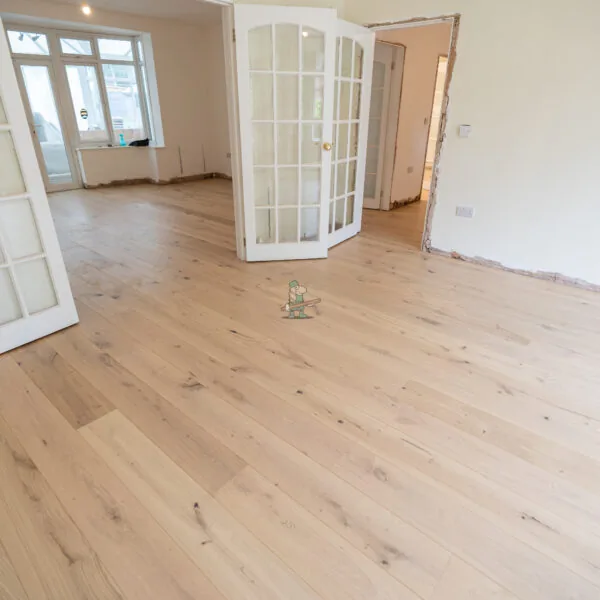
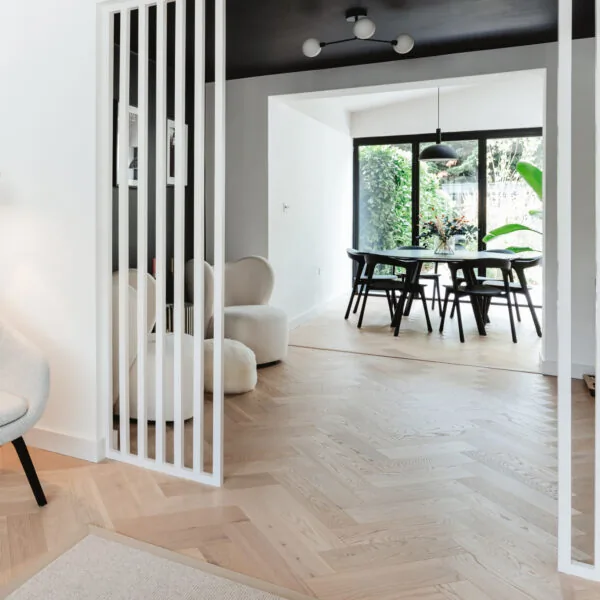
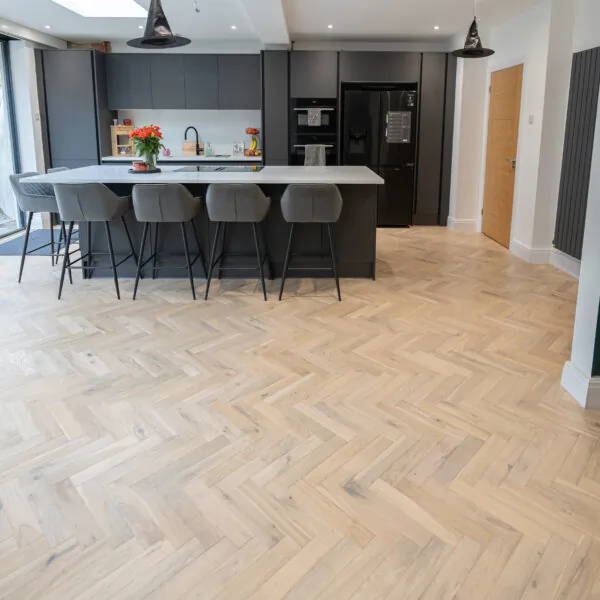
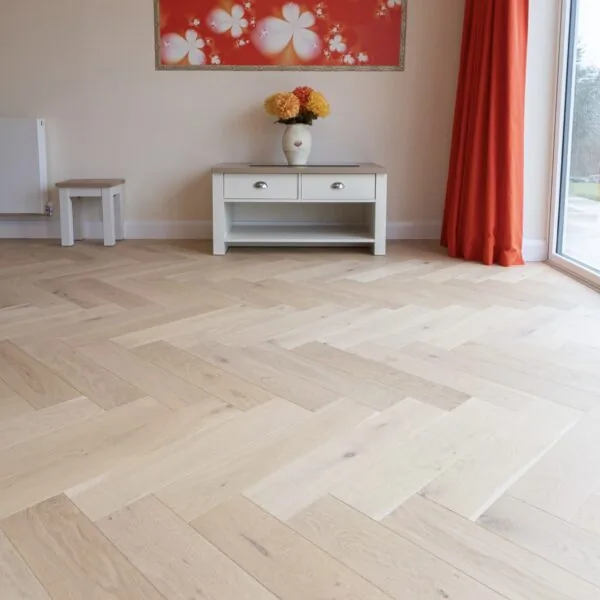
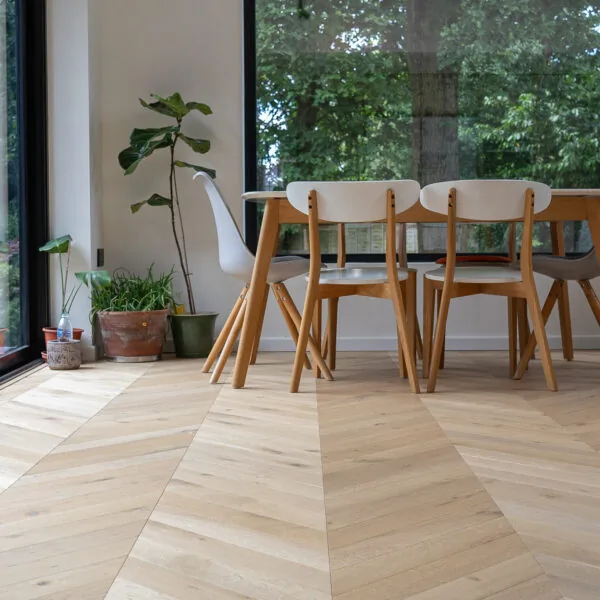
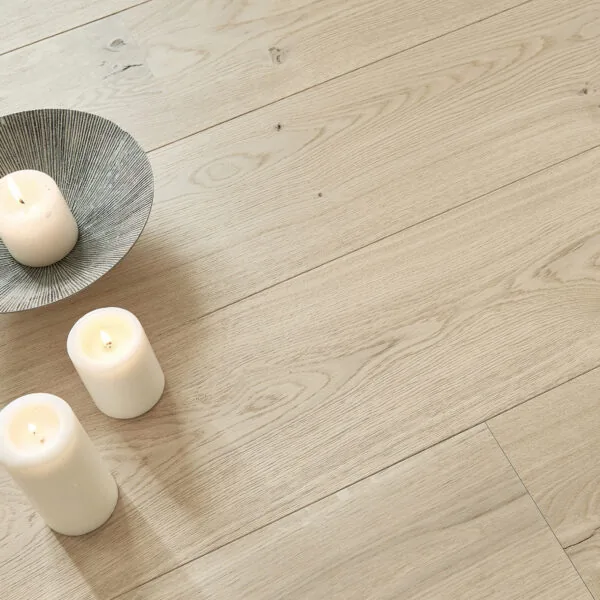
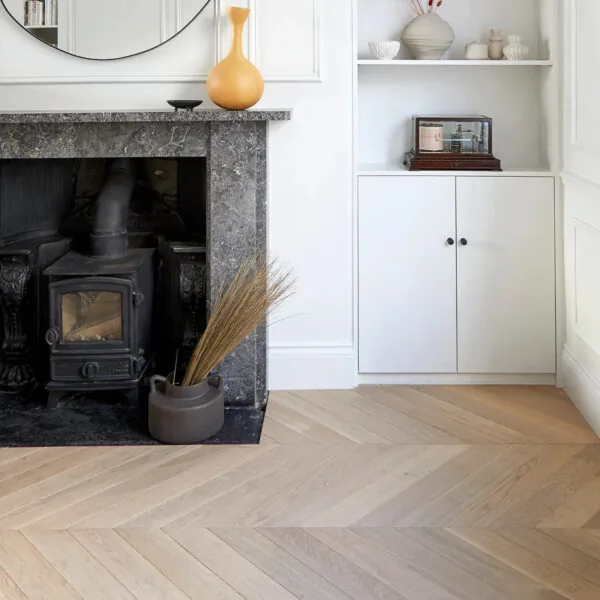
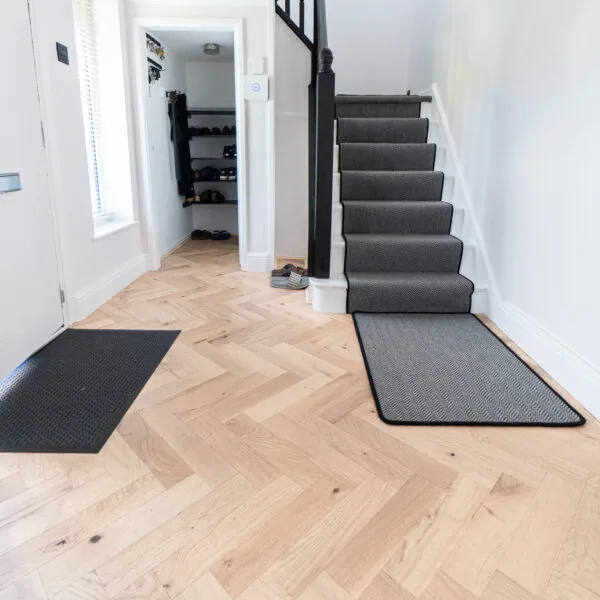
While it appears soft and light, engineered wood flooring is surprisingly strong. Because it can control light and shadow, an engineered grey floor provides a sense of stability and security. The opposite occurs with light-toned wood. As a result, it goes up. This allows more light into the room and spreads reflections rather than reflecting them sharply back. The floor’s colour makes the room appear larger and feel lighter.
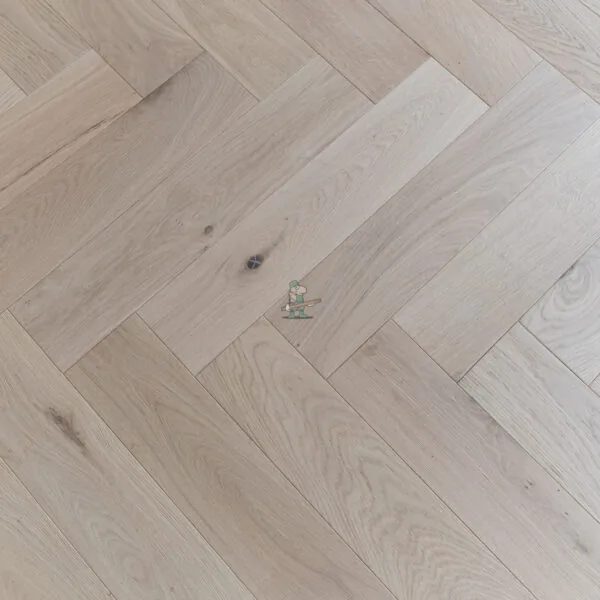
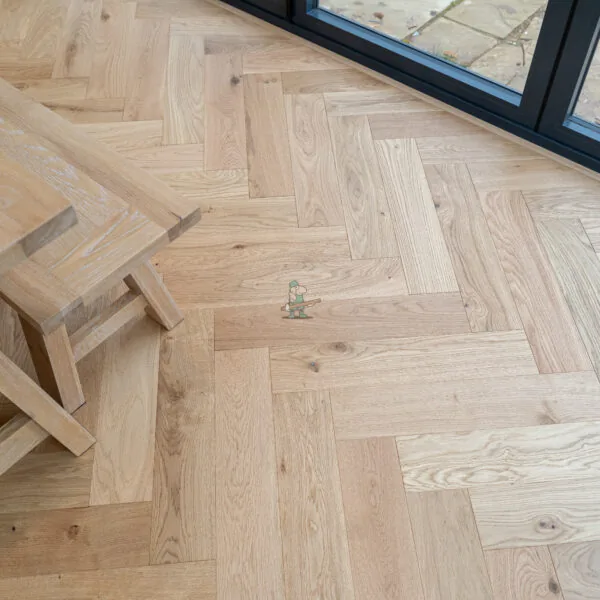
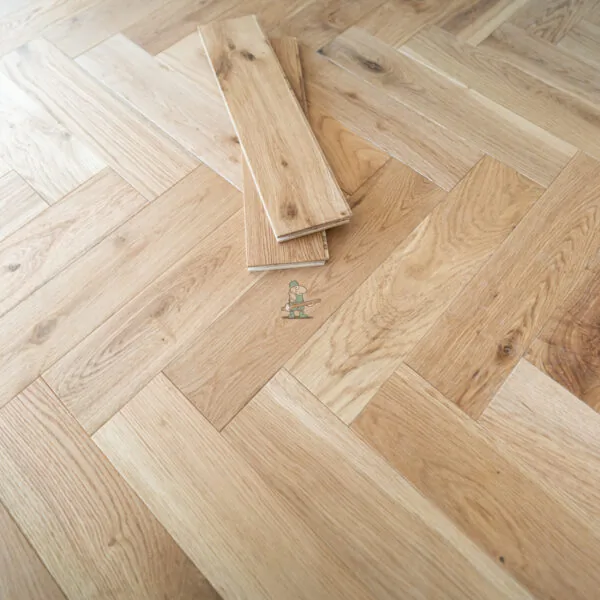
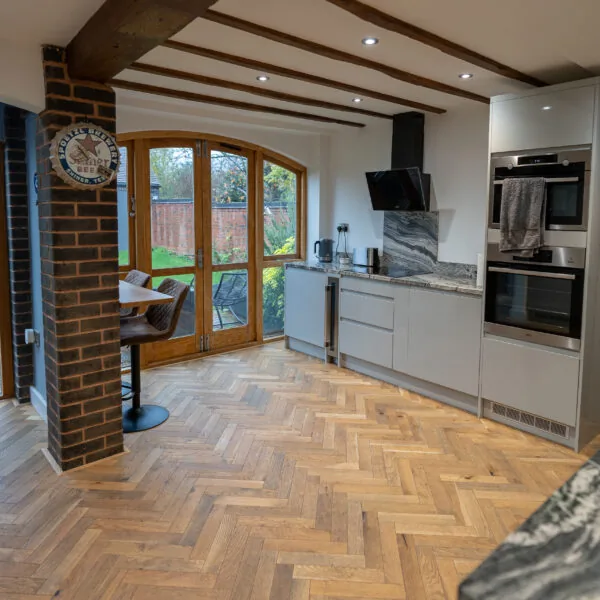
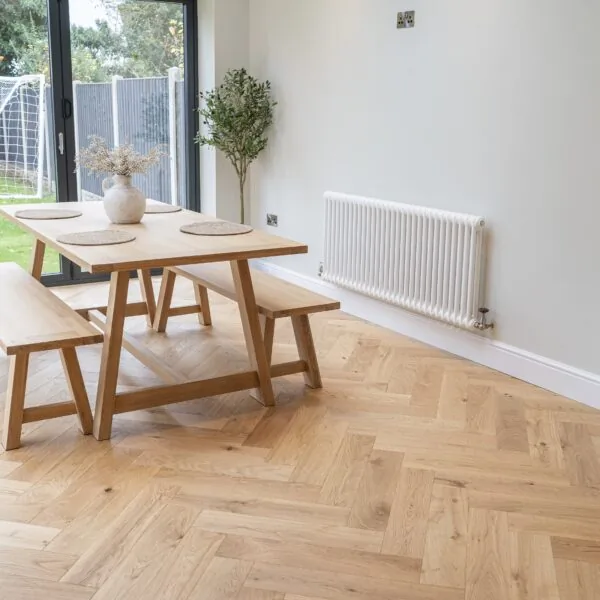
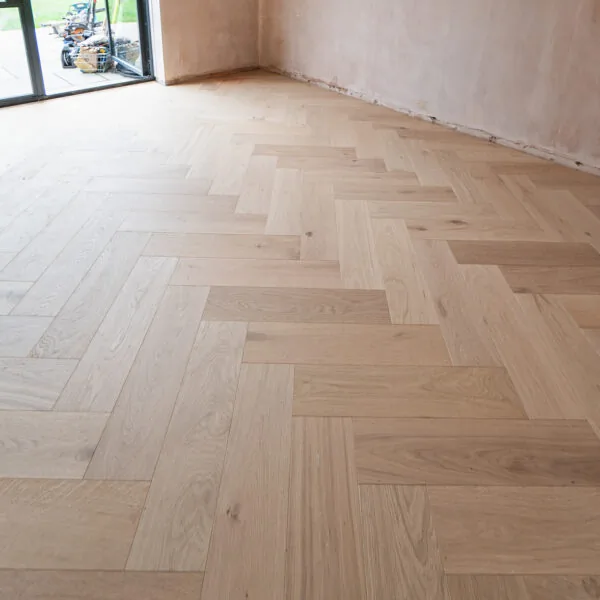
This product resembles hardwood, featuring a visible veneer crafted from genuine oak or ash. It does not swell in the summer or decrease in the winter. You will always receive a clean, smooth fit, regardless of the day of the year.
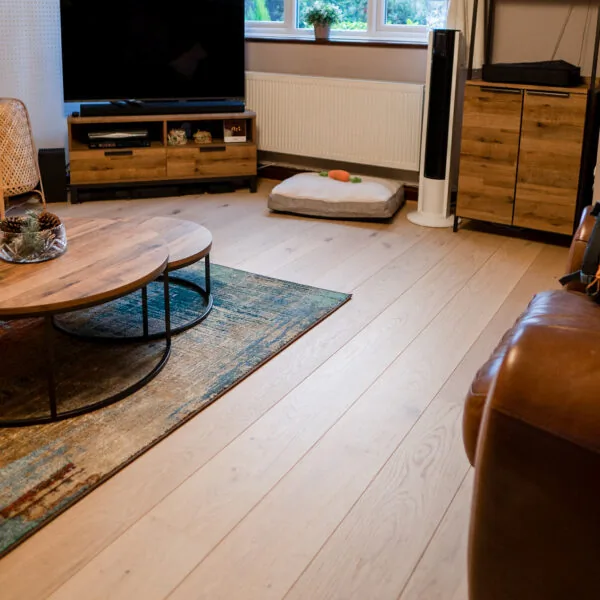
One silent benefit of light-engineered flooring: it retains its appearance over time. Rather than highlighting dust, scratches, and sunlight, its surface hides them. You don’t have to polish it to make it look good; it blends right in with your room’s decor.
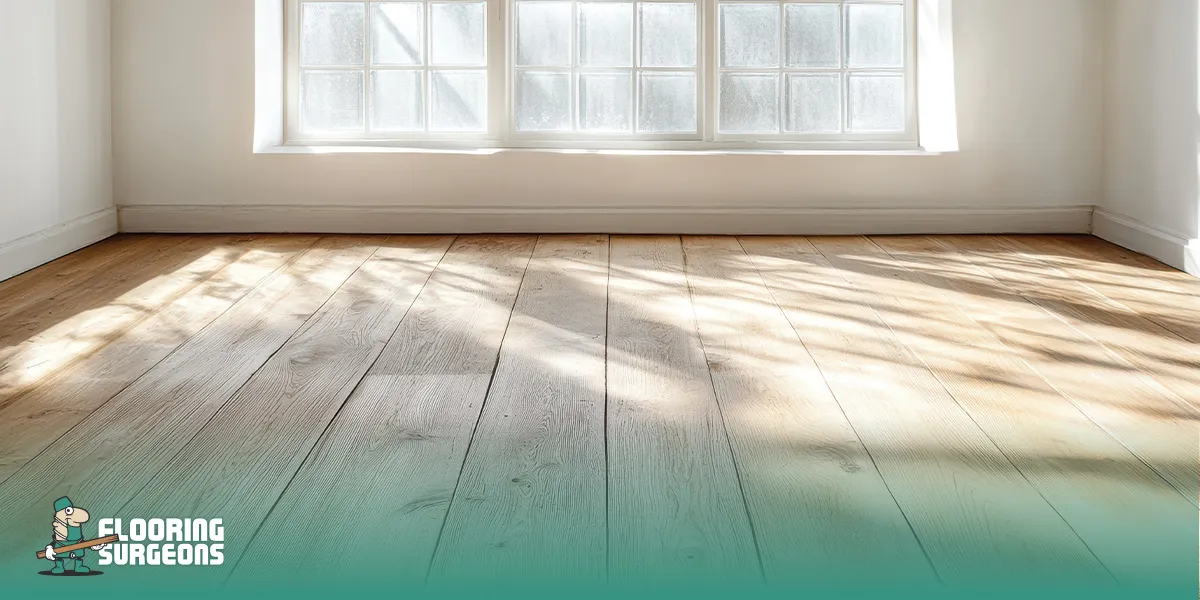
Consequently, solid wood represents old craftsmanship: it is beautiful, but challenging to work with. Engineered wood floors are more modern, balanced, and consistent, and are designed to work with light rather than against it.
Colour or choice is not the only thing that makes brightness stable; it’s a way of thinking about structure. Order Free Samples from Flooring Surgeons and discover how light engineered flooring can make your space — and your choices — lighter.
Many people are interested in light laminate flooring and light engineered flooring because they are looking for a contemporary, light-filled space. Despite that, the underlying processes that give these two materials that appearance are very different.
If you have light laminate flooring in your house, ensure it is consistent. Since its surface is printed and sealed, and there is no variation between planks in terms of appearance, it is ideal for design schemes that value uniformity, as each plank appears to be the same size and shape. Whether you are looking for a minimalist surface that requires little maintenance, or you are remodelling a modern flat, rental home, or doing a quick remodel, this is the perfect surface for you.
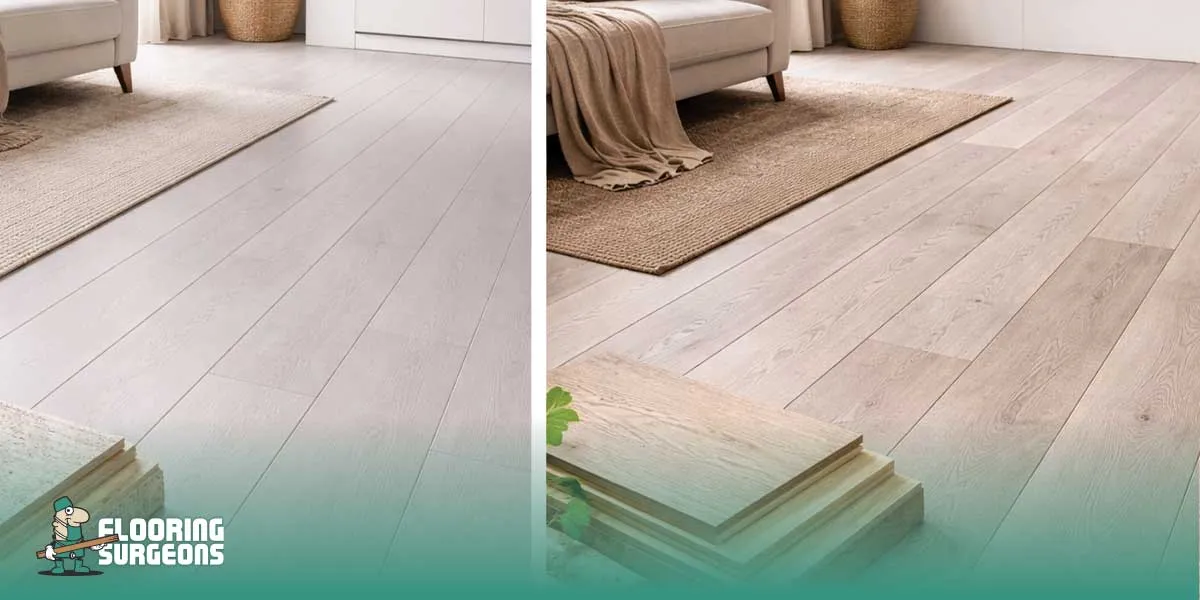
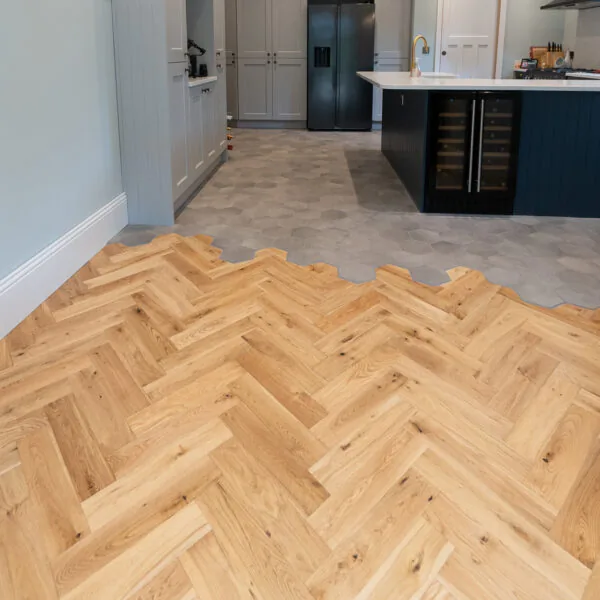
In contrast, light-engineered wood flooring is designed to bring a sense of realism to the room. Since each board features a real wood veneer, light reflects differently and interacts with the grain, creating the illusion of depth and diversity. There is no static tone in the room; instead, subtle shifts throughout the day give it character.
It is also important to note that their underfoot sensation is unique. In addition to being quick and efficient, laminate is also ultra-modern, providing a lighter, crisper touch and sound. Having a layered foundation makes engineered wood denser and more stable, as it absorbs sound and impact, enhancing the appearance of a more solid structure and making the wood look thicker and more substantial.
Putting it all together:
A light laminate floor is the ideal choice if you desire a sophisticated, low-maintenance style that won’t break the bank without compromising quality.
It is essential to keep in mind that light engineered flooring is the ideal flooring solution for rooms that need the natural warmth and brightness of wood and the richness of real material, which is due to the texture, warmth, and natural diversity that it provides.
There is a place for each of them, and each of them has its own purpose. The purpose of engineered wood is to create expression and durability, while the purpose of laminate is to provide speed and convenience. Generally, there isn’t a “better” or “worse” choice; instead, choosing based on your own preferences and the kind of atmosphere you intend to create at home matters most.
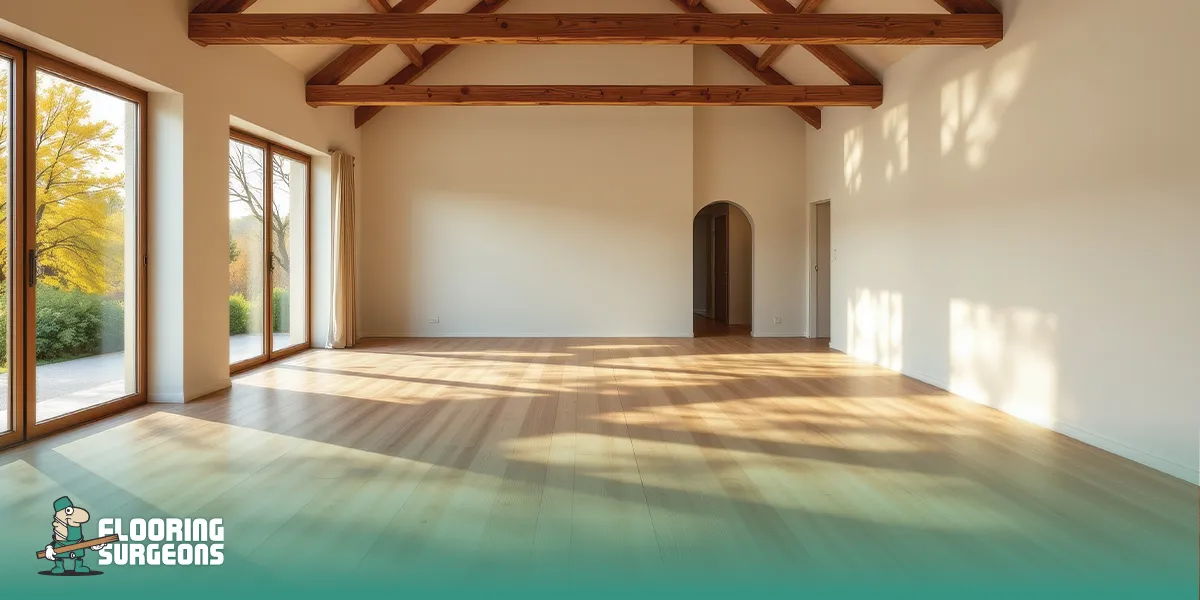
Just as sunlight adapts to a window, light-engineered flooring complements a wide range of design styles. A light wood’s redeeming quality is not that it “goes with everything,” but rather, it can take on a variety of personalities based on its surroundings.
In minimalist and Scandinavian design, light-coloured engineered flooring is more than just a background; it’s actually the architecture’s breath of fresh air. In addition to its colour, it can also muffle visual noise, which is one of the main reasons designers use it. Furniture made from pale woods, such as oak or bleached ash, tends to appear to float, as their lighter shading reduces the contrast between them.
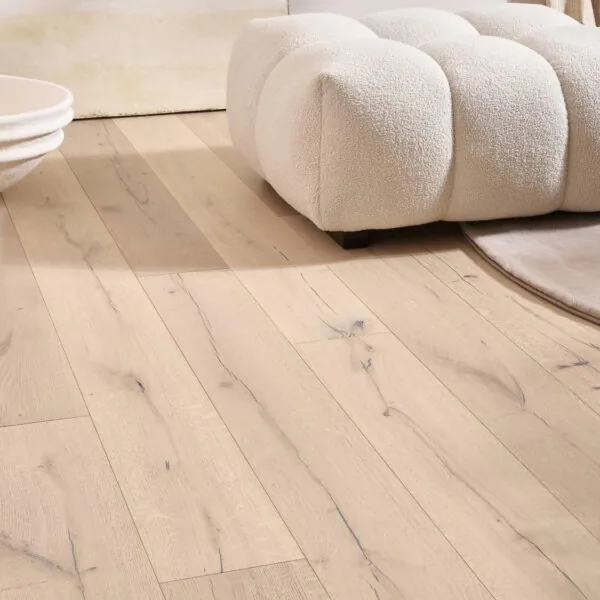
Light engineered wood nevertheless displays grain, which prevents minimalism from seeming clinical, in contrast to stark white floors. Due to the engineered base, long, uninterrupted planks are possible, with fewer joints and interruptions, and a rhythm of stillness is achievable.
There is greater importance in controlling the emptiness than in maintaining brightness on its own. It is well known that the tranquillity of a minimalist home relies heavily on the use of light-coloured engineered flooring.
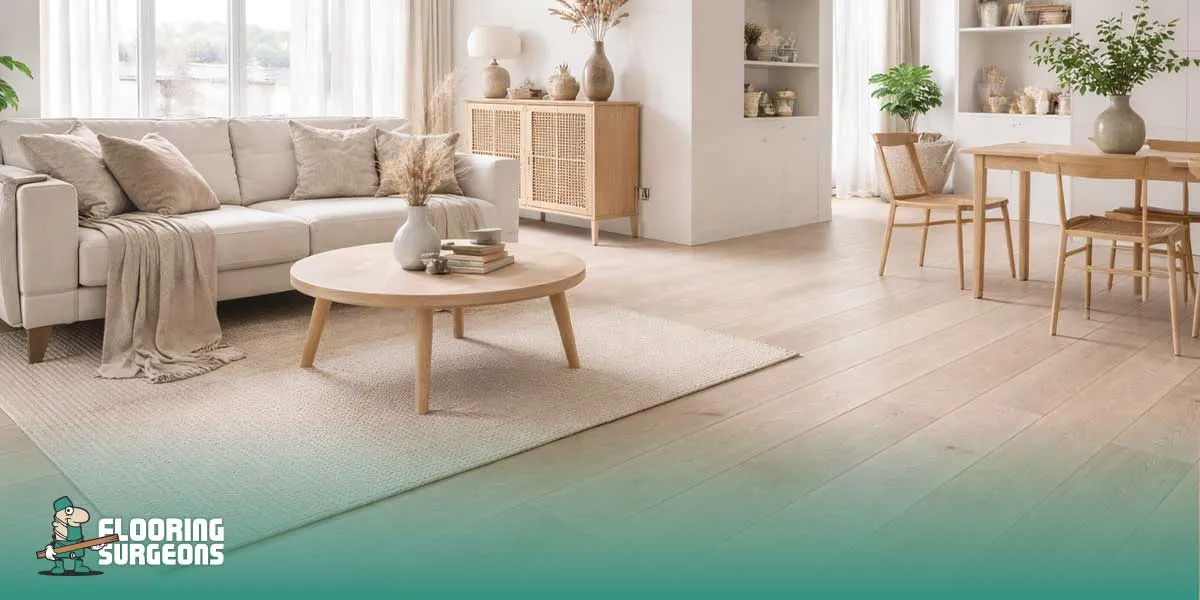
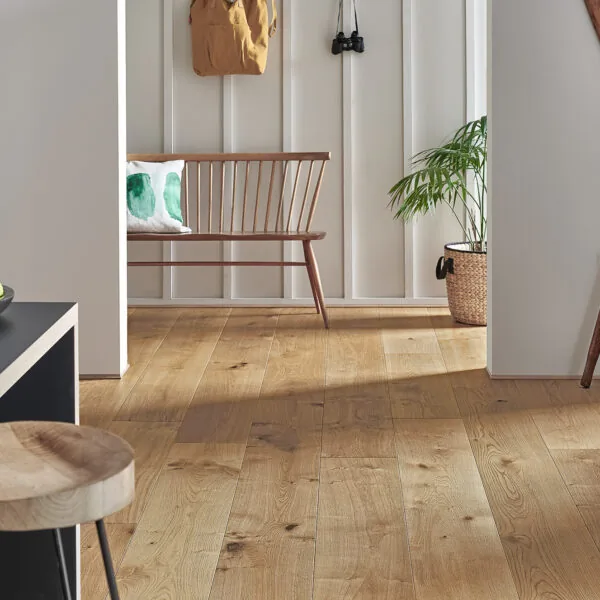
A rustic or coastal design emphasises texture over symmetry, and light-engineered flooring is a great choice that quietly outperforms laminate or darker wood flooring. Real oak emits the same kind of light that you can see on weathered driftwood or sun-bleached decking, thanks to its surface grain and pale colour. The item does not appear “new”; instead, it seems to have been used correctly.
This is one of the reasons why it is essential to have an engineered structure here, as it allows you to add texture to areas where real reclaimed wood cannot be used, such as underfloor heating or humid coastal environments.
One thing people often overlook when designing a rustic interior is that light floors neutralise the room’s visual impact, making it more appealing. When you have raw metal, rope, linen, and stone all present in your scene, a dark floor competes for attention, while a light engineered base unites them all together.
Instead of relying on nostalgia for a “farmhouse” aesthetic, this is a modern interpretation of the imperfect.
It is not always about gloss and darkness that define luxury. Many high-end interiors are utilising light to convey precision, and this trend is becoming increasingly common. There is no better way to express this shift than with engineered light wood flooring. Despite its soft appearance, the product is technologically advanced beneath the surface.
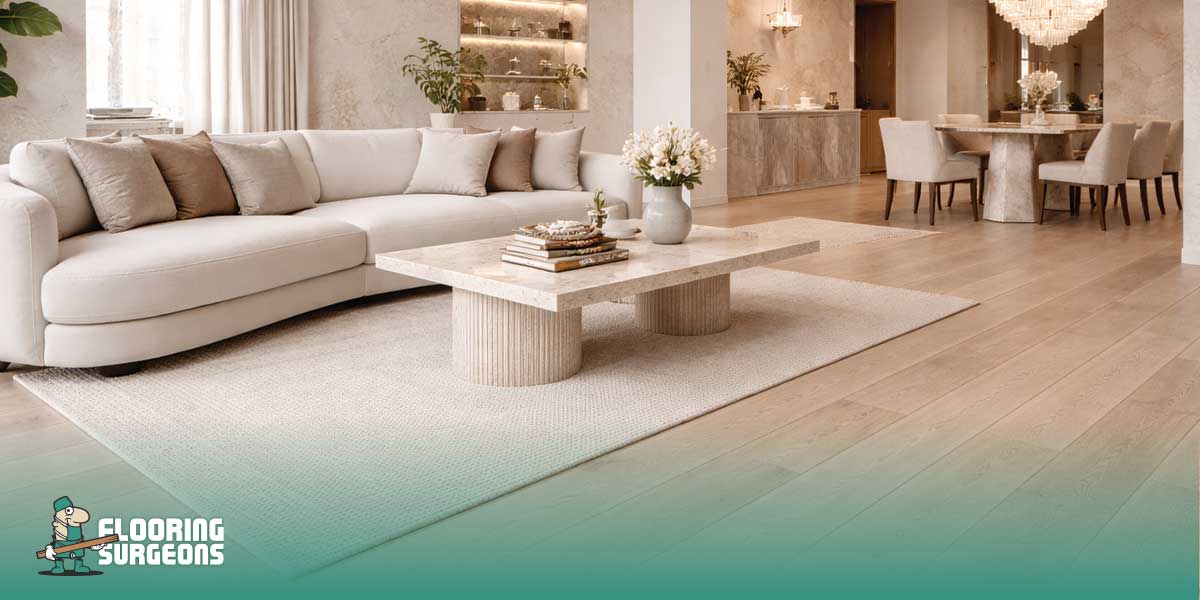
For their optical discipline, architects and designers of luxurious contemporary spaces use pale engineered planks to create their designs. It flattens reflections, blurs seams, and visually widens proportions. As a result, materials such as marble, bronze or textured plaster can stand out without competing with one another.
One of the most interesting aspects of the quiet luxury trend is the movement towards matte finishes and diffused lighting. This philosophy suggests that light-coloured engineered wood with a satin or brushed finish is more suitable than dark, exotic timbers with a darker finish. To put it another way, it is a symbol of refinement through restraint: the beauty of something that is not overbearing, without overshadowing.
It is well known that engineered light flooring is not only aesthetically pleasing but also a design tool that behaves differently in various environments. In Scandinavian homes, it creates space; in rustic coastal homes, it binds materials; and in luxury homes, it defines precision.
Same floor — different languages.
In engineered hardwood flooring, sustainability is not just an afterthought; it’s an integral part of the process. By using a thin layer of hardwood over a base of fast-growing, renewable timbers like birch or poplar, it is not necessary to carve entire planks out of slower-growing trees. The result is less impact on the forest, less waste, and a more efficient use of every harvested log.
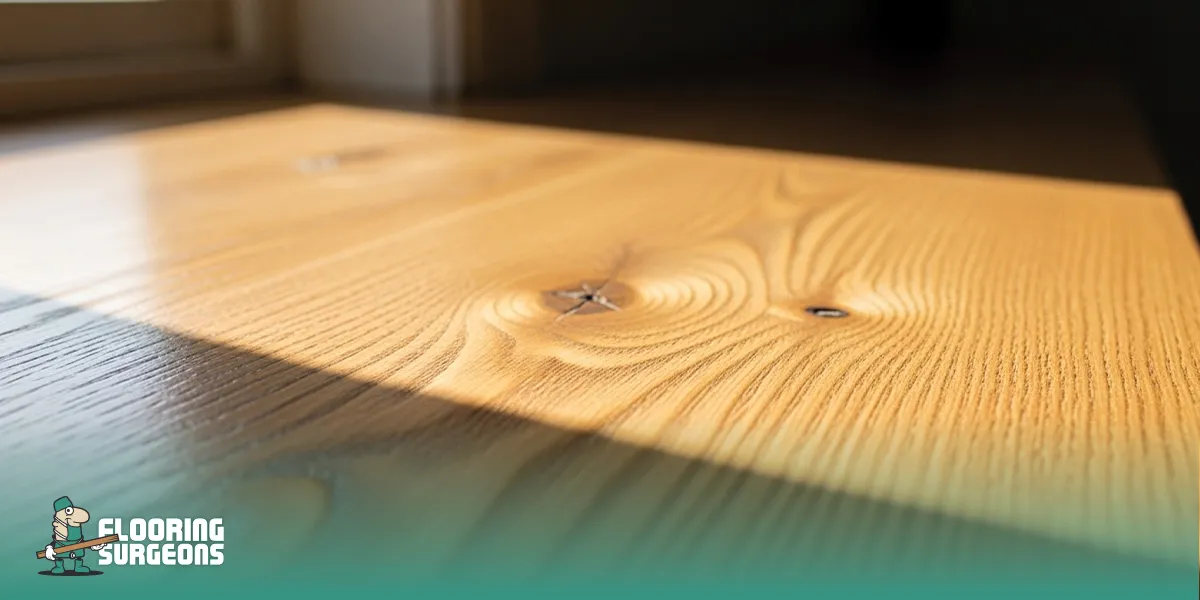
Additionally, due to the product’s structural integrity, you can use the floor for an extended period before it needs to be replaced, allowing you to install it today and enjoy it for decades with minimal maintenance. The light tone will make it easier to hide, so it does not need to be replaced for aesthetic reasons either. The concept of sustainability here is not about obtaining certification badges, but rather about using resources more efficiently and preserving them for as long as possible.
At Flooring Surgeons, we strive to strike a balance between design and responsibility that you can see for yourself. We offer free samples of each light-engineered plank, enabling you to experience the texture, tone, and natural variations before making a purchase. Real wood not only feels great to the touch but also offers durability and practicality you can rely on every day.