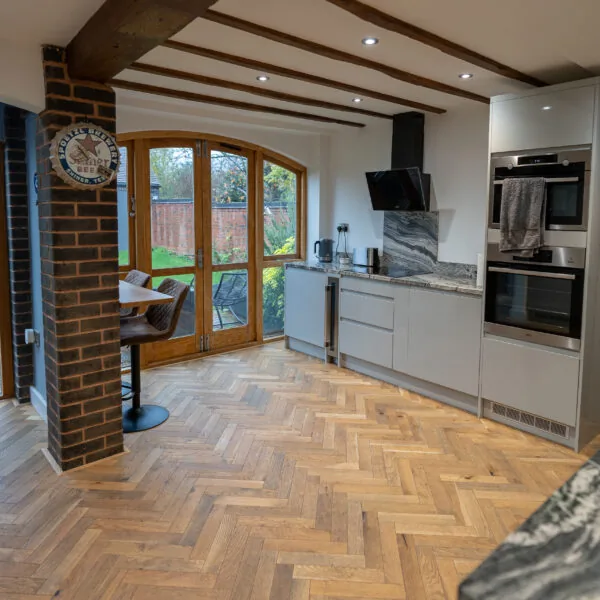
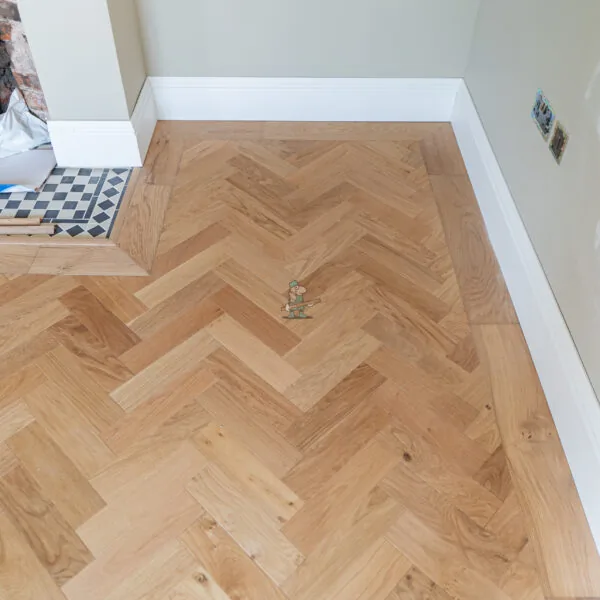
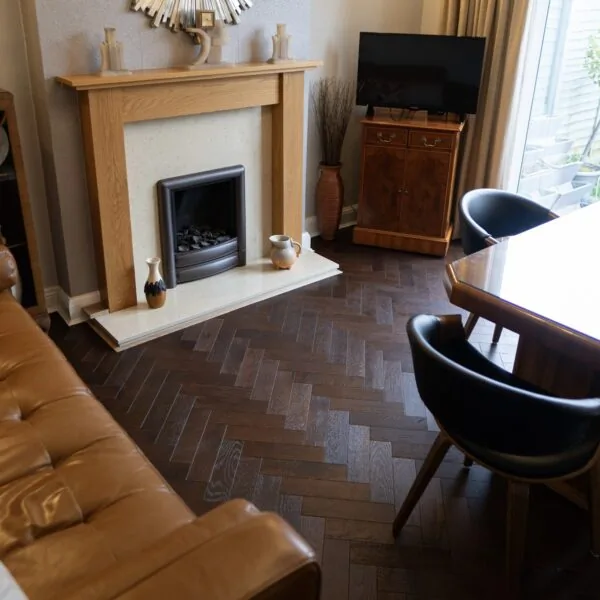
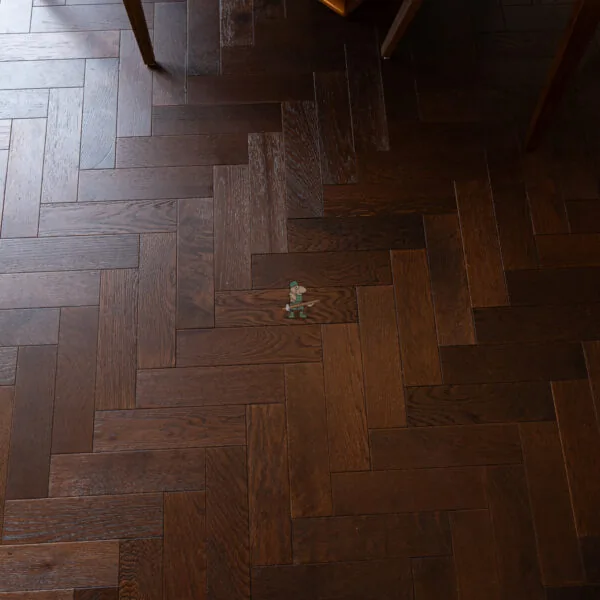
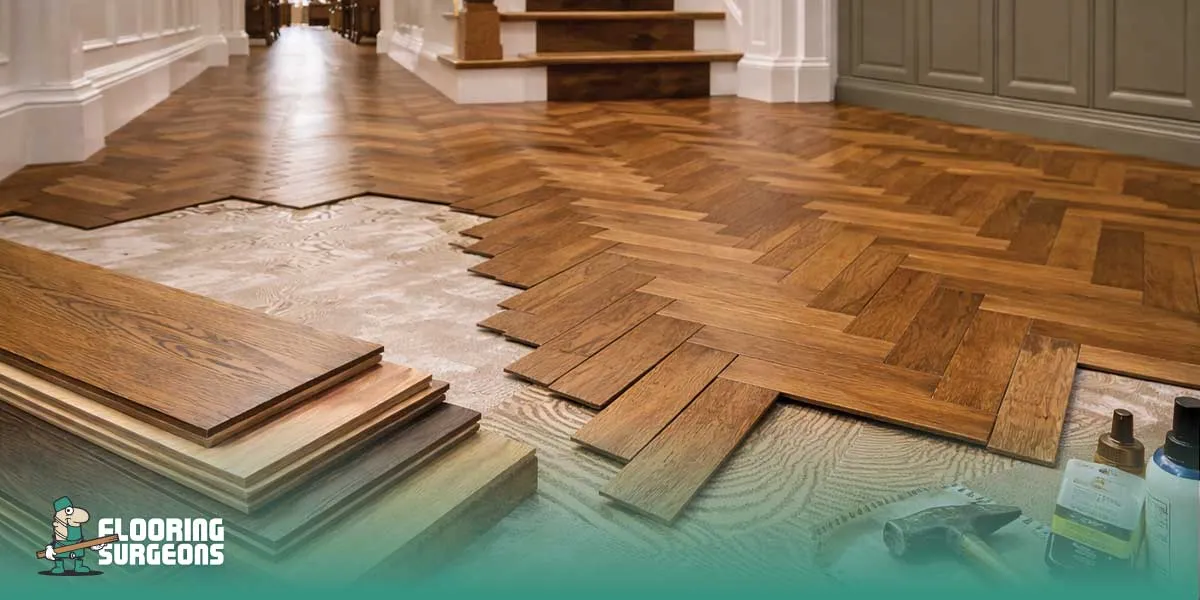
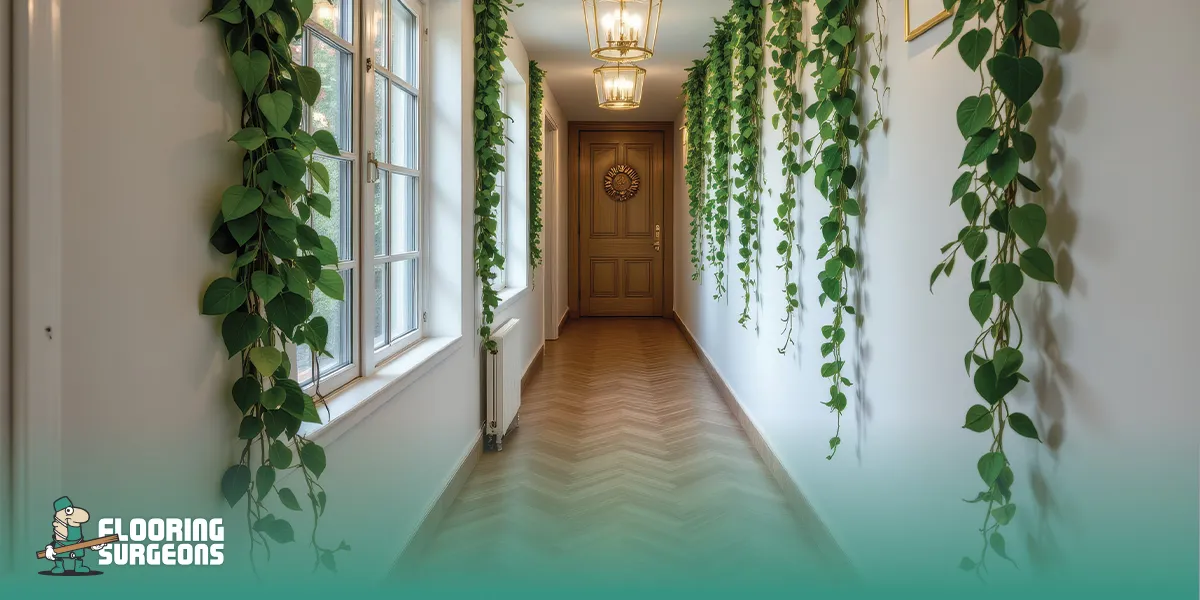
Herringbone Flooring for Hallway transforms the busiest part of your home into a statement of craftsmanship and durability. Its iconic pattern adds movement, depth, and elegance, while engineered stability ensures it withstands years of foot traffic, grit, and daily wear and tear. If you want a hallway that feels both timeless and purpose-built for real life, herringbone delivers beauty that lasts.
Is herringbone flooring durable enough for busy hallways?
Yes — herringbone’s interlocking pattern distributes pressure evenly across each board, reducing dents and wear. Engineered oak or solid wood herringbone is ideal for high-traffic areas like hallways, where footfall and grit are constant.
What's the best thickness of herringbone flooring for a hallway?
For stability and longevity, use at least 14mm thick engineered herringbone. In larger or more heavily used spaces, go for 18mm thickness, which allows multiple refinishes and extra structural strength.
Can herringbone flooring be used with underfloor heating in a hallway?
Absolutely — engineered herringbone flooring is compatible with most underfloor heating systems. Ensure the surface temperature stays below 27°C, and let the boards acclimatise for 48–72 hours before installation.
Is engineered or solid herringbone better for hallways?
Engineered herringbone is generally the better choice for hallways. Its layered core resists movement from temperature changes near entrances, while solid wood is best suited for period homes with stable humidity.
How much does herringbone flooring cost for a hallway installation?
Expect to pay between £95 and £130 per m², including materials and fitting. The final price depends on wood type, hallway size, and layout complexity. Laminate and LVT options are more affordable but less long-lasting.
Does herringbone make a narrow hallway look smaller or larger?
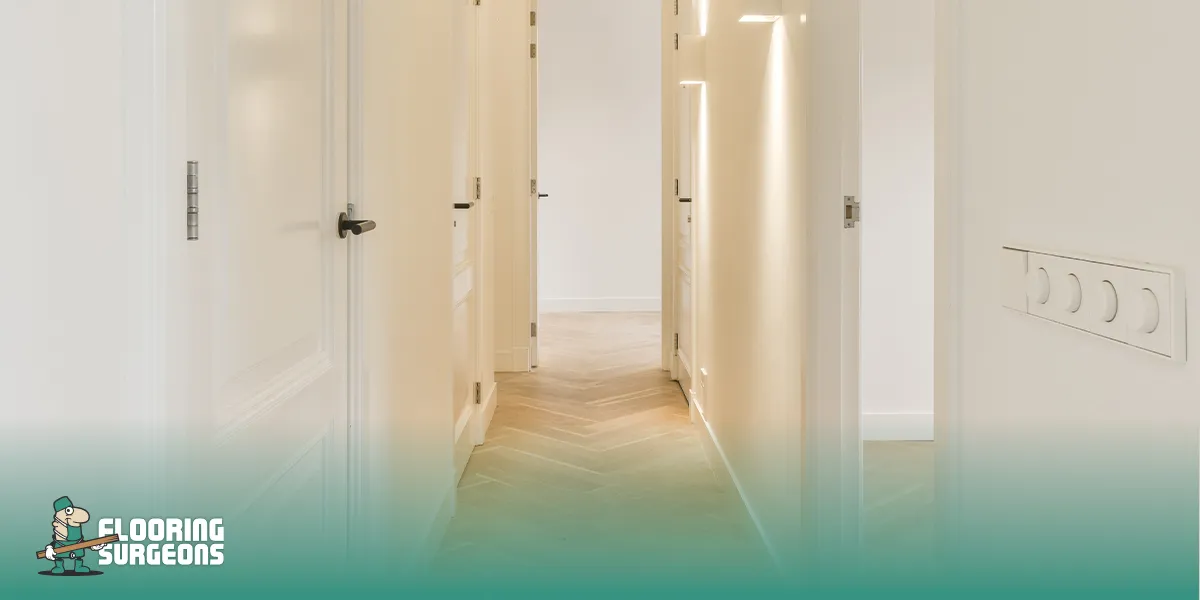
When laid diagonally or across the hallway, herringbone makes the space appear wider. Its pattern catches light and adds movement, giving even small hallways a sense of depth and direction.
How do I maintain herringbone flooring in entrance areas?
Sweep or vacuum regularly to remove grit, and use mats near doors to trap dirt. Wipe up moisture immediately and use felt pads under furniture. Re-oil or refinish every few years, depending on traffic.
What type of finish is best for Herringbone Flooring for Hallway?
A matte or satin oiled finish works best. It hides dust and scuffs better than gloss and is easier to spot-repair. Oiled finishes also enhance the wood’s grain and give a natural, tactile feel underfoot.
Can herringbone flooring add value to my home?
Yes. Estate agents consistently report that properties with herringbone flooring — especially in entrance areas — attract higher buyer interest. It signals quality craftsmanship and timeless style, boosting property appeal.
How long does Herringbone Flooring for Hallway last?
With proper care, engineered herringbone can last 25–40 years, while solid oak versions can last 50+ years with occasional refinishing. It’s a long-term investment designed to age beautifully, not wear out.
Herringbone Flooring for Hallway – Classic & Durable
A hallway takes more footsteps in a day than almost any other part of the home. It’s the space that connects every room, greets every guest, and quietly handles the daily rush — from muddy shoes to rolling suitcases. That’s why hallway flooring needs more than just good looks; it requires strength, stability, and a design that can hold its charm for years.
Herringbone wood flooring offers exactly that — a timeless pattern with exceptional durability. Its interlocking design gives the hallway a sense of structure and rhythm, turning a transitional space into a design statement that lasts — a hallmark ofherringbone flooring known for blending elegance with everyday resilience.
Why Choose Herringbone Flooring for Hallway Spaces?
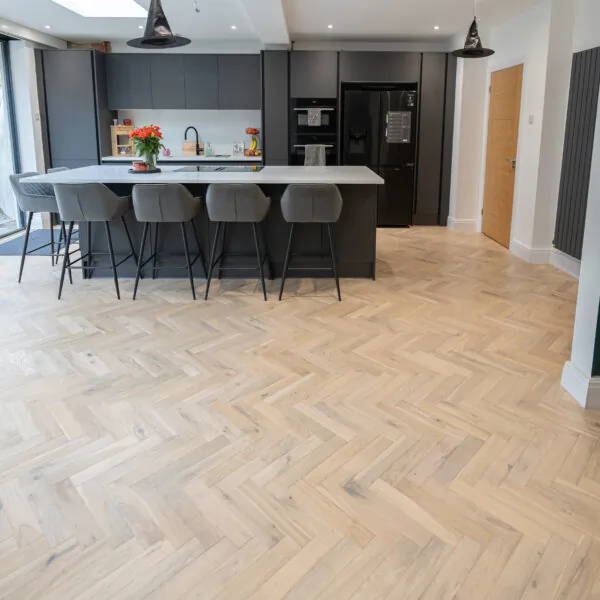
Herringbone flooring enhances hallway spaces with superior stability, even weight distribution, and long-lasting resistance to high traffic. Its geometric pattern adds visual depth, hides everyday scuffs, and creates a refined first impression that straight planks can’t match, making it both a practical and design-driven choice for busy entrances.
Benefits of Herringbone Wood Flooring in Hallways
Hallways are the toughest testing ground for any floor — narrow, high-traffic, and often exposed to grit from outdoors. Herringbone flooring’s unique zigzag geometry distributes weight and pressure evenly across each plank, reducing wear marks and surface dents. When made from engineered oak or solid wood, it provides excellent dimensional stability — essential for spaces where temperature and humidity fluctuate as doors open and close. Plus, its multi-layered construction helps prevent warping or cupping over time.
Choose a minimum thickness of 14mm for engineered herringbone in hallways. This gives enough stability for foot traffic while remaining compatible with underfloor heating. For even heavier-use spaces (like large family homes), 18mm thickness offers superior resistance and long-term refinishing potential.
First Impressions with Herringbone Hallway Flooring
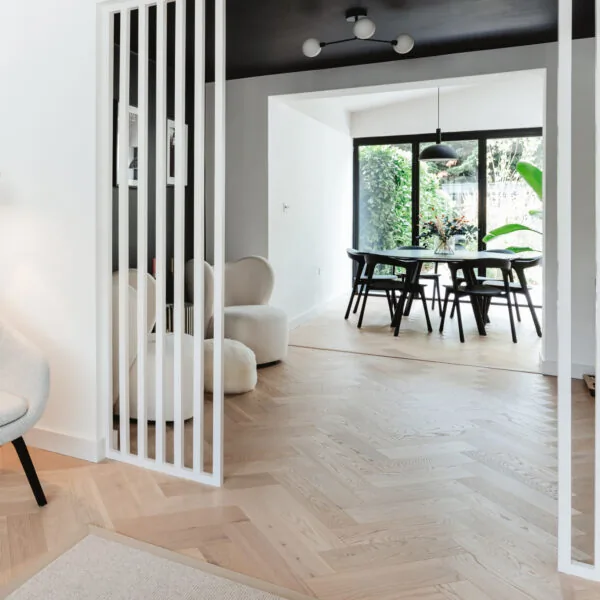
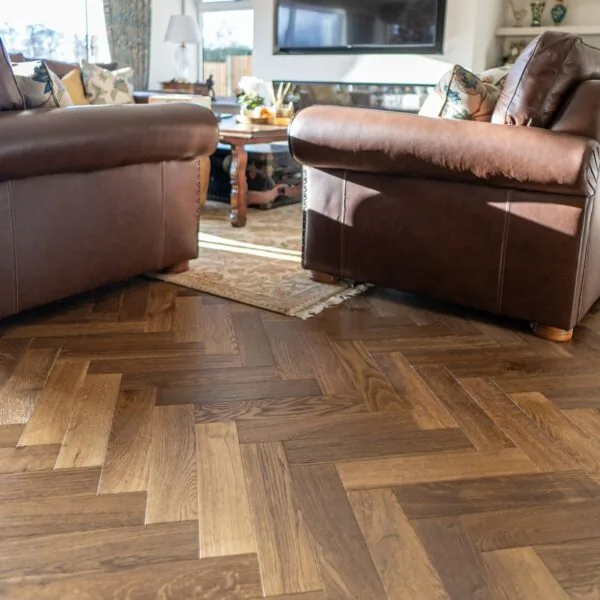
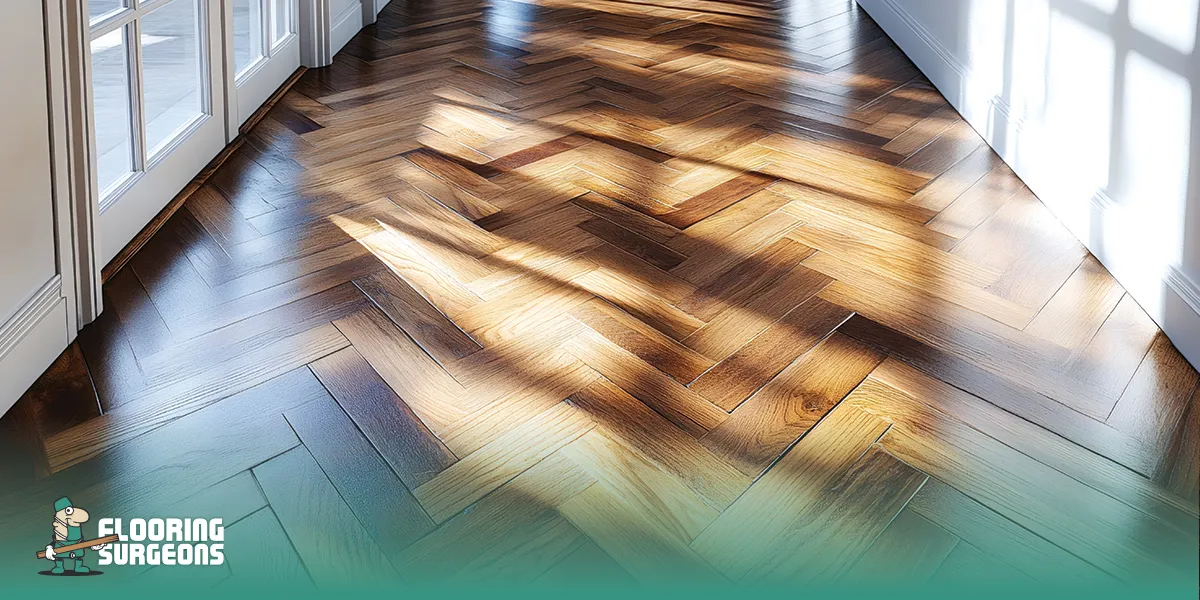
The hallway sets the tone for your entire home. The moment someone steps in, herringbone’s rhythmic pattern catches the light and creates movement — a subtle sense of luxury that straight planks can’t match. Its classic symmetry works equally well in period homes and modern interiors, instantly giving a “designed” feel. Whether you go for light-toned oak to brighten a narrow space or dark smoked hues for dramatic contrast, herringbone visually expands the hallway, making it feel both welcoming and refined.
Herringbone Hallway Flooring vs. Straight Planks
Straight plank floors guide the eye in a single direction — functional, but sometimes flat. Herringbone, on the other hand, breaks linear monotony. Each “V” pattern reflects light differently, adding texture and depth to what’s often a small, overlooked area. From a practical point of view, herringbone also hides minor scuffs and scratches better than long continuous boards. Its pattern distracts the eye from daily wear — a natural camouflage for busy entrances.
When installed with proper underlay and acclimatised boards, herringbone becomes more than just hallway flooring — it’s architecture underfoot. Discover expertly engineered options at Flooring Surgeons, where craftsmanship meets performance for floors built to last.
Historic & Heritage Hallway Flooring with Herringbone
Restoring an old hallway is never about simply laying a new floor — it’s about reviving the story beneath it. In heritage homes, every pattern, joint, and finish matters. Herringbone wood flooring bridges authenticity and longevity, recreating the charm of traditional craftsmanship while meeting modern performance standards. Its angular geometry reflects centuries of architectural heritage — from Victorian grandeur to Edwardian restraint — giving old hallways a sense of depth and dignity that modern layouts often lack.
Victorian and Edwardian Hallway Herringbone Flooring
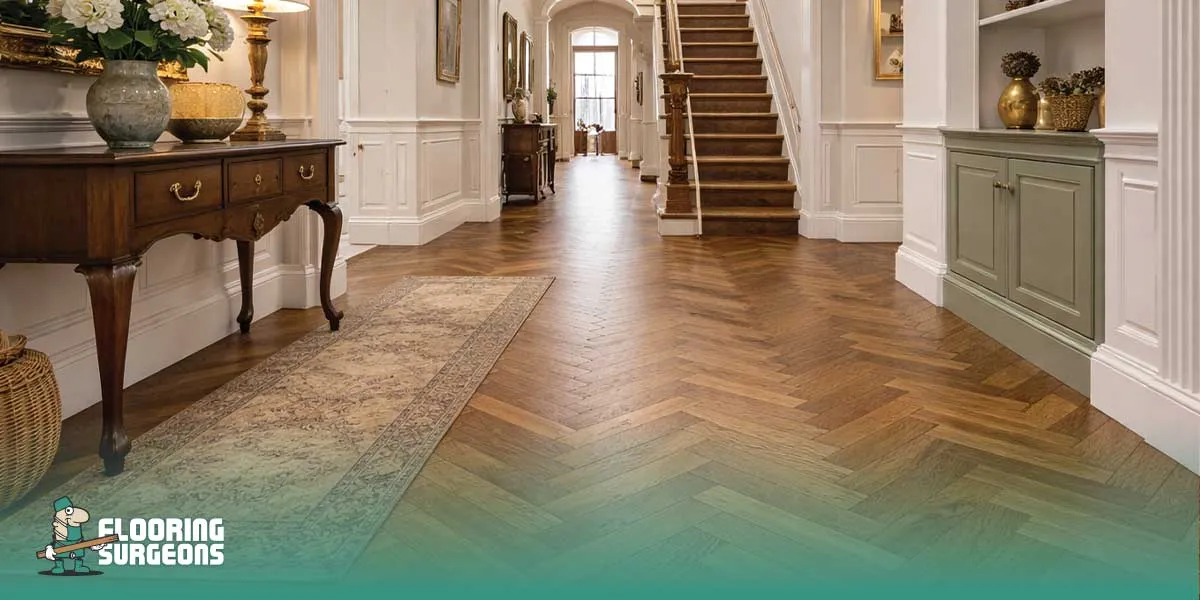
During the Victorian and Edwardian eras, herringbone patterns were a hallmark of fine craftsmanship — seen in entrance halls, parlours, and manor corridors. The structured geometry of herringbone complemented the decorative detail of those interiors, balancing ornate walls and ceilings with a strong, rhythmic floor design.
For authentic results in restorations, solid oak or 18mm engineered oak herringbone with a matte, oiled finish works best. These provide both visual depth and historical credibility while handling everyday wear far better than original pine boards. Using traditional border inlays or darker edging can further echo the style of period homes without feeling outdated.
Herringbone Wood Floors for Heritage Home Restoration
When restoring older buildings, the biggest challenge is marrying tradition with stability. Many heritage hallways have uneven subfloors or residual moisture from decades of settling. That’s where engineered herringbone flooring outperforms classic solid formats — its cross-layered structure resists movement, even when installed over older screeds or slightly flexible bases.
Choose 14–18mm engineered oak for most restorations — thin enough to align with existing floor heights yet thick sufficient for multiple future refinishes. The result: a floor that looks authentically aged, but performs like new.
Classic Oak Herringbone Flooring for Hallway
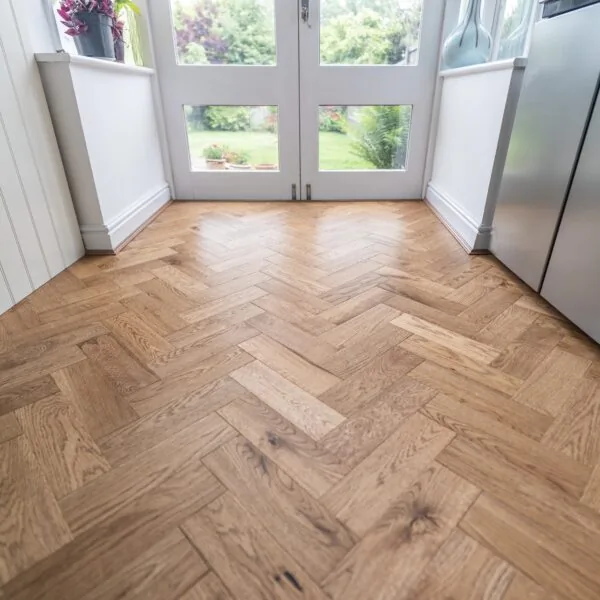
Oak has been the backbone of British interiors for centuries — strong, familiar, and beautifully responsive to light. In a hallway, classic oak herringbone captures that same heritage energy but adds precision and refinement. Its warm undertones soften the rigid geometry of the pattern, while its natural grain highlights every “V” in the design. When paired with neutral wall colours, cast-iron radiators, or vintage brass fittings, oak herringbone creates a seamless dialogue between old and new; a timeless welcome that feels curated, not copied.
Cost & Value of Herringbone Flooring for Hallways
Cost & Value of Herringbone Flooring for Hallways lies in its balance of long-term durability, premium materials, and skilled installation. While costs vary by wood type and layout complexity, a well-fitted herringbone floor delivers superior stability, easier refinishing, and a property value boost unmatched by standard hallway flooring.
Average Cost of Hallway Herringbone Flooring
The cost of installing herringbone flooring in a hallway depends on three main variables: material, layout size, and installation method.
Material: Engineered oak herringbone typically ranges from £60–£100 per m², while premium solid oak or walnut can exceed £120 per m² due to their thickness and refinishing potential. Laminate or LVT herringbone options fall toward the lower end of the scale, often at £30–£50 per m², offering a similar look with less maintenance.
Size & Layout: Hallways are usually narrow and irregularly shaped, meaning there’s more cutting and pattern alignment per square metre than in larger rooms. This added precision slightly raises installation costs.
Installation: Herringbone is labour-intensive, requiring skilled fitting for perfect pattern symmetry and border alignment. A professional installation averages £35–£50 per m², depending on the condition of the subfloor.
For most homeowners, a well-installed engineered oak herringbone hallway averages around £95–£130 per m² total, including materials and fitting — a realistic mid-to-high range that reflects both craftsmanship and long-term stability.
Long-Term Value of Herringbone Flooring for Hallway
Unlike cheaper flooring options that need replacement every few years, herringbone is a one-time investment that pays back in both endurance and aesthetic value.
Hallways endure the harshest daily use — grit, moisture, constant impact — yet engineered herringbone’s multi-layer structure keeps it dimensionally stable even under pressure. Solid oak versions can be sanded and refinished multiple times, restoring them to new condition decades later.
Beyond durability, herringbone floors also add measurable value to a property. Estate agents often note that homes with period-style herringbone flooring in entrance areas achieve higher buyer interest, thanks to the immediate sense of quality it conveys.
So while initial costs may sit above straight-plank floors, the return is tangible: reduced maintenance, timeless appeal, and a first impression that makes a home feel designed — not just decorated. Explore Flooring Surgeons’ range of engineered and solid herringbone floors designed for hallways. Get your free sample or installation quote today — and see how investing once can last a lifetime.