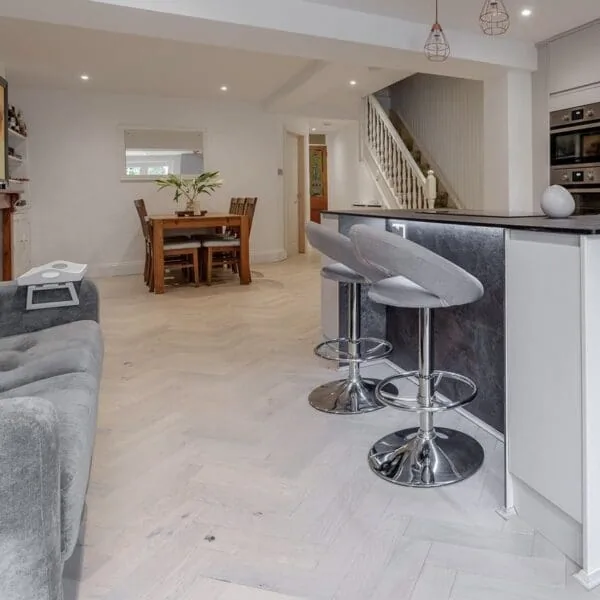
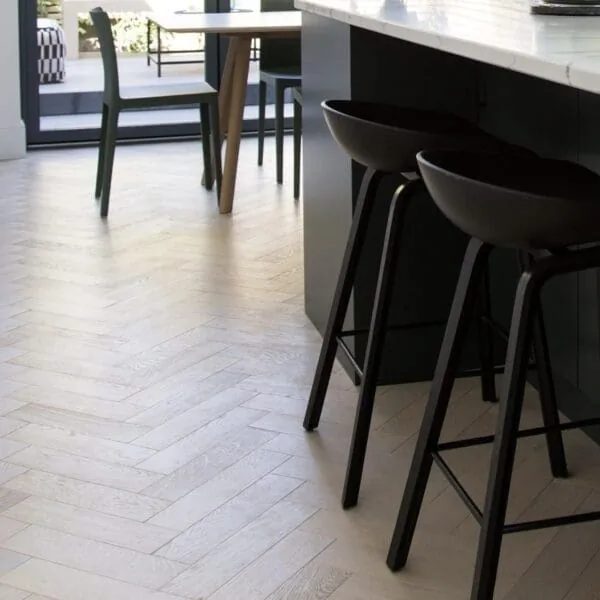
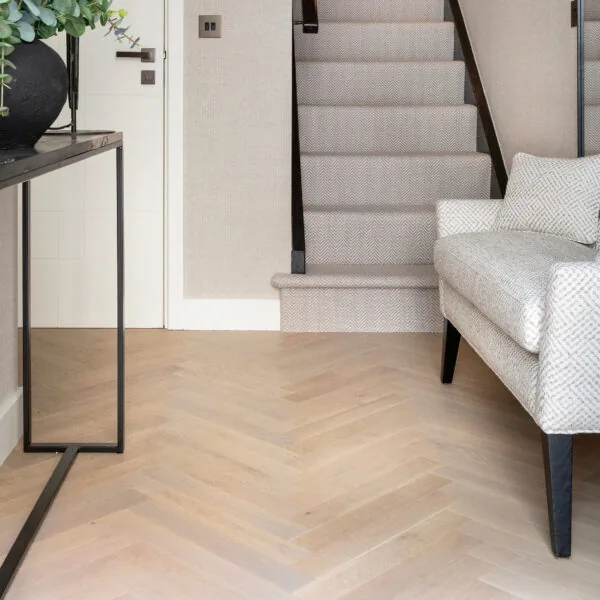
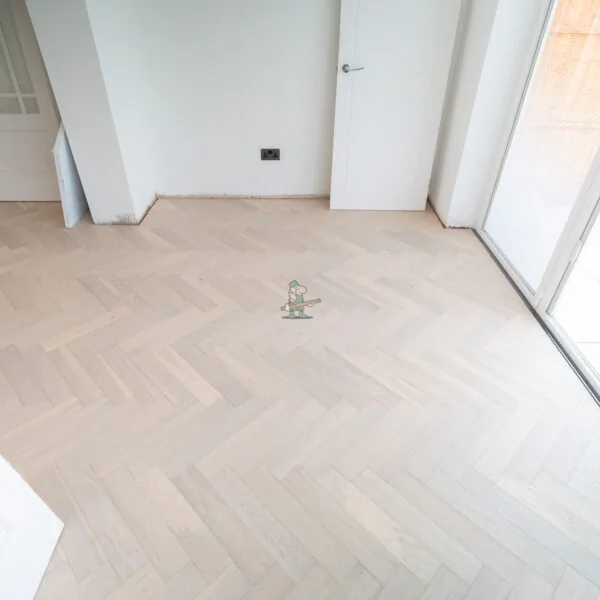
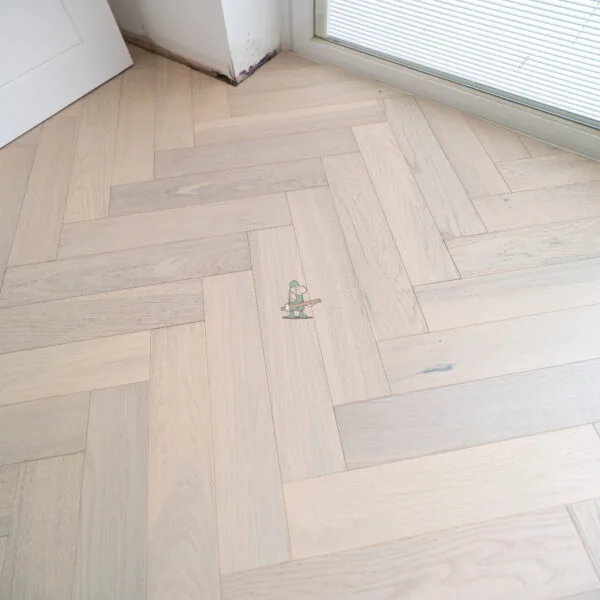
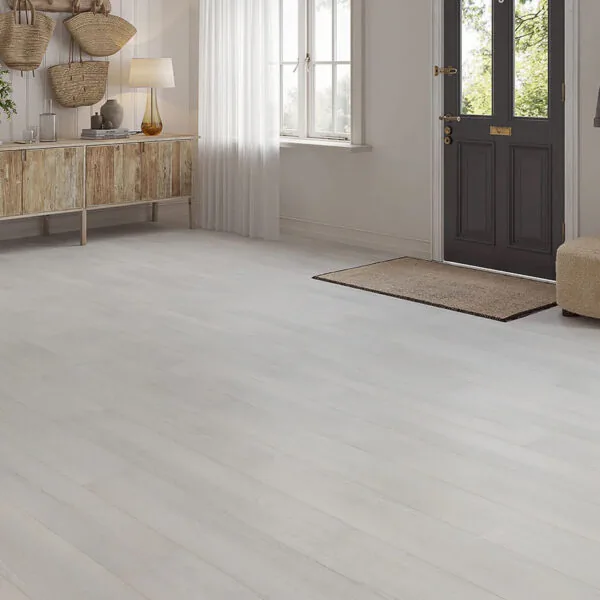
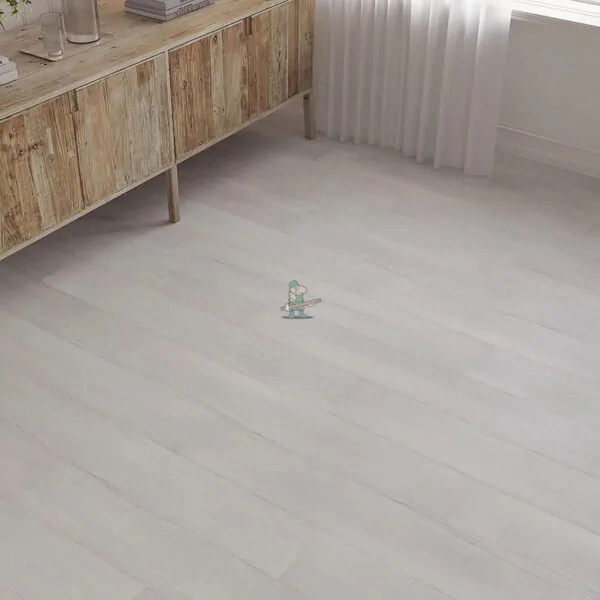
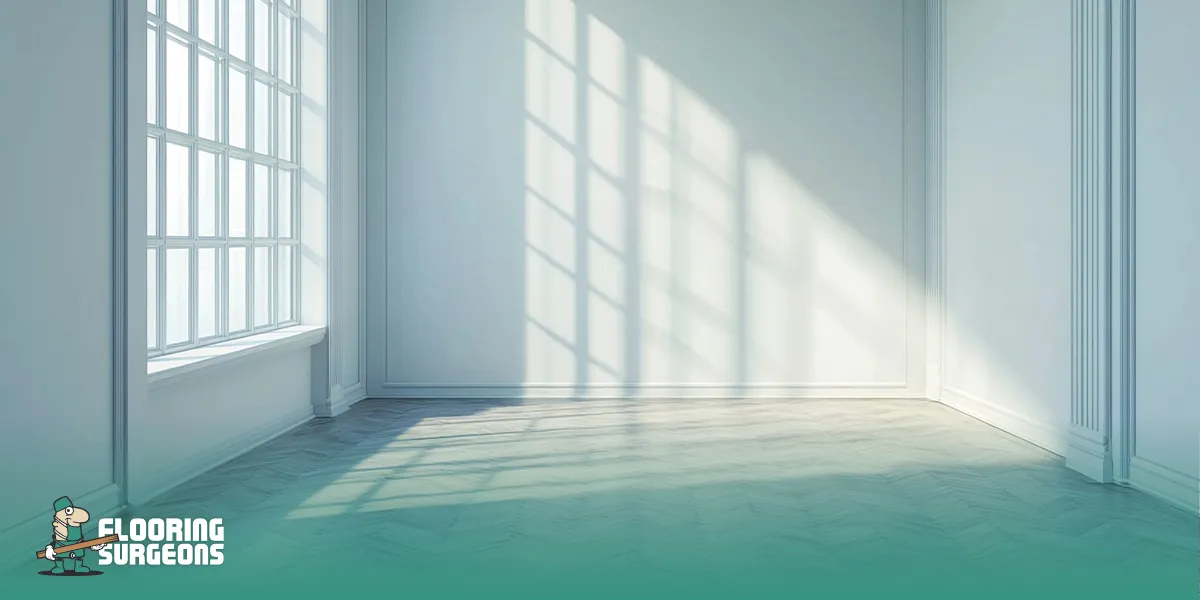
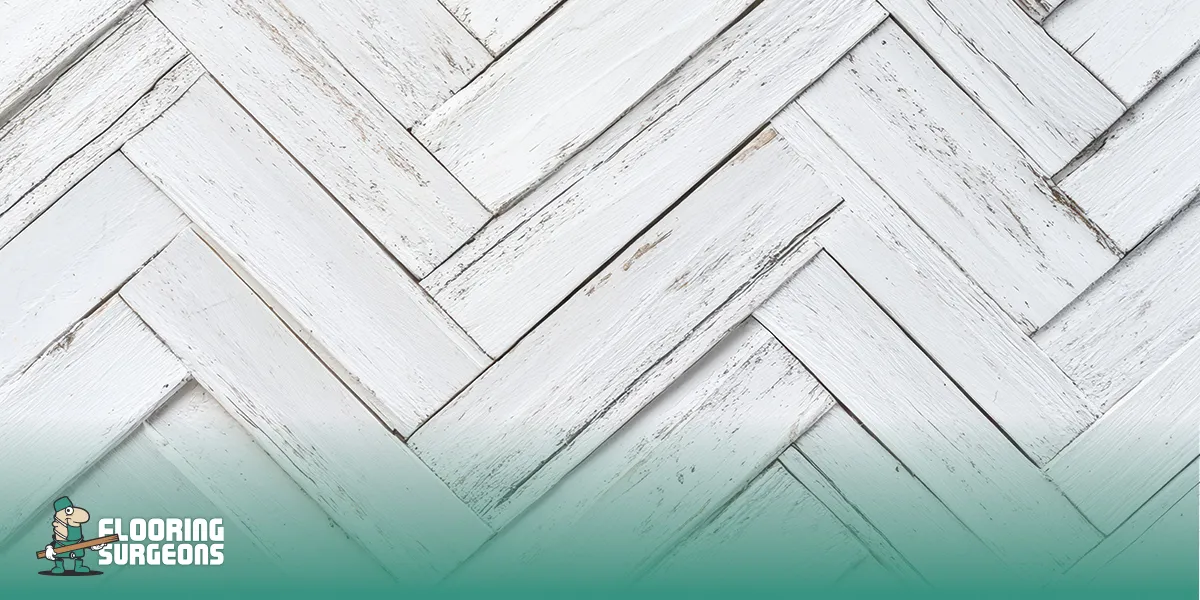
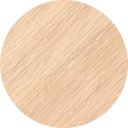
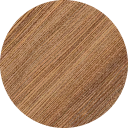
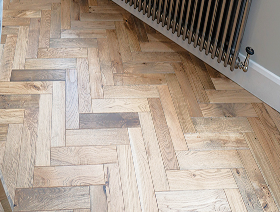
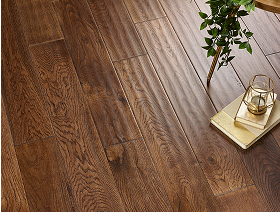
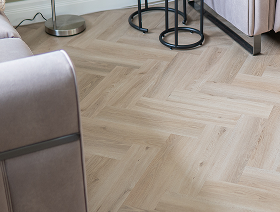
Shop white herringbone flooring for a light, clean patterned floor with a softer finish than darker herringbone styles. White and pale-toned herringbone floors can make the pattern feel fresh and defined without creating a heavy or dramatic look. This range includes white, off-white, washed, pale oak and soft neutral herringbone designs in different finishes, board sizes and product types. Whether you want a subtle whitewashed look or a clearer wood-effect pattern, the products in this category help you compare tone, grain, surface finish and sample options before ordering.
Shop white herringbone flooring for a light, clean patterned floor with a softer finish than darker herringbone styles. White and pale-toned herringbone floors can make the pattern feel fresh and defined without creating a heavy or dramatic look. This range includes white, off-white, washed, pale oak and soft neutral herringbone designs in different finishes, board sizes and product types. Whether you want a subtle whitewashed look or a clearer wood-effect pattern, the products in this category help you compare tone, grain, surface finish and sample options before ordering.
White herringbone flooring refers to herringbone-pattern flooring in white, off-white, pale, washed or white wood-look tones. Products can vary by finish, grain detail, board size, thickness and fitting method.
Is white herringbone flooring the same as white parquet flooring?
Not always. White parquet flooring can feature various patterned layouts, while herringbone is a specific parquet pattern. This category focuses on white and pale herringbone designs.
What is whitewashed herringbone flooring?
Whitewashed herringbone flooring usually has a pale washed surface that softens the floor colour while allowing some wood-look grain or texture to show through.
What should I compare when choosing a white herringbone floor?
Compare tone, grain detail, board size, surface finish, product thickness, fitting method and sample availability. These details affect how subtle or defined the finished floor looks.
Are white herringbone floors available in different product types?
Yes, white herringbone floors may appear across different product constructions in this range. Use the product details shown in this category to compare construction, fitting method, thickness and finish.
Do white herringbone floors show marks easily?
This depends on the finish, grain detail and lighting. Some white floors may show dust or footprints more clearly than mid-tone floors, so regular cleaning and suitable care are important.
Are samples useful for white herringbone flooring?
Yes, samples are useful because white and pale tones can change under natural and artificial light. Samples help compare shade, grain, finish and pattern definition before ordering.
White Herringbone Flooring for a Clean, Light Patterned Look
White herringbone flooring is often chosen when customers want a patterned floor that still feels bright, calm and easy to style. The herringbone layout adds movement, while a white or pale tone keeps the overall appearance lighter than that of medium- or dark-toned flooring.
A white herringbone floor can work as a soft design feature rather than a strong contrast floor. The final effect depends on the exact shade, grain detail, finish and board size. Some floors look crisp and clean, while others have warmer ivory, washed oak or pale wood tones.
For a wider choice of patterned floors, you can also browse our fullHerringbone Flooring range.
What Makes White Herringbone Flooring Different?
White flooring changes how a herringbone pattern appears. Darker floors often make the pattern feel bold and high-contrast, while white herringbone floors usually create a lighter and more understated effect.
That does not mean the pattern disappears. On many white or pale floors, the grain, board edge, texture and finish still give the herringbone layout clear definition. The difference is that the floor feels softer and less visually heavy.
This makes herringbone white flooring useful for customers who want a patterned surface without making the floor the darkest or most dominant feature in the space.
Whitewashed, Pale Oak and Soft White Tones
White herringbone designs can vary a lot. Some products have a clean white tone, while others lean toward ivory, pale oak, washed wood or soft grey-white. These small tone differences can change how the floor looks beside furniture, doors, walls and existing finishes.
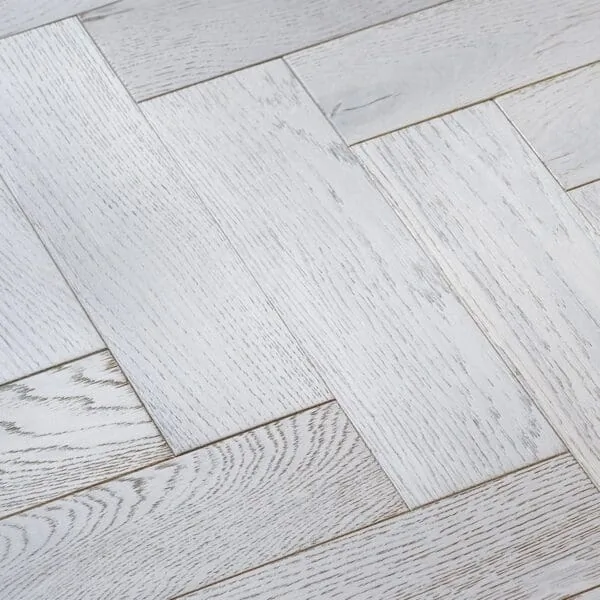
Whitewashed herringbone flooring is a good option when a plain white floor feels too sharp. The washed effect can soften the surface and reveal more wood-look detail.
Pale oak-style products can also create a warmer version of white flooring. This type of white herringbone flooring design keeps the floor light while adding more natural grain and tone variation.
White Herringbone Wood Flooring and Grain Detail
White herringbone wood flooring is often chosen when customers want a pale floor with visible surface character. The wood-look detail can add grain, knots, washed tones or subtle plank variation across the herringbone pattern.
A white herringbone wood floor can feel clean and minimal when the grain is soft. It can look more decorative when the board detail is clearer, and the pattern is more defined.
This is where the finish matters. A smoother, pale surface can create a more refined look, while a textured or brushed-looking surface can make the grain and herringbone layout more noticeable.
White Parquet Flooring and Herringbone Style
White parquet flooring can feature different patterned layouts, but herringbone is among the most recognisable. It uses repeated angled boards or blocks to create movement across the floor.
White herringbone parquet flooring combines that traditional parquet-style pattern with a lighter colour palette. This can make the design feel more open and less formal than darker parquet floors.
The main points to compare are tone, board size, grain detail and finish. A pale, low-contrast floor will feel subtle, while a white floor with stronger grain or board definition will make the herringbone pattern stand out more.
Choosing Between Subtle and Defined White Herringbone
With white herringbone flooring, one of the biggest decisions is how visible you want the pattern to be. Some customers prefer a soft, almost washed finish where the floor feels quiet and neutral. Others want the herringbone layout to be more visible through grain, board edges and surface texture.
If you want a calmer look, choose a pale tone with gentle grain and low contrast. If you want the pattern to stand out more, choose a product with clearer plank detail, stronger grain lines or a more textured finish.
This balance matters because white floors can appear different under different lighting conditions. A subtle product may look more detailed in bright daylight, while a more defined design may feel busier in a smaller or lower-light space.
Comparing White Herringbone Floors in This Range
The products in this category include different white and pale herringbone styles. Some look clean and smooth, while others show more wood grain, washed tone or plank variation.
Use the product details shown in this category to compare board size, thickness, surface finish, fitting method and sample availability. These details help explain why two white herringbone floors can look different even when the colour appears similar online.
Samples are especially useful with white flooring because tone can shift depending on natural light, artificial light, furniture colour and surrounding materials.
White Herringbone Flooring Buying Checklist
Use this checklist when comparing products in the white herringbone flooring range.
Detail
Why It Matters
White tone
Helps compare clean white, ivory, pale oak, washed and grey-white shades.
Grain detail
Affects how plain, natural or characterful the floor appears.
Board size
Changes the scale of the herringbone pattern.
Surface finish
Influences texture, light reflection and pattern definition.
Product thickness
Helps compare product depth across the range.
Fitting method
Shows how the selected product is designed to be installed.
Pattern visibility
Helps decide whether the floor should look subtle or more defined.
Sample availability
Lets you compare the shade in your own lighting.
Care guidance
Explains how the selected floor should be cleaned and maintained.
Care Guidance for White Herringbone Floors
White and pale floors can show dust, footprints or small marks differently depending on the finish, grain and lighting. Regular light cleaning helps keep the surface looking consistent.
Follow the care guidance supplied with the selected product. Use suitable cleaning tools for the surface finish, and avoid harsh detergents or abrasive pads unless the product guidance confirms they are appropriate.
Spills should be cleaned promptly, and standing water should not be left on the surface. Suitable mats near entrances can also help reduce grit and dirt being carried onto the floor.
Order Free White Herringbone Flooring Samples
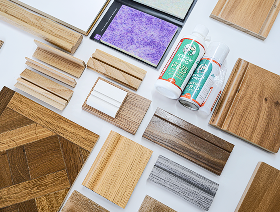
Choosing white herringbone flooring based on images alone can be difficult because pale tones often appear different under different lighting. AtFlooring Surgeons, order free samples to compare the shade before placing a full order.
Place samples beside walls, doors, furniture, skirting boards and existing flooring. This helps you compare whether the shade feels clean white, warm ivory, washed oak, pale wood or soft grey-white in your own space.
Samples are especially useful for white herringbone floors because grain, finish and pattern definition can look very different once the product is placed in the room.
Yes, you can order samples to see the colour, texture, and finish in your home before placing a full order. Sample sizes may vary depending on the product. For full details, please visit our Order Sample page.
We recommend ordering an extra 5–10% to allow for cuts, waste, and future repairs. For more complex room layouts, additional wastage may be required.
If your order has not yet been dispatched, we may be able to amend or cancel it. Please contact our team as soon as possible after placing your order. For full details, visit our Returns & Cancellation page.
Delivery
Most orders are available for delivery from 3 working days after placing your order. You’ll be able to choose your preferred delivery date at checkout, depending on stock availability.
Yes, we deliver across mainland England and Wales, with selected areas in Scotland and the South West also available for delivery at an additional charge. For full details, please visit our Delivery page.
If anything is damaged or missing, please let the driver know straight away so they can make a note of it before you sign the paperwork. Then contact our team with photos if possible. If you notice any issues after delivery, just get in touch and we’ll work quickly to resolve the problem with a replacement or refund where needed.
Installation
Many of our flooring products are suitable for DIY installation if you’re confident with home projects and have the right tools. However, for the best finish, we always recommend using a professional fitter.
Yes, we offer a professional fitting service in the West Midlands ONLY. Our experienced fitters can help with everything from preparation to installation, making the process as smooth and stress-free as possible. Contact our team to check availability in your area. For full details, please visit our Expert Fitting page.
Product & Care
Regular sweeping or vacuuming and occasional mopping with a damp cloth will help keep your flooring looking its best. Avoid using excessive water, harsh chemicals, or steam mops unless recommended for your specific flooring type.
We do our best to show colours as accurately as possible online, but shades can vary slightly due to screen settings, room lighting, and natural variation in the product. We always recommend ordering a sample before purchasing.
Returns & Warranty
Unopened packs may be eligible for return within our returns period, subject to approval. Returned items must be in their original condition and packaging. Please contact our team before returning any products so we can help arrange the process. For full details, please visit our Returns & Cancellation page.
Many of our flooring products come with a manufacturer warranty for added peace of mind. Warranty length and coverage can vary depending on the product.
Calculate Flooring
Save Your MeasurementsUse our easy calculator below to find out how much your room will cost.
Filters
Sort By
Sort Products by popularity, price, rating, and more.