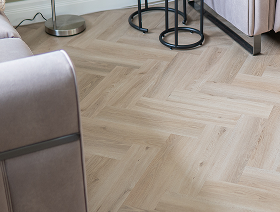
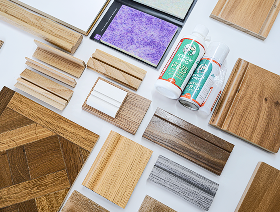
Many homeowners ask, Can you walk on newly installed engineered hardwood floors?, The short answer is yes, but timing and care are essential. Walking too soon on freshly installed engineered hardwood can risk scratches, misalignment, or adhesive issues. Proper installation, acclimation of the wood, and following recommended waiting times ensure your floor remains flawless while still allowing you to use your space comfortably. Understanding when you can walk on an engineered hardwood floor helps protect your investment and enjoy a safe, beautiful finish.
Table of contents
Can You Walk on Engineered Hardwood Floors Right After Installation?
Immediately after installation, some flooring types may tolerate light traffic, while others need the full curing time. Can you walk on engineered hardwood floors after installation? It depends on the installation method, adhesive used, and environmental conditions. Light walking in socks or soft slippers is usually acceptable on floating floors, but glue-down or nail-down installations often require waiting for adhesives to set fully.

Factors That Affect When You Can Walk on Newly Installed Floors
Several factors determine how soon you can walk on engineered hardwood floors safely. Understanding these elements helps protect your floor from scratches, gaps, and adhesive problems, ensuring long-term performance.
Type of Installation: Floating vs Glue-Down vs Nail-Down
- Floating Floors:
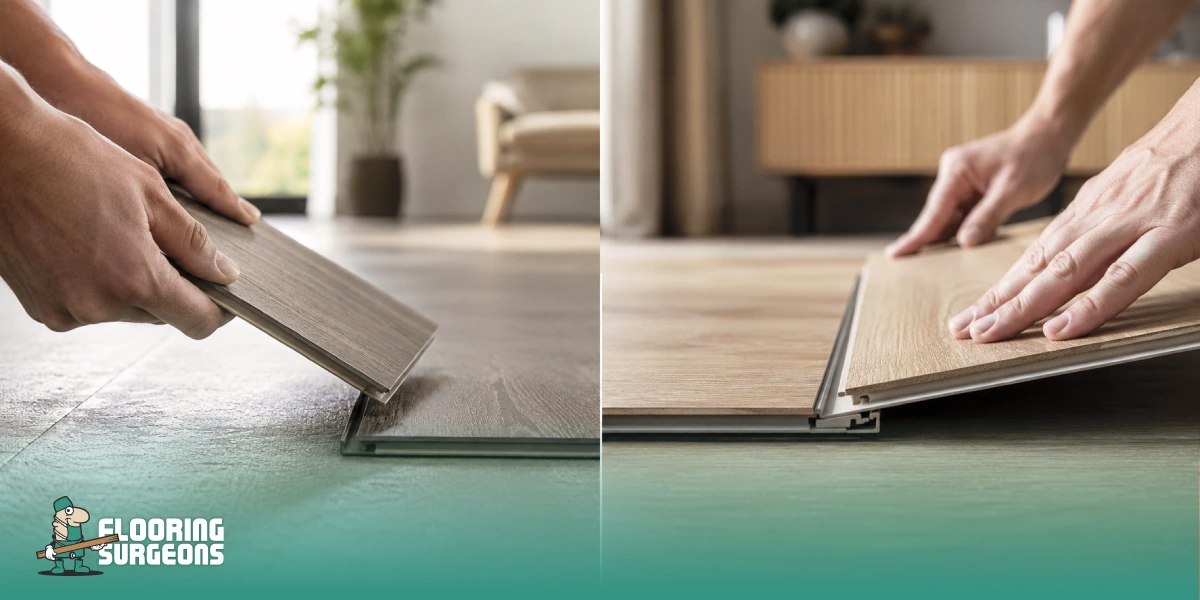
Floating floors are not glued or nailed, so they can usually handle light foot traffic immediately after installation. However, avoid dragging furniture or putting heavy weight on the floor for the first 24 hours to allow the planks to settle evenly. - Glue-Down Floors:
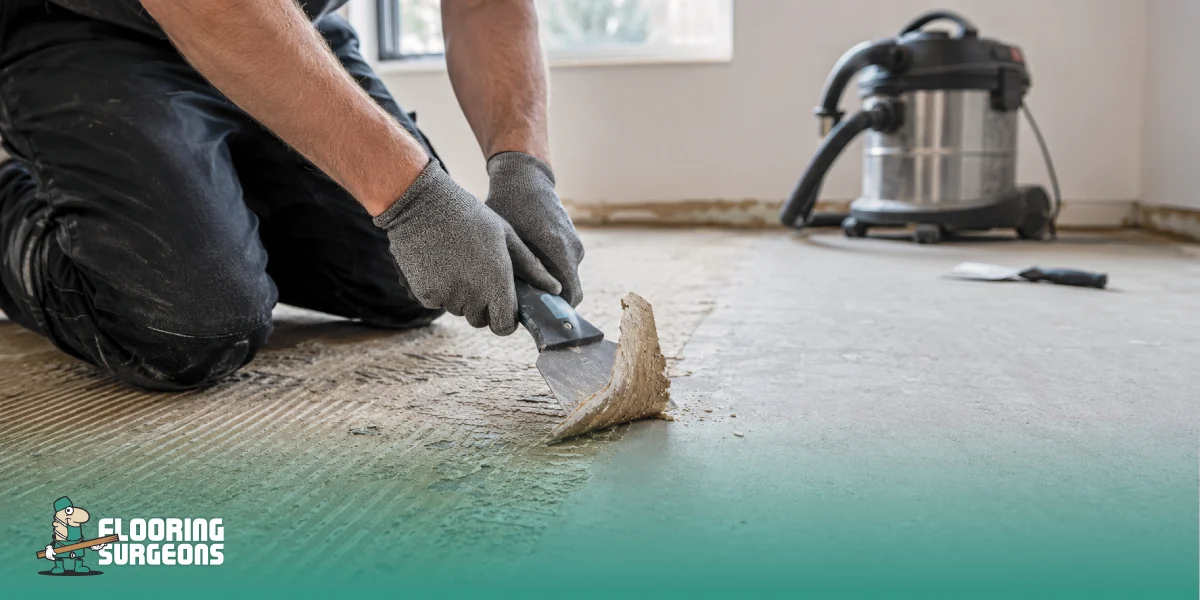
Glue-down floors require the adhesive to fully cure before walking freely. Most adhesives need 24–48 hours, but exact times vary by manufacturer. Walking too soon can weaken the bond, cause lifting, or create gaps. Light movement with socks or soft slippers is generally safe after the initial cure period. - Nail-Down Floors:
Nail-down floors are stable enough for immediate walking, but sudden or heavy pressure may shift boards slightly. Wearing soft socks or slippers helps prevent scratches and keeps the surface flawless during the first day.
Acclimation of the Wood Before Installation
Engineered hardwood must adjust to your home’s temperature and humidity before installation. Properly acclimated wood reduces the risk of expansion, cupping, or gaps after you walk on it. Using engineered flooring wood that is pre-conditioned ensures the floor remains stable, even under daily use.
Flooring Adhesives and Drying Times
Adhesives vary by type, brand, and room conditions. Following the recommended drying times is essential to prevent damage. Walking on a glued floor too early can compromise bond strength and cause planks to lift or separate. Always check the adhesive instructions and allow adequate curing time for a secure installation.
Environmental Conditions: Temperature and Humidity
Temperature and humidity affect both wood and adhesives. High humidity can slow drying, while low humidity can cause wood to shrink. Maintaining a stable indoor environment during the first few days ensures the floor settles correctly and is safe to walk on. This step is particularly important for glue-down installations, where curing is sensitive to climate conditions.
Practical Takeaways
- Test a small area by walking lightly in socks or soft slippers.
- Avoid dragging heavy furniture during the first 48–72 hours.
- Keep room temperature and humidity stable for optimal floor performance.
- Consult your installer if you’re unsure about adhesive cure times or environmental conditions.
For homeowners interested in other flooring solutions, check out our guide on how to do epoxy flooring in garage for expert tips and step-by-step instructions.
Risks of Walking Too Early on Engineered Hardwood Floors
Walking on newly installed engineered hardwood floors before they are ready can lead to several problems, some of which may be costly or difficult to fix. Understanding these risks helps you protect your investment and ensure your floor lasts for years.
- Scratches or Dents on the Surface:
Fresh floors are more vulnerable to scratches from shoes, toenails, or small debris. Even light pressure can leave marks on the finish if walked on too early. Wearing socks or soft slippers minimises this risk. - Misaligned Boards or Gaps:
Premature walking, especially on floating floors, can cause boards to shift or separate. This may result in visible gaps or uneven surfaces that affect both aesthetics and comfort. - Adhesive Failure on Glued Floors:
Walking before adhesives fully cure can weaken the bond, causing planks to lift, loosen, or become uneven. Following the recommended curing time for the glue is essential to maintain floor stability. - Long-Term Structural Issues:
Over time, repeated early use can lead to warping, cupping, or permanent misalignment. This is especially critical for rooms with high humidity or temperature fluctuations, as the wood may not have fully adapted yet.
Tip: Always allow the floor to settle according to the installation type, test lightly with socks first, and avoid placing heavy furniture on it during the initial curing period. This ensures the floor remains smooth, safe, and long-lasting.
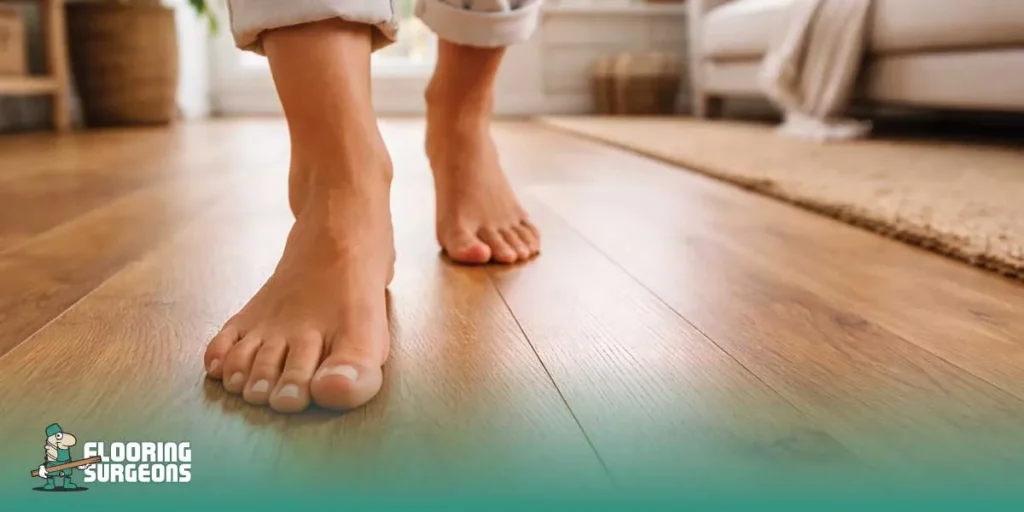
Tips for Safely Walking on Newly Installed Floors
Following best practices keeps your floor pristine while you use it.
Use Socks or Soft Slippers
Soft footwear prevents scratches and distributes weight gently over the surface.
Walk Slowly and Avoid Heavy Pressure
Gradual pressure prevents plank movement or adhesive stress.
Allow Full Adhesive Cure When Glued
Patience is key. Follow adhesive instructions fully to maintain a secure, stable floor.
Maintenance After First Walk on Your Engineered Hardwood
After safely walking on your newly installed engineered hardwood, proper maintenance is essential to ensure its durability, beauty, and long-term performance. Following a few simple steps protects your investment and keeps your floors looking pristine. For expert guidance on maintaining and caring for your floors, you can rely on Flooring Surgeons to provide professional tips and best practices.
Cleaning Before First Use
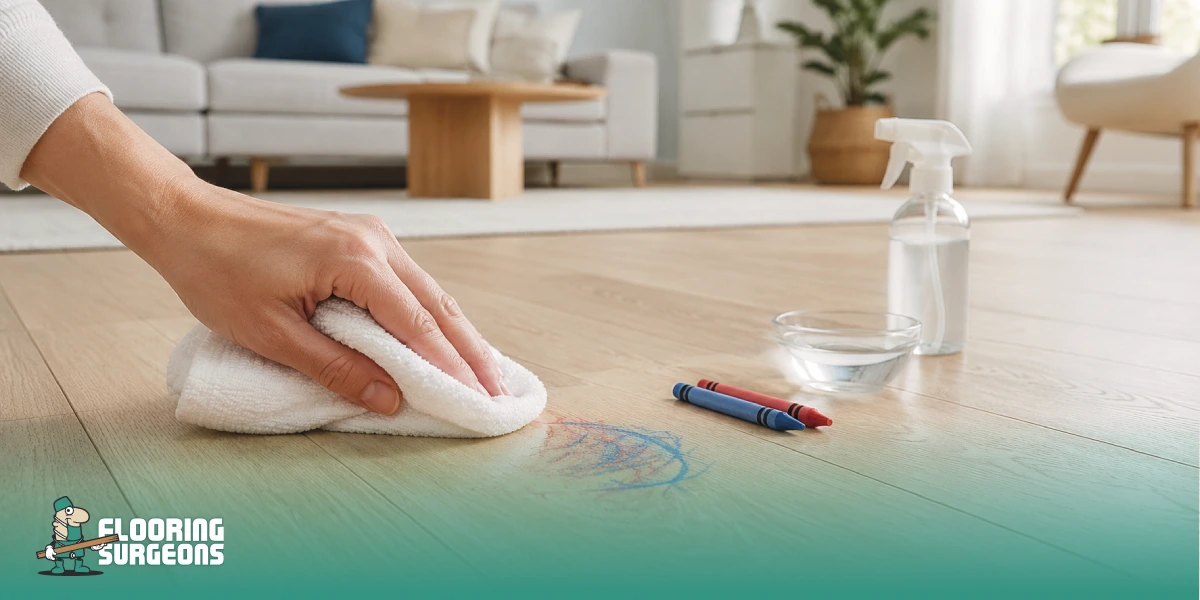
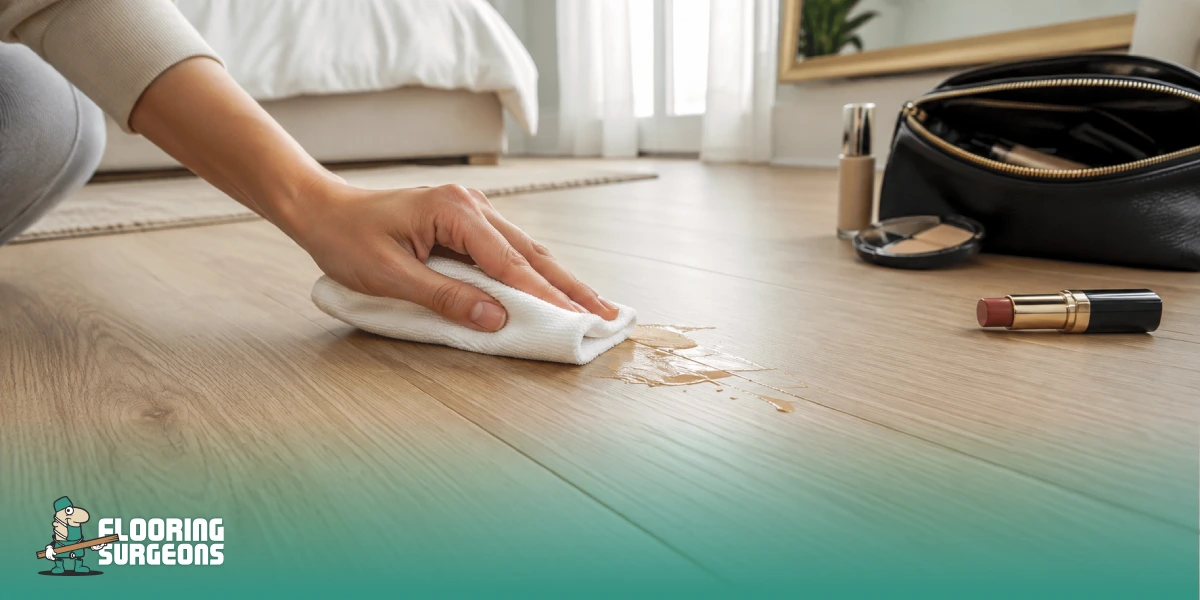
Before fully using the space, remove dust, dirt, and small debris using a soft broom or microfiber mop. This prevents scratches from particles trapped underfoot. Avoid wet cleaning until adhesives and finishes are completely cured, especially on glue-down installations. For stubborn spots, use a damp (not wet) cloth and dry immediately.
Protecting Floors During Furniture Setup
When moving furniture onto your new floors:
- Always use pads, sliders, or blankets under heavy furniture to avoid dents and scratches.
- Lift furniture instead of dragging it across the floor.
- Place rugs or mats in high-traffic areas to reduce wear over time.
Additional Practical Tips
- Check for gaps or misaligned boards after the first few days and address them promptly.
- Keep humidity and temperature stable to prevent wood from expanding or shrinking.
- Consider using floor protectors under chairs, tables, and beds to minimise impact on high-use areas.
Following these steps after your first walk ensures your engineered hardwood maintains its smooth surface, beautiful finish, and structural stability for years to come.
Practical Flooring Walkability Table
| Installation Type | Safe to Walk Immediately? | Recommended Footwear | Notes |
| Floating | Yes (light traffic) | Socks or soft slippers | Avoid heavy furniture |
| Glue-Down | No (wait 24–48 hours) | Wait for adhesive | Ensure stable temperature |
| Nail-Down | Mostly yes | Socks | Avoid jumping or dragging furniture |
How Flooring Surgeons Ensure Your Engineered Hardwood is Walk-Ready
At Flooring Surgeons, we install and inspect each floor carefully. From Engineered Flooring for Stairs to living areas, we ensure proper acclimation, adhesive curing, and safe walkability. Following our guidelines protects your flooring investment for years. We also provide expert advice for other flooring projects, ensuring every surface in your home meets professional standards.
Conclusion: When and How to Walk Safely on Engineered Hardwood Floors
So, can you walk on engineered hardwood floors after installation? Yes, with caution. Understanding how you can walk on newly installed engineered hardwood floors and how soon you can walk on engineered hardwood floors protects your investment and enhances comfort. Light foot traffic in socks, adherence to curing times, and proper environmental conditions guarantee your floor stays flawless. By choosing professional installation and following simple precautions, your engineered hardwood will remain both beautiful and durable for years.

Mina Asgari
I’m an SEO Specialist and Content Strategist focused on sustainable business growth. I design data-driven content strategies by deeply analyzing user intent, search behavior, and SEO best practices, ensuring every piece of content serves a clear purpose for both users and search engines.