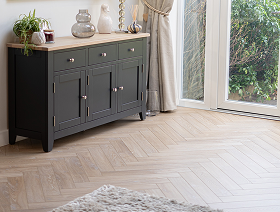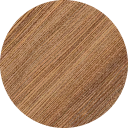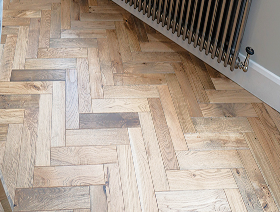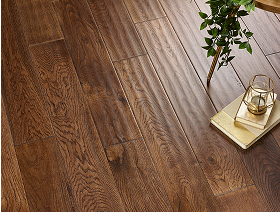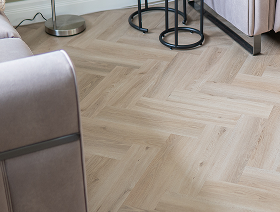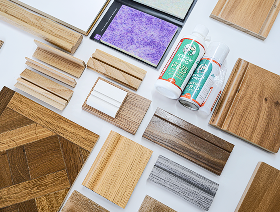
Touching flooring samples matters more than seeing them because flooring has to feel right in real life, not just look good in a photo. After all, flooring isn’t installed within the four corners of a picture frame. A photo can provide guidance on colour, pattern and style, but you won’t be able to tell how it feels underfoot from a magazine. You won’t know if it has enough texture and traction. You won’t know if the finish is silky smooth or uncomfortably sticky. Feel your sample flooring to assess thickness, edges, and texture prior to installation. Bring the sample into the room, walk on it and see how it looks in your lighting. If it passes the glance-and-stomp test, you’re much more likely to make the right choice.
Table of contents
The Short Answer: Flooring Is Felt Every Day, Not Just Seen
Flooring is one home design choice that needs to work in person, not just in pictures. Sure, you see it when you enter the room, but you also walk on it every single day, barefoot, in socks, and in shoes. That’s why touching flooring samples is so important. They can look good on your screen, but think about how the actual surface feels underfoot. Is it comfortable? Practical? Nice enough for your family’s use?
Seeing helps you choose the look.
Viewing flooring samples is helpful when comparing colour, pattern, shade, and style. It lets you see whether a floor complements your walls, furniture, cabinets, and the room’s overall décor. Important when selecting a light, medium or dark floor.
Appearance can be deceiving, however. A floor can look great in a product photo and feel completely wrong once installed. That’s why physical flooring samples are so important to review before you make your final decision.
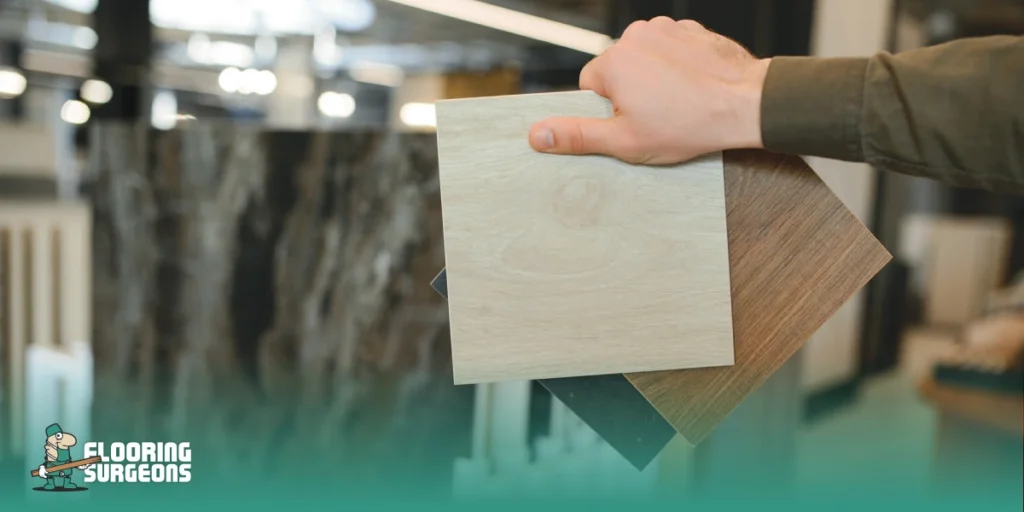
Touching helps you choose the floor you can live with
Touching flooring samples allows you to know what you can’t get from a picture. It tells you about the surface texture, how soft or hard the flooring feels, whether the finish is silky-smooth or coarse, and whether the floor is slippery or provides adequate traction for everyday activities. That’s where underfoot comfort matters. You might fall in love with flooring online, but ask yourself how it feels under your feet when you mop it, crawl on it, and live on it day in and day out.
What You Can See vs What You Can Only Feel
Consider a flooring sample in two ways: visually and tactilely. Visually, it’s easy, you’re considering if the colour, pattern and finish will work in your room. Tactilely, you’re getting a feel for the aspects that matter once the floor is down: texture, grip, thickness, and comfort.
| Seeing a flooring sample helps you judge | Touching a flooring sample helps you judge |
| Colour and undertone | Surface texture |
| Pattern and plank style | Smoothness or roughness |
| Matte, satin or glossy finish | Grip and slip feel |
| Match with furniture and walls | Underfoot comfort |
| Overall room style | Thickness and edge quality |
| Visual warmth | Real-life quality feel |
That’s why two floors that look identical online may feel completely different in real life. One may feel slick and easy to wipe down, while the other may feel softer and more natural on your feet.
Texture also plays a role in how our eyes perceive a space. A floor with a brushed, embossed, or grainy texture will often feel warmer and more inviting, despite its plain colour. Read more about how floor texture creates visual warmth in our guide.
Vision allows you to narrow down your choices, but touching the sample is what will tell you whether that floor will work for you day to day.
Why Photos Can Mislead You When Choosing Flooring
Pictures can be useful when beginning your search, but should not be your deciding factor when choosing a floor. Depending on the camera, screen and lighting, the same floor can appear lighter or darker and warmer or cooler. That’s why a physical sample of flooring is the best way to assess the true colour, surface and finish prior to purchasing.

Screens change colour and contrast
Product photos can appear different depending on the phone, laptop or tablet you use. Things like screen brightness, editing, shadows and camera angles can affect how the flooring looks. Flooring that appears soft beige online could look more yellow, grey or pale in person.
Light changes how the texture looks
Texture can appear differently under varying light conditions as well. Daylight can show off the grain or embossed surface more readily, while warm artificial light can make your sample appear softer or darker. View the sample next to windows, walls and furniture prior to purchase.
Why Touch Matters More When You’re Close to Buying
Once you are down to two or three flooring samples, colour is often not what differentiates them. Sure, they will all go with your walls/furniture, but they can feel worlds apart when you run your hand over them or stand on them. That feel is important.
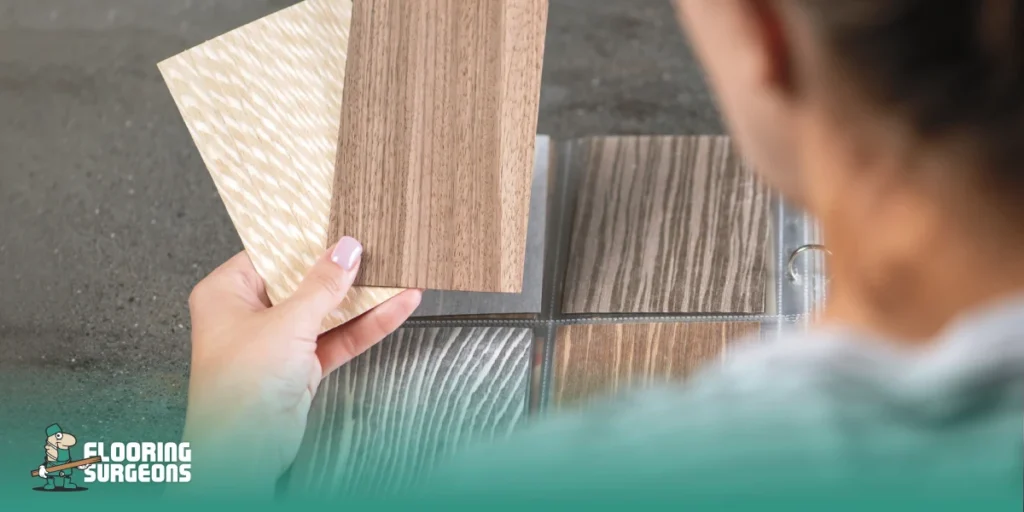
Texture changes how practical the floor feels
Run your hand over the sample. Is the finish flat and slick or textured with an upward grain? Is it wipeable, or does the texture feel like it would trap dust in a high-traffic area?
This is particularly important when you’re looking at Luxury Vinyl Flooring. Many luxury vinyl products feature embossed surfaces that mimic the look of real wood or stone. Online, two different vinyl floors can appear nearly identical. But I’ve found that one may feel softer/have more grip/seem more natural when you’re standing on it in person.
Grip is not something a photo can prove
A floor with a high-gloss or very smooth finish may photograph well and look quite smart, but can feel totally wrong in a hallway, kitchen, or high-traffic family room. Run your hand across the floor, then set your sample on the floor and jump up and down on it with your socks on. You’ll learn more from this five-second test than you will from a product photo ever will.
Comfort matters more once the floor is fitted
You may love how a floor looks, but if it feels too hard, too cold or too slippery, you will be reminded of it daily. That’s why the best flooring sample isn’t always the one that looks the nicest in your hand. It’s the one that still feels right when you test it like you mean it.
How to Test Flooring Samples at Home
The only way to know how you like a flooring sample is to treat it as if it were already installed in your room. Don’t leave it on your desk or hold it in your hand for a few seconds. Lay it on the floor and walk around it. See how it performs in the room it might one day occupy.

Run your hand across the surface
Begin with the obvious. Feel the surface of the sample with your hand. Gently glide your hand over the sample. Is it flush, raised, smooth or textured with grit or a little roughness? This is where subtle features not visible in photographs become apparent.
Step on it barefoot and with socks
Put the sample on the floor and walk across it. Do this barefoot, with socks and with shoes if the space will see heavy traffic. Floors can look warm but feel cold, hard, or slippery underfoot.
Check the thickness and edge detail
Grab your sample and look at it on its side. With Laminate Flooring, this is important because thickness, density, edge detail, and surface texture can all affect the floor’s feel when installed.
Common Mistakes People Make with Flooring Samples
The biggest mistake most people make when looking at flooring samples is treating them like a colour card. Holding it up to the room, checking the colour and moving on. Yet when you choose flooring, remember that it will be on the floor where you walk every day. Your sample test should consider comfort, texture and cleaning / daily living.
Choosing natural finishes from photos only
This is often the mistake most buyers make with Engineered Flooring. The grain pattern, bevel direction, brushed texture and oil or lacquer finish can often only be appreciated by touch before you know true quality. Yes, the picture can convey the tone of the wood, but it will not convey whether the finish feels smooth, dry, rich, or natural.
Testing samples on a table instead of the floor
Check the samples laid on the floor. Tiles can look different when flat against natural light, next to skirting boards, alongside furniture and walls.
Ignoring cleaning and daily use
Consider how the room will be used. If it’s a busy hallway, kitchen or family room, you’ll want a surface that “feels” practical as well as beautiful.
Final Checklist Before Choosing a Floor
Before committing, do a final, thorough test on each sample. Flooring samples should go through more than just the colour test. Here at Flooring Surgeons, we always advise customers to test flooring samples in real-life scenarios, rather than just judging them on first impressions.
- Feel the surface with your hands.
- Walk across it barefoot, in socks and in shoes.
- Test the thickness and edge detail.
- View it in morning, afternoon, and evening light.
- Stand it next to walls, sofas and cabinets.
- Test at least 3 flooring samples side by side.
- Consider factors such as cleaning, foot flow, pets and general use.
If it feels wrong but looks ok, don’t rule it out. Your floors should be what you love visually, but also what you can live with day to day.

Ana.Soltanpoor
I’m an SEO Specialist with a strong background in content management and organic search. I build data-driven content strategies by aligning user intent, search behavior, and SEO best practices to ensure every piece of content delivers clarity, relevance, and measurable organic performance.