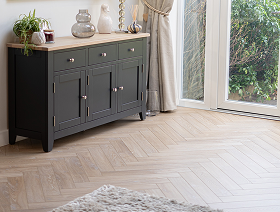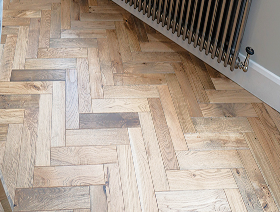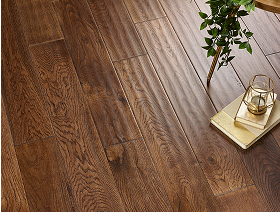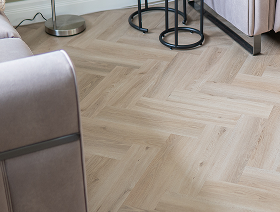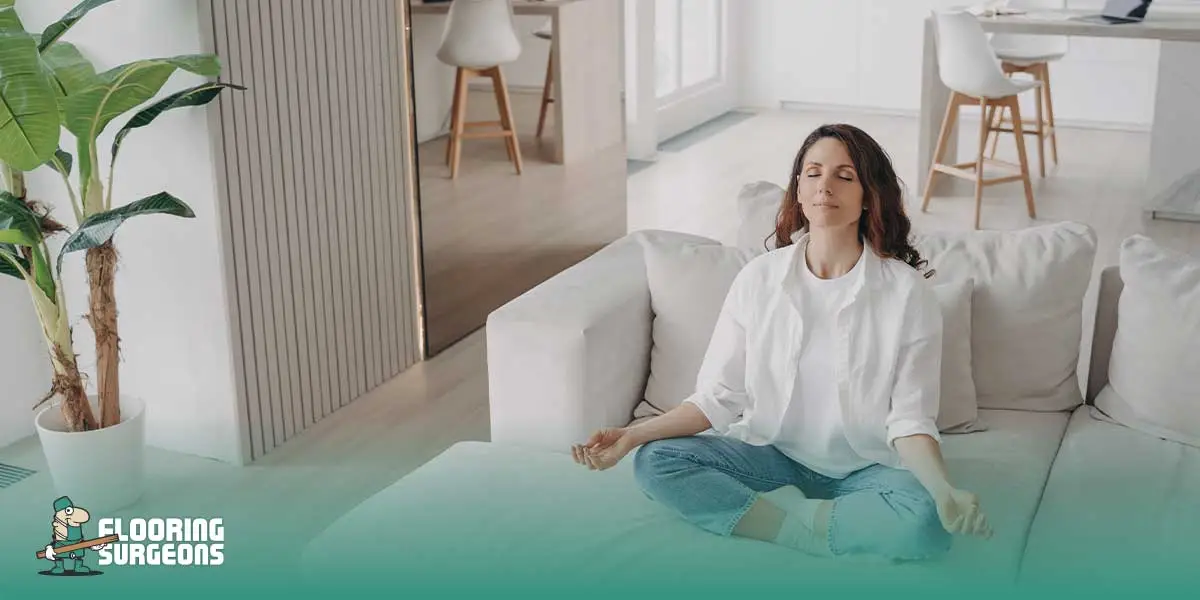
If you’ve ever walked into a space and instantly felt relaxed, the reason isn’t mysterious or accidental. Why some homes feel calm comes down to how the space communicates safety and balance to the brain within seconds. Before furniture, décor, or even lighting fully registers, your senses respond to what’s beneath your feet.
The floor quietly sets the emotional tone. It establishes visual rhythm, grounding, and sensory comfort the moment you step inside. When flooring is chosen with intention through material, colour, layout, and finish, the space feels calm without effort. That’s often the real answer behind why my home feels calm: not because of what’s added, but because of what’s thoughtfully built from the ground up.
Table of contents
Why some homes feel calm: Flooring and first impressions
The sense of calm a home creates doesn’t happen randomly; it begins with subtle cues the body picks up instantly. As you step inside, your eyes and feet register the surface beneath you before anything else. The floor becomes the first point of connection between the space and your nervous system, quietly influencing how safe, balanced, and comfortable the home feels. To understand this reaction, it helps to look at how flooring sets the emotional tone before any other design element has a chance to speak.
How Flooring Creates a Calm Home Interior Design
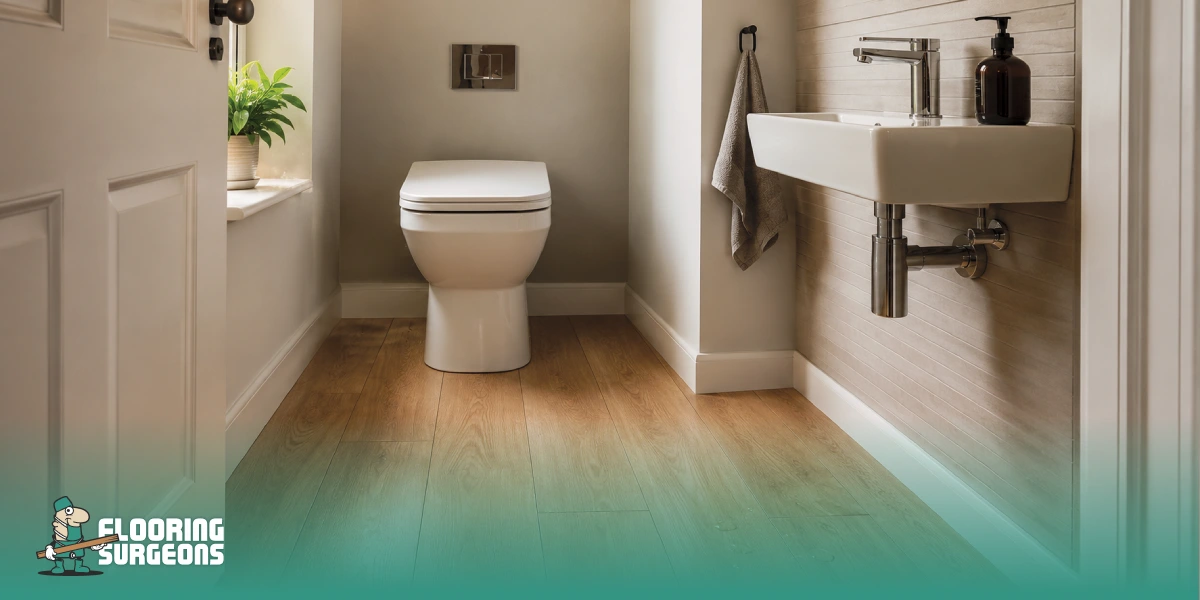
The very first emotional reaction inside a home happens at ground level. Before the eyes settle on furniture or artwork, the brain processes what it sees and feels beneath the feet. This is where calm home interior design truly begins. Flooring creates an immediate sense of stability, rhythm, and predictability, all elements the nervous system associates with safety.
When flooring flows smoothly, with balanced colour and consistent texture, the mind relaxes almost instantly. In contrast, sharp transitions, high-contrast patterns, or visually aggressive materials trigger subconscious alertness. This explains why some people walk into a space and think, “Why does my home feel calm?” The answer is often underfoot.
Thoughtful flooring choices quietly remove friction from the environment, allowing calm to exist without effort or decoration.
Floor Layout and Direction for Peaceful Home Design Ideas
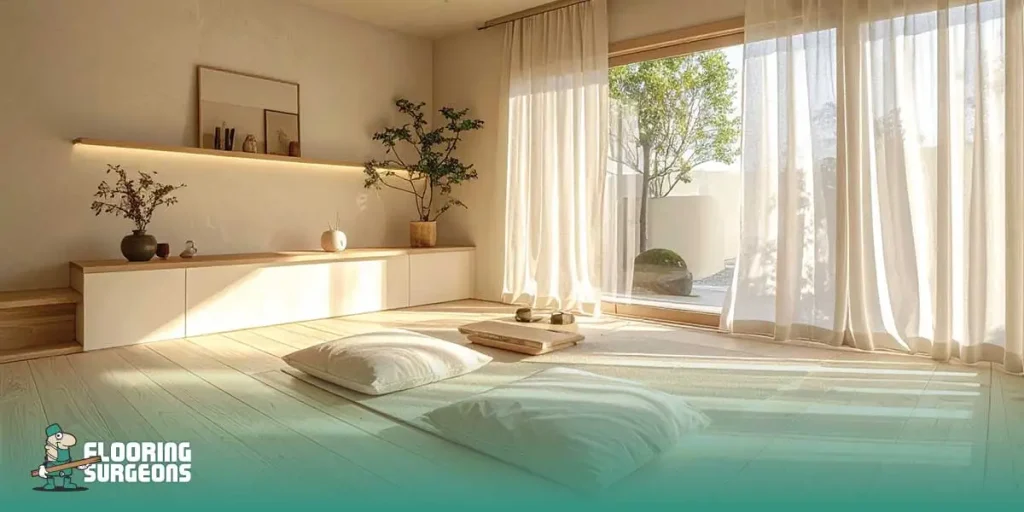
How a space feels is closely tied to how the eye moves through it. Floor layout and direction quietly organise that movement, shaping whether a room feels open and calming or busy and restless. Without drawing attention to itself, the floor guides the way people visually experience a home. When this guidance feels natural and uninterrupted, the space becomes easier to process, and calm follows. Understanding this flow begins with looking at how plank direction and pattern influence perception.
How Plank Direction and Pattern Guide the Eye Gently
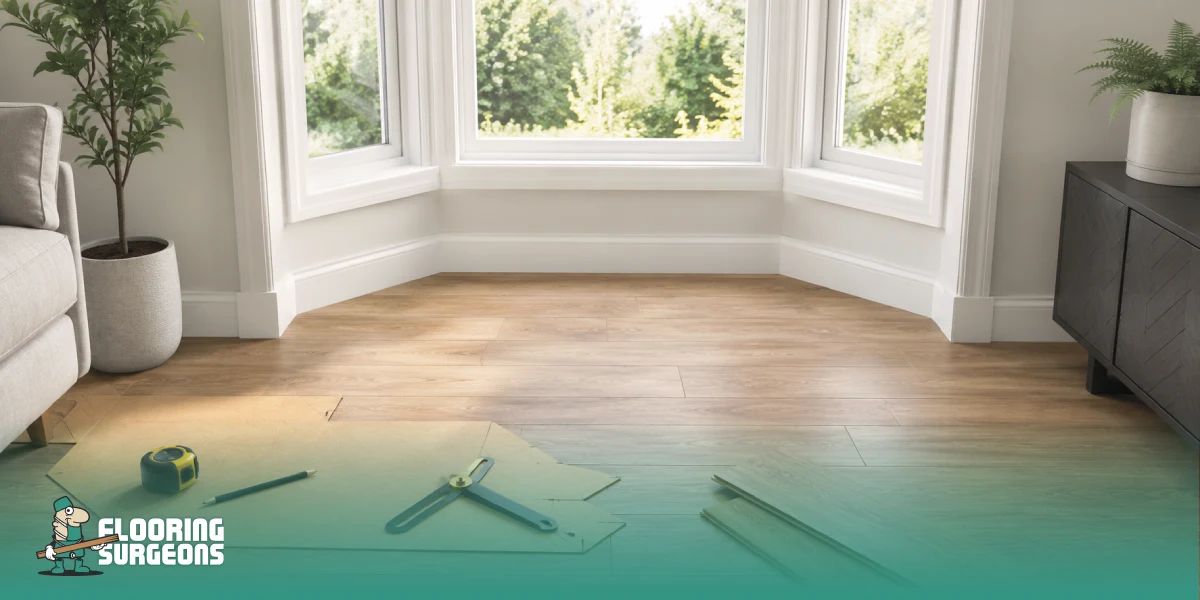
The direction and pattern of flooring act like invisible pathways for the eye. Straight plank layouts naturally guide movement forward, creating a sense of order and ease. When the eye knows where to go, the mind follows calmly.
Overly complex layouts or abrupt directional changes interrupt this flow and demand attention. While visually interesting, they can increase mental stimulation, something calm homes intentionally avoid. Longer planks laid in consistent directions help rooms feel larger, slower, and more balanced.
This is why many peaceful home design ideas rely on simple layouts that support visual continuity rather than dominate the space.
Flooring Interaction With Light and Atmosphere
Light shapes the mood of a home, but flooring determines how that light is experienced. The surface underfoot doesn’t just reflect brightness; it filters, softens, or amplifies it. Depending on finish, texture, and tone, flooring can make a space feel warm and settled or visually active and overstimulating. This subtle interaction between floor and light plays a major role in whether a room feels calm throughout the day. To see why, it’s important to understand how different finishes influence atmosphere and emotional response.
Matte vs Gloss Finishes and Their Effect on Mood
Light is one of the strongest emotional influencers in a home, and flooring determines how that light behaves. Matte finishes soften reflections and diffuse brightness, creating a grounded and restful atmosphere. Gloss finishes, on the other hand, reflect light sharply, increasing contrast and visual energy.
In calm interiors, the goal is not brightness; it’s comfort. Light laminate flooring with a low-sheen or matte finish allows natural light to enhance warmth without overwhelming the senses. Instead of bouncing light aggressively, it absorbs and spreads it gently, supporting a relaxed emotional state throughout the day.
Floor Materials and Textures That Promote Comfort
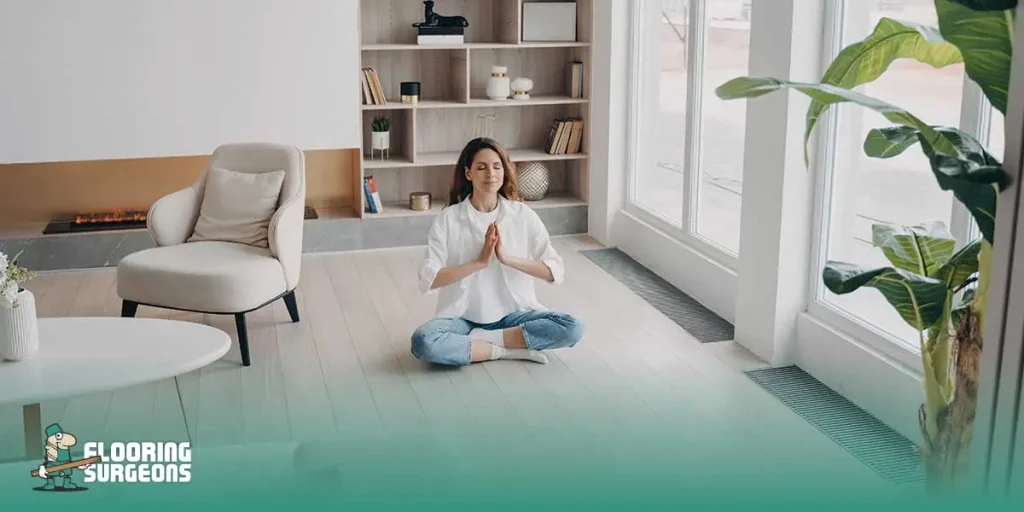
Comfort in a home isn’t only something you see; it’s something you sense. The materials and textures used in flooring create a physical and emotional response that influences how relaxed a space feels. Subtle variation, natural texture, and a sense of warmth help the body feel at ease without conscious effort. Flooring that feels reassuring underfoot lays the groundwork for comfort, making it easier to unwind the moment you enter. This effect becomes clearer when we look at how natural surfaces influence sensory calm.
Natural Surfaces and Their Calming Sensory Impact
Human brains respond positively to natural variation. Flooring materials that mimic organic textures, such as wood grain or softly engineered surfaces, introduce subtle imperfections that feel reassuring rather than chaotic.
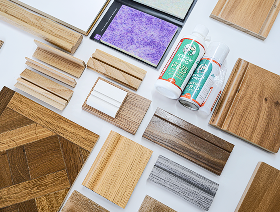
Options like medium engineered flooring strike a balance between structure and warmth. They feel solid underfoot while offering visual softness that encourages relaxation. Unlike synthetic-looking or overly polished surfaces, these materials connect the interior to nature, even in urban homes.
That quiet sensory comfort is a major reason some homes feel calm without looking minimal or styled.
Flooring as the Emotional Foundation of Interior Design
Every interior space needs a foundation that holds everything together, both visually and emotionally. Flooring provides that base, influencing how stable, intentional, and cohesive a room feels. When the floor feels grounded, the rest of the design naturally settles into place. This is why flooring often determines whether a space feels calm or slightly unsettled, even when all other elements are well chosen. To understand this role more clearly, it helps to look at why the floor anchors the entire space.
Why the Floor Anchors the Entire Space
Every element in a room visually rests on the floor. When flooring feels stable and intentional, everything above it, furniture, walls, and lighting, feels more settled. When it doesn’t, no amount of décor can fully correct the imbalance.
Structured patterns like medium herringbone flooring, when executed in balanced tones, can enhance calm rather than disrupt it. The key is proportion and restraint. Used thoughtfully, these patterns anchor the space, adding quiet character without pulling focus or increasing visual noise.
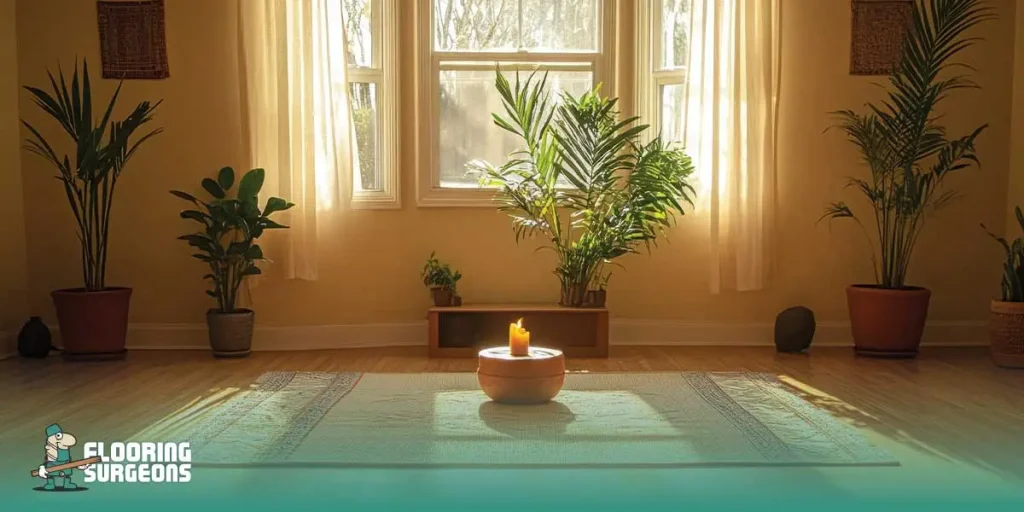
Colour Balance in Flooring and Peaceful Interiors
Colour is one of the quietest yet most powerful influencers of mood in a home. Flooring sets the stage for how colours are perceived, subtly guiding emotional response before the eye even notices furniture or décor. Warm, low-contrast tones create a sense of safety and cohesion, while sharp contrasts can trigger alertness and tension. Understanding colour balance in flooring is essential for designing interiors that feel naturally calm, allowing the whole space to harmonise without forcing the eye to work harder than it needs to.
Warm Neutrals and Low-Contrast Floor Palettes
Colour has a direct effect on emotional regulation. High-contrast flooring increases alertness and tension, while warm neutrals promote safety and cohesion. Calm homes typically avoid extremes, very dark, very light, or highly saturated floors and instead sit comfortably in the middle.
Many homes lose their sense of ease due to common hardwood flooring mistakes, such as choosing tones that clash with natural light or surrounding materials. A well-balanced floor palette blends effortlessly with walls and furnishings, allowing the space to feel unified rather than divided.
Simplicity in Flooring Design and Mental Ease
Simplicity in flooring is more than a visual choice; it’s a way to quiet the mind. Floors without unnecessary breaks, borders, or competing patterns allow the eye to move smoothly, reducing subconscious tension and mental clutter. When design is restrained and seamless, the space feels open, ordered, and effortlessly calming. This principle shows why calm interiors often favour continuous, minimal flooring rather than fragmented or highly patterned options.
Reducing Visual Noise Through Seamless Floor Choices
Visual noise is one of the most overlooked sources of stress in interiors. Multiple flooring types, frequent transitions, borders, and contrasting patterns fragment the space and keep the brain subtly active.
Calm interiors prioritise continuity. Seamless flooring across connected areas allows the eye to move freely, creating a sense of openness and mental ease. This simplicity isn’t about lacking detail; it’s about removing anything that doesn’t serve comfort or clarity.
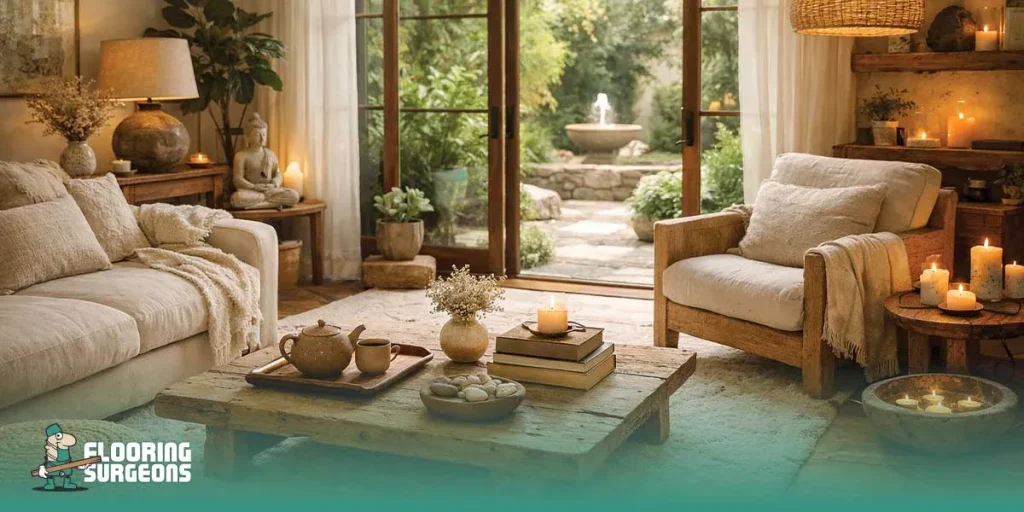
Flooring as an Emotional Anchor in the Home
Consistency in flooring does more than unify a home visually; it creates an emotional anchor. When floors flow seamlessly from room to room, the space feels stable, connected, and grounded. This subtle continuity reassures the mind, making each area of the home feel familiar and safe. By treating flooring as a central element of emotional design, rather than just a surface, a home becomes more than visually appealing; it feels truly right.
Creating Grounded Spaces Through Consistent Flooring
Consistency builds trust, not just visually but emotionally. When flooring flows naturally from room to room, the home feels grounded and reliable. This sense of grounding is what turns a house into a refuge.
At Flooring Surgeons, flooring is approached as an emotional foundation, not just a surface. Recommendations focus on longevity, comfort, and how the space will feel over time, not just how it looks on installation day.
Practical Flooring Choices for Calm Homes
| Flooring Element | Calming Effect | Best Used In |
| Matte finishes | Reduces glare and stimulation | Living areas, bedrooms |
| Warm neutral tones | Creates emotional balance | Whole-home flooring |
| Simple plank layouts | Supports visual flow | Open-plan spaces |
| Natural textures | Enhances sensory comfort | Relaxation areas |
| Consistent flooring | Grounds the entire home | Hallways and transitions |
Why Does My Home Feel Calm? Building Calm Homes From the Floor Up
The reason why some homes feel calm the moment you step inside is never accidental. Flooring influences movement, light, texture, and emotional response all at once. When material, layout, colour, and finish work in harmony, calm becomes a natural byproduct.
True comfort doesn’t come from adding more layers; it comes from choosing wisely at the foundation. When you build calm from the floor up, the entire home follows.

Mina Asgari
I’m an SEO Specialist and Content Strategist focused on sustainable business growth. I design data-driven content strategies by deeply analyzing user intent, search behavior, and SEO best practices, ensuring every piece of content serves a clear purpose for both users and search engines.