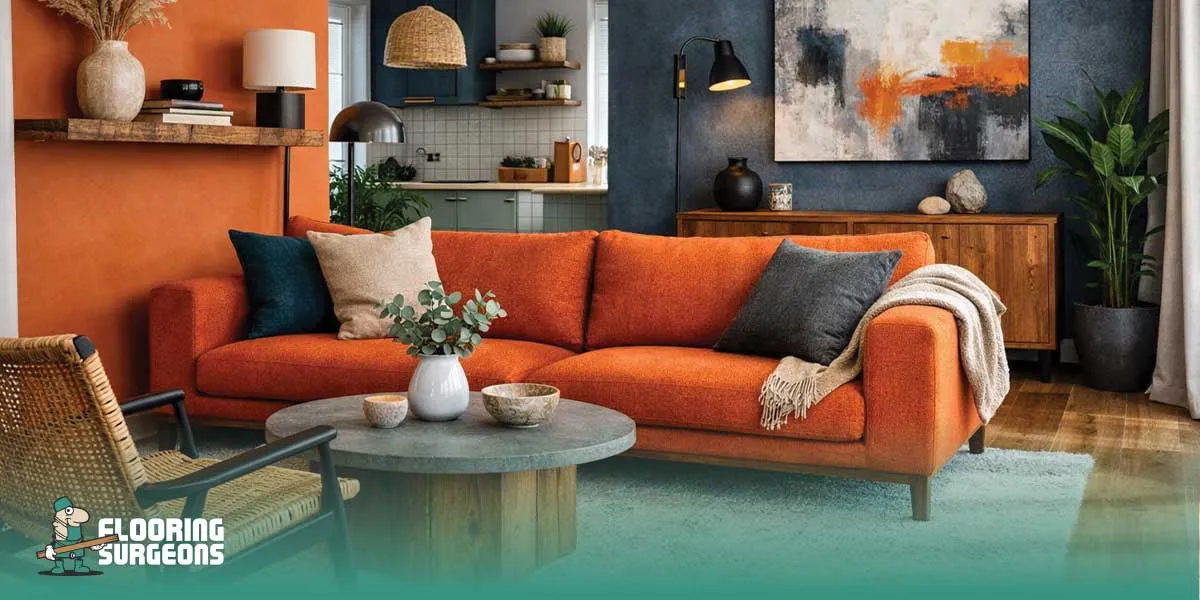
Orange is one of the most energetic colours you can bring into an interior. It instantly adds warmth, personality, and a sense of creativity to a space. But using orange successfully isn’t just about the colour itself, it’s about what you pair it with. The right combination can transform orange from overwhelming to beautifully balanced.
In this guide, you’ll discover colour combinations that work best with orange interiors, along with visual ideas that show how designers balance this vibrant colour with neutrals, cool tones, and natural materials. Whether you’re designing a bold living room, a cosy kitchen, or a modern workspace, these ideas will help you create a space that feels vibrant without losing harmony.
And because colour choices don’t exist in isolation, we’ll also look at how elements like flooring, textures, and lighting influence the way orange interacts with the rest of your interior palette. Let’s explore the most stylish ways to pair orange with other colours.
Table of contents
What Colours Go Well with Orange in Interior Design
Orange works best when it is balanced with colours that soften its intensity or highlight its warmth. In interior design, the right pairing helps orange feel stylish rather than overwhelming. Designers often combine it with cool tones, soft neutrals, or earthy shades to create a space that feels energetic yet harmonious.
Popular colours that pair well with orange:
- Blue
- Grey
- Green
- White
- Beige
- Brown
- Black
- Pink
- Purple
Why Orange Is the Most Powerful Interior Colour
Orange is one of the most expressive colours used in interior design. Psychologically, it is associated with energy, warmth, and creativity, which is why it often makes a room feel lively and welcoming. Unlike cooler tones, orange naturally draws attention and encourages interaction, making it particularly effective in social spaces such as living rooms, dining areas, and kitchens.
When used thoughtfully, orange can energise a room without overwhelming it. Softer shades like terracotta or burnt orange introduce warmth and comfort, while brighter tones add a bold, playful character to the space. This balance is what makes orange such a powerful design choice.
Understanding Orange Colour Theory Before Choosing Pairings
Before selecting colours to combine with orange, it helps to understand a few basic ideas from colour theory. These principles explain why certain palettes feel balanced while others appear chaotic.
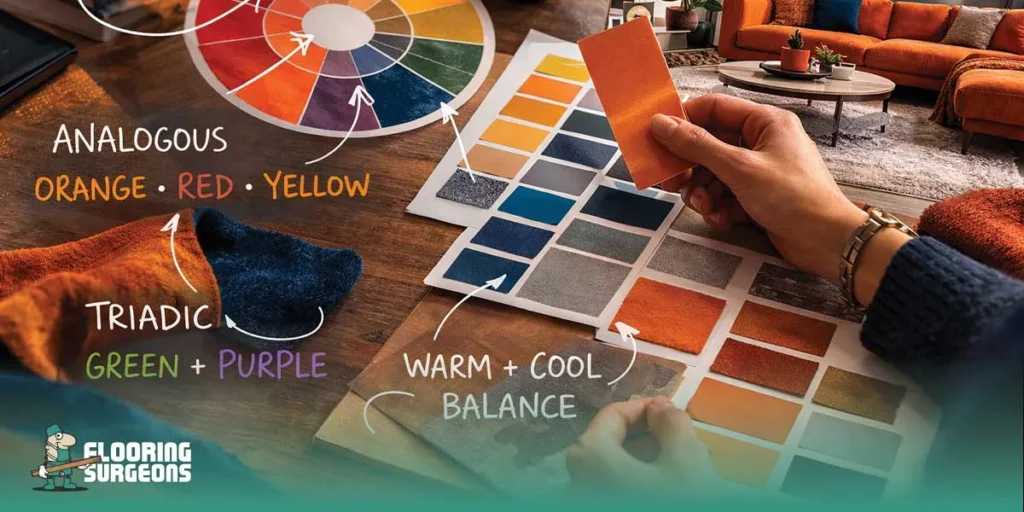
- Complementary colours sit opposite each other on the colour wheel. For orange, the main complementary tone is blue. This pairing creates strong contrast and visual energy, which is why it is often used in bold interior schemes.
- Analogous palettes use colours that sit next to each other on the colour wheel, such as orange, red, and yellow. These combinations feel warm, cohesive, and naturally harmonious because the colours share similar undertones.
- Triadic palettes consist of three colours evenly spaced around the colour wheel. When orange is used in a triadic scheme, it can be paired with shades such as green and purple to create a lively yet balanced palette.
- Another important consideration is the balance between warm and cool. Because orange is a warm colour, pairing it with cooler shades such as blue or grey helps prevent the space from feeling overly intense.
Understanding these principles makes it much easier to create interiors where orange feels intentional and well-balanced. Understanding these principles makes it much easier to create interiors where orange feels intentional and well-balanced. If you want to build a more polished palette across the whole room, these colour rules followed by interior designers are a useful next step.
The Best Colours That Pair with Orange
When used thoughtfully, orange can work with a surprisingly wide range of colours. Some combinations create dramatic contrast, while others soften the warmth of orange, producing a calm, inviting atmosphere. Below are some of the most effective colour pairings used by interior designers.

Orange and Blue (The Perfect Complementary Contrast)
Blue sits directly opposite orange on the colour wheel, which makes it the most natural complementary pairing. The coolness of blue balances the warmth of orange, creating a vibrant yet controlled contrast. This combination works particularly well in living rooms and contemporary interiors where a bold focal point is desired.
Orange and Grey (Modern and Elegant)
Grey tones soften the intensity of orange and introduce a refined, modern feel. Light grey walls paired with burnt orange furniture or accents can create a sophisticated palette that feels warm without being overwhelming. This pairing is often used in modern flats and minimalist interiors.
Orange and Green (Nature-Inspired Interiors)
Green and orange reflect colours commonly found in nature, which makes the combination feel organic and calming. Olive, sage, and deep forest greens work especially well with terracotta and muted orange tones. This palette is ideal for interiors that aim to feel relaxed and natural.
Orange and Beige (Soft Neutral Balance)
Beige tones provide a gentle backdrop that allows orange to stand out without dominating the room. The softness of beige keeps the overall palette warm and inviting while maintaining visual balance. This pairing works beautifully in cosy living spaces and traditional interiors.
Beige tones provide a gentle backdrop that allows orange to stand out without dominating the room. The same principle often applies to flooring, too, though neutral floors do not always create neutral spaces, especially when light, texture, and surrounding colours shift the room’s overall feel.
Orange and White (Minimal and Fresh)
White creates a clean and bright contrast with orange. The simplicity of white surfaces prevents orange from feeling too heavy, making the space appear lighter and more open. This combination is commonly used in modern kitchens and contemporary interiors.
Orange and Brown (Warm Earthy Design)
Brown tones reinforce the natural warmth of orange. When combined with materials such as wood, leather, or natural fibres, the palette feels grounded and comfortable. This pairing is often seen in rustic interiors and spaces designed to feel warm and welcoming.
Orange and Pink (Playful Contemporary Palette)
For a more creative and modern look, orange can be paired with pink. Soft blush tones or dusty rose shades complement orange beautifully, adding a playful, artistic character to the space. This combination is particularly popular in modern design focused on bold colour expression.
Popular Shades of Orange Used in Interior Design
Orange is not a single tone. Interior designers work with a variety of shades, each creating a slightly different mood within a space. Choosing the right shade can determine whether the room feels cosy, vibrant, or softly inviting.
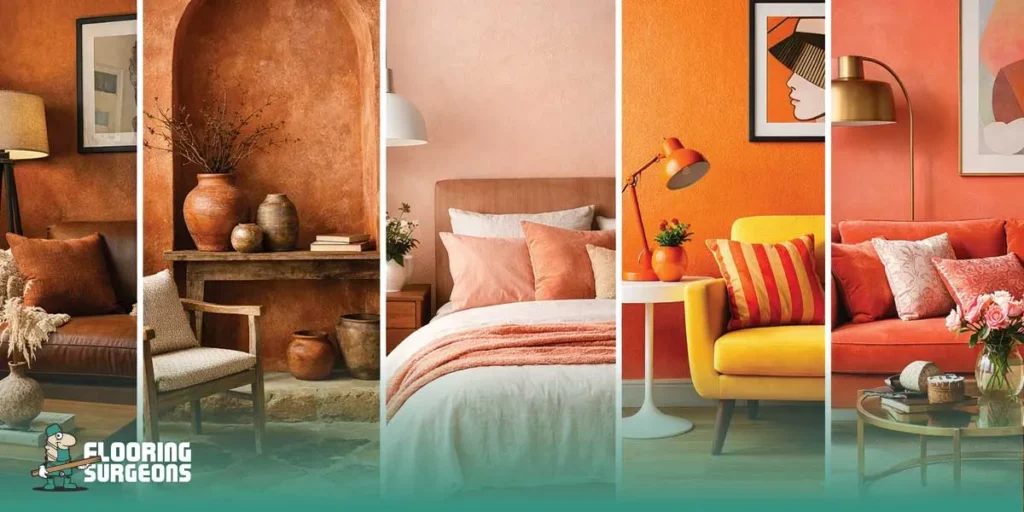
- Burnt Orange: Burnt orange is one of the most popular shades in modern interiors. Its deeper, muted tone feels warm and sophisticated, which makes it ideal for living rooms and lounges. It pairs beautifully with natural materials such as wood, leather, and textured fabrics.
- Terracotta: Terracotta adds an earthy, Mediterranean character to interiors. Inspired by clay and natural landscapes, it works particularly well in spaces that emphasise organic materials, stone surfaces, and warm wooden flooring.
- Peach: Peach is a softer and lighter version of the orange. It introduces warmth without feeling overpowering, making it a popular choice for bedrooms, bathrooms, and calm living spaces.
- Tangerine: Tangerine is bright, energetic, and playful. This shade works best for small accents, such as cushions, artwork, or statement furniture pieces. It adds vibrancy without dominating the room.
- Coral Orange: Coral orange sits between orange and pink. It creates a lively yet elegant atmosphere and is often used in contemporary interiors, where colour is a design feature rather than a background element.
How to Balance Orange in a Room
Orange is naturally bold, so balance is essential. When used carefully, it can energise a room while maintaining a calm, harmonious environment.
Ways to balance orange in an interior:
- Use orange as an accent colour rather than covering large surfaces.
- Combine orange with neutral tones such as beige, cream, or soft grey.
- Introduce natural textures like wood, linen, or woven materials.
- Pay attention to lighting so the colour does not appear too intense.
- Keep orange within roughly 20 to 30 per cent of the overall colour palette.
How Lighting Changes the Way Orange Looks
Lighting plays a significant role in how orange appears within a room. The same shade can look completely different depending on the type and direction of light. Warm artificial lighting tends to deepen orange tones, making them feel richer and more dramatic. This effect often enhances shades such as burnt orange and terracotta.
Natural daylight usually softens orange and reveals its true undertones. In bright rooms, orange may appear lighter and more balanced, especially when paired with neutral surfaces. Shadows can also affect the perception of colour. In darker corners, orange may appear deeper and slightly muted, adding depth to the interior palette. Reflective materials such as glass, polished wood, and light coloured flooring can brighten orange tones by bouncing light around the space. This helps the colour feel lively rather than heavy.
Best Flooring Colours to Pair with Orange Walls
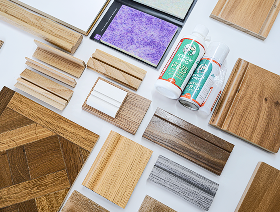
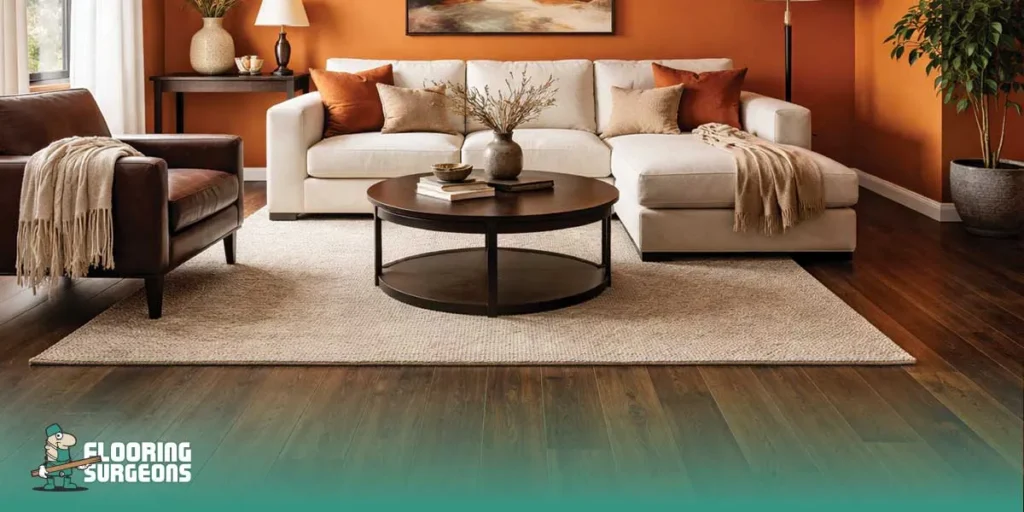
When designing a space with orange walls, flooring is crucial for balancing the overall palette. Because orange is naturally warm and expressive, the right flooring colour helps anchor the room and prevent the design from feeling overwhelming. When designing a space with orange walls, flooring is crucial for balancing the overall palette. If you want a broader framework for coordinating floor tones with wall colours, our guide to matching flooring colours with wall colours can help you make more confident design decisions. Natural wood tones, neutral surfaces, and subtle contrasts often work best to maintain harmony within the space.
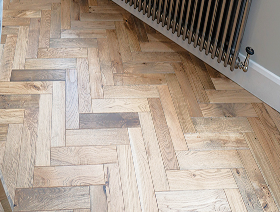
Light Oak Flooring with Orange Interiors
Light oak flooring introduces a soft, natural brightness that balances the warmth of orange walls. This combination works especially well with lighter shades such as peach or coral orange, creating interiors that feel open, calm, and inviting. Light oak flooring introduces a soft, natural brightness that balances the warmth of orange walls. If you are weighing up a pale floor against a richer timber look, this comparison of dark flooring vs light flooring psychology offers a useful way to think about mood and colour balance.
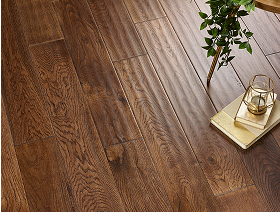
Dark Walnut Floors for Dramatic Contrast
Dark walnut flooring creates a striking contrast with orange tones, particularly deeper shades such as burnt orange or terracotta. The richness of dark wood grounds the room and adds depth, creating a more sophisticated, dramatic atmosphere. Dark walnut flooring creates a striking contrast with orange tones, particularly deeper shades such as burnt orange or terracotta. For homeowners who want authentic grain, depth, and character, solid wood flooring can make this dramatic look feel even more substantial.
Neutral Hardwood Flooring for Balance
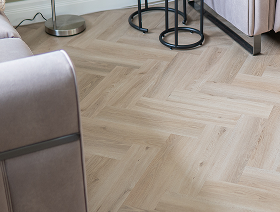
Neutral hardwood floors offer a versatile solution when working with orange interiors. Mid-tone woods, such as natural oak or light brown flooring, help soften the intensity of orange while maintaining a cohesive, balanced colour palette. Neutral hardwood floors offer a versatile solution when working with orange interiors. Mid-tone woods, such as natural oak or light brown flooring, help soften the intensity of orange while maintaining a cohesive, balanced palette, particularly in homes that favour the stability and finish of engineered flooring.
Concrete or Stone Flooring for Modern Interiors
For contemporary spaces, concrete or stone flooring can provide a clean contrast against vibrant orange walls. The cooler grey tones help temper the warmth of orange and introduce a modern, minimalist character to the room. For contemporary spaces, concrete or stone flooring can provide a clean contrast against vibrant orange walls. If you want a similar visual effect with a more practical finish for daily life, luxury vinyl flooring is often worth considering.
| Orange Shade | Best Flooring Colour | Design Effect |
| Burnt Orange | Dark Walnut | Dramatic contrast |
| Terracotta | Natural Oak | Earthy harmony |
| Peach Orange | Light Wood | Bright and airy |
| Tangerine | Grey Concrete | Modern contrast |
Room by Room Orange Colour Palette Ideas
Orange can be used successfully in many different areas of the home. The key is adjusting how the colour is introduced, depending on each room’s function and atmosphere.
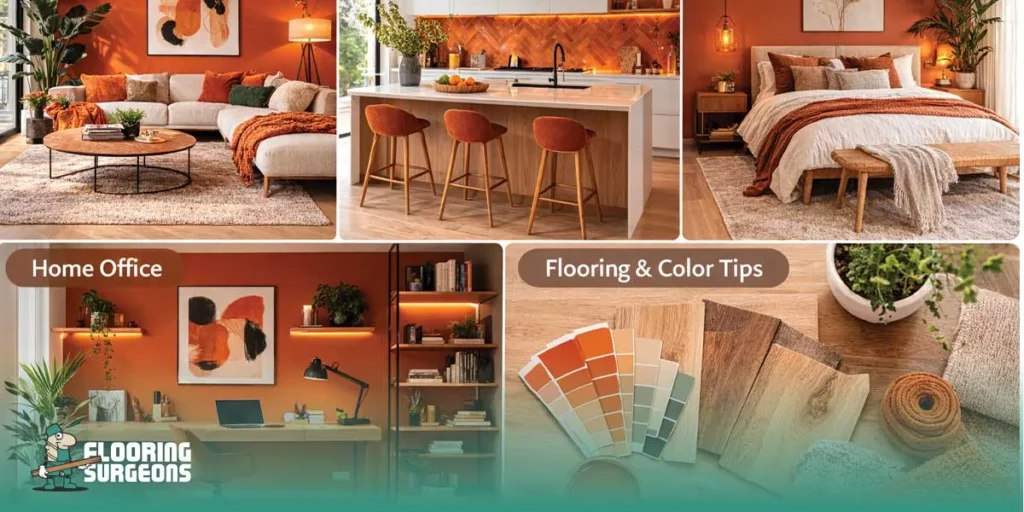
- Living Room: In living rooms, orange often works best as an accent colour through sofas, cushions, or feature walls. Pairing it with neutral flooring and soft textiles creates a welcoming, sociable environment.
- Kitchen: Orange can bring energy to kitchens, particularly when combined with white cabinetry or light wood surfaces. A warm terracotta tone can add personality while keeping the space feeling inviting.
- Bedroom: For bedrooms, softer shades such as peach or muted terracotta are usually more suitable. When balanced with calm neutrals and natural textures, these tones create a relaxing yet warm atmosphere.
- Home Office: In a home office, touches of orange can stimulate creativity and focus. Using orange in artwork, accessories, or a single accent wall helps energise the space without becoming distracting.
Expert Tips for Using Orange with Flooring
- Choose flooring tones that either balance or gently contrast the warmth of orange walls.
- Natural wood floors often complement orange interiors better than very cool synthetic tones.
- Avoid pairing very bright orange with overly dark flooring unless you want a bold, dramatic effect.
- Consider how natural light interacts with both the flooring and the wall colour.
- Use rugs, textiles, and furniture to soften the transition between the orange walls and the floor surface.
Final Thoughts
Orange can be one of the most rewarding colours to work with in interior design when it is paired thoughtfully with the right tones and materials. By balancing orange with complementary colours, natural textures, and carefully chosen flooring, it is possible to create interiors that feel vibrant yet harmonious.
If you are planning to introduce warm colours such as orange into your home, selecting the right flooring is just as important as choosing the wall palette. At Flooring Surgeons, we often see how the right floor tone can ground a bold colour scheme, soften strong contrasts, and bring the whole room together in a more polished way.

Haniye Ayanmanesh
As an expert writer for Flooring Surgeons, I combine technical SEO knowledge with a practical understanding of flooring, producing content that helps users make confident decisions while supporting long-term organic growth.