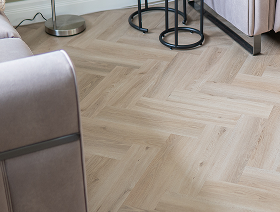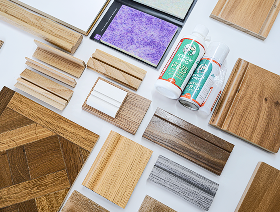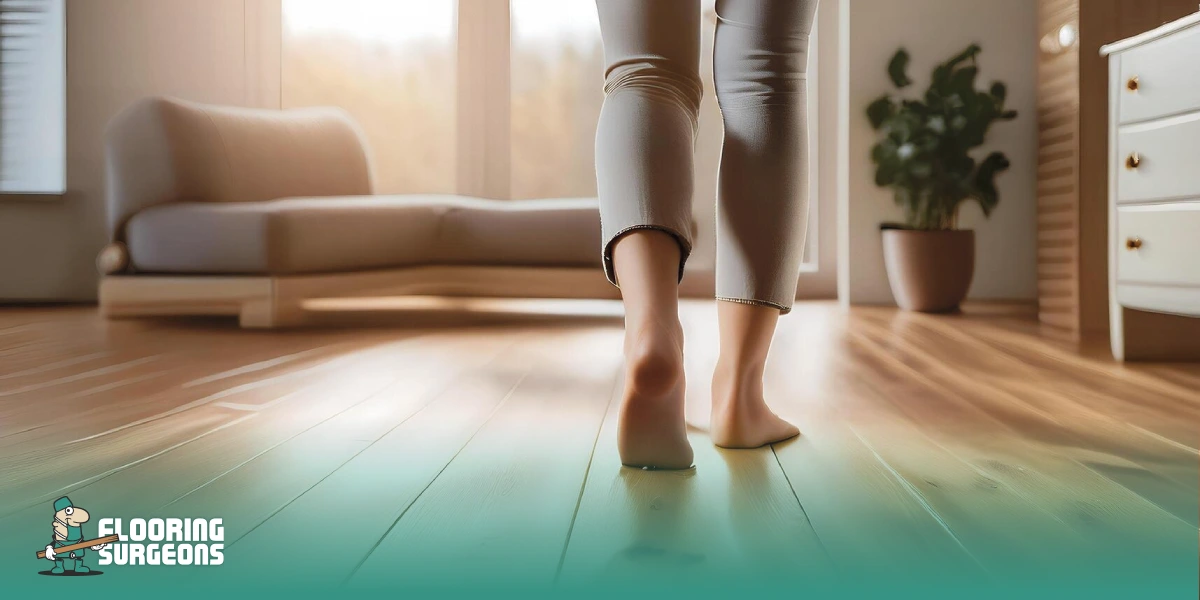
The hidden comfort of walking on different floor materials has less to do with softness alone than most people think. A floor feels good underfoot when it balances comfort, warmth, stability, and support from the underlay beneath it. That is why the most comfortable flooring to walk on is not always the softest option. Engineered wood, luxury vinyl, and laminate can often feel warmer and easier to live with when paired with the right underlay than harder surfaces like tile or concrete. In this guide, we look at how different floor materials feel underfoot and which options work best in different parts of the home.
Table of contents
Comparing Different Floor Materials for Everyday Walking Comfort
To make the differences easier to see at a glance, the table below compares how common floor materials perform in terms of comfort underfoot, warmth, stability, and everyday use.
| Floor Material | Comfort Underfoot | Warmth | Stability | Best Use |
| Engineered Wood | High | High | High | Living rooms, bedrooms |
| Luxury Vinyl | High | Medium–High | High | Kitchens, hallways |
| Laminate + Underlay | Medium–High | Medium | High | Everyday family spaces |
| Carpet / Cork | Very High | High | Medium | Bedrooms, quiet rooms |
| Tile / Concrete | Low | Low | Very High | Bathrooms, utility spaces |
What Actually Makes a Floor Comfortable to Walk On?
When people think about a comfortable floor, they often focus on softness first. In reality, comfort underfoot comes from a mix of factors, including:
Shock Absorption and Cushioning
Softness is only one part of the picture. What really matters is how well a floor handles pressure with each step. A surface with a small amount of give can feel easier on the feet during everyday movement, especially in spaces where people stand or walk for longer periods.
At the same time, too much softness is not always a good thing. If a floor feels overly soft, it can lose the firm support that makes walking feel natural and stable. In most homes, the best flooring sits somewhere between the two. It softens impact slightly, but still feels secure underfoot.
Warmth Underfoot
Temperature plays a bigger role in comfort than many people expect. Some materials feel naturally warmer underfoot, while others feel cold the moment you step on them. That difference becomes even more noticeable in bedrooms, living rooms, and other spaces where people often walk barefoot.
This is one reason wood-based floors tend to feel more welcoming than tile or concrete. Even before the room’s visual style comes into play, the floor’s physical temperature can shape how comfortable the space feels overall.

Stability and Ease of Movement
A comfortable floor should not only feel pleasant, but also steady. Good flooring needs to support natural movement, especially in busy areas where people turn, stop, and walk through the space many times a day. If a surface feels unstable, even a softer finish can become less enjoyable over time.
This is also where comfort connects more clearly to daily movement, which is why many homeowners pay closer attention to what podiatrists say about flooring and foot health when choosing a surface for everyday use.
Why Underlay Changes Everything
The layer beneath the floor often makes a greater difference than people realise. A good underlay can soften impact, reduce that hollow feel underfoot, and help a room feel quieter and more comfortable overall. This matters most with floating floors, where the final feel depends heavily on the support below the surface.
It also explains why two floors with a similar look can feel completely different in everyday use. In many homes, the hidden comfort comes not only from the top material but also from the construction beneath it.
How Different Floor Materials Feel Underfoot?
Not all flooring feels the same in daily life, even when two surfaces look similar at first glance. The hidden difference often comes down to warmth, support, surface texture, and whether the floor feels forgiving or firm under pressure. This is where people start to notice which materials offer real comfort underfoot and which ones simply look good on paper.
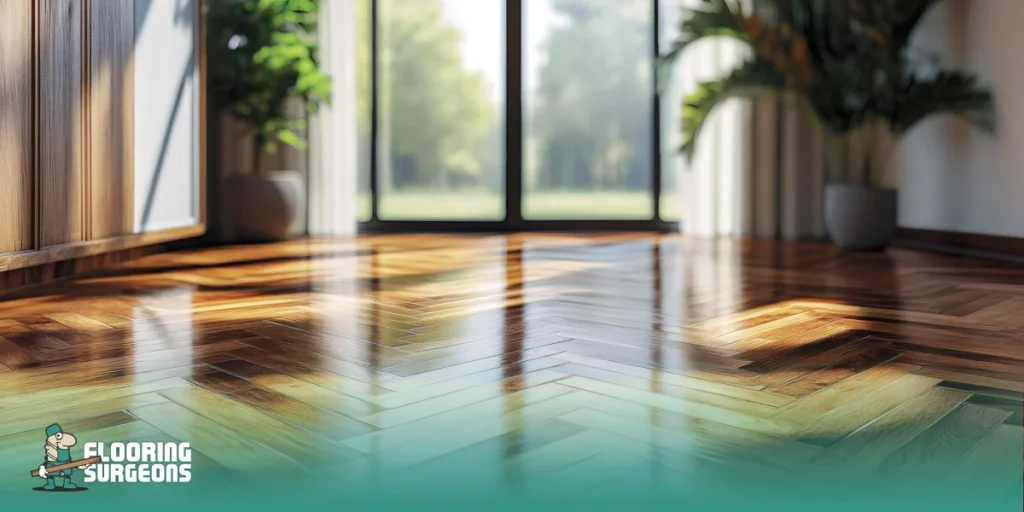
Engineered Wood: Warm, Stable, and Naturally Balanced
Engineered wood tends to feel comfortable because it offers a good balance between warmth and support. It usually feels warmer underfoot than tile or concrete, but it still stays firm enough to feel steady when walking through the room. That balance makes it a strong choice for homeowners who want a floor that feels natural without becoming too hard or cold.
Another reason it works well is consistency. In bedrooms and living rooms, Engineered Flooring often feels calm, solid, and easy to live with from day to day. It does not create the sharp, cold feel that some harder finishes can bring, and it suits homes that want both comfort and a more refined look.
Luxury Vinyl: Softer and More Practical for Everyday Use
Luxury vinyl is often one of the easiest materials to live with in busy homes. It usually feels slightly softer than very hard surfaces, which can make walking and standing more comfortable in kitchens, hallways, and family spaces. That is one reason Luxury Vinyl Flooring is often seen as a practical option for daily use.
It also helps that vinyl tends to feel less cold than tile. For many households, that alone makes a noticeable difference. If someone is looking for a floor that feels easier underfoot without demanding much maintenance, vinyl is often one of the most reliable choices.
Laminate: Comfortable When the Base Is Right
Laminate is often thought of as a firmer floor, and in some cases, that is true. But the final feel depends a lot on what sits underneath it. With the right underlay, Laminate Flooring can feel more comfortable and more supportive than many people expect.
That is why laminate works well for homes that want a clean, durable finish without giving up too much day-to-day comfort. It may not feel as soft as carpet or cork, but when it is installed properly, it can still offer a very good balance between practicality and ease of movement.

Carpet and Cork: Best for Softness and Barefoot Comfort
If softness is the priority, carpet and cork usually come out ahead. They are often among the best flooring for bare feet, especially in bedrooms or quieter rooms where warmth and comfort matter more than heavy wear resistance. These materials create a gentler first step and often make a room feel more relaxed overall.
That said, softer does not always mean better for every space. In busy areas, some people prefer a firmer surface that feels more stable and is easier to maintain. Carpet and cork work best where comfort is the main goal, rather than durability alone.
Tile and Concrete: Strong, but Less Forgiving
Tile and concrete are durable and practical, but they are usually the least forgiving underfoot. They tend to feel colder, harder, and less comfortable during prolonged standing or walking. In purely practical spaces, that may not be a problem, but in living areas, they are rarely the most comfortable flooring to walk on without extra help.
Rugs, underfloor heating, or softer additions can improve the feel of these surfaces, but on their own, they often sit at the harder end of the comfort scale. That is why they are usually chosen for durability rather than comfort.
Which Flooring Feels Best in Different Rooms?
The best choice depends on how each room is used. A floor that feels comfortable in one space may not work as well in another, especially when traffic, warmth, and daily wear are different.
- Kitchen: Vinyl or laminate with a good underlay usually works well because it feels easier underfoot and still handles daily use.
- Bedroom: Softer or warmer materials often suit this space better, especially if you want a warmer underfoot feel in the morning.
- Living Room: Wood-based floors and laminate often offer a good balance of comfort, support, and everyday practicality.
- Hallway and Entryway: Tougher surfaces that still feel reasonably comfortable underfoot usually make the most sense here because of constant foot traffic.

How to Make Any Floor More Comfortable Without Replacing It
You do not always need to replace a floor to improve its feel underfoot. In many homes, small changes make a bigger difference than expected. A better underlay can reduce impact and make a firmer floor feel more comfortable in daily use. If you want to explore that in more detail, learning about different types of underlay can help you choose the right support for your space.
Soft furnishings can help too. Rugs and runners add warmth and make colder or harder surfaces feel easier to live with, especially in bedrooms, hallways, and seating areas. In places where people stand for longer, such as kitchens, a small mat can also make everyday walking and standing more comfortable without altering the floor.
Final Verdict: What Is the Most Comfortable Flooring to Walk On?
The answer depends on what matters most in your home. If you want the best balance of warmth, support, and everyday practicality, engineered wood, luxury vinyl, and laminate with the right underlay usually offer the best comfort underfoot. If you’re comparing these options, you can explore a range of comfortable and practical flooring styles at Flooring Surgeons to find what suits your space best. If softness matters most, carpet and cork often feel gentler straight away. Harder surfaces like tile and concrete still work well in practical spaces, but they are rarely the most comfortable flooring to walk on without extra warmth or cushioning.

Ana.Soltanpoor
I’m an SEO Specialist with a strong background in content management and organic search. I build data-driven content strategies by aligning user intent, search behavior, and SEO best practices to ensure every piece of content delivers clarity, relevance, and measurable organic performance.