No home is perfect, and even the most gorgeous ones can suffer from decorating flaws. From furniture scale to colour choices or flooring, tiny decisions can wreak havoc on a room and leave a space feeling funky, cluttered or incomplete. Believe it or not, even seasoned designers have decor regrets. A lot of them occur during the planning process, when style trends, impulse buys, or poor space planning override function and long‑term design. But how to avoid decor mistakes?
In this guide, we’ll walk through 11 decor mistakes that top designers wish they’d never made. Check them out to ensure you don’t repeat these errors in your own place.
Table of contents
Quick Summary: 11 Common Decorating Mistakes & Professional Fixes
OK, so you started decorating…you’ve made mistakes. We look at the decor mistakes top designers regret and the best ways to avoid them.
| # | The Decor Mistake | Why it Fails | The Designer’s Fix |
| 1 | Ignoring Functionality | Form over function leads to clutter. | Map the room’s purpose before buying. |
| 2 | Following Trends Only | The room feels dated within a year. | Invest in Oak Laminate Flooring foundations. |
| 3 | Incorrect Scale | Furniture feels bulky or tiny. | Use Light Laminate Flooring to balance scale. |
| 4 | Single Light Source | Creates a flat, uninviting mood. | Layer your lighting (Ambient, Task, Accent). |
| 5 | Clashing Undertones | Colours look “off” or muddy. | Match flooring tones with walls carefully. |
| 6 | Ignoring the Floor | Missed design opportunity. | Use Herringbone Flooring as a focal point. |
| 7 | The “Cluttered Mix” | Too many styles create chaos. | Follow the 80/20 rule for a cohesive look. |
| 8 | No Layout Plan | Poor traffic flow and spacing. | Measure twice, buy once—use floor plans. |
| 9 | Impractical Materials | Surfaces don’t last daily wear. | Choose Waterproof Luxury Vinyl for durability. |
| 10 | “Wall-Hugging” Furniture | Makes the room feel stiff. | Pull furniture inward to create “zones.” |
| 11 | Rushing the Process | Leads to expensive impulse buys. | Build a mood board and design slowly. |
Mistake #1: Prioritising Aesthetics Over Room Function
Homeowners and newer designers often prioritise the visual appeal of furniture and room layouts, overlooking practicality.
Why It Happens:
In a world of Instagram & Pinterest, it’s easy to get caught up in luxe visuals. However, neglecting Spatial Planning introduces Functional Misalignment. Your room might look like a museum, but are the seats spaced well enough for conversation? Are blocked pathways causing frustration?
The Professional Solution:
Every successful designer works from a Functional Brief. Before choosing a paint colour or rug, decide on the room’s function. Will it accommodate high-traffic socialising, quiet reading nooks, or be a multipurpose family space? When you design “from the inside out,” beginning with how people will move through the room, you create a space that’s beautiful and livable.
Expert Checklist for Functional Design
- Establish a traffic pattern: Provide at least 36 inches (90cm) of clear walking space for main traffic paths through the room.
- dentify your focal point: Arrange seating to align with the primary focus area (e.g., the fireplace if you want guests to stay warm, or position seats toward each other to foster conversation).
- Apply the “reach rule”: Ensure every seat is within reach of a surface (e.g., a side table) for a beverage or a book.
Think about ease of cleaning: Consider how much traffic your room will get, and choose fabrics that are easy to clean and durable (i.e., don’t use luxurious fabrics in high-traffic areas).
Mistake #2: Choosing Trend‑Driven Pieces Instead of Timeless Foundations
I know it can be very seductive to design a room around the flavour-of-the-month: bright colours, big patterns, “viral” furniture shapes. Many of the best designers will tell you that purchasing trendy key pieces early in their career is their biggest mistake.
Why It Happens:
Trends are fleeting, and they’re even more gorgeous in styled photos. The problem is lasting power: if your main investments (flooring, sofa, large storage) follow trends, you can’t easily (or affordably) refresh your room. Designers refer to this as the “Decor Shelf Life Problem,” when your room feels dated long before you want to redo it.
The Professional Solution:
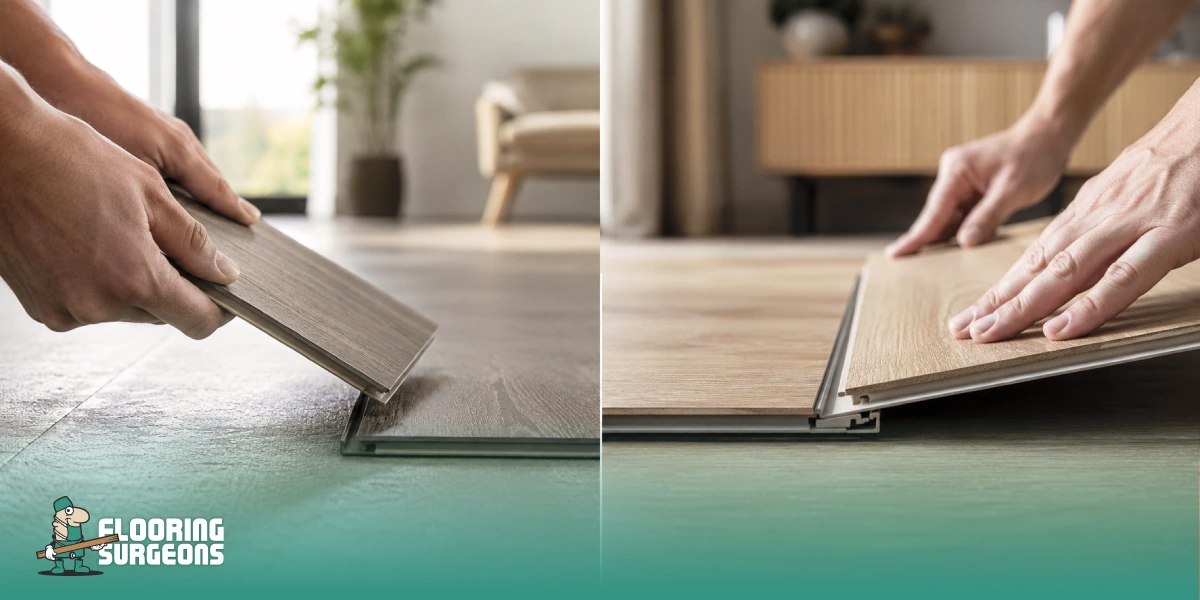
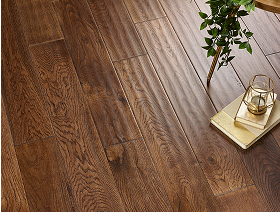
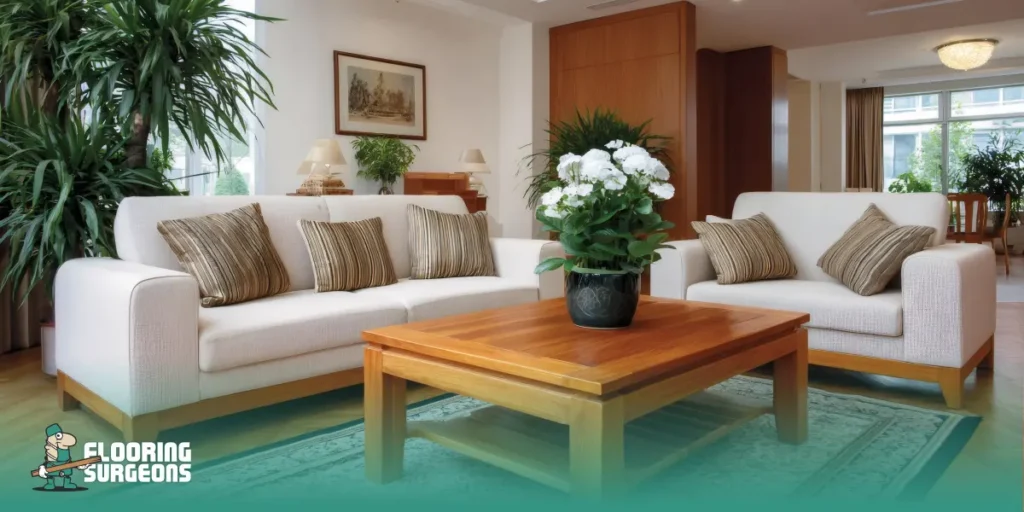
Designers build rooms around essential, long-lasting features, and they use passing trends strategically. This is especially true for flooring, which should be neutral and versatile. You want flooring that can transition with your style. By choosing timeless Oak Laminate Flooring, you’ll have warm, lasting floors that will fit with Scandinavian, modern, farmhouse, minimalist, or rustic styles, or whatever style you may move toward down the road.
Expert Checklist to Avoid Trend‑Trap Foundations
- Start with the staples: Invest in timeless materials and furniture for floors, sofas, and storage—let accessories or pillows make a trendy statement.
- Rule of thumb formula: 70% timeless. 20% current trends. 10% trendy accessory.
- Ask yourself: Will I still love this in 5 years? If you don’t answer yes without hesitation, don’t buy it as a staple piece.
- Choose finishes that will stand the test of time: Select flooring and furniture finishes that will work with both warm and cool tones.
Mistake #3: Getting Scale and Proportion Wrong
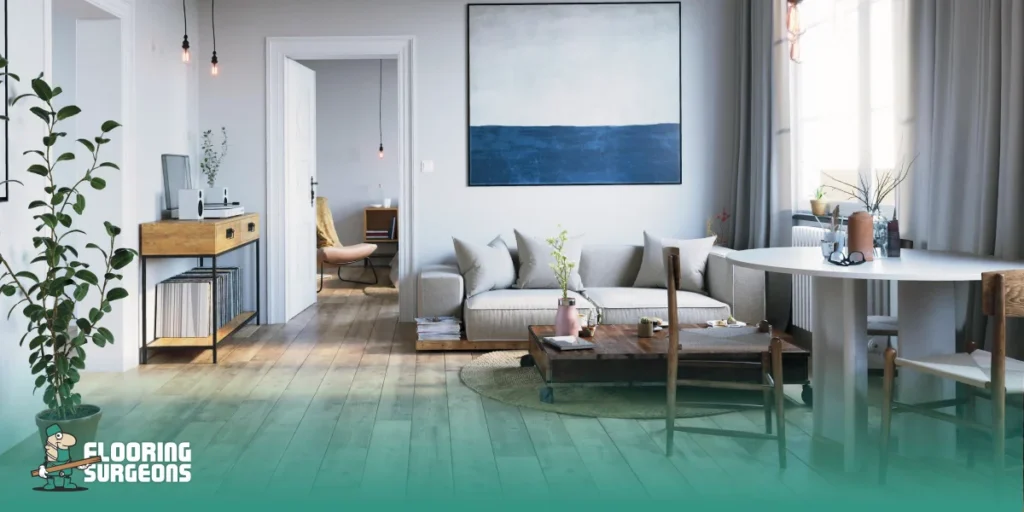
A major design misstep is selecting furniture that doesn’t fit the room’s proportions. Too big sofas can overwhelm a small space. Too small rugs or coffee tables will leave your room looking incomplete and off balance.
Why It Happens:
Consumers tend to purchase furniture piece by piece without thought to the balance of the space. Designers call this a proportion problem. When the visual impact of furnishings doesn’t align with the room’s overall dimensions, it can feel like something’s blocking the natural flow of movement. Even rooms with great design can feel a bit…wrong.
The Professional Solution:
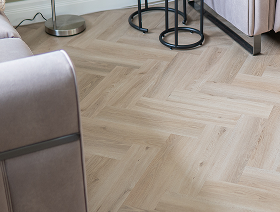
Interior designers often apply rules of visual proportion when designing a space. The flooring you choose can also make up for scale errors. Darker surfaces and narrower boards will make a room feel smaller and more confined. Bright surfaces with wider planks trick the eye into seeing more space. Lighter materials, such as Light Laminate Flooring, will gently reflect natural light, making a small room feel less “heavy.”
Tips such as flooring direction, pattern layout and colour contrast can make a small space feel bigger or smaller. Read 10 Tips to Make a Small Room Look Bigger Through Your Flooring to see how floor covering can trick the eye.
Expert Checklist for Correct Scale
- Rug sizing rule: Rugs typically go under the front legs of furniture, such as sofas and armchairs. This positions the rug within the seating arrangement.
- Coffee table proportion: Size your coffee table so that it is approximately two‑thirds the length of your sofa.
- Spacing matters: Position coffee tables about 45 cm (18 inches) from seating for comfortable legroom.
- Use light surfaces strategically: Lighter flooring colours and running wood planks in the same direction can help make your room feel larger.
scale and proportion in interior design
Mistake #4: Relying on a Single Light Source
In many rooms, overhead ceiling lights are frequently the sole source of illumination. While they brighten the space, the result is often flat lighting, harsh shadows, and an unfinished feel.
Why It Happens:
Lighting is frequently treated as an afterthought in the decorating process. People focus on furniture, colour palettes, and accessories first, assuming lighting is simply about brightness. In reality, designers see lighting as a structural design layer that shapes depth, mood, and visual hierarchy.
The Professional Solution:
Lighting is a crucial, yet frequently overlooked, foundation in the decorating process. Many jump into furnishings, colour schemes and accessories without regard for lighting, because they think it’s only there to provide light. Experienced designers view lighting as another design layer fundamental to architecture. Light establishes depth, mood and visual hierarchy.
Expert Tips for Balanced Lighting
- Use multiple light sources throughout living areas.
- Have lights at varying elevations for dimension.
- Utilise warmer lighting temperatures for living areas (2700K–3000K).
- Accentuate any textures (wall finishes, fabrics, flooring, etc.) in the room.
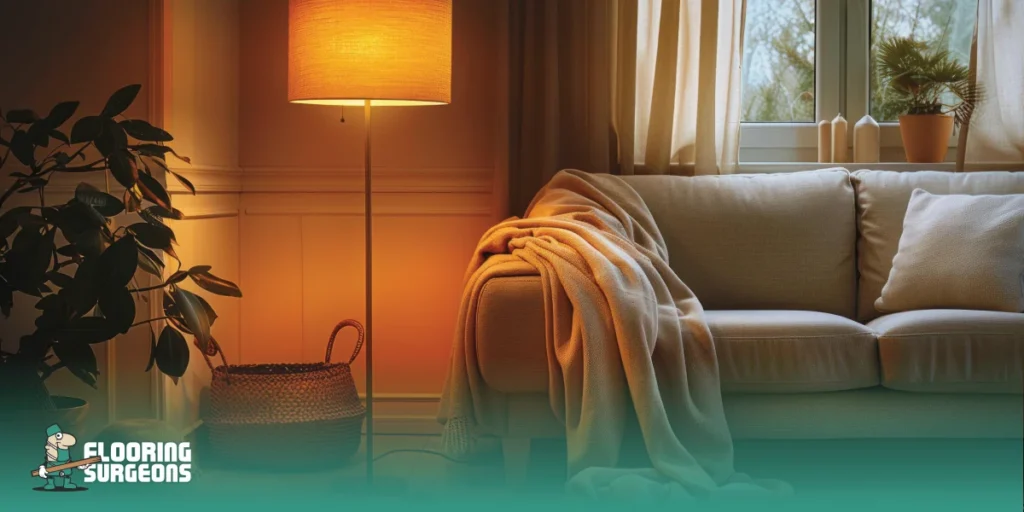
- warm cozy lighting living room lamps
Mistake #5: Misunderstanding Colour Undertones
One thing designers hate most is when a room feels “off”, even though all of the colours within the space are aesthetically pleasing. Most of the time, this is due to your wall colour, furniture, and floors having conflicting undertones. The undertones are the concealed cool or warm secondary colour.
Why It Happens:
Colour has nuance and shifts with natural lighting conditions and materials around it. That “neutral” grey could read blue next to your warm wood floors, or that beige wall could suddenly appear pink. Identifying these tones early on prevents an off-balance colour palette without cohesion.
The Professional Solution:
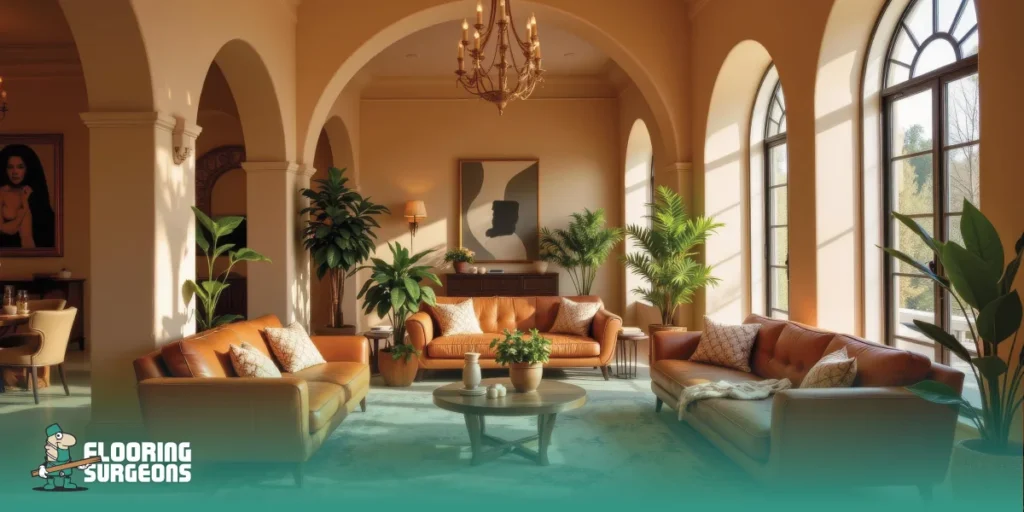
Colour experts always work with multiple hues simultaneously. They experiment with large samples of paint, fabric, and flooring under the room’s lighting. The floor covers such a large area that it literally sets the stage for every other colour decision.
Expert Checklist for Colour Harmony
- Identify the “Temperature”: Warm floors (yellow, red, orange undertones) or cool floors (grey, blue, green undertones)? This should be considered when selecting wall colours.
- The Large Sample Rule: Avoid picking a colour from a tiny swatch. Get a big paint sample and live with it all day long.
- Coordinate, Don’t Match: Furniture doesn’t have to be the same colour as the flooring, just make sure they have similar undertones.
- Consider the Light: North-facing rooms receive cooler light, while south-facing rooms receive warmer light. Be mindful of this when choosing colours, you don’t want to end up with “muddy” colours.
Mistake #6: Forgetting the Floor as a Design Element
Many people see their floors as functional. They look at flooring as neutral and believe it just exists at the bottom of the room. Designers call this a “missed opportunity”.
Why It Happens:
Often, we get caught up in choosing furniture, curtains, and paint, but overlook the floor, which dominates our view. When flooring is neglected, the space can feel somewhat empty, lacking personality and dimension, and ultimately missing out on the sophisticated look of a professionally designed room.
The Professional Solution:
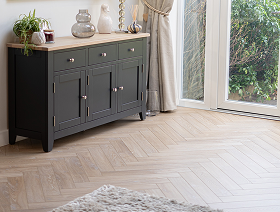
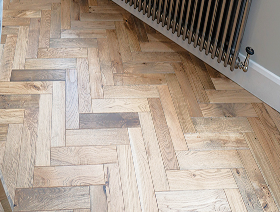
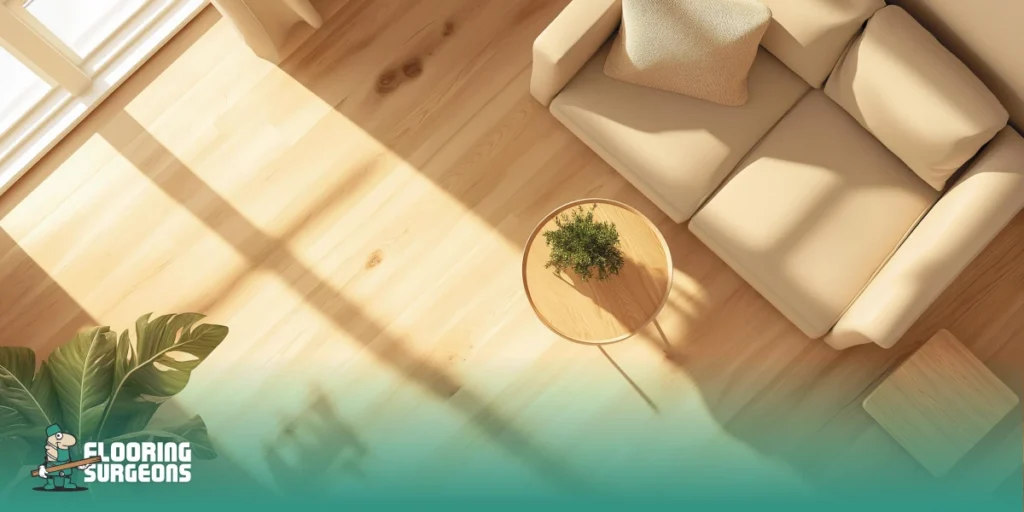
The floor is considered one of the first elements many designers think of when decorating. Great designers don’t just settle for basic flooring plank patterns. They use flooring patterns, textures, and installation techniques to help set the room’s tone. Something as simple as choosing Herringbone Flooring creates instant movement. It adds elegance and a chic focal point to your room, elevating your entire design without cluttering it with additional decor.
Expert Checklist to Elevate Your Floor Design
- Consider Pattern: Try herringbone, chevron or parquet flooring patterns to create some interesting movement.
- Think About Plank Direction: Running your flooring parallel to your longest wall will elongate the space. Going diagonal can create visual interest.
- Use Texture: If your floor has texture (wire-brush finish, matte finish), it can help it feel higher-end.
- Create Contrast: Contrast your flooring with walls/furniture rather than floating it all in one colour.
Mistake #7: Mixing Too Many Styles (The “Cluttered Mix”)
Designers often look back and wish they could undo the overly busy designs from their earlier work. It’s where a room has too many different styles, textures and patterns going on at once.
Why It Happens:
We often collect pieces we love from various periods and styles. If there is no unifying style, the furniture competes with each other. Without a dominant style, there is nothing for the eye to rest on. This destroys feng shui balance and makes the room feel smaller and chaotic.
The Professional Solution:
Professional designers use the 80/20 Rule. Choose 1 style to fill 80% of the space (Modern, Scandinavian, Industrial, etc.) and use the other 20% to accent with pops of different styles. That way, your style remains purposeful, not accidental.
Expert Checklist for Cohesive Style
- Define your anchor: Choose one key style or focal point and keep it consistent. For example, let clean-lined furniture set the tone for your bigger pieces.
- The 80/20 Rule: Use your main style for 80% of furniture. The remaining 20% can be statement pieces with a contrasting style.
- Limit Your Material Palette: Pick a few finishes for wood and metal and stick with them throughout the room.
- Edit relentlessly: If something looks off, remove it. You may love some pieces, but if they don’t fit the style, save them for another room.
Mistake #8: Buying Furniture Before Planning the Layout
Designers often say that one of their biggest regrets is buying furniture before they knew how the room would flow. Buying pieces on impulse, without considering the space or measuring, typically leads to a room that feels cluttered, uncomfortable or off-balanced.
Why It Happens:
Shopping for furniture can be fun, and many people fall in love with pieces as they flip through a furniture showroom or website. However, without planning for traffic, spacing, and furniture placement around focal points, your beautiful furniture can end up looking out of place or too big for the room.
The Professional Solution:
No professional designer purchases anything before having a layout plan in place. Measure the room, determine natural traffic patterns and plan where each main “piece” will go. Even a rough floor plan drawing can help you avoid expensive mistakes and scale everything properly.
Expert Checklist for Smart Layout Planning
- Measure First, Buy Later: Take measurements of your room and note the placement of windows, doors and radiators.
- Map Traffic Flow: Designate 75–90 cm (30–36 inches) for high-traffic areas, such as walkways, to ensure comfortable passage.
- Plan the Focal Point: Determine your furniture arrangement based on a focal point. This could be your fireplace, a scenic window or your entertainment centre.
Finally, use painter’s tape to outline where furniture will go before you purchase it. This lets you see how much space each item will take up.
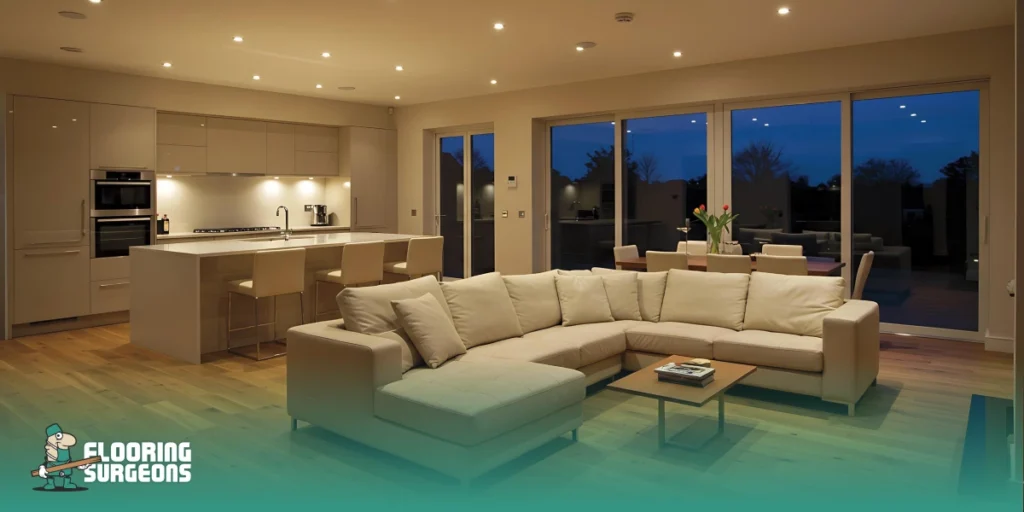
Mistake #9: Choosing Materials That Don’t Match Your Lifestyle
Nothing ruins a pretty room like living in a space that doesn’t work with your lifestyle. You may mourn your design choices when you pick furniture with ultra-feminine fabrics that tear or surfaces that show every fingerprint.
Why It Happens:
Many homeowners design a room with style as their main concern. They fail to account for factors such as durability, water resistance, pets, and children. Scratches, stains, or water rings can ruin your room and make it feel dated before you know it.
The Professional Solution:
Design experts take time to think about how a space will function day to day prior to choosing materials. Durability can be just as important as style when designing high‑traffic areas like kitchens, hallways and family living rooms. Waterproof Luxury Vinyl offers the beauty of natural wood without worrying about water damage, scratches and daily wear.
Expert Checklist for Lifestyle‑Friendly Materials
- Consider Traffic Levels: For high-traffic areas, such as entrances and kitchens, you’ll want flooring that’s built to last.
- Think About Maintenance: Consider whether you want a floor that needs resealing or special cleaning products.
- Plan for Pets and Kids: Having scratch‑resistant, waterproof floors can make a huge difference if you have pets or kids.
- Balance Beauty and Durability: Ideally, you want your interiors to be both beautiful and durable.

Mistake #10: Pushing All Furniture Against the Walls
Homeowners often think that pushing all the furniture against the walls will open up the room. Oddly enough, designers have found that doing just that makes rooms feel smaller. After all, when everything is pushed against the wall, it leaves an empty hole in the middle.
Why It Happens:
This error is often created by people wanting to create as much floor space as possible. But when all your furniture is pushed against the walls, your room will feel less cosy and lack visual anchors.
The Professional Solution:
Arrange your seating furniture away from the walls to create intimate conversation areas. Move your sofa out just 15–30 cm (6–12 inches) to make a difference.
Expert Checklist for Better Furniture Placement
- By pushing the chairs back so individuals can make eye contact.
- Additionally, use rugs to define zones and help anchor furniture groupings.
- Another tip is to allow breathing room, as negative space between furniture and walls can make rooms appear deeper.
- Avoid a large, open hole in the middle of your room.
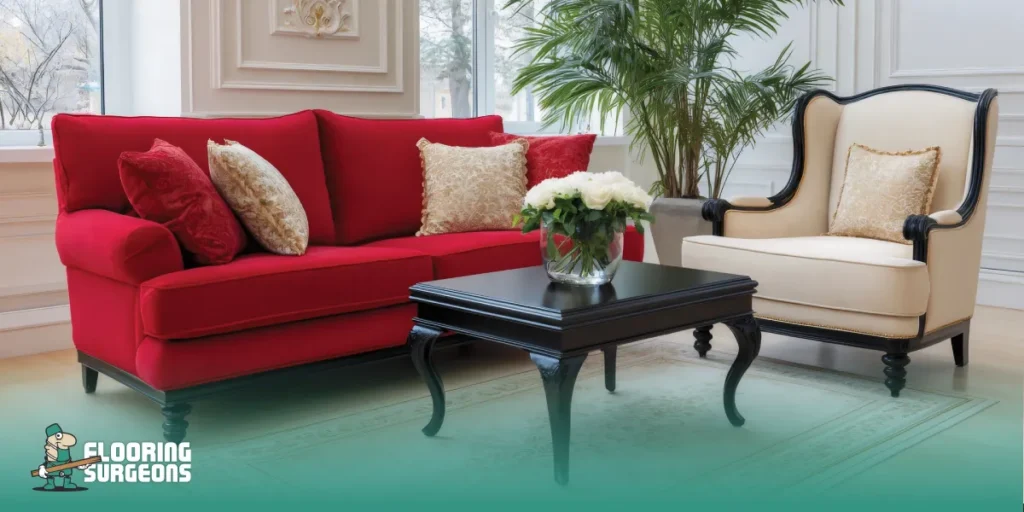
Mistake #11: Rushing the Design Process
One of the most common regrets among designers is not taking enough time with a project. Rushing the decorating process can result in clashing items, overspending, and an overall lack of flow in a room. This is often an avoidable mistake.
Why It Happens:
For instance, the excitement of completing a room can lead to impulse buying. Without a clear design direction, each purchase is made separately rather than as part of a bigger picture.
The Professional Solution:
To avoid these pitfalls, seasoned designers spend time creating a mood board and design plan before making any big purchases. They test out colours, textures, flooring, and furniture to see what works well together.
Decorating Tips from Top Designers for a Thoughtful Design Process
- Create a Mood Board: Gather images, colour swatches and fabric samples that you like.
- Start With Foundations: Invest in the big stuff first — think flooring and large furniture.
- Layer Gradually: Incorporate lighting, textiles, and accessories slowly.
- Avoid Impulse Buys: If something doesn’t fit with your design scheme, walk away.
Final Thoughts: Interior Design Mistakes to Avoid
Top designers admit to regretting earlier decisions. The key is learning to approach each room with preparation, symmetry, and a strong plan. Steer clear of these 11 decorating blunders, starting with key elements like floor plan, colour matching and flooring, and you’ll be well on your way to creating a room that feels curated, functional and forever stylish. Don’t just follow every passing trend; start planning your next space by focusing on what truly works for your needs and style.
If you’re selecting flooring as part of your design plan, you can explore a wide range of options at Flooring Surgeons to find styles that truly complement your space.

Ana.Soltanpoor
I’m an SEO Specialist with a strong background in content management and organic search. I build data-driven content strategies by aligning user intent, search behavior, and SEO best practices to ensure every piece of content delivers clarity, relevance, and measurable organic performance.