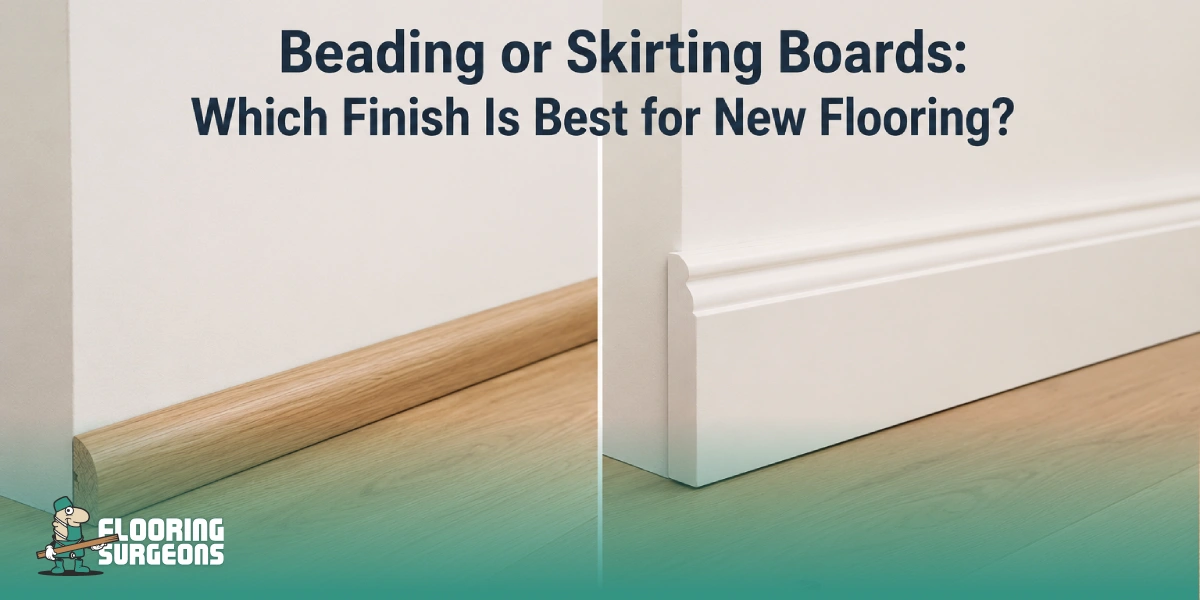
One question we get asked a lot when fitting new floors is should I fit beading or skirting boards? They both cover the expansion gap flooring around the edges of walls; however, they leave very different-looking finishes. Beading tends to be quicker and easier to install; however, skirting boards can offer a neater finish.
If you are looking to install new laminate flooring, engineered wood flooring, vinyl flooring or another surface protector, knowing the differences between these two finishing options can save you time and money while ensuring you end up with the finished look you desire. In this article, we will highlight the pros and cons of beading versus skirting boards, where each application excels and help you determine which option is best for you.
Table of contents
Quick Answer: Should I Use Beading or Skirting?
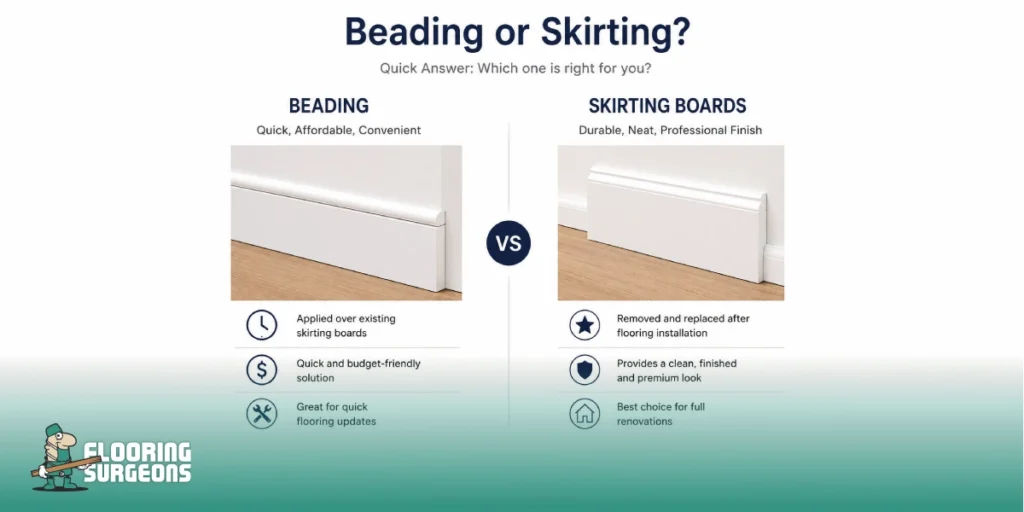
If the question is, should I use beading or skirting, then let me make it simple for you. If you want something quick and cheap, go with a bead. If you want something that looks nice and finished, install skirting boards.
Beading is typically applied over existing skirting boards, making it a great option for quick flooring updates. Skirting boards are typically removed and replaced after flooring installation. This allows you to cover the expansion gap more neatly.
Skirting boards will typically provide a nicer finished look for full renovation jobs. Beading tends to be the more realistic option if you’re on a budget or short on time.
Flooring Beading vs Skirting: Key Differences
Flooring beading vs skirting relates to how the gap around the edge of a room is finished. Beading is fitted to the front of the skirting board, while skirting boards are fitted to cover the edge of the flooring once it has been removed and refitted.
| Feature | Beading | Skirting Boards |
| Main purpose | Covers the gap in front of existing skirting | Covers the gap after being refitted |
| Appearance | More visible around the room edge | Cleaner and more seamless |
| Installation | Faster and easier | Takes more time and care |
| Cost | Usually cheaper | Usually costs more |
| Best for | Quick flooring upgrades | Full room renovations |
Beaded skirting is the easier option if you are keen to keep your existing skirting boards intact. Skirting boards provide a better finish if you want your floor to look like part of a whole-room package.
What Is Beading in Flooring?
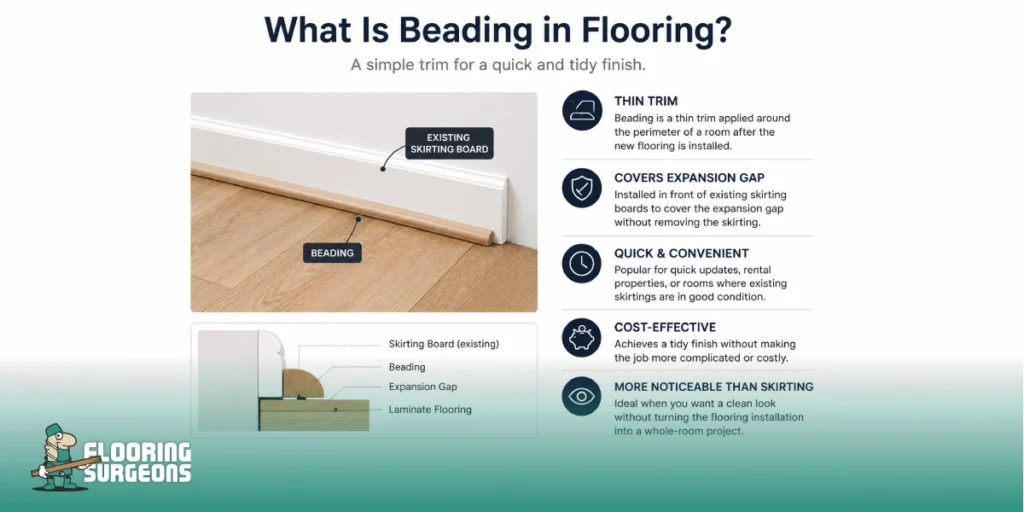
Beading is a thin trim applied around the perimeter of a room once the new flooring has been installed. It is typically installed in front of existing skirting boards to cover the expansion gap without removing the skirting beforehand.
Therefore, beading for laminate flooring is popular when you want a quick update, for rental properties, or for rooms where your existing skirtings look ok. It allows you to achieve a tidy finish without making the job more complicated or costly.
Beading has its uses, but it’s typically more noticeable than skirting. That’s why it’s ideal when you want a clean look without turning flooring installation into a whole-room project.
What Are Skirting Boards Used For?
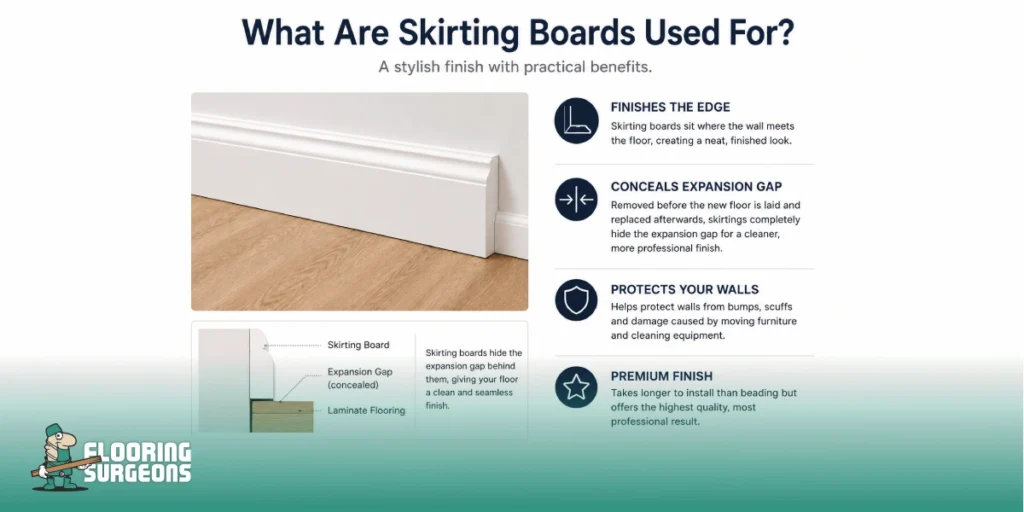
Skirting boards are where the wall meets the floor. They’re often used to finish an edge. When laying a new floor, they can be removed before the floor goes down and replaced afterwards. This allows you to completely conceal the expansion gap.
This is why many homeowners prefer skirting boards for laminate flooring during a full renovation. The gap hidden behind the skirting board rather than another trim means your finished job usually appears much cleaner and more professional.
In addition to offering decorative appeal, skirtings can also protect walls from bumps caused by furniture being moved and by general cleaning equipment. Skirting boards take longer to install than bead because there is more work involved; they are preferable if your goal is the highest possible finish.
Skirting Board vs Beading: Which Looks Better?
In most cases, skirting board vs beading skirting boards tend to give you the neater, more high-end finish. Since the edge of the floor is tucked under the skirting board, there is no additional trim in front of your wall.
Beading can look tidy even if you match it to the floor/skirting colour, but it tends to stand out more. As with contemporary interiors, it can make the room’s perimeter look busier than you’d imagined.
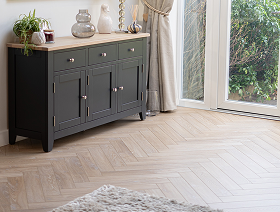
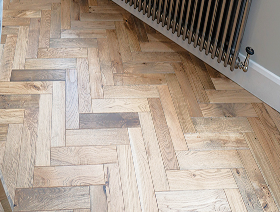
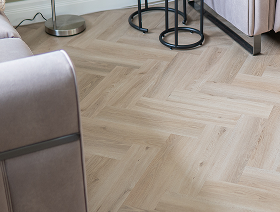
Decorative floors like herringbone flooring often suit skirting boards better as they frame the pattern more naturally and draw attention to the floor design.
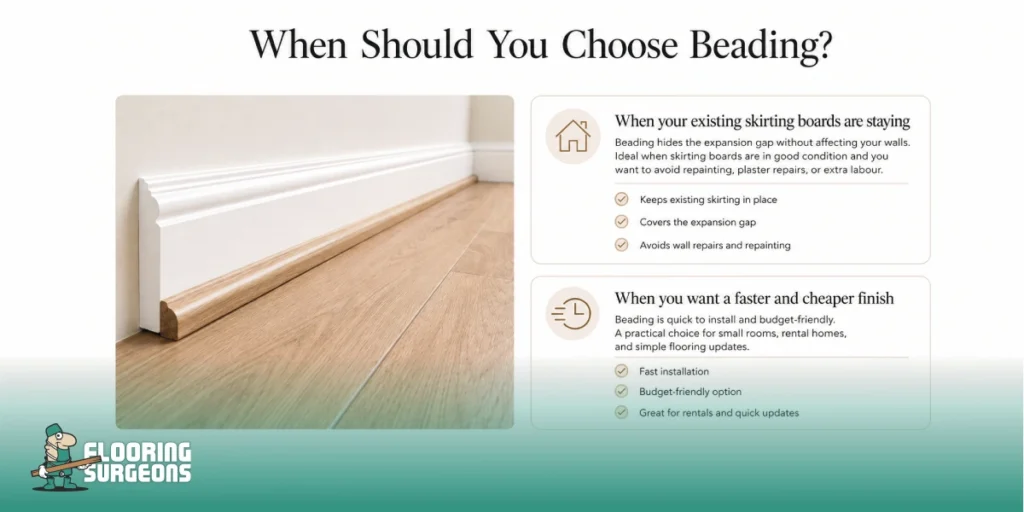
When Should You Choose Beading?
Beading is generally preferred when installing a new floor covering without removing the old skirting boards. It’s sensible, fast to install and cheaper than refitting or replacing skirting.
When your existing skirting boards are staying
If your skirting boards are in good condition, beading can hide the expansion gap without affecting your walls. Great when you don’t want to repaint, repair plaster or add more labour.
When you want a faster and cheaper finish
Budget and speed are another area where beading really shines. It allows you to add crisp lines to the room without elevating a simple flooring update to a full remodel. For some homeowners, this means beadboard is the most functional choice for small rooms, rental homes or quick updates.
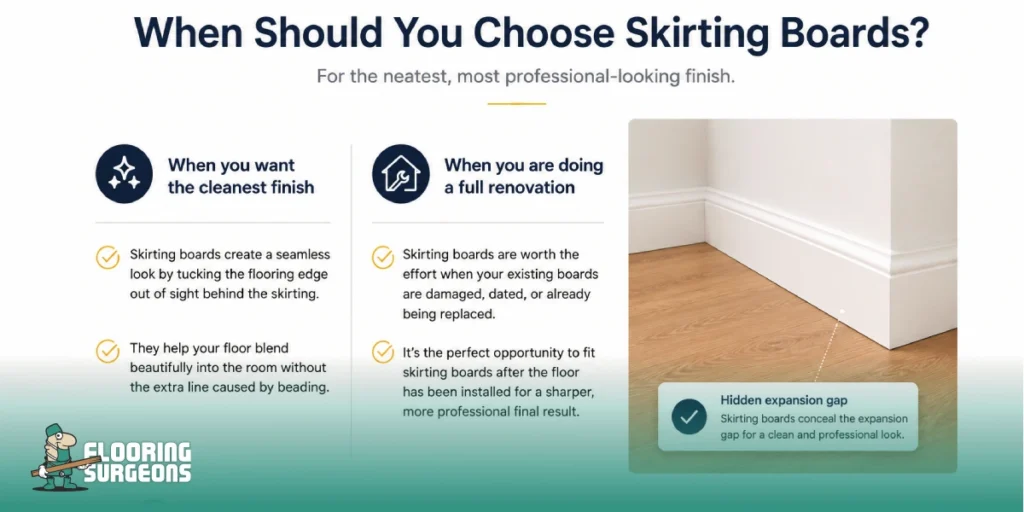
When Should You Choose Skirting Boards?
Skirting boards are generally preferred for the neatest, most professional-looking finish. Rather than having the trim visible in front of the wall, the flooring edge is tucked out of sight behind the skirting.
When you want the cleanest finish
Unless aesthetics are your primary concern, skirting boards are generally not worth the effort involved. They tend to make the floor blend into the room better and stop the extra line caused by beading around the edge.
When you are doing a full renovation
Skirting boards also become more worthwhile when renovating completely, particularly if your existing boards are damaged, dated, or already being replaced. In this case, it is a good opportunity to fit skirting boards after the floor has been installed, creating a sharper final result.
Which Finish Works Best for Different Flooring Types?
The correct finish will vary based on your flooring, the room’s style, and how refined you want the finished job to look. Some flooring requires a cleaner finish to accommodate its detail, while others can handle either bead or skirting.
| Flooring Type | Better Option |
| Laminate flooring | Beading or skirting, depending on budget |
| Engineered wood | Skirting boards for a more premium finish |
| Luxury vinyl | Either option can work well |
| Herringbone styles | Skirting boards usually look cleaner |
Laminate flooring
Laminate flooring can have either beading or skirting. Beading is typically used where existing skirting boards remain in place. Skirting boards usually give a neater finish if removed and refitted after installation.
Engineered wood floors
Skirting boards are generally better for engineered flooring if aesthetics are a concern. Engineered flooring is typically chosen for aesthetics, because hiding the floor edge behind the skirting makes the room look complete.
Luxury vinyl floors
With luxury vinyl flooring, you can use either method. Beading may be fine if you are just refreshing a room. However, skirting boards may provide a nicer finish if you are renovating the room too.
Herringbone flooring
Patterned floors, such as herringbone, often look neater with skirting boards. This is because another visible line would detract from the pattern itself.
The Role of Expansion Gaps and Why They Matter
The expansion gap is the narrow space left around the perimeter of a room when installing new floors. It allows adequate space for the floor to expand and contract with fluctuations in temperature and humidity. If it is not left, the floor may press up against the walls, causing it to lift, buckle, or develop uneven edges.
That’s where beading and skirting boards come in. They both cover up the gap once installed, but they approach it differently. Beading covers the gap at the front of the existing skirting boards. Skirting boards hide it neater when taken off and replaced after the floor has been installed.
Understanding expansion gap flooring is especially important during laminate flooring installation. This is because laminate flooring needs room to expand naturally after installation. Leaving the correct amount of expansion gap will ensure your floor looks great and functions correctly.
Final Verdict: Beading or Skirting Boards?
When deciding between beading or skirting boards, there is no single answer that suits every project. Beading will typically be your best bet when time and budget are at a premium, and you intend to keep your existing skirting boards intact. Skirting typically offers a cleaner, less conspicuous finish than beading, so it’s generally preferred for complete renovations and higher-end interiors.
If you are still wondering whether to use beading or skirting, it really depends on how much you want to spend, the condition of your current skirting boards, and the finish you are looking for. Knowing the benefits of each will help you choose a finishing touch that suits your floors and room.
Here at Flooring Surgeons, we feel that good flooring jobs start with making informed decisions. Deciding on laminate flooring, engineered wood, vinyl flooring, or herringbone can be a daunting task, but picking the right finishing detail can really stand out.

Ana.Soltanpoor
I’m an SEO Specialist with a strong background in content management and organic search. I build data-driven content strategies by aligning user intent, search behavior, and SEO best practices to ensure every piece of content delivers clarity, relevance, and measurable organic performance.