

When it comes to patterned wood flooring, chevron vs. herringbone is a debate that often arises. Both patterns boast striking geometric designs that bring depth, rhythm, and sophistication to any room. However, while their zigzag patterns might appear similar at first glance, the difference between chevron and herringbone pattern goes beyond just the look, influencing everything from aesthetics to installation.
Chevron vs herringbone floor patterns each have their own unique charm. Chevron flooring features sharply angled planks that form a seamless “V” shape, creating a bold and symmetrical appearance. On the other hand, herringbone flooring uses rectangular planks arranged at 90-degree angles, resulting in a more subtle, broken zigzag design. These key differences affect not only the visual appeal but also the installation complexity, durability, cost, and the overall ambiance of the room.
At Flooring Surgeons, we specialize in both styles, offering expert advice and premium selections nationwide. Whether you’re drawn to the dynamic precision of chevron vs herringbone hardwood floors or the timeless elegance of herringbone, this guide will help you navigate the differences so you can make an informed choice for your home.
Table of contents
What Is Chevron Flooring?
The term “chevron” comes from the French word for “slope” or “rafter of a roof,” and its striking geometric design has roots in ancient Rome. It became a hallmark of elegance in 17th-century France, adorning the floors of royal palaces and aristocratic homes. Chevron flooring uses planks cut at 45° or 60° angles to create a sleek, flowing ‘V’ pattern.
Unlike other parquet patterns, the ends of each board meet in a straight line, forming a symmetrical zigzag that feels sleek, dynamic, and modern. This pattern creates a sense of movement, guiding the eye along the floor and making spaces feel longer, wider, and more open. As a result, chevron flooring is ideal for smaller or narrow rooms, like hallways or apartments, where the flow and sense of space are essential. Chevron floors come in various materials, including engineered wood, solid wood, laminate, and luxury vinyl (LVT). Engineered wood, particularly, is a popular choice for its authenticity, stability, and ease of installation compared to traditional solid parquet.
Whether you prefer the classic warmth of oak, the richness of walnut, or a sleek light finish, chevron flooring blends historical elegance with modern versatility, making it one of the most timeless and stylish choices for any space.
What Is Herringbone Flooring?
Herringbone flooring gets its name from the zigzag bone structure of the herring fish. This pattern dates back thousands of years, originally used in ancient Mesopotamia and Egypt for strong, stable roads. Over time, it became a signature style in European palaces, like the iconic herringbone floors of Château de Fontainebleau in France (1539).
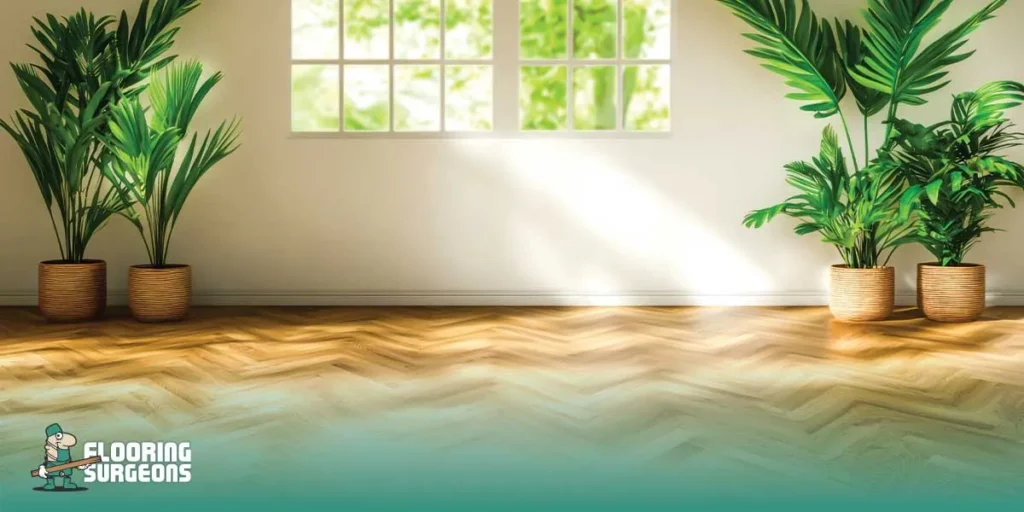
In herringbone floors, planks are arranged at 90-degree angles, creating a broken zigzag. Unlike the sharp “V” of chevron, the boards overlap at the ends, adding texture and depth. This design not only looks striking but also enhances durability, spreading pressure evenly across the floor.
Available in materials like engineered wood, solid wood, laminate, and luxury vinyl, herringbone fits both traditional and modern spaces. Its timeless charm brings warmth and elegance to any room.
Pro Tip: In large rooms or hallways, herringbone flooring adds structure and sophistication, instantly elevating your space.
Chevron vs Herringbone: Key Differences
When comparing chevron vs herringbone flooring, the difference between chevron and herringbone pattern lies in the plank arrangement. Chevron features sharp, angled cuts forming a continuous “V,” while herringbone uses 90-degree angles for a broken zigzag design.
These differences affect installation, cost, and durability, especially when choosing chevron vs herringbone hardwood floors. Chevron offers a bold, seamless look, while herringbone brings subtle texture and traditional charm.
Installation: Chevron vs Herringbone
Chevron flooring requires precise cuts at 45° or 60° angles, creating a seamless “V” shape that demands professional skill and accuracy. Even slight misalignments can disrupt the pattern’s symmetry.
In contrast, herringbone uses rectangular planks arranged at 90° angles, with overlapping ends that form a broken zigzag. This pattern is more forgiving and easier to install, making it ideal for DIY projects or quick-fit systems like click-lock engineered boards.
Simply put, chevron offers a sleek, directional look but needs expert installation, while herringbone is more adaptable and easier for DIY or faster setups.
Installation Cost Comparison
Because of the complex angled cuts and meticulous alignment required, chevron flooring installation tends to cost more. It also produces more offcuts, which add to material costs.
Herringbone flooring, on the other hand, is faster to install and generates less waste, making it the more cost-effective option overall especially for large residential or commercial spaces.
That said, the final cost for both styles depends on several factors, including:
- Flooring type (engineered, solid wood, laminate, or luxury vinyl)
- Material grade and finish
- Subfloor preparation and underlay requirements
Durability and Maintenance
When it comes to long-term performance, herringbone flooring has a slight advantage. Its interlocking 90° design evenly distributes weight and pressure, reducing wear and extending the floor’s lifespan. It also does a better job of concealing minor scratches and dents.
Chevron flooring, though durable, requires more maintenance. The sharp angles can trap dust and debris in the grooves where the planks meet, so regular sweeping or vacuuming is key to preserving its sharp, defined look.
For those seeking low-maintenance options, engineered or LVT herringbone flooring might be the best choice.
Visual Impact and Room Perception
From a design standpoint, both chevron and herringbone floors make bold statements — but in different ways.
- Chevron flooring creates a sense of movement and flow, leading the eye across the room. This directional quality can make narrow hallways, corridors, or small rooms appear longer and more spacious.
- Herringbone flooring adds depth and dimension, giving interiors a luxurious, textured appearance. It’s especially striking in large, open spaces like living rooms or entryways, where the intricate pattern enhances sophistication.
For design balance:
- Use light chevron flooring to open up smaller spaces.
- Choose dark or medium herringbone flooring for larger rooms to create warmth and grandeur.
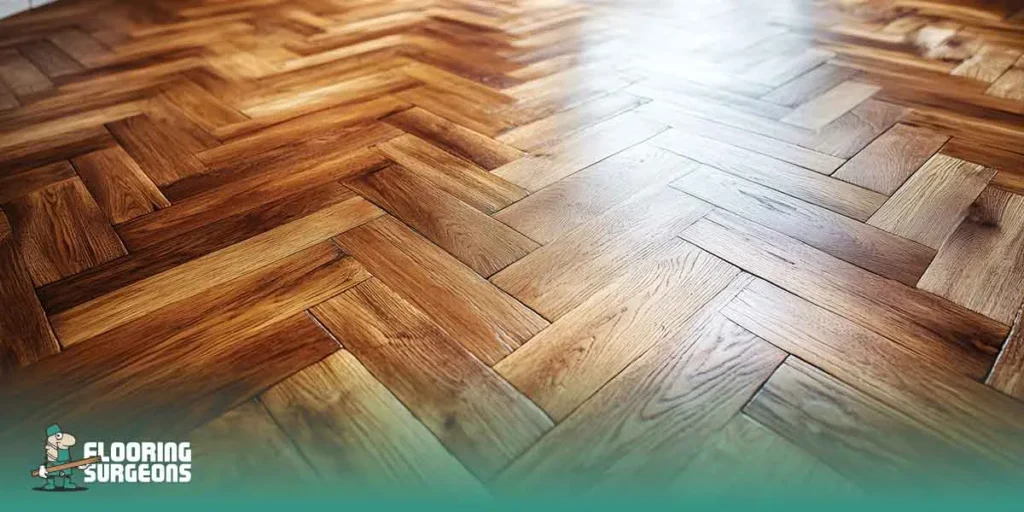
What Are the Key Differences Between Chevron and Herringbone?
Although chevron and herringbone flooring share a similar zigzag appeal, the way each pattern is cut, installed, and perceived creates a very different visual and structural result.
Here’s a quick comparison to help you identify which one best suits your space:
| Feature | Chevron Flooring | Herringbone Flooring |
| Installation Angle | Cut at 45° or 60°, forming a perfect “V” shape | Planks laid at 90°, creating an interlocking zigzag |
| Visual Effect | Creates flow and direction, making rooms appear longer or wider | Adds texture, rhythm, and depth, ideal for a luxurious feel |
| Cost & Complexity | Higher, due to angled cutting and precision fitting | Lower, faster to install with less waste |
| Durability | Needs regular maintenance to prevent dust buildup in joints | Distributes pressure evenly for enhanced longevity |
| Style | Modern, sleek, and geometric | Classic, timeless, and heritage-inspired |
Choose chevron flooring for a sleek, modern, and dynamic look. Opt for herringbone if you prefer a timeless, warm design that combines durability with classic elegance.
Material Options for Chevron and Herringbone Flooring
Both chevron vs herringbone wood floor options can be crafted from a variety of materials, each offering distinct benefits in terms of aesthetics, cost, and maintenance. Whether you prefer the natural elegance of wood or the durability of modern alternatives, there’s a material to match every style and budget.
For a traditional feel, solid or engineered wood provides the timeless beauty and warmth of natural wood, while laminate or luxury vinyl offers a more affordable, low-maintenance option. If you’re considering a difference between chevron and herringbone tile, both patterns can be achieved with ceramic or porcelain tiles for a sleek, modern finish that’s easy to clean and maintain. Each material gives you the flexibility to achieve the look you want with different performance and care requirements.
Engineered Wood | The Most Popular and Stable Choice
Engineered wood is by far the most common material for chevron and herringbone floors. Built from multiple layers of timber with a genuine hardwood top layer, it provides the warmth and natural beauty of real wood while offering excellent structural stability.
It’s less likely to warp or expand with humidity, making it ideal for UK homes with underfloor heating.
Best for: Living rooms, dining areas, and open-plan spaces where you want an authentic wood look with reliable performance.
Solid Wood | Traditional, Luxurious, and Long-Lasting
For pure craftsmanship and heritage appeal, solid wood flooring remains unmatched. Each plank is milled from a single piece of timber, delivering a deep, rich grain and a premium finish.
However, solid wood is more sensitive to temperature and moisture changes, and the precision cuts required for chevron or herringbone patterns can increase both cost and waste.
Best for: Grand interiors or period properties where traditional detailing and long-term refinishing are priorities.
Laminate Flooring | Affordable and Easy to Maintain
If you love the look of chevron or herringbone wood floors but need a more budget-friendly option, laminate flooring is a practical solution. Modern laminates mimic real timber with impressive realism, complete with embossed textures and matte finishes. They’re also resistant to scratches and stains — perfect for busy households.
Best for: High-traffic rooms like hallways, living rooms, or rental properties that need low-maintenance durability at a lower cost.
Luxury Vinyl Flooring (LVT) | Water-Resistant and Versatile
For rooms exposed to moisture such as kitchens, bathrooms, or hallways Luxury Vinyl Flooring (LVT) offers the best combination of style, strength, and water resistance.
LVT planks can be laid in chevron or herringbone designs, offering realistic wood visuals with a softer, warmer feel underfoot. They’re also easy to clean and highly durable, making them ideal for modern family living.
Best for: Kitchens, bathrooms, utility rooms, and commercial spaces requiring waterproof flooring with high aesthetic appeal.
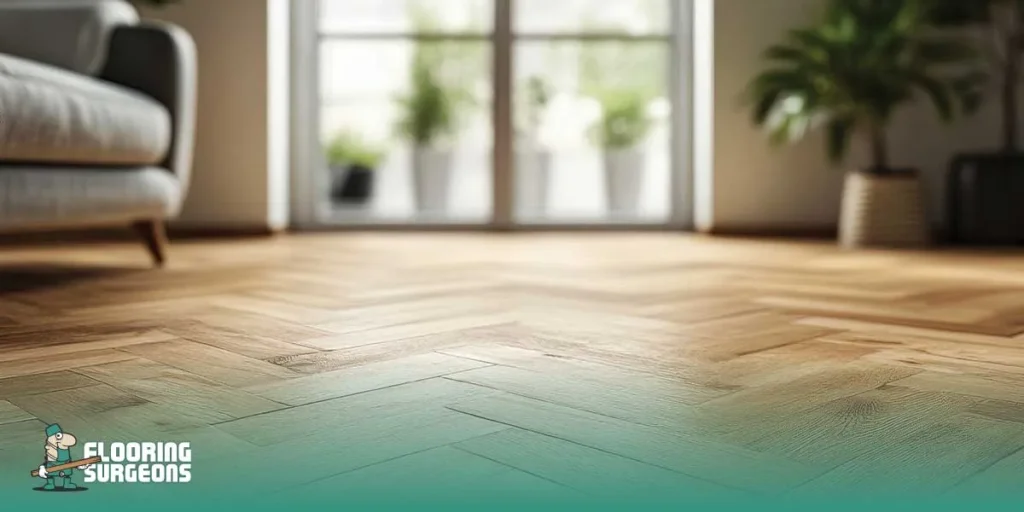
History and Origins of Chevron and Herringbone Patterns
The story of Chevron vs Herringbone wood floor patterns spans centuries of architectural and design heritage, from ancient roads to royal palaces. Both patterns, while sharing a common geometric rhythm, reflect distinct cultural legacies and visual philosophies, each adding unique depth to their respective styles.
Chevron, with its sharp V-shaped design, first appeared in the Roman Empire and has since been a symbol of modern sophistication. Herringbone, inspired by the skeletal structure of the herring fish, dates back to ancient Mesopotamian roads, symbolizing strength and stability.
Difference between chevron and herringbone tile: While both designs have evolved over time, their origin stories and applications remain deeply rooted in history, with each representing different aspects of design evolution.
Chevron Flooring | From the Roman Empire to French Elegance
The chevron pattern first appeared during the Roman Empire in the 2nd and 3rd centuries AD, when it was used in stone paving and textiles. However, its actual rise to fame came much later — in 17th-century France, where it became a hallmark of aristocratic style.
Palaces, châteaux, and grand Parisian apartments embraced chevron wood flooring for its symmetrical, arrow-like “V” design, which symbolised refinement and forward motion.
Even today, it remains a favourite in modern European interiors, admired for its precise geometry and dynamic visual flow.
Herringbone Flooring | The Ancient, Enduring Classic
The herringbone pattern predates the chevron by several millennia. Inspired by the skeletal structure of the herring fish, this design was used in Mesopotamian and Egyptian architecture to strengthen roads and walls.
By the Renaissance period, herringbone had become a symbol of sophistication across Europe. The Château de Fontainebleau in France (1539) famously showcases one of the earliest surviving examples of wooden herringbone parquet flooring still admired for its craftsmanship and longevity.
Today, herringbone continues to represent timeless luxury and architectural balance, seamlessly blending old-world charm with contemporary design.
Advantages and Disadvantages of Chevron and Herringbone Flooring
Choosing between chevron and herringbone flooring isn’t just about style it’s about matching performance, maintenance, and cost to your space’s needs. Here’s how they compare:
Chevron Flooring – Striking and Modern, But Precision-Dependent
Advantages:
- Creates a bold, directional flow that makes rooms appear longer or wider.
- Adds a modern and luxurious statement to interiors.
- Works beautifully in minimalist and contemporary spaces.
Disadvantages:
- Requires angled cuts (45° or 60°) and precise alignment → higher installation cost.
- Slightly more waste and a time-consuming installation process.
- Dust and debris can accumulate along V-shaped joints if not cleaned regularly.
Best suited for: Modern homes, boutique retail stores, or design-driven commercial spaces seeking a sleek, refined atmosphere.
Herringbone Flooring | Durable, Classic, and Visually Balanced
Advantages:
- Provides excellent structural strength and evenly distributes foot pressure.
- Enhances the feeling of warmth and sophistication in any space.
- Compatible with many flooring materials, including engineered wood, LVT, and laminate.
Disadvantages:
- Requires accurate alignment of rectangular planks during installation.
- It can appear visually “busy” in tiny rooms unless lighter tones are chosen.
Best suited for: Large family homes, hotels, offices, and heritage projects where durability and elegance are equally valued.
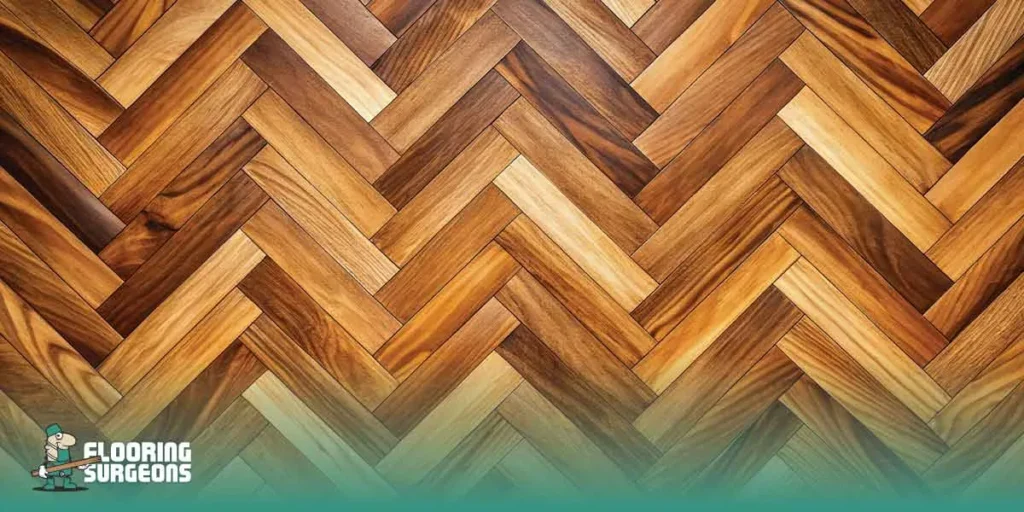
Which Design Works Best for Different Spaces?
Both chevron and herringbone flooring can dramatically transform your interior but the best choice depends on your room size, lighting, and overall design style.
- Small Rooms & Hallways → Chevron Flooring
The continuous “V” shape of chevron floors creates visual movement, helping elongate and widen compact spaces. It’s perfect for narrow hallways, entryways, or apartments, giving the illusion of more space without overwhelming the room. - Large Living Areas → Herringbone Flooring
The interlocking herringbone layout adds depth, rhythm, and luxury to wide, open-plan rooms. It visually balances large areas and adds a sense of sophistication, ideal for living rooms or hotel lobbies. - Modern Interiors → Chevron
If your home features minimalist or Scandinavian design, chevron flooring’s geometric precision complements clean lines and contemporary decor beautifully. - Traditional or Heritage Homes → Herringbone
Herringbone’s timeless symmetry feels right at home in Victorian, Georgian, or period-style properties, adding heritage character and warmth.
Which Flooring Style Fits Your Home: Chevron or Herringbone?
If you love bold, modern symmetry, chevron flooring is your perfect match. It brings dynamic movement and striking drama to any space, making it ideal for a contemporary look.
If timeless elegance and balance appeal more to you, herringbone flooring is the way to go. It offers subtle sophistication and a rich sense of heritage, perfect for those who appreciate classic design.
While chevron vs herringbone wood floor may appear similar at first, chevron creates a more directional flow, whereas herringbone offers a textured, traditional look. Both styles are available in materials such as engineered wood, solid wood, laminate, or luxury vinyl, allowing you to select based on your budget and maintenance preferences.
Need expert advice?
At Flooring Surgeons, our specialists are ready to guide you through the difference between chevron and herringbone tile or hardwood options, helping you choose the ideal pattern and material for your lifestyle, budget, and design vision.
Are Chevron and Herringbone Flooring Timeless Designs or Fading Trends?
When it comes to interior design longevity, chevron and herringbone floors are true timeless classics — not fleeting trends. Dating back centuries, both patterns have evolved with modern design, staying relevant through every era. In the 2020s, they’ve made a significant comeback in UK homes, blending traditional craftsmanship with contemporary finishes like matte oaks, smoked greys, and whitewashed tones.
Their enduring appeal lies in versatility: they complement both heritage properties and sleek urban apartments, proving that great design never goes out of style.
To ensure your interior design remains timeless and on-trend, choosing the right patterned flooring like Chevron or Herringbone can make a significant impact. Want to find out which one suits your space best? Check out our How to Choose the Right Patterned Flooring guide and make an informed decision for your home today.
How to Care for Chevron and Herringbone Floors
Proper maintenance ensures your patterned floor remains stunning for decades.
- Use pH-neutral cleaners to avoid damaging wood or protective finishes.
- Avoid excess water when mopping — a lightly damp microfiber mop is best.
- Place felt pads under furniture to prevent scratches and dents.
- Vacuum or sweep regularly to remove grit that could dull the surface.
Tip: For engineered or wood floors, consider re-oiling every few years to restore their natural sheen.

Cost Comparison: Chevron vs Herringbone Flooring
Cost can vary depending on material, labour, and pattern complexity, but here’s a general breakdown for UK installations:
| Material Type | Chevron Flooring (avg. £/m²) | Herringbone Flooring (avg. £/m²) |
| Engineered Wood | £65–£100 | £55–£90 |
| Solid Wood | £85–£130 | £70–£110 |
| Laminate | £25–£45 | £20–£40 |
| Luxury Vinyl (LVT) | £40–£70 | £35–£60 |
Chevron typically costs 10–20% more due to angled cutting and longer fitting times. However, the final look often justifies the investment for high-end interiors.
Request a free quote from Flooring Surgeons to get precise pricing based on your chosen material, room size, and finish.
Other Alternatives to Chevron and Herringbone Flooring
If you love parquet patterns but want something different, there are other elegant flooring layouts worth exploring:
- Straight Plank Flooring: Simple, seamless, and ideal for modern minimalism.
- Basket Weave Parquet: Offers a woven effect for traditional luxury.
- Versailles Pattern: Inspired by royal French châteaux — a grand, intricate style.
Explore more designs in our Parquet Flooring Collection to find the pattern that best suits your space.
Still unsure whether Chevron or Herringbone flooring best fits your home?
Visit our Flooring Surgeons showrooms in Birmingham or Wolverhampton to see samples up close and feel the difference in quality.
Our design team is here to help you choose the correct pattern, colour, and finish for your space — combining aesthetics, durability, and comfort.

Darya
Darya is a contributor at Flooring Surgeons, sharing insights and expertise through published articles.