



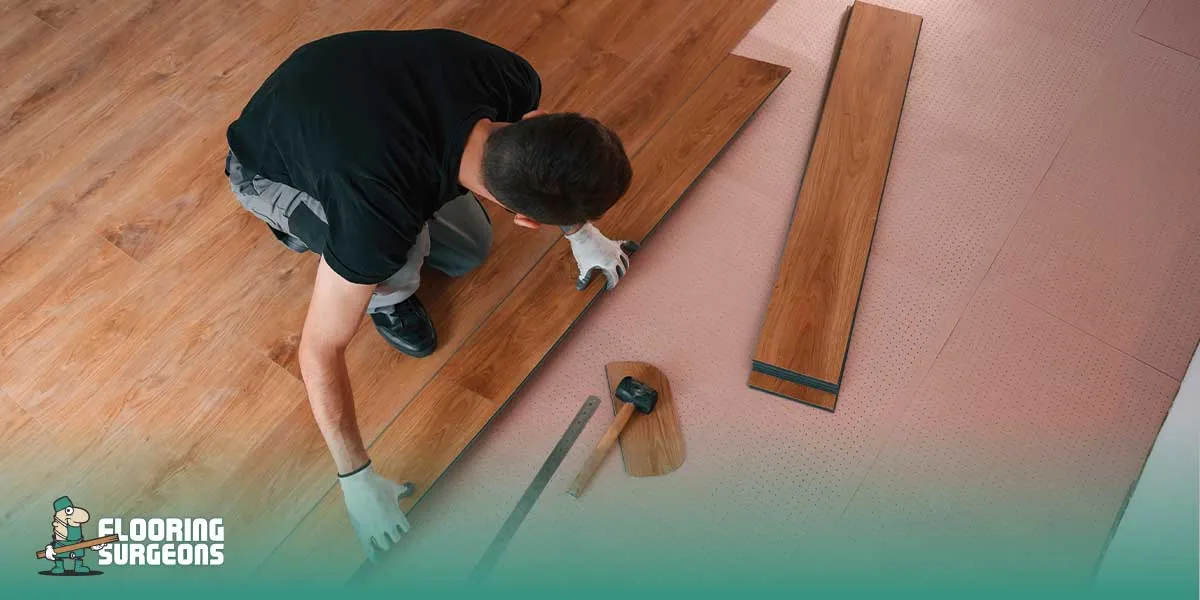
One of the most frequently asked questions by homeowners who are installing engineered wood flooring is whether engineered wood flooring underlay is needed or not. It feels like an extra step, but a well-installed underlay for engineered wood flooring guarantees the performance, comfort, and longevity of your floor. The correct engineered flooring underlay not only provides protection against dampness and noise but also improves the comfort of the flooring and extends its lifespan. In this guide, we will make sure that you understand why engineered wood underlay is needed, how to choose the correct one, and how it impacts your flooring installation. Whether you are doing it yourself or have someone else do it, understanding what engineered wood underlay does could be what makes the difference in your flooring experience.
Table of contents
Engineered Wood Flooring Underlay: Essentials & Benefits
Using underlay on engineered wood floors is important for achieving optimal performance from your floor installation. Engineered wood flooring underlay serves multiple functions that impact the performance, comfort, and longevity of your floor directly. Here’s why it’s important:
| Benefit | Description |
| Moisture Protection | Acts as a moisture barrier, preventing damage from moisture in concrete subfloors or high-humidity areas. |
| Sound Reduction | Absorbs impact and reduces noise transmission, providing a quieter, more comfortable living space. |
| Comfort & Cushioning | Provides additional cushioning, making the floor more comfortable to walk on and improving durability. |
| Thermal Insulation | Some underlays offer thermal properties, keeping the room temperature stable and improving energy efficiency. |
| Smoothing Subfloor Imperfections | Helps level minor imperfections in the subfloor, ensuring an even surface for flooring installation. |
By selecting the right underlay for engineered flooring, you can enhance the overall performance and longevity of your flooring system, ensuring it lasts for years while maintaining a high level of comfort and stability.

When and Why to Use an Underlay?
Generally, it is recommended to use an underlayment when installing engineered wood flooring. Underlayment serves several important purposes in the installation process:
Moisture Protection: Underlayment helps to create a moisture barrier between the subfloor and the engineered wood flooring. This is particularly important in areas with high humidity levels or when installing the flooring over concrete subfloors, as moisture can damage the wood over time.
Sound Reduction: Underlayment can help reduce noise transmission, providing a quieter and more comfortable living environment. It absorbs impact and reduces the sound of footsteps and other noises.
Smoothing Imperfections: Underlayment can help level minor imperfections in the subfloor, creating a smoother and more even surface for the flooring installation. This can be especially important to ensure a uniform appearance of the finished floor.
Thermal Insulation: Some underlayment materials offer thermal insulation properties, helping to keep your home more energy-efficient and comfortable.
Cushioning: Underlayment provides a cushioning effect underfoot, making the floor more comfortable to walk on.
The specific type of underlayment you should use may vary depending on factors such as the type of subfloor, the manufacturer’s recommendations, and your local building codes. Common types of underlayment include foam, felt, cork, and rubber. It’s important to follow the manufacturer’s guidelines and local building codes when selecting and installing underlayment for engineered wood flooring to ensure proper performance and longevity of your flooring system.

Floating vs. Glue-Down Flooring: Benefits of Underlay
When making a choice between glue-down and floating installation of engineered wood flooring, here is one thing that is certain: both are great with underlay for engineered flooring. Regardless of the method of installation, underlay for engineered flooring provides engineered wood flooring with its required advantages that make performance and overall floor comfort better.
Moisture Protection, Comfort, & Durability
Underlayment for engineered hardwood floor is extremely crucial to save the wood and make it durable. Here is why:
- Moisture Protection: Floating engineered flooring or glue-down planks can be compromised by moisture, especially in basements or when installed over concrete subfloors. Proper engineered wood flooring underlay serves as a barrier that keeps moisture from reaching the wood, causing it to warp and decay over time. This layer of protection helps maintain the integrity of your floor.
- Comfort Underfoot: One of the biggest benefits of laying underlay for engineered wood flooring is the added comfort. Floating engineered flooring especially benefits from the cushion underfoot, which takes the impact and makes walking quieter and more comfortable. For glue-down installations, the underlay helps to create an even surface, eliminating any potential for unevenness caused by subfloor deviations.
- Enhanced Durability: Engineered flooring underlayment significantly adds to the durability of the floor, since it takes the impact and reduces wear and tear over time. In floating and glue-down installations, this extra cushioning protects the floor from damage caused by foot traffic, furniture, and other impacts, keeping your floor looking beautiful for years.
In conclusion, no matter the installation method, using engineered wood flooring underlay provides moisture protection, boosts comfort, and enhances the floor’s durability, making it a wise investment for both new installations and upgrades.
Types & Thickness of Engineered Wood Flooring Underlay
When choosing underlay for engineered wood flooring, the choice of type and thickness plays a significant role in ensuring the best performance. The type you select determines the extent of protection against moisture, sound insulation, and comfort, whereas the thickness adds to general durability and foot comfort.
Materials and Insulation Properties
Different materials utilized to produce engineered wood flooring underlayment have different benefits. Selecting the correct material for your specific needs will offer superior performance for your floor system. The most common materials are outlined below:
| Material | Benefits |
| Foam | Provides cushioning, moisture protection, and some sound insulation. Ideal for floating floors. |
| Cork | Eco-friendly and excellent for sound reduction, especially in high-traffic areas. |
| Rubber | Durable, soundproof, and great for impact resistance, perfect for high-traffic or commercial spaces. |
| Acoustic Insulation | Specialized for noise reduction, ideal for apartments or multi-story homes. |
These materials also offer thermal insulation, helping maintain a comfortable temperature and enhancing energy efficiency.
Foam, Cork, Rubber & Acoustic Insulation Options
Each type of underlay for engineered wood flooring offers its own advantages, based on your needs. Foam is perfect for something that is affordable and versatile for moisture control and comfort. Cork works as naturally as a soundproofing product, while rubber is perfect for long-term durability and sound resistance. In scenarios where noise issues are present, especially in apartments, acoustic insulation is perfect to achieve a quieter living area.

Choosing the Right Thickness
Regarding thickness, the right choice depends on the condition of the subfloor, the level of comfort desired, and the specific needs of your region. A thicker underlay is ideal for added cushioning and sound protection, but a thinner underlay is ideal for a more rigid and supportive floor. Flooring Surgeons recommends following the manufacturer’s guide and considering the specific conditions of your space in selecting the ideal thickness.
Sound Insulation, Moisture Barriers, and Subfloor Preparation
While installing engineered wood flooring, sound insulation, moisture barriers, and subfloor preparation are essential to create a long-lasting, high-performance floor. The right underlay for engineered wood flooring keeps out moisture damage, reduces noise transmission, and offers a smooth, stable surface for your flooring system.
Using Vapor Barriers and Preparing Subfloors
Proper subfloor preparation and the use of vapor barriers are essential processes in ensuring that your engineered wood flooring lasts for decades without issue.
A vapor barrier is a protection against moisture, especially when putting it over concrete or where humidity levels are high. Moisture will pass through the subfloor and make your floors warped, damaged, or moldy. Adding a vapor barrier is building a protection that doesn’t allow moisture in, keeping your engineered wood floor intact.
Just as vital is the preparation of the subfloor. Prior to installing any underlay or flooring, inspect the subfloor for cleanliness, dryness, and evenness. If the subfloor is uneven or dirty, it can contribute to weak adhesion, creaking floors, and possible long-term injury. Spend the time to fix any imperfections and have a smooth surface for optimum results. Your engineered wood flooring will be stable, hard-wearing, and stunning for years to come when well-prepared.

Installation Mistakes and Final Recommendations
Engineered wood floor underlay installation can make or destroy the performance and life expectancy of your floor, but it’s easy to get it wrong during installation. By learning some common errors and doing it the correct way, you will be guaranteed to avoid these issues and end up with a smooth, durable floor.
“To ensure your engineered wood floors perform their best, it’s crucial to choose the best flooring for underfloor heating learn more about the top options in our detailed guide.”
Common Mistakes with Underlay and Transitions
Incorrect Underlay Alignment: Underlay engineered flooring that is incorrectly aligned is the most common of the errors, which can lead to uneven floors or exposed seams. Ensure the underlay is flat and solidly joined for a clean finish.
Incorrect Type of Underlayment: Not every underlayment is alike. Choosing the correct engineered wood flooring underlayment depends on the type of subfloor and the conditions in the room. The use of a moisture-resistant underlayment in wet areas or a more substantial underlayment for sound purposes in high-traffic areas will maximize the performance of the floor.
Skipping Preparation of the Subfloor: A successful job relies heavily on the correct preparation of the subfloor. Failure to clean, level, and dry the subfloor may result in an uneven floor surface, potentially affecting the underlay and flooring performance.
Neglecting Transitions: Transitions between rooms or between flooring levels must be approached with caution. Lacking the right engineered flooring underlay in these spaces, you could end up with gaps, warping, or uneven transitions that detract from the appearance of your floor.
Final Recommendations
To achieve the best result with your engineered wood flooring underlay, do the following:
- Select the appropriate underlay for your flooring type and room conditions.
- Prepare your subfloor thoroughly to ensure a smooth, stable surface.
- Ensure proper alignment and tight seams when laying down the underlay.
- Pay attention to transitions to maintain a seamless and professional finish.
By avoiding these common mistakes and following the right guidelines, you’ll enjoy a beautifully installed, durable engineered wood flooring underlay that enhances your space for years to come.

bruno
bruno is a contributor at Flooring Surgeons, sharing insights and expertise through published articles.