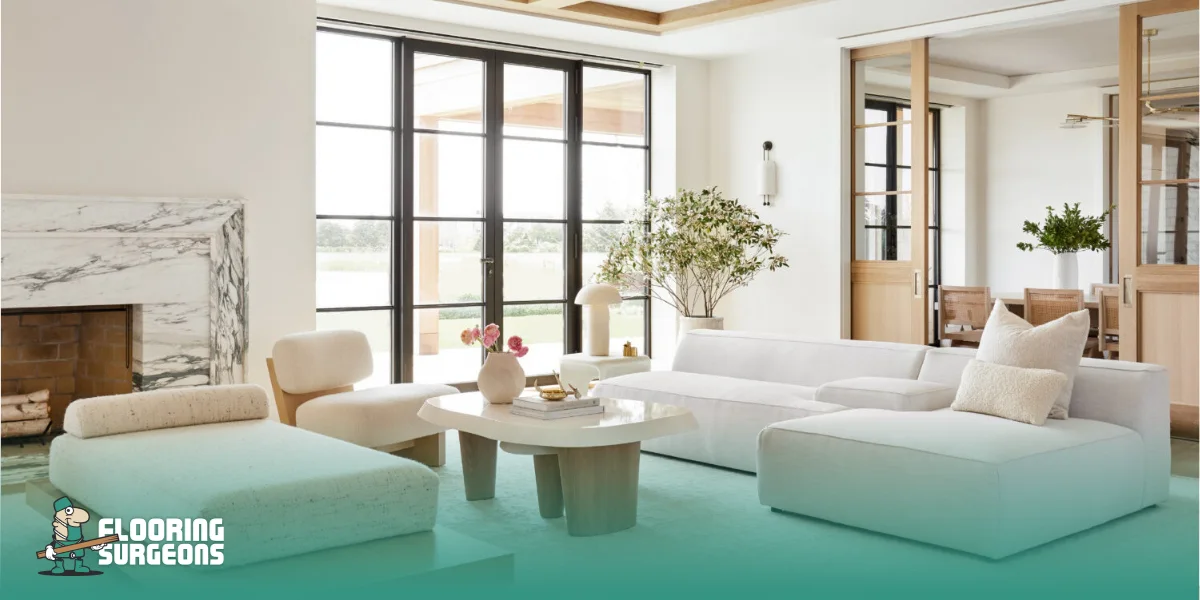
Warm minimalism takes the crisp, clean look of minimal design and softens it up. Picture open spaces, clean lines, and not a lot of stuff lying around, yet the room feels cosy. That’s thanks to warm neutral colours, natural materials like wood, and textures you actually want to touch. It’s perfect if you love the calm vibe of minimalism but wish it felt a little more inviting.
In this guide, we’ll explain what warm minimalism is and break down the top 3 styles. You’ll see how each one stands out, and pick up ideas you can use in your own space. No need to overthink it.
Table of contents
What Is Warm Minimalism?
So, what’s warm minimalism, really? Think of it as minimalism that actually feels alive. You still stick to the “less is more” approach, fewer things, clean surfaces, plenty of space to breathe, but you lose that cold, museum vibe. Instead, there’s an inviting warmth. That cosiness comes from three big things: soft, neutral colours (like cream, sand, or taupe), natural materials (wood, linen, stone), and layers of gentle textures and light.
Here’s an easy way to spot it: if the room feels calm even before you notice what’s in it, you’re probably seeing warm minimalism in action. If you love that deep sigh of relief when you walk into a space, you’ll want to check out this deeper dive on Why Some Homes Feel Calm the Moment You Step Inside.
What Is Warm Minimalism?
So, what’s warm minimalism, really? Think of it as minimalism that actually feels alive. You still stick to the “less is more” approach, fewer things, clean surfaces, plenty of space to breathe, but you lose that cold, museum vibe. Instead, there’s an inviting warmth. That cosiness comes from three big things: soft, neutral colours (like cream, sand, or taupe), natural materials (wood, linen, stone), and layers of gentle textures and light.
Here’s an easy way to spot it: if the room feels calm even before you notice what’s in it, you’re probably seeing warm minimalism in action. If you love that deep sigh of relief when you walk into a space, you’ll want to check out this deeper dive on Why Some Homes Feel Calm the Moment You Step Inside.
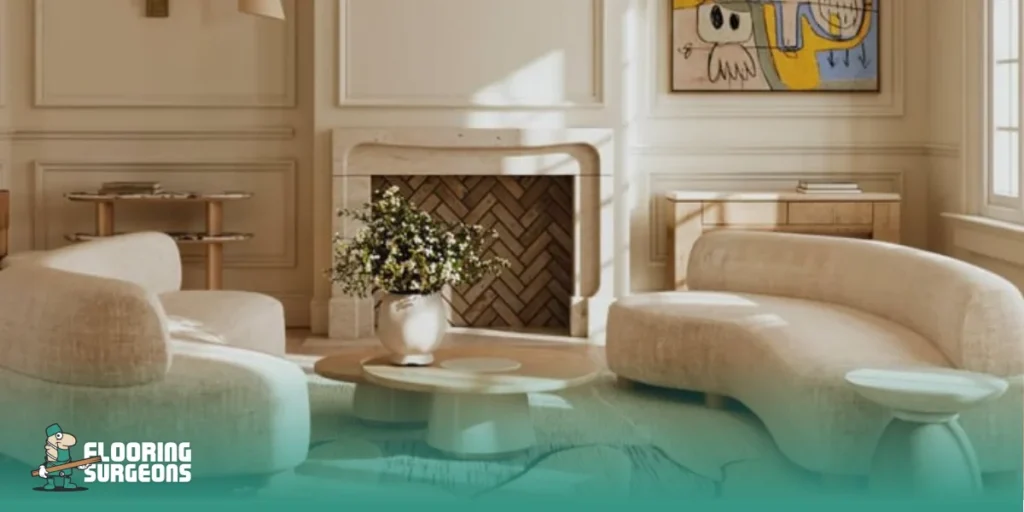
Top 3 Warm Minimalism Styles
Warm minimalism isn’t about following a set formula; it’s more like a feeling you build in your space. The details shift depending on what you like, so you’ve got room to play. Here are three solid styles people love, plus a few fast tips to help you spot your favourite.
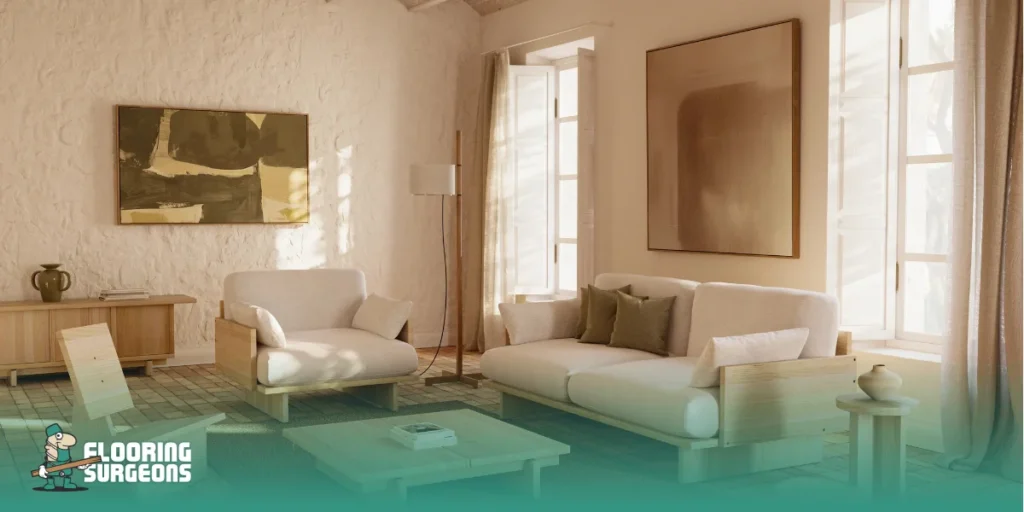
1) Japandi Warm Minimalism (Calm, Clean, Quietly Cosy)
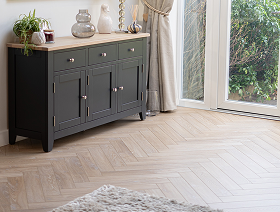
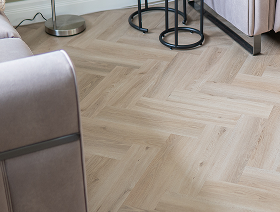
If you crave order but don’t want your home to feel cold, Japandi’s a great fit. Picture low, practical furniture, soft neutral shades, and natural wood with sharp, simple lines. A subtle pattern, like Chevron flooring, adds structure to the room without making it look cluttered.
2) Scandinavian Warm Minimalism (Light, Soft, Lived-in)
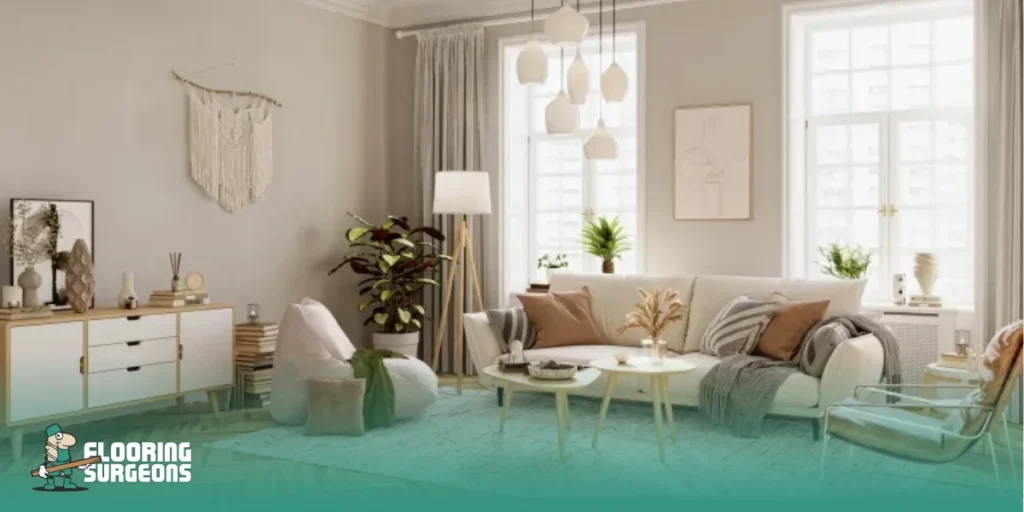
This one always feels open and fresh. It’s all about warm whites, pale wood, and fabrics you want to touch, linen, wool, and boucle. Comfort comes from texture and the right lighting, not from filling shelves with stuff.
3) Wabi-Sabi Warm Minimalism (Organic, Textured, Imperfect)
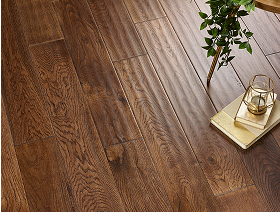
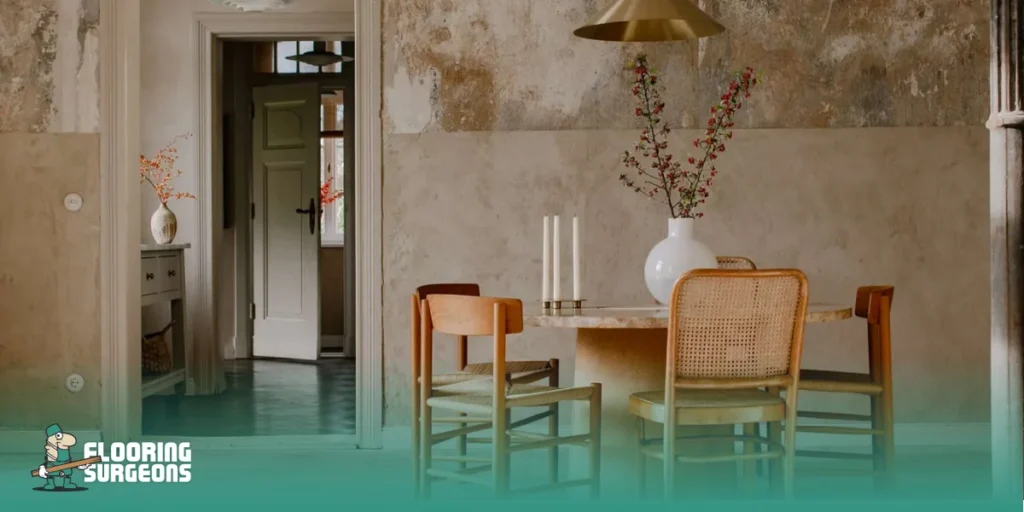
Wabi-sabi goes for an earthy, grounded vibe. It welcomes knots in the wood, patina, and handmade pieces that aren’t too polished. If you like things that feel real and a little bit raw, solid wood flooring works perfectly here. Its character isn’t hidden; it’s part of the whole look.
Which Warm Minimalism Interior Design Style Fits You?
Not sure which warm minimalism style feels right? Here’s a quick rundown. All three have that cosy, pared-back vibe, but each one brings its own twist. Japandi keeps things clean and structured. Scandinavian style feels airy and bright. Wabi-sabi goes for a more natural, imperfect look. Think about how you want your space to feel, then just go with the style that clicks.
| Style | Best for | Key vibe | Colours & materials | One easy tip |
| Japandi warm minimalism | People who like order | Calm + structured | warm neutrals, clean woods, ceramics | add one geometric element, keep everything else quiet |
| Scandinavian warm minimalism | Light, cosy homes | Airy + soft | warm whites, pale woods, wool/linen | use layered lighting (2–3 lamps) instead of one ceiling light |
| Wabi-sabi warm minimalism | Organic, grounded spaces | Textured + imperfect | earthy tones, raw wood/stone, handmade pieces | choose fewer items, but make them tactile and natural |
Key Characteristics of Warm Minimalism
Warm minimalism strips things down, but it never feels cold or empty. Think clean lines and plenty of open space, but with a cosy touch that makes you want to settle in, not tiptoe around like you’re in a museum.
A Warm, Muted Palette
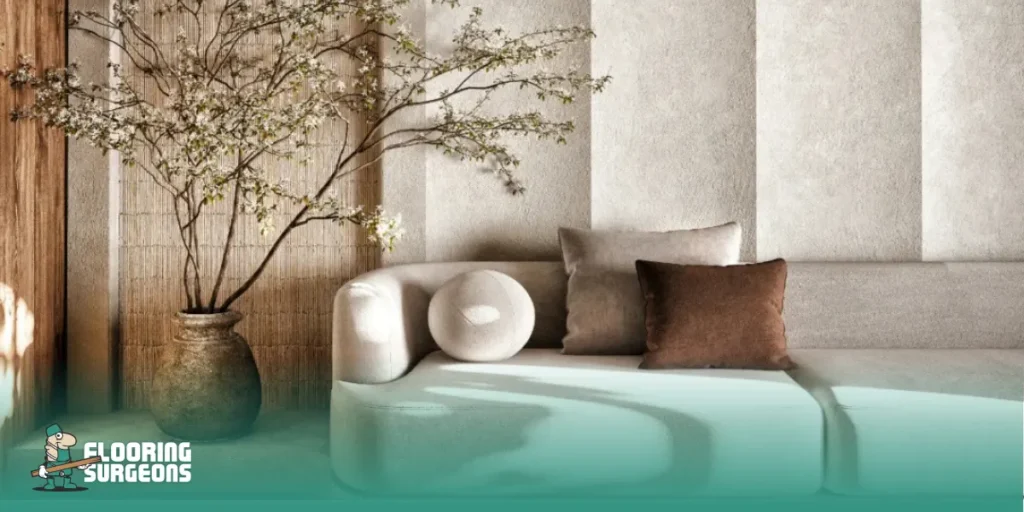
You’ll see a lot of soft, muted colours, creamy whites, sandy tones, taupe, and other earthy neutrals. The vibe is relaxed and gentle, nothing harsh or high-contrast. It just feels easy on the eyes and easy to live with.
Natural-Looking Surfaces and Honest Materials
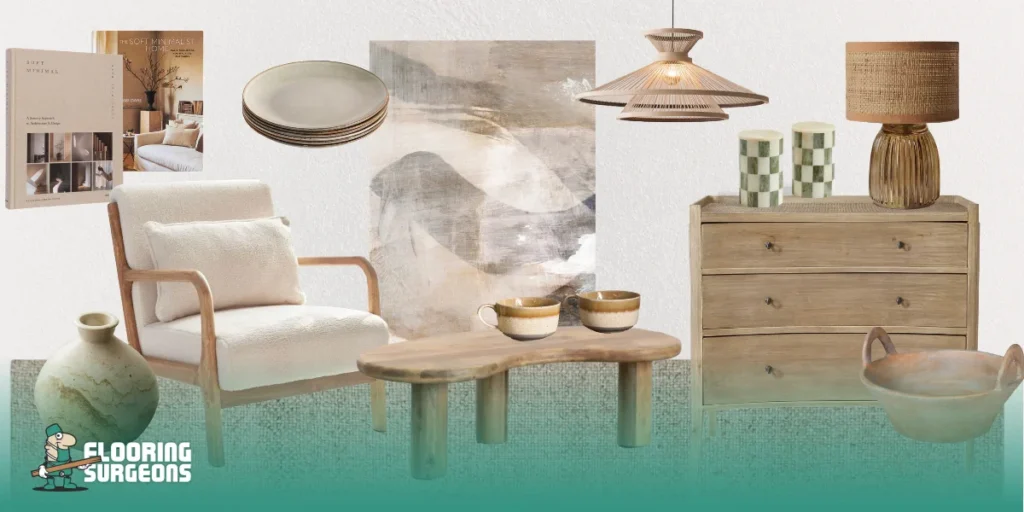
Natural surfaces and real materials show up everywhere, think wood grain, linen, wool, stone, and matte ceramics. They feel solid and inviting, not flashy or overdone.
Texture as The Main Source of Depth
Texture really does the heavy lifting here. Rather than piling on decorations, this style leans on woven fabrics, soft rugs, and layered finishes to build depth and warmth. It keeps things cosy without making the room feel busy. Floors matter more than you’d think, too. That’s actually what we dig into in The Role of Floor Texture in Creating Visual Warmth.
Soft, Flattering Light
The lighting feels warm and gentle, not sharp or cold. At night, the whole space just feels cosy. It’s the kind of light that makes you want to settle in and stay awhile.
Intentional, Edited Spaces
You won’t find a lot of clutter, just a few good pieces that really matter. Each room feels like someone actually thought about what belongs there. It’s not empty; it’s quietly put together with a personal touch.
Flooring Patterns in Warm Minimalist Home
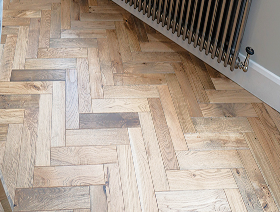
Patterns definitely have a place in warm minimalism. The key is to keep things calm, not busy. Go for low-contrast colours, let texture do the work, and pick patterns that give some structure without pulling focus. If you want a bit of movement without the room feeling cluttered, herringbone flooring is always a solid choice. There’s a reason it never goes out of style. In warm oak or a matte finish, it adds a soft rhythm and works great with simple furniture. It already sets a direction without making a fuss.
When you’re playing with layout, think about how you want people to move through the space. A good pattern guides the eye and brings a sense of balance, all without adding a single extra thing.
Does Warm Minimalism Work in Smaller UK Homes?
Warm minimal decor actually shines in smaller UK homes. It’s not about emptying out your space, it’s about picking the right materials and soft, inviting colours so everything feels open, but never cold or bare. In these tighter spaces, a few things really make a difference:
- Running the same flooring through each room gives your home a sense of flow.
- Go for warm neutrals that bounce light rather than those chilly greys.
- And when you pick furniture, look for simple shapes with cosy textures.
If you keep your floor tone consistent from room to room, the whole place just feels bigger. Warm colours and honest, natural materials do the rest. Suddenly, even a tiny room feels calm, balanced, and genuinely comfortable, not cramped or cluttered.
Final Thoughts
Warm minimalist style isn’t just bare walls and empty corners. It’s about creating calm spaces that actually feel inviting. Stick with warm colours, use plenty of natural materials, and let texture and soft lighting add depth instead of piling on extra stuff.
If you’re looking for a fast way to make a difference, start with the floor. The right flooring really shapes the whole vibe, and a warm, matte finish makes any minimalist room feel more comfortable right away. Flooring Surgeons can walk you through the choices and help you get the look you want, no fuss.

Ana.Soltanpoor
I’m an SEO Specialist with a strong background in content management and organic search. I build data-driven content strategies by aligning user intent, search behavior, and SEO best practices to ensure every piece of content delivers clarity, relevance, and measurable organic performance.