

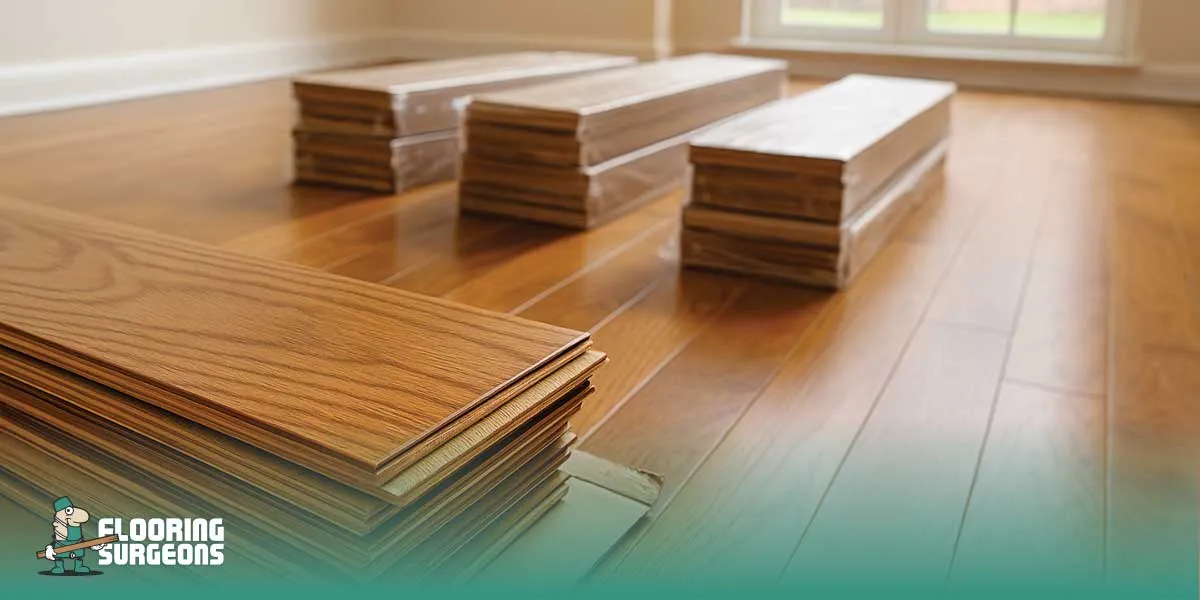
Yes, engineered wood flooring does need to acclimate, and skipping this step is one of the fastest ways to end up with gaps, cupping, lifted edges, or noisy boards. Even though engineered wood is more stable than solid hardwood, it’s still made from real timber, which reacts to changes in temperature and humidity. Acclimation allows the boards to adjust to the conditions of your home before they’re fixed in place.
Homeowners usually run into problems when the flooring goes straight from a warehouse or delivery van into the installation phase. The boards might look perfect at first, but within days, they can expand, contract, or shift as they adapt to the indoor environment. That’s why every reliable installer insists on letting engineered wood sit in the room for a set period — it prevents movement later and guarantees a cleaner, longer-lasting finish.
In this guide, you’ll find everything you actually need to know: how long engineered wood flooring should acclimate, why the process matters, how moisture levels affect stability, and the exact steps professionals follow to avoid post-installation issues. If you want a floor that stays flat, quiet and beautiful for years, this guide gives you the practical, no-nonsense advice you need.
Table of contents
Engineered Wood Floor Acclimation – Why It Matters
Engineered Wood Floor Acclimation matters because the boards must adjust to your home’s temperature and humidity before installation; otherwise, they can warp, cup, or develop gaps within days. Even though engineered wood is more stable than solid timber, its real-wood top layer still absorbs and releases moisture, so fitting it “cold” straight from delivery is one of the leading causes of post-installation movement.
Allowing the boards to acclimate ensures their internal moisture levels match the conditions of the room where they’ll be installed. Once that balance is reached, the planks remain dimensionally stable — no sudden swelling in humid spells and no unexpected shrinking during colder, drier periods. Proper acclimation also protects the click or tongue-and-groove joints, which can loosen or even crack if the wood expands after it has been locked in place. It’s one of the simplest ways to secure a long-lasting, gap-free finish, and it’s precisely why professional fitters, including teams at Flooring Surgeons, never skip this step.
Acclimating Engineered Hardwood Flooring – What Affects Acclimation Time
Acclimating engineered hardwood flooring typically takes 48–72 hours, and the main factor determining the exact acclimation time is how different your home’s environment is from the conditions under which the boards were stored or transported. If the room’s humidity and temperature are already close to the ideal range, the flooring settles quickly; if they aren’t, the boards need more time to adjust before installation.
Humidity has the most substantial impact. Engineered boards still contain natural wood, so when they arrive in a room with higher or lower moisture levels than they’re used to, the veneer and core slowly absorb or release moisture until they reach balance. Temperature works the same way — dramatic shifts between a cold delivery van and a warm living area slow the acclimation process, because the boards need time to stabilise internally. Even packaging affects the speed: tightly sealed boxes limit airflow, meaning the wood adjusts more slowly, while opening them too early can cause uneven moisture absorption.
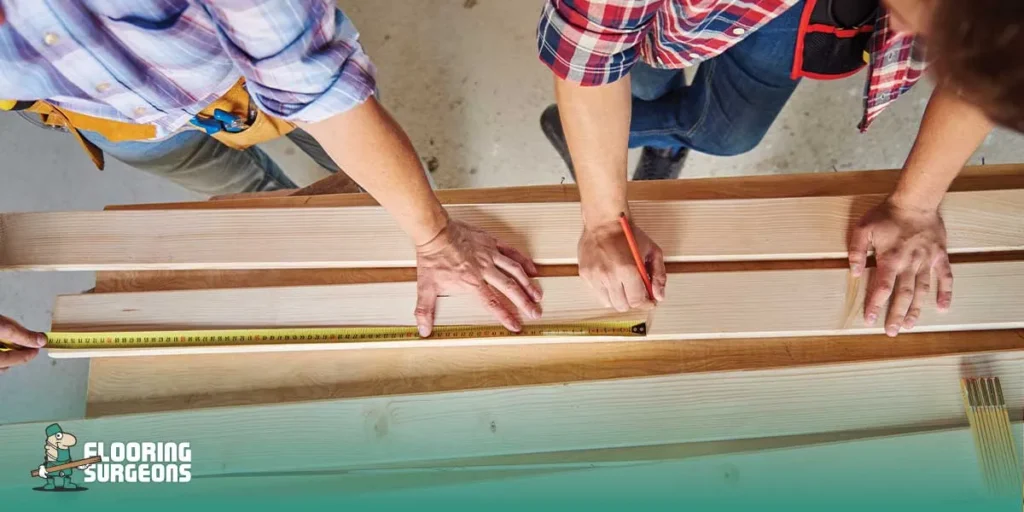
Although engineered hardwood acclimates faster than solid wood, it still requires this settling period to avoid gaps, cupping, or minor warping later. Allowing the boards to rest in the installation room ensures they match the home’s real living conditions — not the warehouse or lorry they came from.
Key factors that change acclimation time:
- Indoor humidity (especially outside the ideal 35–55% range)
- Room temperature differences between delivery and installation
- How long the boards were in transit or storage
- Whether the packaging restricts airflow
- Seasonal changes (winter heating vs. summer humidity)
How to Acclimate Wood Flooring Properly Before Installation
The correct way to acclimate wood flooring is to leave the boards in the installation room for 48–72 hours to match the room’s temperature and humidity before fitting. This simple step prevents gaps, cupping and warping later — and it’s the most essential part of preparing both engineered and solid wood floors for long-term stability. Once the floor adjusts to the home’s living conditions, installation becomes safer, smoother and far more predictable.
Acclimation works because wood naturally expands or contracts with changes in air moisture. If you install the boards while they’re still “shocked” from transport conditions — a cold lorry, a hot warehouse or tightly sealed boxes — the flooring continues to move after installation, which causes the exact problems most homeowners try to avoid. Preparing the room properly, setting the right climate, and giving the boards time to settle ensures the wood starts life in your home in its most stable state.
Preparing the Room for Moisture Control Before Installation
Proper acclimation starts with getting the installation room to the correct moisture level — ideally 35–55% humidity. Wood reacts instantly to moisture changes, so if the room is too damp or too dry, the planks absorb or release water unevenly. Before bringing the flooring inside, heating and cooling systems should already be running, windows should be closed, and any wet plaster, paint or screed must be fully dry.
Temperature Requirements for Stable Wood Flooring
Wood flooring acclimates best in a room that sits between 18–24°C. Sudden temperature changes are among the biggest causes of uneven board movement. If the boards arrive from a cold delivery van and are immediately placed in a warm room, they start expanding too quickly. Leaving them to settle slowly ensures a stable fit and reduces the risk of post-installation movement.
Recommended Acclimation Time for Engineered and Solid Boards
While engineered floors often need only 48 hours, solid wood may require 72 hours or more — depending on seasonal humidity changes. The key is to keep the boxes in the centre of the room, lay them flat, open the ends for airflow, and allow the boards to “breathe” in the actual environment they’ll live in. The closer the boards get to the room’s equilibrium, the more reliable the installation.
Common Mistakes to Avoid When Acclimating Wood Planks
Many fitting problems come from simple acclimation errors: opening all boxes too early, stacking boards tightly so air can’t circulate, placing them near radiators or sunny windows, or trying to install them on a still-wet subfloor. These mistakes trap moisture, create uneven expansion, and often lead to movement issues weeks after installation. Correct acclimation avoids all of these preventable faults.
How to Acclimate Engineered Hardwood for Best Results
The best way to acclimate engineered hardwood is to let the boards rest in the installation room for 48 hours, with proper airflow between the packs, so they adjust to the room’s temperature and humidity before fitting. Engineered boards stabilise faster than solid wood — but they still need this settling period to prevent subtle movement, lifted edges or small gaps after installation.
Engineered hardwood is built to be more dimensionally stable, thanks to its layered structure, but it can still expand or contract when it moves from a warehouse to a heated living space. To acclimate it properly, you shouldn’t just pile the boxes in a corner. The process needs controlled airflow, consistent temperature, and a clean, dry environment so each board reaches equilibrium with the room where it will be installed.

Should You Open the Boxes or Leave Them Sealed?
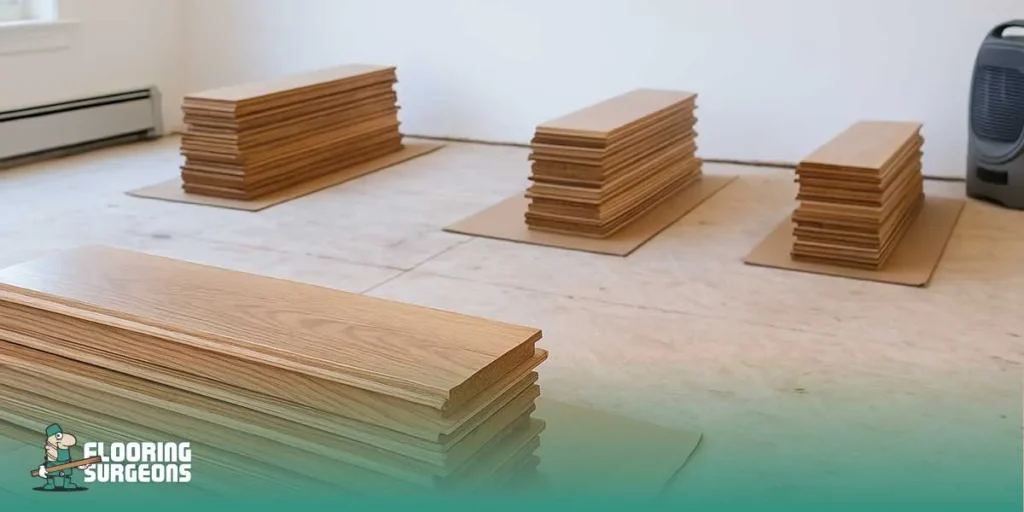
For engineered hardwood, the recommended approach is to open the cartons rather than fully unbox them partially. This means cutting the ends or opening the top flaps so air can circulate, without removing the planks entirely. Full unboxing can cause the boards to react too quickly, while sealed boxes limit airflow and slow the adjustment process.
Spacing the Packs for Proper Air Circulation
To acclimate engineered hardwood correctly, the boxes should be spaced a few centimetres apart rather than stacked tightly on top of one another. This spacing allows air to flow around all sides, helping the boards adjust evenly. Avoid placing the packs directly on cold concrete — always use a protective layer or support blocks to keep them slightly raised and dry.
Room Climate: Heating, Ventilation and HVAC Tips
Engineered hardwood acclimates best in a room with its standard heating and cooling systems running. Sudden temperature shocks are a common cause of subtle board movement later. Keep the space between 18–24°C, with indoor humidity ideally between 35–55%. Avoid placing the flooring near radiators, under direct sunlight, or next to active HVAC vents blowing hot or cold air directly onto the boxes — uneven airflow can cause the boards to expand at different rates.
Signs Your Engineered Wood Was Not Properly Acclimated
The clearest sign that engineered wood wasn’t properly acclimated is when the boards begin to move or distort shortly after installation — usually within the first few weeks. Because the flooring didn’t adjust to the room’s temperature and humidity before fitting, it expands or contracts after installation, creating visible and audible problems. These issues aren’t subtle: cupping, gaps between boards, clicking sounds, and, in more extreme cases, buckling are all strong indicators that the acclimation stage was skipped or rushed.
When engineered wood takes on moisture too quickly, the edges can rise and create a slight bowl shape — known as cupping. If indoor humidity drops after installation, the boards shrink, leaving thin, visible gaps. Another common warning sign is a clicking or creaking noise when you walk over certain planks; this usually means the boards are rubbing against each other or lifting from the subfloor because they have expanded after installation day. In severe cases, the floor may buckle, with sections lifting or arching upward due to pressure with nowhere to escape. These problems almost always trace back to one cause: the wood didn’t reach equilibrium with the home’s environment before installation.
Common Signs of Poor Acclimation and What They Mean
| Sign | What It Indicates | Why It Happens | Severity Level |
| Cupping (raised edges and concave centre) | Boards absorbed moisture after installation | Wood wasn’t balanced with the room humidity; moisture entered unevenly | Medium–High |
| Gaps are forming between boards | Boards shrank once heating or dry air kicked in | Low humidity or rapid moisture loss after installation | Medium |
| Clicking/creaking noises | Boards are moving against each other or lifting slightly | Expansion after installation due to temperature/humidity change | Low–Medium |
| Buckling or lifted sections | Sections arch upward or lift off the subfloor | Expansion pressure with no space to move; severe acclimation failure | High (requires repair/replacement) |
| Micro-movement at joints | Small shifts when stepped on | Planks didn’t settle before fitting; unstable locking system | Low–Medium |
How Long Should Engineered Wood Flooring Acclimate? (Realistic Times)
Engineered wood flooring should acclimate for 48–72 hours, but the exact time depends on the manufacturer, room conditions, and the boards’ packaging. The reason different sources mention times ranging from 10–14 hours to 3-7 days is that engineered wood behaves differently depending on its core construction and humidity levels.
Some brands with highly stable multi-ply cores recommend shorter periods — around 12–24 hours — to let the boards reach room temperature. Others insist on a full 72 hours so moisture levels can equalise fully with the environment. In high-humidity areas or homes with underfloor heating, installers often extend acclimation to 5–7 days to avoid cupping, gaps, and post-installation movement.
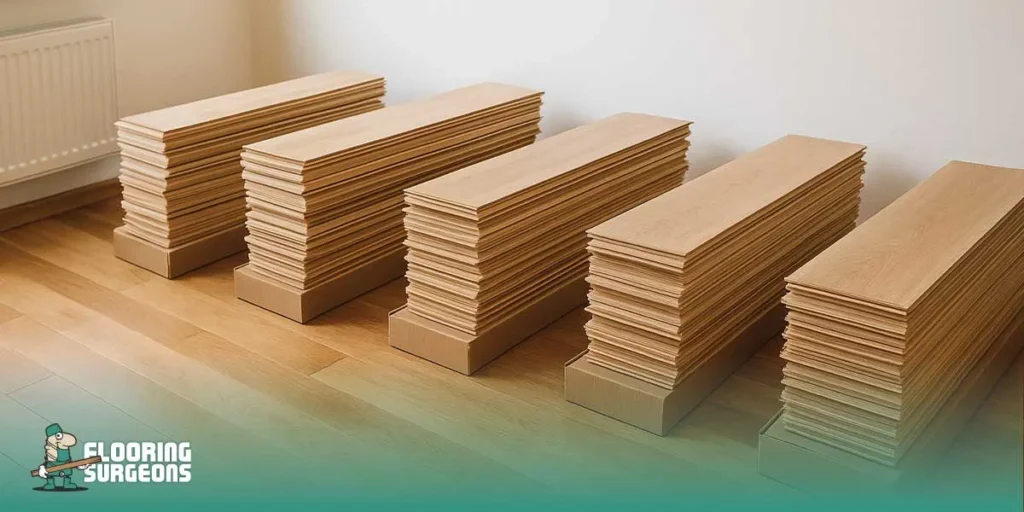
The most reliable approach — supported by professional guides and multiple manufacturers — is to acclimate engineered wood flooring for 2–3 days in the exact room where it will be installed, with HVAC running normally. This timeframe balances the variations between brands and ensures the wood reaches a stable moisture equilibrium before installation, reducing the risk of future warping or expansion.
Do All Engineered Wood Floors Need Acclimation? (Exceptions & Myths)
Most engineered wood floors do need acclimation, but there are exceptions — and this is where many homeowners get confused. Engineered boards are more dimensionally stable than solid hardwood. However, they are still made from real wood layers, meaning they react to humidity and temperature changes unless the manufacturer specifies otherwise.
Some factory-conditioned products claim “minimal acclimation” or “no acclimation needed”, but this usually applies only to boards stored in climate-controlled warehouses and transported quickly to a similar indoor environment. Multi-ply constructions with ultra-stable cores may require just 24 hours, while cheaper or thicker boards often need the full 48–72 hours.
There are a few rare cases where acclimation time is shorter:
- Premium brands with tightly controlled moisture content sometimes approve same-day installation.
- Homes with highly stable humidity (40–60%) may safely follow minimal acclimation guidance.
- Some click-lock engineered systems allow shorter acclimation times because their cores resist expansion more effectively.
However, myths persist — especially the idea that engineered flooring behaves like SPC or rigid-core products. Those materials are not real wood and therefore don’t require acclimation in the same way real wood does. Engineered wood, even the most stable type, still benefits from a reasonable adjustment period to prevent post-installation issues.
In practice:
Assume your engineered wood needs acclimation unless the manufacturer clearly states otherwise.
Preventing Moisture Problems With Engineered Wood Floor Acclimation
The best way to prevent moisture-related issues in engineered wood is to combine proper acclimation with stable indoor humidity and accurate moisture checks before installation. Even well-constructed, multi-layered boards can still warp, cup or separate if they’re fitted over a damp subfloor or exposed to sudden humidity changes. That’s why installers constantly monitor both the room and the subfloor with a moisture meter and make sure the boards have fully adjusted to the environment. If you’re comparing options or need a safer alternative for high-humidity rooms, looking into Best Moisture-Resistant Flooring can also help you understand which materials cope better with long-term moisture exposure.
Keeping indoor humidity between 40–60% allows the boards to acclimate to the same conditions they will experience daily. Using a moisture meter — both for the subfloor and the engineered planks — ensures that both surfaces meet the acceptable moisture tolerance before installation. This step is crucial because even a perfectly acclimated board will fail if it’s installed over a damp base.
During the acclimation period, make sure the boxes are opened or loosened to allow air to circulate. A vapour barrier should also be used over concrete subfloors, especially in basements and ground floors, to stop moisture migrating upward into the boards. When these steps are combined — correct humidity, moisture testing, and proper vapour protection — engineered wood flooring remains stable, flat, and free from moisture-related issues for years.

Haniye Ayanmanesh
As an expert writer for Flooring Surgeons, I combine technical SEO knowledge with a practical understanding of flooring, producing content that helps users make confident decisions while supporting long-term organic growth.