Does floor colour affect perceived room temperature? Many homeowners say dark floors feel warmer, even when the actual temperature is the same. Temperature perception depends on visual factors like colour, brightness, and texture. Floors are a dominant visual surface.
We’ll discuss warm and cool floor colours, how lighting alters their appearance, and how these impact your floor colour decisions. Floor colour can make a space feel warmer or lighter, shifting your perception of room temperature.
Table of contents
What Do We Mean by “Temperature Perception”?
“Temperature perception” refers to how hot or cold a room feels to the human brain, which can differ from the room’s actual temperature. Our eyes are always analysing light, contrast, colour temperature and textures. Different colours and shades can make a room feel hotter or cooler, bigger or smaller, without you even realising it.
HVAC systems may control actual temperature, but design elements impact how comfortable we perceive a space to be. Things like wall colour, flooring hue and lighting make a huge impact. Floors play a major role simply because of the square footage they cover, but they also reflect light.
The contrast between actual and felt temperature is vital when deciding on flooring, especially if you’re trying to create a warmer atmosphere in winter or a more refreshing one in summer.
How Colour Influences Our Perception of Warmth and Coolness
Colour plays a huge role in how we perceive warmth or coolness in a room, and flooring has a greater impact than any other element because it typically takes up such a large portion of our view. Tones can play off of each other with light and texture to subtly change the warmth or coolness, openness or intimacy of a space. Below is a quick breakdown of warm vs cool colour families, along with how light or dark colours can affect them.
Warm vs. Cool Colours in Interior Design
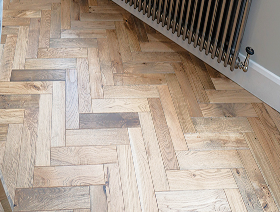
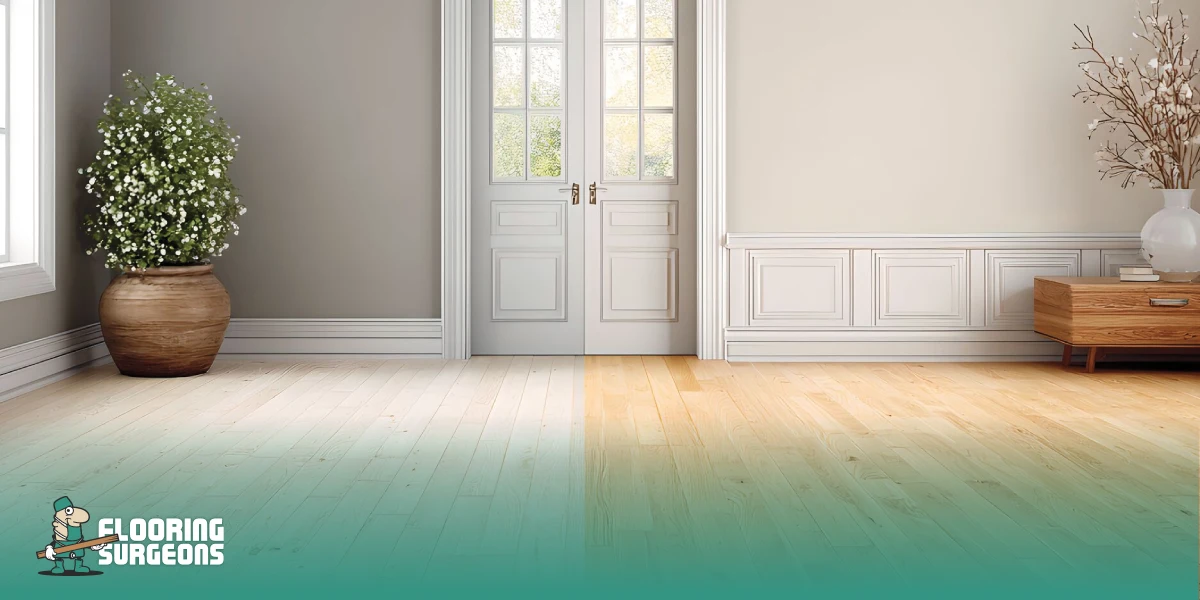
Warm colours, browns, tans, beiges, walnut, oak, honey – tend to feel cosy and intimate. Visually, warm colours “warm up” a room by absorbing more light.
In contrast to warm colours, cool colours such as greys, whites, ash finishes, and pale neutrals are higher in reflectance and create a sense of air and space. They brighten rooms and are often used to open up small or dark interiors.
Because flooring occupies such a large part of your field of vision, the choice between warm and cool tones will influence how hot or cold a room feels more than any other surface.
Visual Weight and Brightness
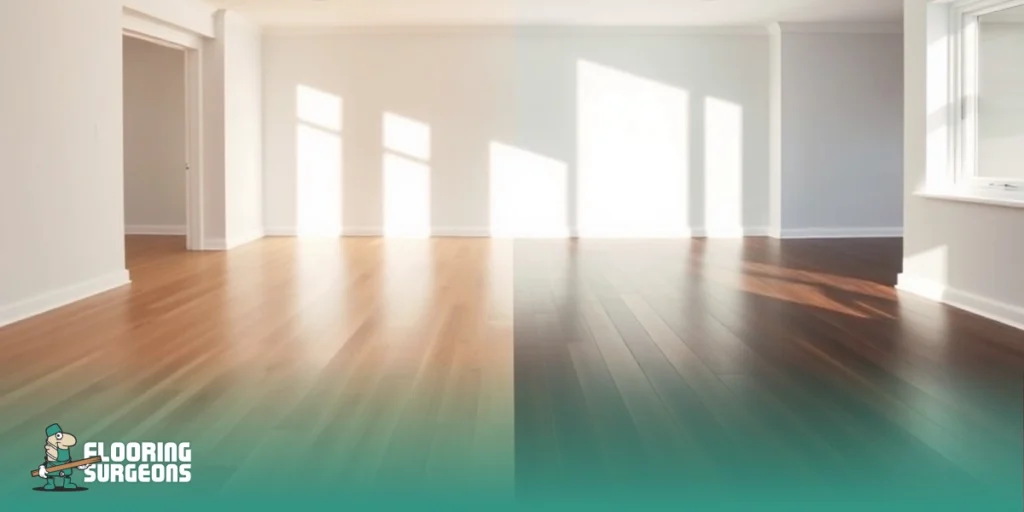
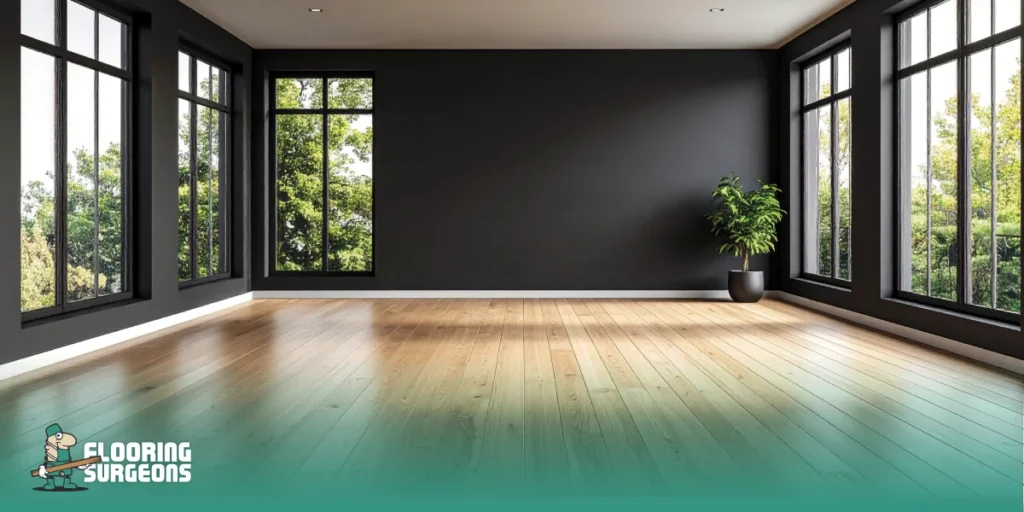
Additionally, dark floors have greater visual weight, making a space feel more grounded, cosy, and warm. In comparison, light floors feel lighter, giving a room a sense of visual openness and coolness. Brightness further affects these perceptions: brighter surfaces appear cooler, while darker shades absorb light, making a space feel warmer visually—even if the temperature remains constant.
Does Floor Colour Really Affect Room Temperature Perception?
Yes…but only psychologically speaking. Flooring colour will not significantly affect a room’s physical temperature. But it can significantly affect how hot or cold the room feels to occupants. Since flooring takes up such a large portion of our eye-level view, it establishes a room’s tone and light balance.
Dark Floors vs. Light Floors
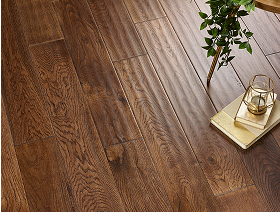
Dark tones like walnut, dark oak or deep brown flooring. Dark flooring will feel warmer and more intimate. Dark colours absorb more light, making a room feel dimmer and warmer.
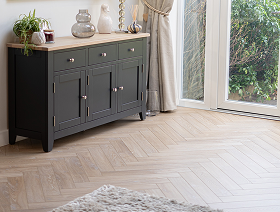
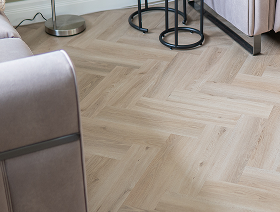
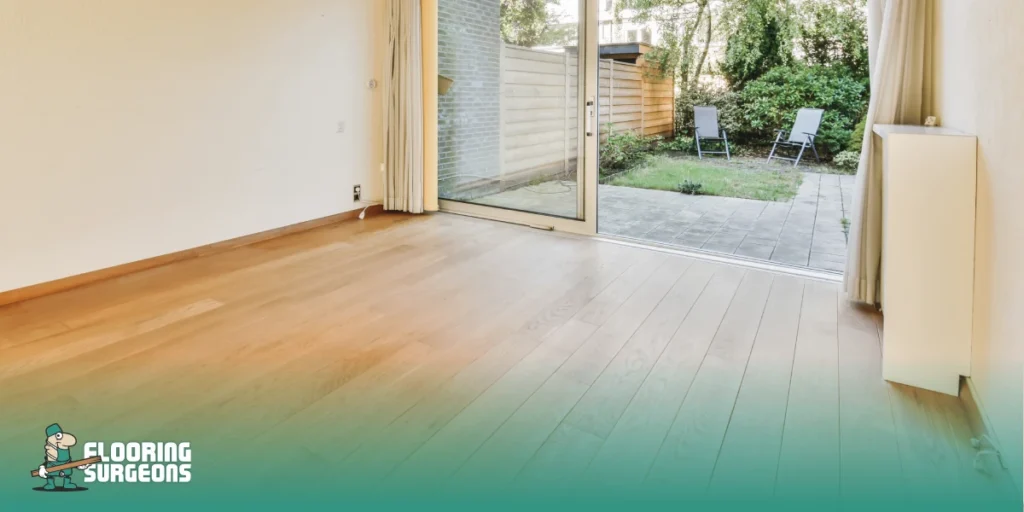
Light floors bounce more light around a room, making it brighter. They also have a visual temperature that is cooler. Light Luxury Vinyl Flooring has made especially modern rooms feel more open. Pale oak, soft beige, and light neutral colours can create a fresher, cooler look. Light flooring is often used to make rooms feel airier, more spacious, or cooler.
Comparison of Light vs. Dark Floor Colours
This quick comparison helps homeowners choose the right shade based on climate, room size, and desired ambience.
| Floor Type | Perceived Temperature | Visual Effect | Best For |
| Light Floors | Cooler, brighter feel | Make rooms look larger | Small spaces, hot climates |
| Dark Floors | Warmer, cozier feel | Make rooms feel intimate | Large rooms, cold climates |
| Warm‑Toned Floors | Increase warmth perception | Add comfort and softness | Living rooms, bedrooms |
| Cool‑Toned Floors | Reduce visual warmth | Create airy, modern look | Kitchens, warm climates |
The Role of Material and Surface Finish
Temperature perception isn’t just affected by colour either. Flooring finishes play a part, too. Matte tones scatter light, creating a softer, quieter look that generally feels warmer. Glossy finishes amplify light, creating a crisper, cooler feel.
Texture is important, too. Natural wood grains, for instance, are typically seen as warmer than flat surfaces. The right combination of colour, texture and finish will affect how cosy your space feels—even if the thermostat temp stays the same.

Does Floor Colour Make a Room Feel Warmer Or Cooler
Selecting an appropriate floor colour will help you feel more comfortable in your home. Although it won’t change the temperature in your home, certain tones can help create the cool or warm feel you want in each room, based on your climate, lighting, and intended use.
Warm Floor Colours for Cold Climates
If you live in a cold climate or your room tends to be chilly, flooring with warm tones can significantly improve the room’s temperature. Honey oak, golden brown, walnut, and warm beige will make the room feel warmer and cosier. Warm tones absorb more light, creating a cosier feel.
Flooring styles that mimic the look of natural wood tend to work well in low‑temperature areas. They provide warmth and texture, making the room feel much cosier. Oak Engineered Flooring is a great example of this.

Cool Floor Colours for Hot Climates
Choosing cooler floor colours is beneficial if you live in a warm climate or have areas in your home that always run hot. Cooler colours like light grey, white, ash, and light neutral colours help bounce light around the room and don’t feel as heavy.
Grey Laminate Flooring is a sleek, modern option that helps brighten up the space. It’s great for minimal or modern aesthetics as well. The grey has cool undertones that help cut some of the warm aspects from intense sun or high heat.
Practical Tips for Selecting Floor Colour
Picking the perfect floor colour is easy when you assess your room based on these 3 factors: climate, lighting, and function. The right floor shade can warm up a space, cool it down, open up a room or bring it down to earth. Here’s an easy-to-follow cheat sheet to help you decide with confidence.
- Consider the climate: Cooler tones like white-wash, light grey, or ash will feel cleaner in hot climates. For colder environments, consider warmer tones such as honey oak, caramel, or walnut.
- Assess natural lighting: Rooms that receive less natural sunlight should opt for lighter flooring colours to brighten the space. If your room gets plenty of natural light, darker colours won’t feel as heavy.
- Evaluate room size: Small rooms tend to feel more spacious with lighter flooring. Medium to dark tones can work in larger areas.
- Match the colour to the room’s purpose: Warm neutrals work well in living spaces, balanced or muted colours promote restfulness in bedrooms. Kitchens and hallways tend to work well with lighter, easy-to-clean flooring.
- Check the undertones: Every colour will either have warm, cool or neutral undertones. Consider what you’re pairing your floors with (walls and furniture), and make sure the undertones don’t clash.
- Test samples in real lighting: Look at your flooring samples at different times of day to see how natural and interior lighting affect their appearance.
For those of you who prefer things spelt out a little more, you can check out Tips to Choose the Right Colour for Flooring for a step-by-step process.
Conclusion: Floor Colour and Temperature Perception
Floor colour doesn’t change a room’s actual temperature, but it does influence how warm or cool the space feels. This is a psychological effect based on how we perceive colour and light. Dark floors create a warmer, more intimate feel, while light floors make rooms seem cooler, brighter, and more spacious. However, neither option changes the actual temperature. Flooring material, not colour, affects temperature. Engineered wood or vinyl feels warmer than tile or stone, and carpet insulates best.
You can explore our flooring collection at Flooring Surgeons to find the right materials that balance both comfort and style for your space.

Ana.Soltanpoor
I’m an SEO Specialist with a strong background in content management and organic search. I build data-driven content strategies by aligning user intent, search behavior, and SEO best practices to ensure every piece of content delivers clarity, relevance, and measurable organic performance.