Floors won’t alert you to the presence of airborne viruses right when they appear, floating around in the air… at least not just by themselves. The floor isn’t where we monitor for airborne viruses. We detect these hazardous pathogens with air sampling, biosensors, and other indoor air monitoring devices. However, sensors in smart flooring still have an important role in helping us create safer buildings. From tracking movement to occupancy and foot traffic, smart flooring sensors can tie into everything else we’ve mentioned. Movement sensors paired with airborne virus detectors, ventilation alerts, and easy-to-clean floors can help create a smarter clean.
Table of contents
Quick Answer: Do Virus-Detecting Floors Exist?
Virus-detecting floors are not available as a flooring product. You cannot purchase or have installed virus-detecting floors today. A flooring surface cannot sample the air, detect viruses in the air, and trigger an instant notification all by itself. That is the role of air samplers, biosensors, and IAQ monitors.
But smart floors exist. Smart floors can detect pressure, motion, foot traffic, falls, and occupancy. Floor swab testing can also be used in some circumstances to track viruses that have settled out of the air onto surfaces. However, that is not the same thing as detecting viruses while they are still in the air. Here’s the bottom line. Floors alone cannot detect airborne viruses. However, they can be part of a larger intelligent building system that monitors indoor health hazards.

Why Floors Are Being Discussed in Virus Detection
Airborne viruses present an indoor air quality issue first and foremost. However, floors can still indicate how a space is utilised and maintained. Foot traffic affects airflow patterns, cleaning schedules, people traffic patterns, and capacity. Which is why smart flooring sensors have occasionally been mentioned alongside air monitors.
Another concern is settlement. Some airborne particles WILL settle onto floors and surfaces given enough time. That’s why floor swab testing might be conducted in certain hospital or laboratory environments. However, that is far from an immediate alert. Floor samples will typically require the backing up of lab work.
For typical homes, businesses, clinics, and commercial facilities, smart flooring paired with air monitoring is far more likely to lead to a cleaner, better-monitored indoor space. Where your floors, ventilation, and air filtration systems all work together.
How Smart Floors Actually Work
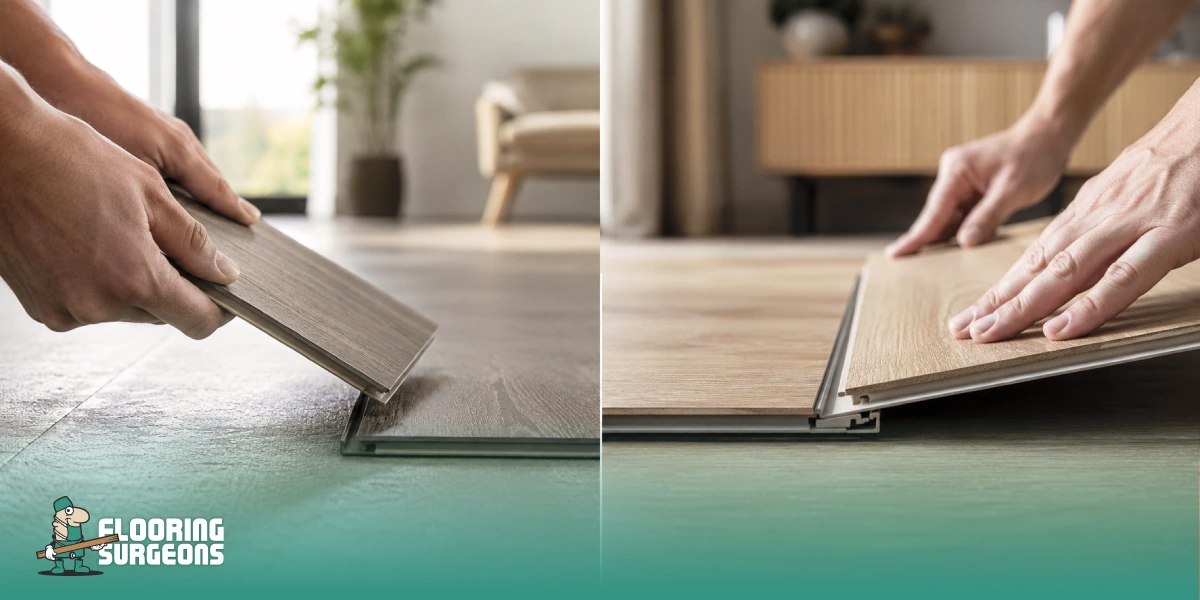
Smart floors aren’t built to detect viruses. They detect motion or apply pressure on or under the flooring surface. Typically, this involves using pressure sensors, motion sensors or an underlay with built-in sensors beneath your finished flooring.
A smart flooring system can sense when someone enters a room. They can tell where people walk or how crowded an area gets. Or they can alert you if someone has fallen over. This means smart flooring has many applications in care homes, hospitals, offices, and other high-traffic spaces.
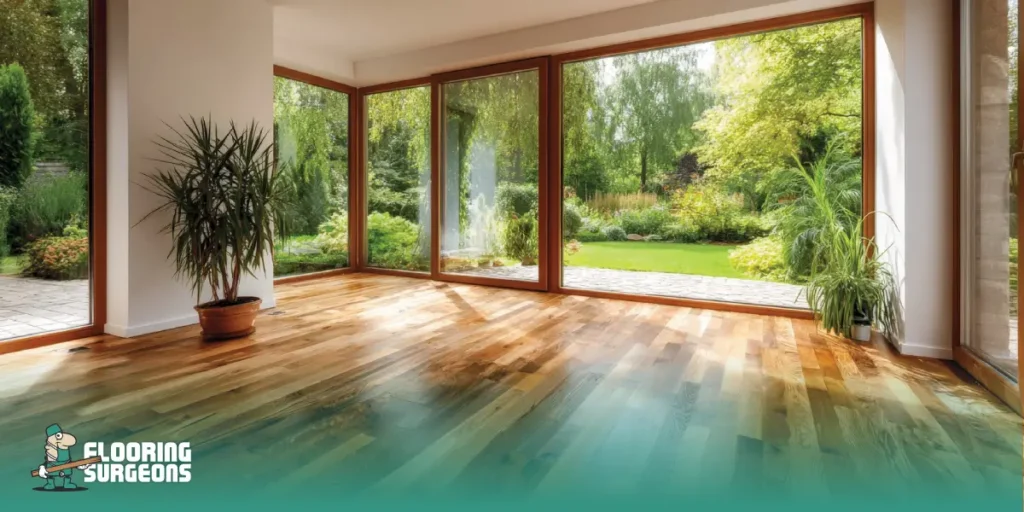
The key thing is that smart flooring detects human activity on a floor. It won’t pick up viruses in the air. However, smart floor sensors can be part of a broader safety strategy. They can help you see how spaces are being used, but should be combined with air quality monitoring, ventilation plans, and cleaning schedules. That’s another reason why flooring’s effect on IAQ is worth considering when selecting healthy flooring options.
How Airborne Virus Detection Really Works
Airborne virus detection usually doesn’t begin with the floor. It begins with the air. To start, a system will need to draw in enough air from the test space. As viral particles can be small and sparse, we sometimes refer to this step as air sampling or aerosol sampling.
The sample then needs to be analysed. This could utilise biosensor technology, laboratory testing, or another device meant to identify indicators of airborne pathogens. Some technologies strive to deliver results in real time; others are considered near real time because the sample must be analysed.
That is why a floor by itself cannot provide an accurate virus detection warning. The floor could be integrated into a smart building platform, but virus detection is performed by air sampling devices.
Can a Floor Alert You Instantly About Airborne Viruses?
A floor by itself can’t ping you immediately about an airborne virus. It doesn’t sample the air, analyse virus particles or verify if a room has a particular contagion. Your floor needs eyes and ears for that. Come along: that alert would need to come from an air-monitoring solution.
The realistic scenario is a networked indoor safety system. Intelligent floors can tell you how many people are using a room, which areas are high-traffic, and which zones may need more attention during cleaning. Airborne virus detectors scan the air, and ventilation sensors indicate when airflow may need to be boosted. So not exactly a yes. Alone, no, but yes: flooring can be one component of a smarter network that allows buildings to react more quickly to potential indoor health hazards.
Smart Floors vs Airborne Virus Detection Systems
| Technology | What It Detects | Can It Send Instant Alerts? | How It Relates to Flooring |
| Smart flooring sensors | Movement, pressure, falls, occupancy, and foot traffic | Yes, but only for activity data | Installed under or within flooring systems |
| Floor swab testing | Virus particles that may have settled on surfaces | No | Uses the floor as a testing surface, not a real-time sensor |
| Airborne virus detection systems | Airborne pathogens, aerosols, or bioaerosols | Yes, or near-real-time depending on the system | Works alongside flooring, ventilation, and indoor monitoring |
| Hygienic flooring | Nothing directly | No | Supports cleaning, maintenance, and safer indoor routines |
Where Flooring Still Matters in Safer Indoor Spaces
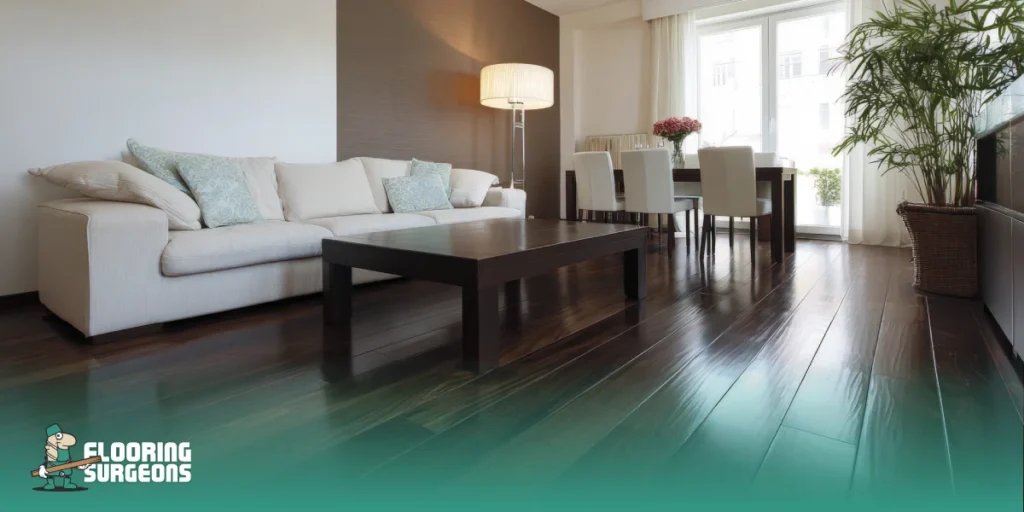
Flooring still plays a role in cleanliness, even if it can’t detect viruses floating around in the air. Flooring still impacts how easy a space is to clean, maintain, and operate. In high-traffic areas of commercial buildings, the right flooring can make everyday cleaning and hygiene easier when spills, moisture, and foot traffic are high. Living facilities, offices, schools, and other shared commercial spaces should take note. A sleek, resilient, and low-maintenance floor is likely a smarter choice than one with big style points that might be tough to clean thoroughly.
Waterproof luxury vinyl flooring is one option that can work for spaces where cleaning protocols, moisture defence, and daily wear are concerns. Vinyl flooring won’t detect viruses, but it can help you maintain a cleaner, more manageable environment through proper ventilation, routine cleaning, and air testing.
Best Flooring Choices for Smart and Hygienic Buildings
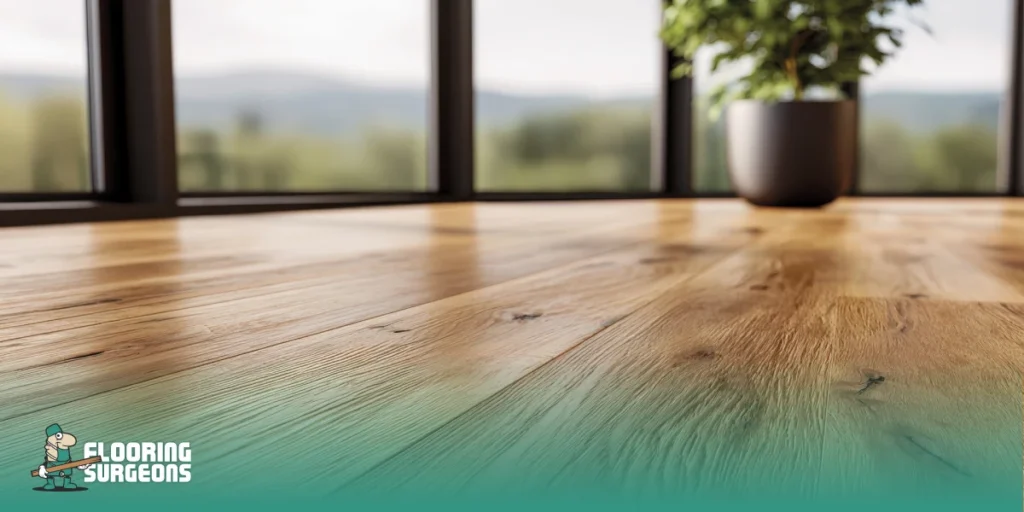
Smart flooring isn’t necessarily the floor with the biggest technological boast. Instead, it’s the floor that works for how the space is utilised daily. For hospitals and care facilities, that means selecting floors that are easy to clean, durable and made with upkeep in mind. For offices, classrooms, and high-traffic households, it means floors that can withstand foot traffic while still being easy to clean.
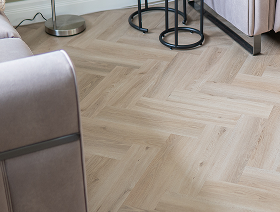
Laminate flooring can be a great choice for your home if you’re looking for a hard-wearing floor with the look of wood in kitchens, hallways and shared spaces. It won’t pick up viruses from the air, but it can help simplify cleaning and everyday maintenance.
Look for floors that complement cleaning routines, not those that promise the impossible.
What to Check Before Buying Smart or “Virus-Safe” Flooring
Take claims of “virus-safe” flooring or flooring that independently detects viruses circulating in the air with a grain of salt. In most applications, the technology that supports these claims resides outside the floor itself. This can take the form of a separate sensor, an air monitor, or smart building integration.
Always ask what the claim actually means before purchasing a flooring product. Does the flooring truly detect something, or is it merely cleanable? Will the product play nicely with your daily cleaning routine? Does it work with a sensor underlay? Is it able to support low-VOC or low emissions?
As we move toward more connected, smarter, tech-driven homes, they may play an increasingly important role in the connected home environment. For now, the safest bet is old-school: durable flooring that you can easily clean, paired with proper ventilation and trusted air monitoring.
Conclusion
Smart floors that detect airborne viruses and notify you immediately do not (yet) exist as standard flooring products. A floor cannot detect floating viral particles on its own. Air sampling, biosensors and indoor air quality monitors are designed to do that.
However, flooring can help create a safer indoor environment. Motion- and occupancy-detection sensors built into smart floors can map how people use a space. Hygienic, easy-to-clean floors can make cleaning protocols easier to follow. Here at Flooring Surgeons, we don’t think the future will revolve around magic floors that detect viruses. We think the future is smart buildings, where flooring, motion sensors, ventilation systems and air quality monitors work together to create cleaner, safer and more hygienic indoor environments.

Ana.Soltanpoor
I’m an SEO Specialist with a strong background in content management and organic search. I build data-driven content strategies by aligning user intent, search behavior, and SEO best practices to ensure every piece of content delivers clarity, relevance, and measurable organic performance.