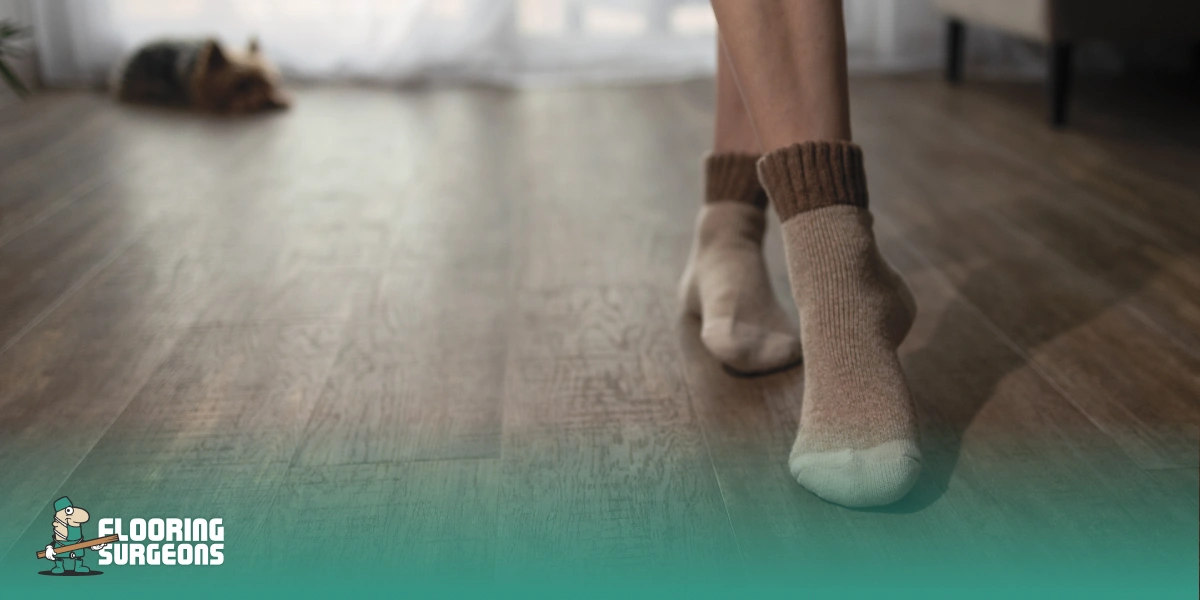
Step into a room and smell lavender. Walk across your bedroom floor and breathe in eucalyptus. Sound like science fiction? These aroma-emitting floors actually release calming scents when stepped on.
Microencapsulation technology traps scents in small capsules that are infused into the flooring’s surface. Pressure from footsteps causes the capsules to break and release scent molecules. After each step, you’ll experience a natural, subtle burst of refreshing aromatherapy.
Vinyl, cork, and rubber are the most common flooring materials used to infuse aromas. Lavender, chamomile, eucalyptus and sandalwood are the most popular options. Most manufacturers claim their aromas last from 6 months to 2 years, depending on traffic. Some floor systems allow you to recharge the fragrance as needed.
We’ll show you how this fun technology works, what types of flooring it’s used on, health benefits, the best places in your home to install it, and how to maintain your floor and keep it smelling fresh.
Table of contents
What Are Aroma-Emitting Floors?
Scratch-and-sniff floors emit smells when walked on. Instead of continuously pumping scent into the air like an air freshener, walking activates the aroma release. Watch as people sniff just by walking across the floor. These floors have tiny microcapsules containing fragrance oils in the floor’s wear layer. When pressure is applied, the capsule bursts, releasing fragrance. Small enough to be mixed into the finish yet large enough to hold liquid fragrance oils.
At some point between 2018 and 2020, carpet manufacturers figured out how to apply microencapsulation technology from the fashion and beauty industries to carpet. Instead of being sprayed on after the fact, the fragrance is mixed in throughout production. Tiny polymer spheres will keep the oils secure until stepped on. The microcapsules prevent the oils from evaporating too quickly, allowing the fragrance to last weeks or even years.
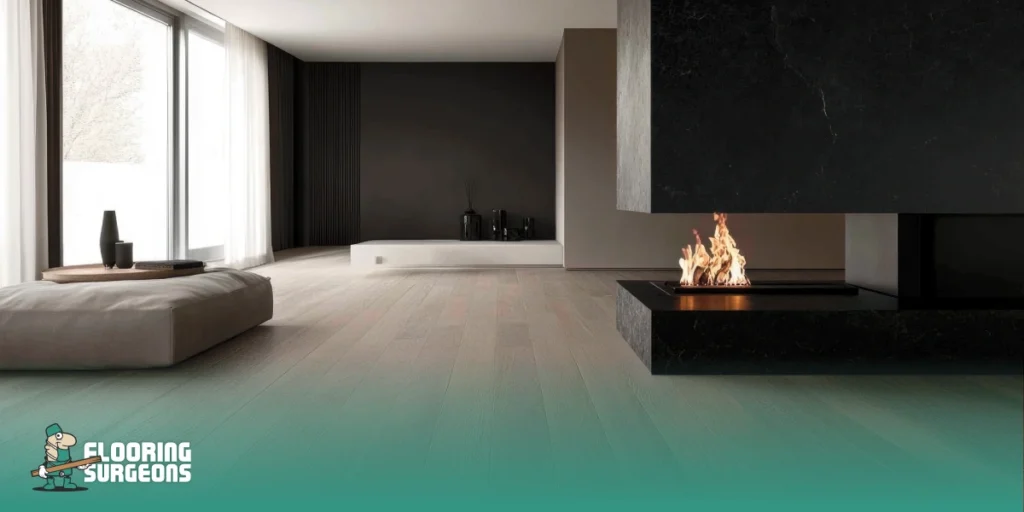
How Scent-Infused Flooring Technology Works
Release Mechanics of Aroma Floors: Let’s discuss the material and pressure science of how aroma floors work. This will help you distinguish hype from realistic expectations.
Microencapsulation and Fragrance Storage
Millions of microscopic capsules are embedded into the top wear layer of each square foot of flooring. These capsules store fragrance in liquid form, which is protected by a polymer shell. Most commonly, this polymer shell is made of melamine-formaldehyde or acrylic.
The size of the capsule affects how the fragrance will release over time. The smaller the capsule range (1-10 microns), the quicker the fragrance will release, but it will run out. The larger the capsule range from (30-50 microns), the longer the fragrance will release over time. Higher-end products will use a combination of different sizes.
Pressure-Activated Aroma Release Mechanism
As someone walks on the floor, they apply pressure to the capsules beneath their feet. The capsules open up and release tiny particles of fragrance. Walking paths will wear down more quickly than areas that don’t see much traffic, such as corners. Humidity and temperature will affect how well these react to pressure. The ideal temperature for these floors to release scent is between 65 and 75 degrees Fahrenheit. As for humidity, 40-60% is ideal.
Scent Longevity and Recharge Options
For homes, a residual scent will linger for 6 months to 1.5 years. In commercial applications, due to higher traffic, the scent typically lasts 3 to 9 months. Certain companies offer reapplication coats (or “recharges”) using new microcapsules, which can be applied every 6-12 months. While fragrance-infused floors that aren’t rechargeable will lose their scent over time, when all the capsules have been released, the flooring will continue to perform as normal; it is just no longer scented.
Types of Flooring That Emit Relaxing Aromas
Different base materials support aroma technology with varying effectiveness. Each offers distinct advantages for specific environments and budgets.
| Flooring Type | Base Material | Scent Longevity | Best Use | Maintenance Level |
| Aromatherapy Vinyl | PVC/LVP/LVT | 12-18 months | Bedrooms, spas | Low |
| Essential Oil Cork | Natural cork | 6-12 months | Meditation rooms, yoga studios | Medium |
| Fragrance Rubber | Synthetic rubber | 9-15 months | Gyms, wellness centers | Low |
| Scent Laminate | HDF core | 6-10 months | Budget-conscious residential | Low |
Aromatherapy Vinyl Flooring (Scented LVP/LVT)
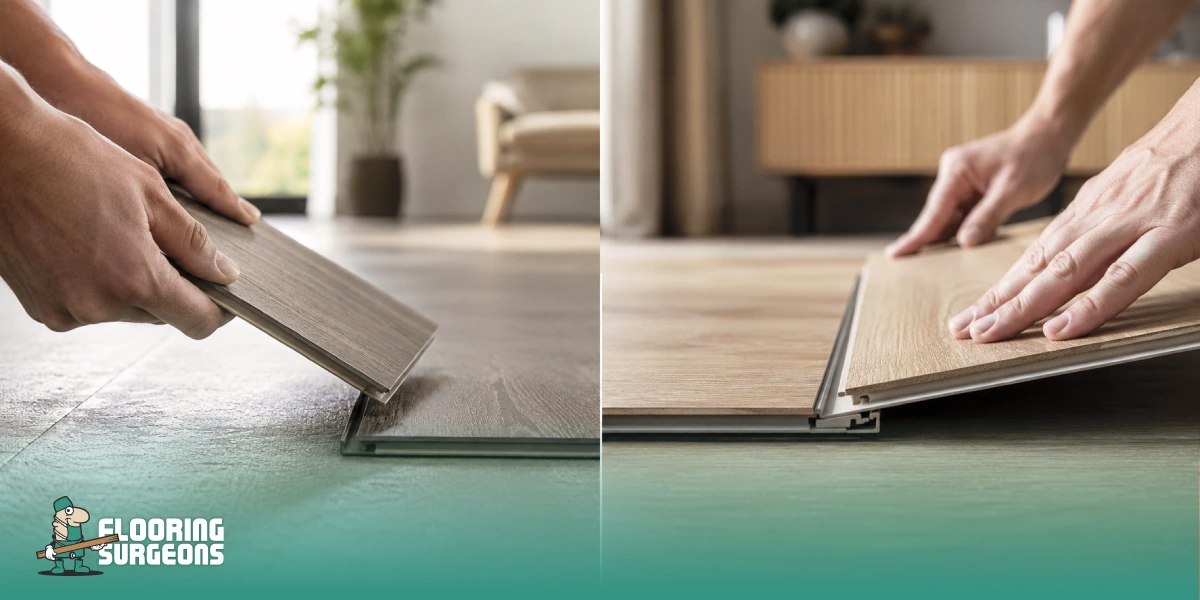
Aroma flooring is primarily installed in luxury vinyl flooring. Vinyl is porous enough to contain microcapsules, yet strong enough to protect them with a 12-20 mil wear layer. Vinyl flooring is also water-resistant, making it suitable for bathrooms. Capsule density can be higher in vinyl flooring, resulting in a stronger initial smell and greater longevity. It can be installed the same way you would regular vinyl flooring, floating or glue-down. Most vinyl flooring manufacturers now allow you to customise your scent during production. You could choose lavender for your bedroom, eucalyptus for your bathroom, and sandalwood for your living room.
Essential Oil-Infused Cork Flooring
One reason cork works so well with essential oils is that cork itself is porous. Before cork tiles or planks are compressed, essential oils are mixed into the cork granules. Instead of bursting open when pressure is applied, as some synthetic fragrance capsules do, the cork slowly releases scent through evaporation. The tradeoff is that scent is more subtle and doesn’t last as long. Releasing aromatic molecules into the air also offers the wellness benefits of cork’s antimicrobial effects.
Ideal applications for cork and essential oils include spaces with limited foot traffic, such as meditation rooms, therapy offices, or at-home yoga spaces. Because standing can put pressure on your joints, cork helps to alleviate that stress with its cushioning. Remember to clean your cork surfaces with a pH-neutral cleaner.
Fragrance-Embedded Rubber Flooring
Rubber flooring can be fragranced through application of a surface coating or by incorporating fragrance ingredients into the rubber itself. Fragrance application by integration is more effective. When the fragrance is infused throughout the material, it has a longer lifespan than when applied to the surface. As the rubber wears over time, new layers of fragrance are released from inside the material.
Rubber is durable and stands up to high-traffic areas. Rubber flooring is perfect for yoga studios, fitness centres, and physical therapy clinics. It absorbs impact and releases stress-relieving fragrances to counteract the effects of a vigorous workout. Citrus and peppermint fragrances are popular for athletic facilities.
Scent-Enhanced Laminate Flooring
Laminate is at the low end of the price scale for aroma floors. The wear layer is coated with microcapsules. It is a very thin layer of melamine or aluminium oxide. Capsule count per area and per coating thickness is lower than for vinyl or rubber. So your fragrance will not last as long. Laminate flooring is cheaper, so replacement is not as costly. They work fine in cheap bedroom floors that don’t have heavy traffic.
Where to Install Scent-Infused Flooring
Moisture levels, temperature control, and air circulation all affect how long your scented flooring will last and how strong the smell will be. Because of this, scent-emitting floors work best in rooms with minimal air, humidity, and foot traffic. Here are a few places you should consider using scent-infused flooring:
Bedrooms, Meditation Rooms, and Home Spas
These rooms require low-traffic materials and relaxing scents. Aromatherapy cork or vinyl pairs well with your nighttime routines and unwinding sessions. Many customers love lavender or chamomile with their bedroom flooring.
Yoga Studios, Wellness Centres, and Day Spas
Rubber and cork are best for these areas because they absorb impact and promote natural energy return. Try sandalwood, eucalyptus or cedarwood paired with gentle movement and peaceful amenities.
Healthcare and Senior Living Facilities
Soft fragrances with slow-release aromas can help reduce anxiety and create a better environment for everyone. For cleanliness and ease of maintenance, go with vinyl. Neutral essential oil blends, such as lavender, chamomile, or gentle citrus, can also be effective. Learn more about the importance of flooring in health environments in our comprehensive article.
Cost and Availability of Aromatherapy Flooring
Aroma-emitting floors remain a niche product, but availability is growing as wellness-focused design gains traction.
Price Range
- Scented Vinyl (LVP/LVT): $4–8 per square foot
- Essential Oil Cork: $6–10 per square foot
- Fragrance Rubber: $5–9 per square foot
- Scent Laminate: $2–5 per square foot
Prices reflect material quality, capsule density, and scent customisation. Installation adds $2–4 per square foot.
Where to Buy
speciality distributors, commercial flooring distributors, or directly from the manufacturer. Typically, this flooring is not available at big-box stores. If you are looking for a domestic flooring option that will hold up well and go well with aromatherapy diffusers or scent systems, consider oak luxury vinyl flooring.
Custom Orders
Some manufacturers will allow scent customisation if you are ordering bulk amounts (500+ sq ft). This is great if you own a yoga studio, spa, or boutique hotel looking to develop your signature scent profile. Orders for standard fragrances (think lavender, eucalyptus, chamomile) can typically be shipped within 2–3 weeks. If you are going the custom route, allow 4–8 weeks for production.
Conclusion
Aromatherapy floors combine health and wellness concepts with flooring design. The technology is new, but could have application in spas, bedrooms and hospitals where ambience is key. Microcapsules allow for the slow release of fragrance oils, but the technology works best with vinyl or rubber flooring. If your floor won’t see much traffic, try cork.
If you’re interested but sceptical, choose quality flooring paired with proven aromatherapy techniques. At Flooring Surgeon, we help you create tranquil, functional spaces with long-lasting materials.

Ana.Soltanpoor
I’m an SEO Specialist with a strong background in content management and organic search. I build data-driven content strategies by aligning user intent, search behavior, and SEO best practices to ensure every piece of content delivers clarity, relevance, and measurable organic performance.