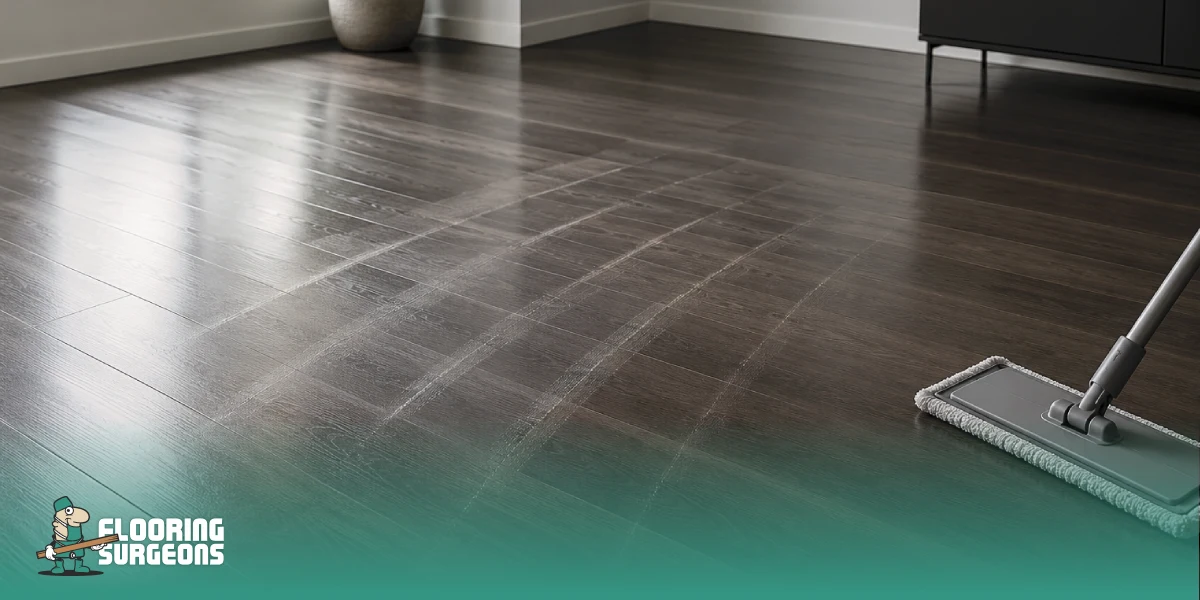
Oftentimes, floors can appear clean, but when you take a look at the flooring after the light reflects off of it, you can suddenly see roller marks after cleaning, faint lines or streaks after mopping. This isn’t always a sign that your floor is dirty. Often, it’s an issue due to your floor’s finish, colour, or texture, improper cleaning, or leftover floor-cleaning residue. Glossy finishes, dark colours, and extremely smooth surfaces tend to show mop marks on floors more easily than matte finishes and textured or patterned floors. In this article, we’ ll discuss what floors are more prone to showing cleaning marks, why these marks are left behind, and what flooring options can help you avoid seeing visible streaks during everyday cleanings.
Table of contents
Which Floors Show Roller Marks After Cleaning the Most?
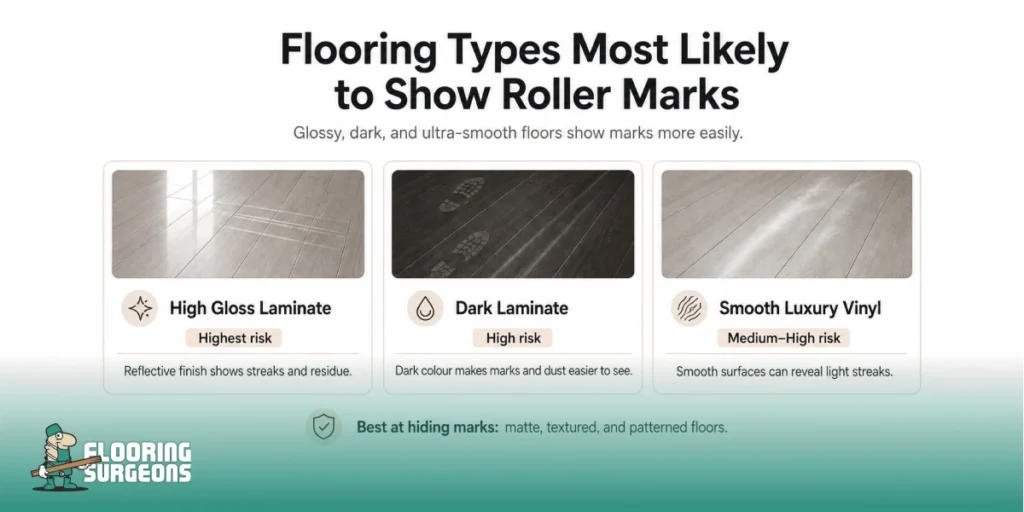
Floors that commonly produce roller marks after cleaning are typically shiny, dark, and smooth, or have little pattern or texture. Flooring like high gloss laminate flooring, dark laminate flooring, polished ceramic tile, smooth vinyl flooring and glossy hardwood flooring can exaggerate floor roller marks because they tend to reflect light and show residue more readily. Matte finishes, textured floors, patterned floors, and mid-tone coloured floors typically hide faint lines, dust, and streaks better after cleaning.
Before choosing a floor, it helps to compare which surfaces are more likely to reveal cleaning marks and which are more forgiving for everyday use.
| Flooring Type | Risk of Showing Marks | Main Reason |
| High-gloss laminate | Very high | Reflective surface shows residue and roller lines |
| Dark laminate | High | Dark colours highlight dust, streaks, and mop lines |
| Smooth luxury vinyl | Medium to high | Flat surfaces can reveal cleaner residue |
| Polished tile | Medium to high | Glossy finish reflects water marks and streaks |
| Glossy hardwood | Medium to high | Moisture lines and shine make marks more visible |
| Matte textured flooring | Low | Texture helps hide faint cleaning marks |
| Mid-tone patterned flooring | Low | Colour variation disguises marks better |
Why Floors Show Streaks After Mopping
Knowing why floors show streaks after mopping can help you avoid the problem altogether. Sometimes the culprit isn’t the floor, but rather what remains after you mop. Excess cleaner can dry on the floor, forming floor-cleaning residue. This is especially true of smooth or glossy floors. Dirty mop water can leave dust and cleaner on floors rather than removing them.
Another frequent cause of streaks after mopping is too much moisture. Floors that dry inconsistently can produce faint lines, cloudy areas or duplicated mop strokes. This issue is most visible on laminate, vinyl flooring, tile and wood-look flooring with a high gloss shine.
Lighting also has an effect. Even if a floor appears clean from one direction, sunlight pouring in through windows or overhead lights can highlight floor roller marks and drying streaks. This is why dark, shiny, highly polished floors often appear dirtier than textured or matte finishes after being cleaned.
Flooring Types Most Likely to Show Roller Marks
Floors differ in how they respond to cleaning. Some floors will naturally cause roller marks after cleaning due to colour, gloss, texture or surface residue. Areas that tend to be glossier, darker, or super smooth are typically the biggest offenders, as light reflecting off the floor enhances small streaks.
High Gloss Laminate Flooring
Probably the biggest offender when it comes to roller marks after cleaning is a high-gloss floor. They show everything. Shine equals reflection. And the smaller the drying streaks, the cleaner the remaining residue, or the more shadowed the roller track, the more they show. That’s why we recommend extra caution with high gloss laminate flooring as compared to matte finishes or textured floors.
Dark Laminate Flooring
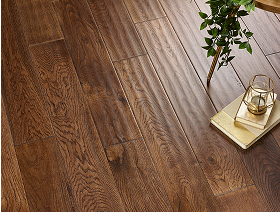
Dark floors can look clean and sleek, but they can also show dust, footprints, mop marks, and light streaks more easily after cleaning. Smudges from the remaining cleaner or moisture also tend to show up more clearly on dark floors when sunlight or light fixtures shine on them.
That is why Dark Laminate Flooring can develop floor roller marks more prominently than mid-tone floors or patterns. It’s not always poor-quality flooring; it’s sometimes caused by the contrast between the dark colour and cleaning marks.
Dark laminate can stay cleaner longer if you use less cleaning solution, don’t over-wet your floor, and dry the surface with a clean microfiber cloth as necessary. A low- or lightly-textured finish can also minimise streaks after mopping.
Smooth Luxury Vinyl Flooring
Vinyl may be a good flooring option for busy homes, as it is easy to maintain and works well in areas that require frequent cleaning. Ultra-smooth/high-gloss vinyl will be prone to roller marks after cleaning if it dries slowly or if excessive cleaner is left on the floor.
Floor cleaning residue is typically the culprit. Residue left to dwell on flat vinyl flooring will leave light streaks, hazy spots or hop burn circles. Lighter doesn’t mean your vinyl flooring wipes clean easily; it just means the finish and texture vary.
Textured or patterned Luxury Vinyl Flooring is typically more hiding than smooth, shiny vinyl flooring due to its surface texture. Textured vinyl flooring can also be a good choice for households that clean their floors often, if you want less visible streaky floors after cleaning.
Floor Features That Make Cleaning Marks More Visible
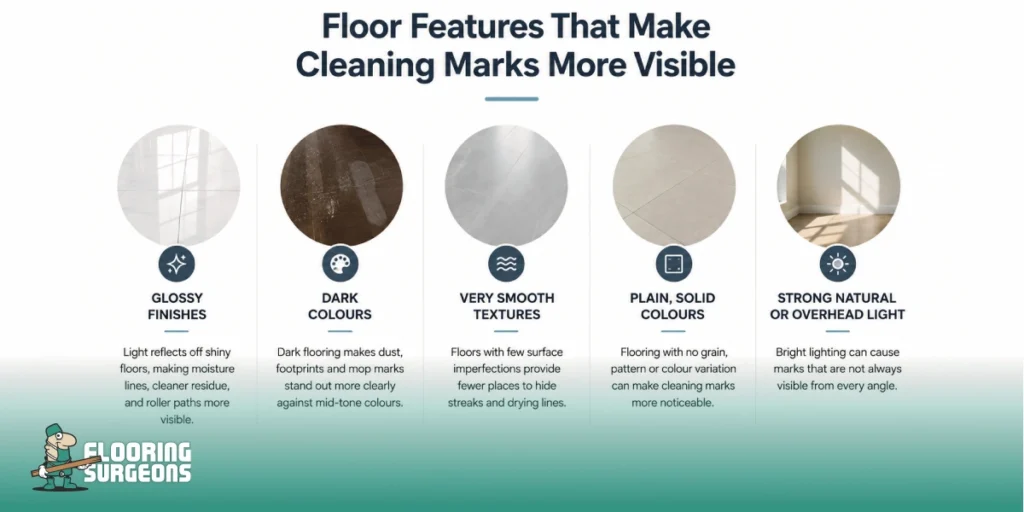
Flooring surfaces play a big role, but certain finishes can cause the most issues. Most floors that show cleaning marks have one thing in common: they are too reflective, show contrast well, or lack texture to hide subtle blemishes. Below are some surfaces that can cause roller marks, dust, and streaks after mopping your floor:
- Glossy finishes: Light reflects off shiny floors, making moisture lines, cleaner residue, and roller paths more visible.
- Dark colours: Dark flooring can make dust, footprints and mop marks stand out more clearly against mid-tone colours.
- Very smooth textures: Floors with few surface imperfections provide fewer places to hide, streaks, and drying lines.
- Plain, solid colours: Flooring with no grain, pattern or colour variation can make cleaning marks more noticeable.
- Strong natural or overhead light: Bright lighting can cause marks that are not always visible from every angle.
If you want to avoid dust, streaks, and cleaning lines, it’s helpful to know which floor colour shows the least dirt before investing in a new floor. Mid-tone shades, natural grain finishes, and lightly patterned textures will better hide cleaning wear.
Best Flooring to Hide Cleaning Marks
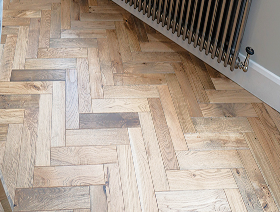
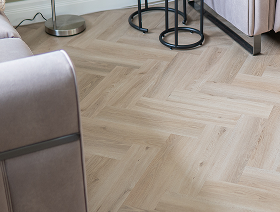
The best flooring for hiding cleaning marks is usually one that does not reflect too much light or show strong contrast after cleaning. Matte finishes, textured floors, patterned floors, and mid-tone floors work well since dust streaks or remaining cleaning solution will not show as easily on the floor.
If you want flooring that does not show streaks, avoid very glossy, very dark, or completely plain designs. Faint roller tracks and daily cleaning marks are disguised by soft wood grain, stone textures or subtle surface patterns. Busy traffic areas such as kitchens, hallways, living rooms and entrances will require more frequent cleaning.
How to Prevent Roller Marks After Cleaning
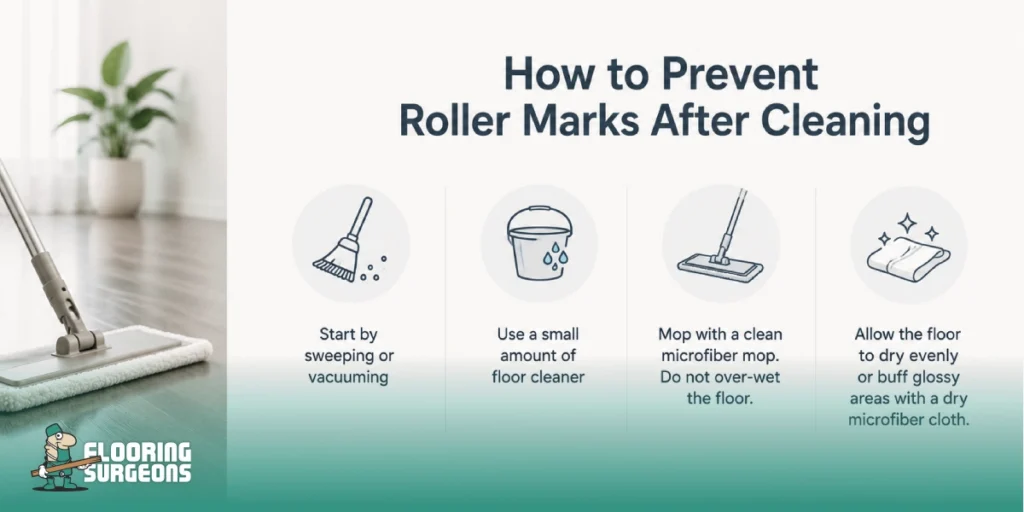
Avoiding roller marks after cleaning is typically a matter of cleaning smarter, not harder. This means cleaning with the proper amount of moisture, product and pressure. Too much cleaner will sit on the floor and leave behind floor cleaning residue as it dries. Too much water can cause the floor to dry with visible lines.
Ideally, start by vacuuming or sweeping the floor to avoid dust being dragged across the floor. Mop floor with a small amount of an appropriate floor cleaner using a clean microfiber mop. The floor should not be saturated with mop solution. NOTE: Do not over-wet laminate flooring or wood-effect flooring. Allow the floor to dry evenly or buff any glossy areas with a dry microfiber cloth.
If you find that your laminate floors are frequently looking dull or streaky after mopping, refer to our How to Clean Laminate Flooring article to reduce residue, moisture marks, and repeated mop lines while minimising your use of cleaning products.
Roller Marks vs Streaks vs Scuff Marks
Roller marks or streaks can resemble scuff marks, although they are normally caused by different things. Floor roller marks are parallel lines or tracks left by a mop roller, cleaning machine, or repeated movement across a floor surface. They can occur after the floor has dried and are more noticeable on glossier or smoother floor surfaces.
Streaks after mopping are typically the result of water, cleaner, or film drying unevenly on the floor. That’s why floors can look clean when wet but turn cloudy or streaky when dry. Scuff marks, however, are typically caused by shoes, furniture, or other objects rubbing against the floor.
Final Thoughts
Dark, smooth or shiny floors with little pattern or texture are generally the ones most prone to roller marks after cleaning. Roller marks generally occur when there is residue, moisture lines, or streaking after mopping, which is visible even if the floor isn’t dirty. Matte finishes, textured flooring with patterns or mid- tones colours are often easier to maintain if you don’t like cleaning roller marks. Take a look at Flooring surgeons for more low-maintenance floor ideas for everyday homes.

Ana.Soltanpoor
I’m an SEO Specialist with a strong background in content management and organic search. I build data-driven content strategies by aligning user intent, search behavior, and SEO best practices to ensure every piece of content delivers clarity, relevance, and measurable organic performance.