




Is your laminate floor feeling spongy? This issue is more common than you might think, and it can make your floor feel uncomfortable and unstable. If you’re wondering why does my floor feel spongy, you’ve come to the right place. In this guide, we’ll go through the top reasons your laminate floor feels spongy and the easiest ways to fix it.
Table of contents
What causes a Laminate Floor to Feel Spongy?
When your laminate flooring feels spongy or squishy underfoot, it indicates an underlying issue that needs attention. Below, we break down the most common causes.
1. Uneven Subfloor
The subfloor serves as the foundation for your laminate flooring. If the subfloor is uneven, it will create air pockets under the laminate, which can lead to soft spots or a spongy feeling. This problem often starts in specific areas, especially if the flooring is newly installed. An uneven subfloor is one of the primary reasons why your laminate floor feels spongy.
2. Incorrect or Poor-Quality Underlay
An essential part of laminate installation is the flooring underlay for laminate flooring. If the wrong type of underlay is used, or if it is of low quality, it can cause your laminate floor to feel spongy. Underlays that are too soft or thick may not provide the necessary support, leading to an unstable surface.
3. Insufficient Expansion Gap
Laminate flooring needs room to expand and contract due to temperature and humidity changes. If the expansion gap is too small or missing, the laminate will move under pressure, causing a spongy or bouncy sensation. This is a common reason why does my laminate floor feels spongy. You may notice this issue if the floor bulges or shifts when you walk across it.
4. Water Damage
Water damage can cause your laminate flooring to feel spongy by causing it to swell. Water can enter the laminate through leaks, spills, or high humidity, which weakens the boards and causes them to lose their firm, stable structure. This is a significant contributor to why my laminate floor is moving or feels squishy underfoot.
How to Fix Spongy Laminate Flooring
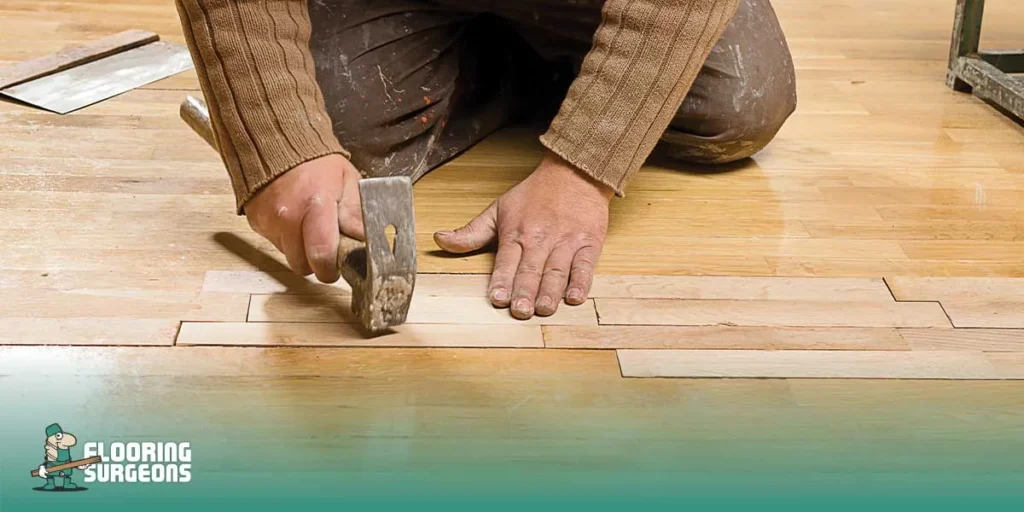
Now that we know the possible causes, let’s explore how to fix a spongy laminate floor.
1. Address Uneven Subfloor
If the subfloor is uneven, it needs to be levelled. A professional contractor can assess the situation and correct the issue, ensuring that the laminate has a stable base. This is especially important to ensure long-term durability and comfort.
2. Replace or Adjust the Underlay
If the underlay is too soft or not designed for laminate flooring, you should replace it with a suitable flooring underlay for laminate flooring. A proper underlay provides support, reduces noise, and enhances the lifespan of the laminate floor.
3. Ensure Proper Expansion Gaps
To prevent the laminate from expanding too much and creating spongy spots, ensure that the correct expansion gaps are left around the edges. If the gap is insufficient, trim the laminate along the perimeter to create enough space. This step will prevent further issues with buckling or a spongy feel.
4. Fix Water Damage
If water damage is causing your floor to feel spongy, the first step is to address the source of moisture, such as a leak or high humidity. Once the cause is fixed, replace any damaged boards, ensuring that the subfloor is also dry before installing new laminate. This will prevent any further spongy laminate flooring issues.
For a smoother installation process, you may also want to learn which direction to lay laminate flooring for optimal results.
Quick Fixes for Your Laminate Flooring
| Issue | Solution |
| Uneven subfloor | Level the subfloor with professional help |
| Incorrect or poor-quality underlay | Replace with a suitable underlay |
| Insufficient expansion gap | Trim laminate edges to create space |
| Water damage | Dry out and replace damaged boards |
How to Prevent Your Laminate Floor from Feeling Spongy
Now that you’ve learned how to fix your spongy laminate flooring, it’s essential to maintain it to avoid future issues. Here are some tips for preventing this problem and ensuring that your laminate floor feels spongy no longer:
- Buy high-quality laminate flooring that is designed to last and resist damage.
- Ensure proper acclimation of your laminate before installation to adjust to the room’s temperature and humidity.
- Use the correct underlay to support the laminate and provide a smooth, stable surface.
- Avoid excessive moisture when cleaning laminate. Use only a damp mop and avoid steam cleaning, which can damage the laminate boards.
By following these preventive steps, you’ll keep your laminate floor sturdy and prevent future spongy feelings.
Contact Flooring Surgeons for Expert Help
If you’re still experiencing issues with your laminate floor spongy, it might be time to consult with professionals. Flooring Surgeons can help diagnose the issue and recommend the best solutions for your flooring problems. Our team of experts specializes in identifying the root causes of flooring issues, from subfloor irregularities to moisture damage, and we’ll ensure your laminate flooring is back to its pristine condition.
Don’t let a spongy laminate floor ruin the beauty and comfort of your home. Get in touch with Flooring Surgeons today and let us provide you with reliable, long-lasting solutions. Our experienced professionals will work quickly and efficiently, offering peace of mind and ensuring your floor stays stable, secure, and beautiful for years to come.

Mina Asgari
I’m an SEO Specialist and Content Strategist focused on sustainable business growth. I design data-driven content strategies by deeply analyzing user intent, search behavior, and SEO best practices, ensuring every piece of content serves a clear purpose for both users and search engines.