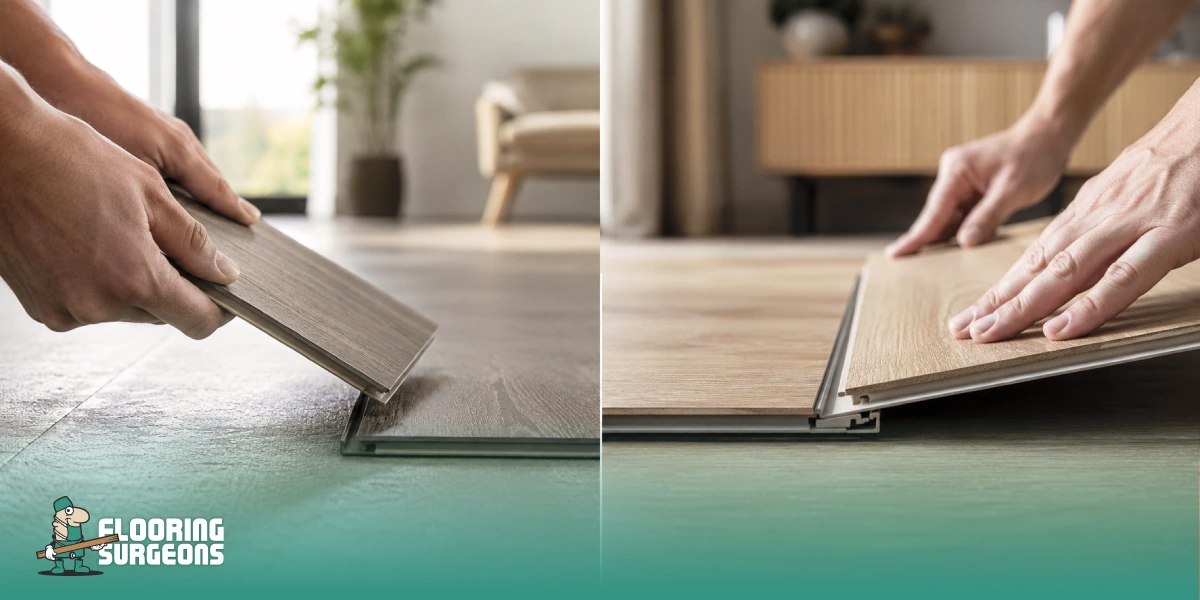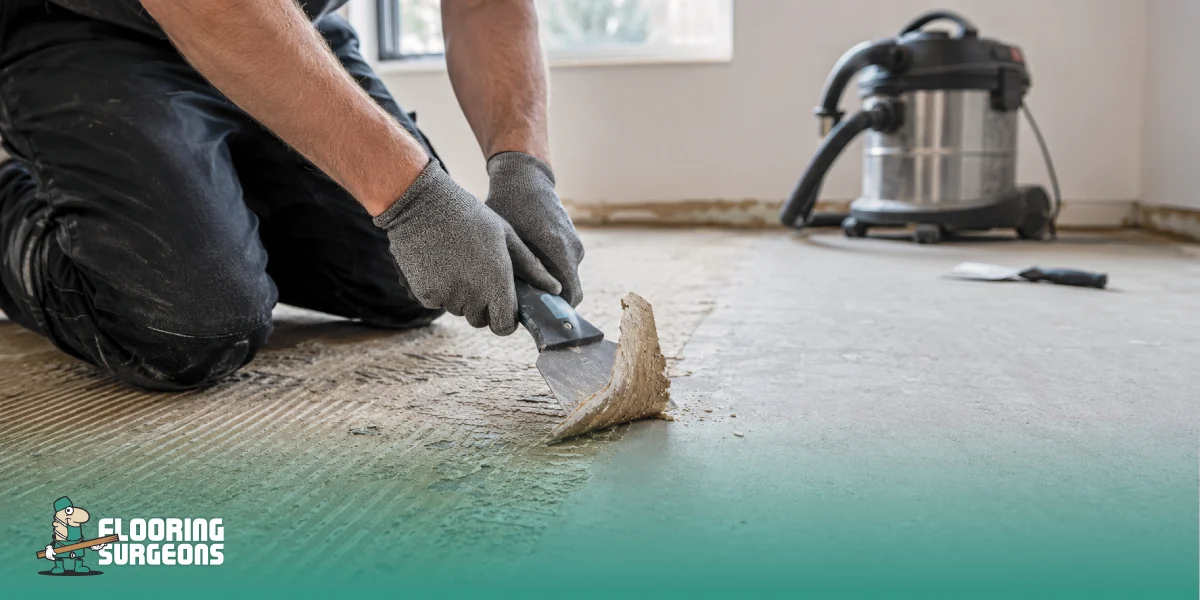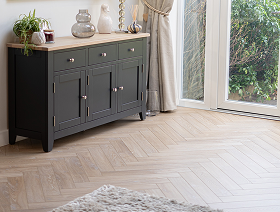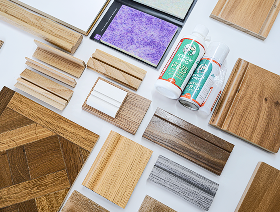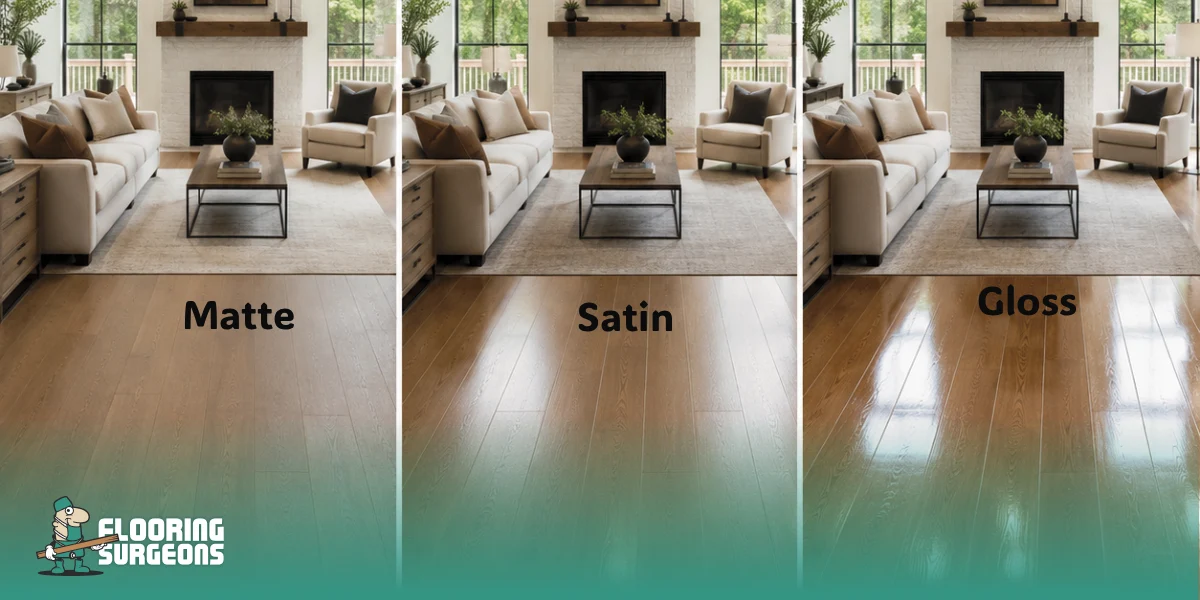
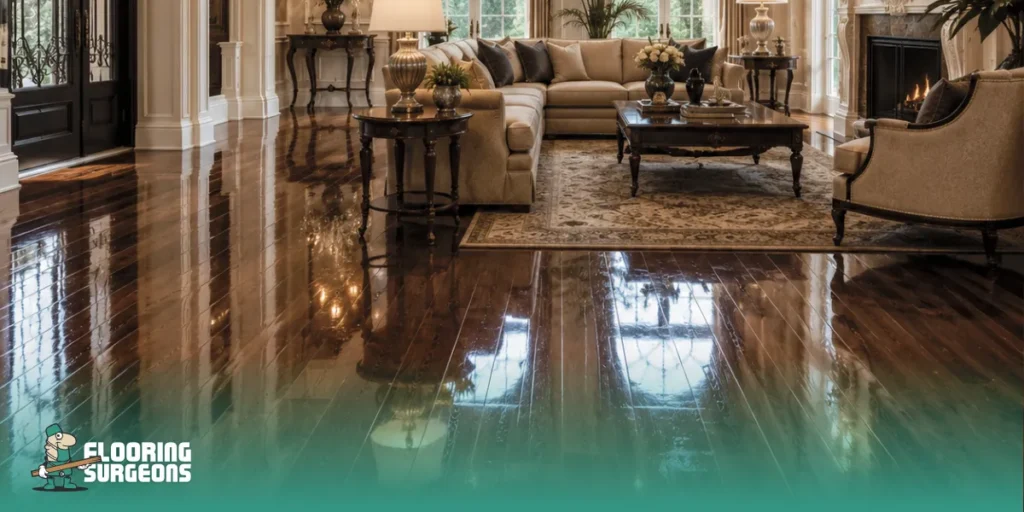
Different wood floor finishes can have a significant impact on how your floor ages with months or years of everyday traffic. Matte and gloss wood floor finishes do more than change the level of shine; they also affect how light reflects from the surface, making scratches, scuff marks, dust, and footprints more or less visible.
Matte wood flooring finishes are typically the most forgiving for daily traffic in most residential environments. The low reflectivity of matte wood floors allows small imperfections to disappear into the floor rather than reflect back at you. Satin falls right in the middle with a gentle luminosity and a realistic level of durability. High-gloss wood floors are the shiniest and most reflective finish.
Matte vs satin vs gloss wood flooring ranked by wear visibility. We compare the finishes by room use and lifestyle so you can pick a floor that looks good longer.
Table of contents
Quick Comparison: Matte vs Satin vs Gloss Wood Flooring
Matte vs satin vs gloss hardwood floor finish really just depends on how much light it reflects: matte conceals scratches and wear the best, satin looks very neutral, and gloss reflects imperfections the most.
| Wood Flooring Finish | Appearance | How Well It Hides Wear | Maintenance Level | Best For |
| Matte | Natural, understated and low-sheen | Excellent for hiding small scratches, scuffs and dust | Low to moderate | Busy homes, pets, children, hallways and open-plan spaces |
| Satin | Soft glow with a subtle shine | Very good, but slightly more reflective than matte | Moderate | Living rooms, dining rooms and homeowners who want a balance of style and practicality |
| Gloss | Shiny, polished and highly reflective | Poor compared with matte and satin because marks stand out more | High | Formal rooms, low-traffic areas and statement interiors |
In simple terms, matte is usually the best choice if you want a wood flooring finish that hides wear. Satin strikes the best balance if you desire some sheen without highlighting every imperfection. Gloss looks stunning, but it’s the least practical finish for daily wear, as it’s prone to scratches, footprints, and surface blemishes.
Which Wood Floor Finish Hides Scratches Best?
Matte is typically considered the best wood floor finish for hiding scratches, as it reflects less light than satin or gloss finishes. Fine scratches, light scuffs, dust marks and small surface imperfections are less visible, particularly in high-traffic areas of the home. But matte flooring isn’t scratch-proof. The finish just makes day-to-day wear less noticeable; the true durability depends on the finish, wood species, wear layer, etc.
Satin is your ideal compromise. Its gentle shine means it feels warmer and slightly smarter than matte, but it hides wear far better than gloss. Gloss is the least forgiving as scratches, footprints and imperfections show up more easily on its reflective surface. If you want floors that hide everyday wear, matte or low-satin oak engineered flooring can often be a great choice.
Scratch Resistance vs Scratch Visibility: What’s the Difference?
Scratch resistance is different from scratch visibility. A matte wood floor finish can hide fine scratches and scuff marks better, but that doesn’t necessarily make it the hardest wood floor finish. Sheen determines how visible wear is, and finish type determines how well protected the surface is.
For instance, two floors can be finished to the same level of protection. However, the higher gloss floor will reflect more light, making marks more visible. This is why floors finished with a low sheen tend to look nicer longer with daily wear, even when they have the same amount of foot traffic.
If durability matters most, check out “What is the Most Durable Finish on Hardwood Flooring” before selecting a finish based on sheen.
Best Wood Floor Finish for Scratches
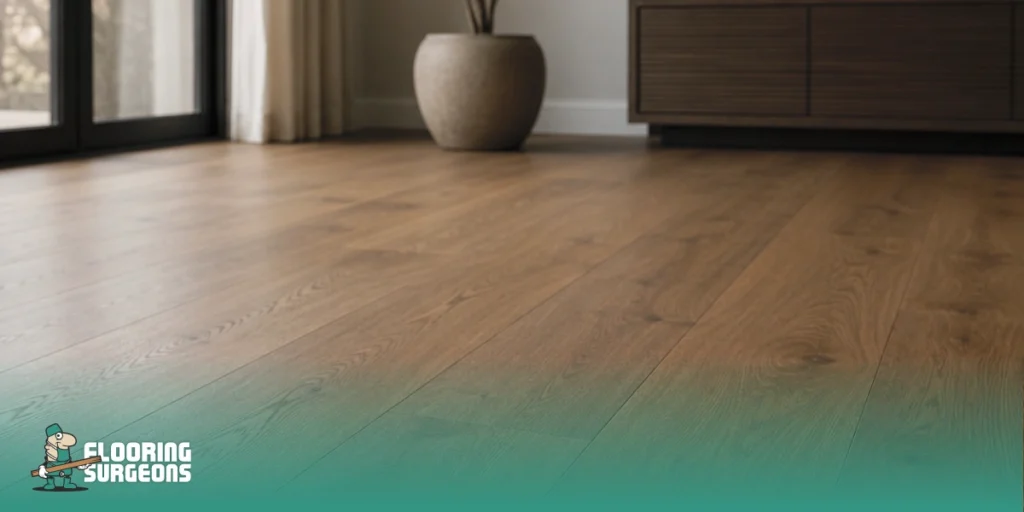
Hallways, entrances, stairs and open-plan living areas would generally benefit from a matte or low-satin finish. Matte finishes are ideal for high-traffic areas because they reflect less light than gloss. In everyday living, scuff marks, footprints, and fine scratches will be less noticeable.
Matte finishes are ideal if minimising visible wear is your top concern. Matte has a softer look with lower sheen. It also works really well in households with kids, pets or high foot traffic. Satin finish is another great choice if you prefer something a little warmer.
Gloss finishes tend to be your least durable choice, especially in high-traffic areas. The reflective surface easily highlights dust and small scratches, especially around entrances or in rooms with abundant natural light. In high-traffic areas that see the most daily abuse, select a matte wood floor or a satin finish for your engineered flooring in hallways. They will help your floor stay cleaner and more uniform longer.
How Colour Affects Visible Wear
The colour of your wood flooring can either hide or highlight scratches, dust and footprints. Lighter wood floors tend to be more forgiving than extremely dark floors because there is less contrast with surface marks.
That’s why matte or satin finishes pair so well with pale oak, natural oak and other light wood tones. Less sheen reduces light reflection, while the pale colour disguises small scuffs and dust.
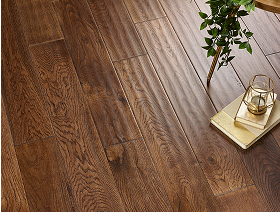
Dark wood flooring can appear classy, but it tends to highlight dust, pet hair, footprints and superficial scratches more readily, particularly if you have a gloss wood floor finish. Opt for matte or satin if you love dark floors; they’re higher maintenance than high gloss.
For residential applications where hiding stains from daily wear is important, light engineered flooring with a matte or low-satin finish will probably suit best.
How Grain and Pattern Affect Scratch Visibility
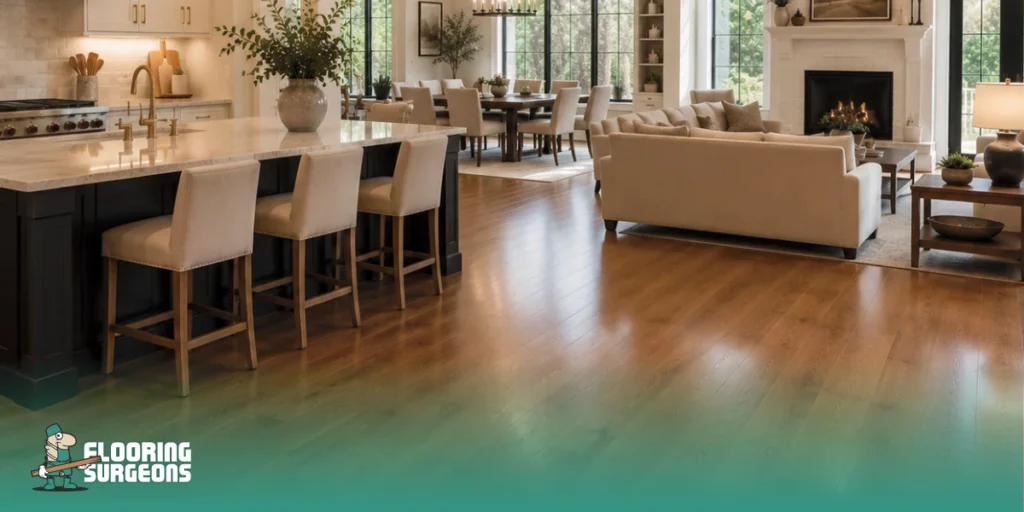
Grain and pattern will also affect the appearance of everyday wear on a floor. Flooring with more movement in grain, texture or variation will better hide small scratches and scuffs than very flat, plain boards.
One reason oak is so practical for busy households is its durability. Fine scratches and marks are disguised by the natural grain, particularly with a matte or satin wood floor finish. Brushed, textured or rustic finishes can be even more forgiving as minor abrasions are disguised by the distressed look.
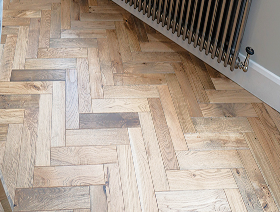
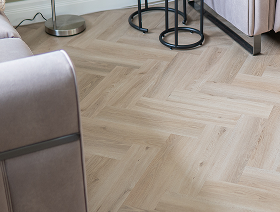
Patterned floors can also disguise visible wear. Installing something like herringbone engineered flooring allows the floor to move, preventing small marks from appearing in a single, uninterrupted field. If durability against visible wear is your priority, steer clear of extremely slick floors in dark colours with high-gloss finishes. Scratches, dust and footprints show up more easily on them than on textured matte or satin floors.
Lacquered, Oiled or Unfinished: Does Finish Type Matter?
If durability against visible wear is your priority, steer clear of extremely slick floors in dark colours with high-gloss finishes. Scratches, dust and footprints show up more easily on them than on textured matte or satin floors.
Matte lacquered floors are preferable if you would like a floor with less sheen but still require a protective coating. Oiled and UV-oiled floors often give a more natural feel. This suits matte or satin floors but can require more specific maintenance, depending on the product.
After you have selected a matte, satin, or gloss finish, the next decision is choosing between an oiled and a lacquered finish. For this topic, Oiled vs Lacquered Wood Flooring which finish is best for your home, the internal post is the most closely related.
30-Second Decision Guide: Which Finish Should You Choose?
OK, if you insist on the simplest answer possible: go with matte for the most forgiving finish, or satin for the ideal balance between the two. Only go with gloss if you value shine over hiding day-to-day wear. Your specific situation will dictate traffic flow in the room, the amount of natural light and how visible you want scratches, dust and footprints to be.
Best Finish Based on Your Priority
| Your Priority | Best Finish |
| Hiding scratches and scuff marks | Matte |
| A natural, low-maintenance look | Matte |
| A soft glow with practical wear resistance | Satin |
| Busy family homes or pets | Matte or low satin |
| High-traffic areas such as hallways and stairs | Matte or low satin |
| A polished, formal appearance | Gloss |
| Dark wood floors | Matte or satin |
| Bright rooms with strong natural light | Matte or satin |
In most day-to-day domestic environments, matte or satin finishes are more practical than gloss. Matte finish will hide scratches the best on wood floors; however, satin finishes are great if you would like a warmer appearance without accentuating everyday living.
Final Verdict: Is Matte, Satin or Gloss Best?
If hiding everyday wear is your main concern, a matte finish will generally offer the best performance. The lack of shine helps camouflage fine scratches, scuff marks, dust and footprints. Satin tends to offer the best balance between a soft shine and low maintenance. In high-traffic areas and for families with children, satin generally offers the maintenance ease you need. Gloss is best suited to formal spaces that don’t get much traffic, as it shows marks more easily but offers a higher shine.
Flooring Surgeons recommend that your choice of wood flooring finish should depend on the room’s use, natural light, and the level of maintenance you want. For general home use, matte or low-satin floors are the most forgiving and long-lasting option.

Ana.Soltanpoor
I’m an SEO Specialist with a strong background in content management and organic search. I build data-driven content strategies by aligning user intent, search behavior, and SEO best practices to ensure every piece of content delivers clarity, relevance, and measurable organic performance.